Have you ever bought your feline friend an expensive cat bed, only to watch them ignore it completely in favor of the cardboard box it arrived in? If so, you’re not alone. This puzzling preference has baffled cat owners for generations, turning simple shipping containers into the most coveted spots in the household. Your cat’s obsession with boxes isn’t just quirky behavior or stubborn independence. There’s fascinating science behind why these simple cardboard structures become irresistible havens for your furry companion. From ancient survival instincts to modern stress relief, the reasons run deeper than you might imagine. Let’s dive into the captivating world of feline psychology and discover what makes boxes so special to your whiskered friend.
The Security Blanket Effect: Why Boxes Feel Like Home
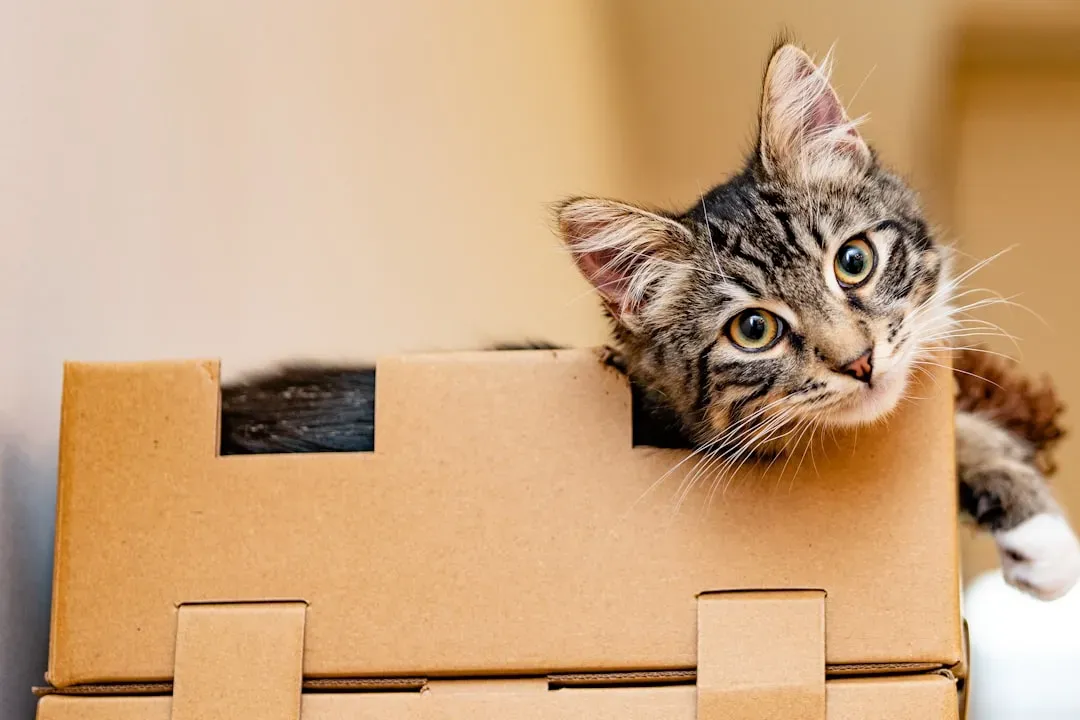
Your cat sees boxes differently than you do. While you notice cardboard and empty space, your feline perceives a protective fortress that shields them from the world. In the wild, small hidden spaces protect cats from predators, and a box triggers their natural instinct to find a safe den where they can keep watch while feeling hidden and safe. This instinct is hardwired into their DNA, passed down through countless generations of wild ancestors who relied on concealment for survival.
Think of it this way: boxes give your cat control in a world they can’t always predict. Hiding behavior in a box might be exactly what your cat needs to feel safe, though it can also signal that something is stressing them out in their home. The enclosed walls create boundaries that your cat understands and trusts, offering them a personal sanctuary where they decide who enters and when.
Ancient Hunters in Modern Homes: The Predatory Instinct
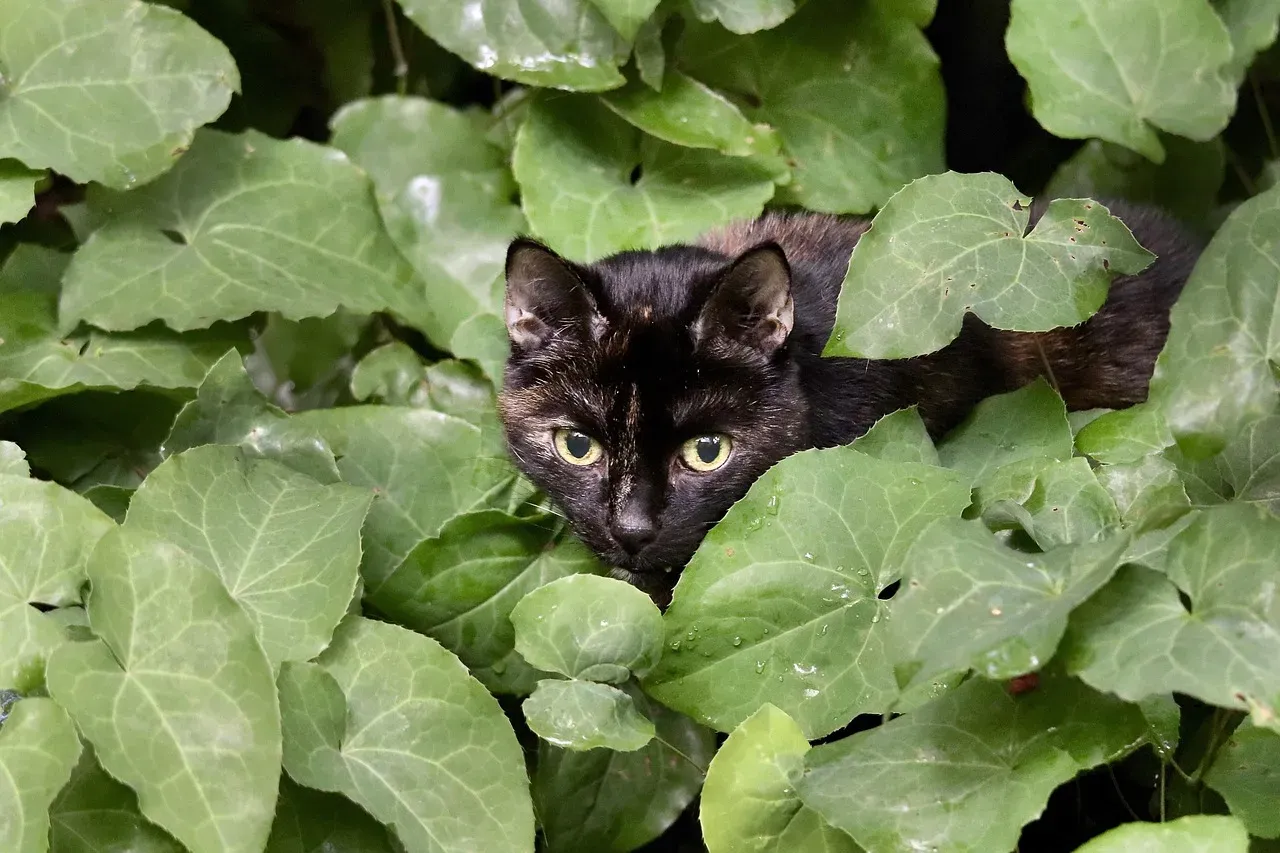
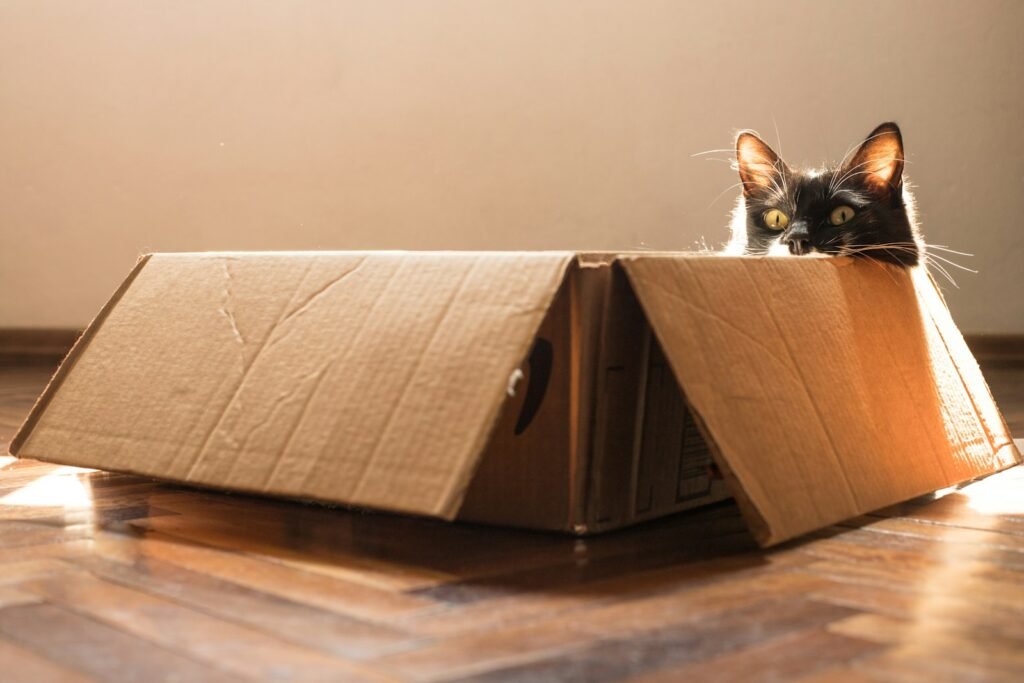
One crucial benefit of boxes relates to hunting instincts, as cats occupy a delicate midpoint in the food chain where they are both predator and prey. Your indoor cat hasn’t forgotten these primal urges, even if the only prey they stalk is a feather toy or your unsuspecting ankles. Boxes provide the perfect ambush spot, with walls that conceal their presence and an open top for pouncing.
Boxes offer a perfect hunting spot with walls that shield cats from view and an open top they can use to pounce onto potential prey or a plush toy. Watch your cat’s eyes widen as they crouch inside their cardboard hideout, tracking movement with laser focus. That’s not just play – it’s your domesticated hunter exercising instincts refined over millions of years of evolution.
Temperature Control: Your Cat’s Personal Climate Haven
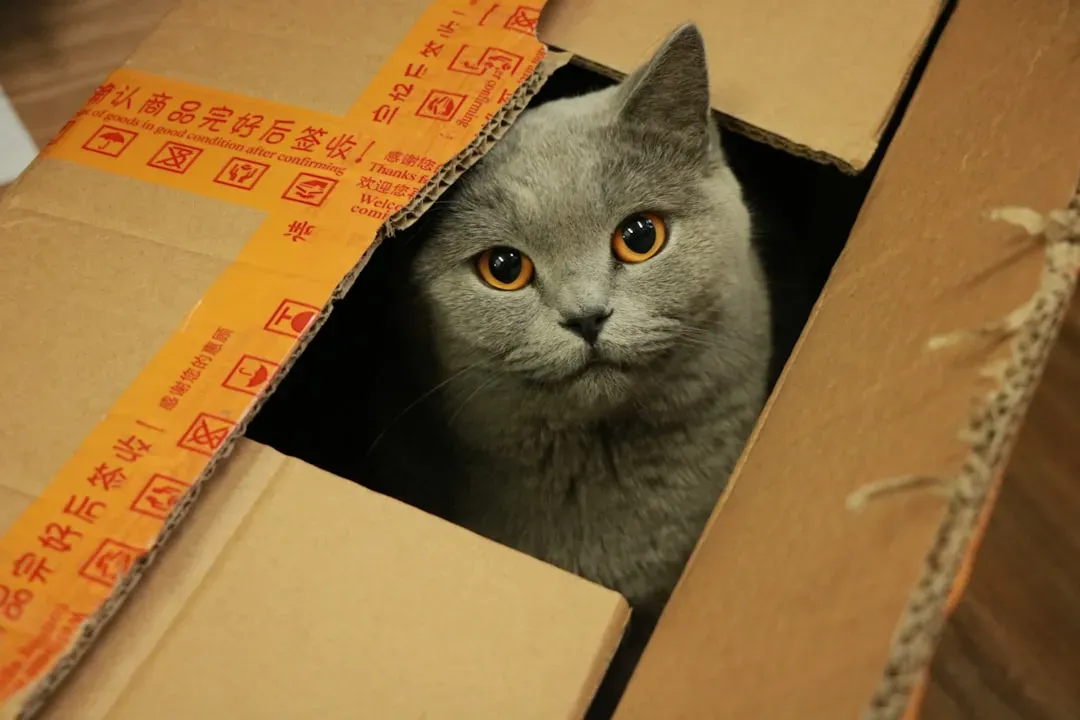
Here’s something that might surprise you: your home is probably too cold for your cat’s comfort. Cats are most comfortable in temperatures between 86 and 97 degrees Fahrenheit, but most homes are kept around 72 degrees, so boxes act as insulators that trap body heat. That seemingly flimsy cardboard becomes a cozy heat chamber, allowing your cat to maintain their preferred tropical temperature without running up your heating bill.
Boxes help keep things toasty for cats as the cardboard acts like a cozy blanket, trapping body heat and acting as an insulator, while the confined space forces cats to curl into a ball which also helps preserve body heat. So when you see your cat squeezed into what looks like an uncomfortably small box, they’re actually creating their own perfectly heated microclimate. Smart, right?
Stress Relief in Cardboard Form: The Science of Calming Cats
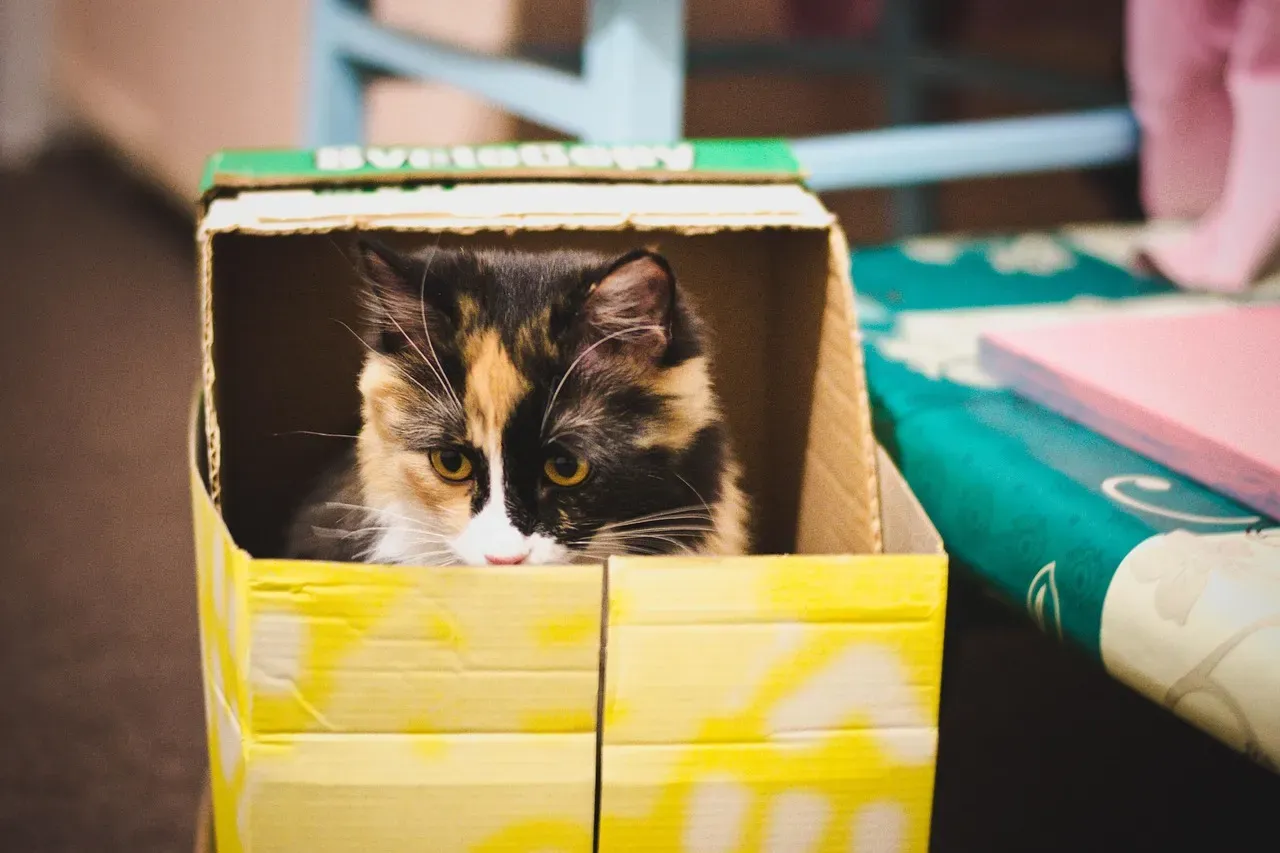
The stress-reducing power of boxes isn’t just speculation – it’s backed by solid scientific research. A study on Dutch shelter cats found that when cats are given boxes, their stress levels decrease significantly faster than cats not given boxes. This finding has huge implications for understanding how your cat copes with anxiety in everyday life.
Multiple studies have shown that stress hormones like cortisol are reduced in newly rescued cats when they are given access to a box. Whether your cat faces the stress of a new home, loud visitors, or just a bad day, that humble cardboard container becomes their therapeutic retreat. It’s like their version of a meditation room, where they can decompress and recalibrate their nervous system.
From Birth to Box: Early Life Experiences Shape Box Love
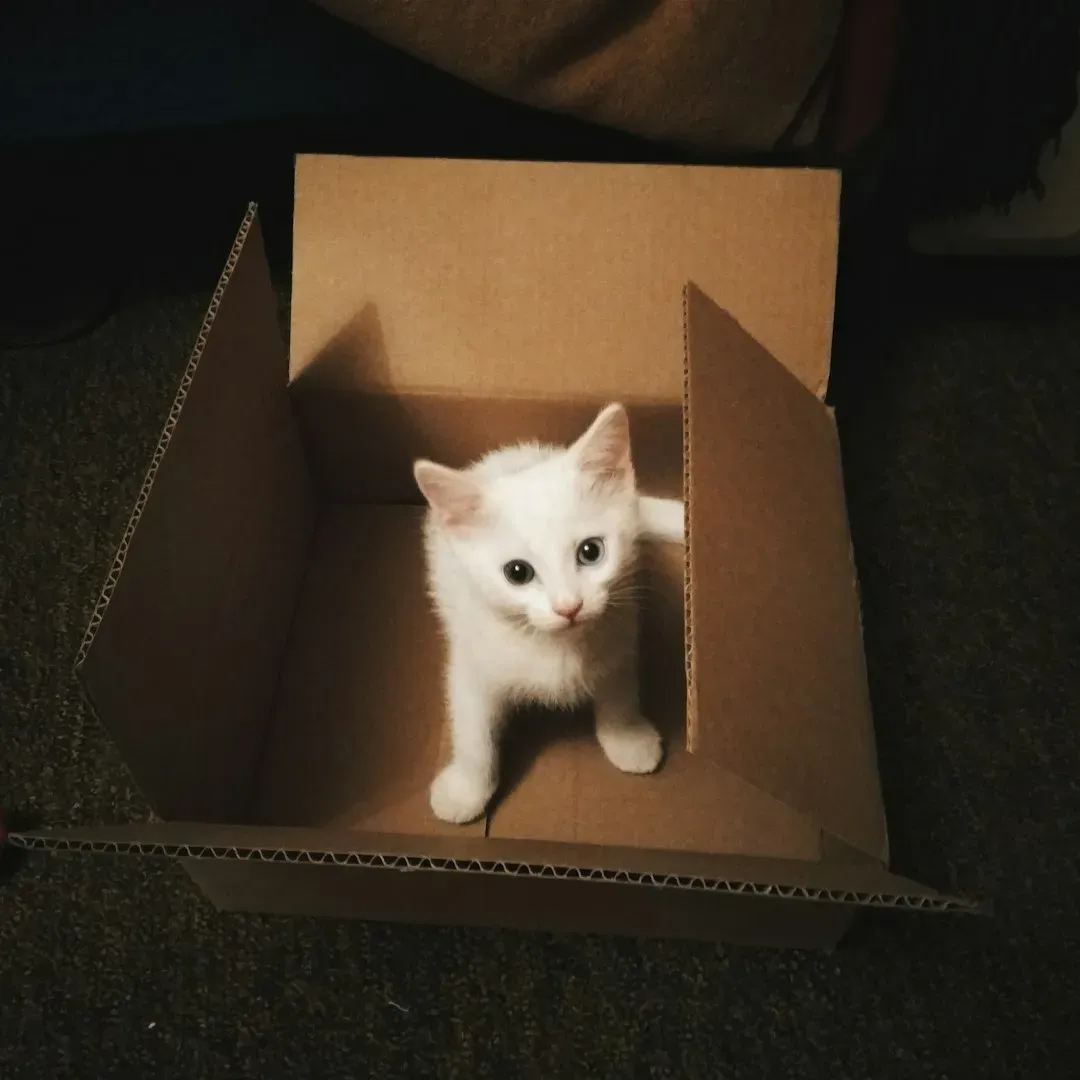
This instinct begins from the cat’s earliest moments, as a mother cat will seek out a quiet area to birth her kittens, making their first experience a safe enclosed space. Your cat’s love affair with boxes literally started the day they were born. That warm, protected feeling of being nestled with their mother and littermates created a blueprint for what safety feels like.
Those early experiences leave lasting impressions. The enclosed space reminds your adult cat of that primal comfort and security they felt as vulnerable kittens. It’s honestly fascinating how deeply those first few weeks shape behavior throughout their entire lives. No wonder boxes feel like coming home to your feline friend.
The Curiosity Factor: Novelty Keeps Cats Engaged
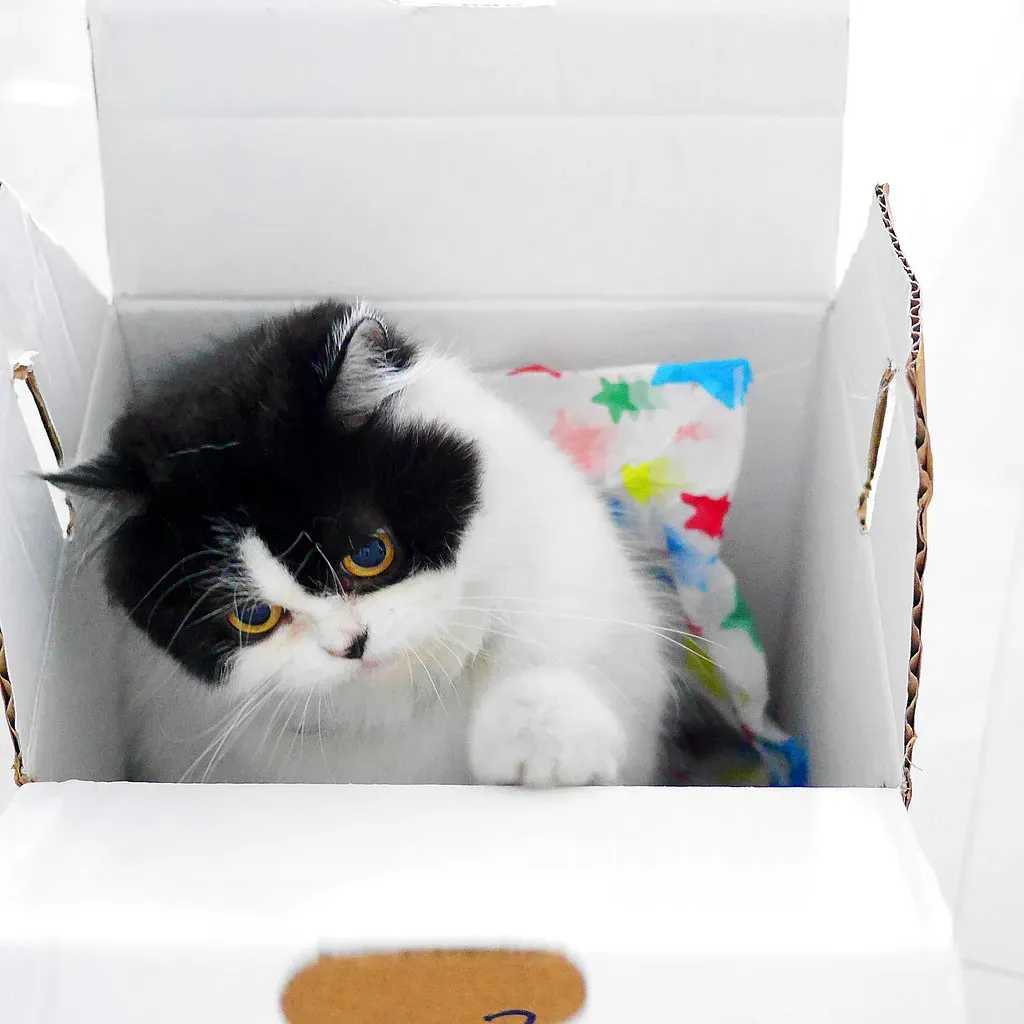
A newly arrived box is a change to a cat’s environment, and cats that live indoors know every inch of their kingdom and immediately notice any changes, making the box something fun and novel to investigate for a curious cat. Your cat might act aloof, but they’re secretly monitoring every detail of their territory with obsessive attention.
Cats are curious creatures, and boxes present an exciting world of exploration as cats love investigating new things, with new boxes and their smells and textures representing a new puzzle that must be unraveled. Each delivery to your doorstep brings fresh entertainment. The texture, the smell, the potential for discovery – it’s all incredibly stimulating for your feline’s inquisitive mind.
Territory Marking: Claiming Their Cardboard Kingdom
Cats have scent glands on their faces, and when they rub their faces on the sides of a box, they leave behind their scent, marking the box as their own special domain. You’ve probably noticed your cat rubbing their cheeks against every corner of a new box. That’s not just affection for cardboard – it’s a deliberate ownership claim.
This scent-marking behavior transforms a generic shipping container into personalized property. By depositing their unique chemical signature, your cat effectively hangs a “No Trespassing” sign for other animals. It’s their way of establishing control and creating familiar territory within the larger landscape of your home.
The Sensory Playground: Why Cardboard Is Irresistible
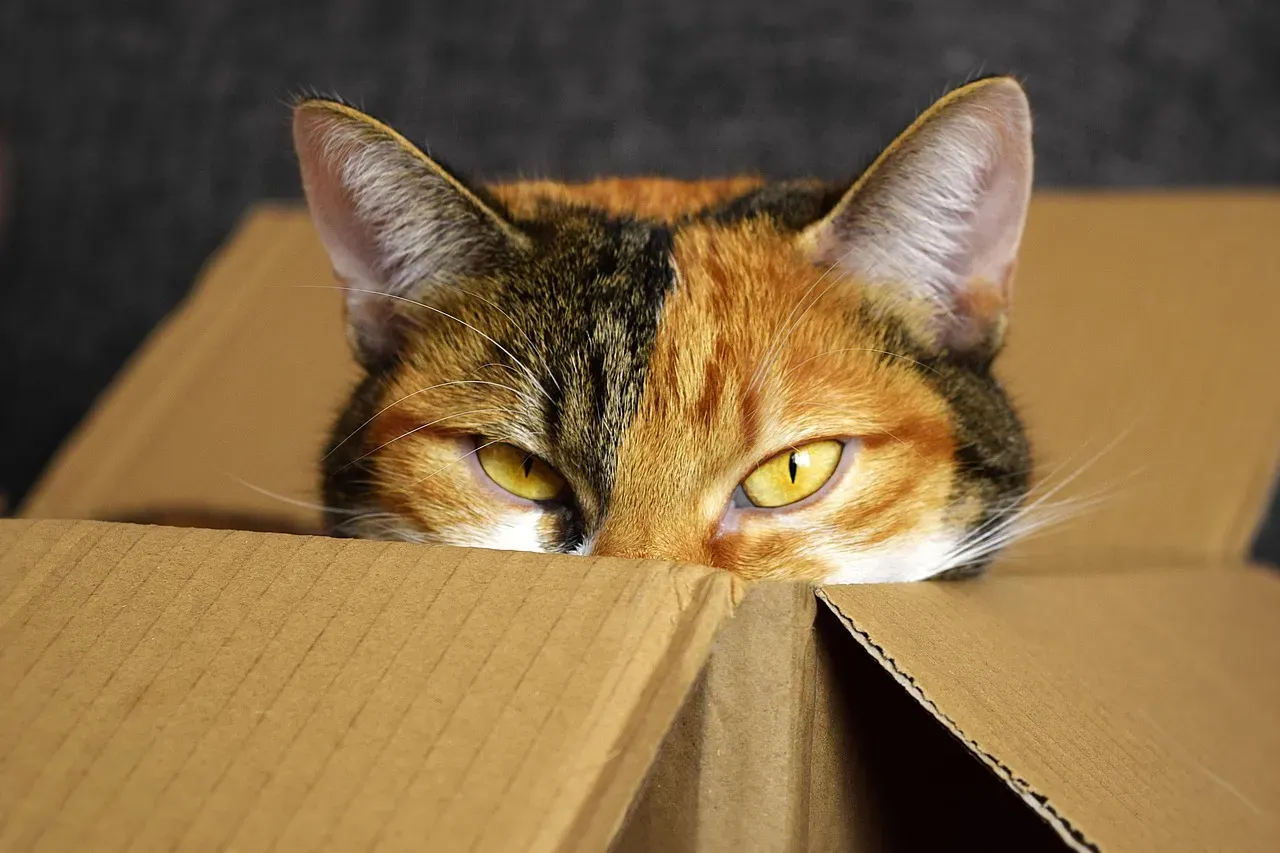
Let’s be real – cardboard has the perfect texture for cats. Cats love boxes because they provide a place to scratch their nails, and your feline may love the feel of the box, giving them a great place to chew and claw. That satisfying resistance when they sink their claws in, the sound it makes when they bite the edges – these sensory experiences are genuinely enjoyable for your cat.
The multi-sensory appeal goes beyond just touch. Boxes create interesting acoustics that amplify sounds differently than open spaces. The play of light and shadow inside the box captivates their visual attention. Every aspect engages your cat’s highly developed senses in ways that expensive pet beds simply can’t match.
Conflict Avoidance: The Private Retreat Strategy
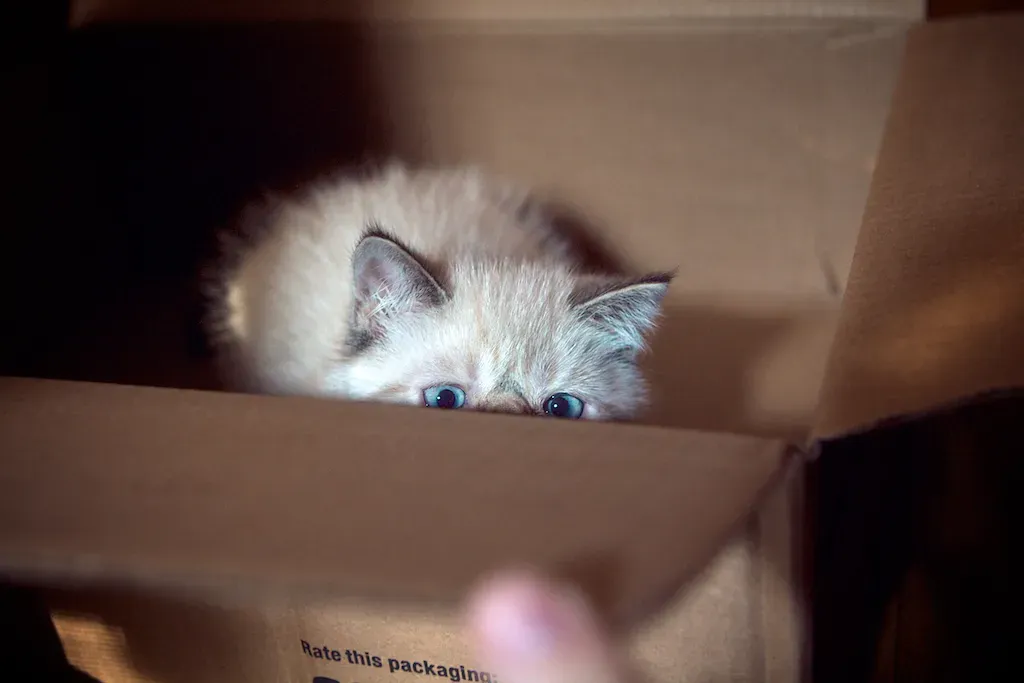
Cats lack refined conflict resolution skills, so they prefer to avoid negative interactions by avoiding others or hiding away, and when tensions arise with family members – humans or fellow pets – the refuge of a box offers the cat a chance to recalibrate and de-stress before resorting to confrontation. Your cat isn’t being antisocial when they disappear into a box during stressful situations. They’re practicing intelligent self-care.
This retreat behavior prevents escalation and gives your cat time to process overwhelming emotions. Rather than lashing out or becoming aggressive, they remove themselves from the situation. It’s actually a sophisticated coping mechanism that deserves respect. That box becomes neutral ground where they can feel safe until they’re ready to reengage with the household.
The Illusion Test: Cats Even Love Fake Boxes
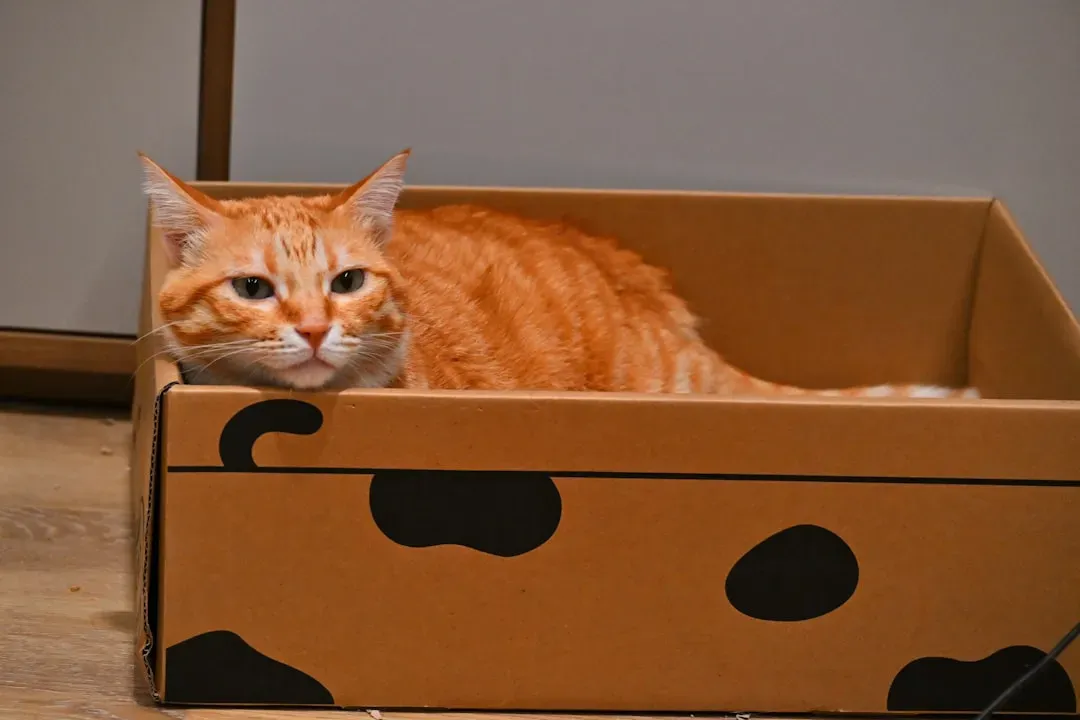
Here’s where things get really interesting. A study published in Applied Animal Behavioral Science indicates that cats love to sit in boxes even when it is only a two-dimensional outline shaped like a box on the floor. Researchers discovered that cats will position themselves inside shapes that merely suggest the boundaries of a box, even without physical walls.
Cats are susceptible to the Kanizsa illusion in a human-like way and are most likely attracted to 2-D shapes for their contours or sides rather than solely novelty on the floor. This reveals something profound about feline perception and cognition. The mere suggestion of boundaries provides psychological comfort, demonstrating that the box concept exists powerfully in your cat’s mind beyond just physical structure.
Bringing It All Together: Understanding Your Cat’s Box Obsession
Your cat’s love for boxes represents a beautiful intersection of evolutionary biology, psychology, and pure practicality. These simple cardboard structures fulfill multiple needs simultaneously – safety, warmth, stress relief, territorial control, sensory stimulation, and playful engagement. It’s no wonder your expensive cat furniture gets ignored while that Amazon box becomes the most prized possession in your home.
By understanding these deep-rooted instincts, you can better support your cat’s emotional well-being. Providing boxes isn’t spoiling them – it’s honoring their natural behavioral needs. So the next time a package arrives, consider leaving that box out for your feline friend. You’re not just recycling cardboard; you’re offering your cat a gift that speaks to their very soul. What’s your cat’s favorite box been so far? Tell us in the comments.