Have you ever settled onto your sofa after a long day, only to feel your cat’s paws rhythmically pressing into your lap? You glance down and there they are, eyes half-closed, purring like a tiny motor, paws pushing in and out with surprising determination. It’s oddly endearing, even when those claws poke through your jeans. This peculiar behavior has earned itself a charming nickname among cat lovers: making biscuits. But what drives your feline friend to engage in this curious ritual? The truth is more fascinating than you might expect, rooted in instinct, emotion, and a connection to their earliest days of life.
Understanding why your cat kneads opens a window into their inner world. It reveals the layers of communication, comfort, and affection that exist between you and your furry companion. Let’s dive into the science and emotion behind this captivating behavior.
A Behavior Born in Kittenhood
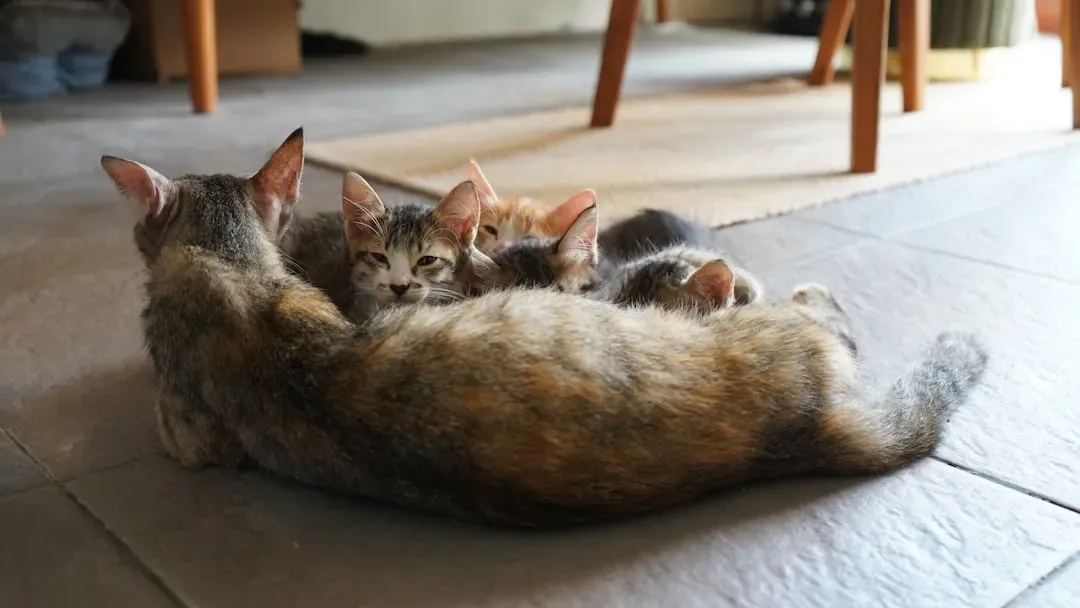
Kittens use a kneading action to stimulate milk production from their mother cat when nursing. This isn’t something they learn through observation or training. It’s hardwired into their tiny bodies as a survival mechanism from the moment they’re born. When a kitten presses its paws against its mother’s belly, the motion encourages milk to flow more freely, ensuring the little one gets the nutrition it desperately needs.
The kitten’s kneading stimulates milk flow and may also release oxytocin, a social bonding hormone, in the mother. This creates a beautiful cycle of connection and nourishment. The physical act of kneading becomes intertwined with feelings of warmth, safety, and satisfaction. These early experiences leave a lasting imprint on your cat’s behavior, which is why the motion persists long after they’ve been weaned.
Comfort and Contentment in Every Press
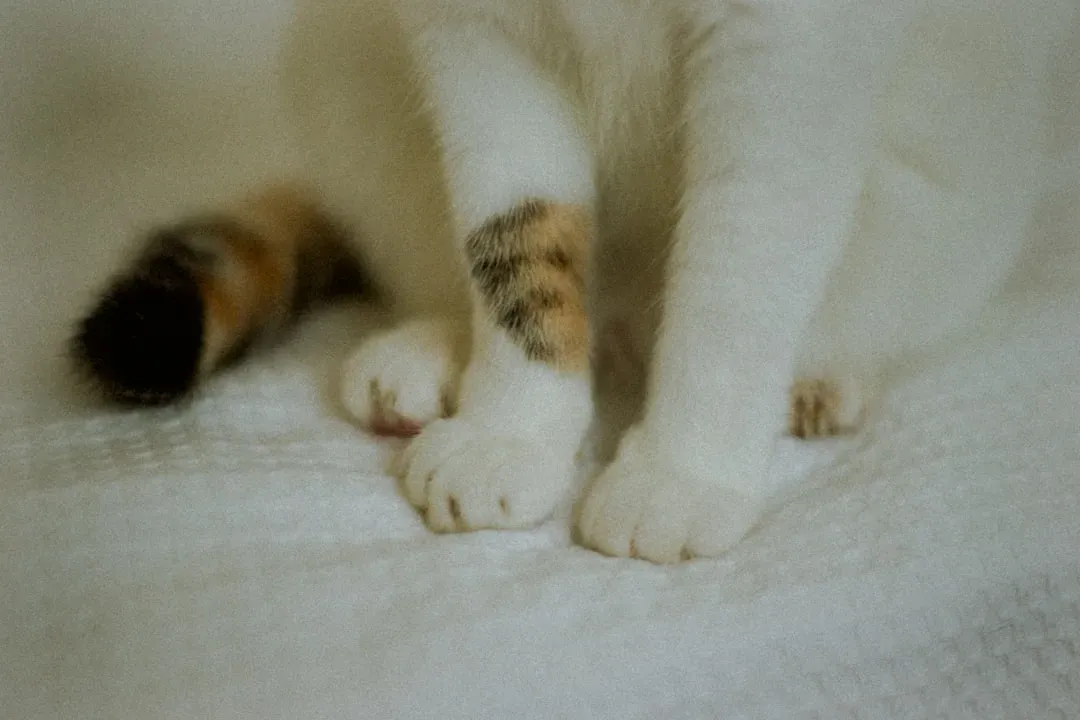
Because nursing and being around a mother cat’s calming pheromones encourages a sense of contentment in young kittens, many cats will continue to knead into adulthood to create a similar sense of calm and relaxation. Think of it as your cat’s version of comfort food or a favorite blanket. When your feline friend kneads, they’re essentially recreating the soothing sensations of their infancy.
The action of kneading in cats causes the release of the pain-relieving, feel-good chemical dopamine in the brain. This neurochemical reward system means that kneading literally makes your cat feel better. It’s a self-soothing behavior that helps them manage stress and anxiety. So when your cat is making biscuits on your lap, they’re not just being cute – they’re actively working to maintain their emotional well-being.
Marking You as Their Own
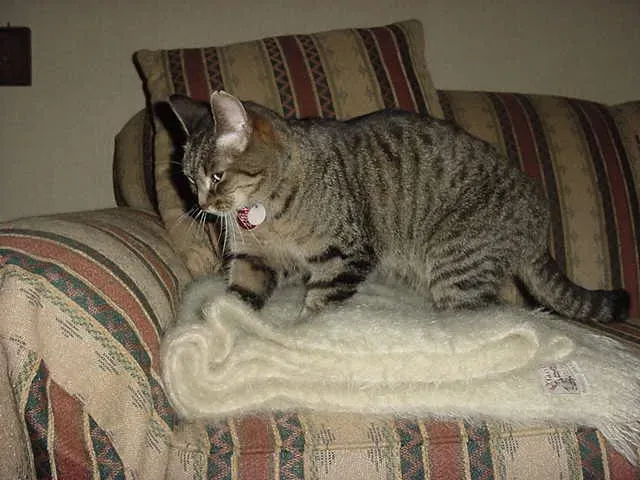
Here’s something you might not have considered: your cat isn’t just kneading for comfort. Cats claim blankets and other soft objects as their own by depositing their unique pheromones from the scent glands between their toes on these objects. That’s right – those paw pads contain specialized scent glands that release chemical messages invisible to us but crystal clear to other cats.
When your cat kneads on you specifically, they’re essentially putting their signature on you. Cats have scent glands in their paws, and when they knead, they release their unique scent onto whatever surface they’re pressing. This behavior is their way of marking territory and claiming you as their own. It’s possessive, sure, but in the most affectionate way possible. Your cat is telling the world – or at least any other cats in the vicinity – that you belong to them.
Preparing the Perfect Resting Spot
Kneading may have an origin going back to cats’ wild ancestors who had to tread down grass or foliage to make a temporary nest in which to rest. Wild cats needed to create safe, comfortable sleeping areas by flattening vegetation, checking for hidden dangers, and ensuring the spot was just right before settling in. This instinctual behavior has been passed down through countless generations.
Your domestic cat retains this ancient impulse. Before curling up for a nap, many cats will knead their bed, blanket, or your lap to make it softer and more inviting. It’s like fluffing a pillow before you go to sleep – except your cat uses its paws instead of its hands. The behavior might seem unnecessary in a world of plush cat beds and soft cushions, but instinct doesn’t always follow logic.
A Declaration of Trust and Affection
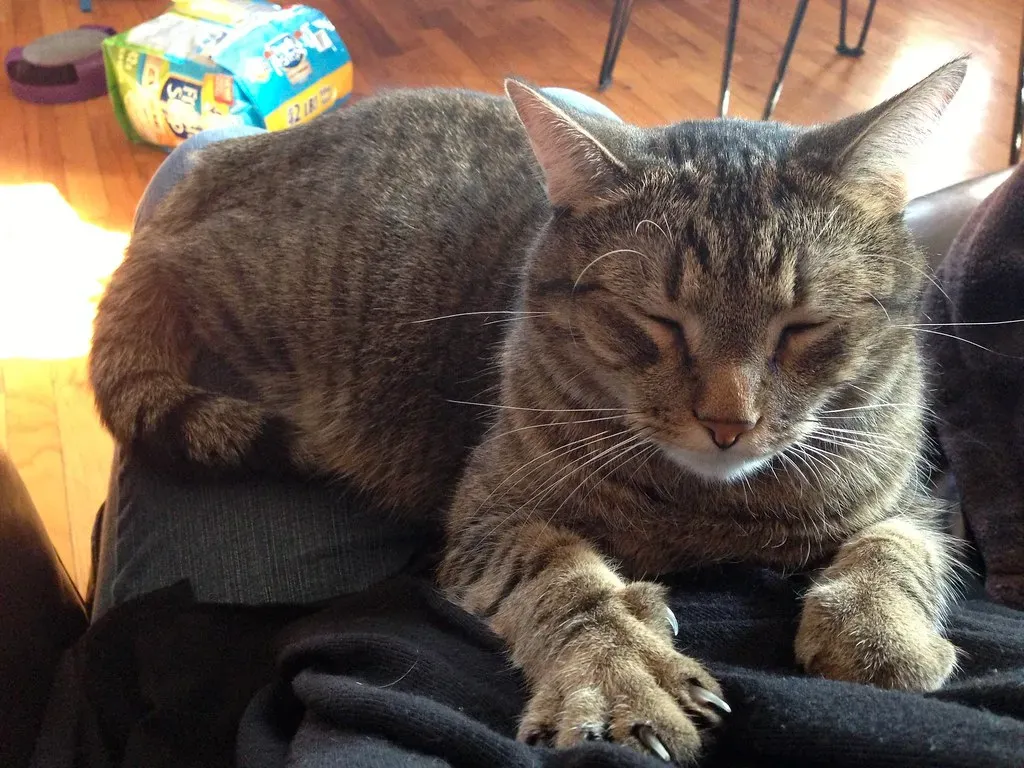
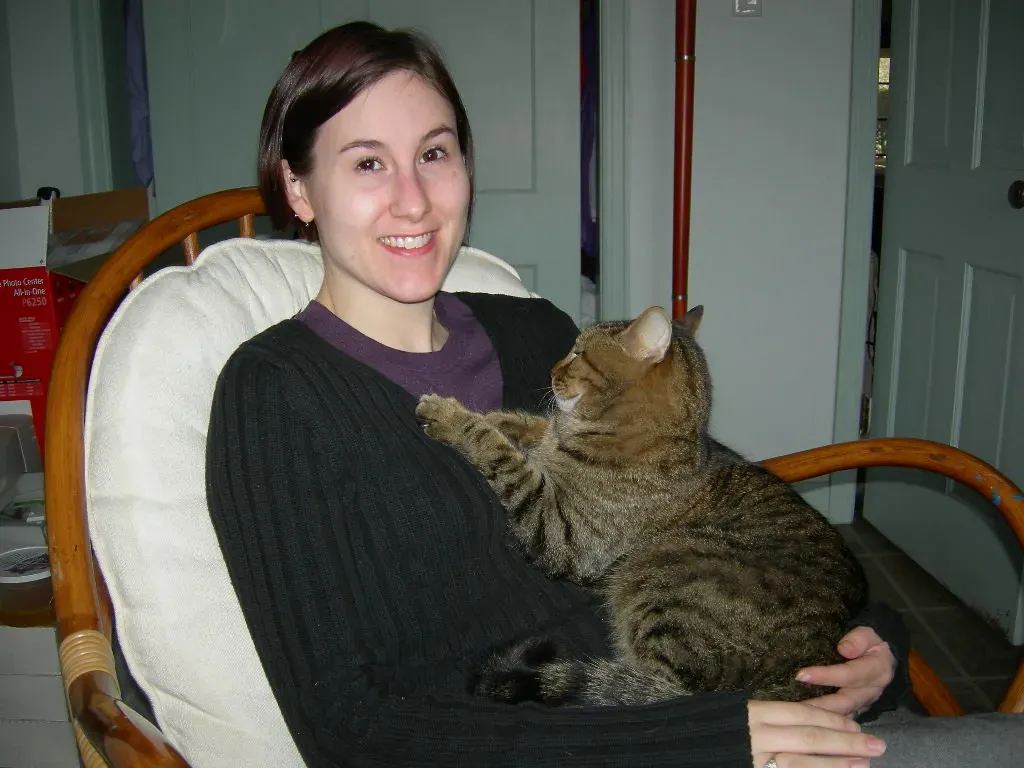
When your cat kneads you, it can also be a sign of affection, since kneading is a behavior that he performed as a kitten with his mother. Kneading can thus convey a sense of comfort and security with you. This is honestly one of the most touching aspects of the behavior. Your cat sees you as a source of safety and love, similar to how they once viewed their mother.
Not all cats are equally demonstrative, though. While kneading is a surefire sign that your cat likes you, if your cat doesn’t knead, that doesn’t mean it doesn’t have a bond with you. There are probably other affiliative behaviors they’re engaging in, like purring or rubbing on you or even just sitting next to you. Cats have distinct personalities, and they show affection in various ways. The absence of kneading doesn’t indicate a lack of love.
Domestication and Kitten-Like Features
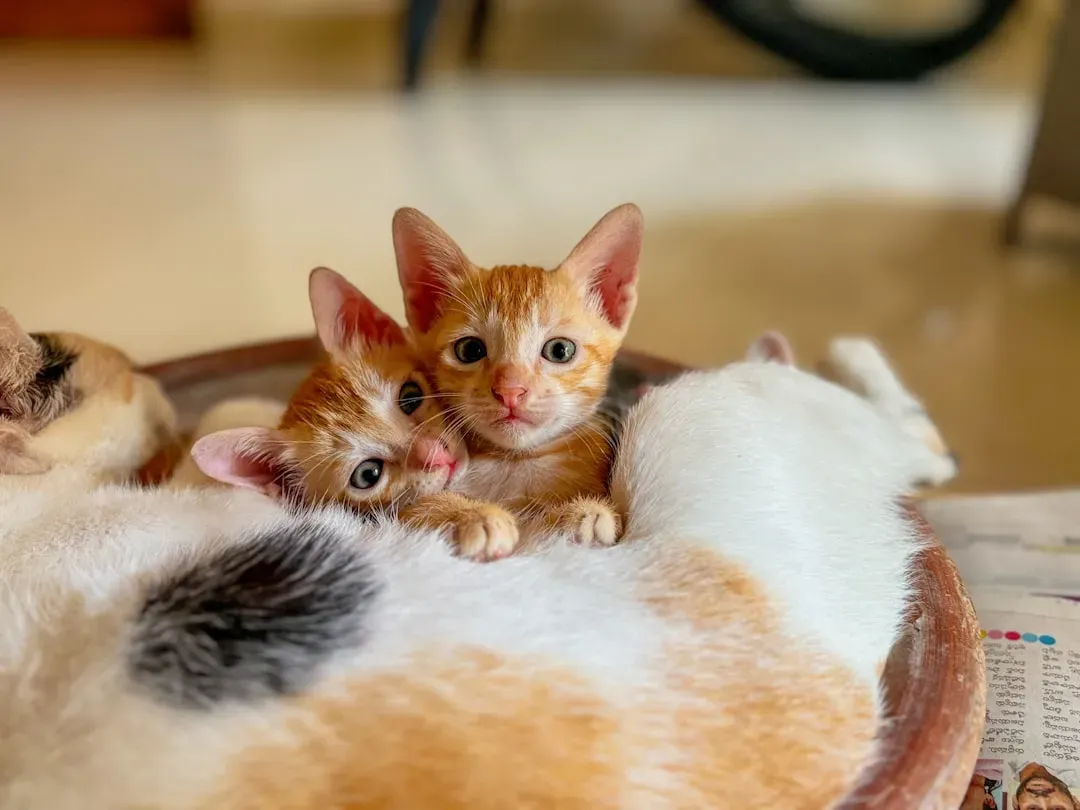
Domestic cats are very different. They take these social behaviors into adulthood because they’re in these very social situations throughout their whole lifetime. As humans, we’ve actually maintained these kitten-like features in our cats. This phenomenon is called neoteny – the retention of juvenile characteristics into adulthood.
Free-living cats that don’t interact regularly with humans tend to outgrow behaviors like kneading once they leave their mother. Domestic cats, however, live in a state of prolonged kittenhood in many ways because we provide for their needs and encourage these endearing behaviors. We’ve essentially created an environment where cats never have to fully “grow up,” and kneading is one of the charming results of that arrangement.
The Physical Benefits of Kneading
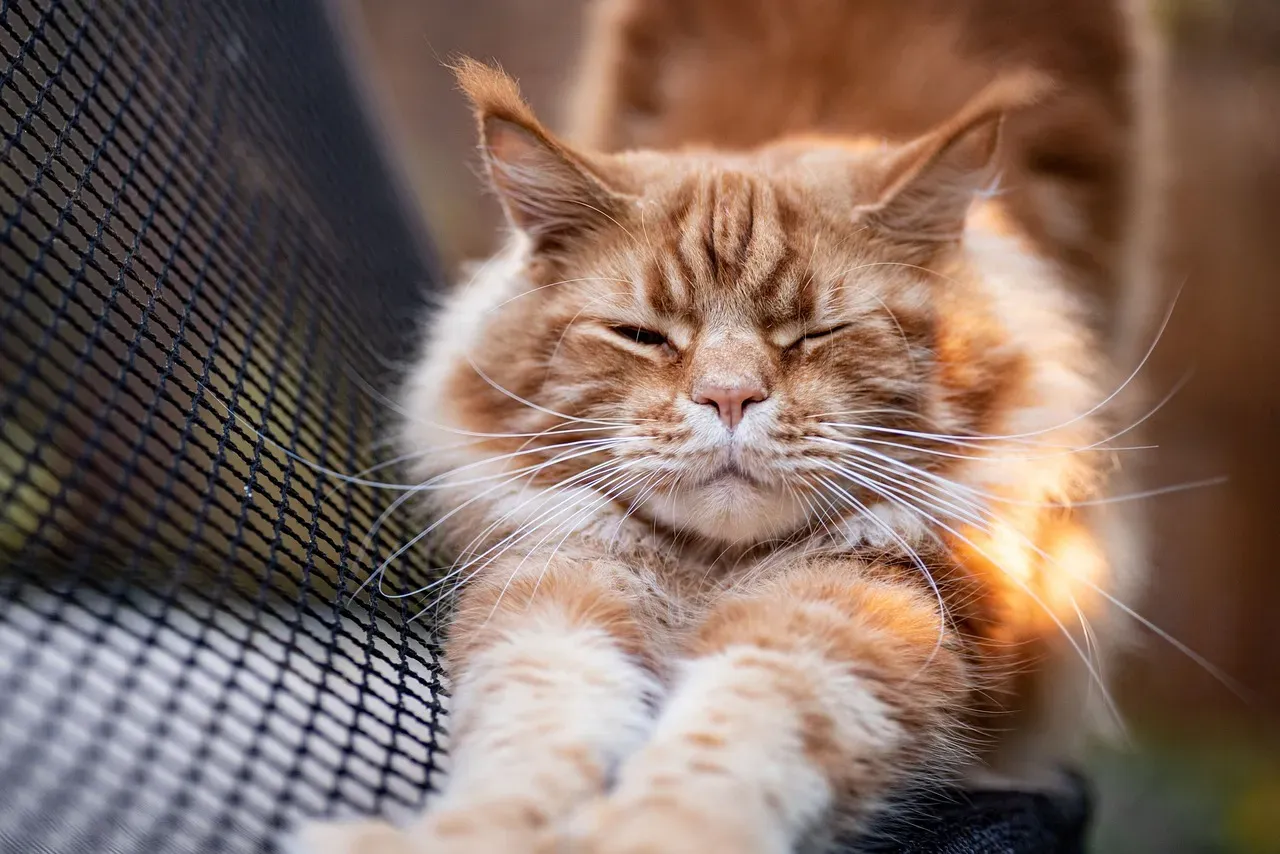
Kneading isn’t just an emotional or instinctual behavior – it also offers physical advantages. Kneading involves a lot of stretching in cats’ paws, legs, and back, helping them limber up and maintain muscle tone. Therefore, making biscuits offers cats a natural way to stay flexible and prepare for or unwind from physical activity. Think of it as your cat’s version of yoga or stretching exercises.
The repetitive motion engages muscles throughout their front legs and shoulders, keeping them conditioned and ready for action. This might be especially beneficial for indoor cats who don’t get as much physical activity as their outdoor counterparts. So when your cat is kneading away, they’re not just feeling good emotionally – they’re also taking care of their body.
When Kneading Might Signal Something More
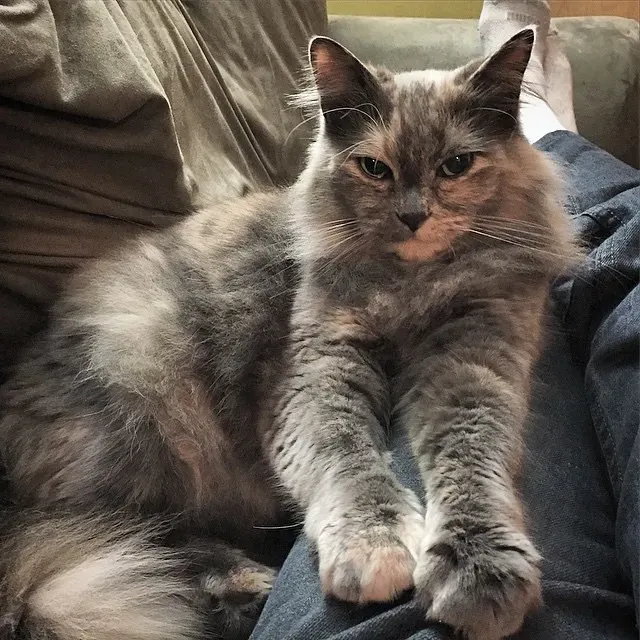
While kneading is typically a positive behavior, there are instances when it warrants closer attention. Increased or excessive kneading can be a sign that your cat is uncomfortable or anxious, and his kneading could be an attempt to soothe himself. This release of dopamine also motivates your cat to continue kneading to receive additional bursts of the hormone, so excessive kneading can be a sign of a compulsive behavioral disorder.
If you notice your cat kneading much more frequently than usual, or if the behavior is accompanied by other changes like aggression, loss of appetite, or litter box issues, it’s worth consulting with your veterinarian. Changes in behavior can sometimes indicate underlying stress, discomfort, or health concerns that need addressing. Paying attention to the context and frequency of kneading helps you distinguish between normal contentment and something that might need professional evaluation.
Managing the Sharp Side of Affection
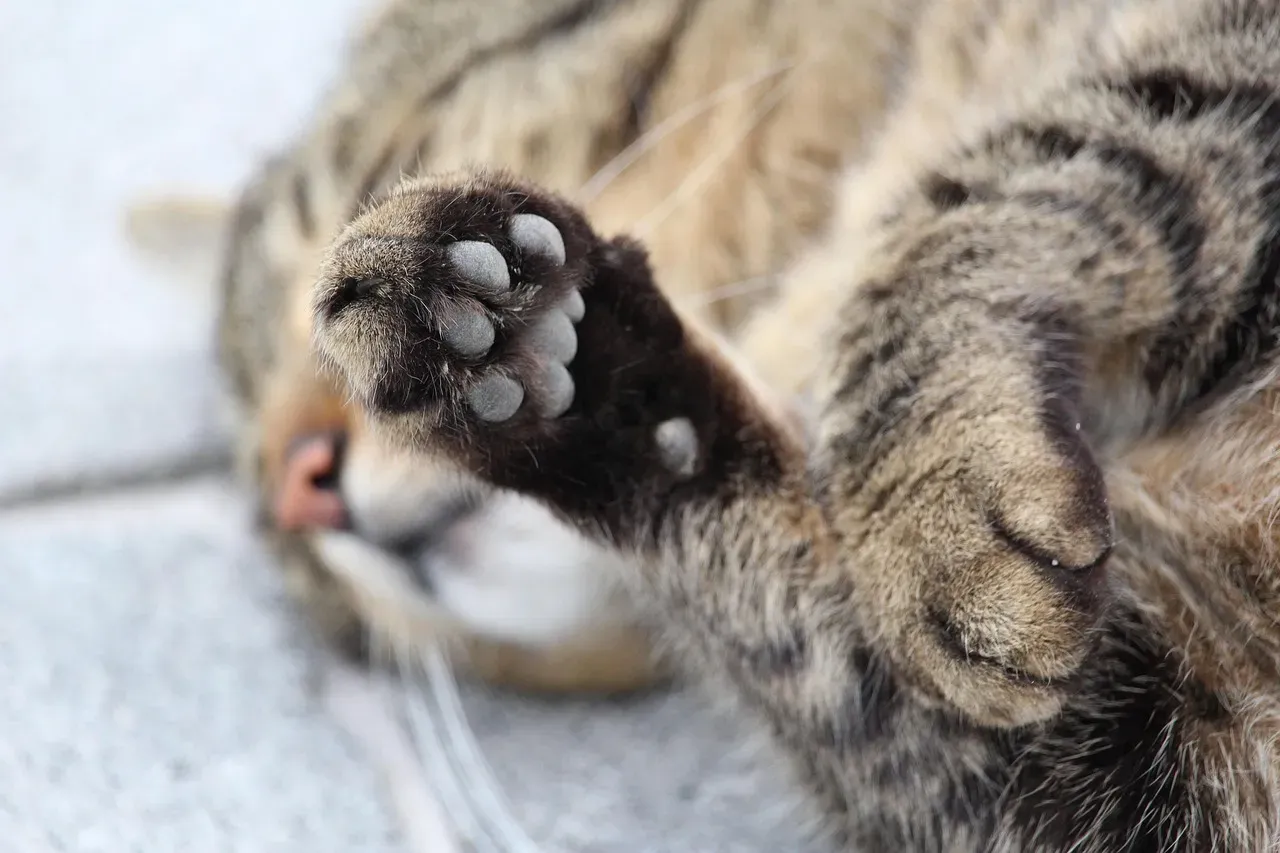
Let’s be real – kneading can hurt. Because of kneading’s positive associations and innate nature, experts say it’s important to avoid punishing the behavior – even if your cat’s claws are occasionally painful. Instead you can strive to keep those claws trimmed and consider grabbing a plush blanket or pillow to protect yourself. Punishing your cat for kneading would be like scolding them for showing love, which could damage your bond and make them feel insecure.
There are practical solutions that allow your cat to express this natural behavior while keeping you comfortable. Keep your cat’s nails trimmed regularly. Place a thick blanket or towel on your lap when your cat settles in. You can also gently redirect their kneading to a nearby pillow or cushion. These strategies preserve the emotional connection while protecting your skin and furniture from enthusiastic biscuit-making sessions.
The Individual Nature of Kneading
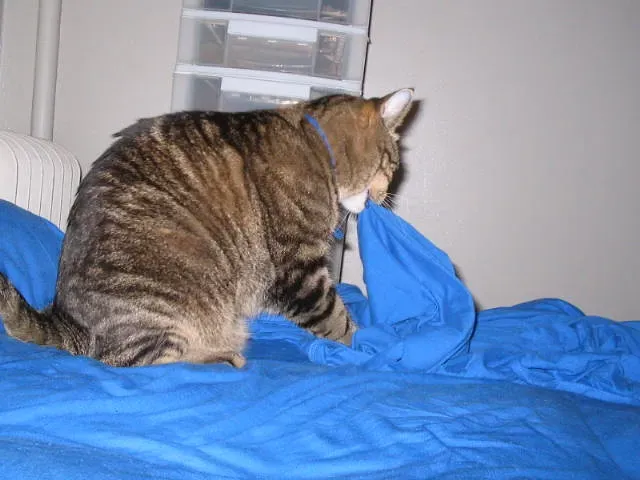
Cats with early positive experiences with humans may be more likely to knead. I think there’s just a lot of variability between cats, and how they choose to express themselves. Some cats knead constantly, while others rarely do it at all. Some use all four paws, while others stick to just the front two. Some purr loudly during the process, and others remain relatively quiet.
The intensity and frequency of kneading can also vary depending on your cat’s mood, age, and individual personality. Certain breeds, like Ragdolls and Maine Coons, are known for being particularly affectionate and may knead more frequently than other breeds. Understanding that each cat is unique helps you appreciate their specific way of communicating with you, whether they’re enthusiastic bakers or more reserved in their affection.
Embracing the Mystery and Magic
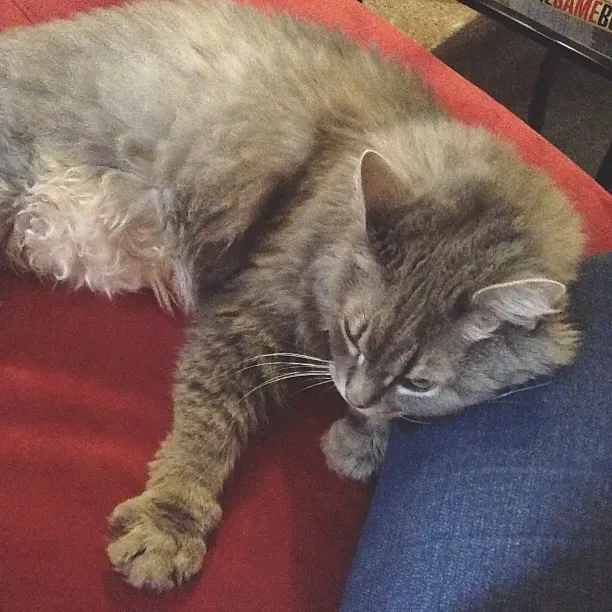
The behavior of kneading encapsulates so much of what makes cats fascinating companions. It connects them to their wild ancestors, to their earliest memories of maternal comfort, and to the present moment of contentment they share with you. When your cat makes biscuits on your lap, they’re engaging in a behavior that spans evolutionary history, neurochemistry, territory marking, and emotional bonding all at once.
So the next time your cat settles onto your lap and starts that rhythmic pressing motion, take a moment to appreciate the complexity behind it. They’re not just being adorable – though they certainly are. They’re communicating trust, affection, and comfort in one of the most ancient languages they know. It’s a small window into the rich inner life of your feline friend, and a reminder of the special bond you share. What did you think about this fascinating behavior? Share your experiences with your own biscuit-making cat in the comments.