You close the bathroom door for thirty seconds of peace. Within moments, a tiny paw appears underneath the gap, followed by a sound that can only be described as theatrical desperation. Sound familiar? If you live with a cat, you have almost certainly experienced this exact scenario more times than you can count.
There is something oddly fascinating about how deeply your cat objects to a closed door. It is not just stubbornness, and it is definitely not random. Behind every urgent meow and frantic scratch is a web of instincts, emotions, and evolutionary programming that has been running in cats for thousands of years. Let’s dive in, because what you discover might completely change how you see your feline companion.
Your Cat Sees Your Whole Home as Their Kingdom
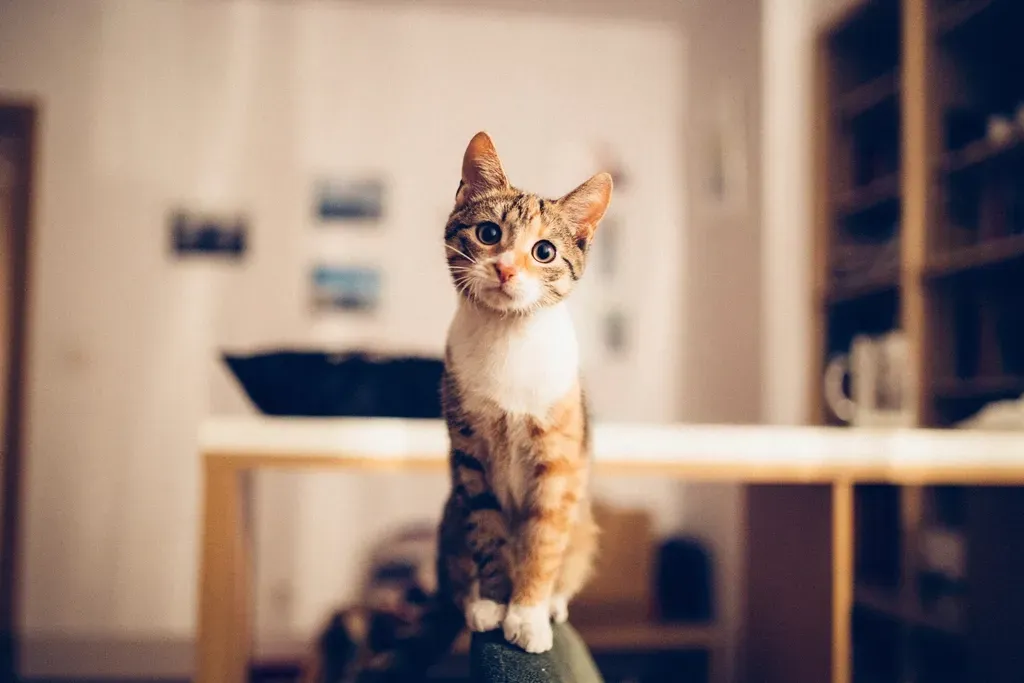
Cats are inherently territorial animals. In the wild, their survival depends on knowing every inch of their environment – where prey hides, where predators may lurk, and which areas offer safety. Even domesticated cats retain this instinctual need to map and control their space. Think of it like a tiny, fur-covered property manager who takes their job very seriously.
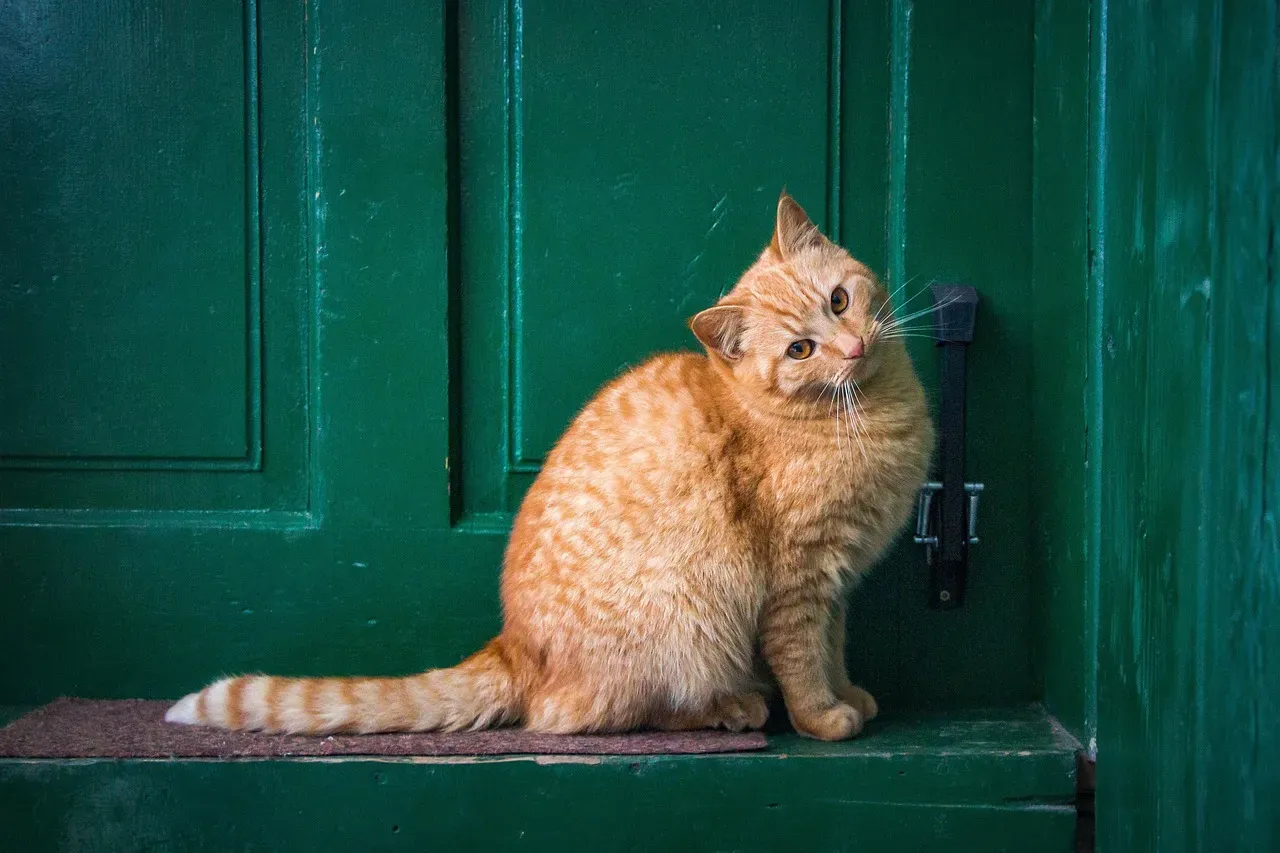
When you close a door, even just to use the bathroom or step into the kitchen, you are effectively interrupting your cat’s access to a part of their territory. That is a problem. So don’t be surprised if your cat meows, scratches, and fidgets. It’s a matter of territory that needs to be settled.
Cats mark their space with scent glands on their paws and face. Closed doors stop them from refreshing these scent markers, which can be unsettling. Imagine someone locking you out of a room in your own home that you had carefully decorated and claimed. That is roughly what your cat is experiencing.
The Sensory Void Behind Every Closed Door
A closed door represents an unknown zone, disrupting your cat’s sense of environmental mastery. When a door is shut, it blocks visual and olfactory access. Cats rely heavily on scent and sight to monitor their surroundings. A sealed room becomes a sensory void, an unpredictable gap in their mental map. This uncertainty triggers alertness, sometimes escalating to vocal protest.
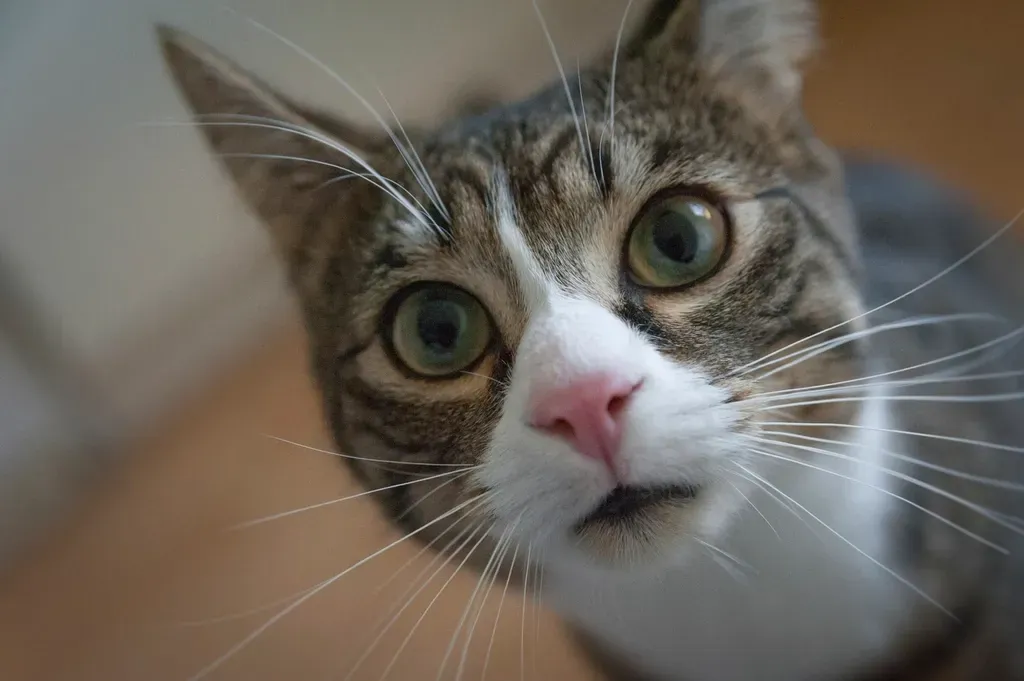
The way a cat sees in the dark, along with their whiskers and senses, means they are designed to be curious and aware of everything in their surroundings. Even a cat’s whiskers act as a built-in measuring tape, sense vibration in the air, and help with close-up vision. Cats’ ears are so sensitive that they react to the slightest sound and can even pinpoint where the sound is coming from. As sound is so magnified, they naturally want to investigate, as it could be potential prey. When your cat cannot hear or sniff past that barrier, their brain practically screams at them to fix the problem.
Pure, Ancient Curiosity That Cannot Be Switched Off
For cats, curiosity is more than a cute trait – it is a survival strategy. Every scent, sound, or flicker of movement could mean the difference between catching prey or avoiding a predator. Missing even the tiniest clue could be costly. Your modern house cat has never hunted a day in their life, yet these instincts run as deep as ever.
Cats are naturally inquisitive, driven by a need to explore and understand changes in their environment. A closed door introduces novelty – not because the door itself is new, but because it alters access patterns. If you normally leave a room open and suddenly close it, your cat notices immediately. Neurological studies suggest that cats experience dopamine release when solving puzzles or exploring new spaces. A closed door presents a cognitive challenge: “Why is this different? What changed?” Meowing may be part of their problem-solving process, a way to test boundaries and seek resolution.
The FOMO Is Very Real (And Scientifically Interesting)
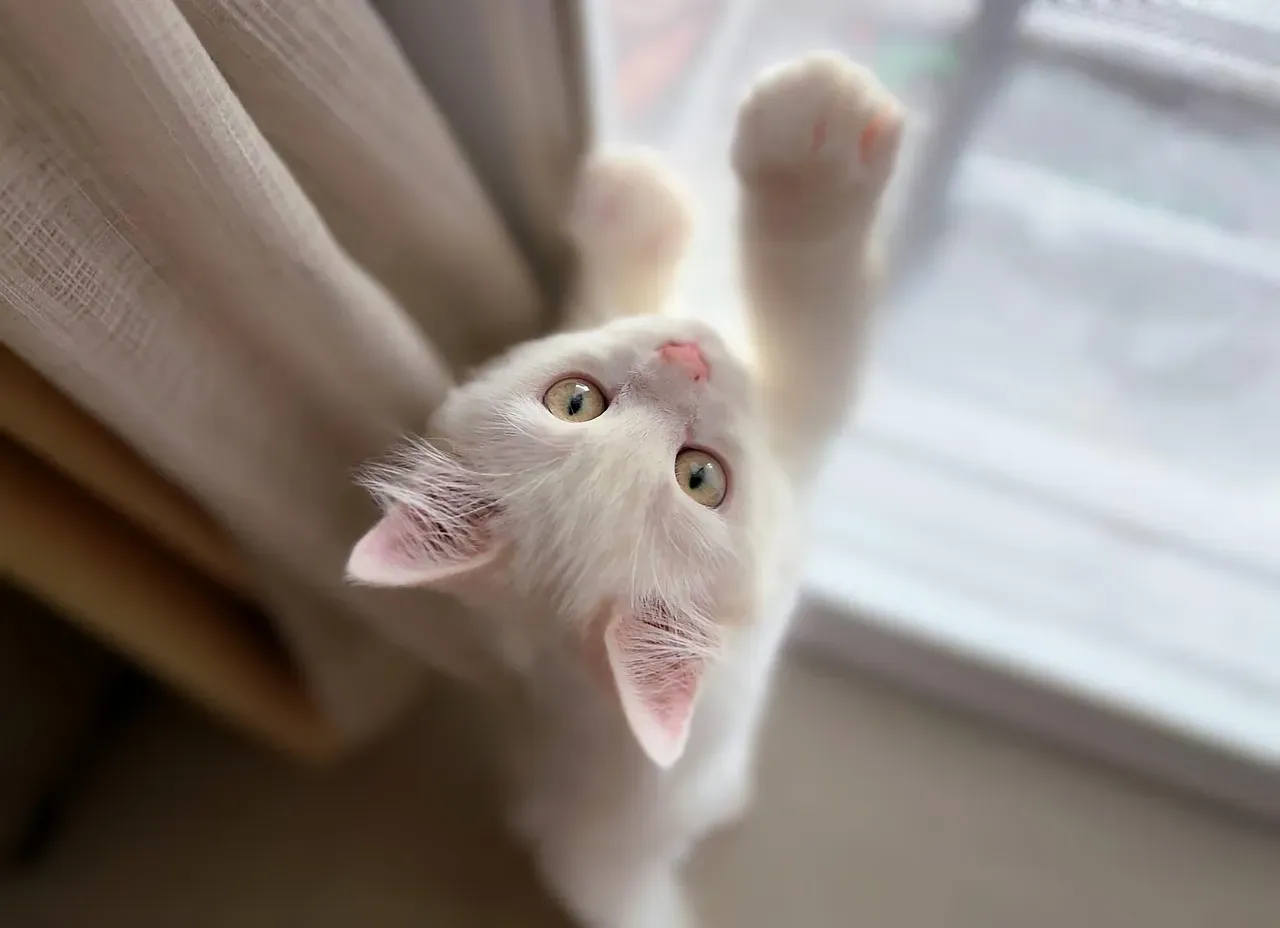
While no one really knows for sure why a cat may not like their human being behind a closed door, a potential cause would be FOMO – the fear of missing out. Honestly, I think this one is the most relatable explanation of all. Your cat has no idea if you are in there doing something absolutely thrilling, and the uncertainty is unbearable for them.
You might be doing something super exciting, and your cat feels like they’re missing out. So, to get you to notice them, they may meow, scratch at the door, or even try to open it themselves. The cat may not even want to actually leave the room – they just want to have the option of leaving. Freedom, it turns out, is the whole point. Not destination, just access.
Your Cat Is Actually Checking on You
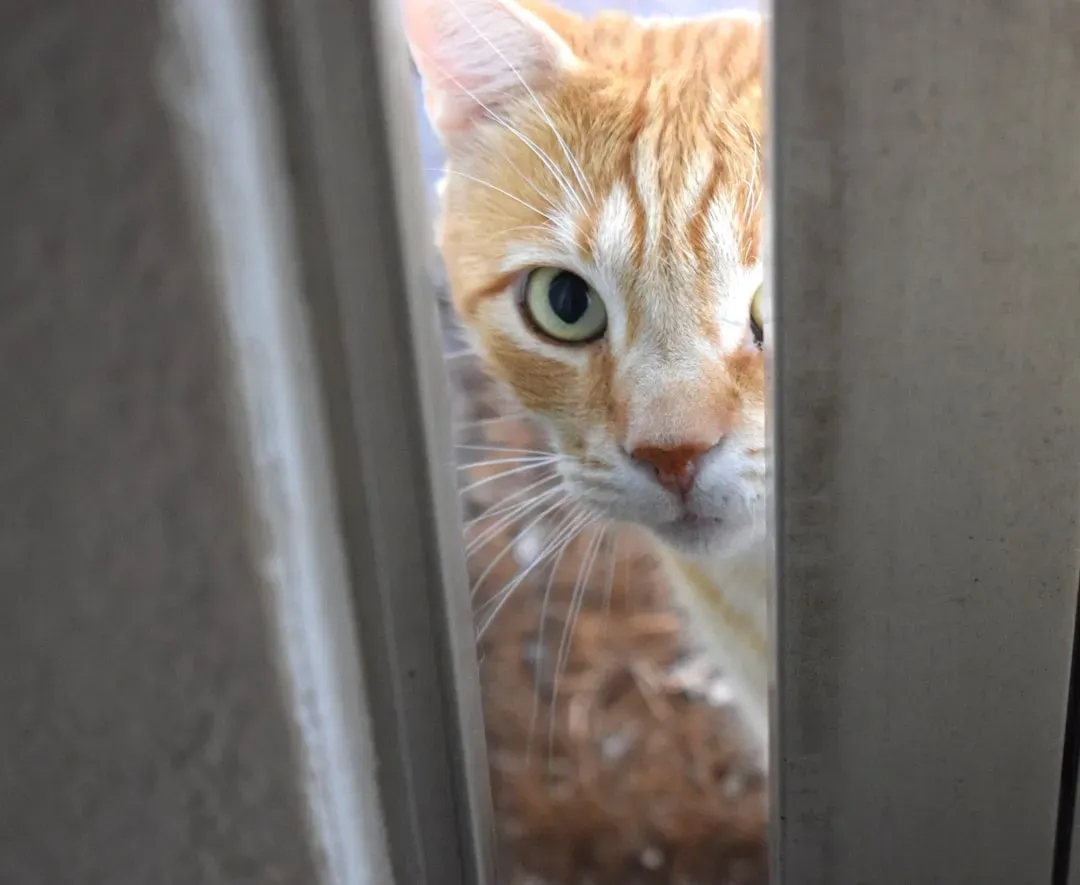
Your cat is part of your family. The humans in the household are also members of the cat’s clowder, which means that the cat looks over you. When one or more family members are on the other side of a closed door, the cat can’t see them, which is a problem. The meowing, scratching, and fidgeting mean the cat wants to ensure everybody is alright. In other words, your cat is not being annoying. Your cat is being a worried guardian.
For a cat, your absence behind a closed door isn’t just physical – it’s emotionally disorienting. They may interpret the barrier as abandonment or exclusion from their social group. That is surprisingly deep for a creature that also knocks things off shelves for fun. Yet here we are.
Separation Anxiety Is More Common Than You Think

Despite their reputation for independence, many cats form strong emotional attachments to their humans. When a door closes and you are on the other side, it can trigger separation distress. Unlike dogs, cats don’t always display overt signs of anxiety, but persistent meowing, pacing, or scratching at the door are clear indicators of discomfort.
This behavior is especially common in owner-oriented breeds like Siamese, Burmese, or Ragdolls, but even more reserved cats can exhibit attachment-related vocalizations. Bear in mind that some breeds of cats, notably the Siamese, are prone to excessive meowing and yowling. So if your cat of a more vocal breed absolutely loses their mind over closed doors, their genetics might just be amplifying what every cat feels to some degree.
You May Have Accidentally Trained Them to Do This
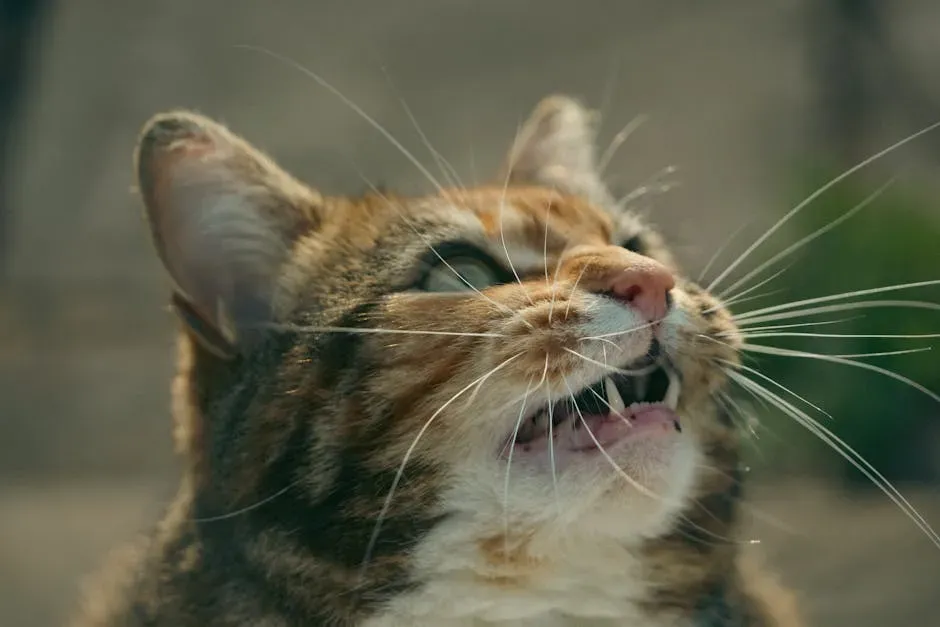
You may have accidentally helped your cat make the connection between “I meow, you open the door for me.” This is reinforcing that behavior. If that has happened even intermittently over the pet’s life, that’s enough for them to continue to display that behavior when deliberately confined. Think about that for a second. Every time you caved and opened the door, you were running a very small but very effective training session.
Over time, if a cat consistently receives attention after meowing at a door – even if it’s to scold them – the behavior becomes reinforced. The cat learns that vocalizing leads to interaction, whether positive or negative, which increases the likelihood of repetition. The tricky irony here is that yelling at your cat through the door might actually be making the problem worse.
Routine Disruption Fuels the Protest
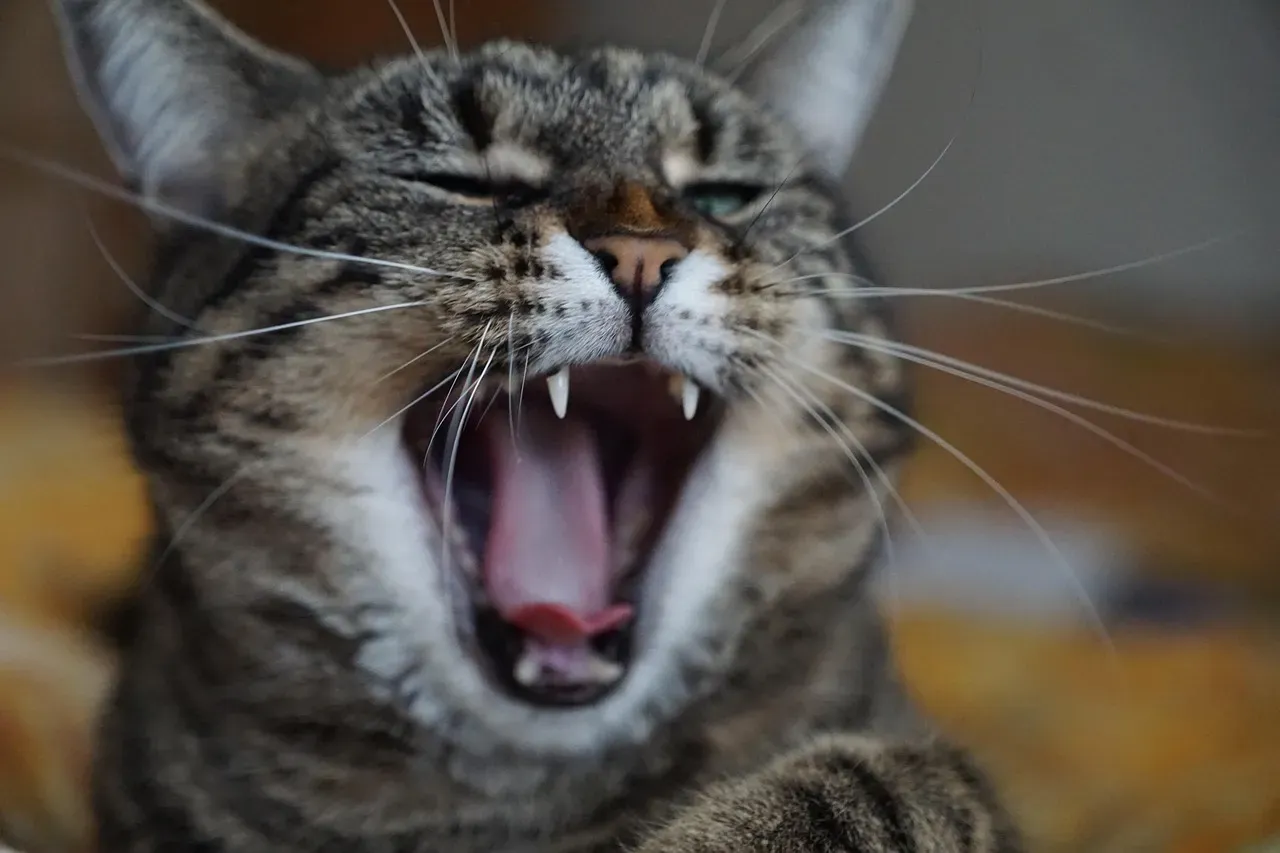
If your cat is used to entering certain rooms at specific times, such as your bedroom at night, closing the door disrupts their expectation and prompts protest. Cats are creatures of astonishing routine. They can recognize patterns, remember feeding times, and even associate sounds or actions with specific outcomes. Some studies suggest cats can recall past experiences for years, particularly those involving comfort, danger, or routine.
It is a bit like moving a coffee maker to a different counter without telling your partner. The expectation was set. The pattern was established. Any kind of changes in your home environment will spark your cat’s curiosity, as they are suspicious of everything. This type of curiosity is them protecting their territory. Your cat is not overreacting. They are simply applying the logic of a very small, very committed security officer.
What You Can Actually Do About It
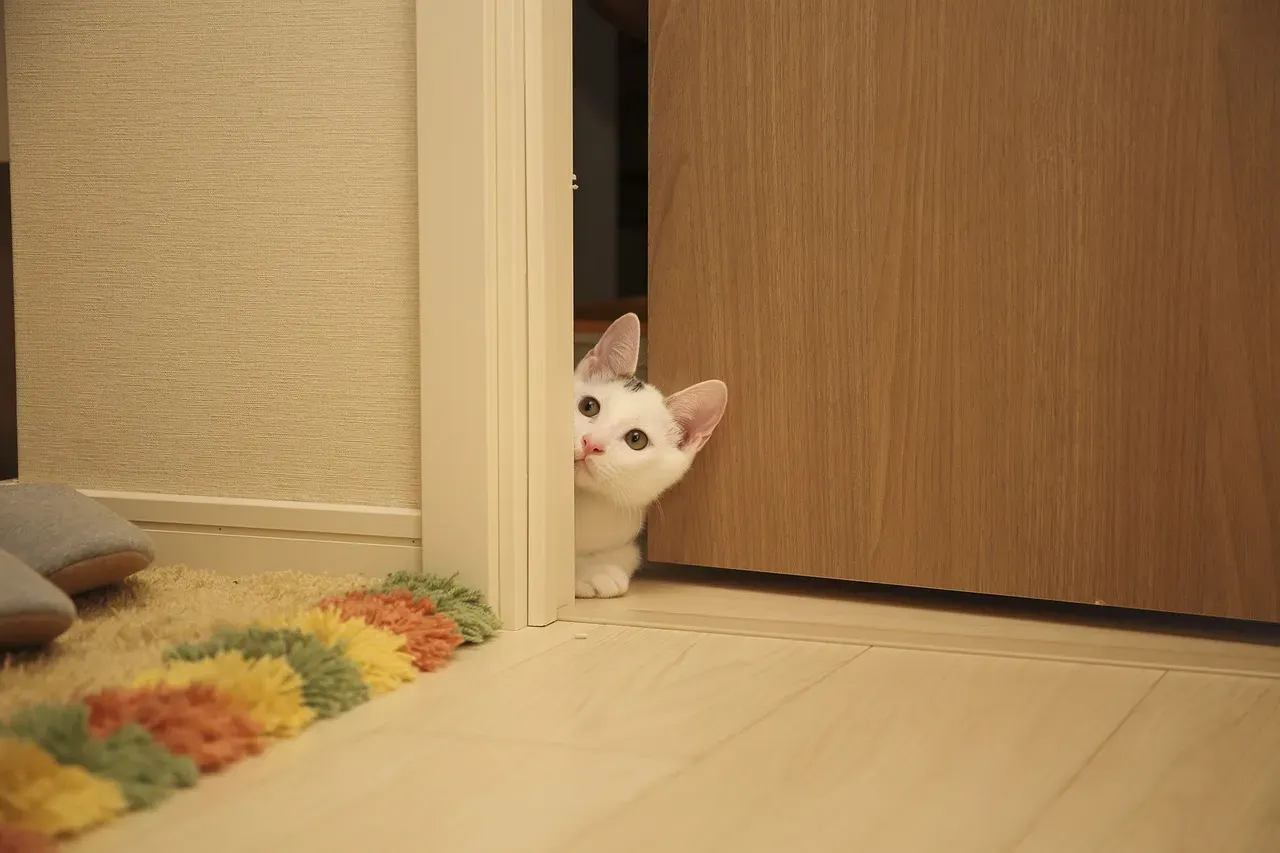
To help your cat be okay with a closed door, focus on positive reinforcement and gradual desensitization. Distract them with toys or treats, and consider using a cat door if possible. Make sure the environment is comfortable and enriching for your cat. These approaches work not by punishing the behavior but by genuinely addressing the emotional need underneath it.
Start by closing the door for short periods and rewarding calm behaviour with treats or praise. Gradually increase the time the door is closed as your cat becomes more comfortable. Make the door closing associated with positive experiences. For example, if you open the door to give your cat a treat, close it immediately after. Slow and steady really does win this particular race. Scolding your cat for meowing is not a good idea. It may be effective in preventing meowing short-term, but your cat is meowing for a reason. By scaring them away, you’re not dealing with the issue, and the underlying problem persists. Plus, your cat can start to fear you, and your close bond could be broken.
When Meowing at Doors Signals Something More Serious
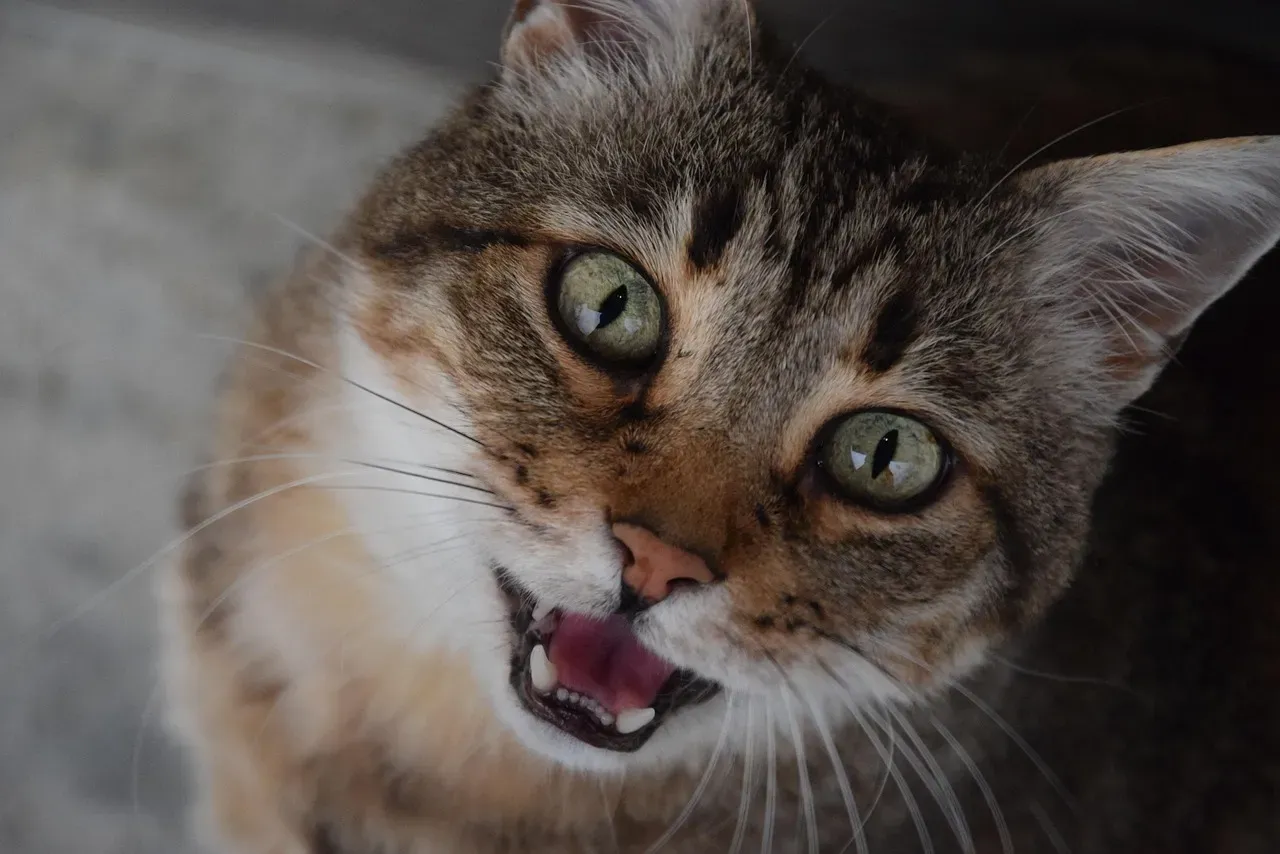
Sudden changes in vocalization – especially in older cats – can indicate pain, cognitive decline, or hyperthyroidism. If your cat has never meowed at doors before but now does so excessively, consult your veterinarian. This is important to keep in mind. A brand new pattern of door-meowing in a senior cat is not something to brush off as quirky behavior.
Elderly cats suffering from mental confusion, or cognitive dysfunction, may meow if they become disoriented – a frequent symptom of this feline version of Alzheimer’s Disease. If you find your cat acting differently when the door shuts, such as meowing or scratching more than usual, this might be a sign that they are feeling distressed. If you notice this, it is a good idea to take them to the vet to make sure they are not experiencing any medical issues. Never assume it is always behavioral when a health reason might be hiding behind those insistent meows.
Conclusion
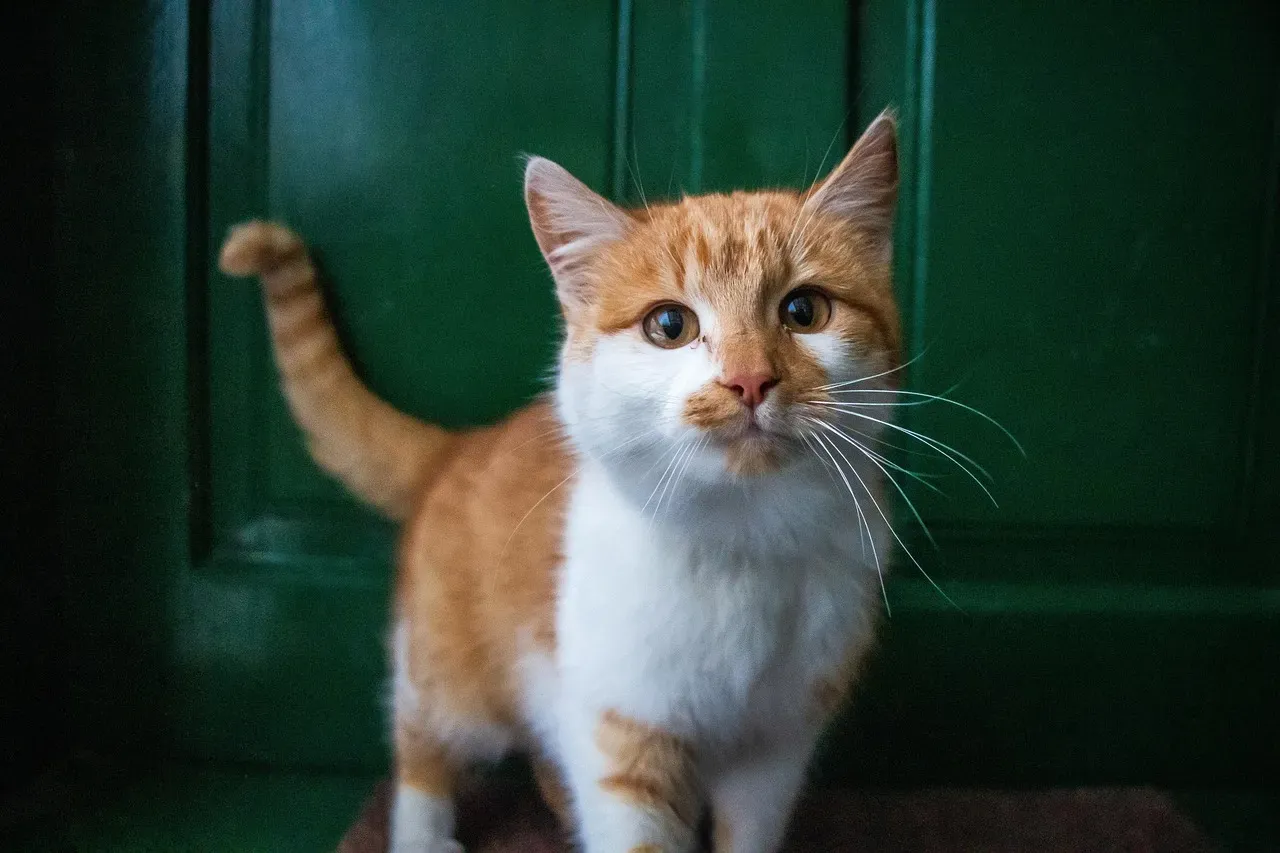
Your cat’s obsession with closed doors is one of the most misunderstood behaviors in the entire human-feline relationship. It is not drama. It is not manipulation, at least not entirely. It is the sound of an ancient instinct colliding with modern architecture. From territorial anxiety and sensory confusion to genuine affection and learned habits, the reasons stack up in a way that honestly makes your cat seem less annoying and more impressive.
The next time you hear that persistent meowing on the other side of the door, remember what is really happening. Your cat is not trying to ruin your morning. They are just wired to care deeply about every square inch of the world they call home – and right now, one crucial corner of it is blocked. Understanding that changes everything.
What would you do if someone suddenly locked a door to a room in your own house without explanation? Let us know what your cat does at closed doors – we would love to hear about it in the comments.