Ever wonder why your feline friend seems magnetically drawn to that particular patch of sunlight streaming through the window? It’s like they have an internal GPS for sunshine, tracking every single ray as it moves across your living room floor throughout the day. You might notice your cat abandoning a perfectly comfortable bed just to sprawl out on the hardwood where the sun hits for exactly 20 minutes each afternoon.
This isn’t just random behavior or your cat being particular. There’s actually a fascinating mix of biology, evolution, and pure instinct behind this solar obsession. From body temperature regulation to ancient ancestral memories, your cat’s love affair with sunny spots runs deeper than you might think. Let’s explore what’s really happening when your furry companion transforms into a sunbathing expert.
The Temperature Control Game Your Cat Is Always Playing
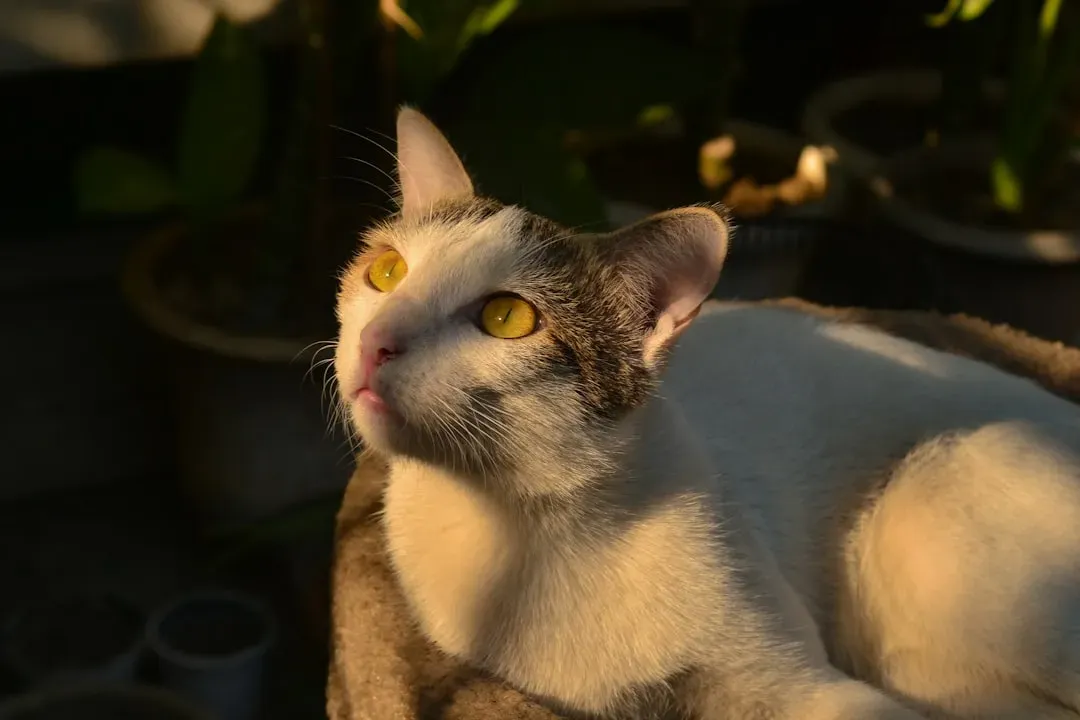
Your cat’s normal body temperature hovers around 102 degrees Fahrenheit, which is notably higher than yours. Maintaining that extra warmth requires energy, and honestly, cats would rather conserve calories for more important things like midnight zoomies. Sunbathing helps cats maintain their body temperature, especially since they lose heat quickly due to their high metabolic rate.
Think about it like this: instead of your cat’s body working overtime to generate warmth, the sun does the heavy lifting for free. An external heat source can yield a much deeper, more productive snooze session. It’s the ultimate energy efficiency hack that nature built right into their instincts. Your cat might even flip onto their back, belly exposed, maximizing that surface area to soak up every possible ray.
When your cat goes to sleep, her body temperature drops a bit, so she might prepare for a nap by first finding a warm and cozy spot. The sun will be there to keep her body warm while she’s snoozing, helping her stay nice and comfortable. Notice how your cat often repositions when the sunbeam shifts? That’s not coincidence.
Desert Ancestors Who Never Left Their DNA
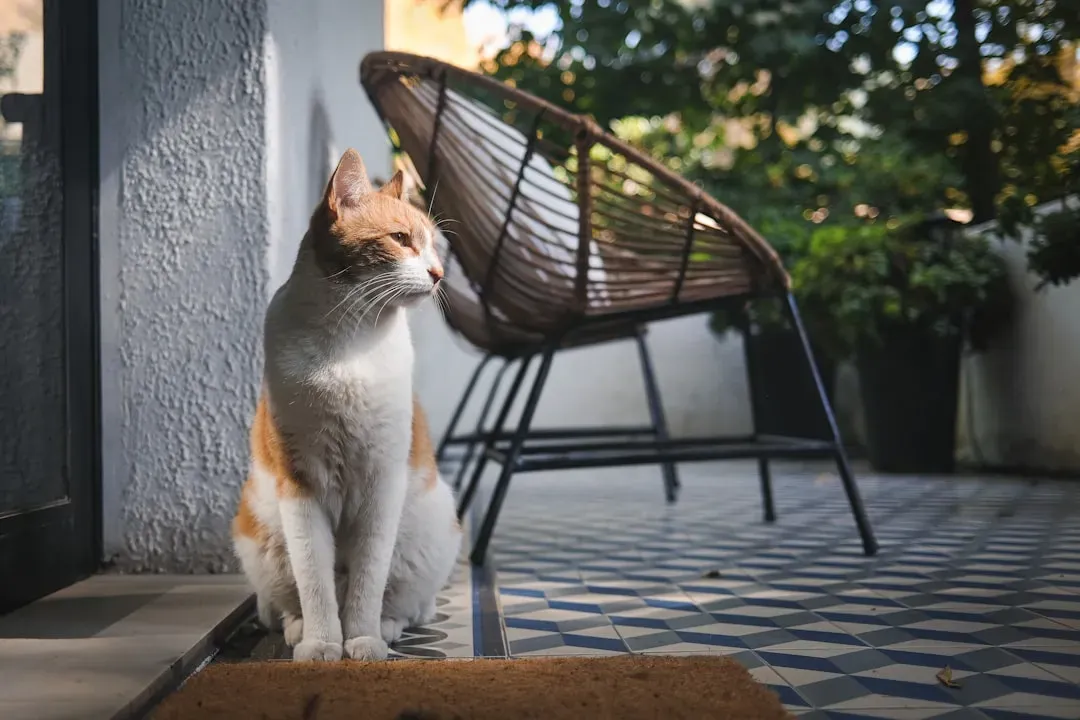
The Near Eastern wildcat still roams the deserts of Israel, Saudi Arabia, and other Middle Eastern countries. Between 70,000 and 100,000 years ago the animal gave rise to the genetic lineage that eventually produced all domesticated cats. Your pampered house cat carries the genetic blueprint of a desert survivor, which explains so much about their behavior.
Today’s domestic cats retain several characteristics from their desert-dwelling ancestors, including the ability to survive with a low water intake. They also tolerate extremes of heat, not showing signs of discomfort until skin temperature exceeds 52°C. That’s roughly 125 degrees Fahrenheit, which is absolutely wild when you consider humans start feeling uncomfortable around 112 degrees.
Cats are descended from their ancestors in the Middle Eastern desert and African plains, and therefore cope well with heat. They also need to maintain a body temperature that is higher than ours, so it does make sense that they like warm spaces. Your cat isn’t being dramatic when they seek out that scorching windowsill you can barely touch.
The Ancient Art of Energy Conservation
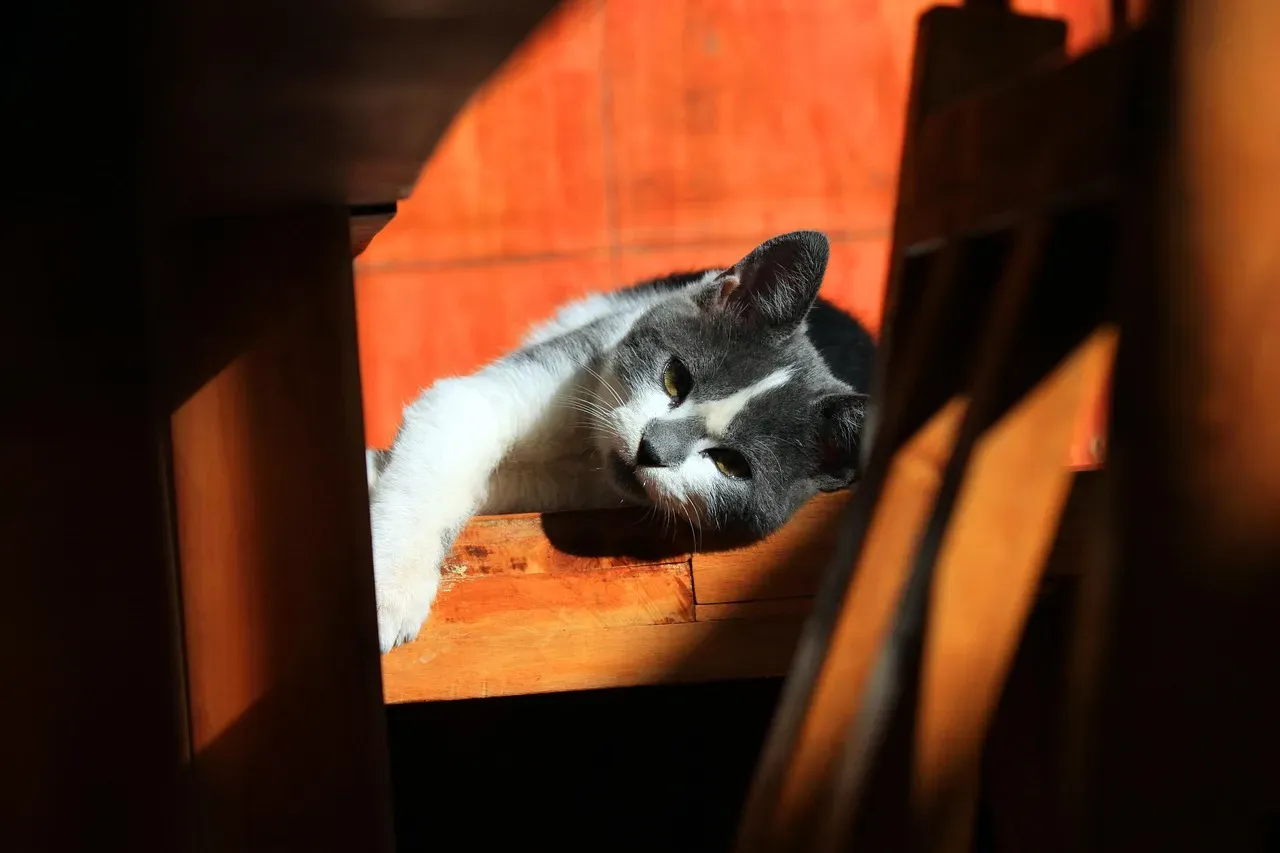
Here’s something fascinating: for cats, sunbathing is the ultimate daily ritual that combines two things they appreciate: sleeping safely while achieving full body warmth. In the wild, every calorie mattered for survival. Cats developed incredibly efficient ways to conserve energy between hunts, and sunbathing was a brilliant solution.
Sunbathing helps them maintain body temperature without expending additional energy, which is particularly important for cats that spend much of their day resting or sleeping. It’s honestly genius when you think about it. Why burn internal fuel when there’s a massive nuclear reactor in the sky providing free heat?
Their protein-rich diet doesn’t help much with warmth generation either. Unlike carbohydrates that can provide steady energy for temperature regulation, protein works differently in their bodies. So seeking external heat sources became essential to their survival strategy, and that instinct remains strong even in your climate-controlled home.
The Sleep Connection You Never Considered
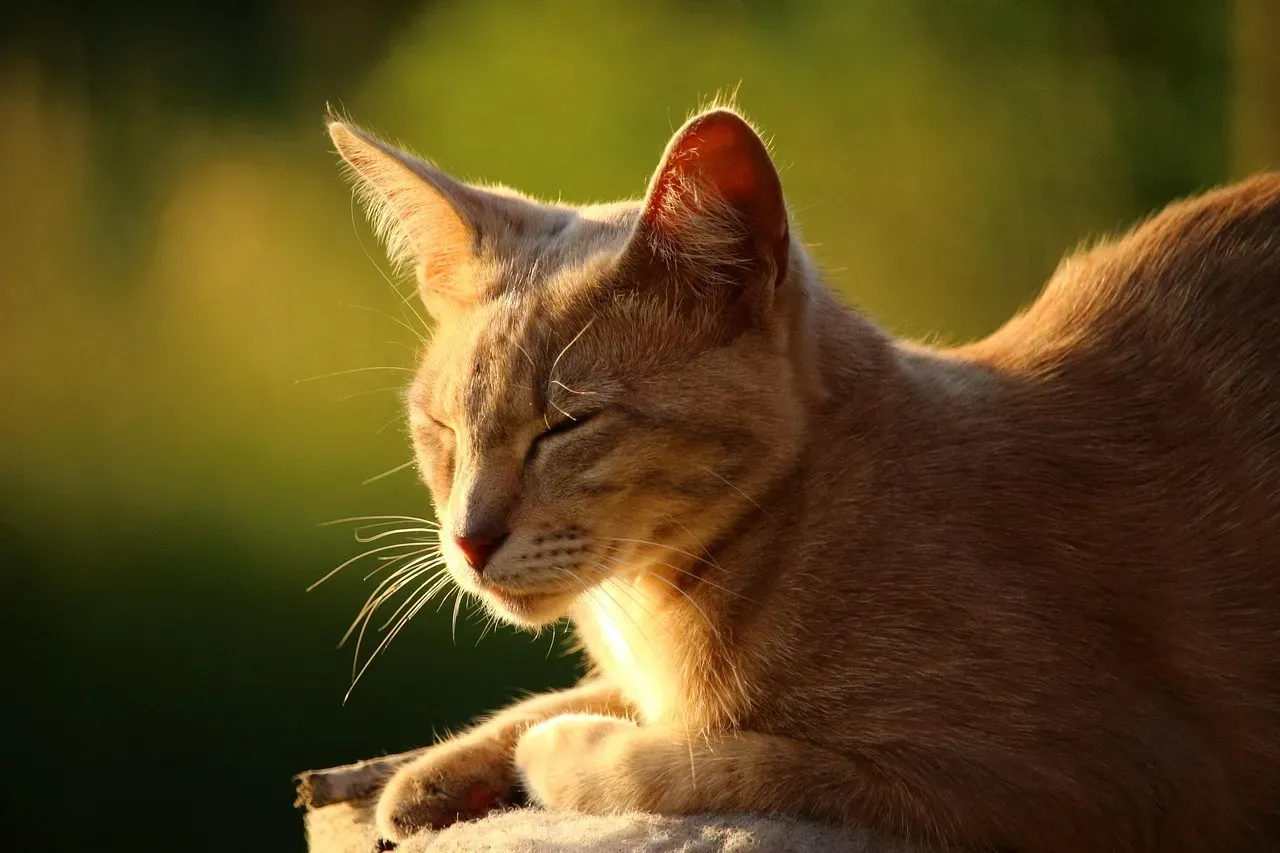
Cat naps range from 50 to 113 minutes, with an average of 78. Nearly 40% of cats sleep more than 18 hours per day, and more than half sleep between 12 to 18 hours per day. That’s a serious amount of downtime, and sunshine makes those naps exponentially better.
The ancient ancestors of today’s domestic felines had to seek heat as a way to bring up internal body temperature during inactivity or sleep. When cats sleep, their metabolism drops and they naturally cool down slightly. Sunlight compensates for that temperature dip, allowing them to reach deeper, more restorative sleep stages without their body having to work to generate warmth.
It’s hard to say for sure, but watching a cat sleep in a sunbeam versus a shaded spot reveals noticeable differences. Sunny sleepers seem more relaxed, more deeply asleep, less twitchy. The warmth appears to facilitate genuinely better rest quality, which matters when you’re sleeping roughly two thirds of your entire life.
The Serotonin Boost They’re Actually Getting
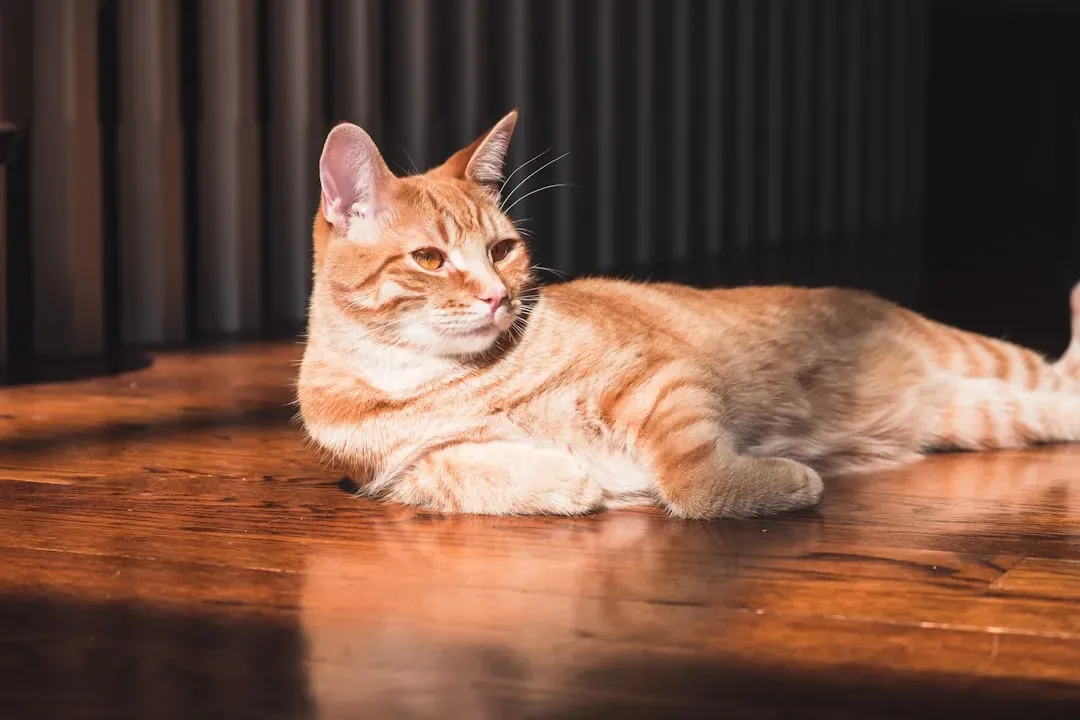
Sunlight exposure can trigger the release of serotonin in cats, similar to humans, promoting feelings of wellbeing and relaxation. This natural mood enhancer helps explain why cats appear so content while lounging in sunny spots. Your cat isn’t just physically comfortable in that sunbeam – they’re getting an emotional boost too.
Cats probably like sunlight as it can stimulate serotonin production. This all-natural antidepressant is known to promote feelings of well-being and happiness in humans as well as pets. Think about how good you feel on a sunny day after weeks of clouds. Your cat experiences something similar, except they’re smart enough to actively seek it out daily.
That blissed-out expression on your cat’s face while sunbathing? That’s genuine contentment, chemically reinforced by their brain. The combination of warmth, security, and serotonin creates what might genuinely be their version of meditation or spa treatment. Let’s be real, they’ve figured out self-care better than most humans.
The Arthritis Relief They Don’t Tell You About
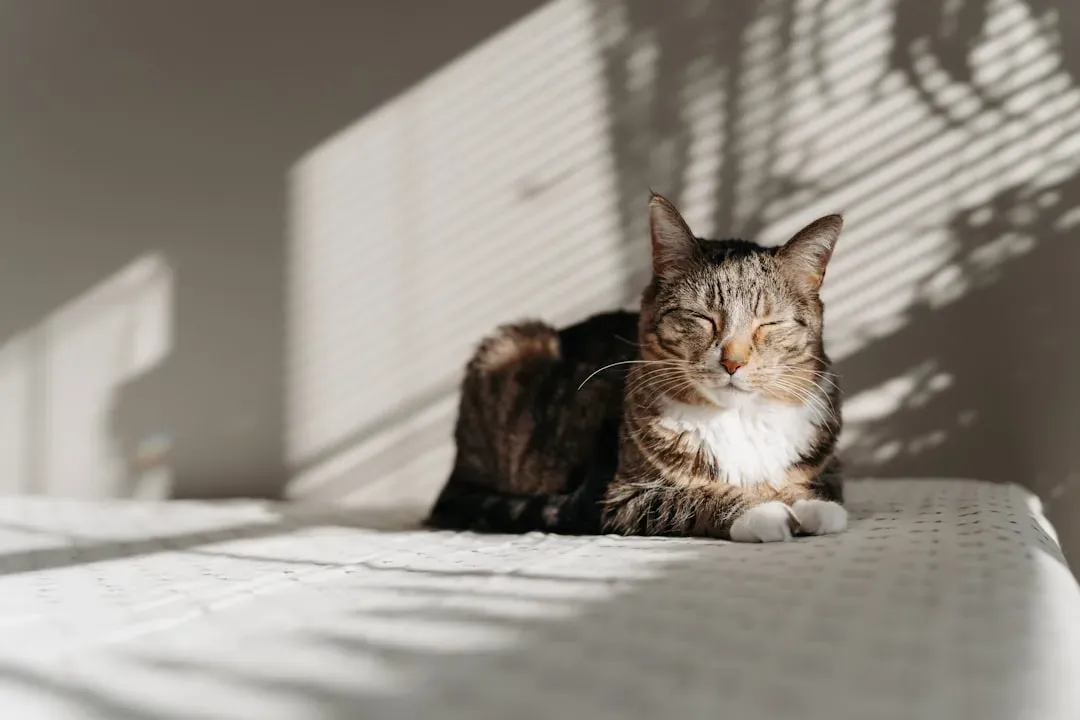
Natural light and heat can soothe achy limbs and joints and helps to regulate internal body temperature. Cats seek a spot of sunlight out in particular because it is so comforting and reduces symptoms caused by osteoarthritis and other health concerns. This becomes especially important for senior cats dealing with joint issues.
Older cats commonly develop arthritis in their hips and spines after a life of running and jumping up onto furniture or high sleeping perches. For a senior cat, resting in the sun may have the added bonus of soothing arthritis symptoms. The gentle heat increases blood flow to stiff joints, reduces inflammation, and makes movement easier afterward.
Even younger cats benefit from this muscle-relaxing effect after vigorous play sessions or athletic feats around the house. The warmth helps prevent stiffness and keeps their bodies limber. It’s like having a heating pad that never runs out of batteries or needs to be plugged in.
The Vitamin D Myth Everyone Gets Wrong
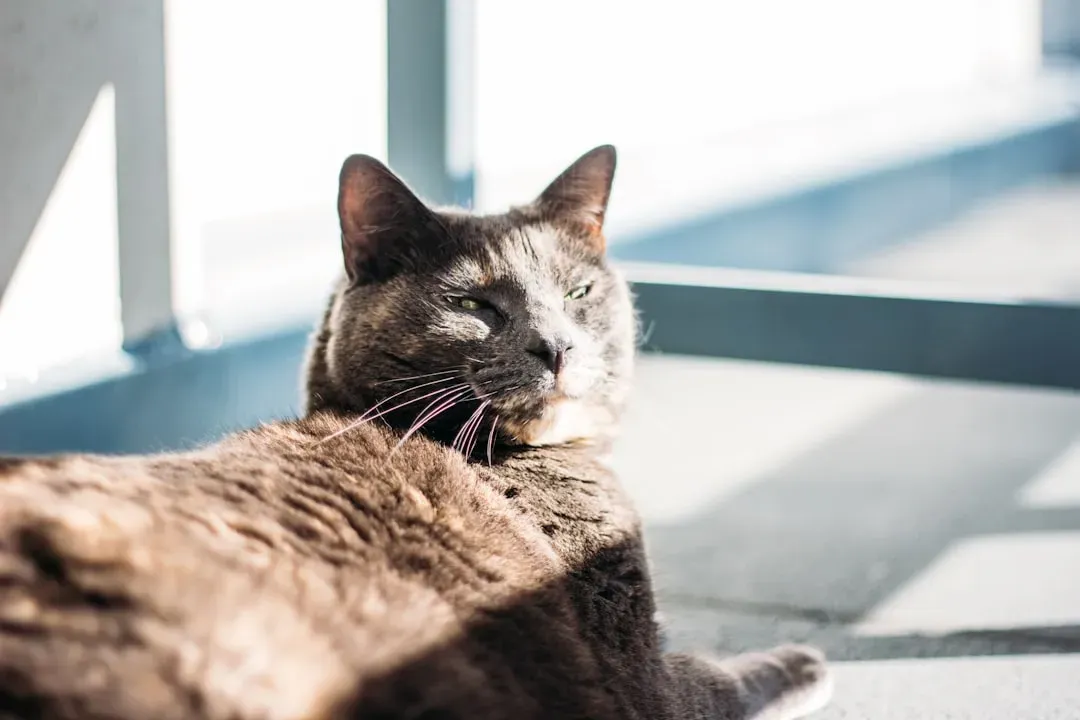
Here’s where things get interesting: there is a myth that cats absorb vitamin D through the sunlight as humans do, but they are 100% dependent on their diet for this important vitamin. Unlike humans, whose skin synthesizes vitamin D from sun exposure, cat fur actually blocks this process entirely.
The skin of dogs and cats lacks the ability to use sunlight to synthesize the vitamin D precursor in their skin. Their only source of vitamin D is their diet. So all that sunbathing isn’t about vitamin production – it’s purely about warmth, comfort, and those other benefits we’ve discussed.
Your cat needs vitamin D for bone health and other functions, but they get it from their food, particularly from meat sources. So don’t worry that your indoor cat is missing out on something critical by not going outside. As long as they’re eating quality food, they’re getting what they need nutritionally. The sunbathing is just for pleasure and temperature regulation.
Why Some Cats Are More Obsessed Than Others
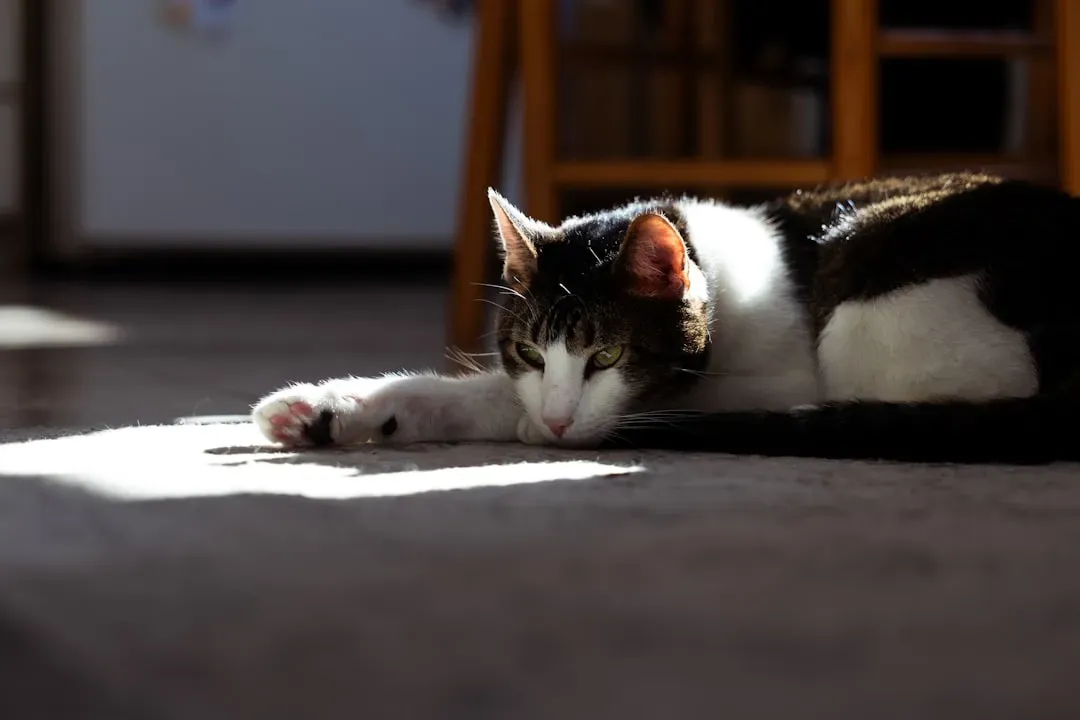
Long-haired cats tend to conserve body heat easier than short-haired cats, unsurprisingly, so short hairs are more often found sunbathing. This makes perfect sense when you think about insulation. A cat wearing a thick fur coat doesn’t need as much external heat as one with a sleek, short coat.
Age plays a role too. Kittens and senior cats tend to be more temperature-sensitive than cats in their prime. Young kittens haven’t fully developed their temperature regulation systems yet, while older cats may have decreased circulation or arthritis that makes warmth more appealing. You might notice your senior cat has claimed permanent rights to that sunny afternoon spot.
Individual personality matters as well. Some cats are just naturally more heat-seeking than others, the same way some humans are always cold while others run hot. Observing your cat’s preferences helps you understand their unique comfort needs and personality quirks.
The Security Factor Nobody Talks About
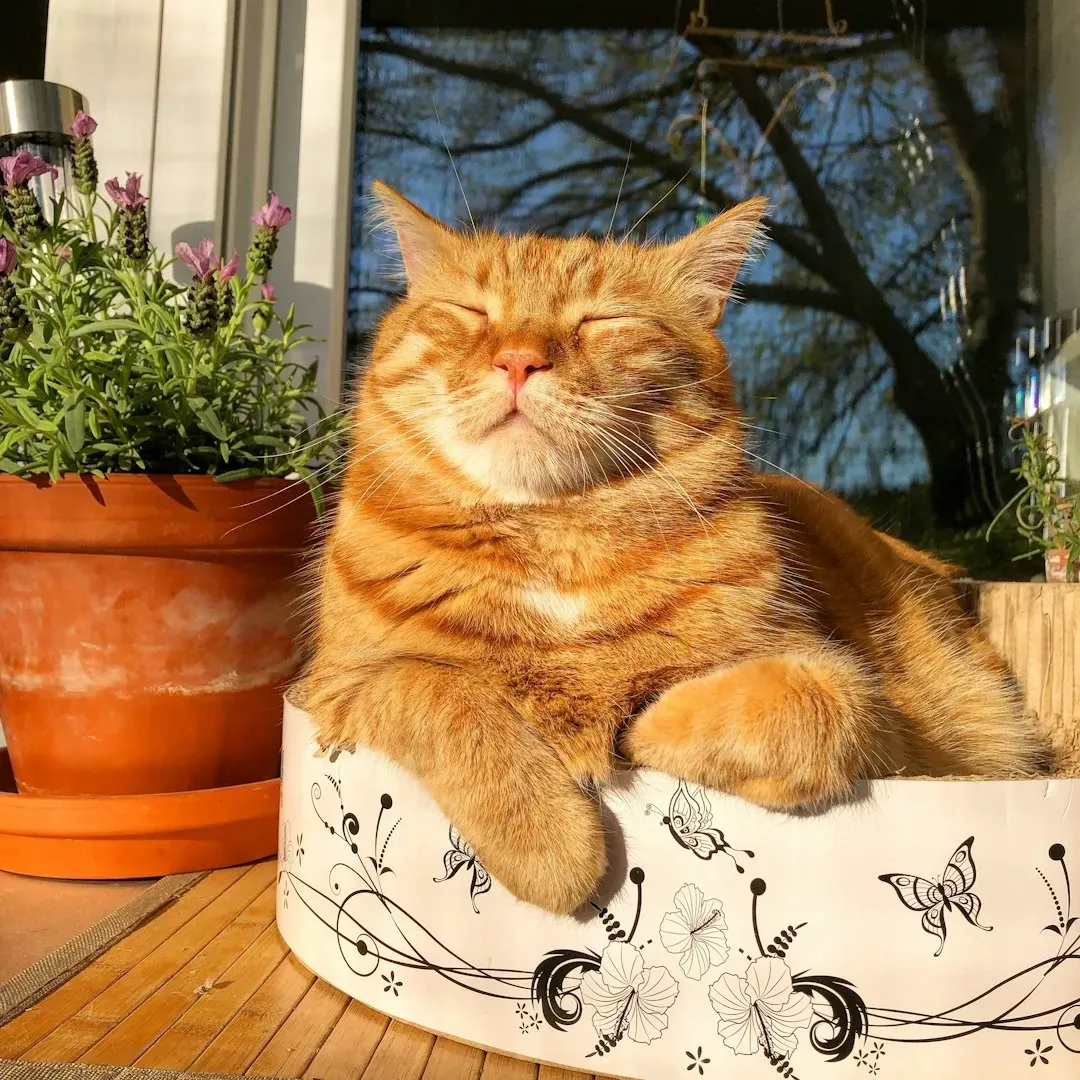
Sunbathing aligns with cats’ natural instincts and behaviors, reflecting their desert-dwelling ancestors’ need to seek out sunny spots for comfort and safety. In the wild, elevated sunny spots provided warmth while also offering visibility to spot predators or prey. Your windowsill serves the same dual purpose.
Cats feel vulnerable when sleeping, so choosing a warm spot in bright light makes tactical sense. They can see everything around them, the warmth keeps them comfortable, and that combination of security plus comfort allows them to truly relax. It’s why cats often choose sunny spots near windows – maximum visibility with maximum coziness.
The predictability of sunshine also appeals to their love of routine. Your cat knows exactly when and where those sunbeams will appear each day. That consistency provides comfort and structure to their day, giving them something to anticipate and plan their extensive nap schedule around.
The Potential Dangers You Should Monitor
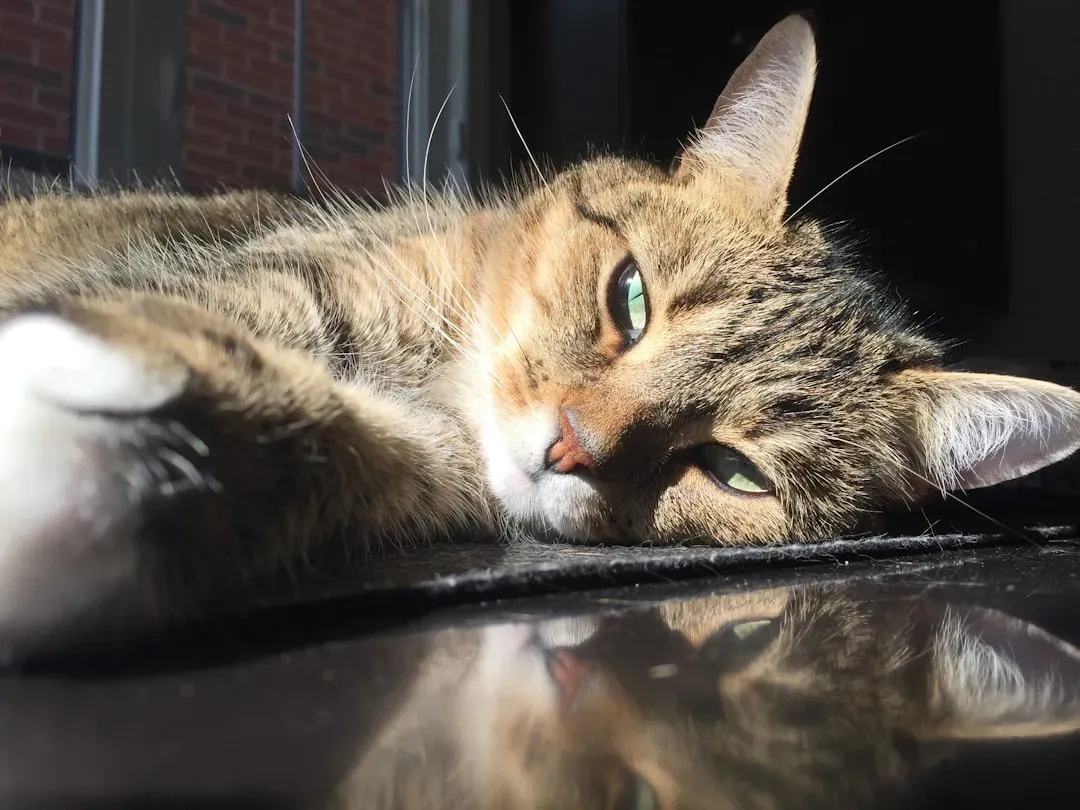
Older cats and those with diabetes and chronic disease are highly susceptible to dehydration. Senior cats and those with compromised health may also be more inclined to sleep throughout the day. If they sunbathe without water breaks or cooling down periods, they may be more likely to dehydrate. Moderation matters, even with something as seemingly benign as sunbathing.
Cats like sunbathing and it helps them maintain their body temperature, but too much sun can cause health issues. Dehydration, heat stroke, and sunburn can all be risks of excessive exposure. White cats or those with thin fur are particularly vulnerable to sunburn on their ears, noses, and other exposed areas.
Cats can even get skin cancer from too much sun exposure; white cats, especially, are vulnerable to a type of skin cancer called squamous cell carcinoma. Most cats will instinctively move when they get too hot, but it’s worth keeping an eye on especially dedicated sunbathers to ensure they’re staying hydrated and not overheating. Always keep fresh water available nearby.
How To Optimize Their Sunny Spot Experience
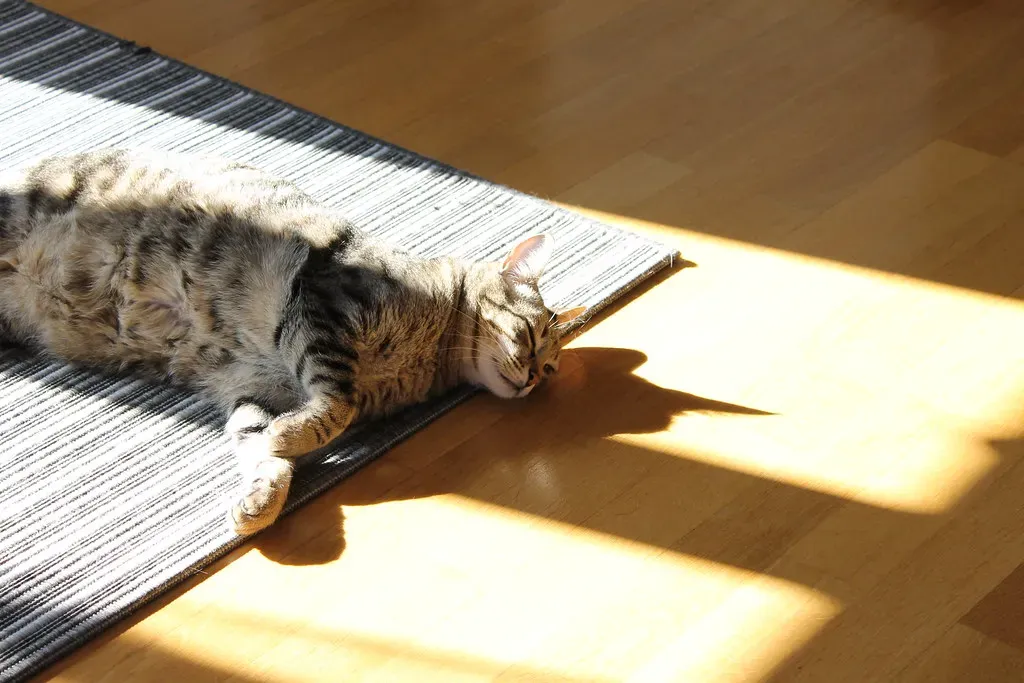
Let’s be real – your cat is going to find the sunny spots regardless of what you do. They’re experts at this. However, you can make their sunbathing sessions even better by placing a comfortable bed or blanket in their favorite sunny location. It beats sprawling on hard floors and gives them cushioning while they soak up rays.
Consider the sun’s path through your home during different seasons. That perfect sunny spot in winter might become unbearably hot in summer. Providing options in different locations lets your cat choose based on temperature and preference. Multiple cozy stations throughout your home ensure they always have access to their preferred warmth level.
Window perches are worth the investment if your cat loves windowsill sunbathing but struggles with balance or space. These attach securely to the window frame and give cats a dedicated, comfortable platform for their solar sessions. Plus, they get entertainment from watching outdoor activity while they bask. It’s like giving them premium seating to their favorite show.
The Bottom Line on Your Cat’s Solar Obsession
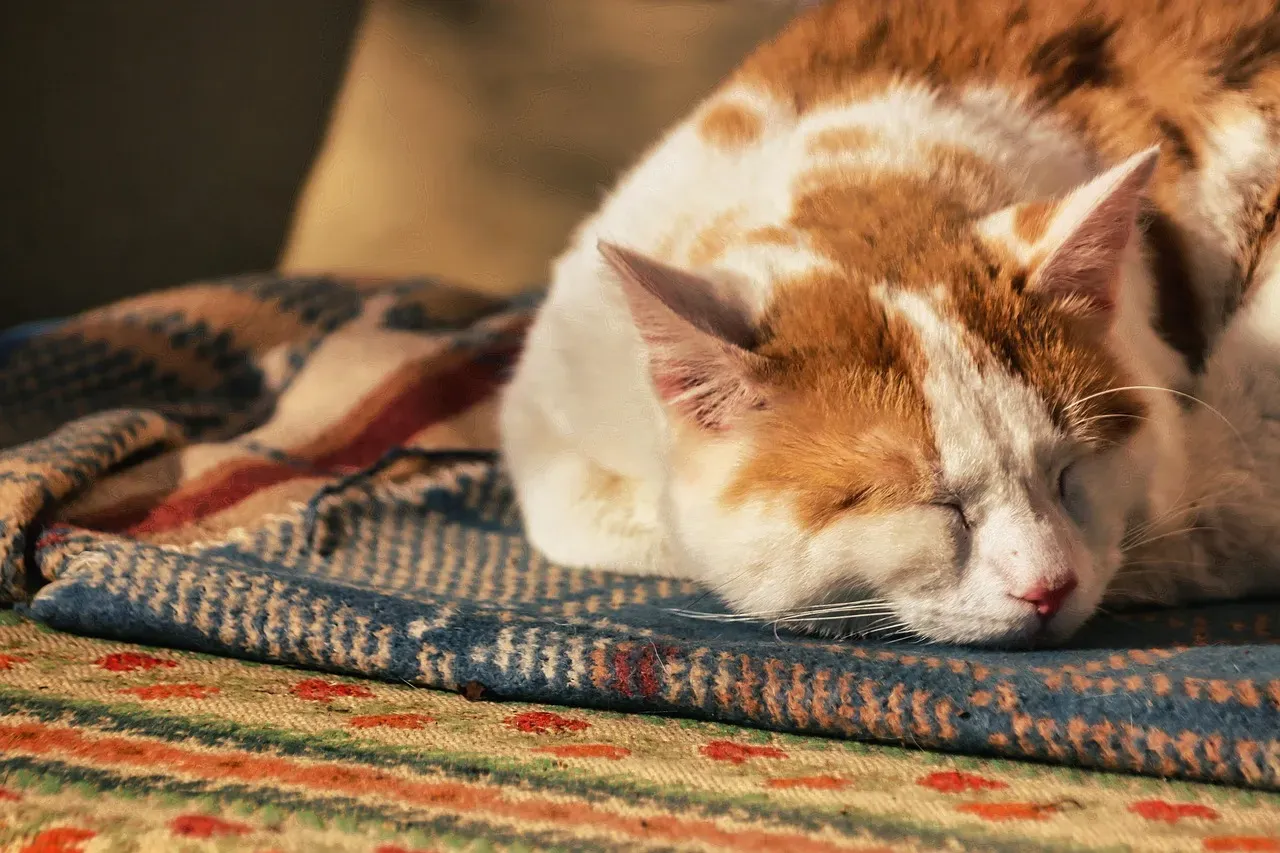
Your cat’s dedication to finding and claiming sunny spots isn’t quirky behavior or laziness. It’s a complex combination of evolutionary adaptation, biological necessity, and genuine physical comfort. From temperature regulation to mood enhancement to joint relief, those sunbeams provide legitimate benefits that improve your cat’s quality of life.
Understanding the reasons behind this behavior helps you appreciate your cat’s instincts and make informed decisions about their environment. Whether it’s ensuring adequate hydration during extended sunbathing sessions or providing comfortable options in sunny locations, you can support their natural behaviors while keeping them safe and healthy.
Next time you see your cat sprawled in that impossibly uncomfortable-looking position in a sunbeam, remember they’re doing exactly what millions of years of evolution programmed them to do. They’re not being difficult or weird – they’re being perfectly, wonderfully cat. So what’s your cat’s favorite sunny spot? Does it shift with the seasons, or have they claimed one location year-round?