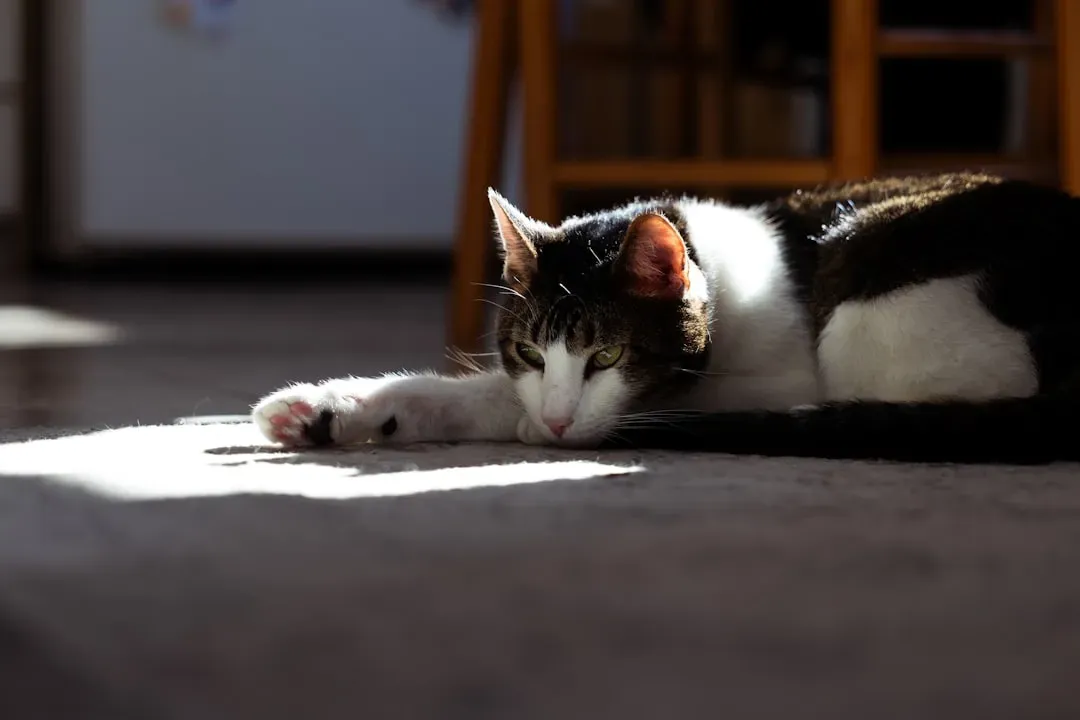
You’ve probably noticed it countless times. Your cat abandons her cozy bed, ignores the expensive cat tree you bought, and instead curls up in that one patch of sunlight streaming through the window. Maybe it’s the spot on the living room floor at three in the afternoon, or that narrow beam hitting the corner of the couch. She’ll follow it around the house like she’s chasing treasure, repositioning herself as the sun moves across the sky.
It seems simple enough, right? Cats just love warmth. Yet there’s something more happening here, something that goes deeper than just seeking a toasty nap spot. The truth is, your cat’s obsession with that particular sunbeam involves a complex mix of biology, instinct, and sensory perception that would surprise most people. Let’s dive into what’s really going on when your feline friend becomes a professional sunbather.
The Energy Conservation Strategy You Never Knew About
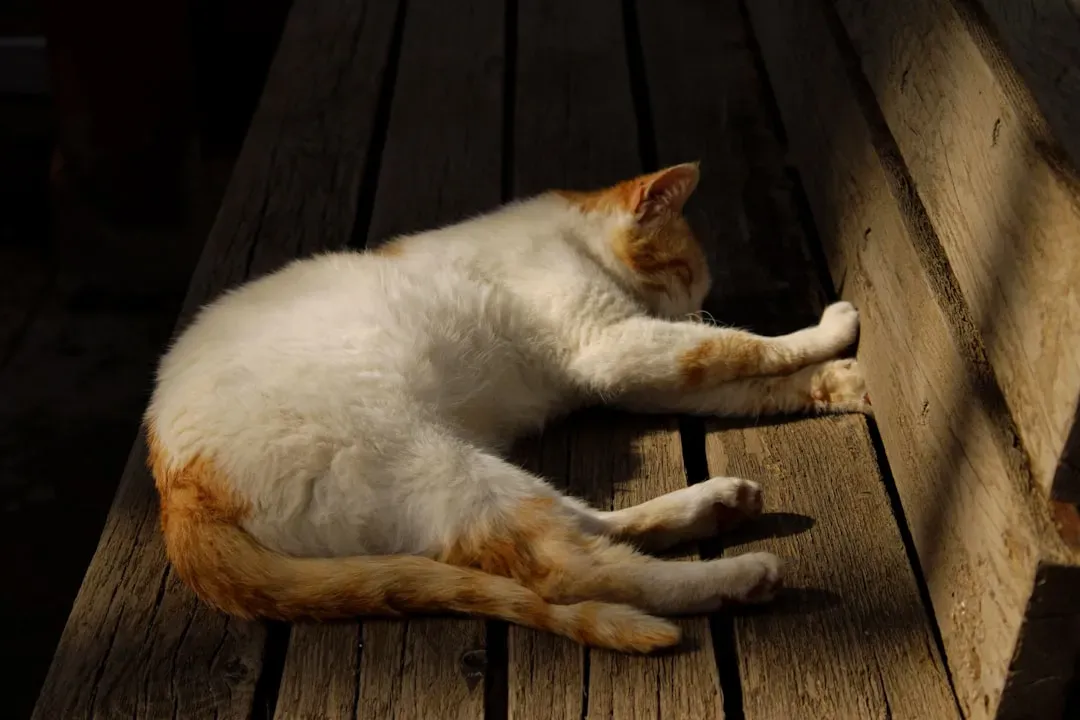
Your cat’s body is essentially running on solar power, using sunlight as a way to preserve precious calories from food. Think about it this way: maintaining body temperature requires a lot of metabolic energy. When cats sleep, their metabolism slows down to conserve energy, which leads to a drop in body temperature when they wake up.
Instead of generating that extra heat themselves, cats seek out a sunbeam to do the hard work for them. This behavior makes perfect sense when you consider that cats are obligate carnivores with protein-heavy diets. Such a diet produces less energy compared to carbohydrates, resulting in less internal body heat, so cats compensate by sunbathing to get heat from the outside environment. Pretty clever, honestly.
They’re Seeing Things You Literally Cannot See
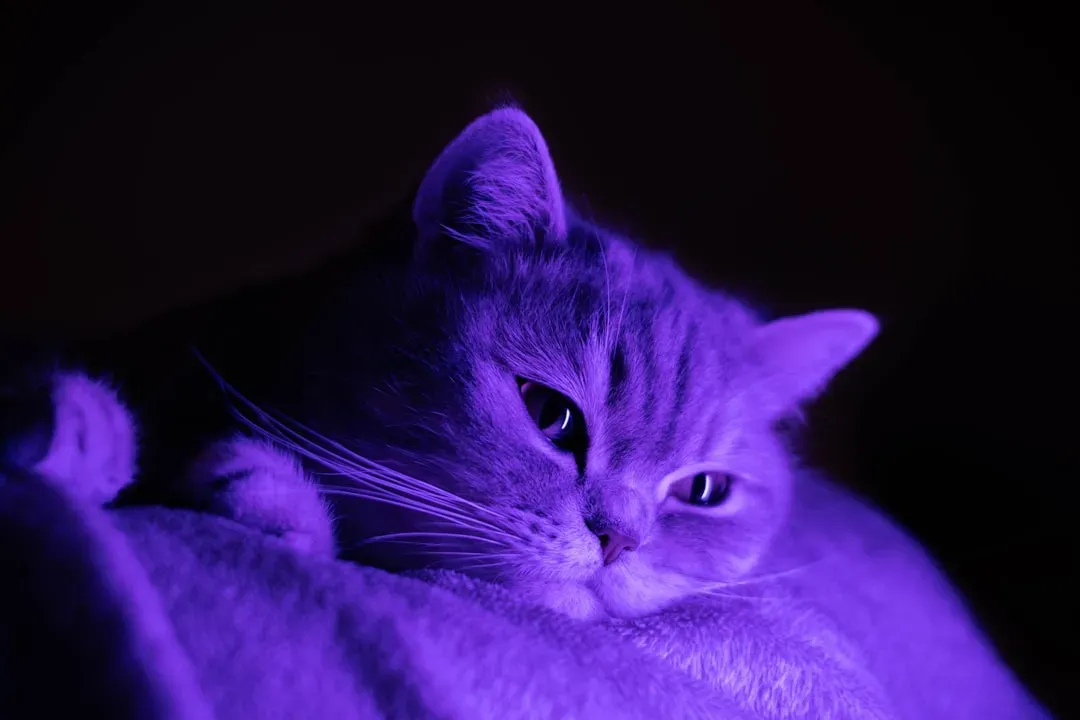
Here’s where things get really wild. Unlike humans, cats can see in ultraviolet light, and many animals including cats have lenses that allow some ultraviolet light through to their retinas. Research found that many animals, including hedgehogs, dogs, cats, and ferrets, have lenses that allow some ultraviolet light through, suggesting these animals may see in the ultraviolet.
Urine and other natural products like blood reflect strongly under ultraviolet light, and for your cat, it could be like graffiti on walls – it could be annoying or offensive, or it could be really amazing art. So when your cat is staring intently at what appears to be an empty patch of sunlight, she might actually be perceiving patterns, traces, or visual information that’s completely invisible to you. That specific sunbeam might look entirely different through her eyes.
The Thermoregulation Sweet Spot
Cats run hotter than humans by several degrees, with average body temperatures between 100.4°F and 102.5°F, compared to our 98.6°F. Maintaining that higher baseline isn’t easy, especially for a creature that sleeps up to sixteen hours a day. Cats tend to enjoy temperatures between 70 and 80 degrees Fahrenheit, and many cats enjoy basking under the sun at temperatures of about 80 degrees Fahrenheit.
Research suggests external temperatures between 86° and 101° F are ideal for your cat’s thermoregulation, as your cat doesn’t have to waste energy staying warm or cooling off in these temperatures. That particular sunbeam your cat loves? It’s probably hitting the perfect temperature zone for her metabolic comfort. She’s not just being picky – she’s being efficient.
An Evolutionary Blueprint Written in Desert Sand
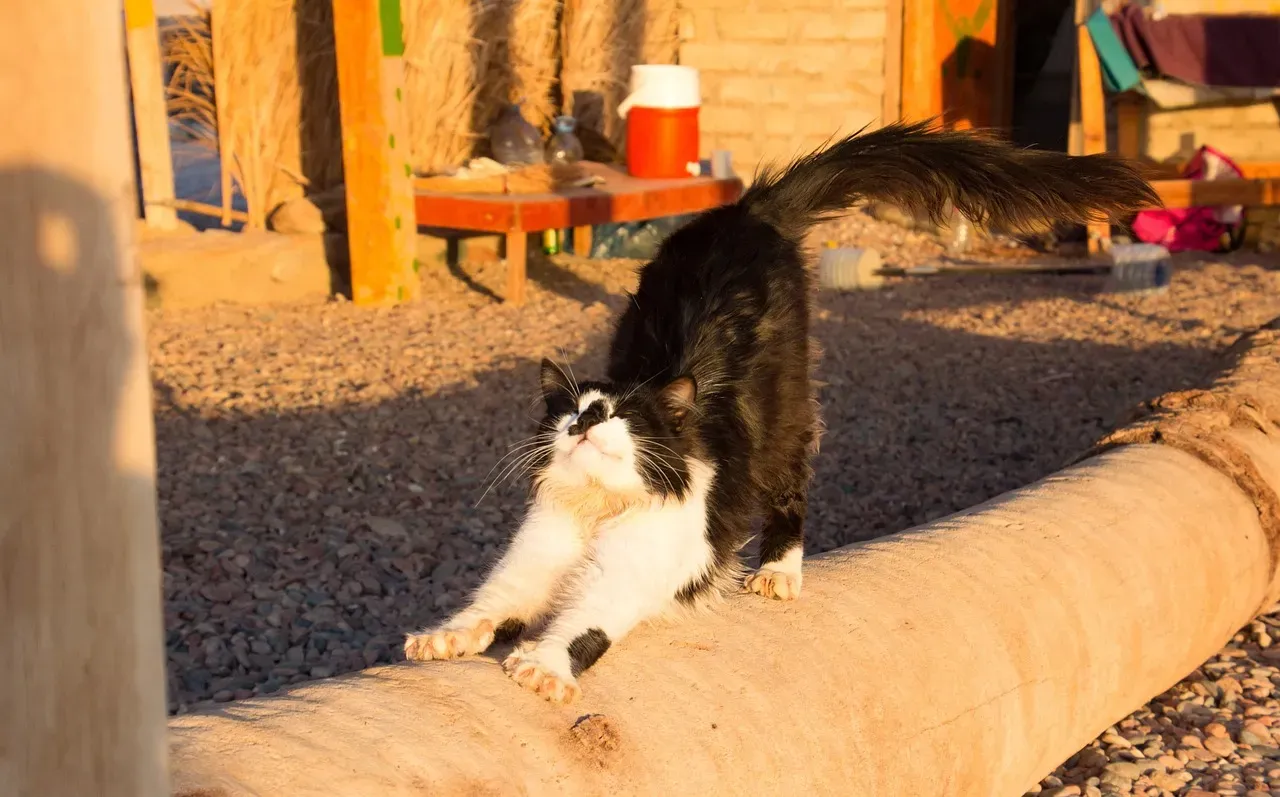
Your domestic cat’s ancestors didn’t evolve in chilly climates. Cats are desert-dwelling animals by nature, and their bodies have adapted to thrive in warm climates, with ancestors that were desert dwellers. Before domestication, cats lived in hot or desert areas where they developed a high heat tolerance, and most were short-coated and long-bodied, which enabled cats to function in high temperatures.
This evolutionary history is hardwired into your cat’s behavior. She’s following ancient instincts that tell her warmth equals safety, comfort, and optimal functioning. That sunbeam isn’t just pleasant – it feels fundamentally right to her on a primal level.
The Serotonin Boost Your Cat Craves
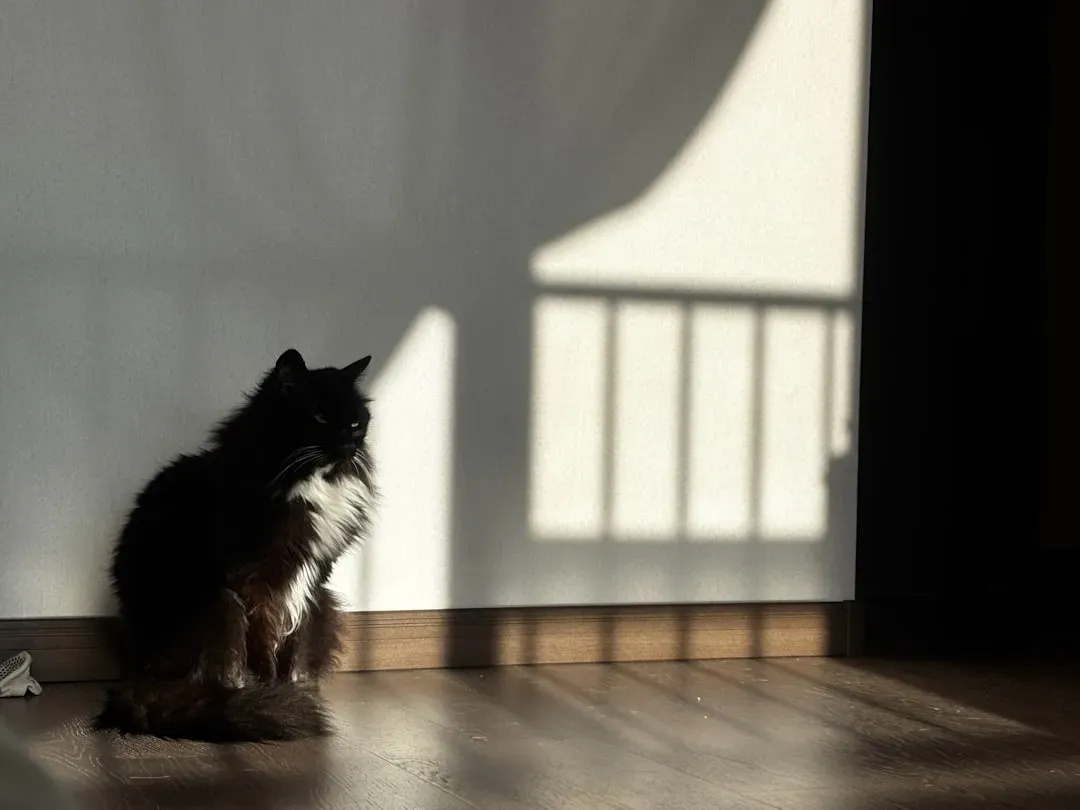
Sunlight has been linked to the release of serotonin in mammals, often called the “feel-good hormone,” promoting a sense of calm and contentment in cats. This isn’t just about physical comfort. Sunlight exposure can enhance a cat’s mood by boosting serotonin levels, and exposure to sunlight can improve serotonin production, reducing stress and anxiety.
Have you ever noticed your cat seems particularly zen after a long sunbathing session? There’s actual neurochemistry at work. The sunlight is literally improving her emotional state, making her more relaxed and content. It’s like a natural antidepressant delivered straight through that living room window.
Why Vitamin D Doesn’t Actually Matter Here
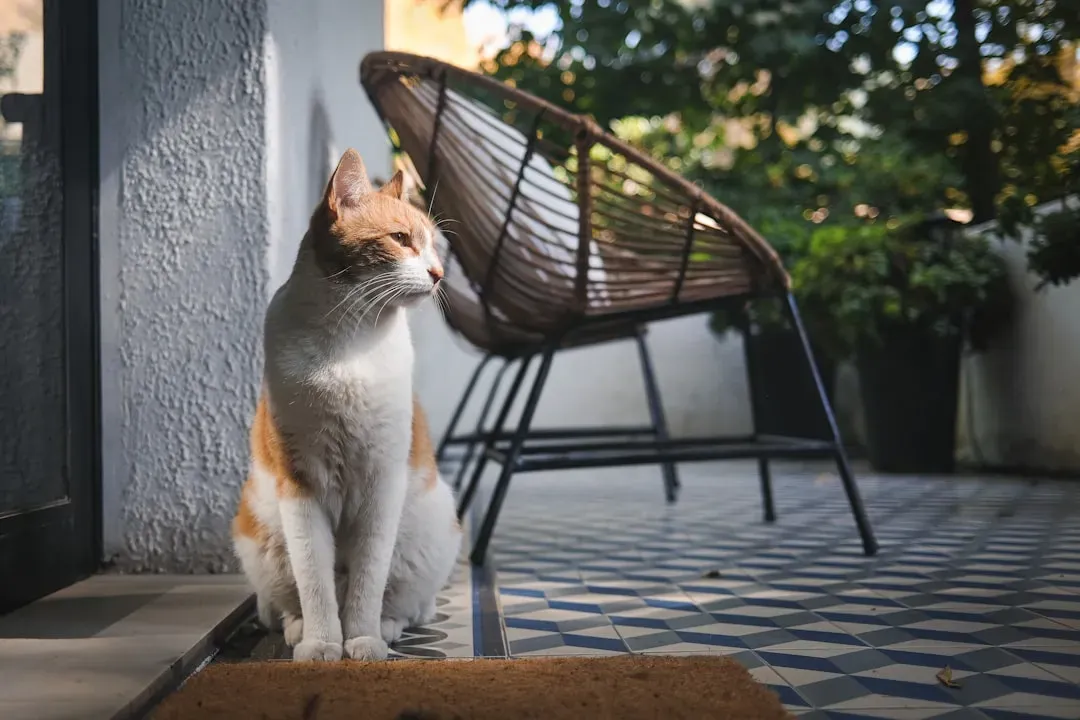
Let’s clear up a common misconception. Unlike humans, cats don’t produce vitamin D through skin exposure to sunlight because their fur actually blocks the synthesis process, and they absorb this vital nutrient from their diet instead, primarily through meat-based sources or fortified cat food. Dogs and cats are unable to perform cutaneous synthesis of Vitamin D3 through sun exposure, due to the high activity of an enzyme that converts the precursor into cholesterol, therefore a significant decrease in skin precursor concentrations occurs.
So if it’s not about vitamin D, why the obsession with sunlight? Because nearly every other benefit we’ve discussed – from thermoregulation to mood enhancement to energy conservation – makes that sunny spot irresistible. Your cat isn’t sunbathing for vitamins. She’s doing it because her entire physiology benefits from it in multiple other ways.
The Circadian Rhythm Connection
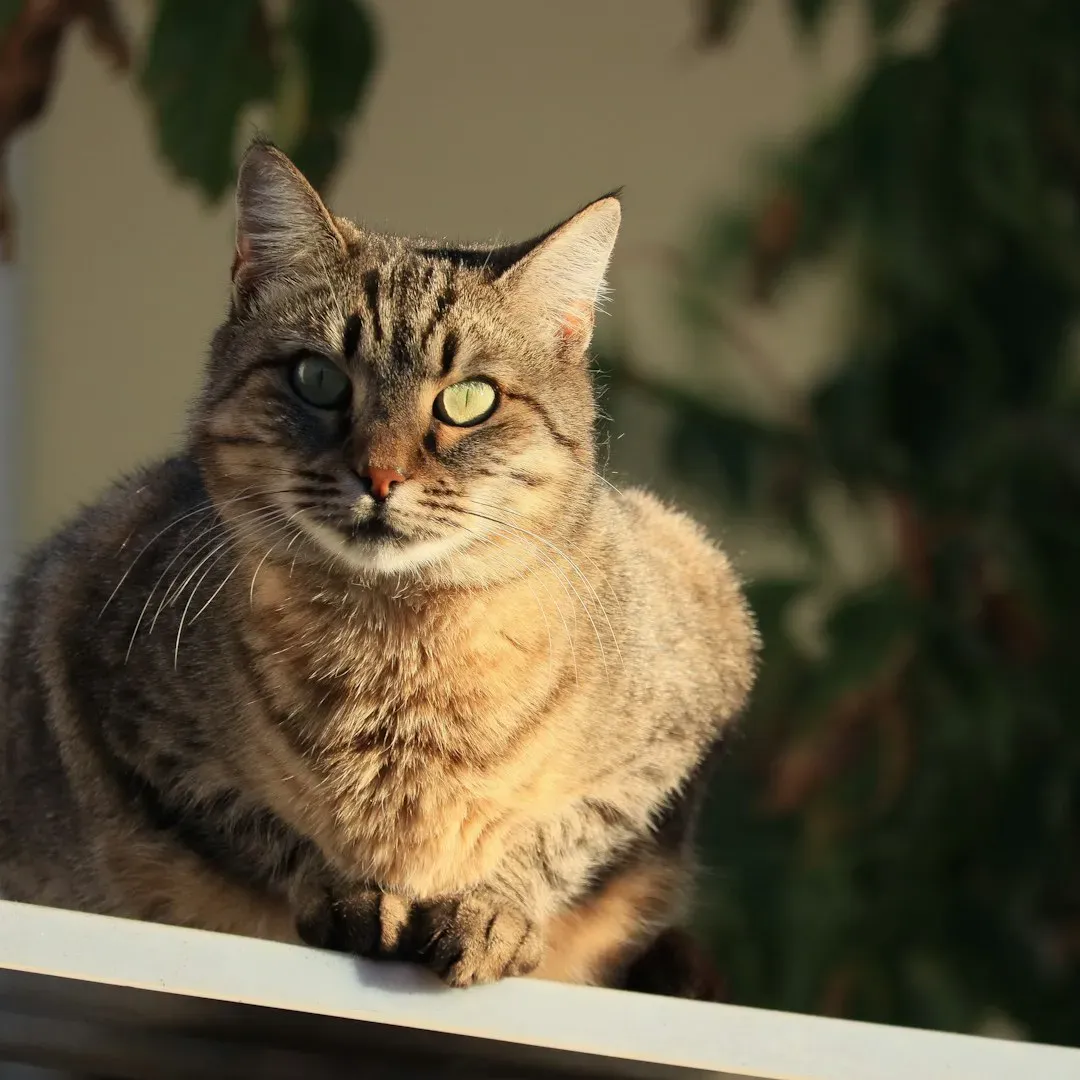
Exposure to natural light helps regulate a cat’s circadian rhythm, which influences their sleep and activity cycles, and just as sunlight helps set our own circadian rhythms, cats rely on changes in light to trigger periods of wakefulness and rest. Cats are neither strictly diurnal nor nocturnal; instead, they are crepuscular, meaning their peak activity times are during dawn and dusk.
That specific sunbeam your cat tracks throughout the day? It’s helping her internal clock stay synchronized with the natural world. Lack of natural light can disrupt a cat’s circadian rhythms, leading to irregular sleep patterns and behavioral issues, as cats rely on natural light to regulate their sleep-wake cycles. Even indoor cats need those daily light cues to maintain healthy behavioral patterns.
The Pain Relief You Didn’t Know Sunlight Provided
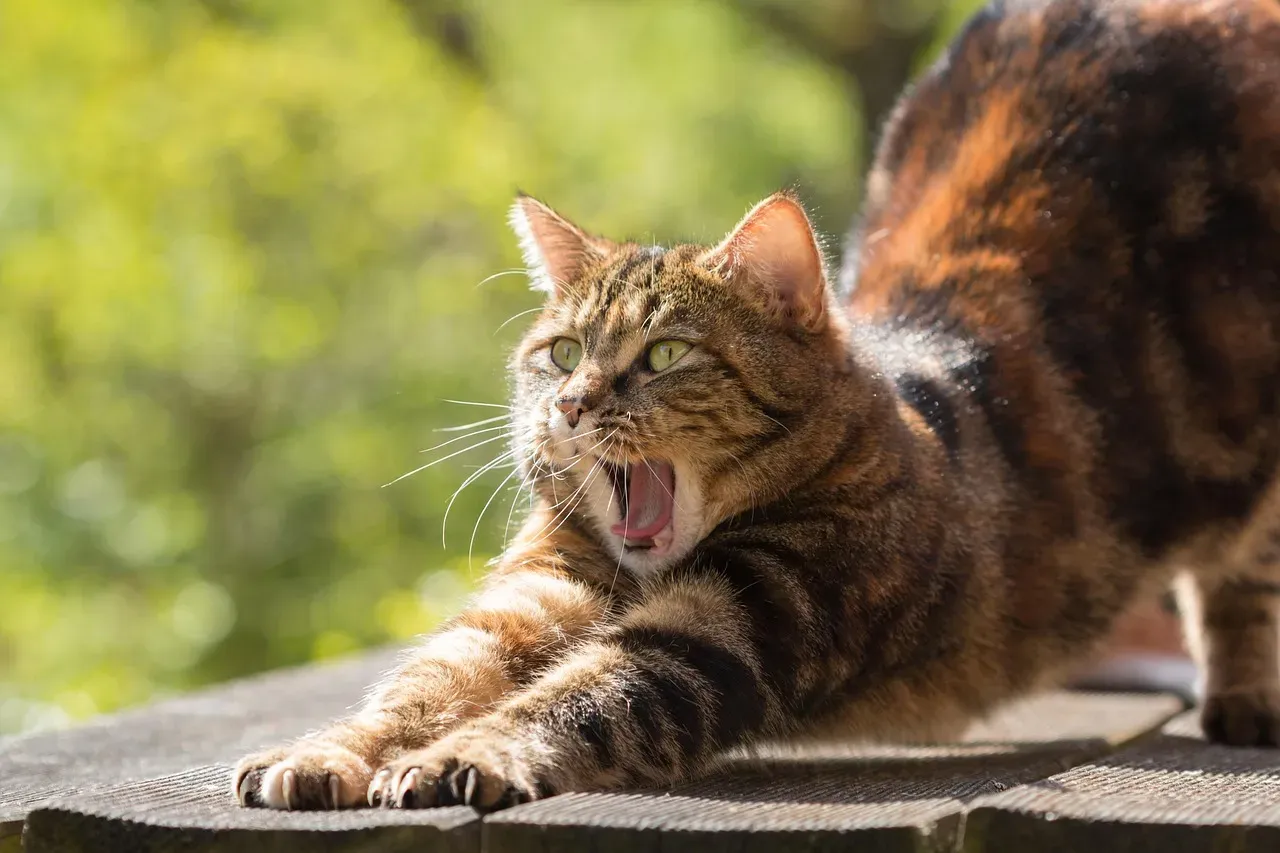
Sunbeams provide a natural and soothing heat source, allowing cats to enjoy the pleasant sensation of warmth against their bodies, and the radiant heat from the sun helps to ease muscle tension, promoting relaxation and overall comfort. Warmth from sunlight can ease joint pain in senior cats or those with arthritis.
If you’ve got an older cat, pay attention to her sunbathing habits. Sunlight allows cats to stretch more easily and rest in positions that promote recovery, and by reducing the strain on muscles and providing consistent warmth, sunbathing gives cats a natural way to manage minor physical discomforts. That sunny spot might be her version of a heating pad for aching joints.
The Strategic Location Selection Process
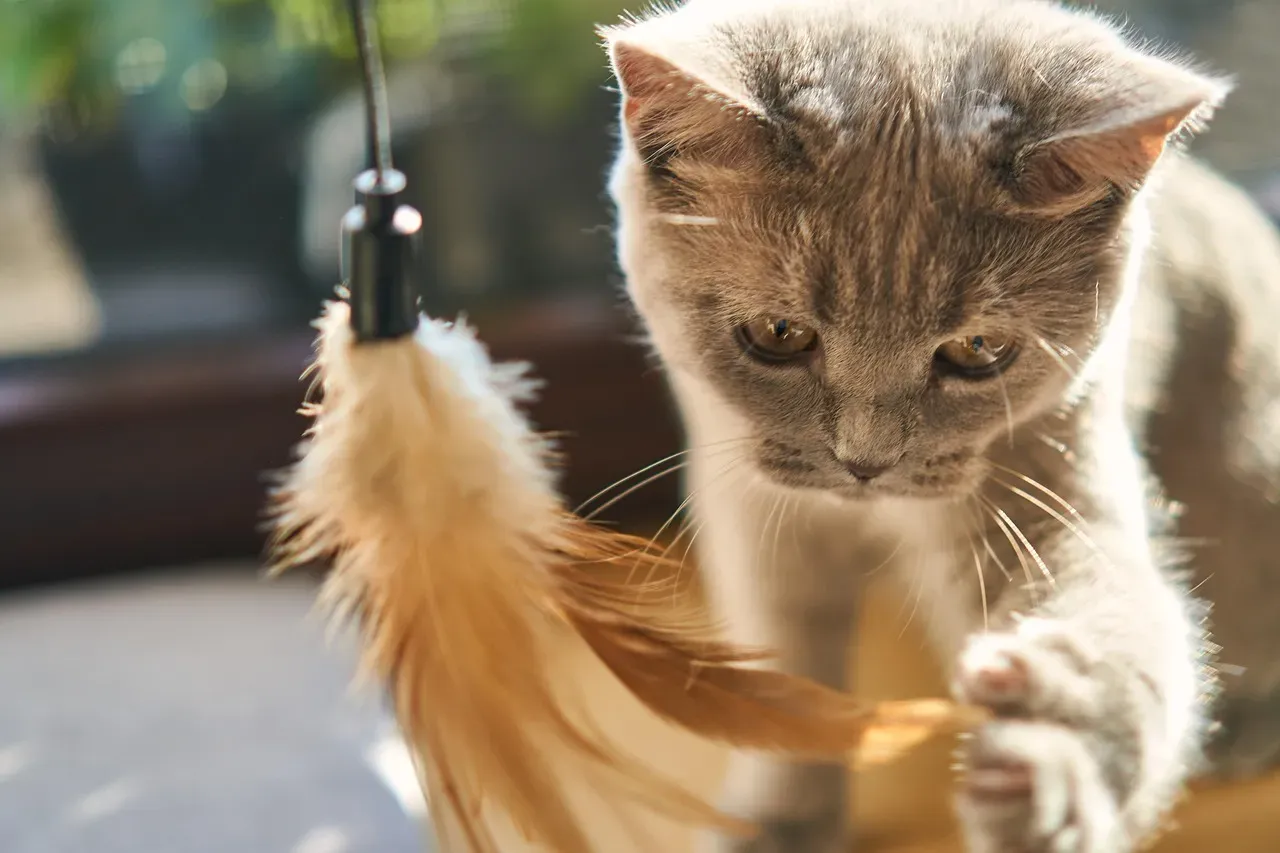
Your cat isn’t randomly choosing sunbeams. She’s evaluating multiple factors you probably never considered. Cats can regulate their body temperatures more easily by moving in and out of the sun’s rays. The ideal spot offers not just warmth, but also a good view of her territory, an escape route if needed, and the right texture beneath her.
There’s something irresistible to cats about a toasty stack of clothes infused with your scent – it’s soft, warm, and smells like you, the ultimate combination. That’s why your cat might prefer the sunbeam hitting your freshly folded laundry over the one illuminating the bare floor. She’s maximizing comfort on multiple sensory levels simultaneously.
The Risks Hidden in That Golden Light
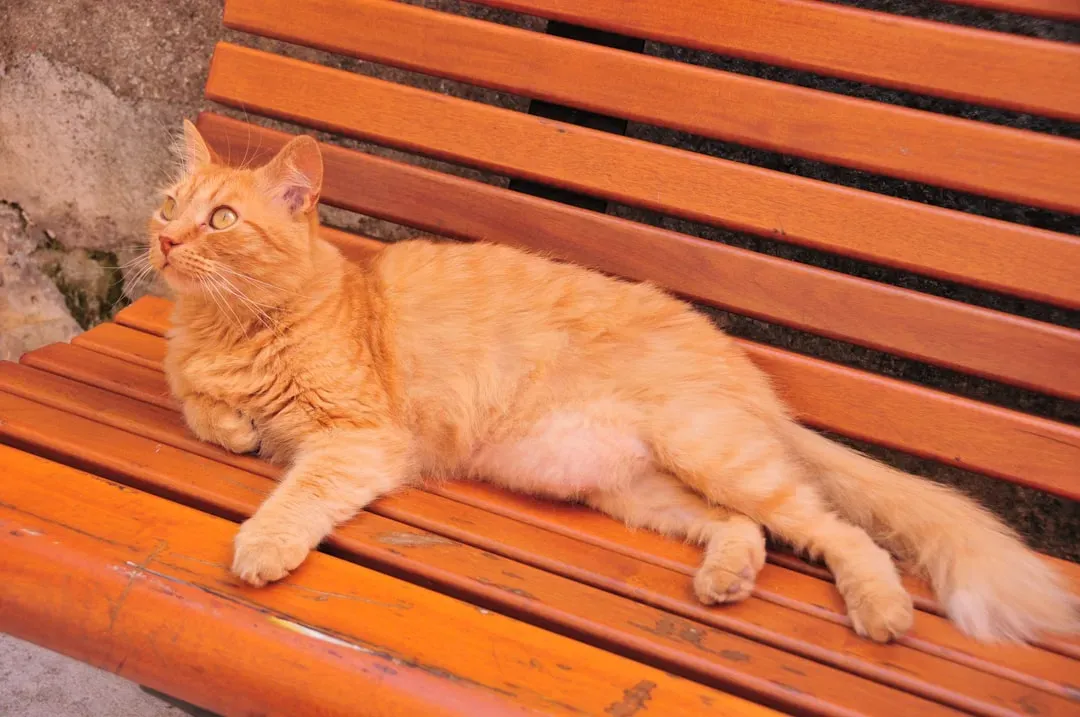
Not everything about sunbathing is beneficial. Too much exposure to the sun can lead to overheating, dehydration, sunburns and skin cancer. Squamous cell carcinomas are common in cats and thought to arise from chronic exposure to UV light, with fur usually acting as a barrier, so the nose, tips of the ears, mouth, and eyelids are more susceptible to developing this cancer, and cats with white markings and pink skin are more at risk.
If your cat has light-colored fur or spends hours in direct sunlight, you need to be vigilant. Some cats are more sensitive to the heat and UV rays than others, for example those with white coats are more likely to suffer sunburns and develop skin cancers. That beloved sunbeam could be causing cumulative damage over time.
What This All Means for You and Your Cat
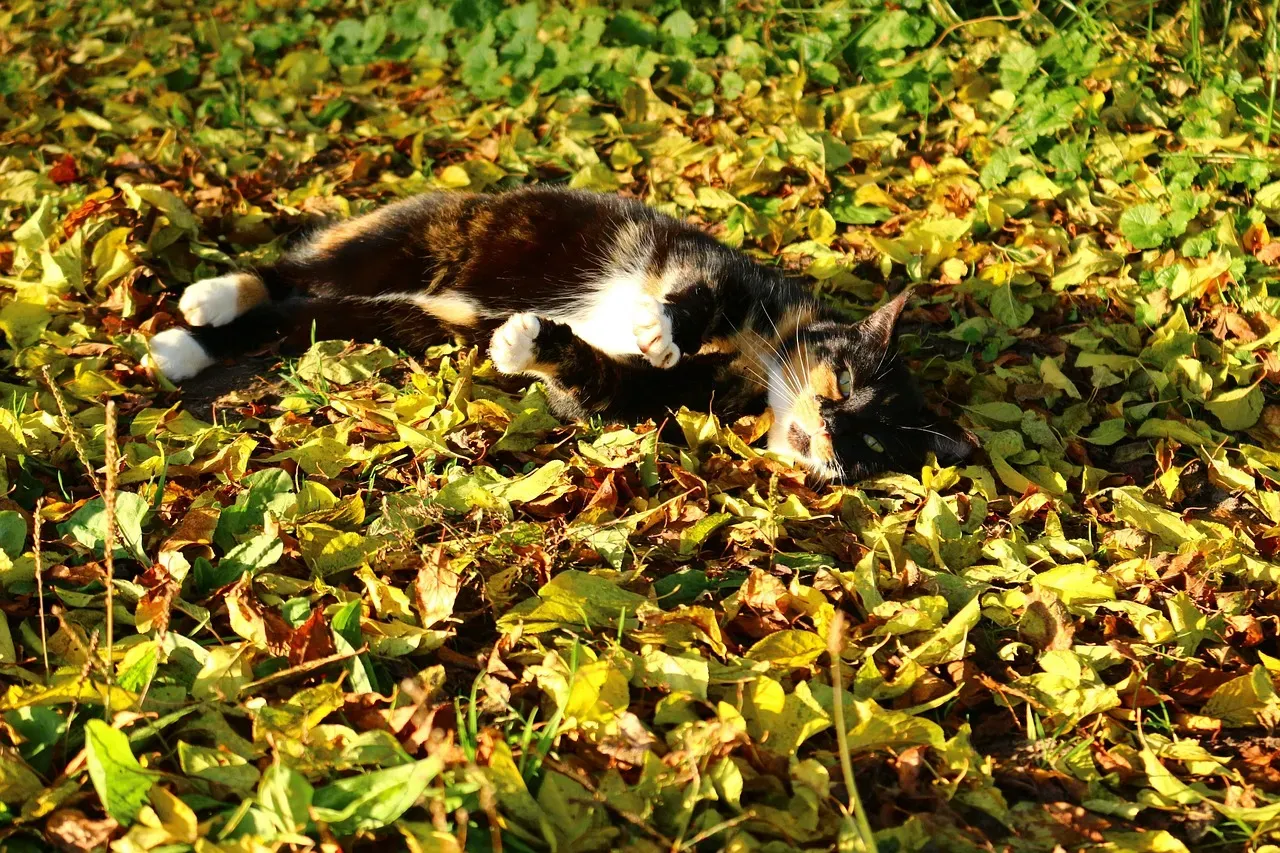
Understanding why your cat obsesses over that specific sunbeam changes how you might think about her environment. It’s not just a quirky preference – it’s a biological imperative driven by thermoregulation, sensory perception beyond human capability, mood regulation, circadian rhythm maintenance, and pain management. She’s not being lazy or random. She’s being spectacularly attuned to her needs.
Maybe it’s time to appreciate those sun-soaked naps for what they really are: a complex interplay of evolutionary adaptation, neurochemistry, and sensory experience that you can only partially understand. Your cat has been optimizing her health and happiness through strategic sunbeam selection all along. She knew what she was doing the whole time.
Next time you see your cat sprawled in that golden patch of light, eyes half-closed in absolute contentment, remember there’s an entire world of biological processes happening beneath that fur. What do you think about your cat’s sunbathing habits now? Does it change how you see those lazy afternoon naps?