You fill the bowl, you set it down, you even change the water daily. Yet your cat marches past it without a second glance, jumps onto the bathroom counter, and stares at you with expectant eyes until you turn on the tap. Sound familiar? If you share your home with a cat, there’s a very good chance this scene plays out more often than you’d like to admit.
Here’s the thing: this isn’t random cat stubbornness, though there’s plenty of that too. There are real, fascinating, and deeply biological reasons why your cat would rather drink from a dripping faucet than the perfectly clean bowl you’ve prepared. Some of those reasons stretch back thousands of years. Others come down to something as surprisingly specific as whisker comfort. Let’s dive in.
It Goes All the Way Back to Their Wild Ancestors
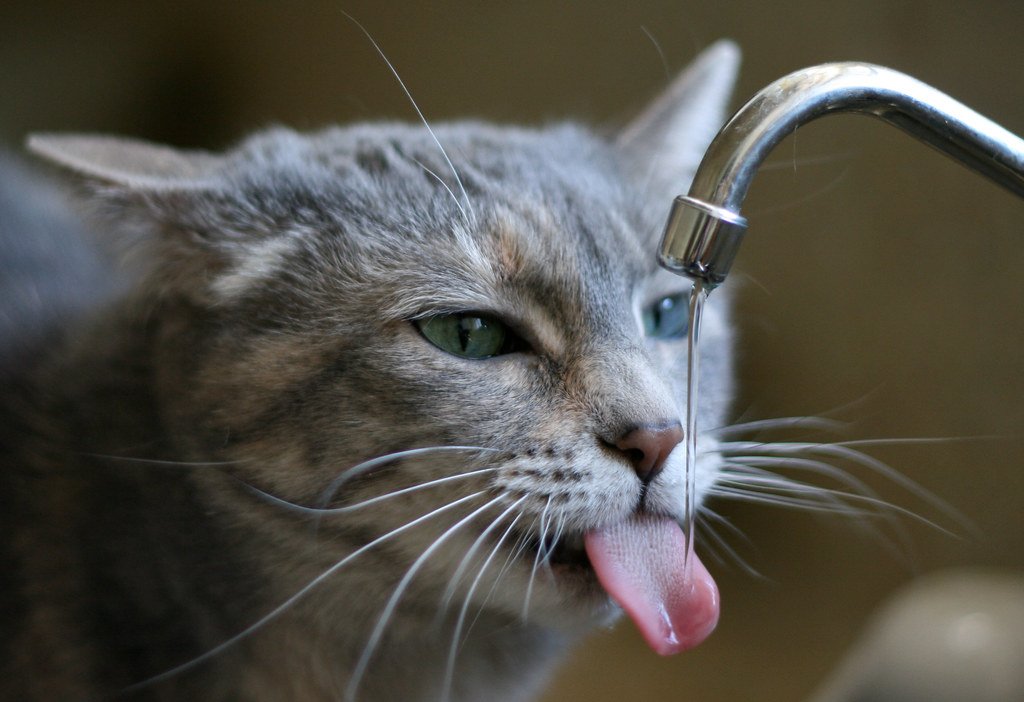
Believe it or not, your lounging lap cat descends from fierce desert hunters. Those ancestors got most of their water from prey, and when they needed extra hydration, running water was the source they trusted most because it was simply cleaner and safer. Think of it like the difference between a stagnant roadside puddle and a babbling brook. Even we know instinctively which one we’d pick.
In the wild, cats evolved to avoid stagnant water sources because still water can harbor bacteria, algae, and contaminants. Flowing water, on the other hand, is typically fresher, more oxygenated, and far less likely to be contaminated. That survival knowledge is still hardwired into your domestic cat today, even if the biggest threat in their world is an empty treat bag.
Your Cat’s Brain is Wired to Distrust Standing Water
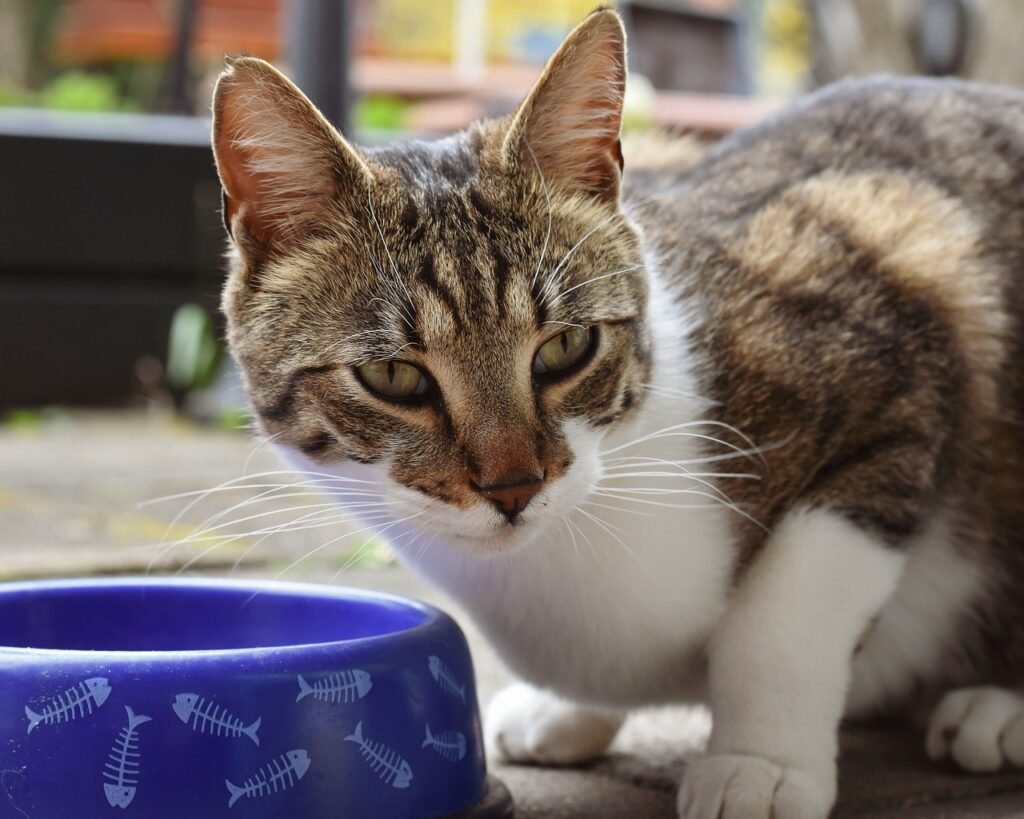
Even though your kitty lives a life of privilege, their wild animal instincts tell them that standing water isn’t always safe. Water that sits around in a puddle outside is prone to dangerous things growing in it, and that can make a cat sick, so it’s genuinely beneficial for them to avoid water like that in nature. Your cat’s bowl, as clean as it looks to you, might register as suspect to them.
Cats also don’t like still surfaces such as unmoving still water because they are harder to detect by sight or sound, and that’s not a problem with fresh running water. In other words, a motionless bowl of water is harder for a cat to process visually. The gentle movement of faucet water? That’s a sensory signal they can trust. It’s practically shouting “drink me.”
The Smell of the Bowl Might Be Repelling Them
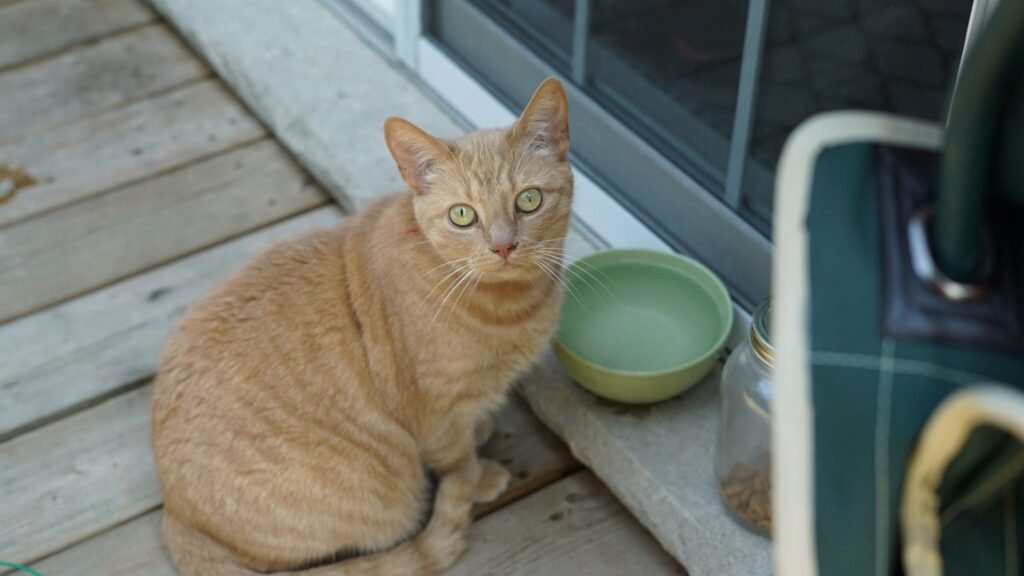
Many standard water bowls are made of plastic, which can retain odors despite washing. Cats have an acute sense of smell, up to fourteen times stronger than humans, and they may reject water that carries even faint traces of detergent or food residue. Metal or ceramic bowls are less likely to hold odors and are generally preferred by more discerning drinkers. So that bowl you washed “yesterday” might still be telling your cat a very different story through their nose.
Cats have a keen sense of taste too, and they might refuse to drink water that has been standing for a while because it tastes stale to them. Similarly, some cats can actually detect the taste of certain types of bowls, plastic in particular, and may refuse to drink from them entirely. Honestly, when you think about how sensitive their sensory system is, the faucet preference starts to sound less like quirky behavior and more like reasonable logic.
Whisker Fatigue Is More Real Than You’d Expect
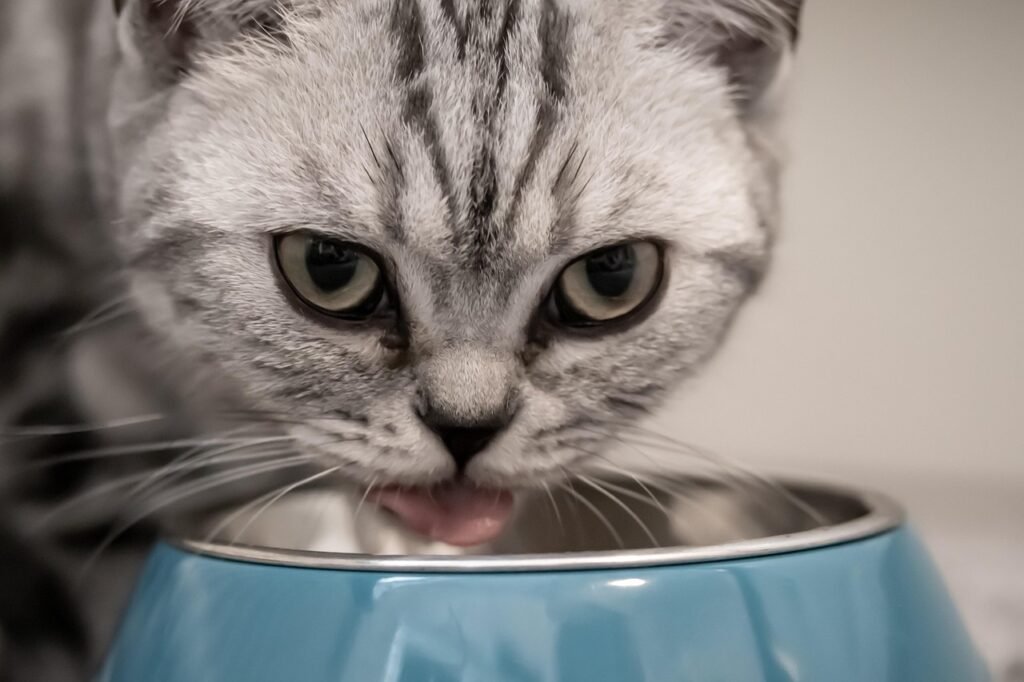
A cat’s face is highly sensitive, particularly around the whiskers. These specialized hairs, called vibrissae, help cats navigate tight spaces and detect changes in their environment. When a cat dips its head into a narrow or deep bowl, the whiskers can press against the sides, causing a discomfort known as “whisker fatigue,” and over time this can make a cat reluctant to drink from certain bowls. Imagine having to press your fingers against a vibrating surface every single time you wanted a sip of water. You’d find another way too.
Whisker fatigue can actually cause your cat to act completely different than usual. It can lead to lack of appetite, changes in mood and behavior, and significant stress for your kitty. When your cat’s whiskers brush up against the sides of a food or water bowl, they send constant sensory messages to the brain, and too many messages can make your cat agitated enough to refuse food or water from their usual bowls altogether. A wide, shallow bowl, or a faucet where whiskers never touch anything, suddenly makes a lot more sense from their perspective.
Running Water Tastes and Feels Genuinely Better to Them
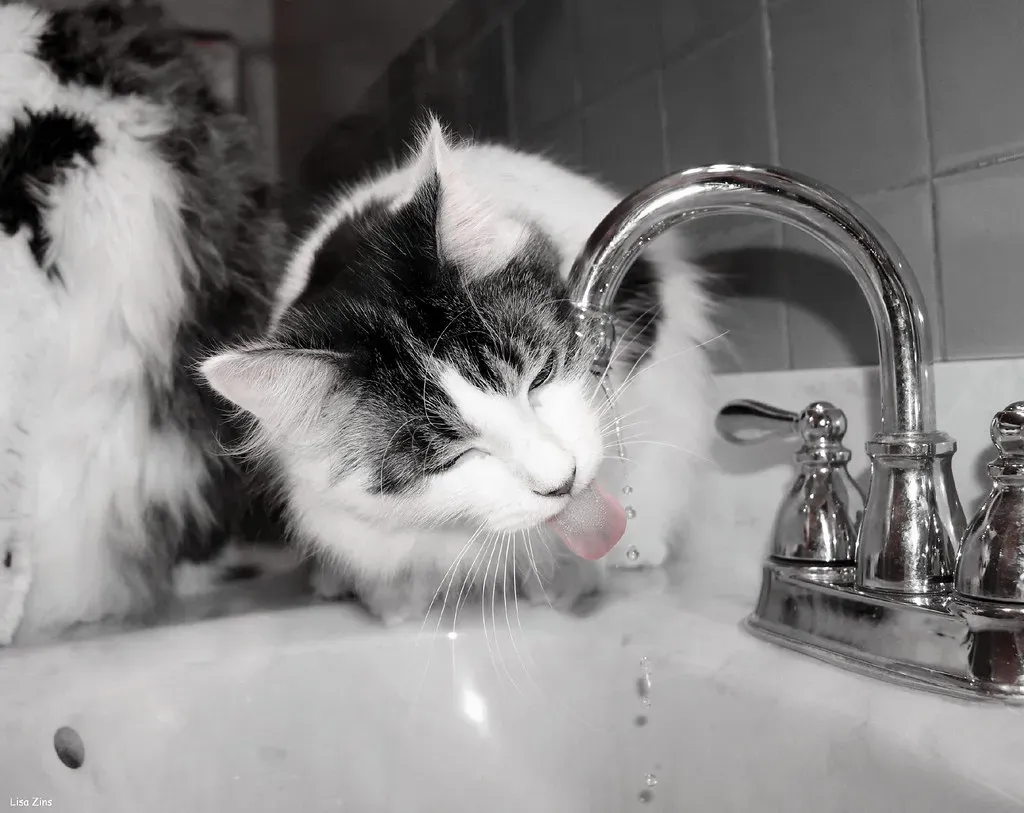
When water flows from a faucet, it creates turbulence, aeration, and surface movement. These dynamic properties enhance both the sensory experience and the perceived quality of the water. Aeration introduces tiny oxygen bubbles into the water, which can subtly alter its taste and temperature, making it feel fresher. Additionally, flowing water tends to be cooler than stagnant water left sitting in a bowl, especially in warm indoor environments. It’s a bit like the difference between a flat glass of water you left on your nightstand and a freshly poured, ice-cold glass. The difference is real.
Freshly drawn water also has less chlorine and fewer dissolved minerals than water that’s been sitting out for hours, contributing to a cleaner and fresher taste. Your cat isn’t imagining things. The faucet water genuinely does taste different, often better, and their highly refined palate is picking up on every single bit of that difference.
The Location of Their Bowl Might Be the Problem
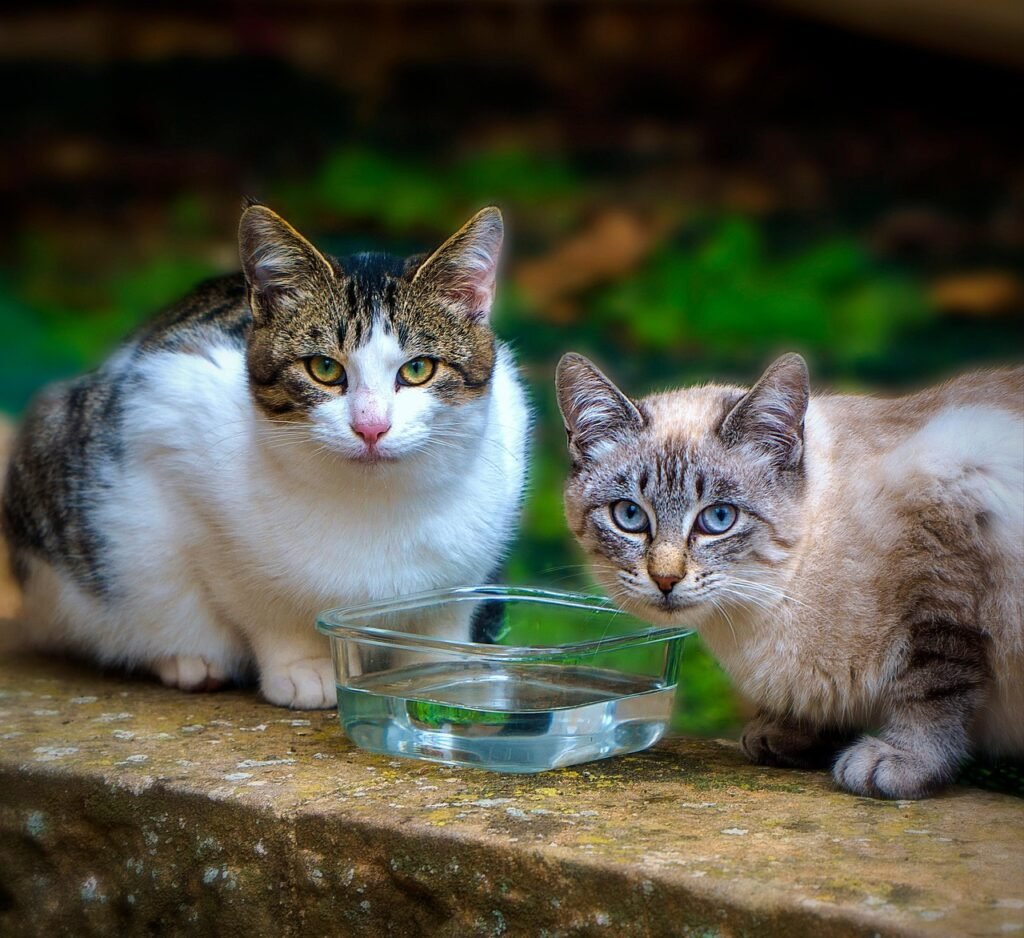
Cats prefer to keep their food and water separate. In the wild, water near a food source could be contaminated, and so it is instinctual for cats to avoid drinking water that is close to their food. If you’ve been placing the water bowl right next to the food bowl because it seems tidy and convenient, your cat’s ancient survival brain is likely overriding that logic entirely.
Your cat might prefer drinking from the faucet simply because the water bowl is in an undesirable location. International Cat Care recommends placing the water bowl in a low-traffic, quiet spot, and specifically not next to the litter box or their regular food bowl. Moving the bowl across the room, or even to a completely different room, can genuinely make a surprising difference. It’s a simple fix that many cat owners overlook for years.
They May Feel Unsafe or Vulnerable at the Bowl
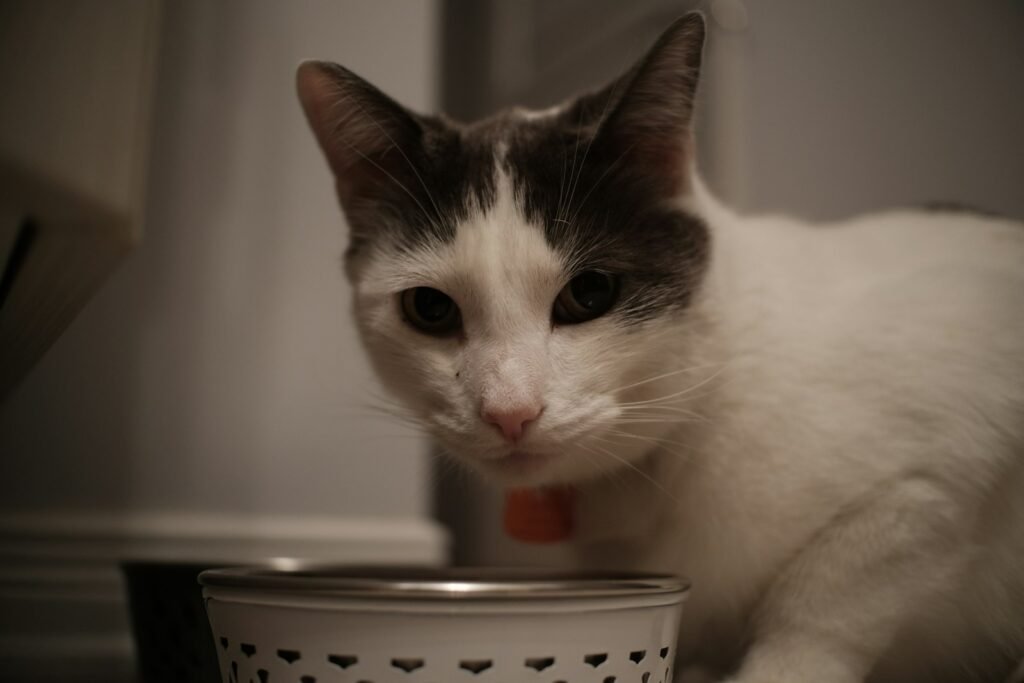
Cats might feel uncomfortable drinking still water out of a bowl because it’s often placed in a corner where their backs are exposed. They like to be completely in control of their surroundings, so drinking still water in a poorly located bowl leads them to prefer running water from a faucet. A cat drinking from a faucet perches on the counter with a full view of the room. That’s not an accident. That’s a cat who has solved a security problem.
In a multi-pet household, a more dominant cat might guard the floor-level water bowls, prompting a timid cat to seek out a safer, elevated spot like the sink. If your cat frequently drinks from the faucet of a less-used sink in the house, they might just be trying to find a quiet and safe place to enjoy their water. It’s not drama. It’s survival strategy, just scaled down to a living room.
The Sound of Running Water Attracts Them Instinctively
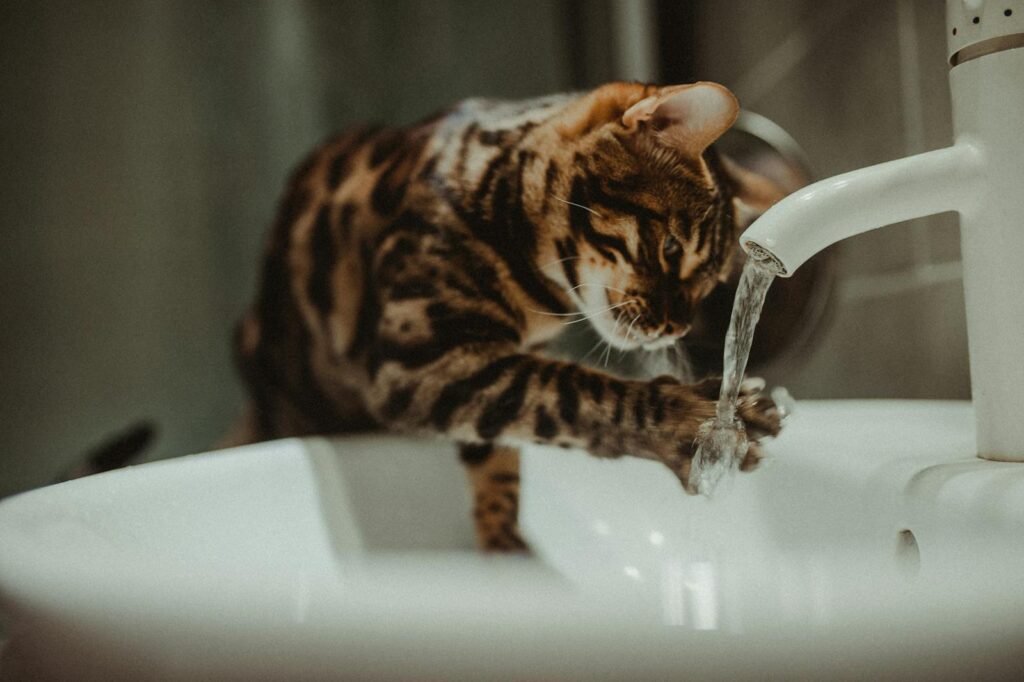
Cats are attracted to the sound of running water because they rely on their hearing to find it that way in the wild. That dripping faucet you keep meaning to fix? To your cat, that’s literally a dinner bell. Their hearing is dramatically sharper than ours, and the gentle trickle of a tap in an otherwise quiet house can carry clearly from room to room.
Studies suggest that cats prefer moderate flow rates, neither a heavy stream nor a mere drip. An optimal flow mimics a natural spring: consistent, gentle, and predictable. Too strong a current can actually startle them, while too weak a flow may not register as “moving” at all. There’s a Goldilocks zone of water flow that cats find irresistible, and your faucet on low is probably hitting it perfectly.
It Can Also Simply Be a Learned and Rewarding Behavior
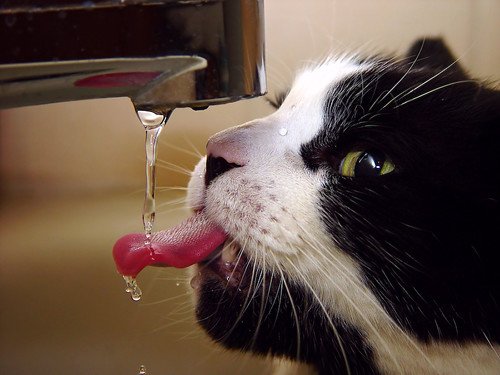
Some cats learn that meowing at the faucet, or even figuring out how to turn it on themselves, gets them immediate access to that desirable flowing water. Some cats even learn to turn on faucets themselves, demonstrating remarkable dexterity and problem-solving skills. Let’s be real: if you ran to the bathroom every time your cat sat by the sink and meowed, you’ve accidentally trained a very persistent little faucet engineer.
Cats are naturally curious creatures, and the sound and movement of running water can be deeply intriguing to them. Drinking from the faucet may also be a form of play, as cats enjoy batting at the water stream or watching it flow. This behavior can provide genuine mental stimulation and entertainment, making it a fun and rewarding activity. In a world where an indoor cat’s biggest daily challenge is deciding where to nap, the faucet offers something genuinely stimulating. You can’t entirely blame them.
What You Can Actually Do About It
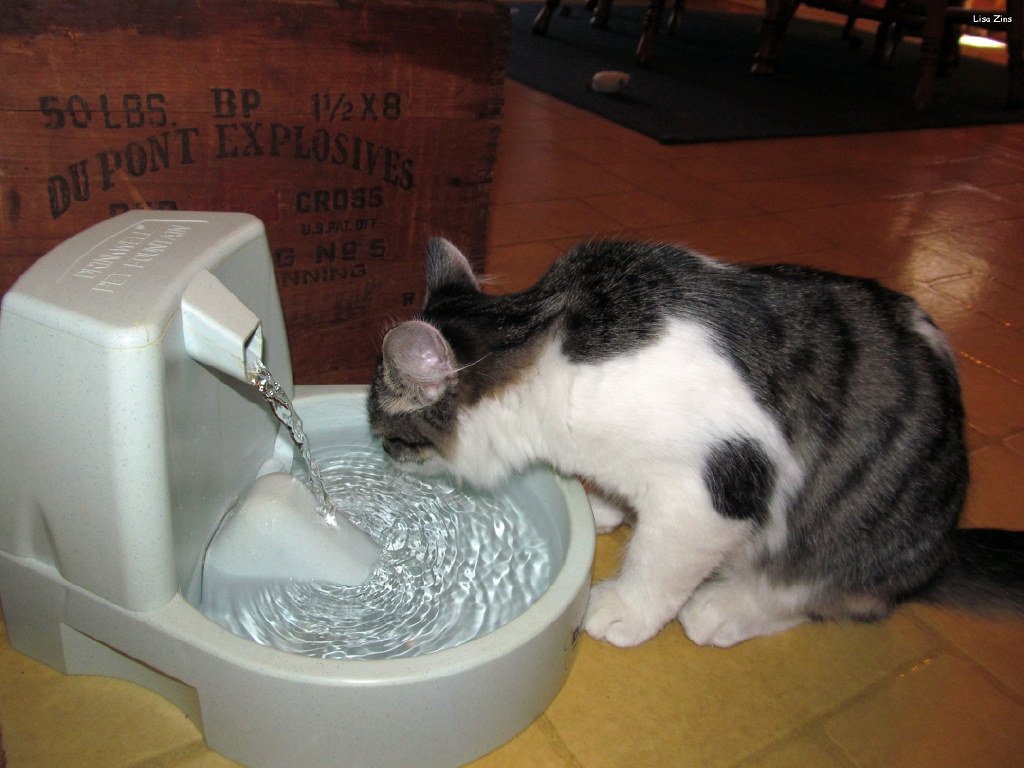
Modern cat fountains replicate the flow, sound, and freshness of running water. They typically feature multi-stage filters that remove chlorine, hair, and debris while circulating the water continuously. A good fountain is honestly one of the best investments you can make for a faucet-obsessed cat. It meets every instinctual need they have without running your water bill into the ground.
While drinking from the faucet is generally harmless, excessive thirst or changes in drinking habits could indicate an underlying health issue. If your cat suddenly starts drinking more water than usual or seems obsessed with the faucet, it’s a good idea to consult your veterinarian. Conditions such as diabetes, kidney disease, or hyperthyroidism can cause increased thirst in cats. So yes, the faucet habit is mostly just your cat being wonderfully, infuriatingly particular. But a sudden change in how much they’re drinking is always worth a vet conversation.
Conclusion
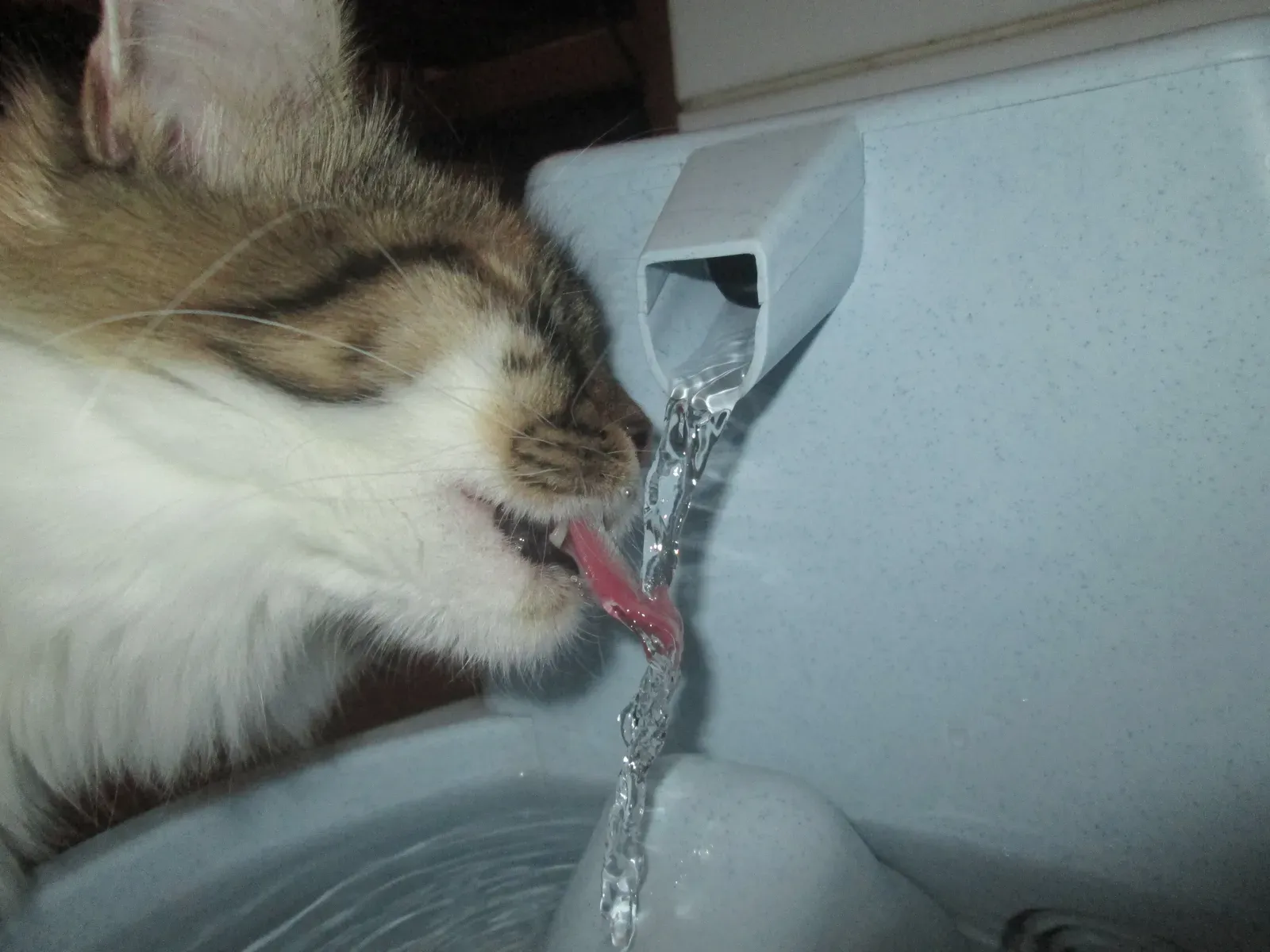
Your cat’s preference for the faucet over their bowl isn’t random, spoiled, or designed to test your patience. It’s a perfect blend of ancient instinct, razor-sharp senses, and some very sensible logic about water quality, safety, and taste. They’re not being difficult. They’re being cats, which means they’re actually being completely rational in their own deeply feline way.
The good news is that once you understand the “why,” the “what to do about it” becomes much clearer. A wider bowl, a different material, a better location, or a quality water fountain can solve the problem without turning you into your cat’s personal faucet attendant. Small changes really do matter here. Still, I think there’s something quietly impressive about an animal that has maintained a ten-thousand-year-old survival instinct right there on your bathroom counter.
Does your cat have a faucet obsession? What tricks have worked for you? Share your experience in the comments below. Other cat owners will genuinely appreciate hearing what finally worked.