You put fresh water in the bowl. You even bought a new, fancy dish. You placed it right next to their food. Your cat took one sniff, looked you dead in the eyes, and walked away. If you’ve lived with a cat for any amount of time, this moment is painfully familiar. It’s one of those small mysteries that makes cat ownership equal parts baffling and entertaining.
The truth is, there’s a whole lot happening beneath the surface of that seemingly simple refusal. Your cat isn’t just being difficult for the fun of it – though honestly, sometimes it feels that way. There are real, fascinating reasons rooted in biology, instinct, and even ancient history that explain this puzzling behavior. Buckle up, because the answers might genuinely surprise you.
Your Cat’s Wild Ancestors Left a Complicated Legacy
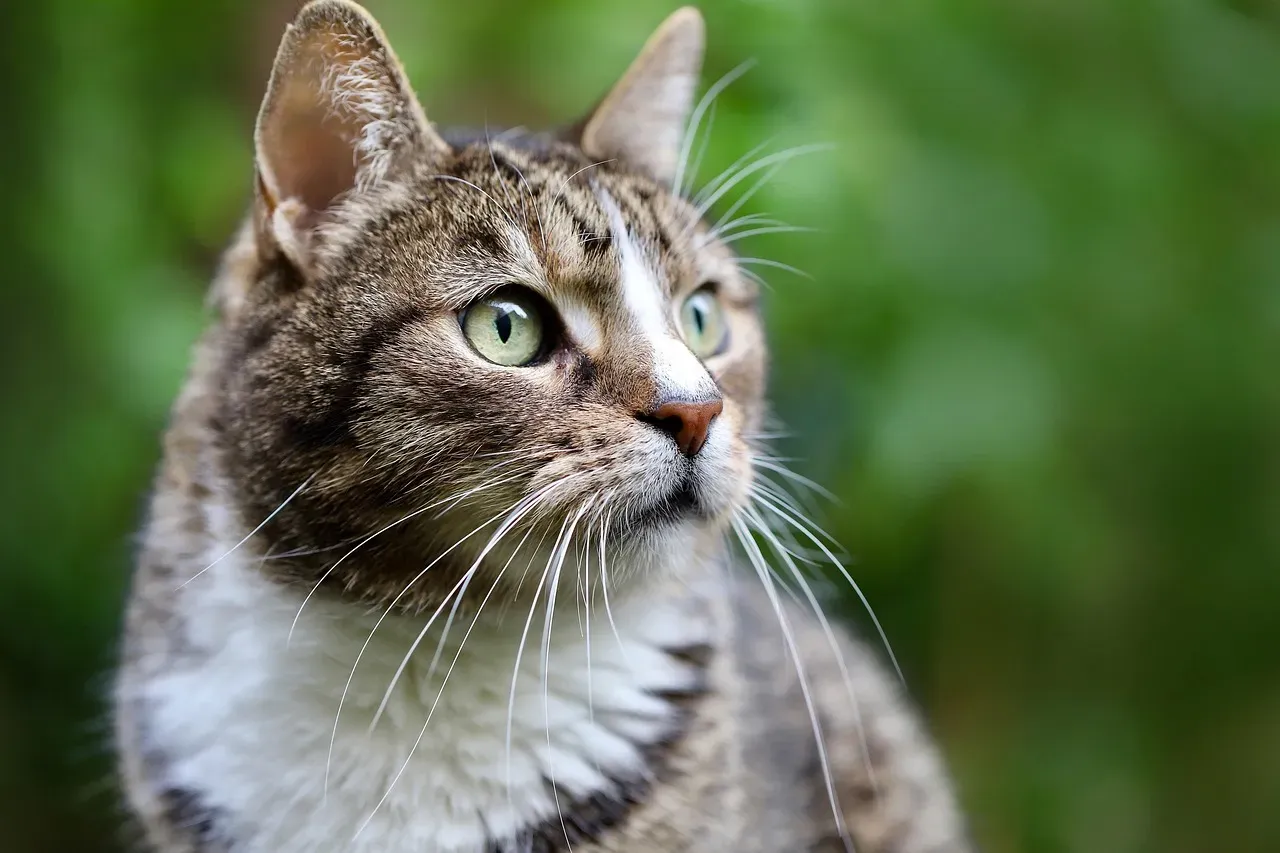
Here’s the thing – your fluffy companion lounging on the couch is not so different from their wild relatives. Domestic cats descended from desert-dwelling ancestors, and this evolutionary heritage instilled in them a remarkable efficiency for extracting moisture directly from their food. In the wild, cats primarily obtained hydration through the bodies of their prey. Think of it like a built-in survival mechanism passed down through thousands of generations.
Unlike dogs, who tend to lap up water eagerly, cats have a low thirst drive, which stems from their desert-dwelling ancestors. They adapted by producing small amounts of concentrated urine, and most of their water needs were met by eating birds and mice, which are roughly sixty to seventy percent water. So when your cat snubs the water bowl, they’re not being a drama queen. They’re just running ancient software.
The Instinctive Preference for Moving Water
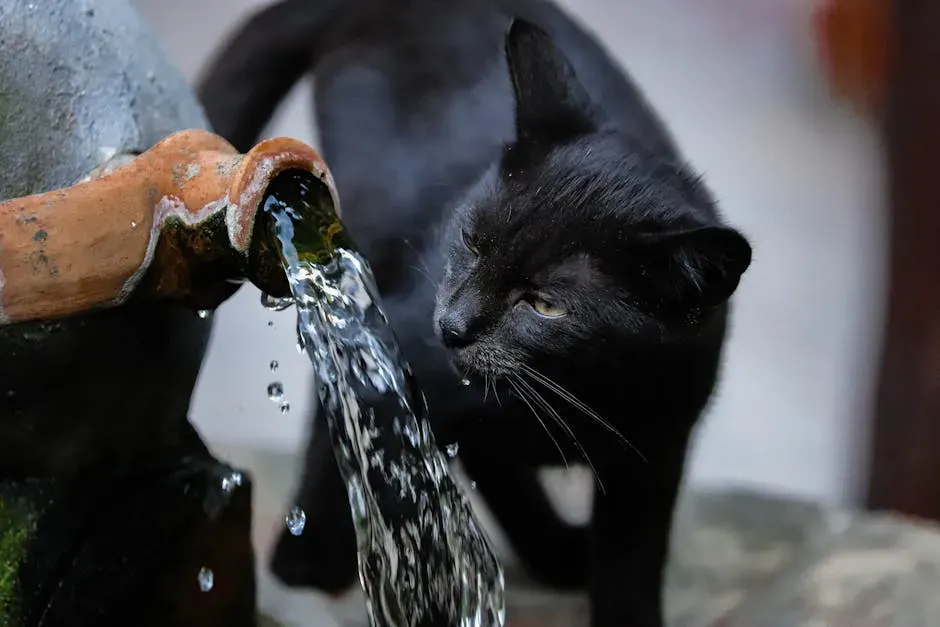
Cats have a natural tendency to prefer drinking water from running sources. In the wild, a cat would avoid drinking from stale water sources that might harbor excessive bacteria, algae, or parasites. Cats naturally prefer drinking from sources of running water such as rivers or streams. That still water sitting in a bowl? To your cat’s ancient brain, it’s a red flag.
Cats are known for being finicky about their water sources and may prefer running water over still water. This is because running water is fresher and more oxygenated, which makes it more appealing to cats. It’s not hard to imagine why – think of how much better water from a cold mountain spring tastes compared to a glass that’s been sitting out since Tuesday. One way to encourage your cat to drink more water is by using a cat fountain. These fountains provide a continuous flow of fresh, filtered water, which can be more appealing to cats than still water in a bowl. In fact, studies have shown that cats are more likely to drink from a fountain than a bowl.
Whisker Fatigue Is a Very Real Problem
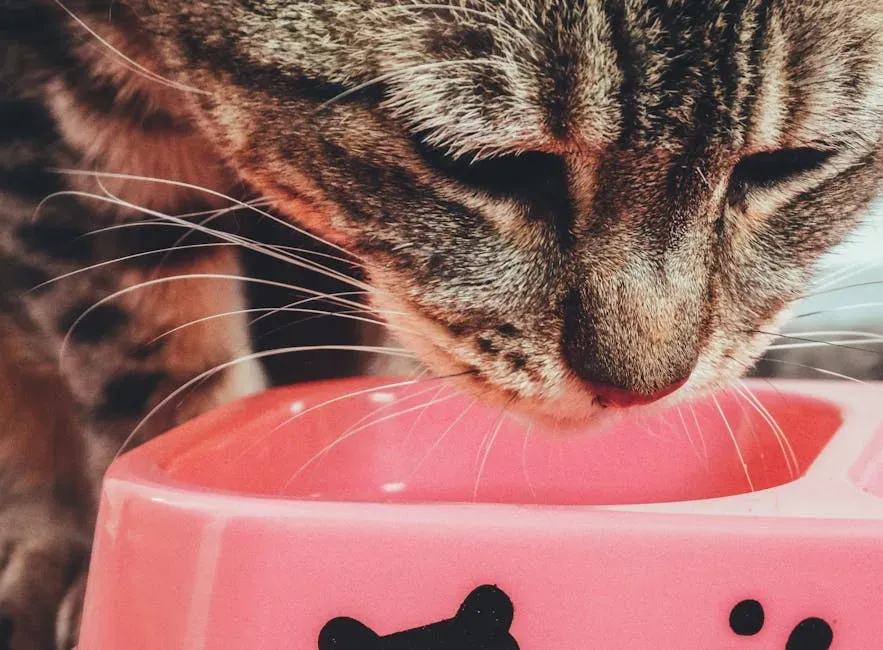
This one surprises a lot of people, and honestly, it surprised me too when I first heard about it. Cats have sensitive whiskers, so they may prefer wide, shallow bowls that don’t touch their whiskers when they drink. Whiskers aren’t just decoration – they’re highly sensitive sensory organs, and cramming them into a narrow bowl repeatedly creates genuine discomfort.
If your cat hesitates at the bowl, seems hungry or thirsty but only eats or drinks from the center, paws water out onto the floor to drink, or prefers wide containers while avoiding narrow dishes, whisker stress may be part of the picture. Cats prefer shallow bowls so they can drink without putting their head down in the bowl. Wide bowls are best, so their whiskers don’t touch the edges. Sometimes the simplest fix – a wider dish – makes all the difference in the world.
Your Cat Literally Can’t See the Water Clearly
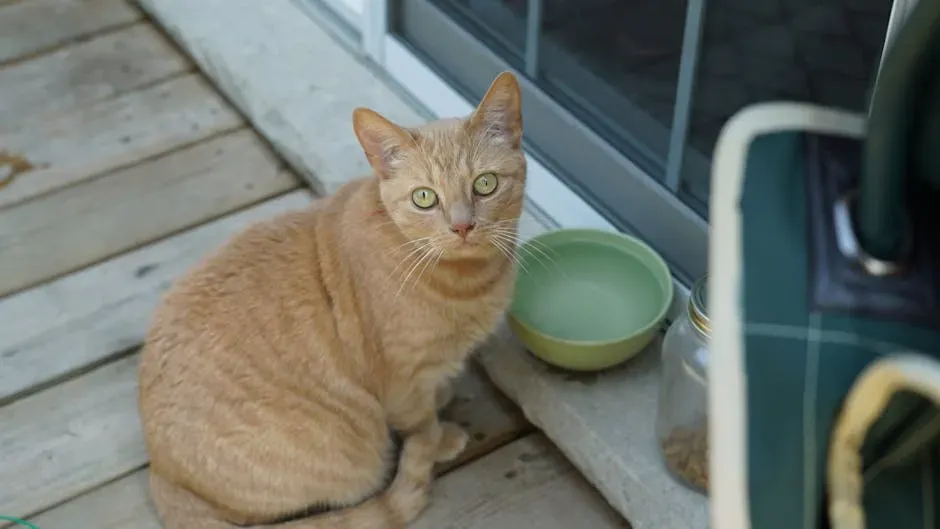
I know it sounds crazy, but this is genuinely true. A cat’s prey is moisture-rich, but cats also have a blind spot right under their chin that may prevent them from being able to see the water in the bowl. You may have noticed your cat lowering their face toward the water and then being surprised when they make contact with it. Since they can’t smell the water, it’s difficult for them to find it.
Several sources point out that cats may struggle to see flat, still water clearly. A perfectly calm surface in a deep, dark bowl provides little visual contrast. Motion, light reflections, and sound – all present in running water – help them locate and judge the water surface. This is one reason fountain lips, falling films, and gentle trickles work so well; they add visible edges and ripples. Some cats use a paw instead and test the water level to make sure they know where it is. You may even find that your cat prefers to lick the water off their paw instead of lapping it from the bowl.
The Location of the Bowl Is Sending All the Wrong Signals
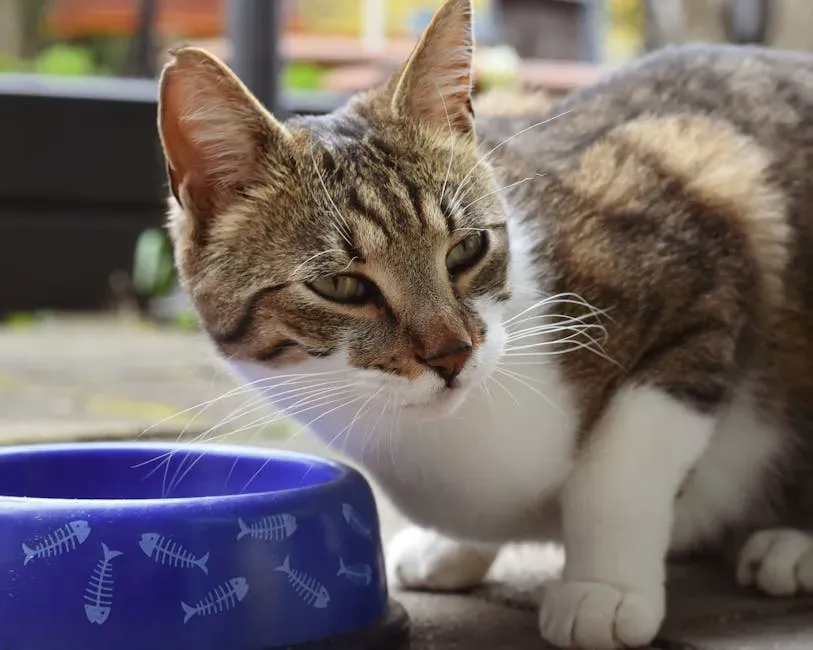
Just as you would not want to drink right next to your toilet, cats aren’t keen on drinking near their litter tray. This comes from their African wildcat ancestors who would toilet away from their water source to avoid contamination. Placing the water bowl right next to the litter box is, from your cat’s perspective, essentially offering them a drink from a contaminated puddle. No wonder they walk away.
When bowls sit side by side or in double feeders designed for dogs, food crumbs and odors can drift into the water. Many cats simply refuse to drink from water that smells like food or has floating particles, no matter how clean it looks to us. Although it’s tempting to stick your cat’s food and water bowls in an out-of-the-way area, cats don’t like being boxed into a corner. They prefer locations where they can see their surroundings with a quick glance and don’t have to worry about anyone sneaking up behind them.
Stress, Anxiety, and Multi-Pet Household Tension
If you have a multi-pet household, your cat may not feel safe or secure while drinking water. In the vulnerable position of drinking, cats may be attacked by other animals in the house or be knocked out of the way by an animal that wants to drink instead. Drinking requires lowering the head, which cuts off sight lines. For a prey-aware animal, that’s a deeply uncomfortable thing to do in hostile territory.
One of the most common reasons why cats sit in front of their water bowl but don’t drink is due to stress or anxiety. Cats are sensitive creatures and any changes in their environment can cause stress. This can lead to a decrease in their water intake. Placing water bowls in high-anxiety locations, such as near loud washing machines or around other alpha animals in the house, may also cause them to avoid drinking. Place several water bowls around the house in quiet, safe areas to tempt your cat to drink.
The Bowl Itself Might Be the Problem
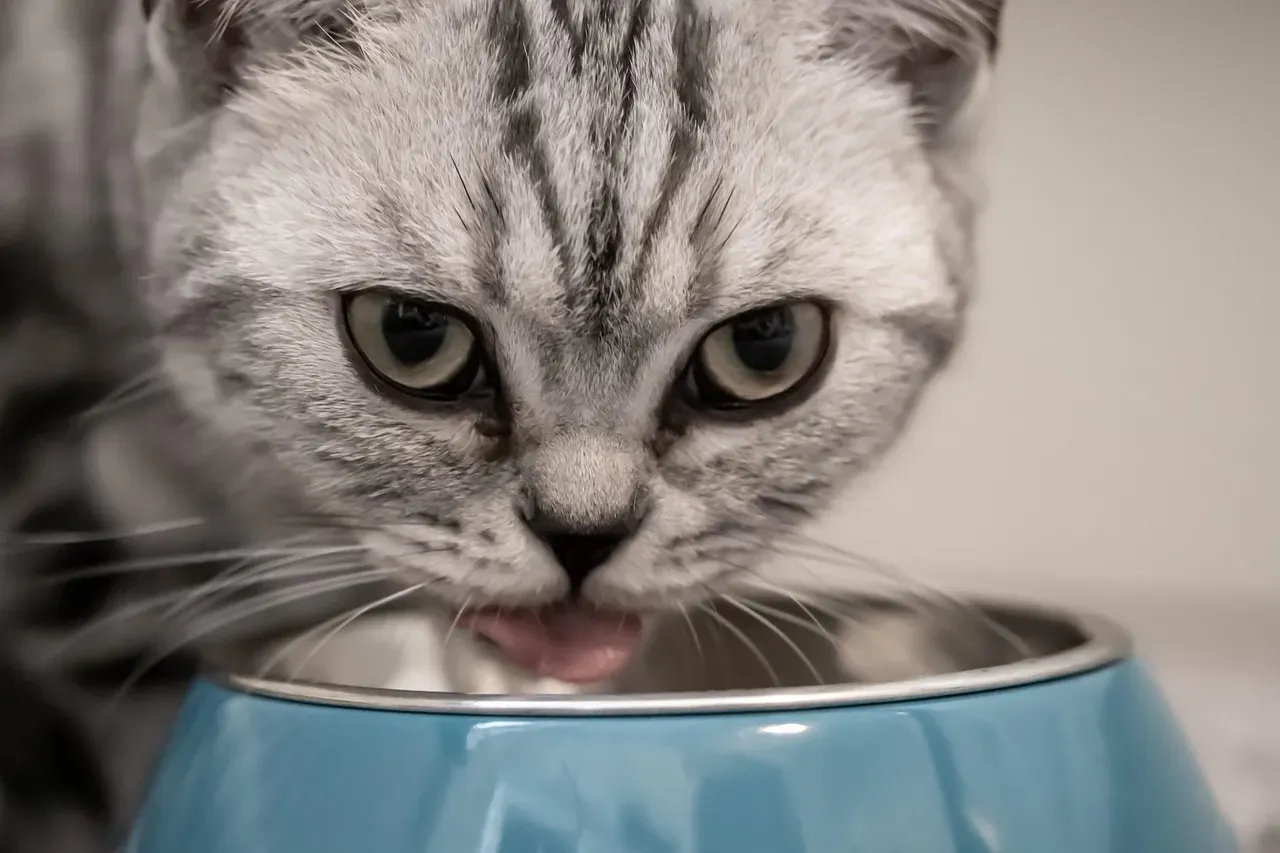
Let’s be real – not all bowls are created equal, at least not in the eyes of a cat. The type of water bowl you use can influence your cat’s drinking habits. Some cats dislike plastic bowls because they can retain odors and bacteria. Instead, opt for ceramic, stainless steel, or glass bowls. Plastic, in particular, is practically a sensory nightmare for an animal with a nose that sensitive.
Clean water dishes at least daily. Cats are easily turned off by odors on the edge of the bowl and are very aware of the temperature and taste of water. Even water in a bowl well away from food or litter pans still quickly develops a biofilm that some cats find repulsive. It’s the kind of detail most of us would never notice – but your cat absolutely will, every single time.
When It Could Be a Medical Issue
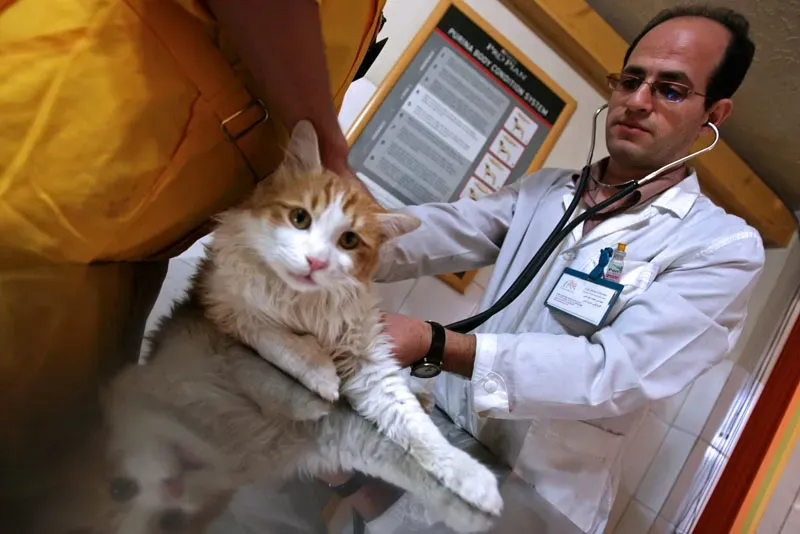
Here’s where things get a little more serious and it’s worth paying close attention. In some cases, a cat’s reluctance to drink water can be a symptom of an underlying medical condition. Kidney disease, diabetes, hyperthyroidism, and urinary tract infections can all affect a cat’s thirst and hydration levels. If you notice a sudden or persistent decrease in your cat’s water intake, it’s crucial to consult with a veterinarian.
Tooth or mouth pain may cause your cat to stop drinking due to discomfort. Other signs of dental disease include decreased appetite, dropping food when eating, pawing at the face or mouth, facial swelling, and drooling. If your cat has not eaten or drunk for more than 24 hours, it is crucial to seek veterinary attention. Dehydration can lead to severe health issues, and persistent refusal to drink water may indicate underlying medical conditions. Never brush this off – it can escalate quickly.
Practical Ways to Get Your Cat Drinking Again
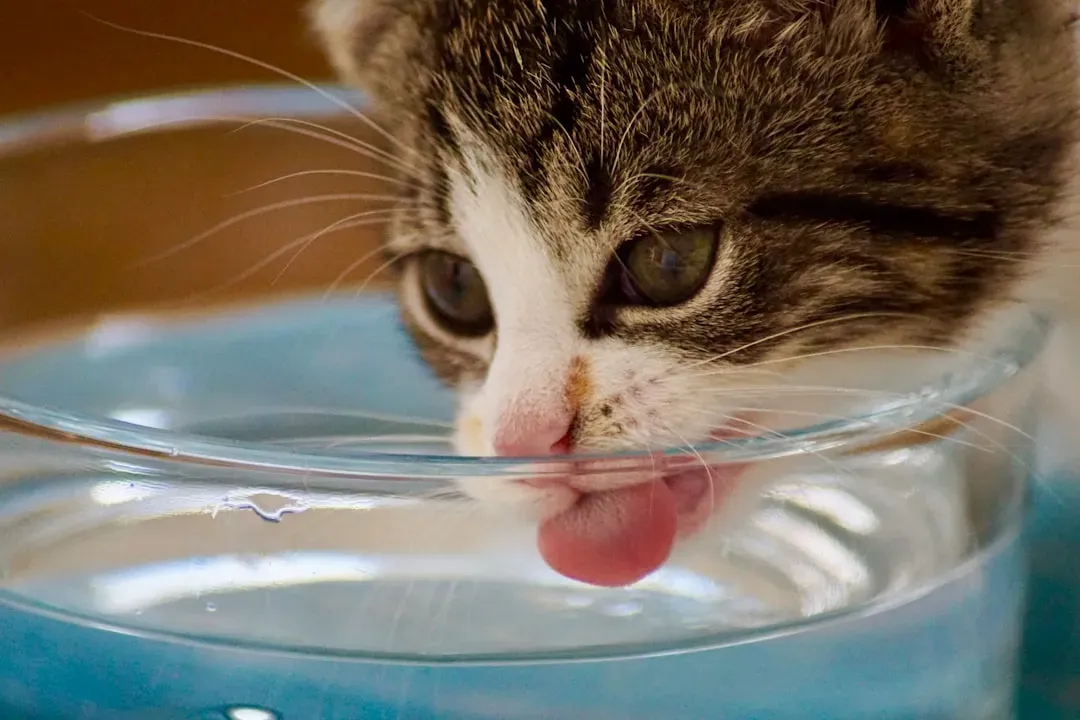
Now for the good stuff – the actual solutions. Adding or gradually switching to canned food, which contains roughly seventy-five to eighty percent water, can help increase your cat’s water intake. Even just adding warm water or low-sodium chicken broth with no onion or garlic to dry food can help. Sometimes the easiest fix is the one hiding in plain sight inside the food cabinet.
Ideally, change your cat’s water twice a day and clean their bowls once a day. In addition, using a water filter pitcher can remove chlorine from tap water and improve the taste. Fill the water bowl to the brim – cats like to drink from a full container. Try different temperatures too – some cats prefer warm water especially in the winter, while others like room temperature or cool water. It really is a process of trial and error, but once you crack the code, your cat will actually drink.
Conclusion
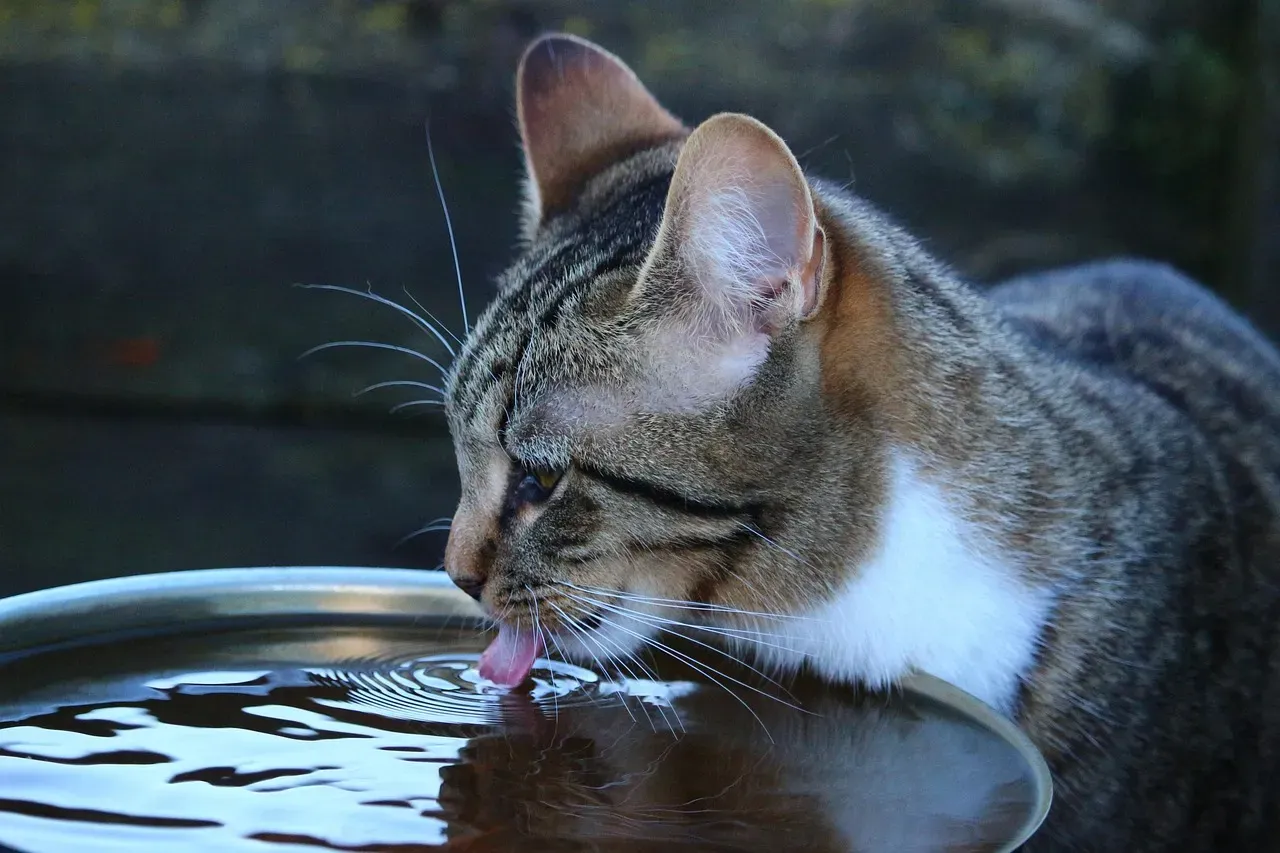
Your cat’s refusal to drink from the water bowl isn’t stubbornness or mystery for its own sake. It’s a combination of ancient instinct, sensory sensitivity, environmental stress, and sometimes a health signal that deserves your attention. Once you understand the “why,” the “how to fix it” becomes a whole lot clearer.
Proper hydration is essential for your cat’s overall health, and a lack of water intake can lead to serious issues like kidney disease and urinary tract infections. Water plays a vital role in many functions of your cat’s body – it affects organ function, temperature regulation, joint lubrication, nutrient transportation and absorption, circulation, detoxification, and digestion. The stakes are genuinely high.
So the next time your cat gives that water bowl the cold shoulder, don’t take it personally. Think of yourself as a detective solving a very small, very fluffy mystery. Try a wider bowl, move it away from the food, invest in a fountain, keep it topped up and clean. Your cat is counting on you to figure it out – even if they’ll never say thank you. What change are you going to try first? Drop your experience in the comments and let us know what finally worked for your cat!