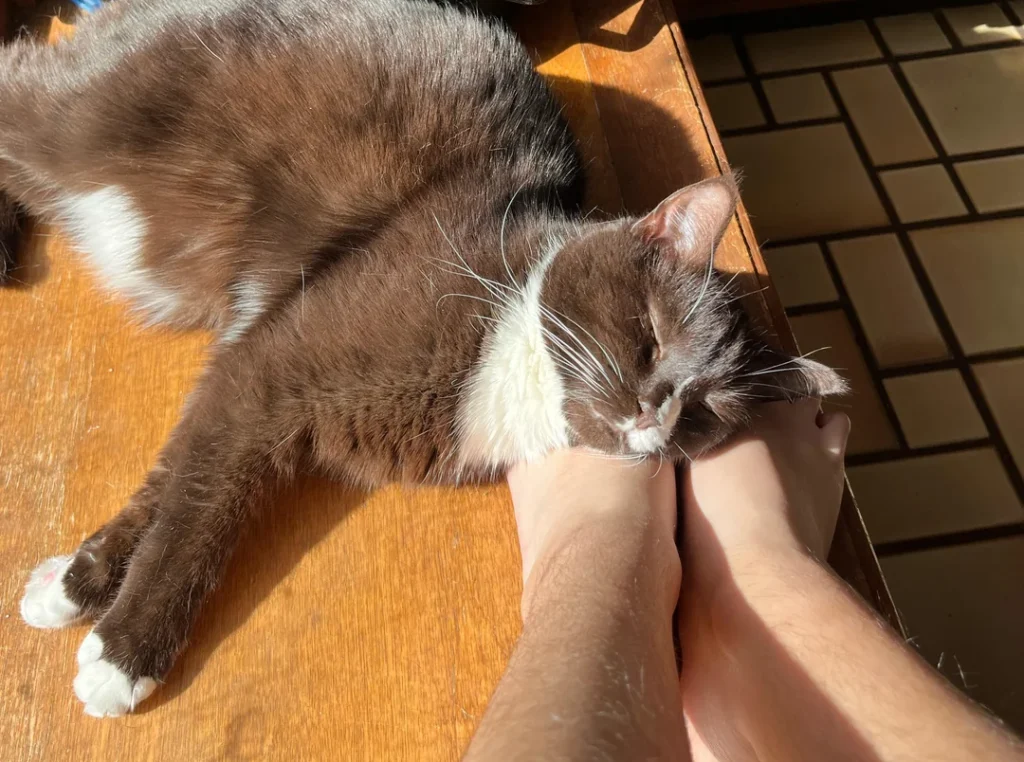
You walk into the kitchen to grab a glass of water, and within seconds, something warm and furry plants itself right on top of your feet. Sound familiar? It’s one of those little cat quirks that cat owners across the world experience every single day, yet almost nobody stops to ask why. Honestly, it’s easy to just laugh it off and shuffle around the house with a cat attached to your ankles.
The truth is, your cat’s foot-sitting habit is packed with meaning. It’s not random. It’s not mindless. It’s a fascinating window into how your cat actually perceives you, the world around them, and their own sense of safety. Buckle up, because what you’re about to discover might just change the way you look at your furry companion forever. Let’s dive in.
It’s All About Territory: You Are Theirs
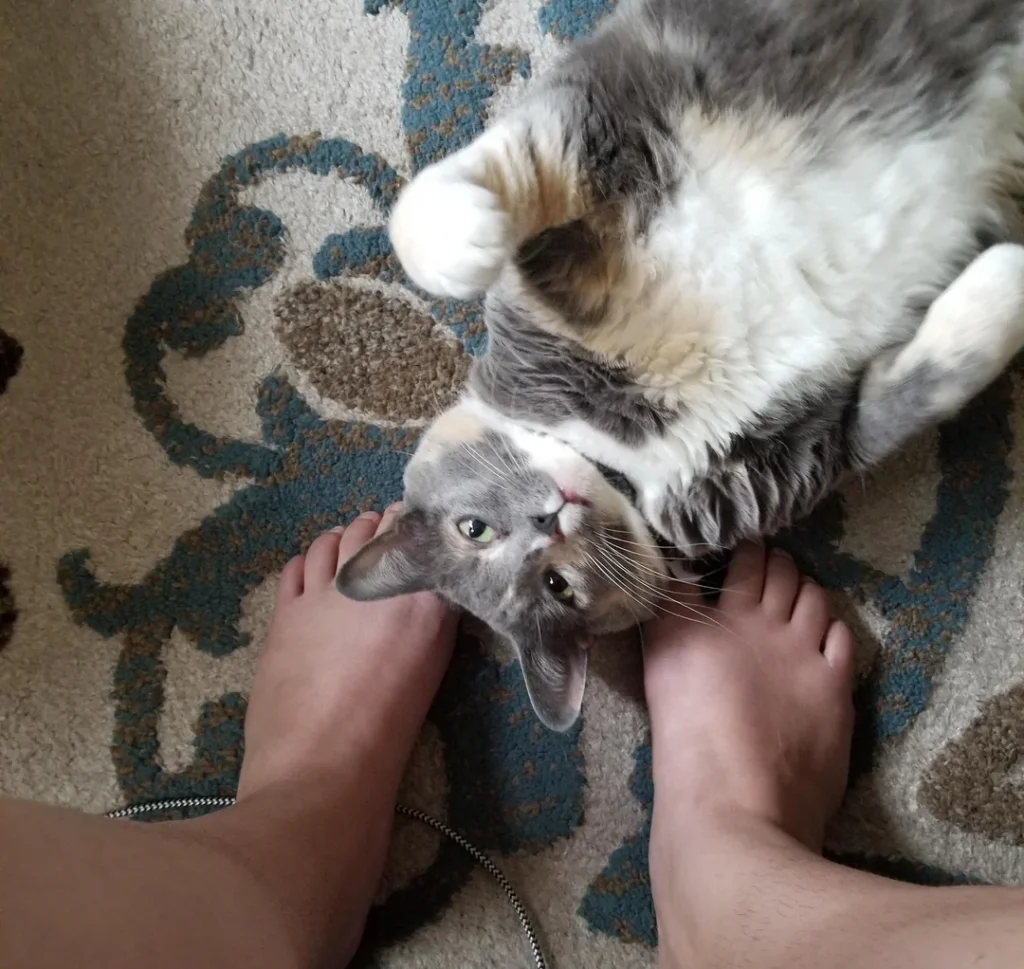
Here’s the thing most cat owners never consider. When your cat plants itself on your feet, it is not just getting comfortable. Cats are territorial animals that often mark their territory using various methods, and they tend to have favorite spots in the house they consider their own. Sitting on your feet can be their way of claiming territory and showing ownership. Think of it like a dog marking a tree, only infinitely more endearing and considerably less messy.
Cats are territorial creatures, and sharing a sleeping or resting space with you is a sign of trust, but it also reinforces their claim over the area. You are not just a person to your cat. You are prime real estate. Cats are territorial, and you are their most prized territory. That foot of yours? Officially claimed.
Scent Marking: The Silent Signature Your Cat Leaves on You
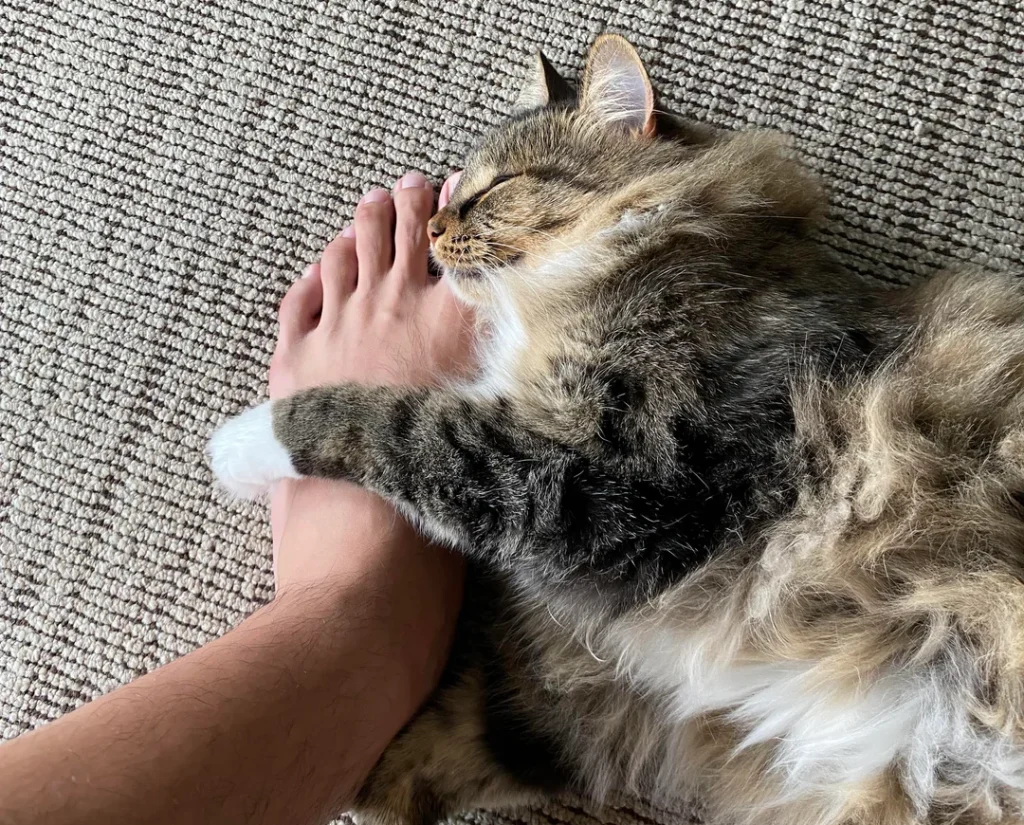
You might not smell anything unusual, but your cat absolutely does. When it comes to resting near your feet, scent marking happens naturally during the first few times your cat does it. Having their scent in that spot can encourage them to want to return there regularly and signals to other pets that the spot is spoken for. It’s your cat essentially writing their name all over you.
Cats indicate through smell where they have been and what is theirs. All distinctive points are marked, and with this, they map out their territory. Interestingly, the soles of their feet also contain scent glands that leave behind pheromones. So when your cat sits on your feet, you are both exchanging scents simultaneously. It’s a two-way territorial handshake.
Your Feet Are a Warm, Living Comfort Station
Let’s be real about this. Cats are heat-seeking missiles. They will find the warmest spot in any room and claim it without a second thought. Cats are drawn to warm and cozy spots, which makes your feet an appealing option. Even when you are asleep, your feet emit a steady source of warmth that mimics the soothing heat cats seek for relaxation.
This preference ties back to their behavior as kittens, when they would huddle together for comfort and warmth. It’s like your cat never quite outgrew that kitten instinct of piling on top of siblings for warmth. Your cat may also be responding to the faint scent of your body, which they find familiar and comforting. This blend of warmth, texture, and scent creates an irresistible resting spot for your feline companion. You are, in short, the perfect heated pillow.
Safety and Survival: The Ancient Instinct Behind a Modern Habit

Here is something that might surprise you. Your domesticated, pampered indoor cat still carries thousands of years of wild survival instincts in its DNA. Cats have strong survival instincts, even when they live in the comfort of your home. Resting at your feet is one way they stay alert while feeling protected. In the wild, a cat’s survival often depends on its ability to stay aware of its surroundings, and by positioning themselves at your feet, they maintain a clear vantage point while still feeling secure enough to rest.
Like their wild counterparts, most cats have natural instincts that influence where and how they rest. As prey animals, they are always aware of their surroundings, even in deep sleep, and often select resting spots that balance warmth, security, and convenience. Your feet are basically the purrfect tactical position. Close enough for protection. Far enough for a fast escape. Cats are nothing if not practical.
Independence With Affection: The “Close but Not Too Close” Paradox
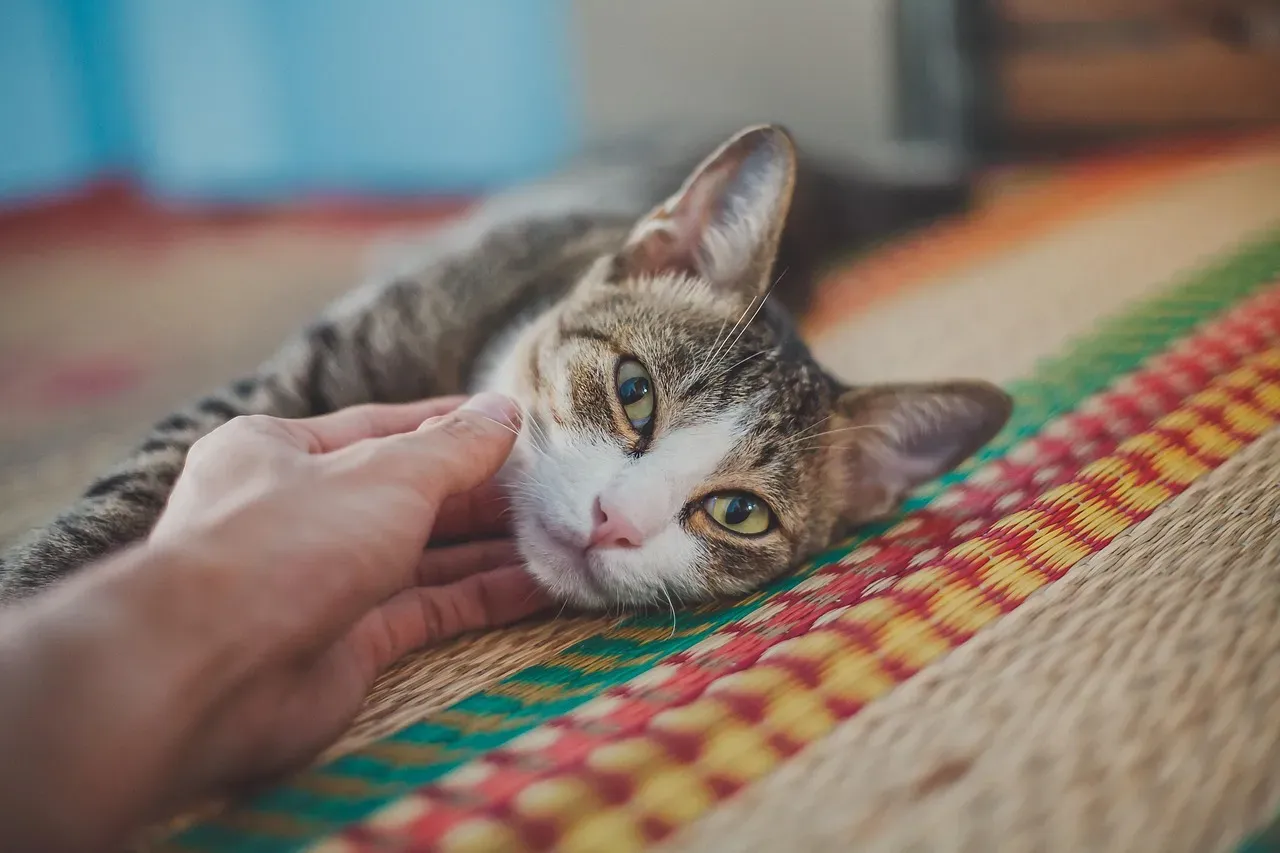
This is where cats truly distinguish themselves from dogs. Your cat loves you, genuinely, but they also deeply value their autonomy. While some cats love curling up on laps, others prefer a bit more personal space. Resting at your feet offers a way for cats to be close without feeling confined. This choice reflects their need for autonomy while still valuing your presence.
While some might wonder why cats do not always snuggle up close, preferring instead to rest at their owner’s feet, it is really about respecting personal boundaries. This choice reflects their understanding that closeness does not require physical touch, while also highlighting the cat-human bond that so uniquely defines the relationship. Think of it this way. Your cat sitting on your feet is the feline equivalent of someone sitting next to you on a bench. Near, warm, present, but still in full control of their own space.
Routine, Habit, and the Power of Repetition
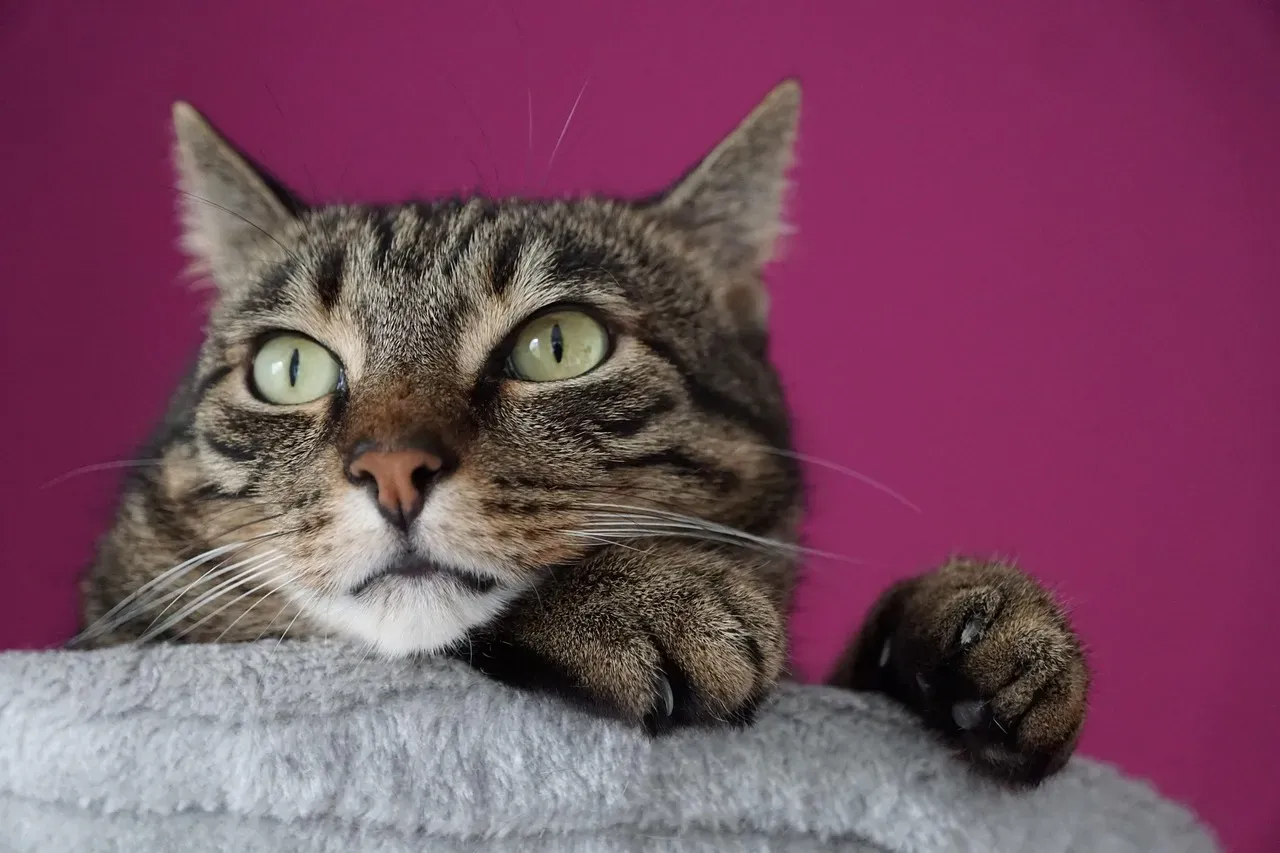
Once your cat chooses your feet as their spot, it almost always becomes a permanent behavior. Cats are creatures of habit, and once they have chosen a favorite spot, they are likely to return to it regularly. Your feet might be their ideal balance of proximity and personal space, making it their go-to location for naps.
Cats are creatures of habit, and if your cat becomes accustomed to sitting at your feet in a particular spot or during a routine activity, they will continue the behavior because it becomes a normal part of their day. Most cats become in tune with your schedule, especially when it’s intertwined with theirs, such as feeding time. Cats have an internal clock and learn when you usually get up, eat, return home from work, and more. Your feet, in your cat’s mind, are now a scheduled appointment.
When Foot-Sitting Might Signal Something More
Most of the time, your cat’s foot obsession is wholesome and sweet. Cats can detect cortisol changes, the hormone associated with stress, and they may sit closer to you specifically to offer comfort. It’s hard to say for sure, but many owners report that their cats seem to sense emotional distress and respond by planting themselves even more firmly on their feet.
However, it is also worth paying attention to sudden changes. While a change in sleeping location is usually harmless, sudden shifts may indicate stress or health concerns. If your cat stops sitting or sleeping near you altogether, consider consulting your veterinarian to rule out any underlying issues. If you notice other changes to their normal behavior, like eating or litter box habits, play and energy levels, or not wanting to be handled, these subtle changes could signal something more serious. Talk with your veterinarian right away. Your cat’s behavior is always communicating something. The key is learning to listen.
Conclusion
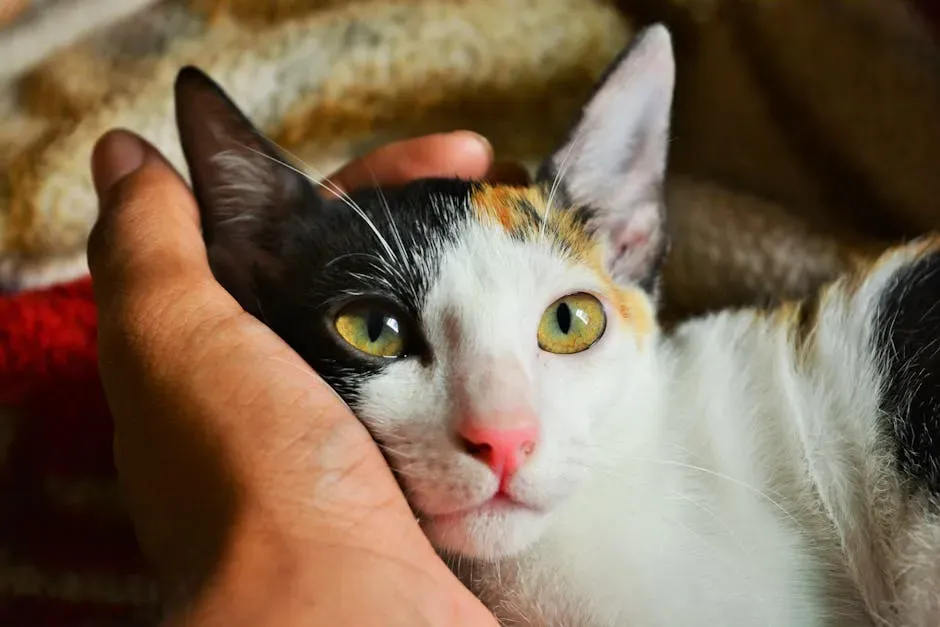
So the next time your cat drops onto your feet without warning, know that you are not just being inconvenienced. When cats sit on their owner’s feet, it is a sign of affection and trust. It shows they feel comfortable and secure in your presence, and this behavior is more common in cats that have formed a strong bond with their owner. You are warm. You are familiar. You smell like home. And in the complex, ancient world of feline instinct, that means everything.
Your cat does not need to curl up in your lap or follow you around like a shadow to show love. Sometimes, the quietest, most understated gesture is the most profound one of all. Territorial behavior like this is not about dominating you. It is your cat’s way of claiming you as part of their trusted territory, which is actually a compliment, not a challenge.
Next time you feel that warm, fuzzy weight settle onto your toes, maybe don’t rush to move. You have just been chosen. What do you think? Did you ever suspect your cat’s foot habit was this layered? Drop your thoughts in the comments below.