You’ve probably experienced this unsettling moment. There you are, sitting on the couch, glancing over at your cat, only to find them completely frozen. Their eyes are locked on what appears to be absolutely nothing. That blank wall suddenly becomes the most fascinating thing in the universe.
Let’s be real, it’s kind of creepy, right? Makes you wonder if maybe there’s something there that you just can’t see. Well, here’s the thing: your cat really is seeing, hearing, or sensing something that’s completely invisible to you. Their world is far richer than ours in ways we can barely imagine. So let’s dive into the mysterious sensory universe your feline friend inhabits every single day.
Your Cat’s Supercharged Hearing Picks Up the Tiniest Sounds
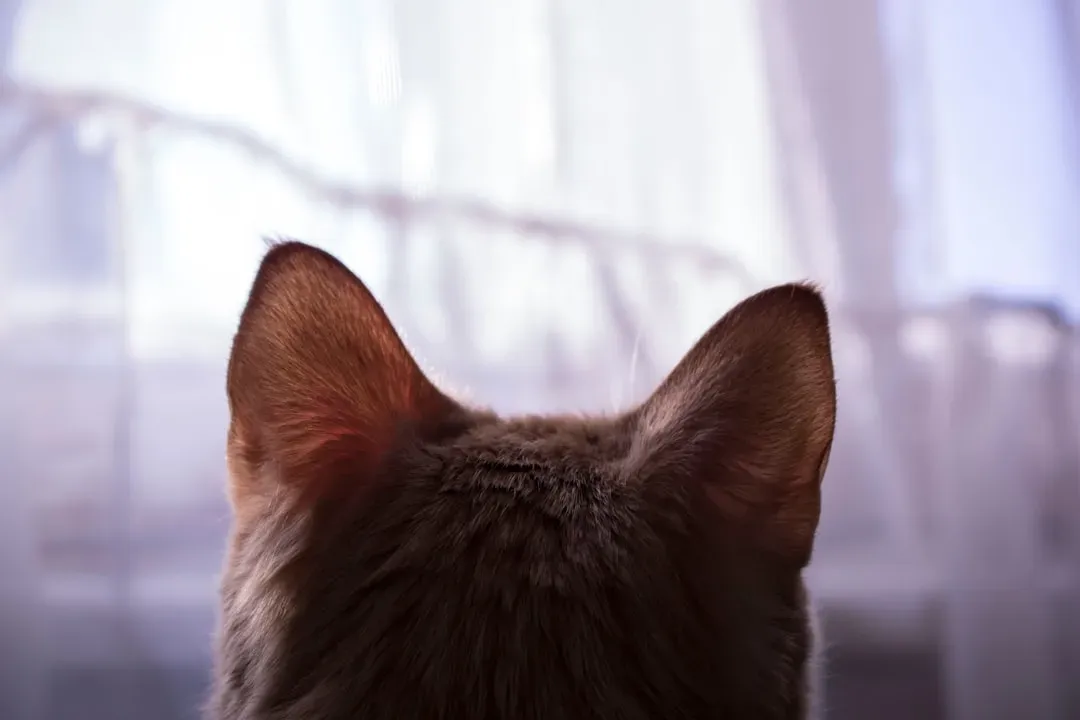
Think your ears are pretty good? Your cat’s hearing range extends far beyond yours, reaching up to 64 kHz, which is nearly two octaves higher than what humans can detect. While you might hear the hum of the refrigerator, your cat hears an entire symphony of sounds happening behind that wall.
When your cat stares at the wall, they could be listening to water running through pipes, air moving through ducts, or even rodents scurrying around inside the walls. These sounds are utterly imperceptible to you. Cats can hear up to 64,000 hertz while humans top out at 20,000 hertz, and they can also hear at lower volumes than we can. Imagine hearing every single tiny noise in your house amplified.
A cat’s hearing range actually overlaps with that of many small rodents and insects, allowing them to hear the high-pitched sounds these animals make. So when your cat seems fixated on a random spot, they might genuinely be tracking the movement of a mouse you’ll never know is there.
They Can See Light You Didn’t Know Existed
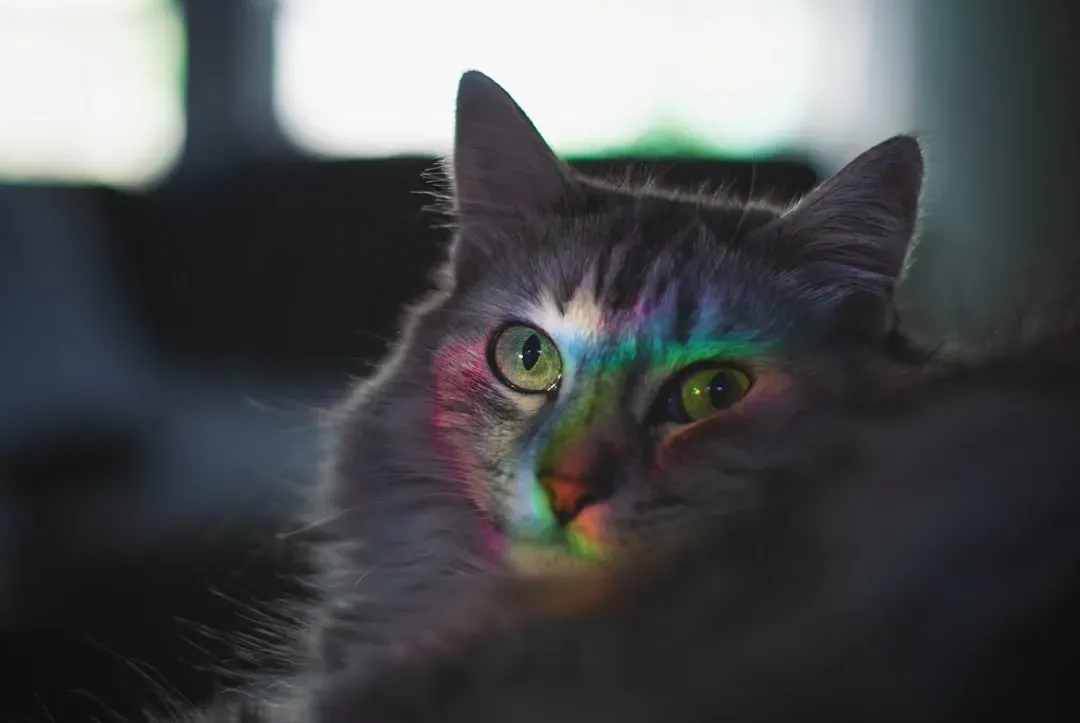
Cats can see ultraviolet wavelengths, a part of the light spectrum that’s completely invisible to human eyes. This isn’t some minor advantage. It’s a whole other dimension of reality.
Many materials, from certain fabrics to cleaning products, reflect UV light in patterns we simply can’t perceive. Your boring white wall might be covered in swirling patterns and reflections that your cat finds absolutely mesmerizing. While cats’ ability to see ultraviolet light isn’t as intense as birds and bees, it can help them distinguish prey that’s invisible to us, like a white rabbit in snow.
Think about it. Urine and other natural products like blood reflect strongly under ultraviolet light. If you could suddenly see UV light, you’d probably be horrified by what’s actually visible on your walls and floors. Your cat sees this constantly.
Hunting Instincts Never Really Go Away
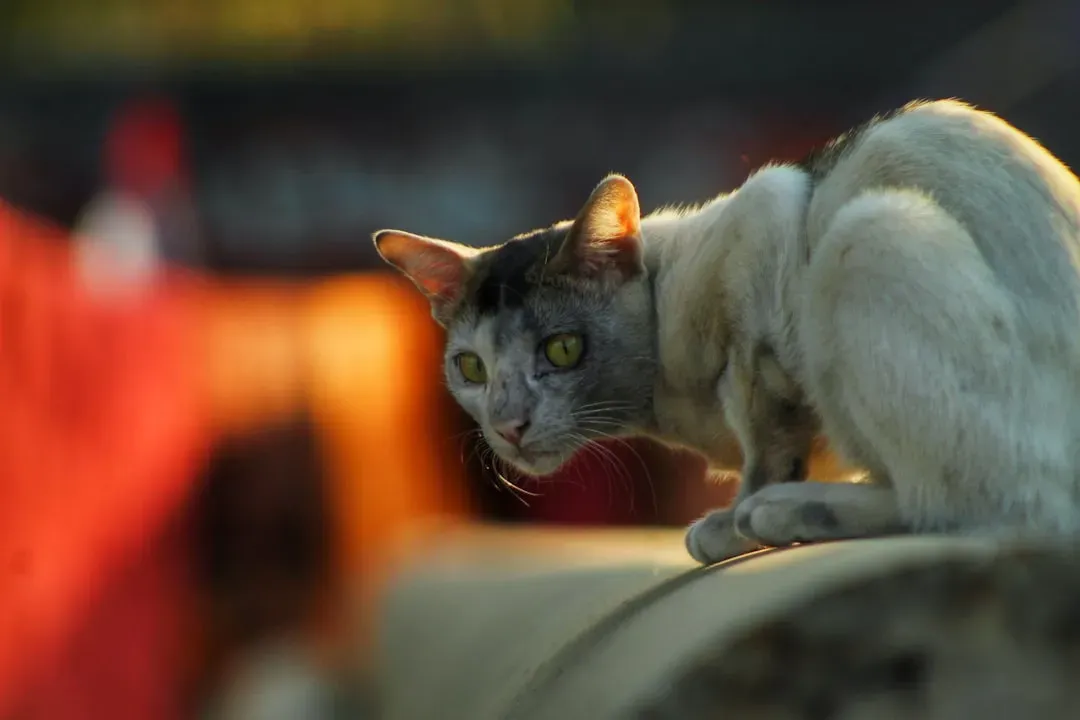
Cats are curious creatures and natural predators; in the wild, it’s not unusual for them to stalk their prey for a long time, paying attention to every sight and sound. Even your well-fed, pampered house cat retains these ancient instincts.
Cats are ambush predators, so they don’t immediately charge after their target; they wait and see before chasing, and once prey disappears, they patiently wait it out. That patient stare isn’t random. It’s your cat doing exactly what evolution programmed them to do.
Honestly, your cat might be watching the tiniest spider you’d need a magnifying glass to see. Your cat may be watching a spider walk along a wall and determining the best time to pounce. The wall-staring is actually the first phase of a hunt that might never happen.
Modern Homes Create Invisible Sensory Chaos
Here’s something most cat owners miss: Modern homes amplify subtle sensory triggers; hollow walls carry distant sounds, LED lighting creates flicker invisible to humans but noticeable to cats. Your house is basically a sensory funhouse for your cat.
Some LED lights emit subtle flickers cats can detect even when we can’t, and these micro-changes in brightness can hold their attention. What you see as a steady light source might look like a strobe light to your feline friend. It’s hard to say for sure, but this could explain a lot of seemingly bizarre staring episodes.
Sound transmission through walls via pipes, vents, and insulation creates vibrations your cat hears clearly, turning what sounds like silence to you into a full soundscape for them. Your peaceful home is their concert hall.
Sometimes They’re Just Remembering Something Interesting
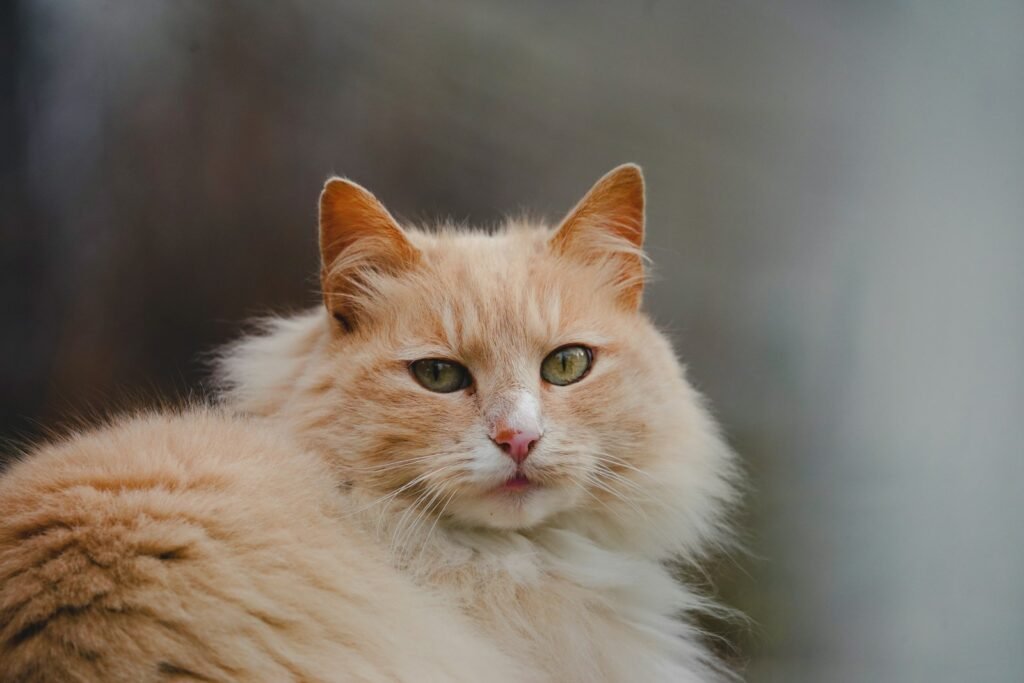
Cats have episodic memory, a special type of long-term memory that allows them to remember certain events, situations and experiences, like the reflection of the sun dancing on certain parts of walls. This means your cat might be staring at a spot where something fascinating happened yesterday.
One cat owner noticed her cat always staring at one spot at a certain time of night until she realized it was a gap in the curtains revealing a flash of light from a passing car. The cat was monitoring to see if that intriguing phenomenon would come back. Smart little creature, really.
So when you see your cat fixated on the same wall at roughly the same time each day, they could be waiting for their favorite light show to begin. Cats are creatures of habit and pattern recognition.
Their Eyes Are Built Completely Different Than Yours
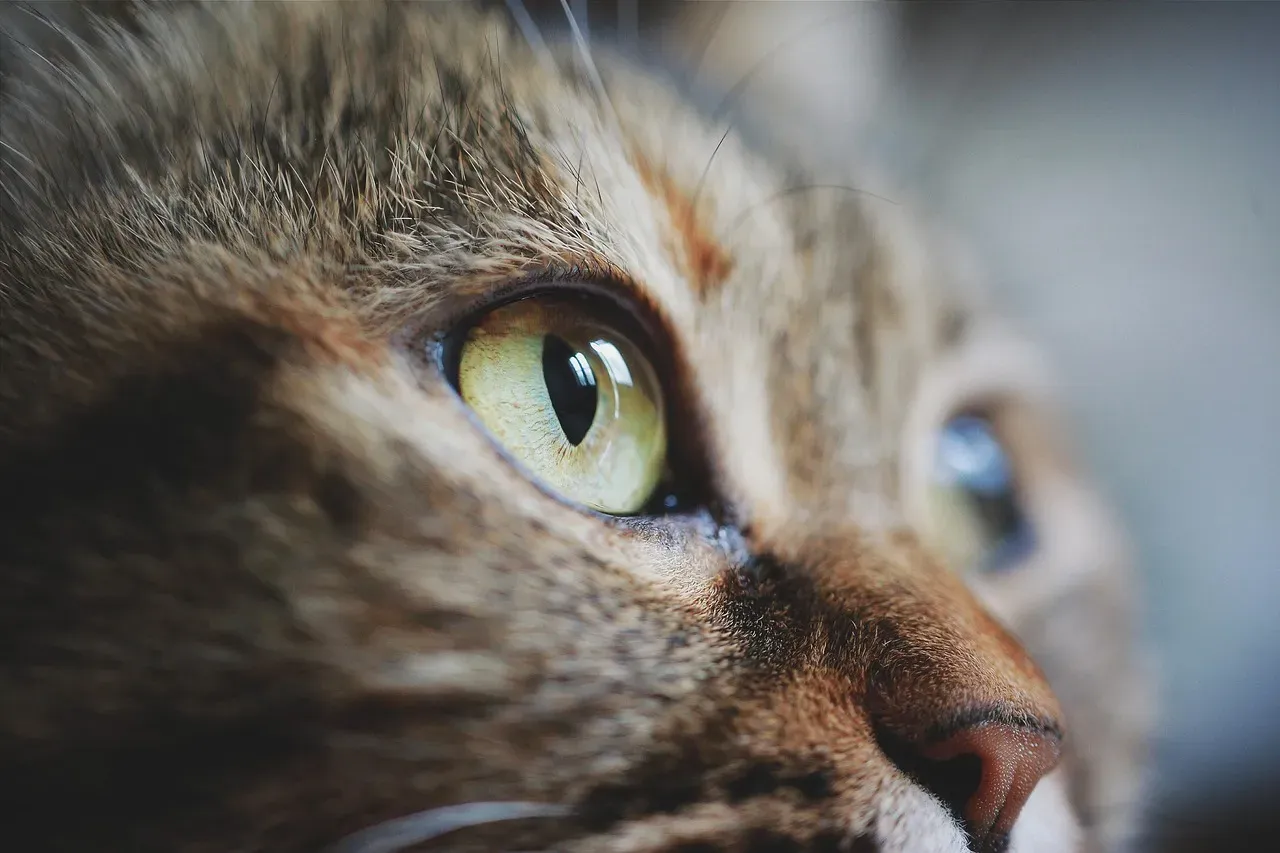
Cats have a reflective layer behind their retina enabling them to see using roughly one-sixth of the light humans need, plus a slightly wider field of view at 200 degrees compared to our 180 degrees. This gives them an almost alien perspective on their surroundings.
Cats have sharp sight allowing them to see things in clear detail at a distance and have excellent vision in low light, so they’re able to see things like a tiny spider, fly or ant that you may not be able to see. That supposedly empty wall corner? It’s probably teeming with life from your cat’s perspective.
Cats have a visual field of view of 200 degrees compared to 180 in humans, and as predators, their eyes face forward, affording depth perception at the expense of field of view. They’re literally built to spot the slightest movement.
They Might Be Detecting Vibrations and Air Movement
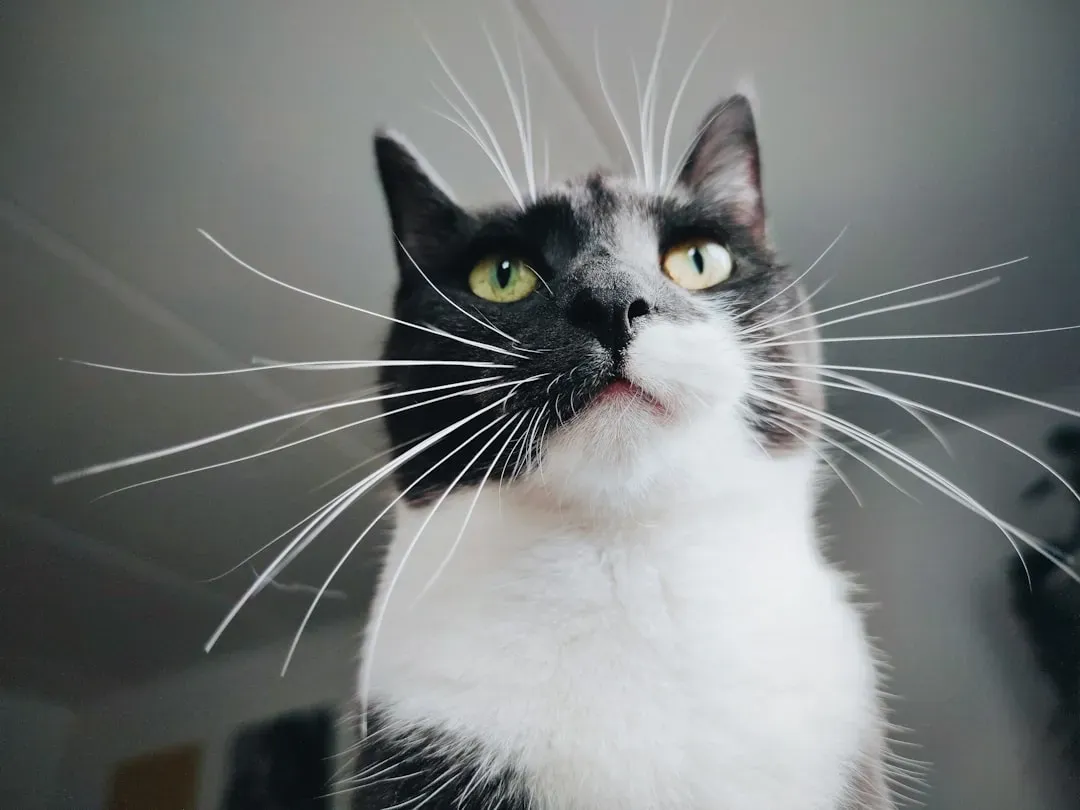
Your cat’s whiskers aren’t just cute. Whiskers are highly sensitive sensory organs that allow cats to navigate in low-light conditions and detect changes in air currents. When air moves through your walls or HVAC system, your cat feels it.
Cats use scent trails to orient themselves, and HVAC systems and open windows can move scents around in ways that catch their nose and attention. What you experience as still air is actually a river of information for your cat. They’re not just staring; they’re analyzing an entire data stream.
Think about how sensitive those whiskers are. Every tiny shift in air pressure tells your cat something new about their environment. The wall isn’t blank to them at all.
It’s Usually Harmless But Sometimes Worth Checking
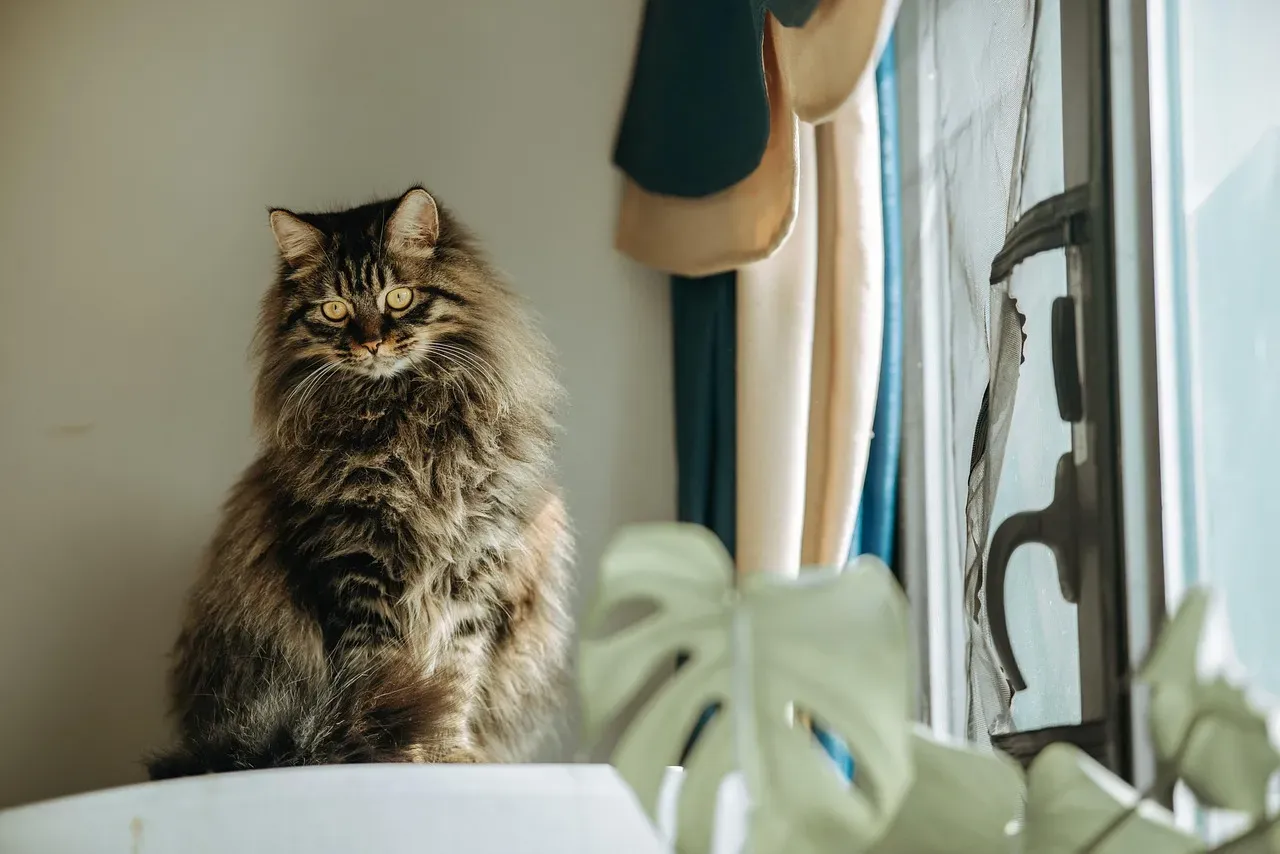
If your cat stares at the wall only occasionally, it’s likely nothing to be worried about, as most causes of wall-staring are benign. Cats are just weird sometimes, and that’s part of their charm.
However, you should schedule a vet visit if your cat has started staring at walls and is elderly, and call your vet urgently if your cat is pressing their head against the wall. Head pressing is different from staring and can indicate serious neurological issues. Older cats may develop feline cognitive dysfunction similar to dementia in humans, which can lead to disoriented staring.
I know it sounds scary, but really, the vast majority of wall-staring is totally normal cat behavior. Still, trust your gut. If something feels off, get it checked out.
This Behavior Actually Shows Healthy Cat Instincts
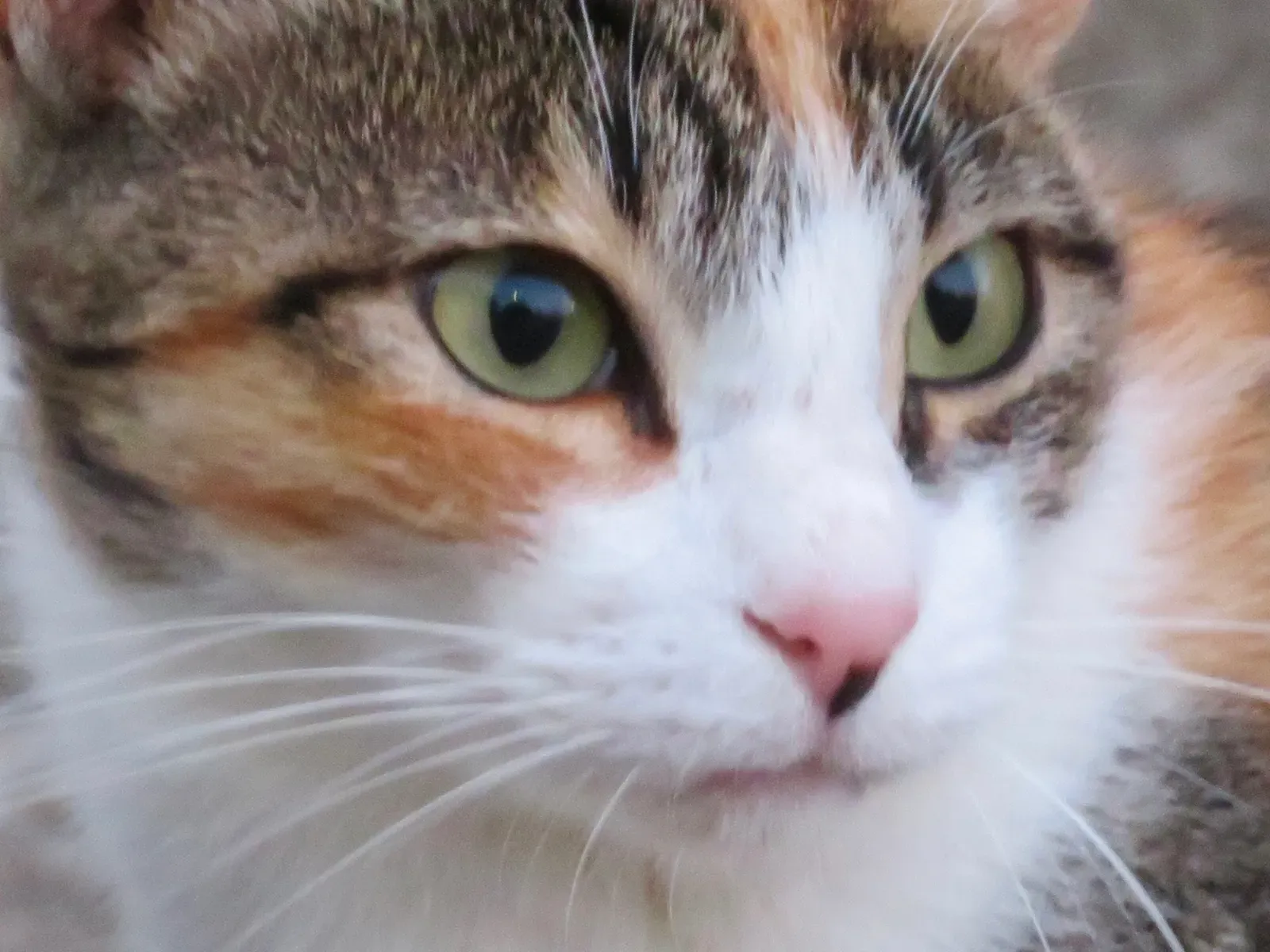
Happy, healthy cats receive a good dose of physical and mental stimulation every day, especially if it taps into their natural instincts; if your cat is exercising predatory skills by homing in on mysterious sounds, they aren’t using them to pounce on your unsuspecting toes. Wall-staring is actually enrichment for your cat.
Although seeing your cat staring at a blank wall may make you worry, there are plenty of logical explanations; as highly adapted predators with excellent vision, smell, and hearing, this behavior is often explained by them detecting something we can’t. Your cat is simply being a cat.
Cats register shadows, flashes of light, buzzing, and tones that escape human senses. They inhabit a sensory world so much richer than ours that their behavior will always seem a bit mysterious. And honestly, isn’t that part of what makes them so fascinating?
So What Should You Do About It?
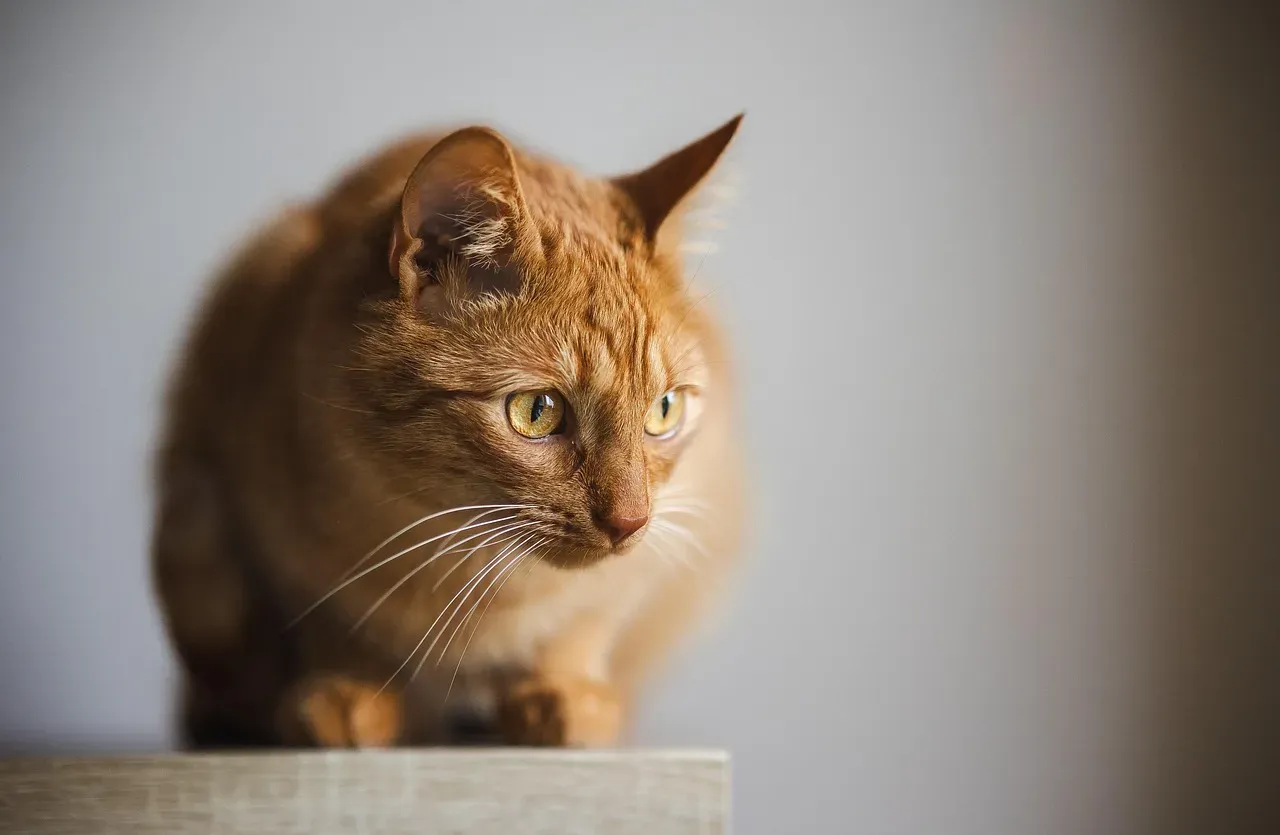
Most of the time? Absolutely nothing. In most cases, a cat staring at the wall is nothing to worry about, and as long as your cat isn’t showing any other worrying symptoms, your cat’s really just being a cat. Let them enjoy their invisible entertainment.
You could distract them with play if you want to redirect that hunting energy. Interactive toys that mimic prey movements can be great. Some cats love watching bird videos or having a window perch where they can observe real outdoor action.
But really, sometimes the best thing you can do is appreciate that your cat experiences reality in ways you never will. There’s more going on behind that intense gaze, and many animals see, hear, and smell stuff that we’re completely unaware of. Your cat isn’t broken or seeing ghosts. They’re just living in their enhanced sensory universe, and that blank wall is their personal IMAX theater. What do you think your cat sees that you’re missing? Share your experiences in the comments!