You settle down to enjoy a nice meal after a long day. Maybe it’s your favorite pasta or a juicy steak. Either way, you’re ready to savor every bite. Then you feel it. That unmistakable sensation of being watched. You glance up and there they are. Those unblinking feline eyes fixed directly on you, tracking every movement from plate to mouth as if you’re committing some great offense against the cat world.
It’s both adorable and slightly unnerving, isn’t it? Your cat might be sitting politely nearby, or perhaps they’ve positioned themselves at the perfect begging distance, whiskers twitching with anticipation. Whatever the setup, you’ve probably wondered what’s going through that furry little head. Is your cat judging your food choices? Plotting to steal a morsel? Or is something deeper happening here? Let’s dive into the fascinating reasons behind this common feline behavior and what your cat is really trying to tell you.
They’re Tapping Into Ancient Hunting Instincts
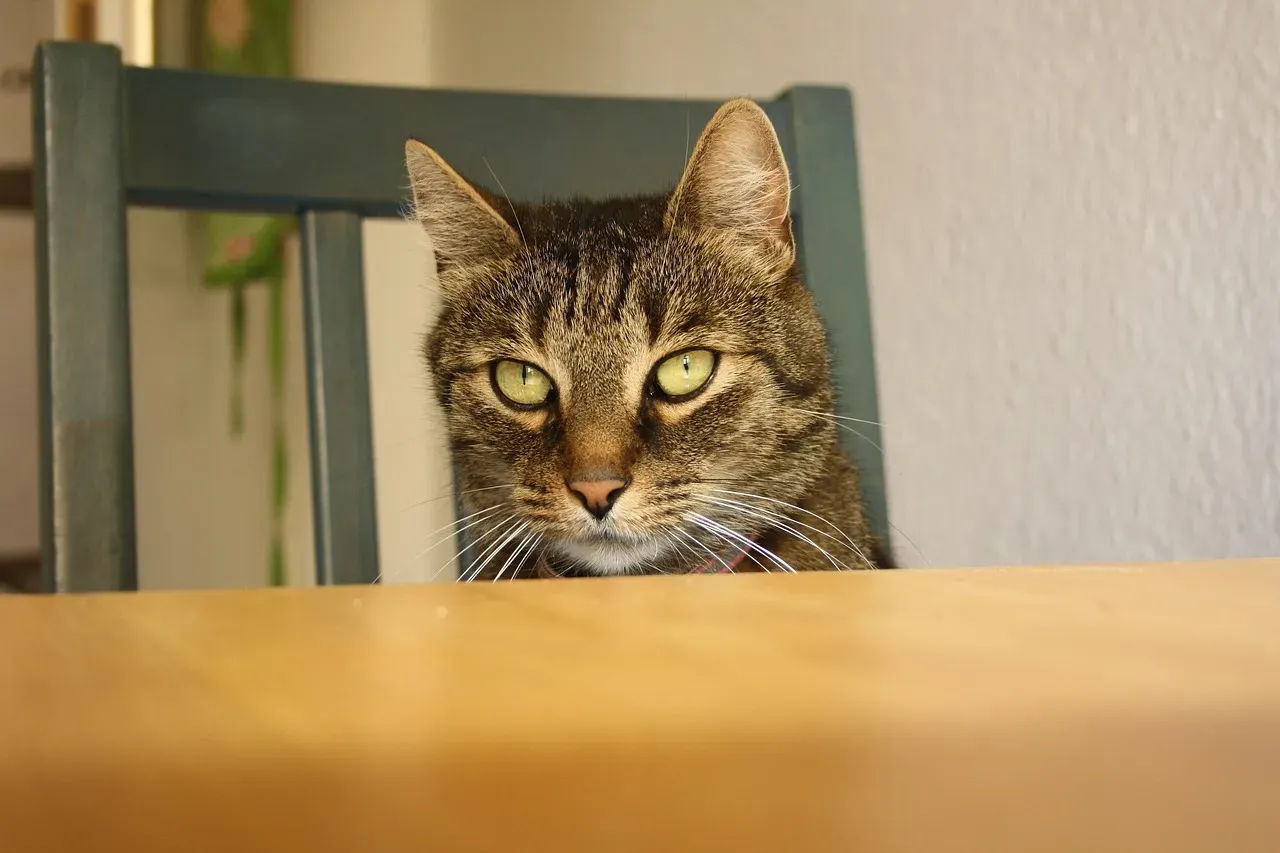
Your cat watches you eat because it triggers their natural hunting instincts, as cats rely on their hunting skills in the wild and keep a watchful eye on potential prey. Even though your domesticated feline hasn’t had to chase down a meal in generations, those predatory behaviors remain deeply hardwired. When you’re eating, you’re essentially demonstrating the consumption of a successful hunt, and your cat is observing this activity with genuine fascination.
Cats are born hunters, and even in comfortable homes their instincts remain alive, observing every move just like they would watch prey in the wild, satisfying their natural urge to stay alert. Your movements at the dinner table are rhythmic, repetitive, and focused, much like the behavior patterns cats would study in potential prey. It’s not necessarily your food they find interesting, though that helps. It’s the entire ritual that captivates them.
You’re Part of Their Social Circle
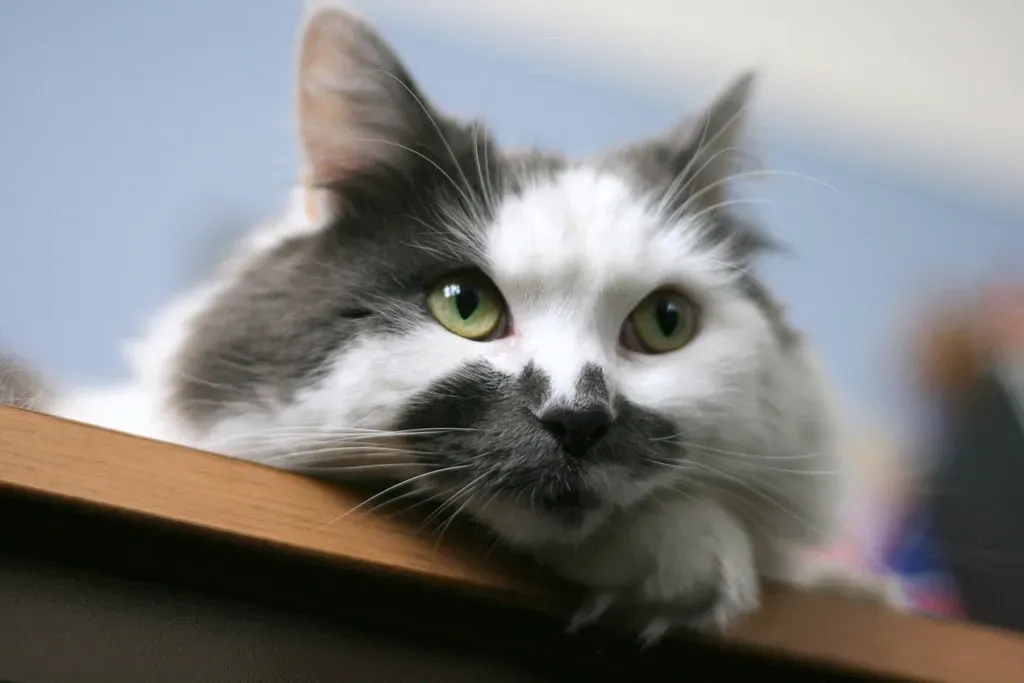
Cats are social animals who view their owners as part of their family, and watching you eat is their way of participating in your daily routine and feeling connected. This might surprise you if you’ve always thought of cats as solitary creatures. Sure, they value their alone time, but they also crave meaningful connection with their human companions.
Your cat watches you during meals as a way to participate in your routine, and because cats are creatures of habit, mealtime is important, giving them a sense of familiarity and comfort. Think of it this way: when you gather for family dinner, everyone’s together sharing an experience. Your cat wants in on that experience too, even if they’re not eating the same food. They’re bonding with you through observation and presence.
They’re Hoping to Score Some Human Food
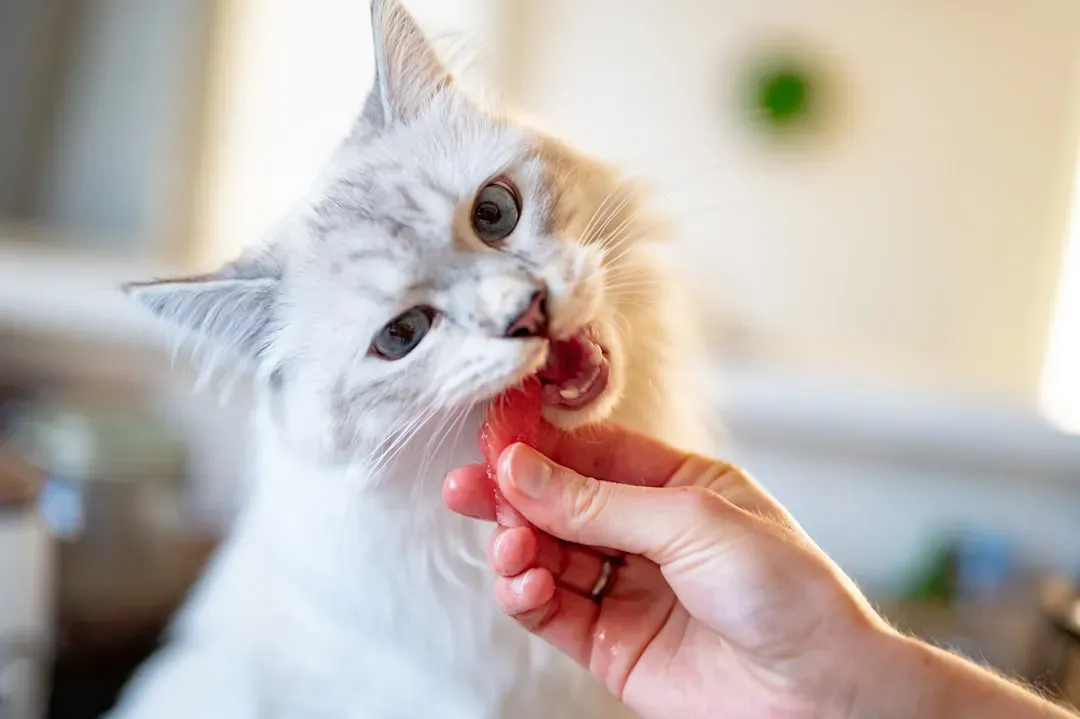
Let’s be real here. Cats may stare intently at you while eating in hopes of getting a tasty morsel of human food. This is probably the most obvious answer, and often the correct one. Your cat has learned that humans eat delicious things, and where there’s delicious food, there’s potential for sharing.
Staring often means hunger, as cats connect you with meals and stare near feeding time or when you eat. If you’ve ever given in and offered a tiny piece of chicken or fish, congratulations. You’ve just reinforced this behavior beautifully. Your cat has successfully trained you to understand that intense staring equals food reward. Cats aren’t born knowing how to beg, they learn it, and quickly figure out that specific behaviors get responses, meaning the consequences of behavior predict if it will be repeated.
They’re Communicating Their Needs Through Eye Contact
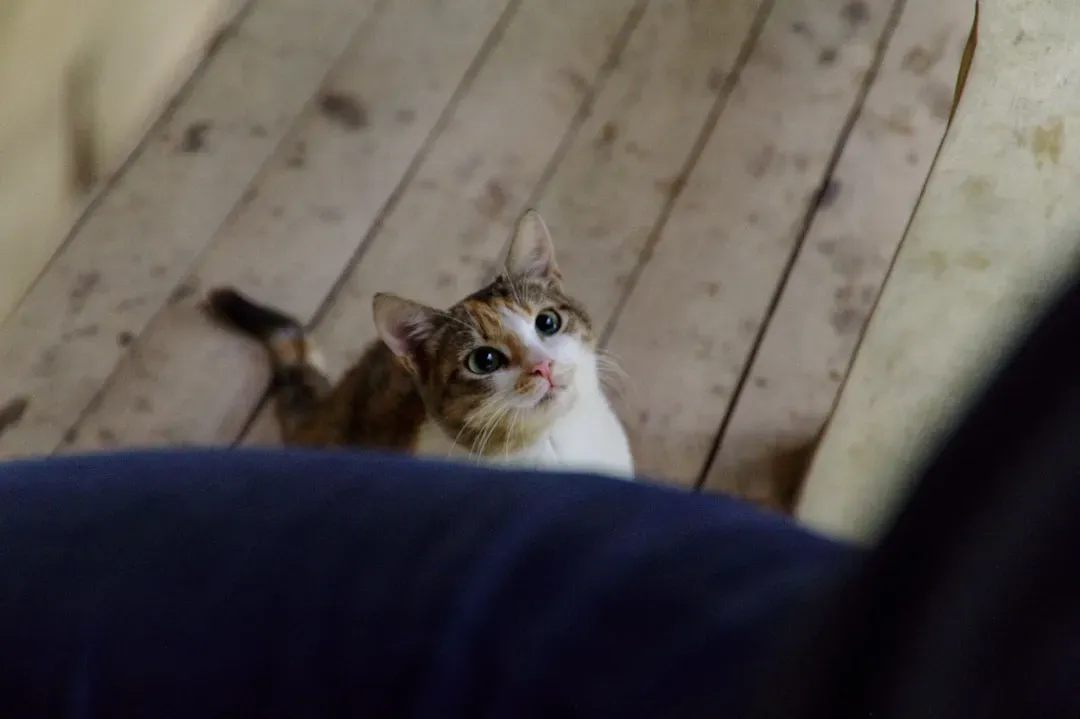
When cats beg they usually seek intense eye contact, purring and stomping around with dilated, alert eyes, staring at their owner and desired objects. This isn’t random behavior. Your cat is actively trying to communicate with you using one of the most powerful tools in their arsenal: the stare.
Cats are known for subtle communication methods, and when they stare while you’re eating, they may be trying to communicate their needs, whether hunger or seeking attention. The intensity of the stare often corresponds to the intensity of their desire. A casual glance? Maybe just curious. An unwavering, laser-focused stare? They definitely want something, and they want it now.
They Feel Vulnerable and Want Your Protection
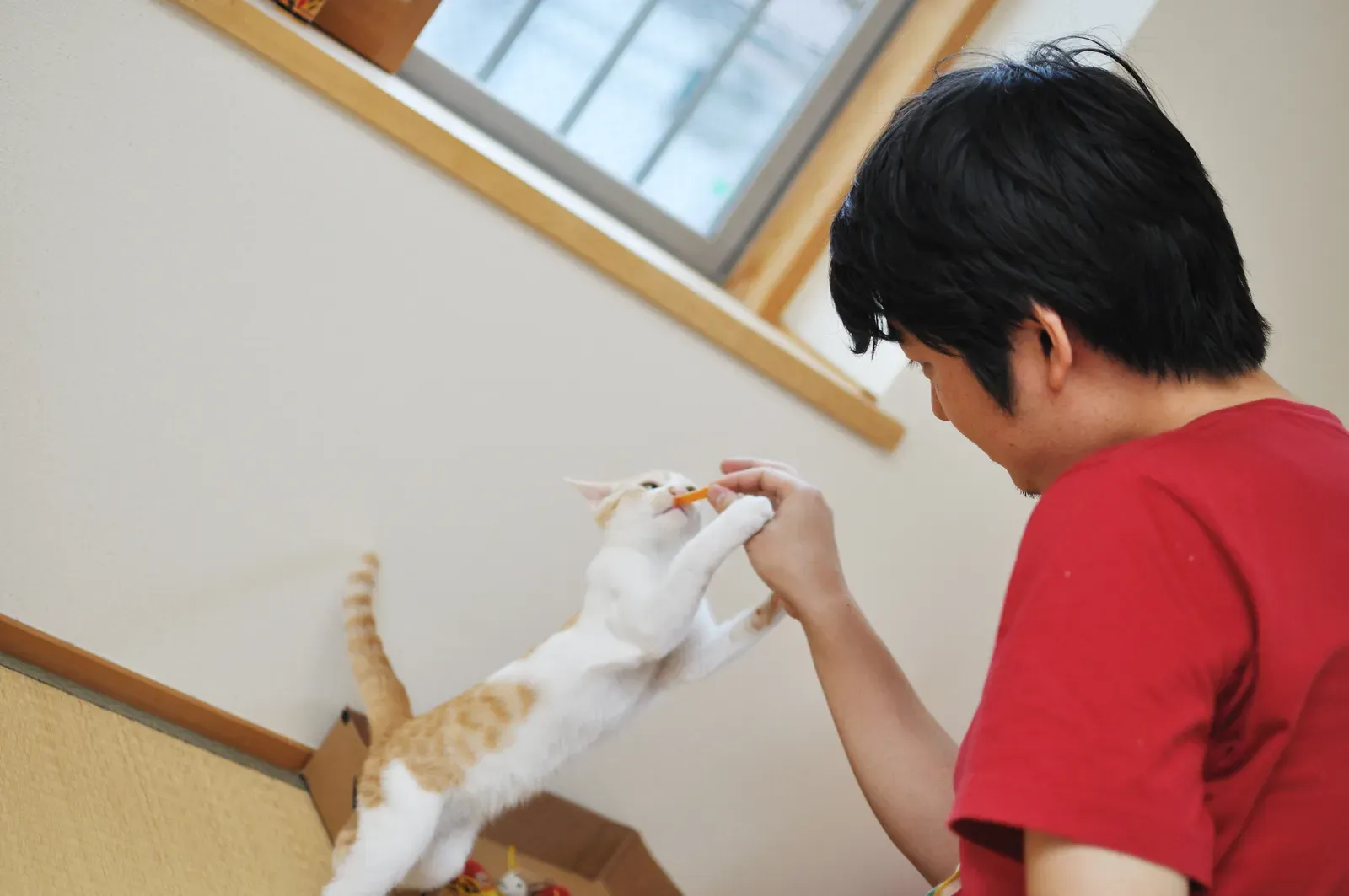
Here’s something you might not have considered. If you see a staring cat while they eat, they may want reassurance, as eating can be vulnerable for wild cats, so pet cats may look to you to guard them during meals. This works both ways, actually. When your cat watches you eat, part of them might be acting as your protector, ensuring you’re safe while you’re occupied with your meal.
Cats learn that you are the primary provider of their food, and your presence can be seen as confirmation that this valuable resource is theirs. The relationship between food, security, and your presence is deeply intertwined in your cat’s mind. You represent safety and sustenance, so naturally, they want to be near you during meal times.
It’s Become a Learned Habit and Routine
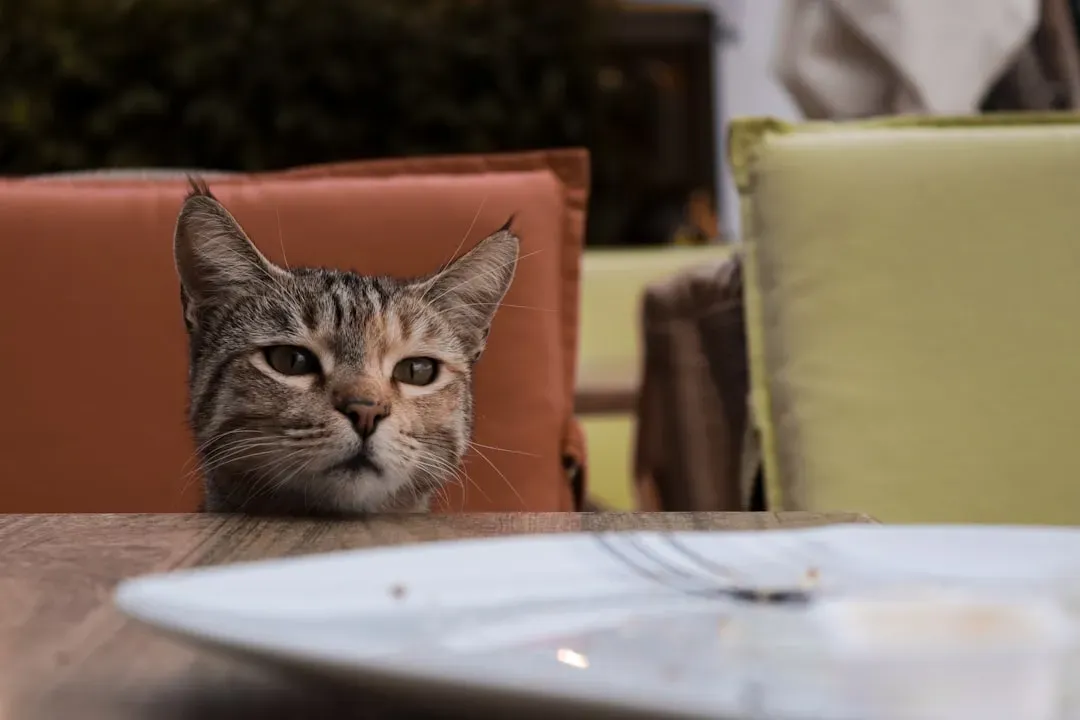
Your cat might stare at their food bowl due to anticipation, as cats are creatures of habit and can become excited about mealtime. The same principle applies when they watch you eat. If dinner happens around the same time every evening, your cat has mentally logged this into their daily schedule.
Your feline friend thrives on predictability and routine. They know that when you sit at the table, food appears. They’ve memorized the entire sequence: the sound of the refrigerator opening, the clink of dishes, the smell of cooking food, and finally, you sitting down to eat. A cat’s natural behavior is to hunt many times a day, and you can mimic this by using food puzzles and hiding food around the home. But when those enrichment activities aren’t happening, they default to watching your hunting and eating behavior instead.
They’re Genuinely Curious About What You’re Doing
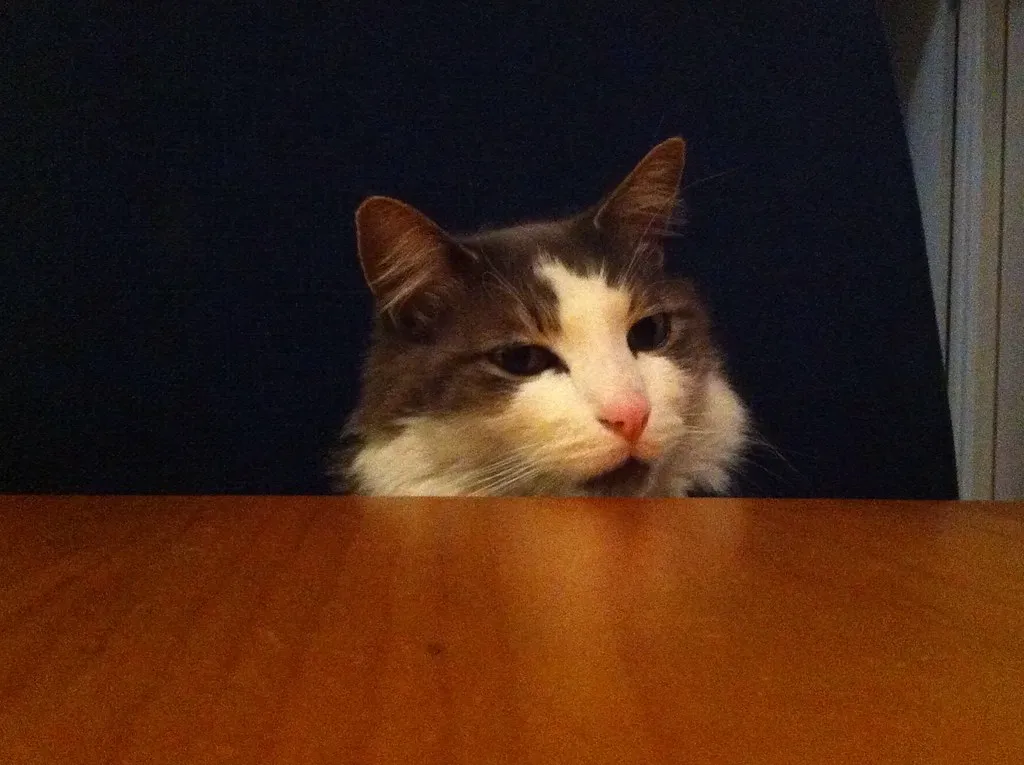
Cats are naturally curious creatures, and your dinner plate represents something novel and interesting. Cats find amusement in observing your actions, whether it’s how you hold your fork or the expressions on your face while savoring a meal. Every meal is slightly different, with new smells, textures, and behaviors to catalog.
Cats use their gaze to communicate their feelings, and if they’re staring at something or someone, they may be focused, curious, or guarding their territory. Your cat might simply be fascinated by the mechanics of human eating. How you use utensils, how you chew, how you pause between bites. To them, it’s entertainment, a live show happening right in their territory. Sometimes the stare isn’t about wanting your food at all. It’s about wanting to understand you better and satisfy their endless curiosity about the strange behaviors of their human companion.
They’re Seeking Attention Beyond Just Food
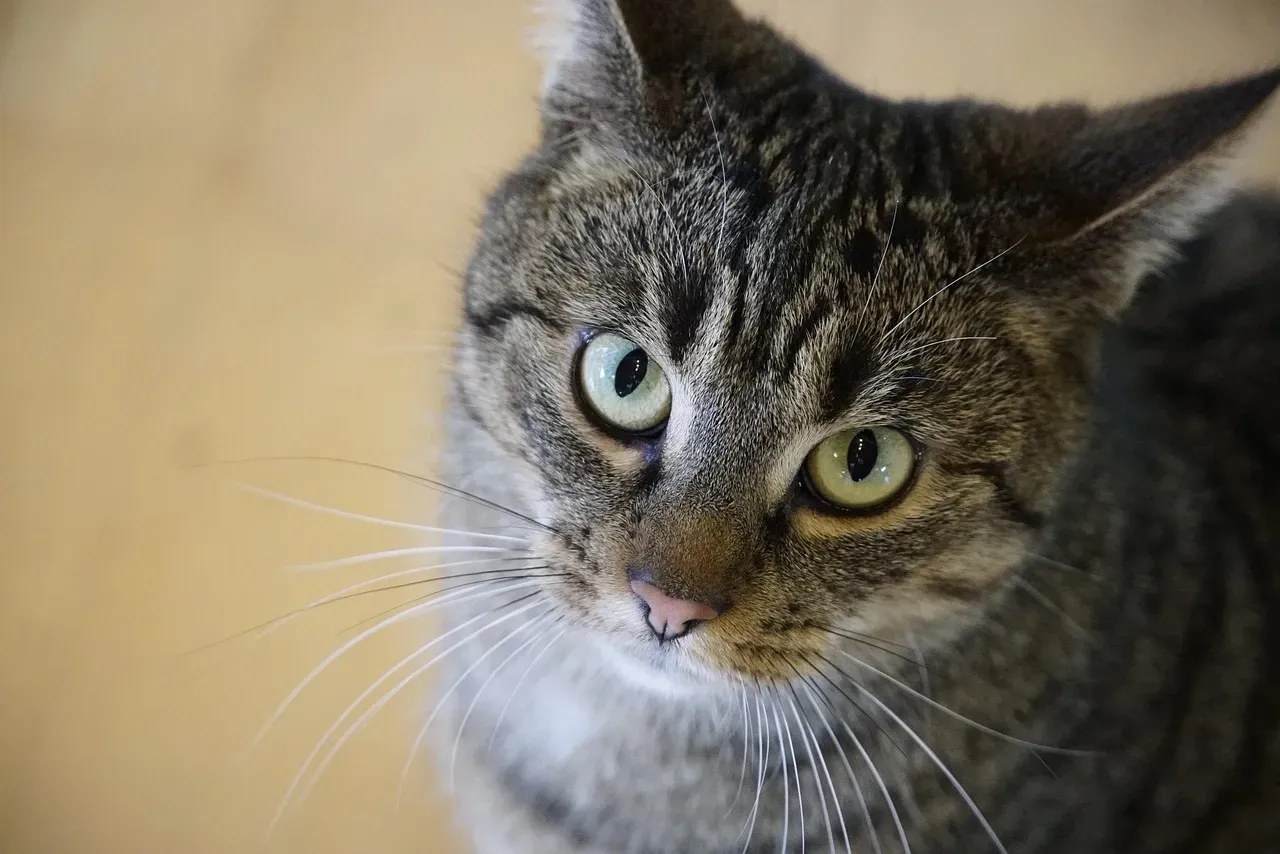
Cats usually beg for food or attention, either play time or just to be petted. Not every mealtime stare is about stealing a bite of your dinner. Sometimes, your cat simply wants you to acknowledge them, to interact with them, to remind them that they’re important to you even while you’re busy doing something else.
Cats are social animals who crave attention and affection from their owners, and watching you eat is a form of communication, trying to grab your attention and engage with you. Maybe they want you to finish eating so you can play with them. Maybe they’re lonely and want some cuddle time. Or maybe they just want to ensure they’re still the center of your universe, even when a delicious meal is competing for your attention. The stare is their way of saying, “Hey, remember me? I’m here too.”
They’re Testing Boundaries and Reinforcing Learned Behavior
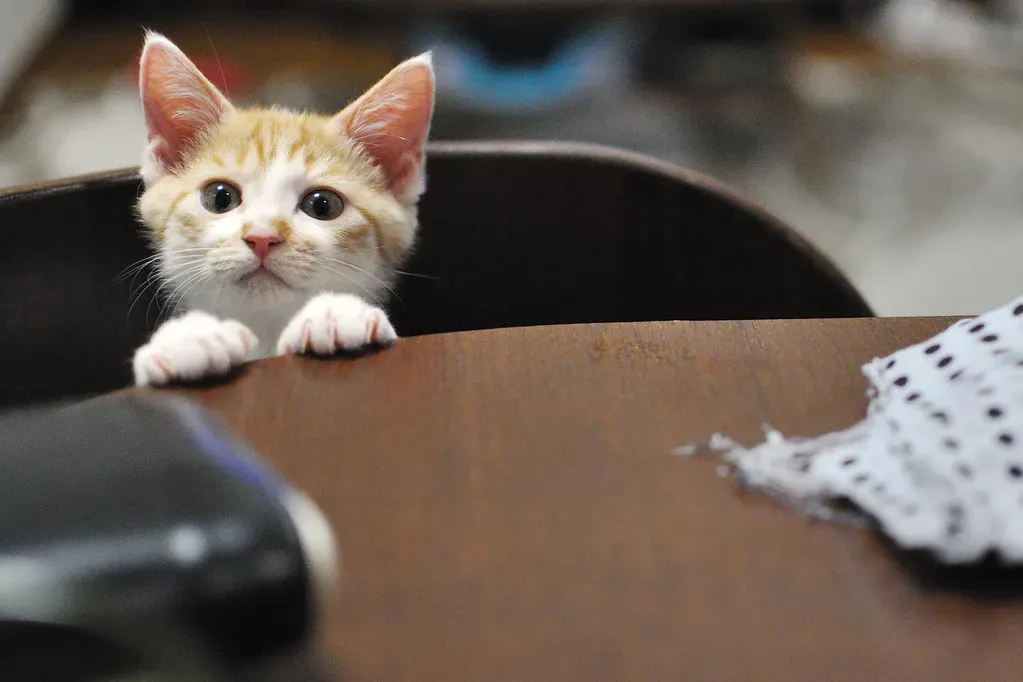
Cats will often repeat behavior that gets rewarded, and if they beg for food and we give in, they learn that begging will be rewarded with food. Your cat is incredibly smart. They’ve conducted countless behavioral experiments on you without your knowledge, and they’ve documented which strategies work best for getting what they want.
If staring has successfully earned them treats, attention, or a piece of your sandwich in the past, you can bet they’ll keep doing it. Ignoring a begging cat can be difficult, but consistency is essential, because giving in after hours of begging teaches the cat that persistence for that long will get what they want. Every time you reward the stare, you’re strengthening the behavior. Your cat sees mealtime as an opportunity, a chance to engage in a behavior that has historically yielded positive results. They’re not being manipulative in a malicious way. They’re simply being efficient, doing what works.
Conclusion: Understanding the Dinner Stare
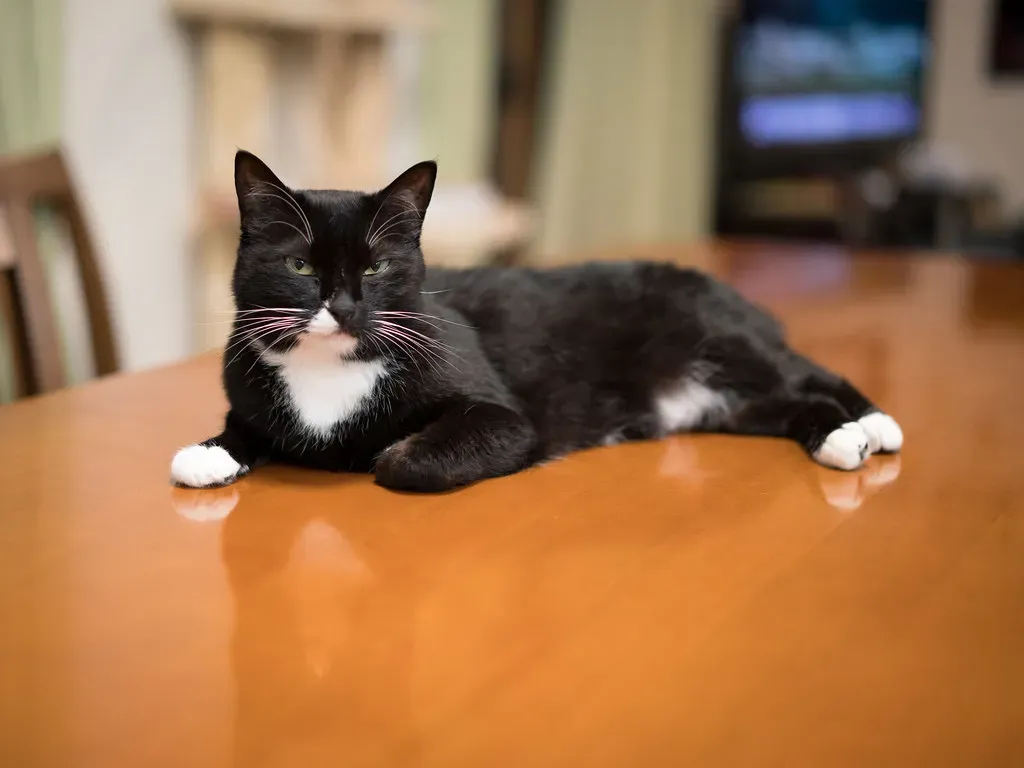
The next time you sit down for a meal and feel those familiar eyes boring into you, remember that your cat’s stare is a complex mix of instinct, learned behavior, curiosity, and genuine affection. They’re not just after your food, though that’s certainly part of it. They’re connecting with you, observing you, communicating with you, and in their own feline way, sharing the mealtime experience.
Understanding why your cat stares at you while you eat can actually deepen your bond with them. It’s a window into their world, revealing how they think, what they value, and how they’ve adapted to living alongside humans. Whether you choose to ignore the stare, redirect their attention, or occasionally share a cat-safe morsel, the important thing is recognizing the behavior for what it truly is: your cat being a cat, with all the fascinating complexity that entails. What does your cat do during your mealtimes? Do they stare quietly, or have they developed more creative ways to get your attention?