You glance over, and there it is. Your cat, perfectly still, eyes locked onto a blank patch of wall, pupils wide as dinner plates, not blinking. You lean in. You squint. There is literally nothing there. Yet your cat looks as though it has just spotted the most important thing in the universe.
If you have ever lived with a cat, you have had this experience. It is equal parts fascinating and slightly unnerving. Honestly, it can make even the most rational person wonder for a split second whether something supernatural is going on. The truth, as it turns out, is far more interesting than ghosts. Let’s dive in.
Your Cat Lives in a Completely Different Sensory World Than You Do
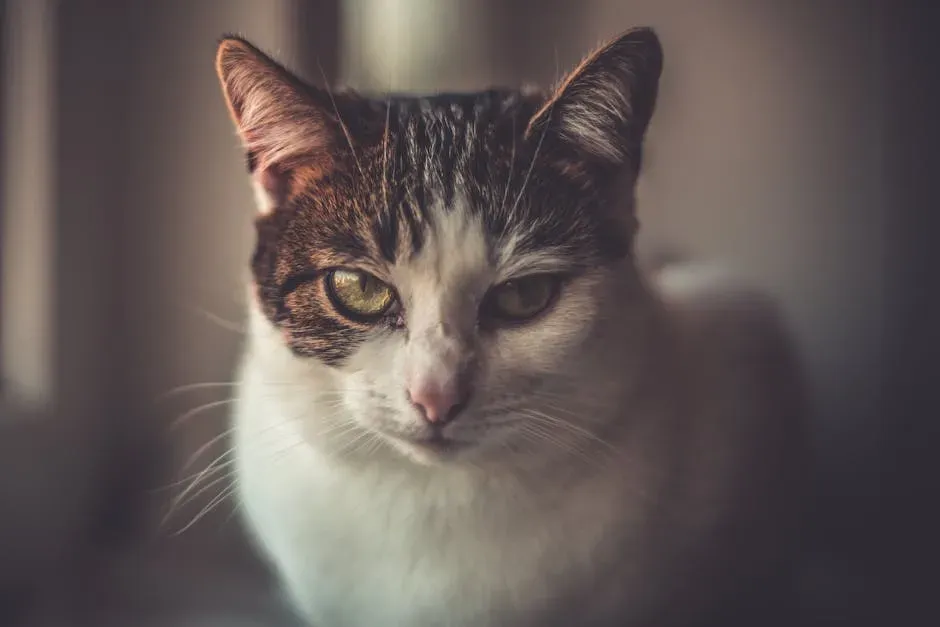
Here’s the thing most people overlook: your cat is not staring at the same room you are in. Not really. Cats have what experts describe as “360-degree sensory awareness,” meaning they are tuned into layers of the environment that you simply cannot perceive. Think of it like this. You are watching a movie in standard definition, while your cat is watching an 8K version with surround sound. The screen looks the same, but the information they are receiving is wildly different.
When your cat stares at “nothing,” they are probably just observing something you likely cannot see, hear, or feel. If you had the ability to pick up sounds, smells, or sights to the same degree a cat can, you would probably stop and stare a little more than you do now. That blank wall is not blank to them. It is a living broadcast of data.
The Extraordinary Vision Behind That Intense, Unblinking Gaze
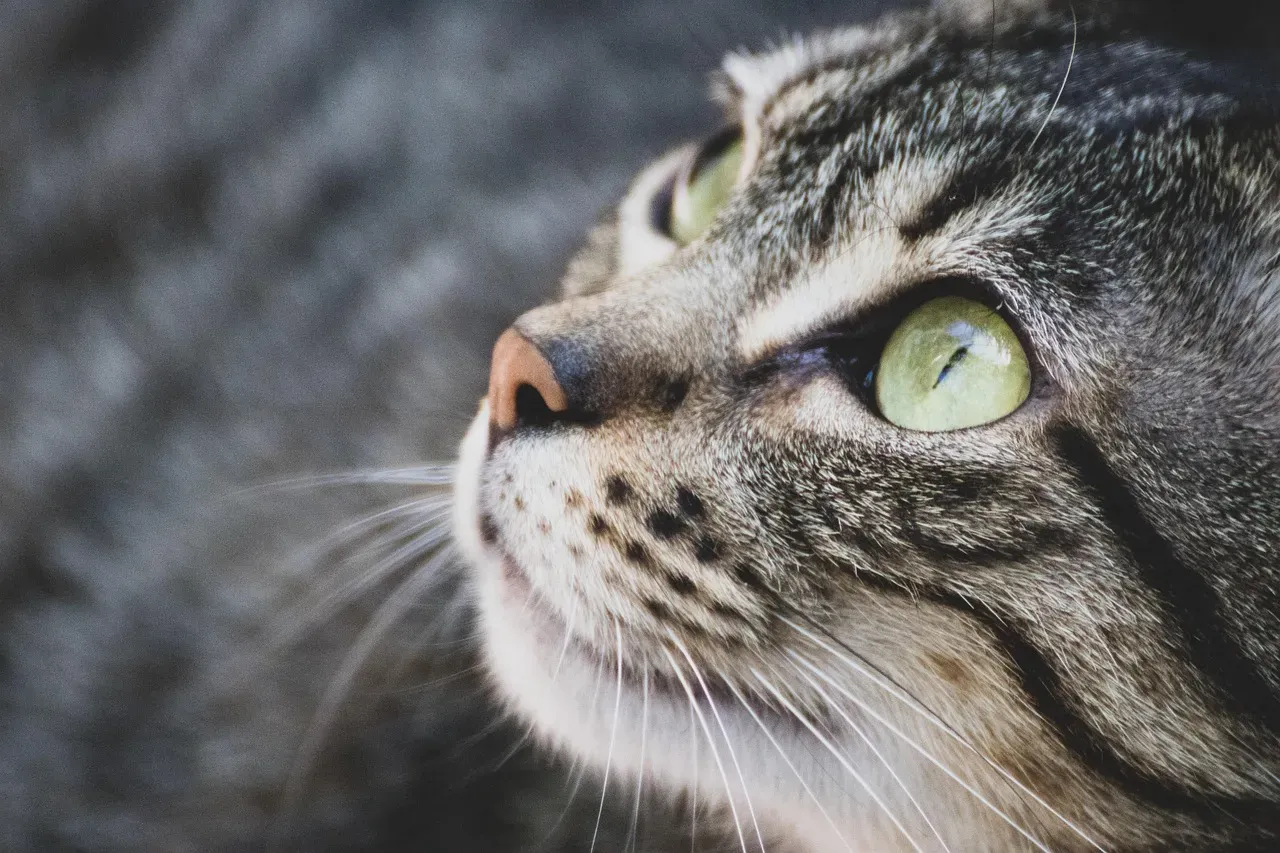
Cats have sharp eyesight, allowing them to see things in clear detail at a distance, with excellent vision in low light. Such good eyesight allows them to see things you may not be able to see, like a tiny spider, fly, or ant. So when your cat locks eyes on something in a corner of the room, there is a very real chance a tiny insect is doing a leisurely stroll across the wall that your human eyes would never catch in a million years.
Cats can see ultraviolet wavelengths invisible to the human eye. Certain fabrics, cleaning residues, and surface coatings reflect UV light in patterns we cannot perceive, making a blank wall or floor visually interesting to your cat. Imagine wearing UV goggles in your own living room. Your walls would probably look like a completely different landscape. That is your cat’s default setting.
Hearing That Would Put Your Best Speakers to Shame
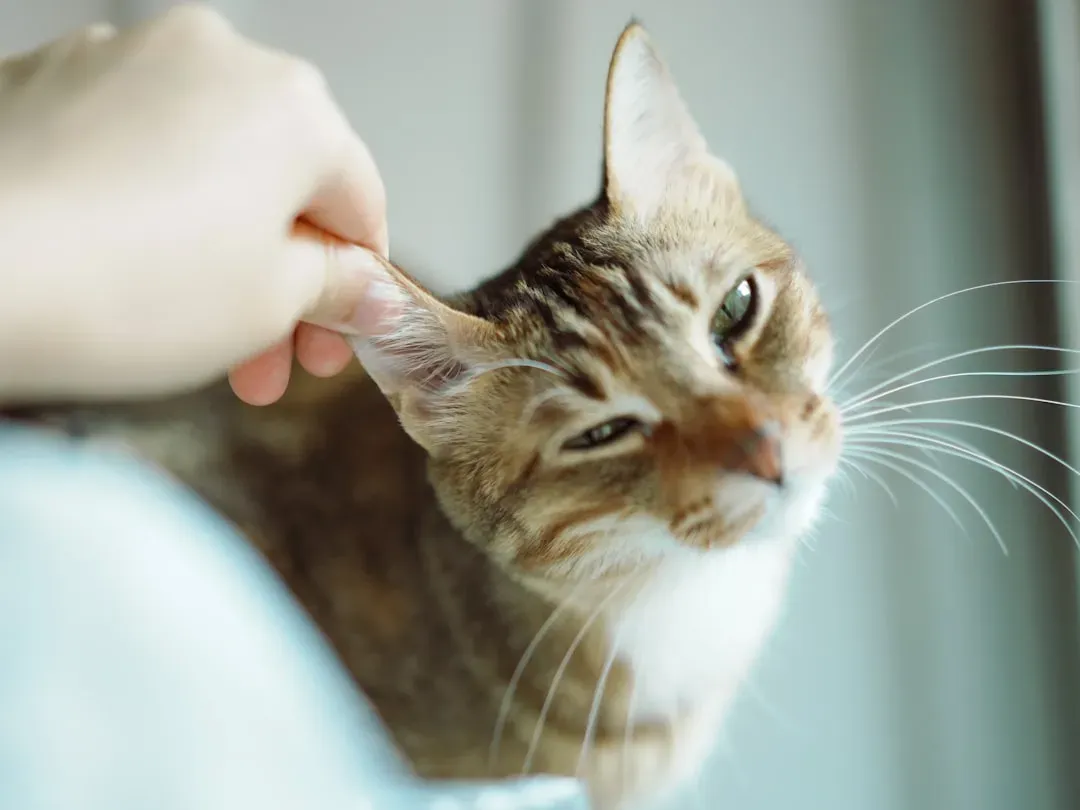
Cats can hear from about 80 Hz up to 85,000 Hz, giving them one of the broadest hearing ranges among mammals. To put that in perspective, you are working with a hearing range that tops out at roughly 20,000 Hz on a good day. Your cat is essentially operating a piece of audio equipment that you do not even have the firmware to understand.
Cats can detect high-frequency sounds well beyond the human range. Pipes expanding inside walls, rodents behind baseboards, and HVAC systems all produce sounds your cat hears clearly. When your cat stares at a wall, what holds their attention is often what they hear. While it may seem like your cat is blankly staring at the wall, it could simply be that they hear air running through the air ducts, water running through pipes, or rodents scurrying around. These sounds are probably imperceptible to you, but very interesting to your pet.
Whiskers: The Secret Sensory Weapon You Never Think About
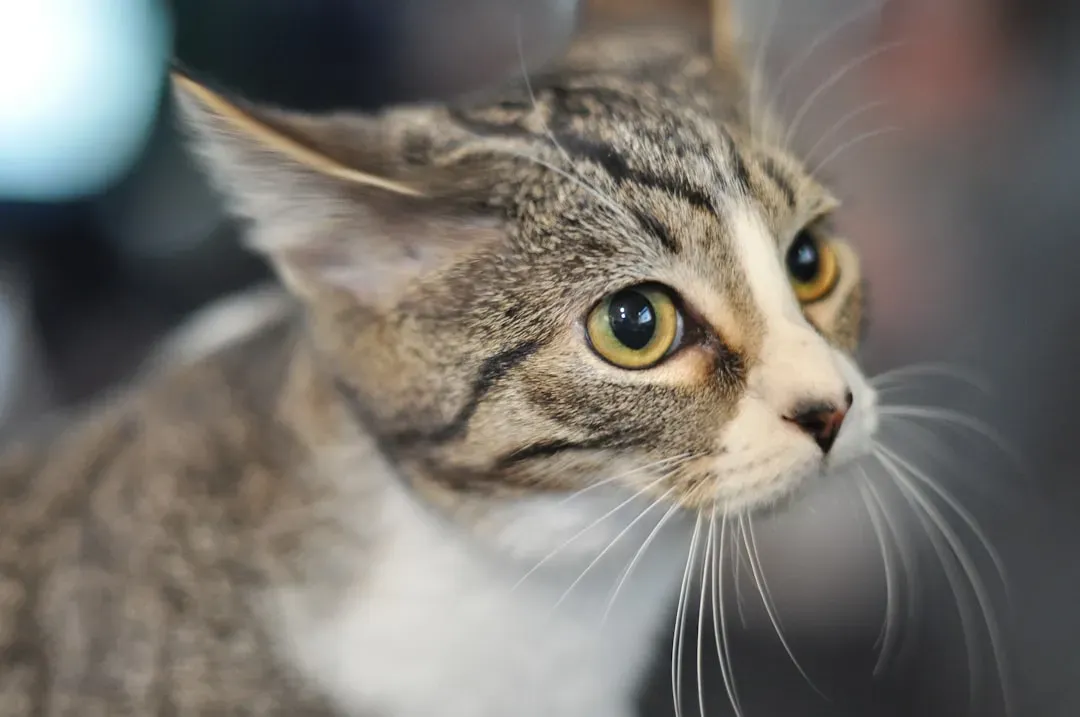
Whiskers are extraordinary sensory tools. They are filled with tiny, highly sensitive nerves that help cats detect the slightest changes in their environment. This sensitivity enables them to navigate in darkness, detect prey, and even sense air currents. Think of it like a biological weather station strapped to your cat’s face, running constantly and feeding information directly into the brain.
When air flows or an object brushes up against a whisker, the sensitive whisker vibrates and stimulates the nerves in the hair follicle. This vibration gives whiskers their scientific name, vibrissae, from the Latin word vibrio, meaning “to vibrate.” Cat whiskers detect subtle changes in air currents and transmit information about the size, shape, and speed of nearby objects. So even before your cat’s eyes lock onto something, their whiskers may have already mapped the situation. It is honestly a little awe-inspiring when you think about it.
The Ancient Hunter Still Living Inside Your Lazy House Cat
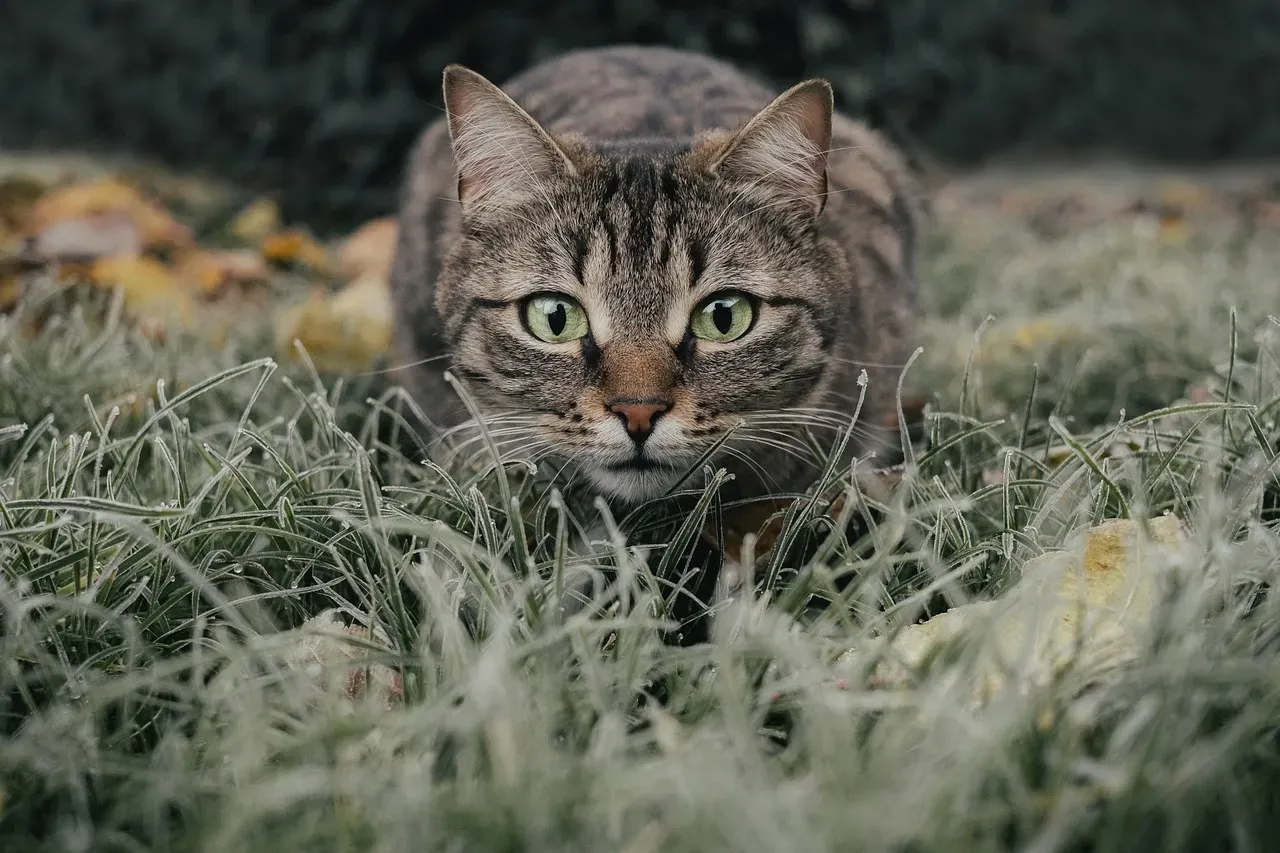
Cats are instinctively driven to stare, stalk, chase, pounce, grab, and kill bite. That deep, unflinching stare you see when your cat zeroes in on apparently nothing? That is Step One of the prey sequence. Cats usually approach their prey by stalking them, moving in a crouched position with their head outstretched. Slow movements are used on the initial approach, which may speed up to a sprint the closer the cat gets to their prey. As the cat gets close enough to catch the prey, they stop and prepare to spring forward.
Hunting comes as naturally to a cat as eating and sleeping. The urge to hunt is not tied to hunger. In the wild, cats hunt all the time, even if they are not hungry, because they never know when their next meal will come. Your domesticated, well-fed, indoor cat still carries this ancient script in their DNA. Even when they are staring at a speck of dust drifting across the room, they are running a program millions of years in the making.
Could It Simply Be Boredom? Yes, Actually
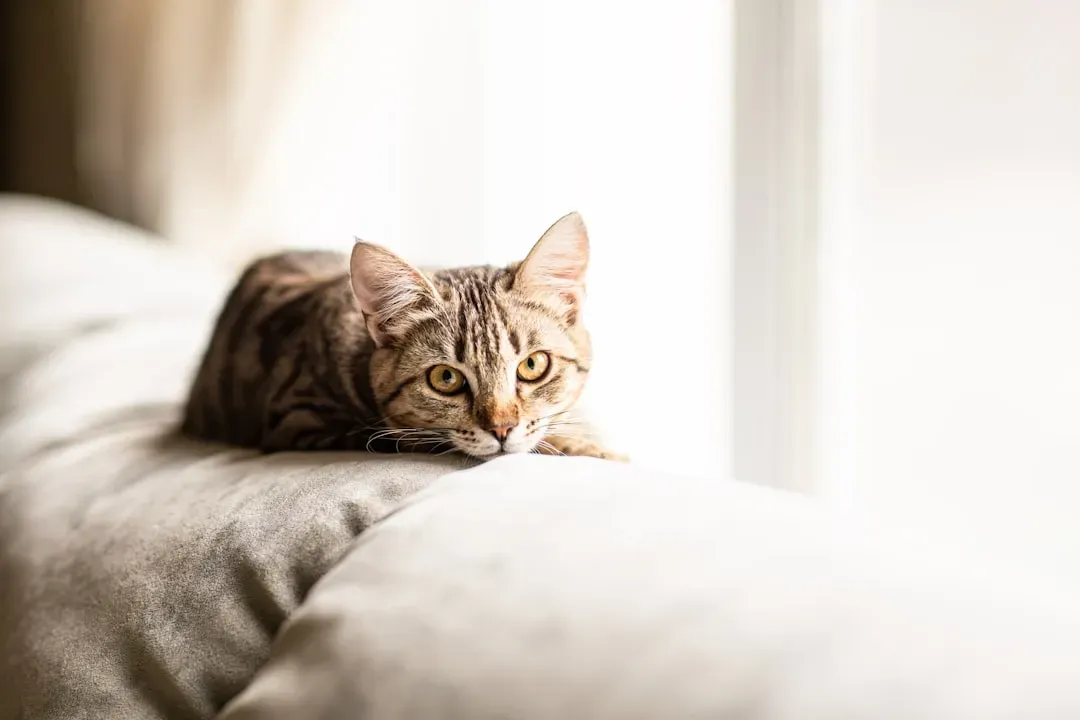
Boredom is a real thing for indoor cats, especially those who do not get enough mental and physical stimulation. When life gets a bit too predictable, staring into space can become a self-soothing mechanism, a way to fill the quiet moments. An indoor cat that does not have enough to do is like a person who starts reorganizing the sock drawer for the fourth time. The brain needs something to work on.
You might notice other signs alongside this, like excessive grooming, a sudden interest in food, or even destructive scratching, all indicators that your cat might be craving a bit more excitement. Feline depression is most often seen in indoor cats that are not given enough mental stimulation. Ensuring your cat has enough enrichment and interest around the house can keep them happy and healthy. If the staring seems prolonged and your cat looks generally flat in energy, it may be worth enriching their environment with puzzle feeders or more interactive play sessions.
Sometimes It Is an Attention Strategy, and Your Cat Knows Exactly What They Are Doing
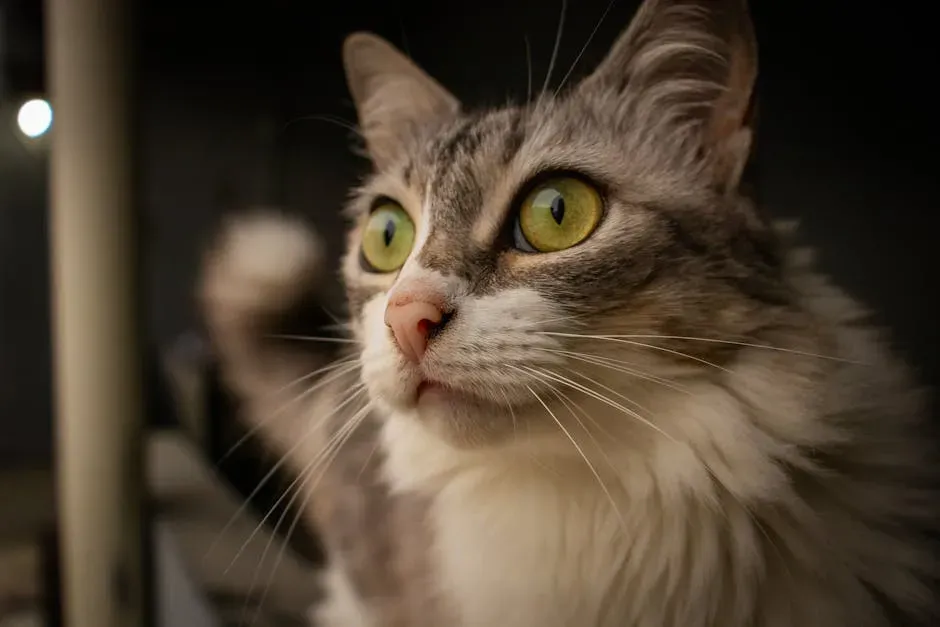
Let’s be real. Cats are smarter than we sometimes give them credit for. Cats are smart, and they learn what gets a reaction. If staring at the wall consistently results in you coming over, talking to them, or even just giving them a gentle pat, they might be doing it to get your attention. It is a learned behavior, reinforced by your response, even if it is just a brief moment of concern.
Think about that for a second. Your cat may have figured out that performing a mysterious, wide-eyed stare at nothing in particular gets you off the couch and over to investigate. That is a fairly sophisticated social manipulation for an animal that supposedly does not care about you. You know about cats and curiosity, right? Well, cats are curious creatures. One minute they are in your lap, purring contentedly and happy to be there; the next, they run off to investigate something. They are, in the most delightful way, completely unpredictable.
When Staring at Nothing Is a Medical Red Flag
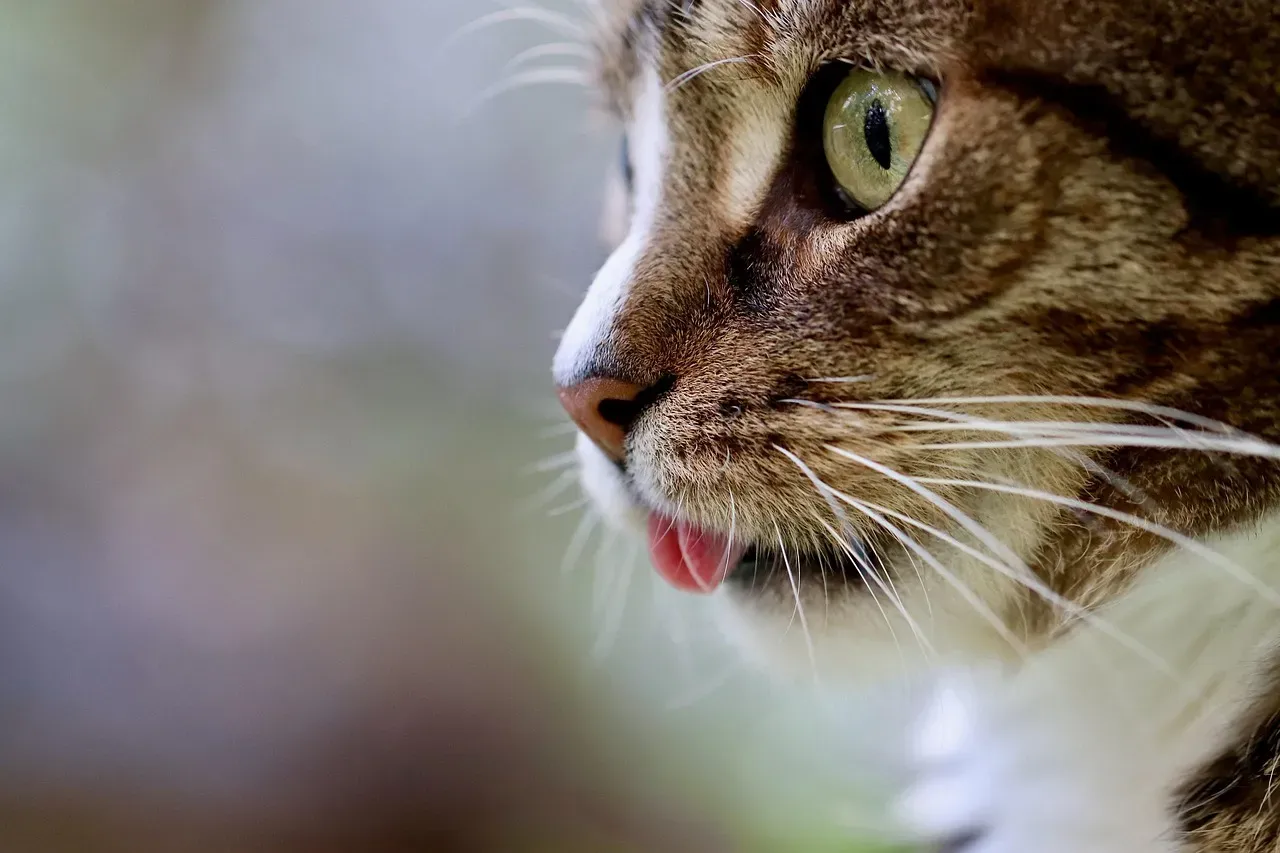
Most of the time, this behavior is completely harmless. It’s hard to say for sure without knowing your specific cat, but the good news is that most causes of wall-staring are benign. However, if your cat is staring at the wall and displaying any other symptoms, they should be brought in for an evaluation. Also schedule a vet visit if your cat has started staring at the wall and is elderly, as old cats staring at the wall are more likely to be suffering with a medical problem.
Although many people associate full-body seizures with epilepsy, cats more commonly suffer from partial seizures which can be much harder to recognize. They can manifest as twitches, drooling, abnormal movement, and even growling or vocalizing excessively. They can also cause affected cats to stare into space, so they may appear to be staring at walls. Additionally, older cats can develop feline cognitive dysfunction, similar to dementia in humans. Symptoms include disoriented staring, pacing, and changes in sleep patterns. If your senior cat stares more often and seems confused, a vet visit is warranted.
What You Should Actually Do When Your Cat Enters the Stare Zone
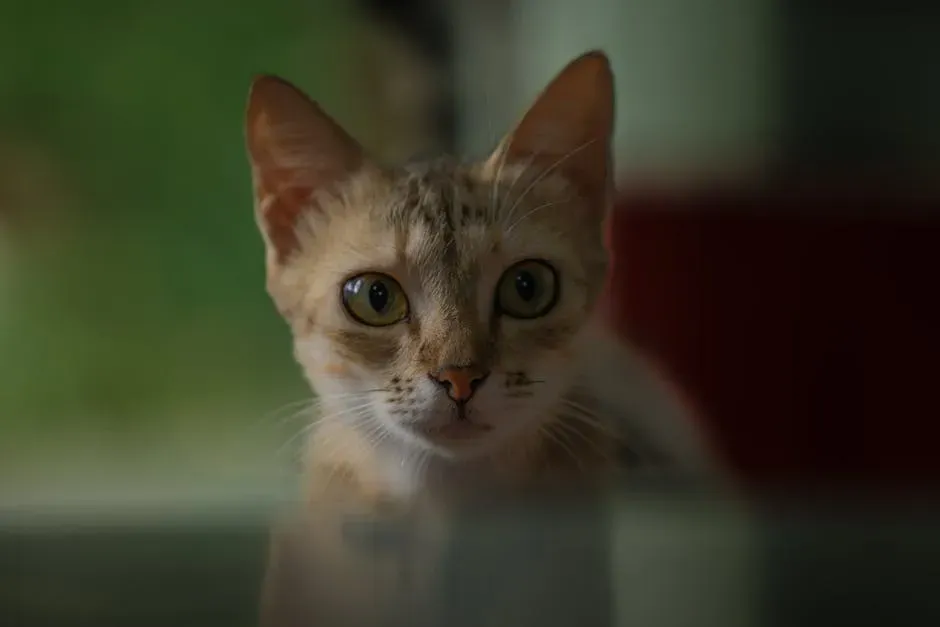
Here is some genuinely practical advice. The next time your cat locks onto an invisible point in your home, take a moment to observe them fully rather than immediately trying to break the moment. Understanding their body language and the context of the behavior is key. While often it is just your cat being a highly attuned observer of a world we can only glimpse, it is always wise to be aware of the signs that might warrant a closer look, or a trip to the vet.
You can distract your cat from their staring session by encouraging them to play or setting up a bird-watching station so they can stare out of the window instead. Providing cats with toys, play sessions, and food puzzles can meet their behavioral needs and channel all that finely-tuned sensory energy into something constructive. If you see your cat staring at the wall, it is probably not a cause for concern. However, if your cat’s behavior coincides with any concerning symptoms, you should take them to the vet to be on the safe side.
Conclusion: There Is No Nothing – Not in Your Cat’s World
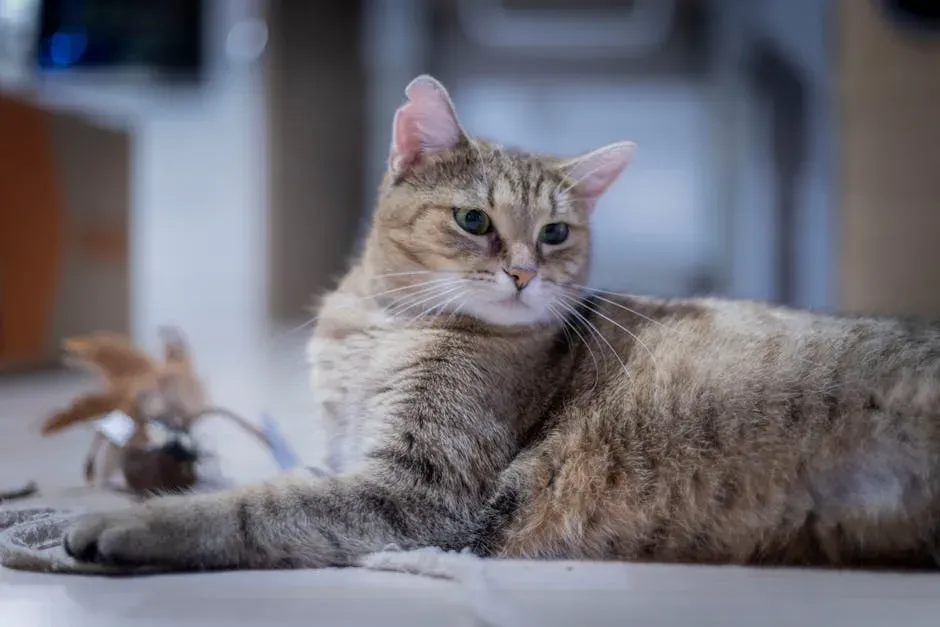
Your cat staring intensely at a blank wall is one of those small reminders that you are sharing your home with a creature whose experience of reality is genuinely different from yours. They are not broken. They are not haunted. They are exquisitely, almost impossibly, tuned in to a world buzzing with signals you will never fully perceive. The UV light bouncing off your skirting boards, the tiny scurry of a beetle three rooms over, the faint vibration of a pipe settling in the cold. To your cat, none of that is “nothing.”
Honestly, there is something almost humbling about it. We walk through our homes thinking we know exactly what is there, while our cats operate on a whole different frequency. The next time yours locks eyes with the void, maybe do not rush to interrupt. They might just be doing their job better than any of us realize. What would you sense if you could see the world through your cat’s eyes for just one hour?