You’ve probably seen it happen a dozen times. Your cat is lounging on the windowsill, looking perfectly relaxed, and then a bird lands on the fence outside. Suddenly, everything changes. The tail starts flicking. The eyes go wide and laser-focused. Your cat’s mouth opens, and out comes this bizarre, rapid clicking sound – something between a chirp and a machine gun. It sounds almost like your cat is trying to have a conversation. Honestly, it’s one of the strangest things cats do, and yet it’s completely universal.
So what’s really happening behind those dilated pupils? Is your cat frustrated, excited, faking bird sounds to lure in prey, or running some ancient evolutionary software that hasn’t been updated in thousands of years? The answer, it turns out, is far more fascinating than you might expect. Let’s dive in.
What Exactly Is Cat Chattering, Anyway?
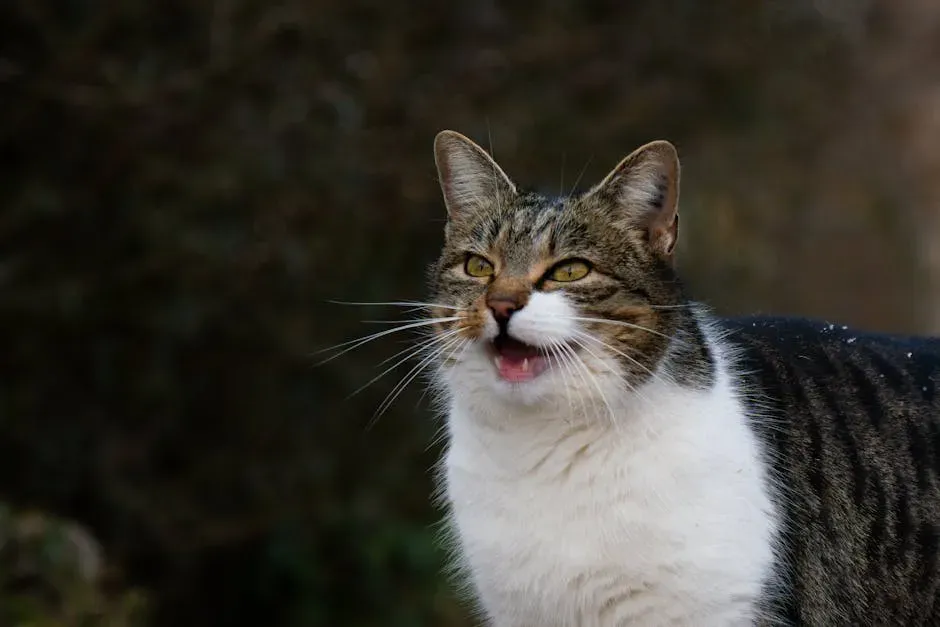
If you haven’t heard the sound before, imagine someone clicking their teeth together really fast while simultaneously making a high-pitched squeaking noise. That’s it. Cat chattering, also known as chirping or twittering, mimics the sounds of small prey like birds and squirrels, and it involves rhythmic jaw movements and an open mouth, often accompanied by physical signs like widened eyes and tilted ears, indicating your cat’s focused attention.
Cats are vocally gifted and can produce up to 21 distinct vocalizations, and while cat owners are accustomed to their pets meowing, chattering is a unique sound that occurs after seeing prey such as birds through the window, characterized by quick, rhythmic jaw movements interposed by short, high-pitched chirps and tweets. It’s unmistakable once you hear it. The kind of sound that makes you do a double-take and wonder what on earth is going on inside that little furry head.
The cat chattering described here typically occurs when the cat is looking at a bird outside the window, but it will also be directed at squirrels, chipmunks, and rabbits too. So the birds aren’t uniquely special – they just happen to be the most common target perched conveniently at eye level.
The Hidden Hunter Living in Your Couch Potato Cat
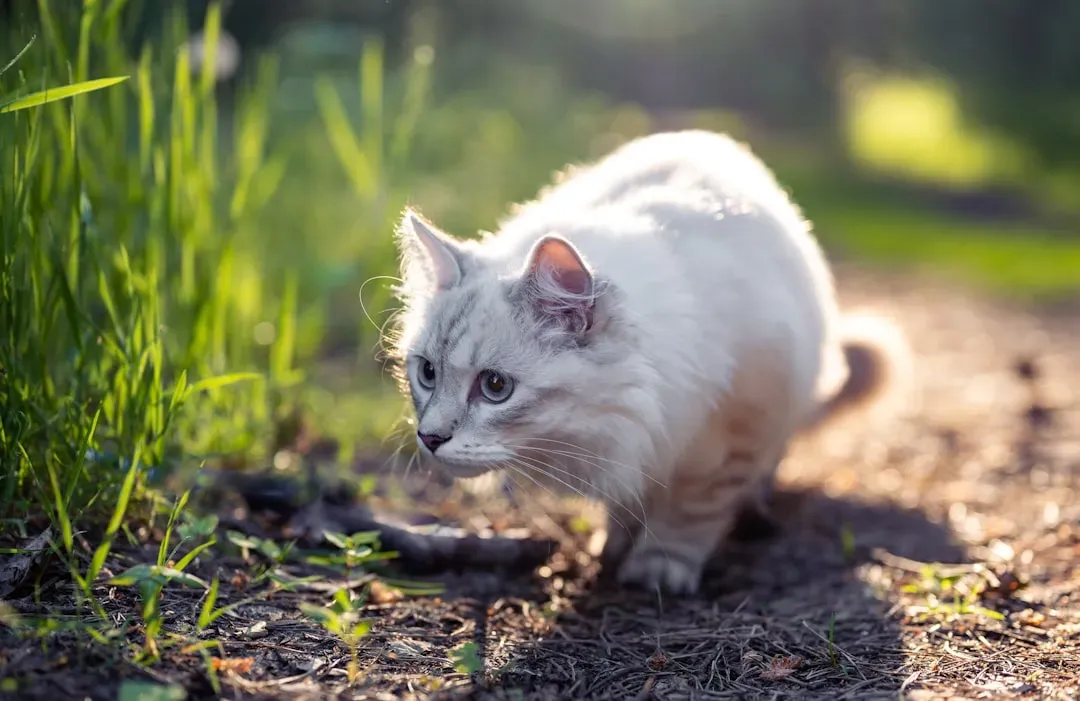
Let’s be real for a second. You look at your cat sleeping seventeen hours a day and it’s easy to forget what they actually are. Inside every cat, no matter how pampered, lives a hunter. When your cat sees a bird, squirrel, or other small creature moving quickly, instinct takes over – their pupils widen, their body stiffens, and the chatter starts.
In domestic cats, chattering may represent behavior retained from their wild ancestors. Domestic cats often have an abundance of food provided for them, but their hunting instincts remain deeply ingrained. When they see a bird or a small animal outside, their primitive instincts take over, and they become entranced by the potential prey – their chattering may reflect their struggle between natural instincts and the comfort of domestic life.
Some theorize that this noise is the result of evolution, meaning that cats who made these specific noises were able to catch their prey with greater success. It doesn’t matter if you give your cat four meals a day – you can’t change the fact that your cat is a predator, and it’s only natural for their hunting instincts to kick in when they see an appetizing animal. Think of it like a sprinter who still twitches their legs in their sleep. The muscle memory never really goes away.
The Prey Sequence: Your Cat Has a Full Hunting Protocol
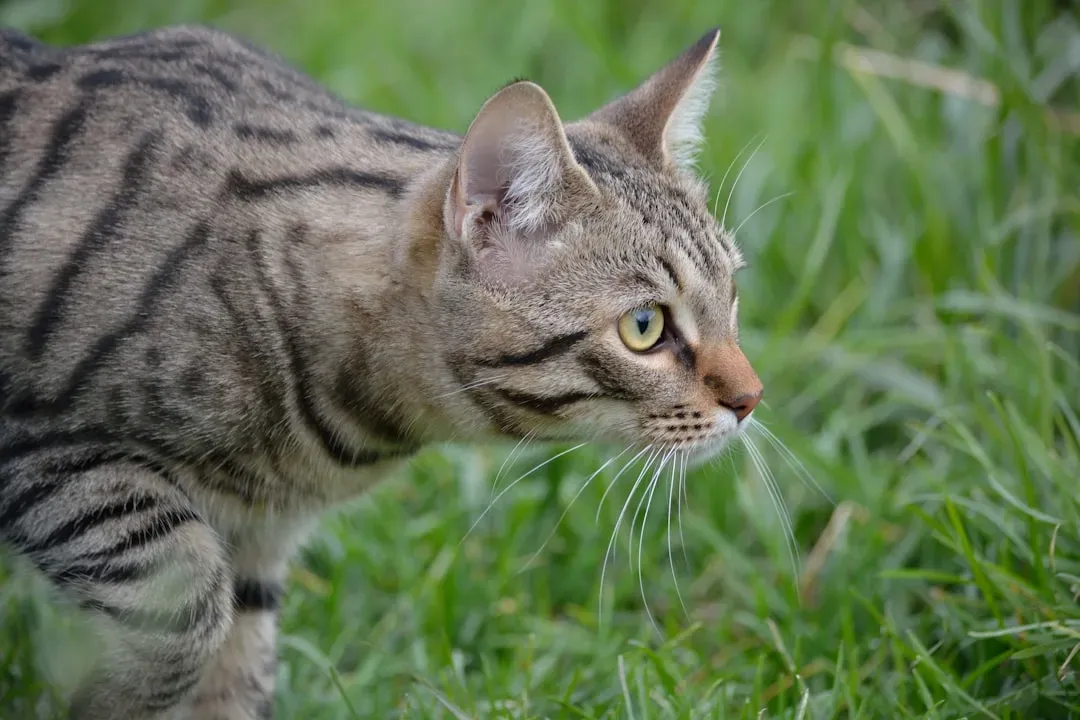
If your cat gets excited about birds and squirrels outside windows, this can initiate something called their “prey sequence,” or a series of behaviors that cats perform when they hunt. The first step of this prey sequence is staring at prey animals and getting excited – this is where your cat’s chirping or chattering might come in. The second step is stalking or chasing, then comes pouncing or grabbing, and lastly comes the killing bite.
It’s basically a four-step hunting program running automatically in the background, like an app that opens itself. Chattering fits into what behaviorists call the prey sequence. Cats have a built-in process for hunting, which involves spotting, stalking, pouncing, and biting. The jaw-shaking chatter you hear could be part of this series of actions, and some specialists think it mimics the jaw movement cats use when delivering the killing bite – an automatic reflex, as if their body is practicing the final step of a successful catch.
Theory One: Pure Frustration Is Being Spoken Out Loud
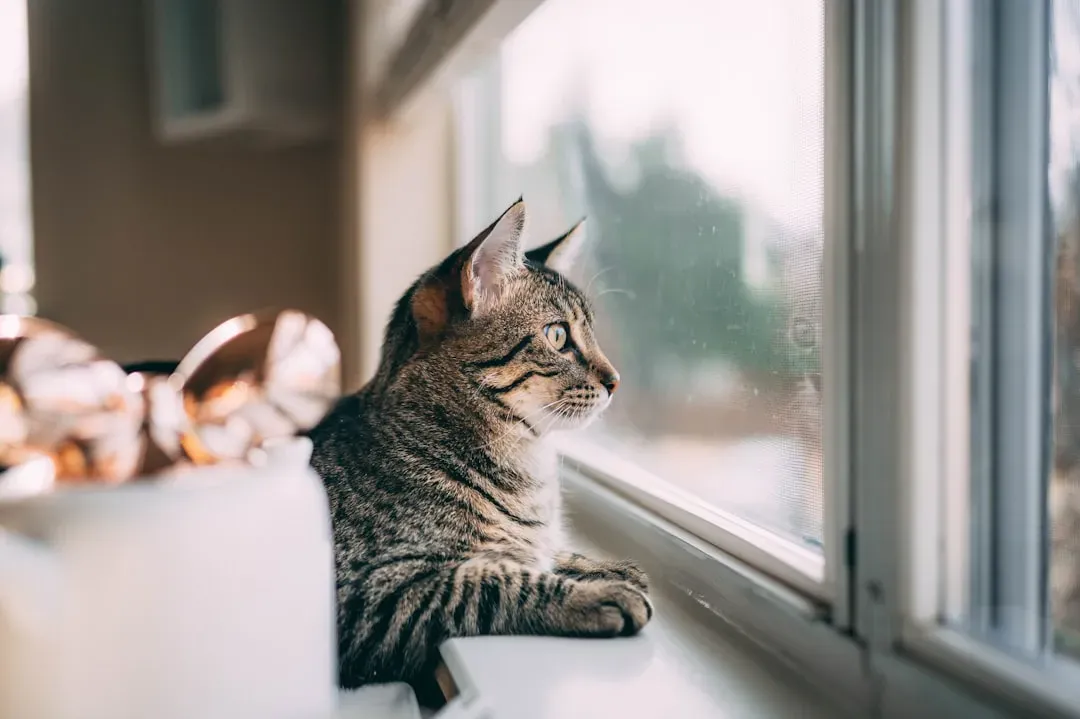
When a cat chatters while watching birds through a window, it may be due to frustration – they desperately want to catch the birds but are confined indoors. There’s something almost poetic and heartbreaking about it, like a world-class chef forced to watch someone else cook through a locked kitchen window. The craving is real, but the access is completely blocked.
According to some experts, the chattering may express a cat’s frustration over not being able to catch the bird, and this is especially the case when a window is in the way of a cat’s ability to capture the bird. Excitement can quickly turn to frustration, and eventually the chirping becomes more agitated, chattering out of frustration when they are unable to catch the bird through the window, adding to the anticipation. So what you’re witnessing isn’t really a conversation. It’s closer to the feline equivalent of grumbling under your breath.
Theory Two: Could Your Cat Actually Be Mimicking the Birds?
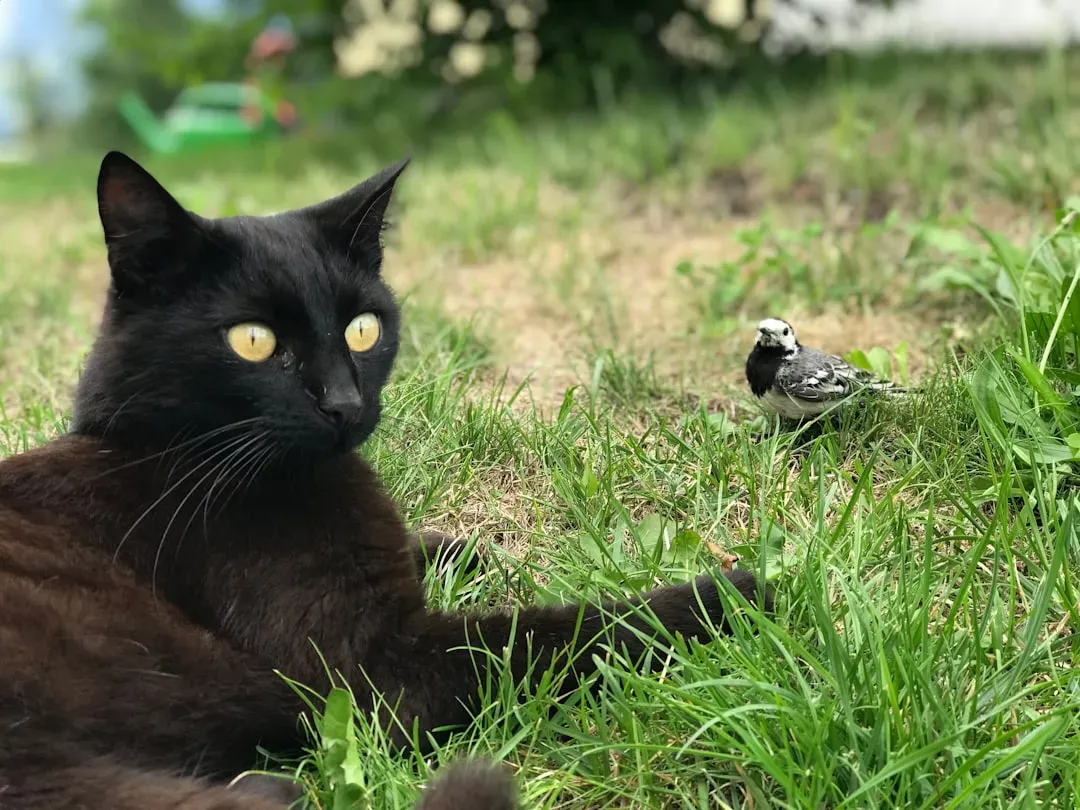
Here’s where things get genuinely wild, and I think this is the most exciting theory of them all. A relatively new and extraordinary theory is that cats chatter in an instinctive attempt to mimic their prey. On an expedition into the Amazon rainforests of Brazil in 2005, researchers from the Wildlife Conservation Society and the Federal University of Amazonas recorded a margay, a small wild cat, mimicking the chattering calls of its prey.
On that same expedition into the Amazon rainforests of Brazil, the margay vocalized calls to impersonate a baby pied tamarin, which attracted the primates to investigate the area around the wild cat. As they came closer to the margay, the feline attempted to catch one of the tamarins. So the idea that your domestic cat might be doing something similar – producing bird-like sounds to lure birds closer to the window – isn’t as crazy as it sounds. Researchers theorize that all cats may be able to copy the vocalizations of their prey, and while cats are known for their physical hunting abilities, this vocal manipulation of prey species indicates a cunning which merits further study.
Theory Three: The Adrenaline Rush That Has to Go Somewhere
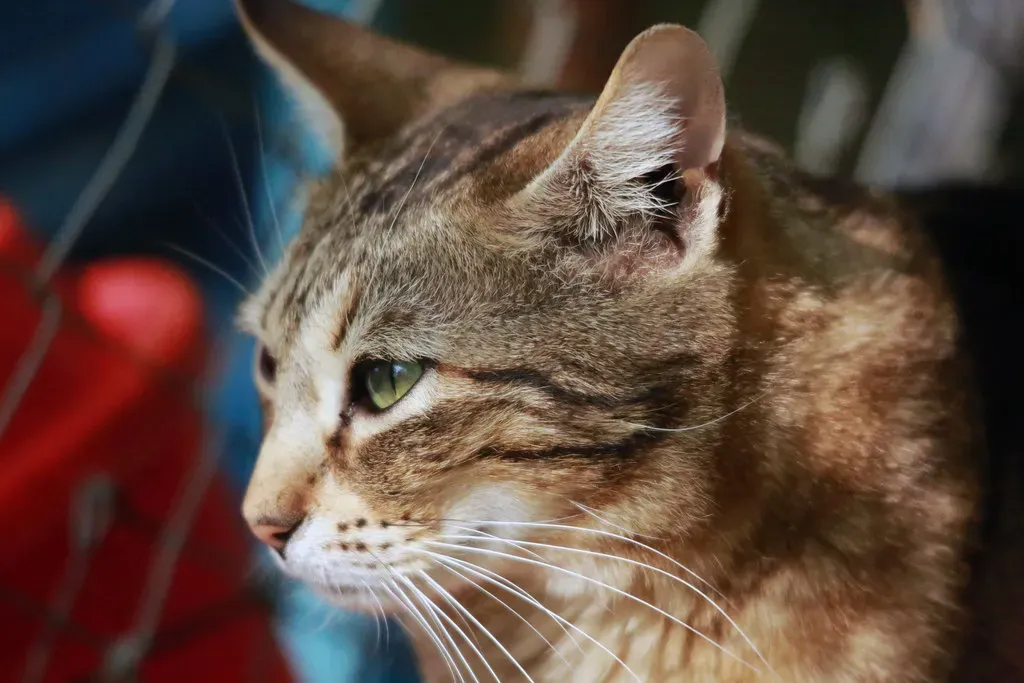
According to certified cat behavior consultant Marilyn Krieger, chattering might be caused by neurotransmitters such as dopamine, as well as the hormone cortisol and adrenaline that are released into the system. Think of it like your own body’s reaction when you narrowly avoid a car accident – the adrenaline floods in and your hands shake, even though nothing physically happened. Your cat is experiencing something very similar at the window.
The chattering sound could be a response to adrenalin that starts pumping when the cat sees something within range. Many humans start to shake uncontrollably when they are overly excited, and the chattering your cat makes can be something similar. Your cat might not chatter in a real hunt because they burn off the adrenalin in the pursuit as they prepare to take down their prey. It’s a neat explanation when you think about it. When there’s nowhere to run, the energy has to go somewhere – and it comes out through the jaw.
The Kill Bite Reflex: A Body Rehearsing Something It Can’t Finish
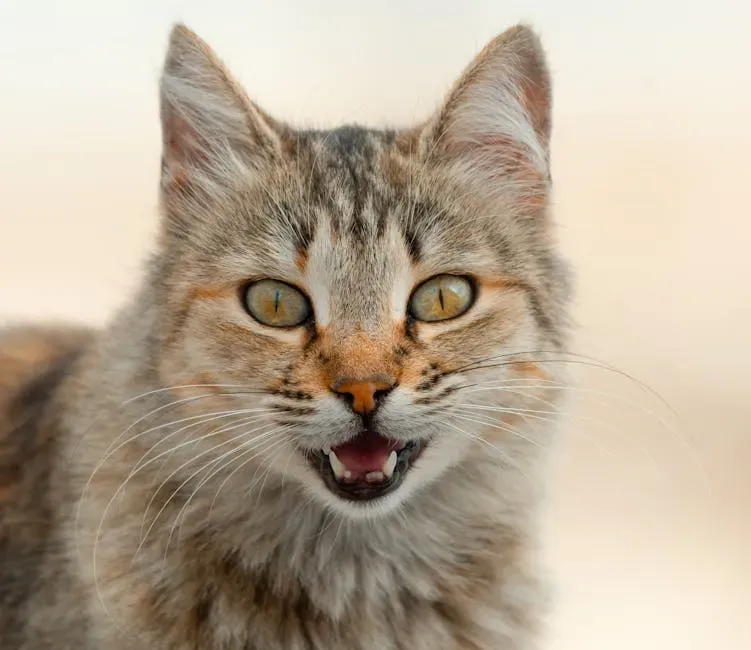
This is the theory that honestly makes me pause every time. The chattering mimics a kill or death bite – the theory goes that cats mimic the bite to the back of the neck they would usually perform when terminating prey, and that the sight of a bird or small animal is enough to drive a cat to perform a version of this action intuitively. It’s like a boxer shadow-boxing before a fight they can’t enter. The body runs through the motions anyway.
Another potential reason for the chattering is that it is a reflex motion before attempting the killing bite to the prey’s neck. Some people believe that the rapid movement of the jaw is an involuntary mechanism that allows the cat to achieve a lightning-fast kill bite that might not be possible with a voluntary action, and since cats usually kill their prey quickly, we might not have time to see it occur during a real hunt. In other words, your cat’s jaw is rehearsing the finale of a hunt that the window refuses to let happen.
What You Can Do to Help Your Chattering Cat Thrive
Trying to stop a cat from this behavior would be like trying to stop a bird from singing or building a nest. It’s completely harmless and an evolved genetic trait in cats, and furthermore, removing your cat’s outlet for performing their natural prey sequence can cause them to become stressed. So please, resist the urge to shut the curtains every time your cat goes into hunter mode at the window.
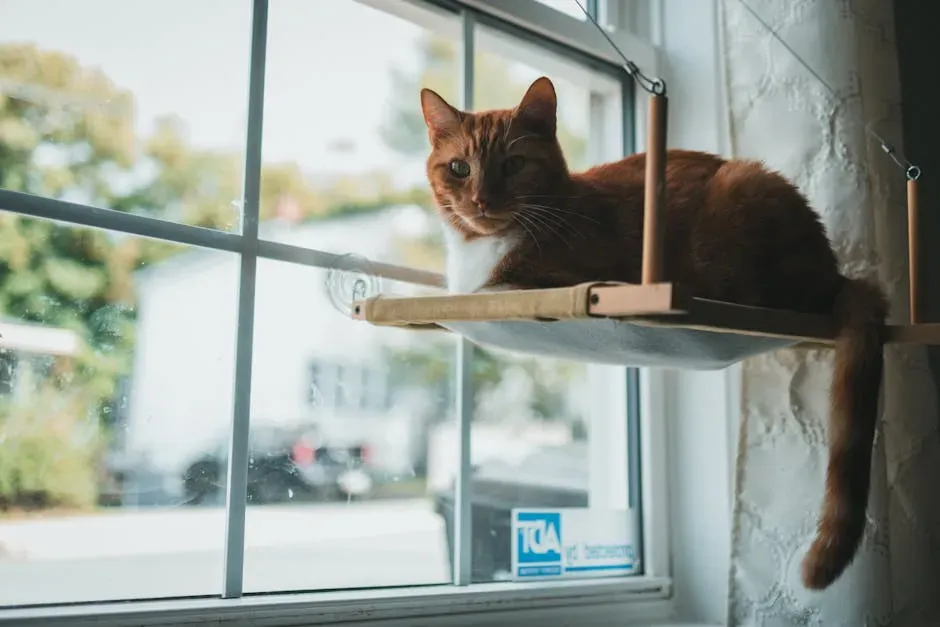
Give your cat a good view of the outdoors with a perch near a window. A bird feeder outside can provide great entertainment and mental stimulation, and indoors, try puzzle toys or wand games that let your cat stalk and pounce safely. These activities help burn off energy and fulfill their hunting drive. Scheduling regular play sessions with wand toys or feather teasers can mimic the thrill of hunting and keep your cat active, and rotating your cat’s toys weekly helps maintain their interest. Think of yourself as a personal trainer for a small, perpetually underpaid predator.
Conclusion
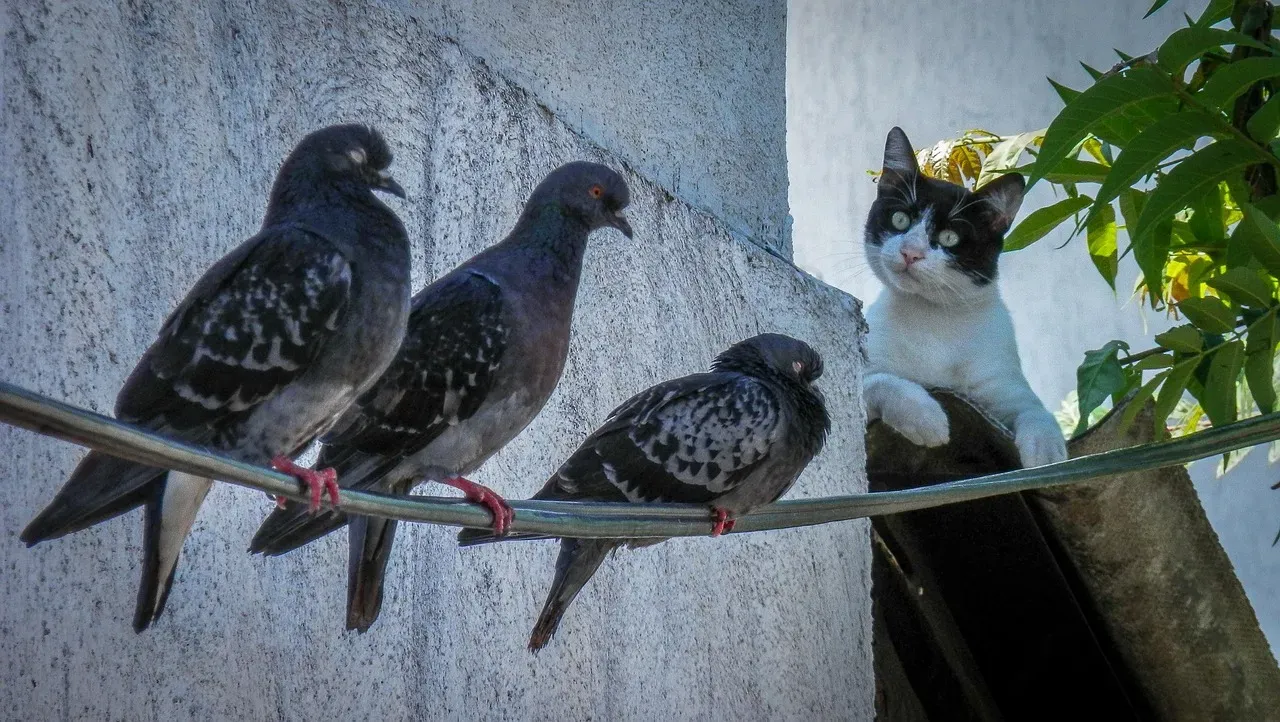
Your cat’s window-side chattering is one of those behaviors that looks quirky on the surface but reveals something profound underneath – a living creature bridging thousands of years of wild ancestry and a cozy domestic life, simultaneously. The chirping and chattering of cats at birds is a captivating behavior that offers a window into their instinctive hunting nature and communication strategies, reflecting a blend of excitement, frustration, and predatory anticipation.
Whether your cat is mimicking bird sounds like a tiny wilderness spy, rehearsing the kill bite their body refuses to forget, or simply venting frustration at a glass barrier that ruins everything – the behavior is real, it’s ancient, and it matters. Cats chatter at birds because instinct, excitement, and old hunting strategies all play a role, and it’s one of those small reminders that, despite the cozy naps and fancy food, your cat is still a natural-born predator.
Next time you catch your cat locked onto a bird through the glass, don’t interrupt. Just watch. You’re getting a front-row seat to millions of years of evolution playing out on your windowsill. And honestly – how many people can say that about their mornings? What do you think your cat is really feeling in those moments? Drop your thoughts in the comments.