You’ve probably noticed your cat has quite a bit to say. Maybe it’s a short chirp when you walk through the door, or an insistent meow echoing through the hallway at dinner time. Sometimes it feels like your furry friend is holding an actual conversation with you, complete with different tones and inflections. The truth is, your cat isn’t just making random noises. They’re actively communicating with you in ways that are far more sophisticated than most people realize.
What makes this even more fascinating is that cats have basically created a language specifically for humans. That’s right, those meows aren’t really meant for other cats. Over thousands of years living alongside people, your feline companion has developed an entire vocal repertoire designed to get your attention, manipulate your emotions, and yes, sometimes just say hello. Let’s explore the surprising reasons behind your cat’s chattiness and decode what they’re really trying to tell you.
Your Cat Literally Invented a Language Just for You
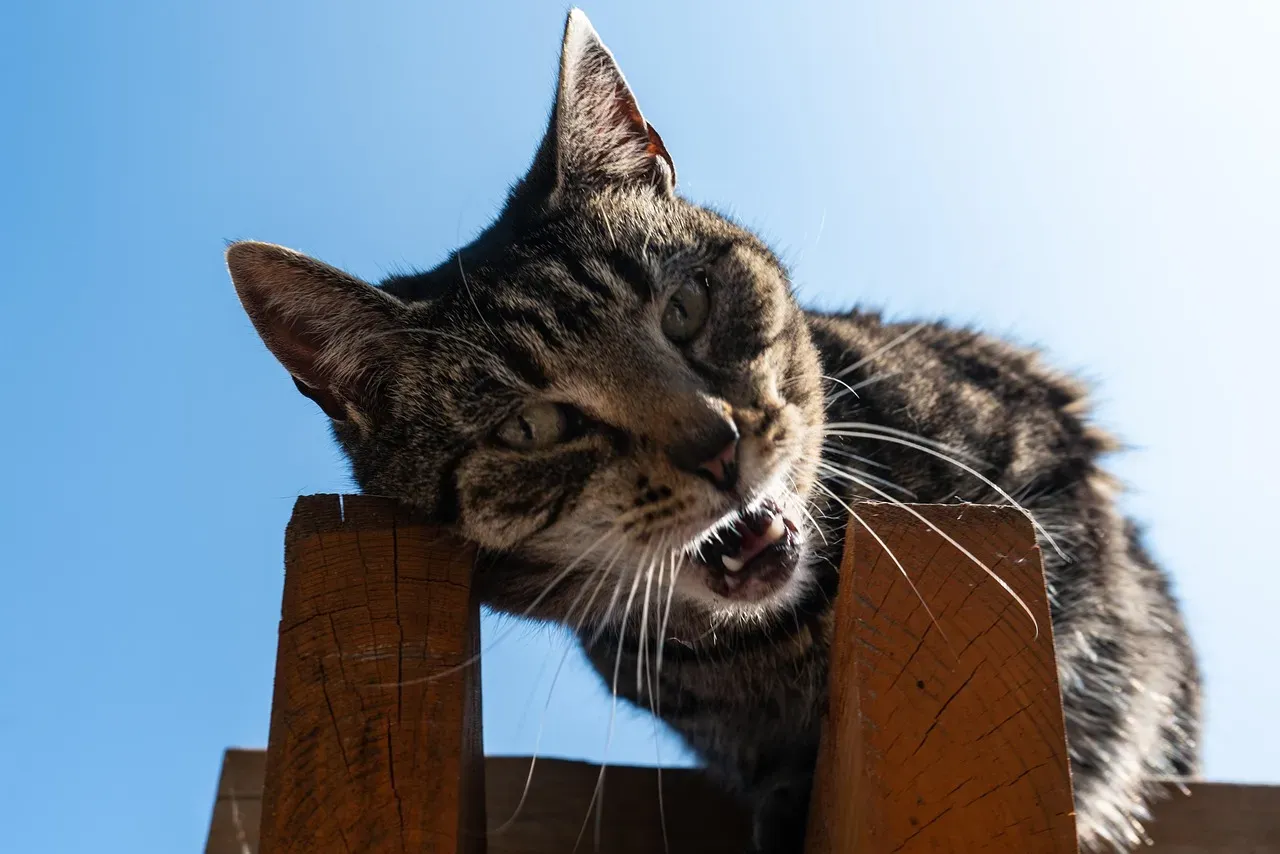
Here’s something that might blow your mind: adult cats rarely meow to each other, and meowing to humans is likely a post-domestication extension of mewing by kittens. When cats interact with one another, they rely on body language, scent marking, and other non-vocal cues. The meow? That’s reserved almost exclusively for us humans.
Cats probably first encountered humans roughly 10,000 years ago when people began establishing permanent settlements, and over time these cats developed closer bonds with humans. Think about it like this: cats figured out early on that we humans respond really well to vocal sounds. We’re talkers, after all. So cats that could effectively “speak” to us had a better chance of getting food, shelter, and affection. Pretty clever, honestly.
Vocalizations of domestic cats have changed to become more pleasant to the human ear, which is likely why felines have evolved to meow almost exclusively to humans. Your cat’s meow has essentially been fine-tuned over millennia to push all the right buttons in your brain. It’s hard to say for sure, but this might be one of the most successful communication adaptations in the animal kingdom.
They’re Master Manipulators (and That’s Kind of Adorable)
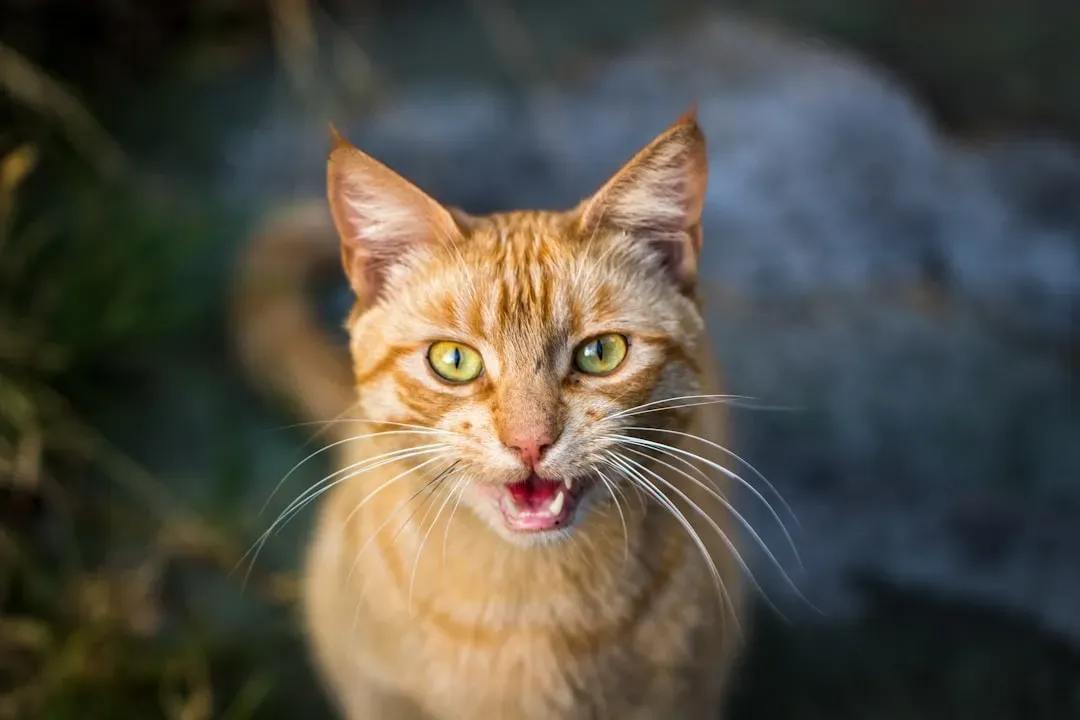
Let’s be real: your cat knows exactly what they’re doing when they meow at you. Research suggests cats have refined their meows specifically to manipulate people, and cats can learn to modify the characteristics of their meows, such as their tone or duration, to let people know what they want. That drawn-out, pitiful cry at 6 AM? Totally calculated.
Most cat sounds are generally negative, expressing needs like “I’m hungry” or “Why have you been gone so long,” and many researchers think meows are purely manipulative. Your cat has learned that certain sounds produce certain results. It’s behavioral conditioning at its finest.
Though they lack language, cats have become very skilled at managing humans to get what they want, and cats are domesticated animals that have learned what levers to push. This doesn’t mean your cat doesn’t love you. They absolutely do. It just means they’ve figured out the most efficient way to communicate their needs to a totally different species. When you think about it that way, it’s actually pretty impressive.
You’ve Developed a Secret Language Together
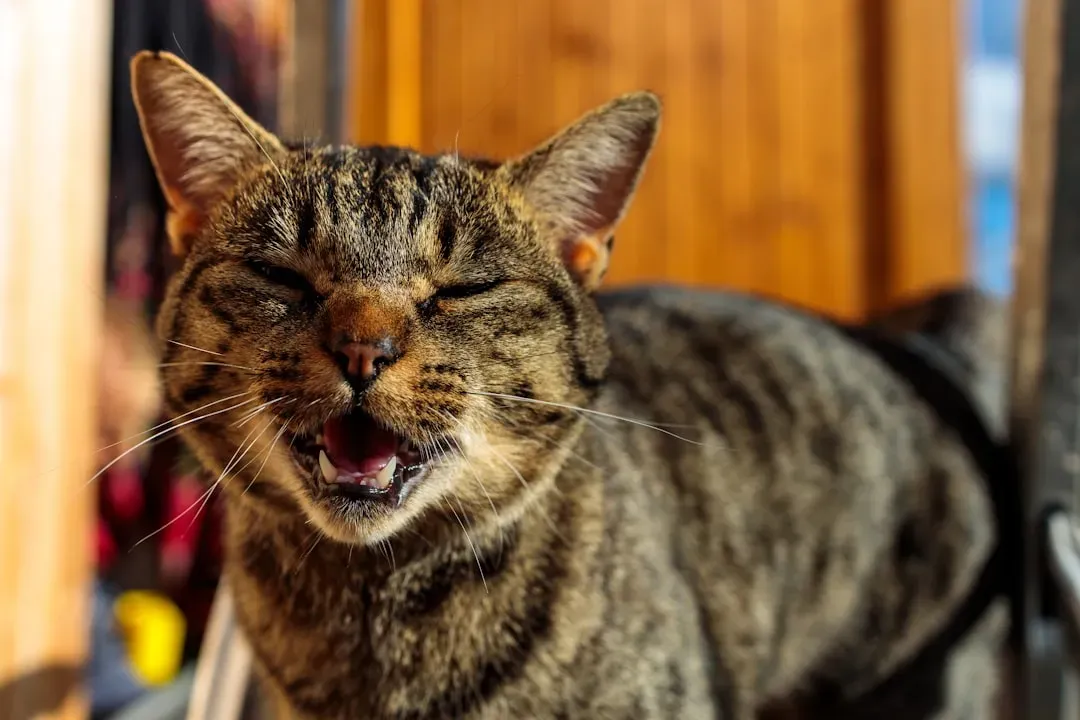
It turns out that humans are better at interpreting meows from a familiar cat than a random one, which suggests that cat-human pairs learn together to develop a mutual understanding. You’re not imagining things when you think you can tell the difference between your cat’s “feed me” meow and their “let me out” meow. You actually can.
Your cat has likely developed a personalized vocabulary just for your household. Cat owners are significantly better at understanding their cat’s vocalizations than non cat-owners. This is because you and your cat have spent time together, learning each other’s communication styles and building associations between sounds and outcomes.
Cats can recognize the difference between pet-directed language and adult conversation, and cats speak more when they are spoken to. So if you’re one of those people who talks to your cat in a special voice, keep doing it. Your cat notices, appreciates it, and will likely be more vocal with you as a result.
Different Meows Mean Completely Different Things
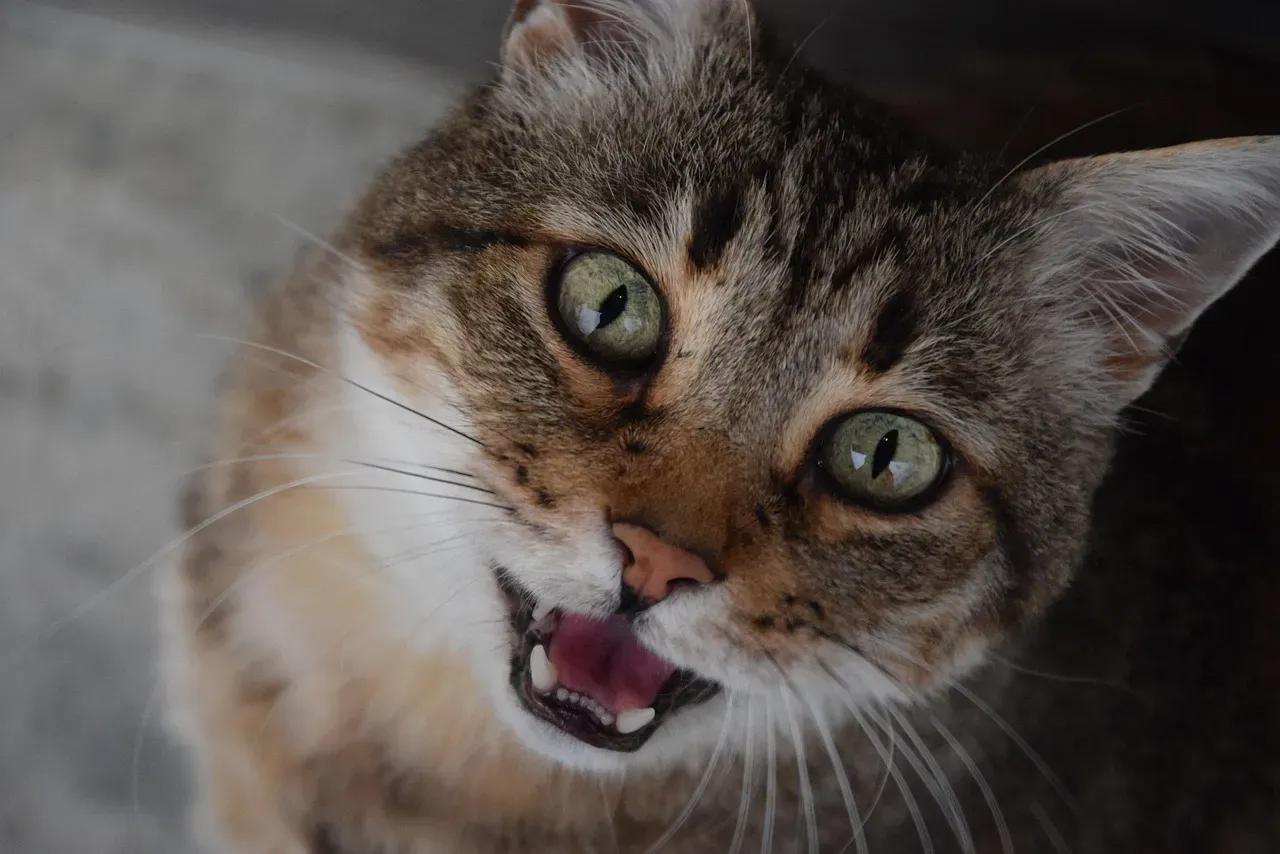
Not all meows are created equal. One researcher claimed that cats had six different forms of meows to represent friendliness, confidence, dissatisfaction, anger, fear, and pain. Your cat’s vocal toolkit is surprisingly diverse, with each sound serving a specific purpose depending on the situation.
The standard meow is mid-length and mid-pitched, typically the “asking for something” sound, while a short high-pitched mewl usually means “hello,” and a long, drawn-out meow usually means your cat wants something specific. Pay attention to the pitch, duration, and intensity of your cat’s vocalizations. These variations aren’t random.
Repeated meows may indicate that your cat is excited, while high-pitched meows can mean your kitty is startled or hurt, and low-pitched meows express unhappiness. Context matters too. Is your cat standing by their food bowl? Near the door? Following you around the house? The location and circumstances can give you major clues about what they’re trying to communicate.
That Adorable Chirp Is Actually a Greeting
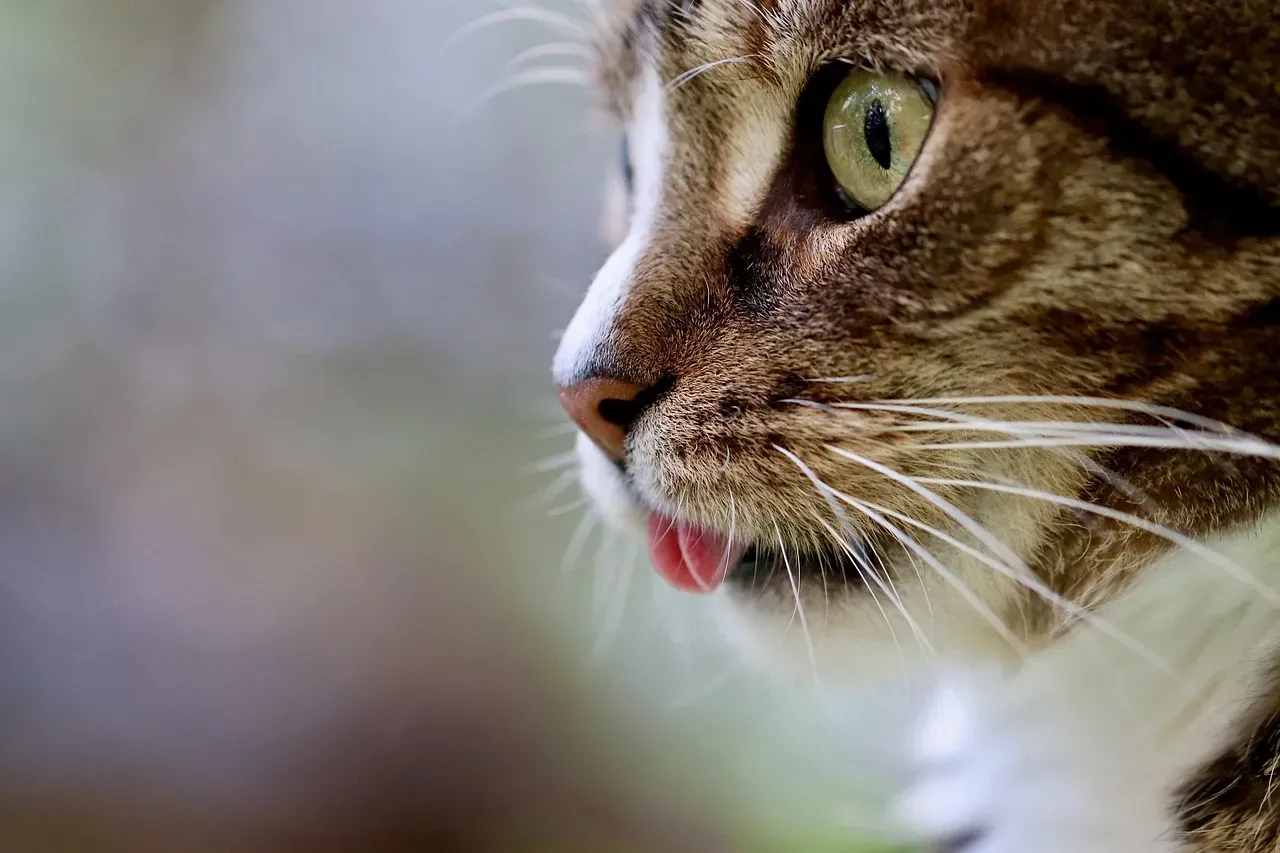
If your cat makes a cute, rolled “brrrp” sound when they see you, congratulations! Chirps are generally used for greeting, attention, acknowledgment and approval. That little trill is basically your cat’s way of saying they’re happy to see you.
Mother cats use trilling to communicate with their kittens, guiding them or calling them back to safety, and it’s a nurturing behavior that shows the bond between a mother cat and her offspring. When your adult cat trills at you, they’re treating you like family. It’s one of the most affectionate sounds in their repertoire.
In general, trills and chirps are happy sounds that are meant as greetings to other cats or to humans. Not all cats are big trillers, though, and that’s perfectly normal. Some cats are just quieter by nature. If your cat doesn’t chirp or trill, it doesn’t mean they love you any less.
Purring Isn’t Always What You Think
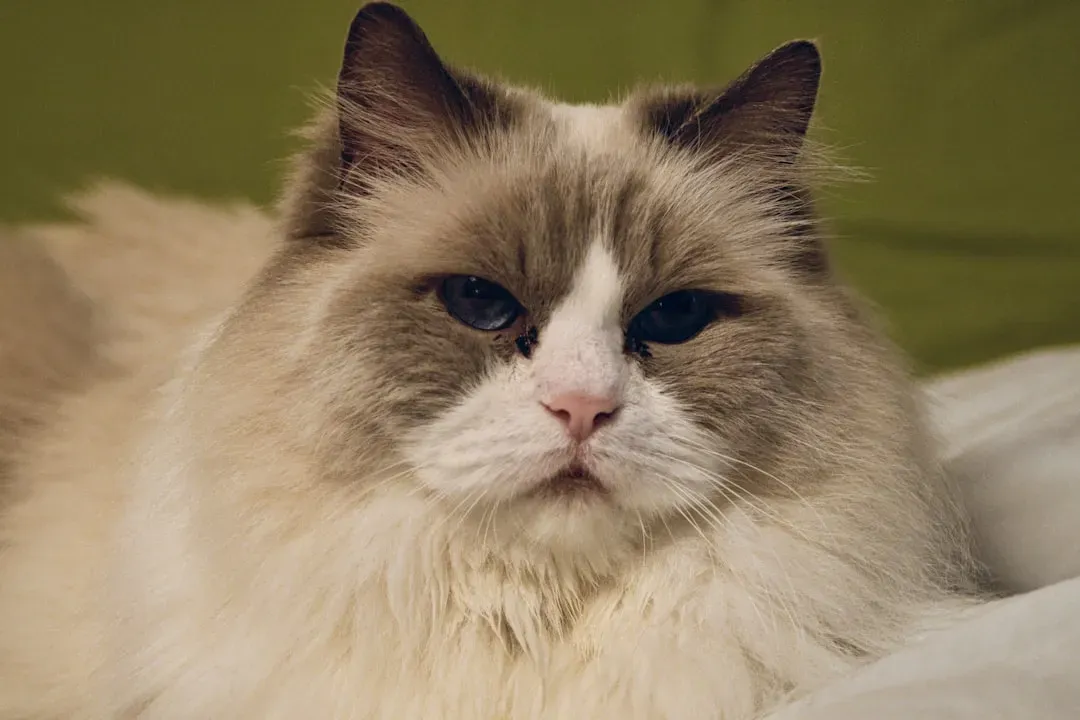
Most people assume purring always means happiness, and usually it does. Cats may purr for a variety of reasons, including when they are hungry, happy, or anxious, and in some cases purring is thought to be a sign of contentment. That rumbling sound while your cat cuddles on your lap? Yeah, they’re pretty content.
But here’s where it gets interesting. Cats sometimes purr when they are ill, tense, or experiencing traumatic or painful moments such as giving birth, and it has also been suggested that purring can act as a soothing mechanism and can promote healing. Purring can be a form of self-comfort during stressful situations.
Purring must be evaluated in context with the cat’s body language, and if the cat’s ears are back, their pupils are dilated, they’re tense or hunched up, or they’re acting differently than normal, then purring may indicate the cat is uncomfortable. Always look at the whole picture, not just the sound in isolation.
Chattering at Birds Is Their Hunting Instinct Kicking In
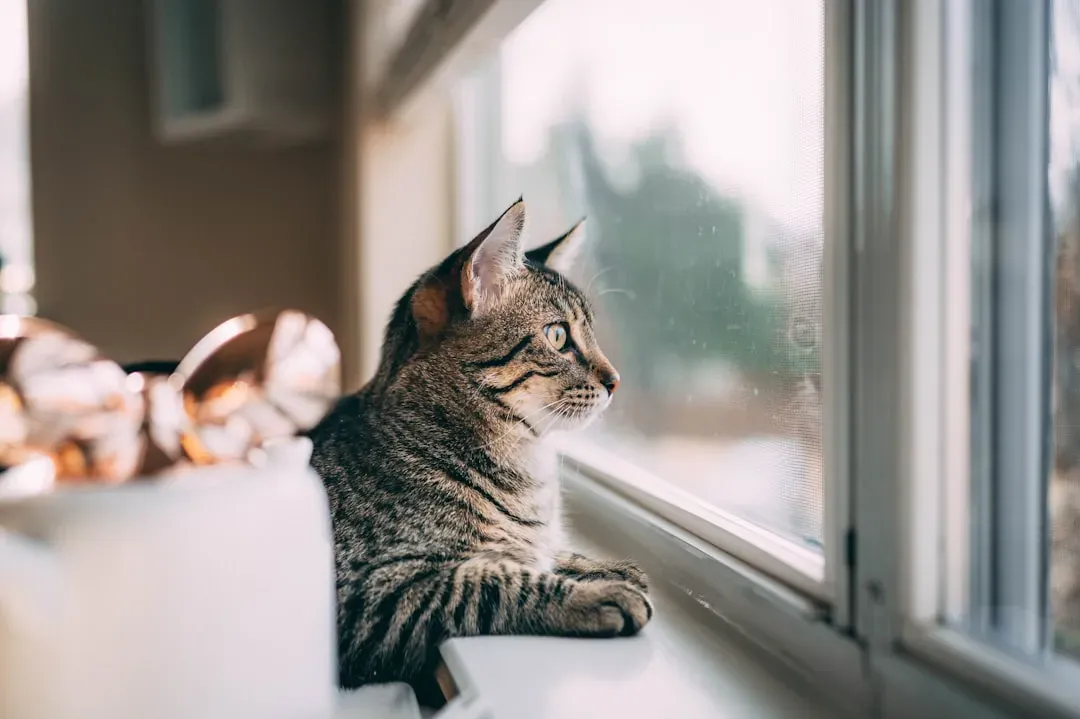
You’ve probably seen this: your cat spots a bird outside the window and suddenly starts making this weird chattering or clicking sound with their jaw. One of the most common reasons a cat chirps is when they see potential prey they cannot access, and in this context a chirp can indicate excitement mixed with a little frustration. Your cat is essentially in hunting mode.
When watching squirrels or birds outside the window, a chirp can indicate excitement mixed with a little frustration. It’s like your cat’s brain is firing on all cylinders, ready to pounce, but they’re stuck behind glass. The result is that rapid-fire chattering sound that’s equal parts adorable and intense.
Some experts believe this chattering might even be your cat mimicking the sounds of their prey. It’s an instinctive behavior that goes way back to their wild ancestors, and it shows just how deeply embedded the hunting drive is in even the most pampered house cat.
Excessive Meowing Can Signal Something’s Wrong
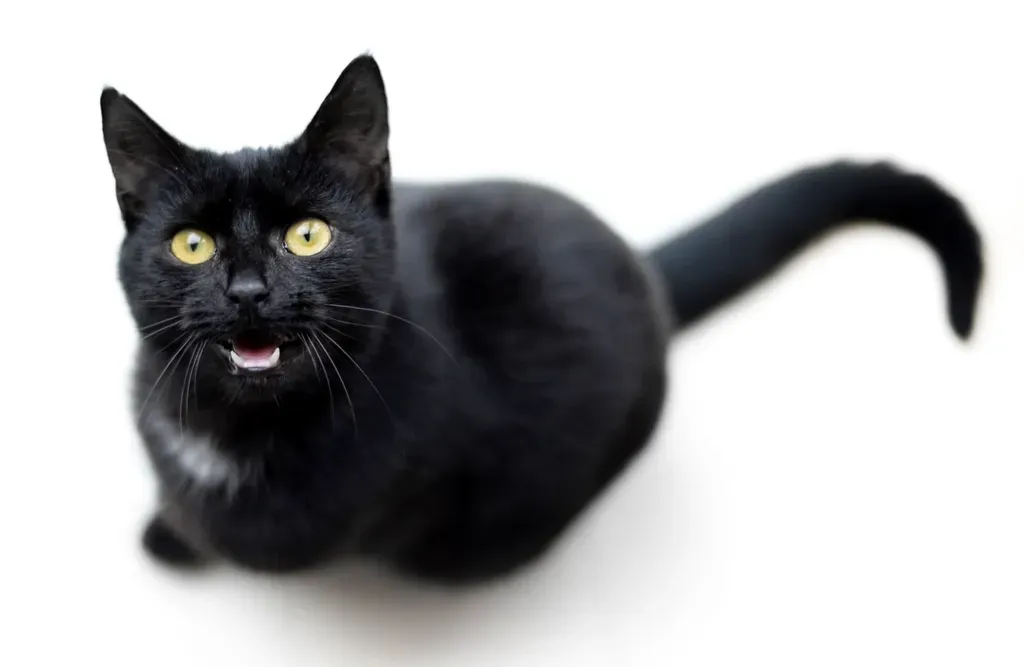
While chatty cats are often just being social, sometimes increased vocalization can indicate a problem. A cat who meows a lot should be checked thoroughly by a veterinarian to ensure a medical condition is not the cause, and numerous diseases can cause cats to feel unusually hungry, thirsty, restless or irritable. If your normally quiet cat suddenly becomes a chatterbox, pay attention.
As cats age, they’re prone to developing an overactive thyroid and kidney disease, and either one may result in excessive meowing. Senior cats may also develop cognitive issues that cause confusion and increased vocalization, especially at night. These situations definitely warrant a vet visit.
Sometimes a cat meow can indicate anxiety, boredom, frustration, or even illness, particularly if it’s lower-pitched and more drawn out, and if your cat is meowing more than usual or if their meows start to sound different, call your veterinarian. Trust your instincts. You know your cat best, and if something feels off, it’s worth getting checked out.
They’re Actually Trying to Understand You Too
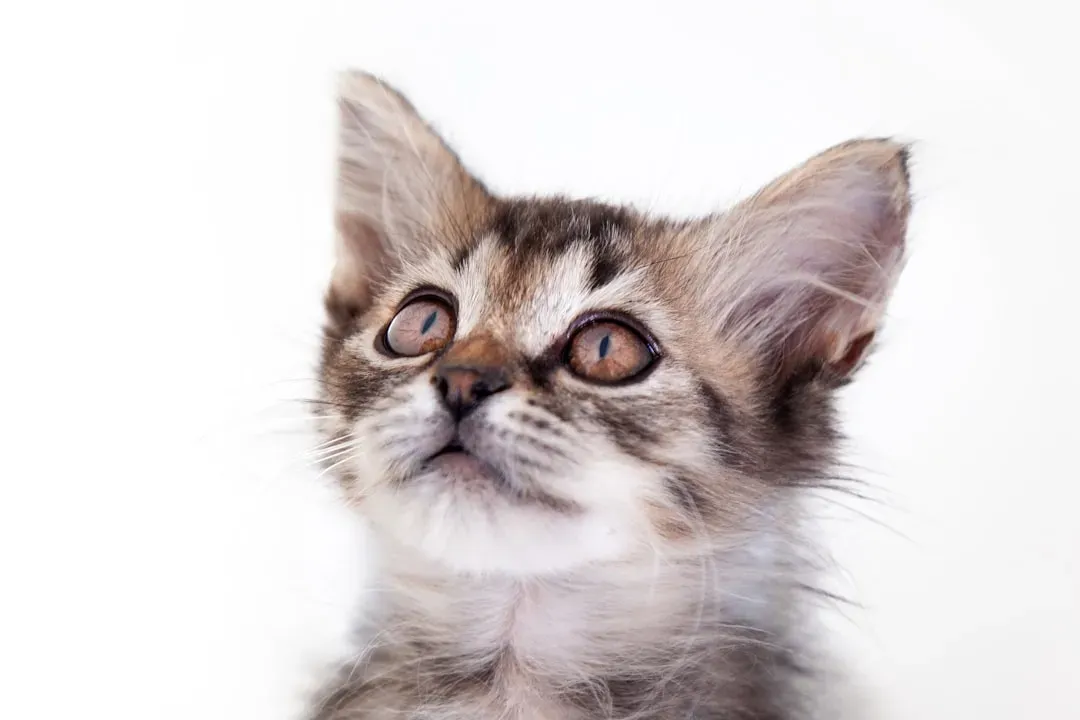
Communication is a two-way street, and your cat is paying attention to you as much as you’re paying attention to them. Recent research suggests that cats respond to pet-directed speech, and a 2022 study found that cats could distinguish between speech addressed to them and speech addressed to adult humans, particularly when the speech came from the cats’ owners. Your cat knows when you’re talking to them versus when you’re talking to someone else.
Research shows that cats can recognize their own names, familiar voices, and even the names of other household members, demonstrating their sophisticated ability to learn and respond to human vocal cues. Your cat might not understand the words themselves, but they’re definitely picking up on patterns, tones, and associations.
Sometimes your cat meows back at you for the same reason your neighbor reciprocates small talk, they’re just being friendly, and meows are a unique form of communication reserved for conversing with humans. When your cat meows back at you during a “conversation,” they’re engaging in social bonding. It’s their way of maintaining connection with you.
Your Cat’s Vocalizations Have Changed Since Domestication
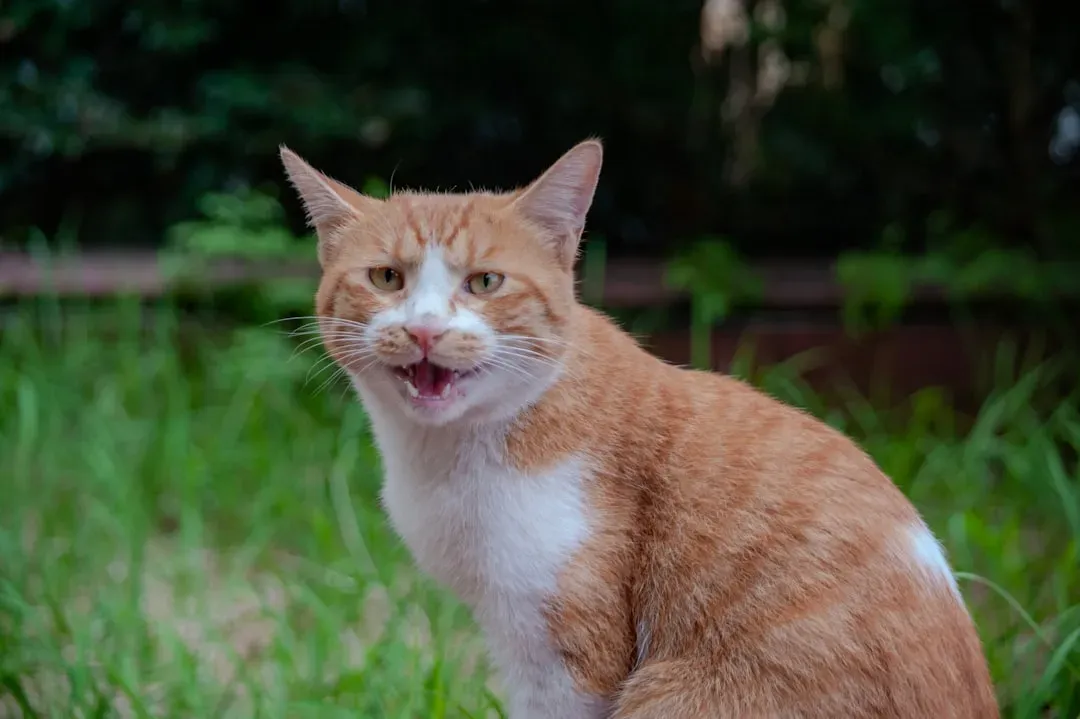
Wild cats are actually pretty quiet creatures. Over time, cats have evolved to use vocal signals that resonate with our nurturing instincts, and this two-way communication highlights the unique relationship we’ve developed with our feline friends. Domestication hasn’t just changed how cats look; it’s fundamentally altered how they communicate.
Domestic cat meows are more pleasant to the human ear than wild cat calls, which supports the idea that human senses have been exploited during the evolution of the domestic cat vocal signals. Your cat’s voice has literally evolved to be more appealing to you. It’s natural selection driven by the cats that were best at getting humans to care for them.
Cat meows are less threatening, more high-pitched and kitten-like, and people are more sensitive to this type of sound and also more likely to respond positively. Cats have essentially learned to exploit our parental instincts by sounding more like helpless babies. Sneaky? Sure. Effective? Absolutely.
Conclusion: Your Cat Is a Communication Expert
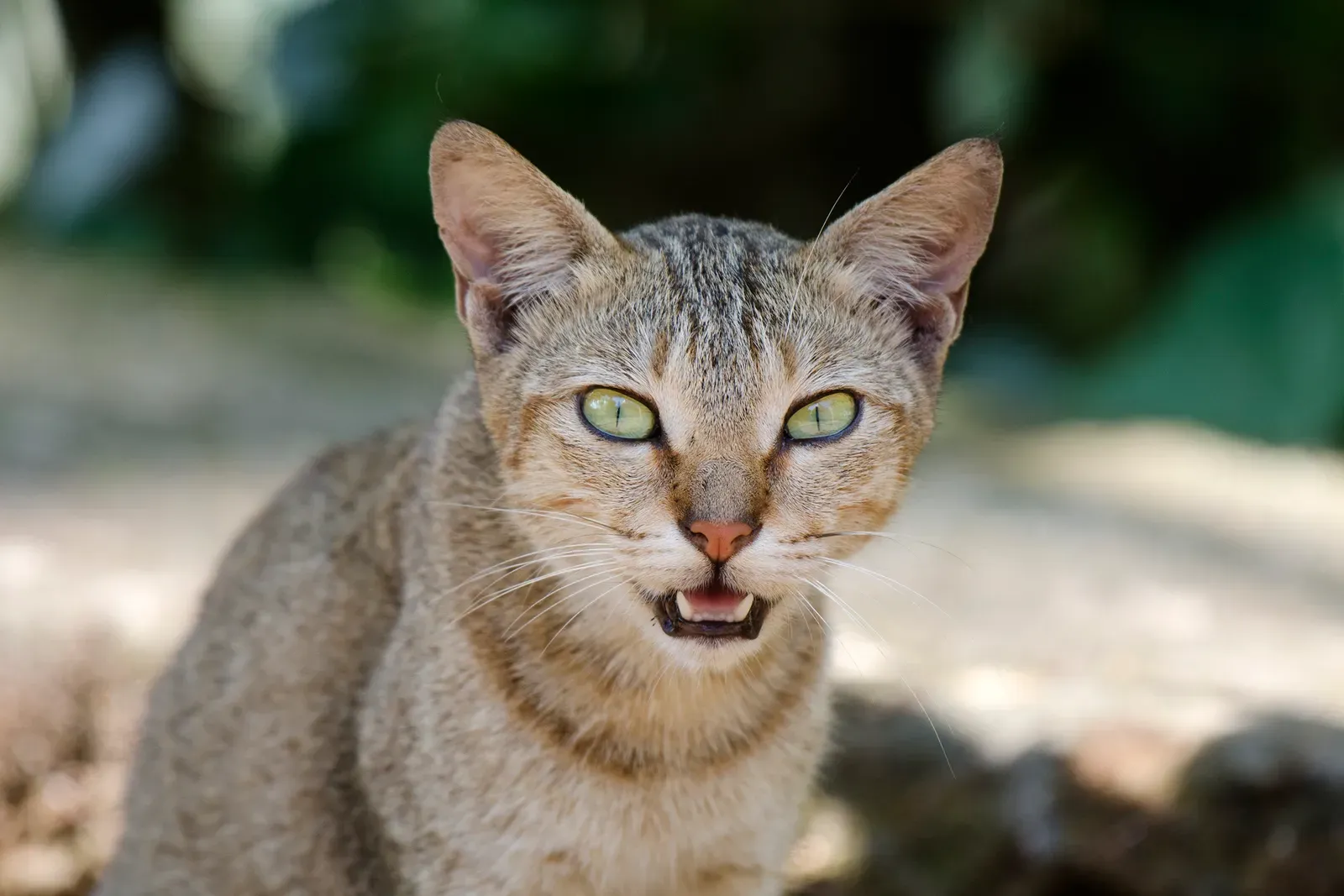
Your cat’s vocalizations represent thousands of years of evolutionary fine-tuning and individual learning. They’ve developed a complex communication system specifically designed to bridge the gap between two very different species. Every meow, chirp, trill, and purr carries meaning, whether it’s a simple greeting, a specific request, or just a way of maintaining your bond.
The next time your cat starts “talking” to you, take a moment to really listen. Pay attention to the pitch, duration, and context of their vocalizations. Notice their body language. Over time, you’ll become even better at understanding what they’re trying to tell you. This unique form of communication is one of the things that makes the cat-human relationship so special and rewarding.
So, does your cat have a favorite sound they make? Have you figured out what any of their specific meows mean? The more you engage with your cat’s attempts at communication, the stronger your bond will become.