You’re finally asleep after a long day. Then suddenly, somewhere between three and five in the morning, there it is. A gentle paw on your face. A persistent meow. Maybe even your cat walking directly across your head as if you’re nothing more than a warm, inconvenient obstacle in their path.
Let’s be real, waking up too early because of your cat is one of those frustrations that can genuinely affect your quality of life. This isn’t just a cute quirk to laugh about when you’re exhausted before an important meeting or trying desperately to catch up on sleep during the weekend. The thing is, your cat isn’t trying to drive you crazy on purpose. There are actual reasons behind this behavior, and understanding them might help you both get the rest you need. So let’s dive in.
Your Cat’s Internal Clock Is Wired Differently Than Yours
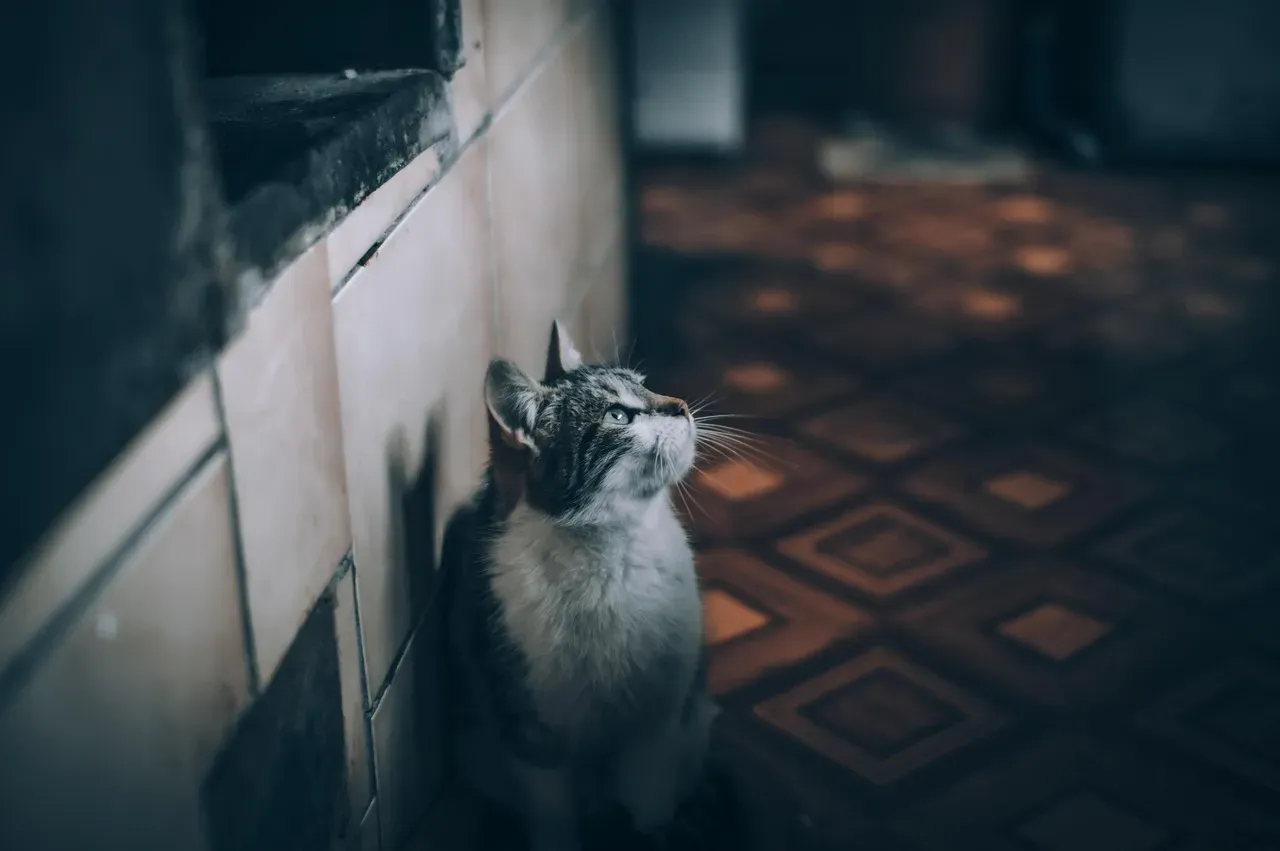
Here’s something that might surprise you: cats are crepuscular, which means they are most active at dawn and dusk, not truly nocturnal animals. While you’re sound asleep, your cat’s brain is telling them it’s time to get moving. This evolutionary trait stems from their wild ancestors’ hunting patterns, when prey was most abundant during these twilight hours. Even though your couch-dwelling feline doesn’t need to hunt for breakfast, that ancient programming is still there.
Although cats are evolved for night-time activity, during domestication they have adapted to human lifestyles, and domestic cats tend to be most active early in the morning and at dusk, not in the middle of the night. This means your cat’s peak energy happens precisely when you’re trying to get your deepest sleep. Think about it: while you’re in dreamland, your cat is essentially experiencing their version of a morning jog.
Hunger Is Often the Simplest Explanation

Experts suggest a simpler explanation for the behavior most owners come across in the morning: hunger, and in many of these situations, the human wakes up and then feeds their cat. If you’ve been feeding your cat first thing when you wake up, you’ve accidentally trained them that waking you equals food. Your cat has essentially figured out the formula: wake human, get breakfast.
One of the most common reasons behind early morning wake-up calls is hunger, and if your cat is used to eating at 6 AM and the clock reads 5:45, they’re going to start reminding you. Cats don’t understand weekends or holidays. Their stomach operates on a schedule that doesn’t care about your alarm settings or whether you stayed up late the night before.
You’ve Been Training Your Cat Without Realizing It
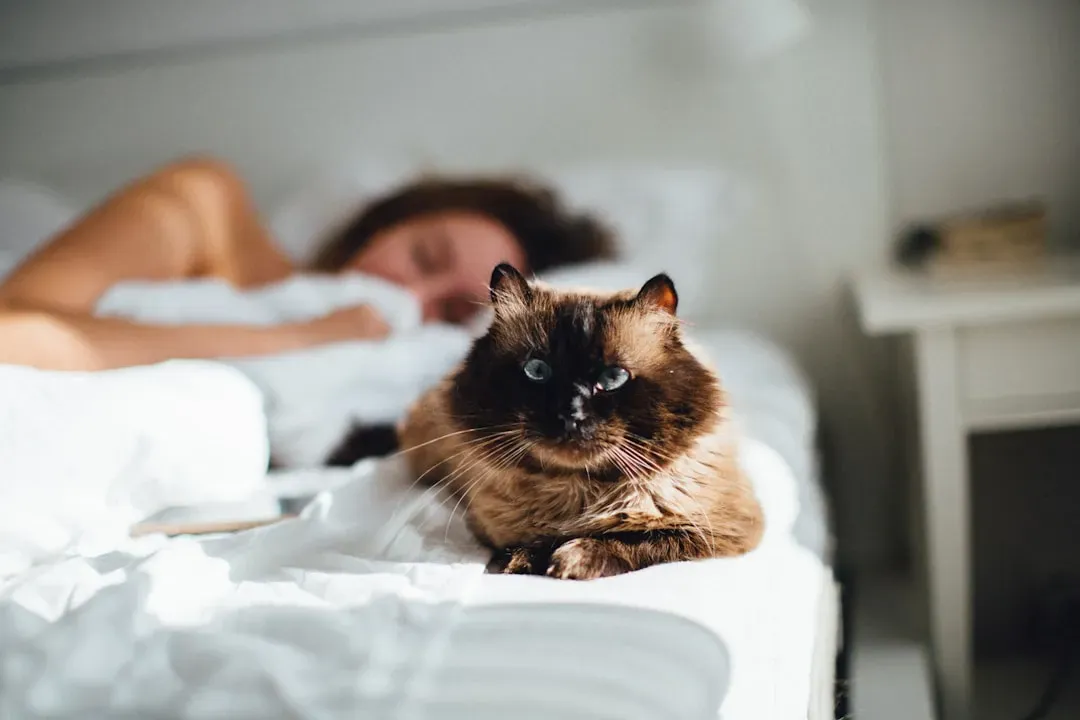
Cats are masters at training us, and your cat is likely waking you up early in the morning because they woke you up once before and you either fed them or gave them attention, so they continue to wake you up to keep getting that food or attention. Every time you respond to those early morning demands, even if you’re annoyed, you’re reinforcing the behavior. Even negative attention is still attention to a cat.
Many people reinforce boisterous nighttime activity without meaning to by getting up to feed, play with, or simply chase them out of the room, and all of these responses teach the cat that disturbing you gets attention. It’s hard to ignore, especially when they’re being persistent. Your cat has learned that if they just keep at it, eventually you’ll cave. It’s honestly impressive how well they understand cause and effect.
Boredom and Lack of Stimulation Play a Major Role
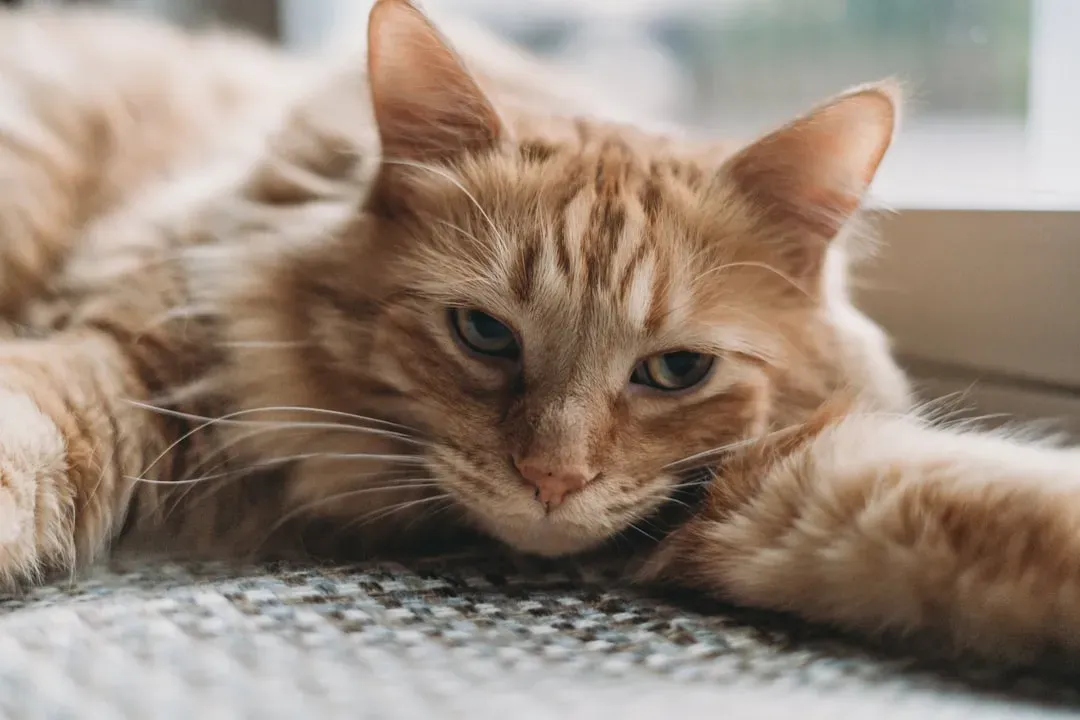
Bored cats will do just about anything to squelch that boredom, and waking up humans early in the morning is typically their best option. If your cat isn’t getting enough mental and physical stimulation during the day, they’re going to have pent-up energy that needs an outlet. Unfortunately, that outlet often becomes you at dawn.
Cats that don’t get enough stimulation during the day may channel their pent-up energy into nighttime activity, and providing interactive toys or play sessions during the day can help reduce this. Your cat needs things to do, puzzles to solve, and energy to burn. Without that, you become the entertainment.
Seeking Attention and Connection
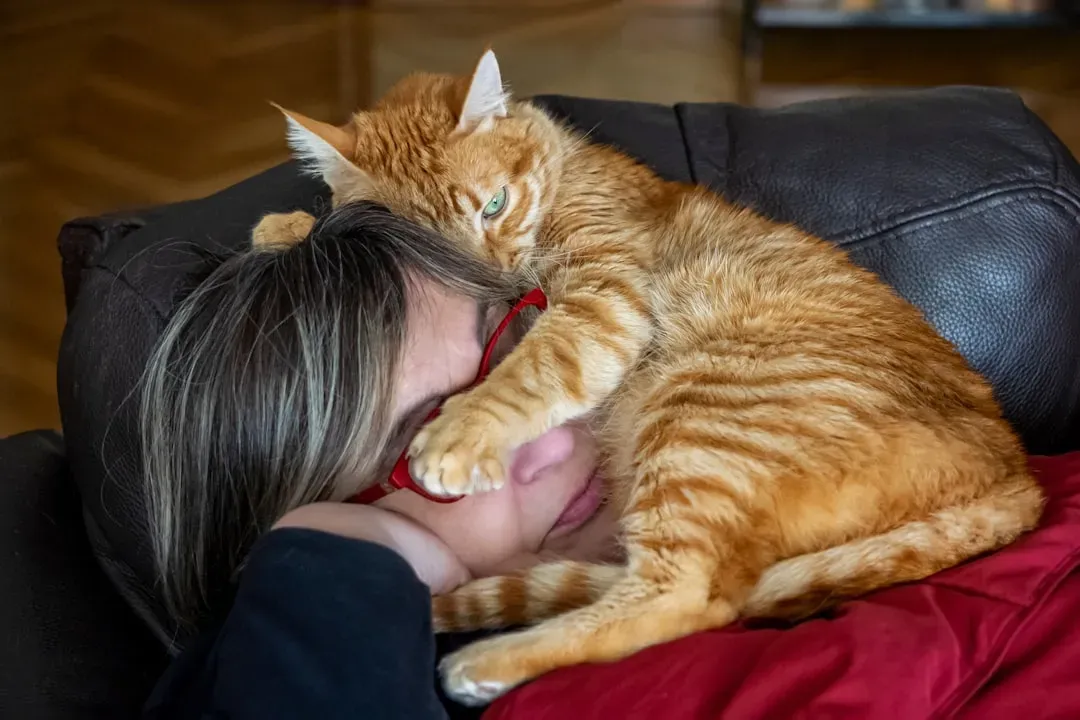
Sometimes, a cat might decide to wake their human companions in the morning in an attempt to get uninterrupted attention because they’ve been lacking it, especially if your schedule has been busier than usual. Your cat might genuinely miss you and see early morning as the perfect opportunity for quality time. When else do they have your undivided attention?
Cats do genuinely value our company, despite their reputation for aloofness. Sometimes, cats wake their owners simply because they want attention or playtime, and if they’ve learned that morning wake-up calls result in interaction, even negative attention like scolding, they’ll continue the behavior. Your cat might not understand why you’re grumpy about being woken up. They just know you’re awake and available.
Routine and Predictability Matter to Cats
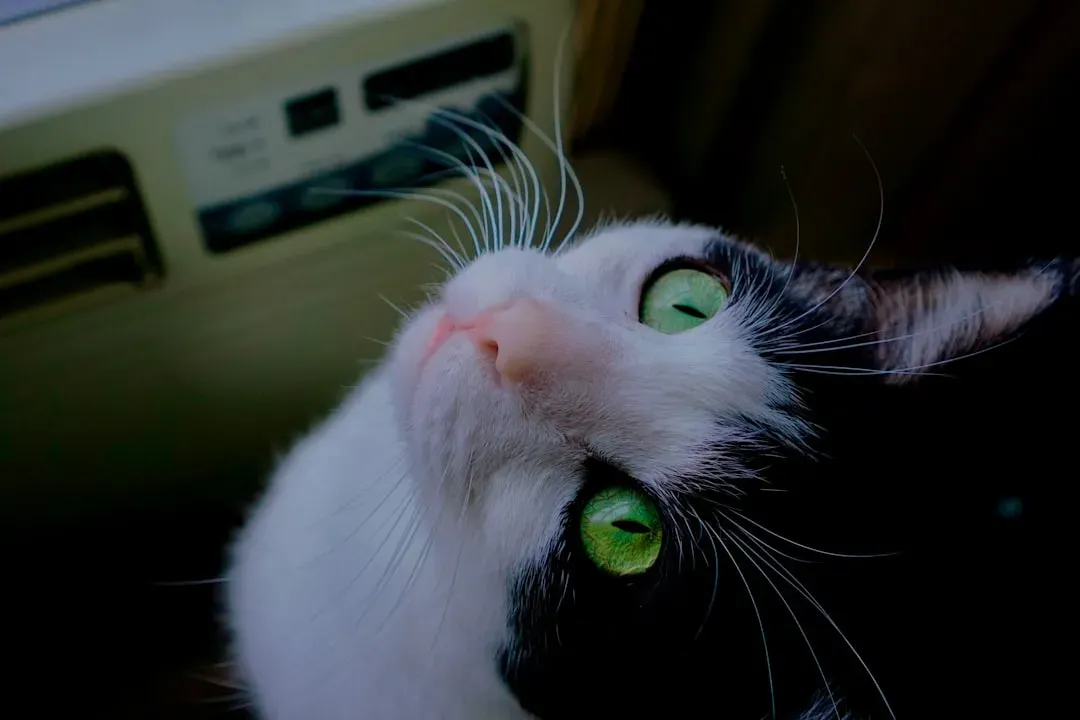
Felines love routine, and they count on it to lead what they perceive as healthy and happy lives, as routine gives cats a sense of security and peace. If you normally wake up at six, your cat’s internal clock gets set to that time. The problem is, cats are incredibly precise about timing, sometimes more so than we are.
Cats love predictability, and keeping a regular routine has even been associated with reduced stress levels in cats. However, when your routine changes, like sleeping in on weekends, your cat doesn’t automatically adjust. They expect things to happen when they’re supposed to happen. Your desire for extra sleep on Saturday doesn’t compute in their world.
Medical Issues Can Be a Hidden Cause
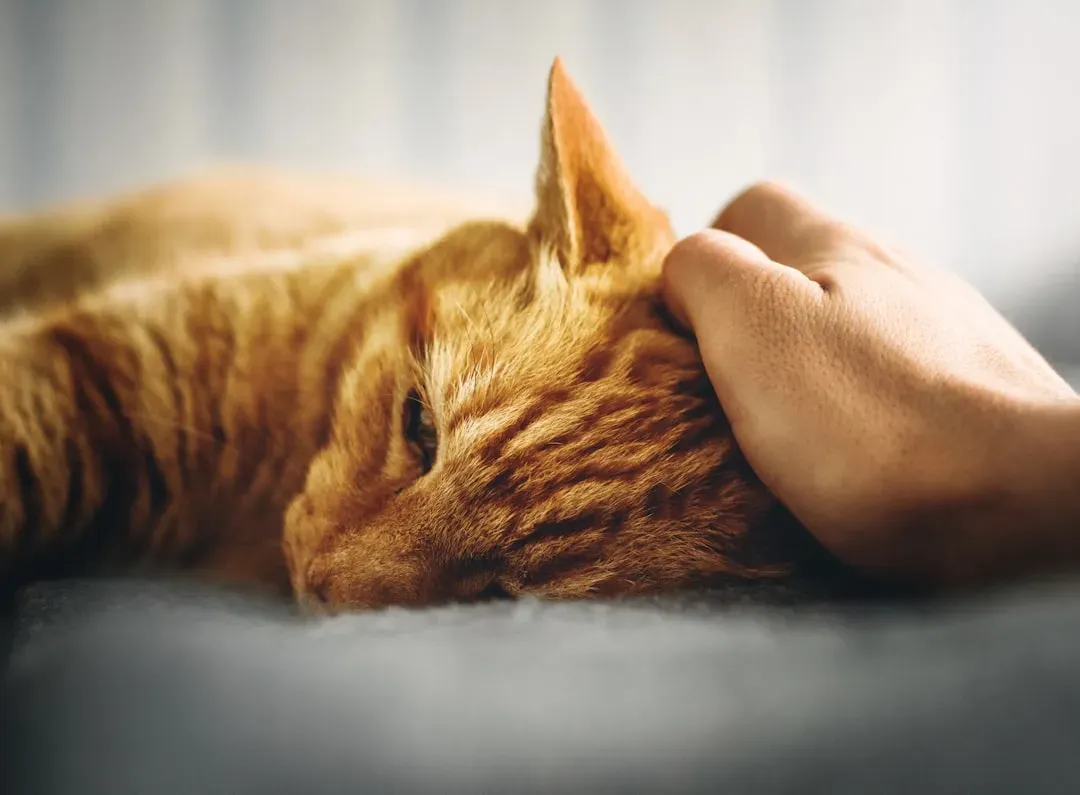
There might be an underlying medical condition, as diabetes, hyperthyroidism, and other medical problems can cause voracious appetites in cats, and dental pain, pain in general, and cats in heat or spayed cats with ovarian remnants can have behavior changes. If your cat’s early morning wake-ups have started suddenly or seem unusually intense, it’s worth considering health issues.
Sudden changes in a cat’s routine can stress out a cat and cause them to vocalize, and yowling in older cats might be due to Feline Cognitive Dysfunction Syndrome. Senior cats especially can develop confusion and anxiety that manifests as nighttime or early morning vocalization. They might be disoriented or genuinely distressed rather than just seeking breakfast.
Environmental Factors and Temperature
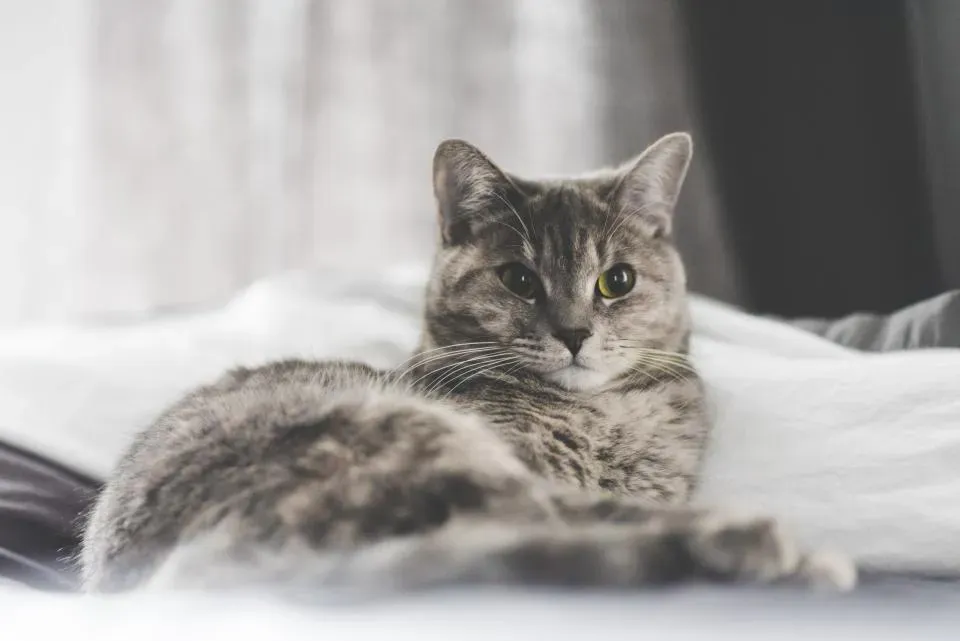
Cats like it pretty warm, with their thermoneutral zone being 86 to 97 degrees Fahrenheit, higher than the human thermoneutral zone of about 77 to 86 degrees Fahrenheit, and if they’re cold, they may not sleep well or as long. Your comfortable sleeping temperature might be too chilly for your cat, causing them to wake up and seek warmth or activity to stay comfortable.
Think about it: if you were sleeping in a room that felt too cold, you’d probably wake up earlier than planned too. Environmental changes, new noises, or even the early morning light creeping through windows can all trigger your cat’s wake-up routine before you’re ready.
How to Break the Early Morning Wake-Up Cycle

As hard as it is, ignoring this behavior is key, which means 100% ignore, don’t look at your cat, don’t have a conversation with them about how crazy they’re driving you, don’t talk to your partner, don’t even roll over, as the slightest indication that they got your attention will give them a reason to keep trying. This is genuinely difficult to do when you’re half-asleep and frustrated.
When you’re breaking this cycle, keep in mind that it’s going to be frustrating, and before a behavior is exhausted, there’s often what’s called an extinction burst, which is when there’s an increase in the behavior right before it ends, and most people give up at this point. Your cat will likely get worse before they get better. It sounds counterintuitive, but it’s true.
Practical Solutions That Actually Work
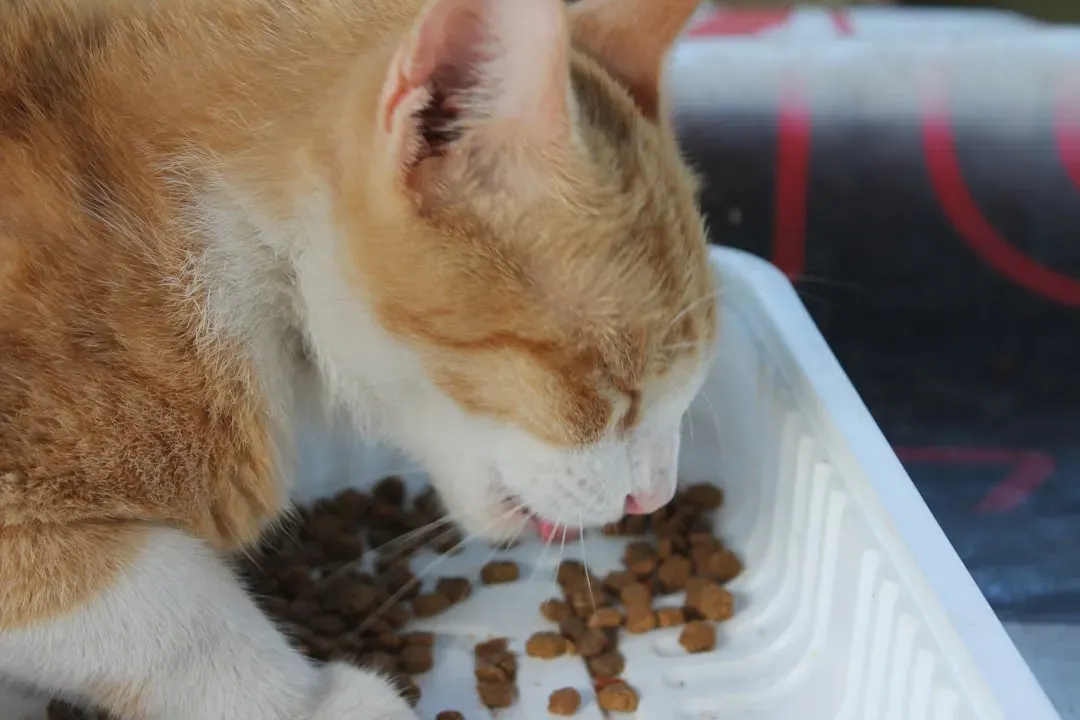
Feeding your cat right before bedtime can help stave off early morning hunger, and automatic feeders are a great tool as they not only help control feeding times but also remove you from the equation entirely. This breaks the association between you waking up and food appearing. Your cat learns that breakfast happens on a timer, not based on how loudly they yowl.
Make sure your cat has got plenty of enrichment activities but make late evenings game time, and use up some of your cat’s excess energy by playing their favourite games together just before going to bed, including chasing toys and food games to searching out treats. A tired cat is much more likely to sleep through the early morning hours. Honestly, this is probably the single most effective strategy you can implement.
Conclusion: Finding Balance With Your Feline Friend
Getting your cat to stop waking you up early requires patience, consistency, and a genuine understanding of their natural behavior. It’s not going to change overnight, despite how desperately you might want it to. Changing your cat’s behavior will not happen overnight, but with time, consistency, and a little strategy, it is possible to sleep past sunrise.
The good news is that most cats can adjust their schedules with the right approach. You’ll need to resist the urge to respond to those early wake-up calls, provide adequate enrichment during appropriate hours, and possibly invest in an automatic feeder. It’s worth it, though. Both you and your cat will be happier when you’re both getting proper rest. What strategies have worked for you? Sometimes the smallest changes make the biggest difference.