You dream of getting a cat. Someone fluffy and beautiful to curl up on your couch while you binge your favorite shows. Then you see those stunning blue eyes peering out from a mountain of luxurious fur at the shelter, and you think, “That’s the one.” Let me stop you right there. If you’re searching for a laid-back, easy-care companion, a Himalayan cat might just be the absolute worst choice you could make. I know they’re gorgeous. Trust me, I get it. That face, those colors, that impossibly silky coat. It’s hard to say for sure, but I genuinely think Himalayans might require more daily upkeep than some people’s entire skincare routines.
These cats are stunning, no doubt about it. Their personalities can be sweet and loving too. Yet here’s the thing: the commitment level required to keep a Himalayan happy and healthy is astronomical compared to your average domestic shorthair. So let’s dive in and discover exactly why these Persian-Siamese hybrids are a high-maintenance nightmare if you’re looking for simplicity.
Daily Grooming Is Non-Negotiable
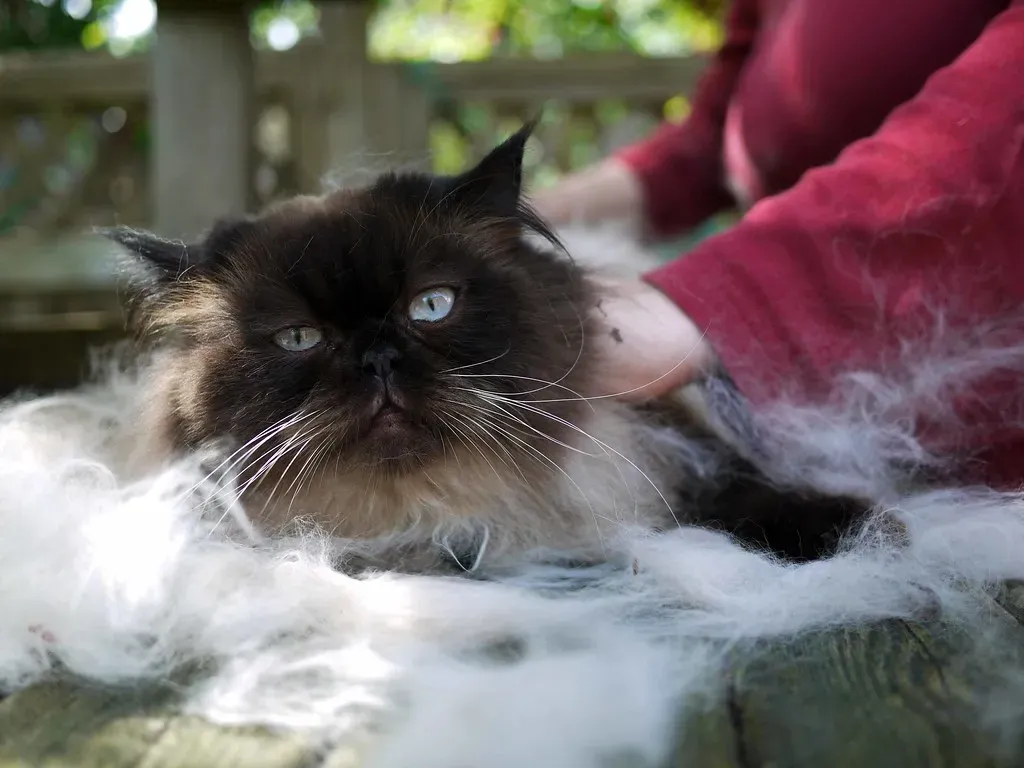
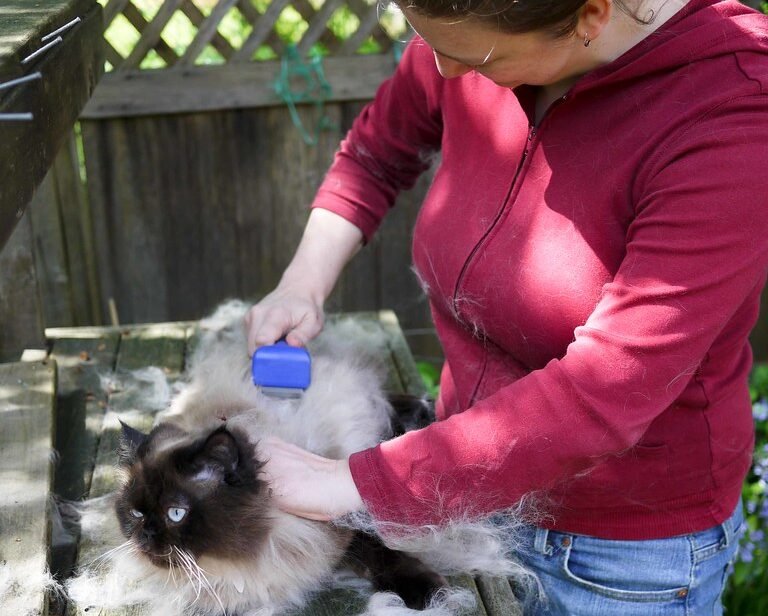
Himalayan cats require daily brushing to prevent their coats from developing tangles and mats, and they’re considered a high-maintenance breed. This isn’t a suggestion. It’s a survival requirement. Their lengthy coat can quickly create mats and tangles because they shed frequently. You’ll need to set aside time every single day to work through that silky fur with specialized tools.
Grooming requires specialized equipment, and you’ll need both a wire slicker brush and a stainless-steel greyhound comb. Honestly, the investment in grooming tools alone can rival what you’d spend on basic cat supplies for a regular shorthair breed. Miss a day or two, and you’re looking at painful matting that might require professional intervention or even shaving.
Your Home Becomes A Fur Factory
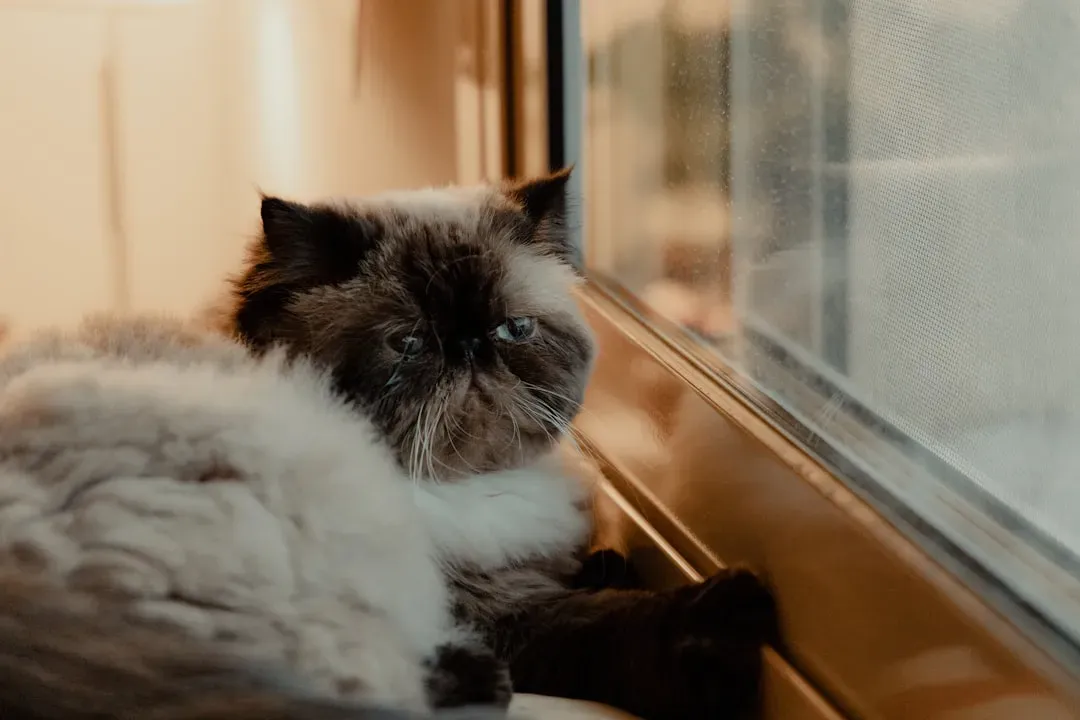
Let’s be real about the shedding situation. Himalayan cats shed moderately but expect heavy shedding during spring and summer, then they grow new coats during fall and winter to protect themselves from the cold. That means year-round fur management with seasonal spikes that’ll have you questioning your life choices.
If you want to keep their hair off your furniture and floors, you have to brush them multiple times a week, and it’s impossible to avoid shedding without being proactive. Think you can just vacuum once a week? Think again. You’ll find fur on your clothes, in your food, embedded in your carpets, and probably floating through the air like some kind of fluffy snow globe you never asked for.
Bathing Becomes A Regular Battle
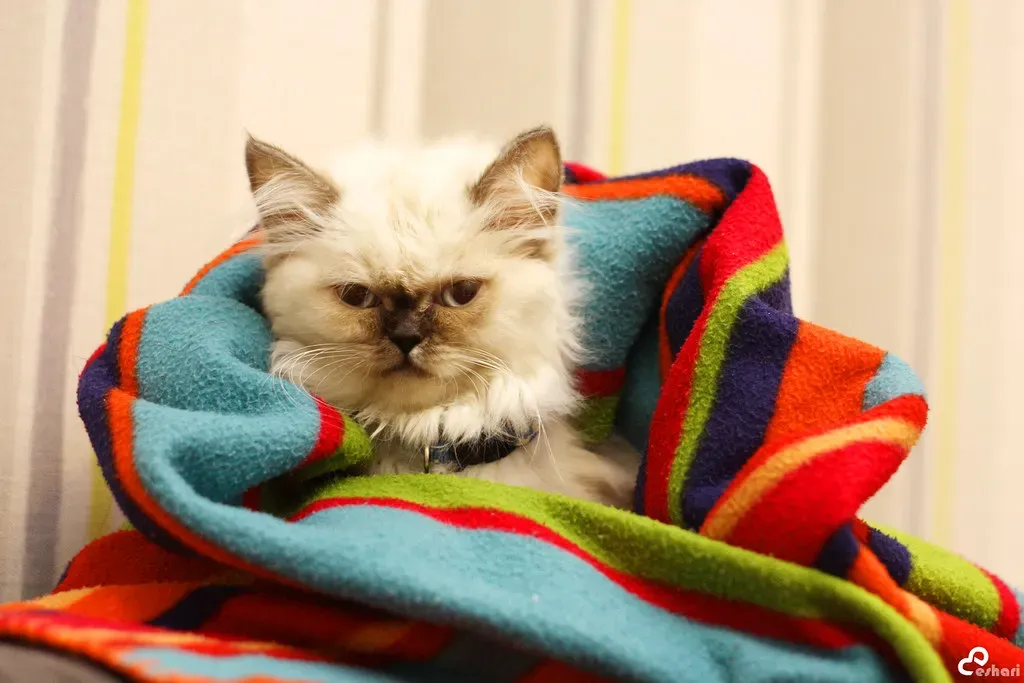
Unlike most cats that basically self-clean, Himalayans benefit from occasional baths. Himalayans may benefit from baths every 4-6 weeks or as needed in addition to brushing to prevent matting, which is frankly exhausting to even think about. Himalayans despise water, so bathing can be an issue. Picture trying to bathe an angry, fluffy cloud that’s equipped with claws. Not exactly a relaxing Sunday afternoon activity.
You’ll need to bathe them every 4-8 weeks or as needed depending on shedding. That’s not counting emergency baths when they get into something messy. The entire process, from prep to drying that massive coat, can take hours. You’ll need special cat shampoo, conditioner, towels, possibly a blow dryer, and the patience of a saint.
Those Adorable Flat Faces Come With Serious Issues
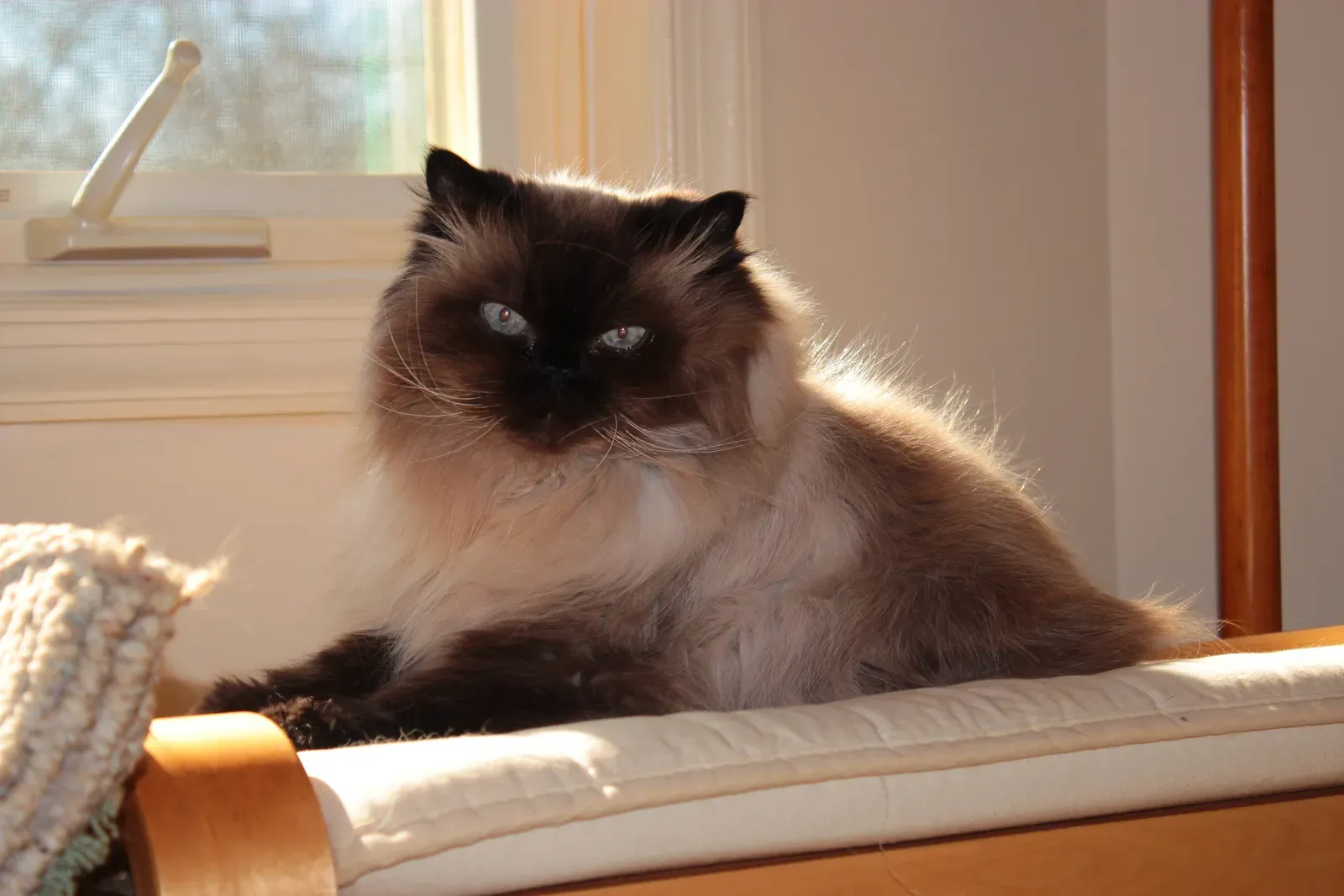
That smushed-in Persian face might look cute, but it’s a maintenance headache. The flatter face requires daily cleanings of the eyes and tear ducts to reduce risk of infection. Himalayans have big blue eyes that produce more tears than most breeds due to their flat face, which can cause tear stains and moist, infection-prone fur. Every single morning, you’ll be playing eye-wipe duty before you’ve even had your coffee.
Flat-faced cats often suffer from brachycephalic airway syndrome, with physical features such as narrow nostrils and undersized trachea making breathing difficult. This means you need to monitor them constantly in hot weather, watch for breathing problems, and potentially face expensive corrective surgeries. These aren’t low-key health quirks. They’re serious, ongoing concerns.
Veterinary Bills Will Drain Your Wallet
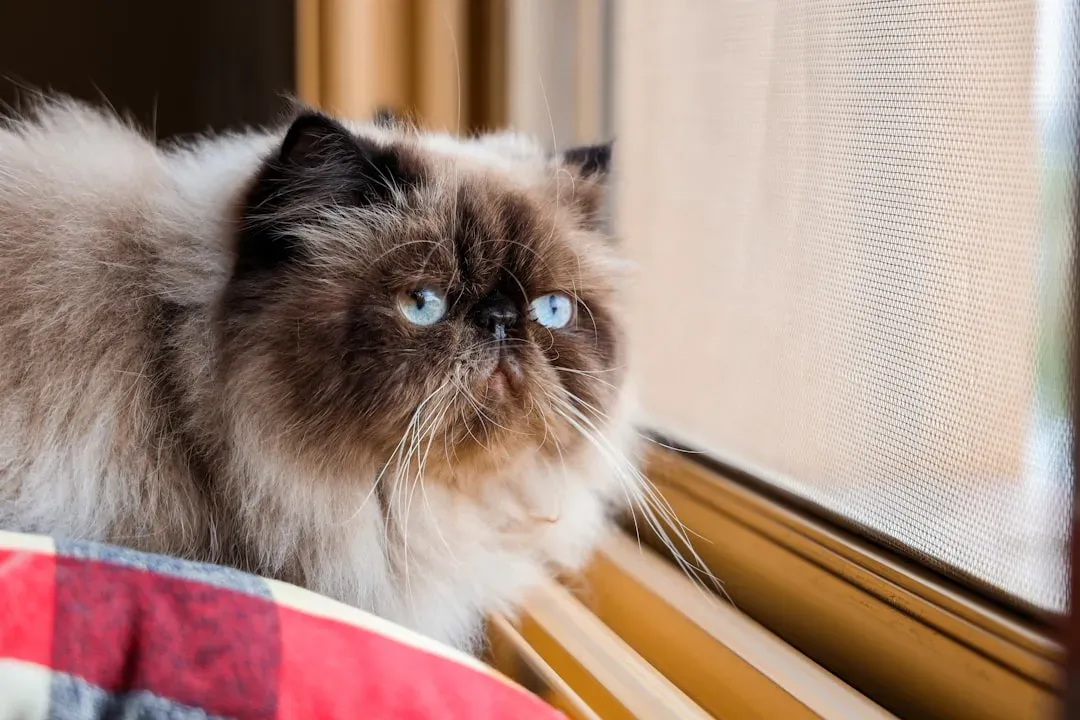
Here’s where things get really expensive. Himalayans can have significant health issues resulting in significant care costs, including bad teeth requiring regular cleaning and extractions because of their shortened faces. They’re very susceptible to joint issues, heart problems, eye ulcers, and Polycystic Kidney Disease. Roughly speaking, you’re looking at a breed prone to multiple hereditary conditions that require monitoring throughout their lives.
Managing PKD may require frequent veterinary checkups, bloodwork costing roughly one to three hundred dollars per visit, ultrasounds running three to six hundred dollars, and long-term medications costing about fifty to two hundred dollars per month. Pet insurance becomes less of a luxury and more of a necessity. If you’re on a tight budget, a Himalayan might financially wreck you.
Dental Care Is Another Full-Time Job
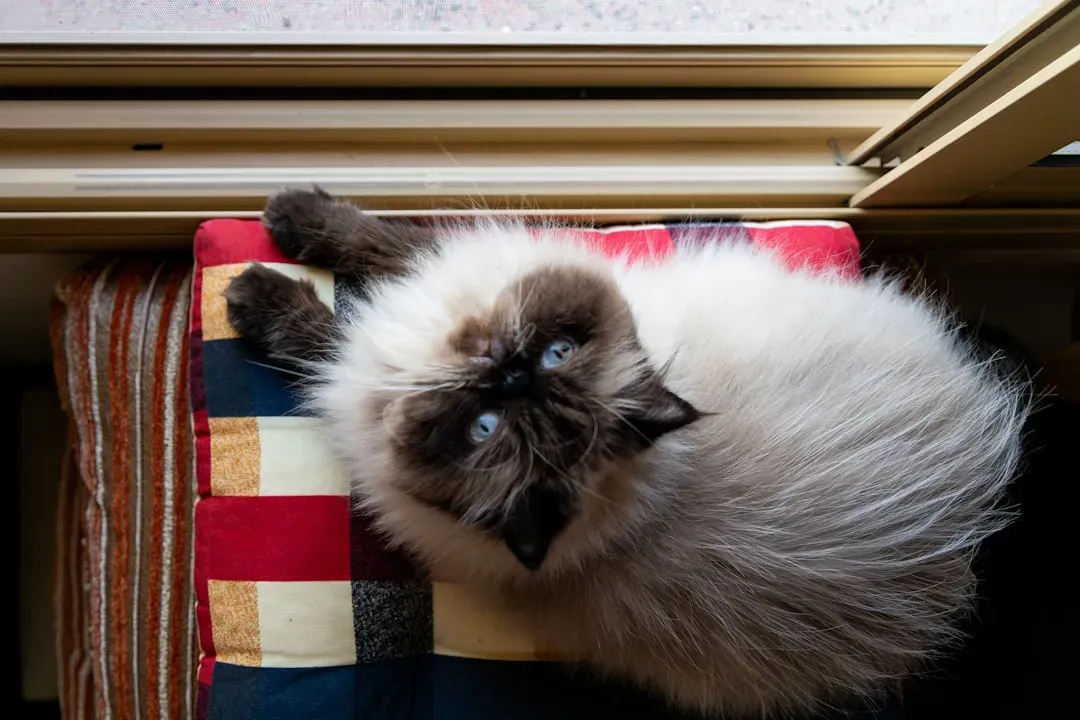
Himalayans have an increased risk of dental problems because of their flat face, which can cause overcrowding of their teeth and dental overcrowding making them prone to tooth and gum problems. This isn’t something you can ignore. It’s best to brush their teeth every day, ideally after finishing brushing their coat. Yes, you read that correctly: daily tooth brushing on top of everything else.
Regular dental checkups and professional cleanings are essential, and establishing a daily tooth-brushing routine early in life is critical. Professional dental cleanings under anesthesia can cost hundreds of dollars each time. The alternative is periodontal disease, tooth loss, and infections that can spread to other organs. Neither option is particularly appealing for someone wanting a low-maintenance pet.
They Demand Constant Attention And Emotional Support
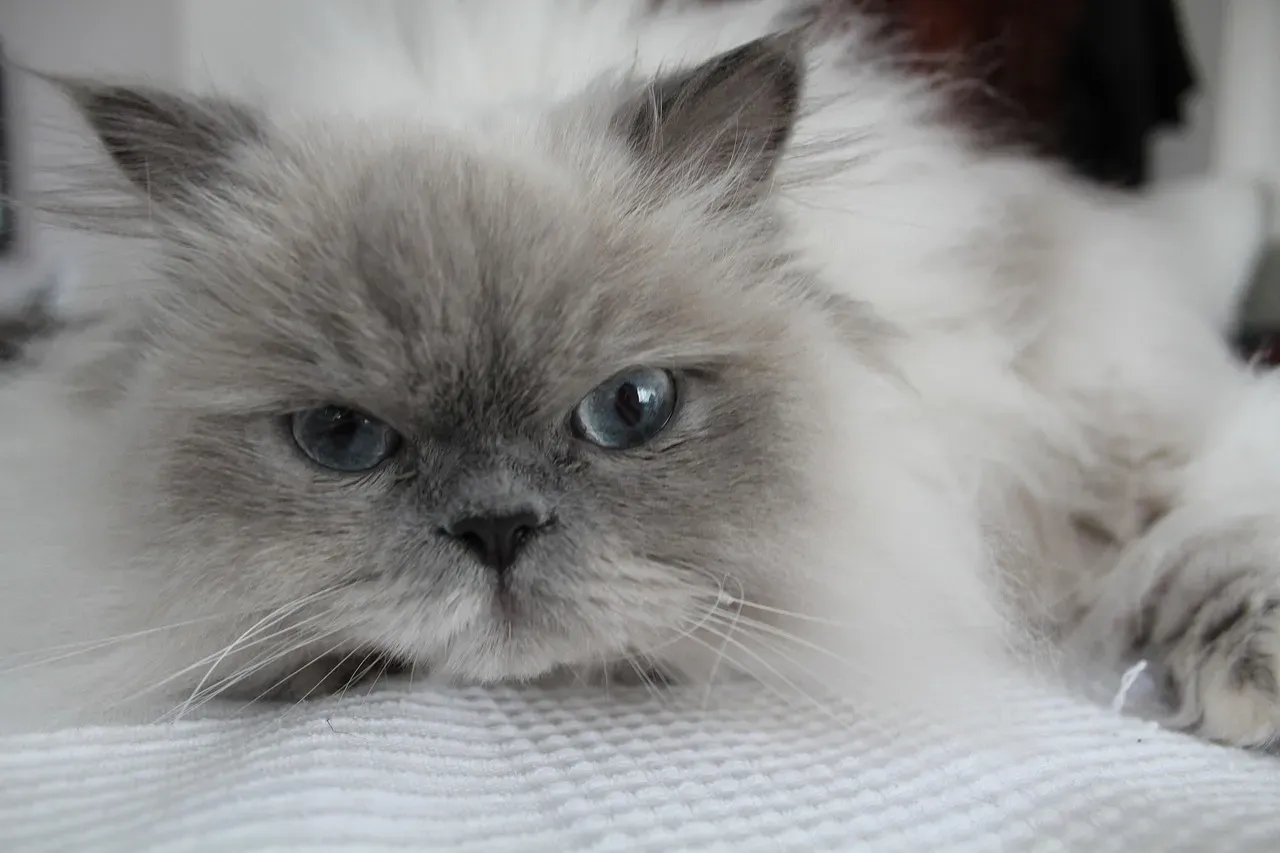
Himalayans aren’t the aloof, independent cats some people imagine. Himalayans are very people-oriented and feel most at home when their families are around, though they’re sociable yet quiet and docile. The Himalayan can become depressed if their favorite people aren’t around enough. If you travel frequently for work or have an unpredictable schedule, this breed will suffer emotionally.
These cats are people-oriented like Persians and will most likely want to be part of whatever their owners are doing, letting you know if they think you’re not giving enough attention. They’ll follow you around, demand lap time, and generally need constant companionship. It’s endearing until you realize you can’t even use the bathroom alone anymore. If you value independence or alone time, a Himalayan will test those boundaries relentlessly.
The Time Commitment Never Ends
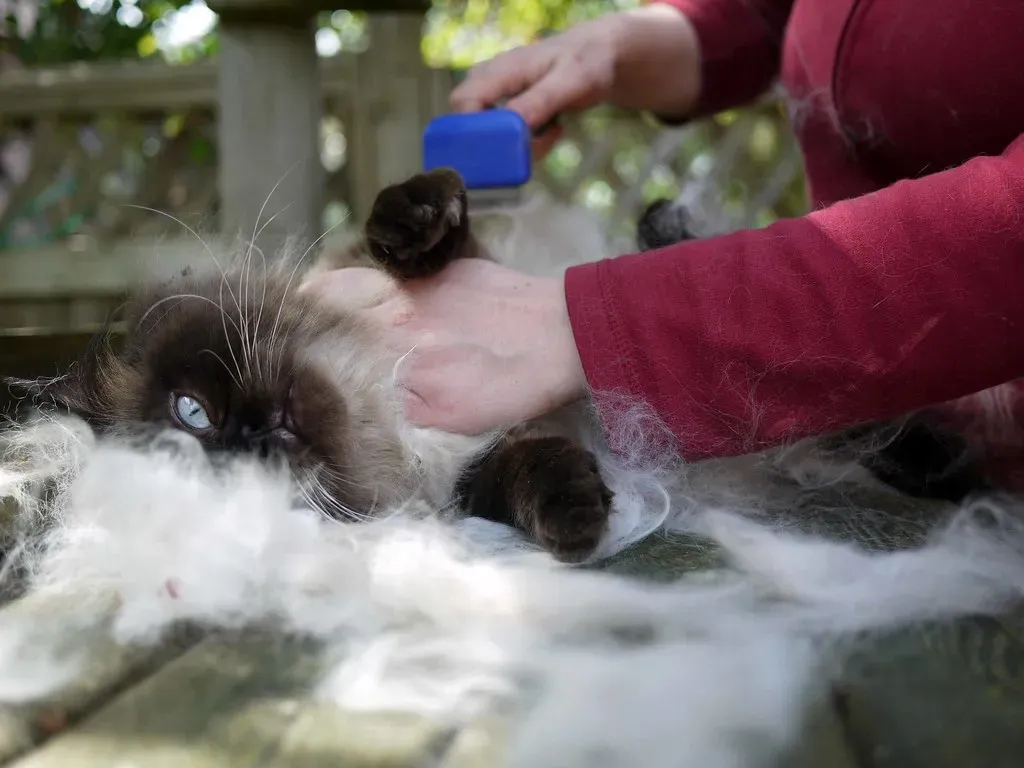
Let’s add it all up, shall we? Grooming a Himalayan requires lots of time and effort to the point where you cannot skip a single day, requiring daily brushing and de-shedding. They may not have demanding personalities, but Himalayans require more daily care than many other breeds. Between the grooming, bathing, eye cleaning, dental care, and emotional needs, you’re committing to essentially a part-time job.
While their personalities are relatively low-maintenance, their physical care needs are quite demanding, requiring daily grooming, occasional bathing, and careful attention to health needs. Honestly, I think people underestimate just how much daily maintenance these cats require until they’re three weeks in, covered in cat hair, and wondering why they didn’t just get a goldfish. The Himalayan isn’t a cat you can leave for a weekend with an automatic feeder. They need you, constantly.
Conclusion: Beauty Comes At An Exhausting Price
Look, Himalayan cats are undeniably stunning creatures with sweet, loving personalities. They can make wonderful companions for the right person. That right person, however, is absolutely not someone seeking a low-maintenance pet. The daily grooming alone would be enough to disqualify them from that category, but when you add in the bathing, facial care, dental maintenance, health monitoring, emotional needs, and financial costs, you’re looking at one of the most demanding cat breeds out there.
If you’ve got unlimited time, a flexible budget, patience measured in truckloads, and a genuine passion for intensive pet care, then maybe a Himalayan could work for you. For everyone else dreaming of a simple, easy-going feline friend who mostly takes care of themselves, run in the opposite direction. There are countless lower-maintenance breeds and mixed cats waiting in shelters that would give you all the love without the overwhelming commitment. What do you think about it? Are you brave enough to take on a Himalayan, or does this sound like your personal nightmare?