You buy your cat a plush, expensive bed. You set it up perfectly in the corner of the room. Your cat ignores it completely and climbs straight into the cardboard box it arrived in. Sound familiar? If you share your home with a feline, you have almost certainly witnessed this baffling moment. That empty box on the floor becomes the most fascinating object in the universe to your cat, while the actual gift sits untouched.
There is more going on here than quirky cat behavior. Scientists, veterinarians, and animal behaviorists have spent years investigating exactly why cats are drawn to boxes, and the answers reach deep into feline evolution, psychology, and sensory experience. The reasons are genuinely surprising, and understanding them will completely change the way you see your cat. Let’s dive in.
Your Cat’s Wild Ancestry Is Calling from Inside That Box
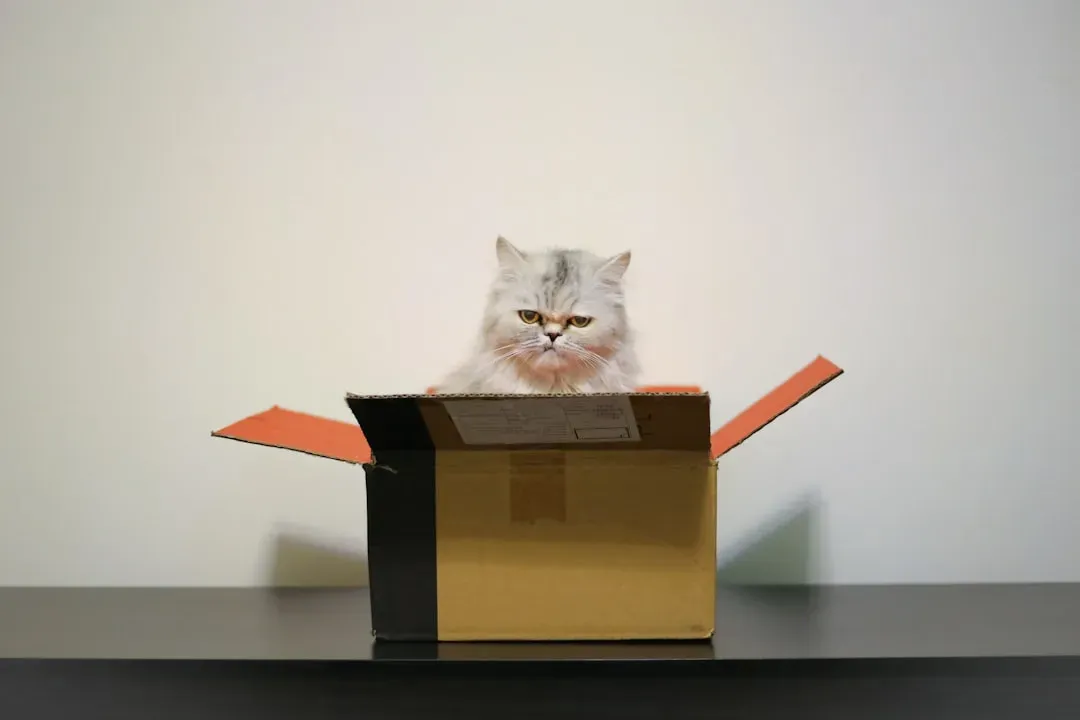
Here’s the thing about your cat – no matter how pampered they are, they carry millions of years of wild instinct inside that soft, domestic exterior. To truly understand your cat’s love for boxes, you need to look at their evolutionary history. Wild cats used natural shelters like burrows and tree trunks to hide from predators and hunt in safety, and modern cats have inherited this instinct, seeking out boxes as substitutes for these natural hideaways.
The main reason cats love boxes is because they are confined, enclosed spaces. Cats are ambush predators, and finding confined places where they can hide, hunt prey, and feel safe and warm is an instinctive behavior. Think of a box as your cat’s version of a hidden cave in the African savanna. The shape, the walls, the enclosed feeling – it all speaks to something primal buried in their DNA that no amount of domestication has erased.
The Safety Instinct: How a Box Feels Like a Fortress
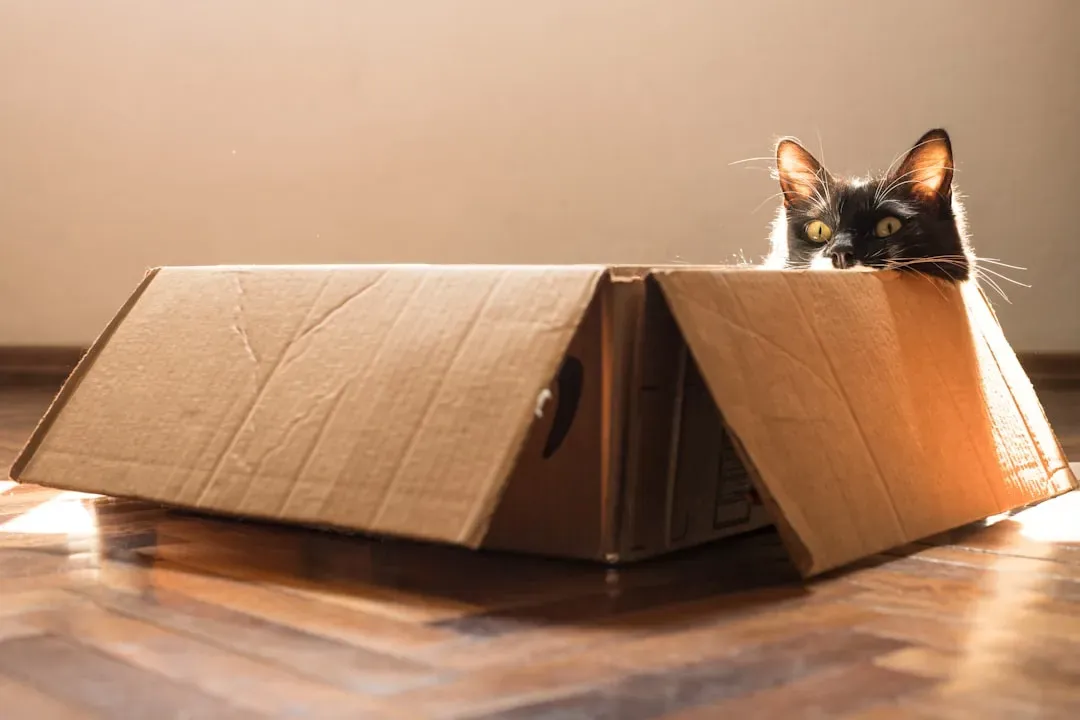
Safety and security is probably the number one reason cats find boxes so appealing. Hiding or seeking an enclosed space is a typical cat response to stress or fear – it’s completely instinctual. When your cat is in a box, nothing can sneak up behind them or from the side, and they have a direct field of vision to anything approaching.
Honestly, it’s genius if you think about it. Cats use boxes as hiding places where predators cannot sneak up on them from the side or behind. If your cat is in a box, any “intruders” like prey, humans, or other pets have to come directly into their field of vision, meaning nothing can surprise them. For your cat, that cardboard box is not just furniture – it is a strategic command center.
Boxes Are Proven Stress Busters – and the Science Backs It Up
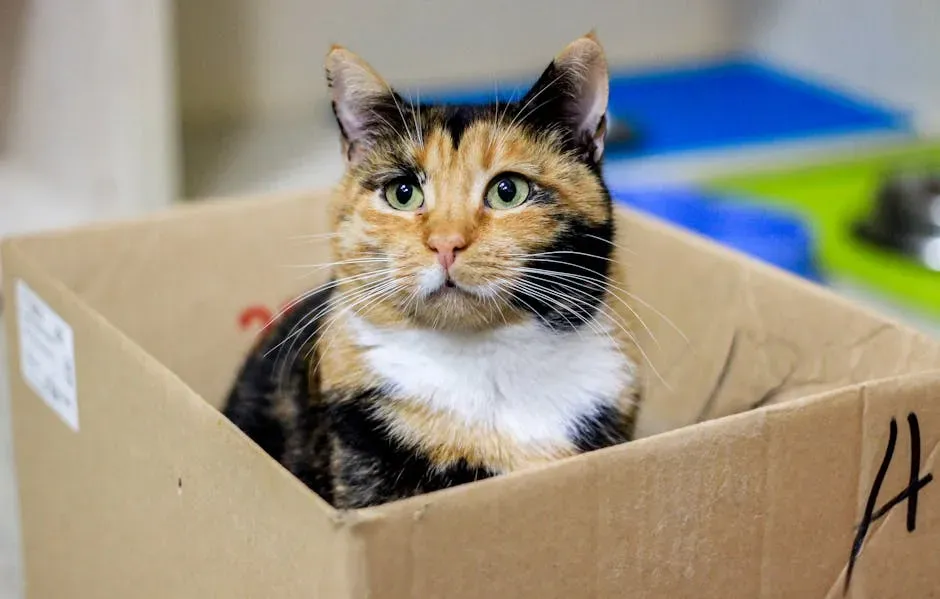
A study published in PLOS ONE showed that cats who came into a Dutch animal shelter for the first time and were given cardboard boxes used them for comfort and to adapt to a new, scary situation. The study revealed that the cats suffered from chronic stress beforehand, and the boxes helped. Hiding enrichment decreases behavioral stress in shelter cats and offers some emotional protection.
The major findings of that research were remarkable: the mean Cat-Stress-Score decreased with time for all cats, but cats with a hiding box showed a significantly faster decrease, reaching a lower stress steady state seven days earlier than the control group. Seven whole days. That is not a small difference. In fact, four of five independent studies showed moderate evidence that hiding boxes reduce fear and stress in cats, with reduced stress scores in cats given a hiding box compared to control groups. If your cat seems anxious, a box might be the simplest intervention available.
The Hunting Predator Living in Your Living Room
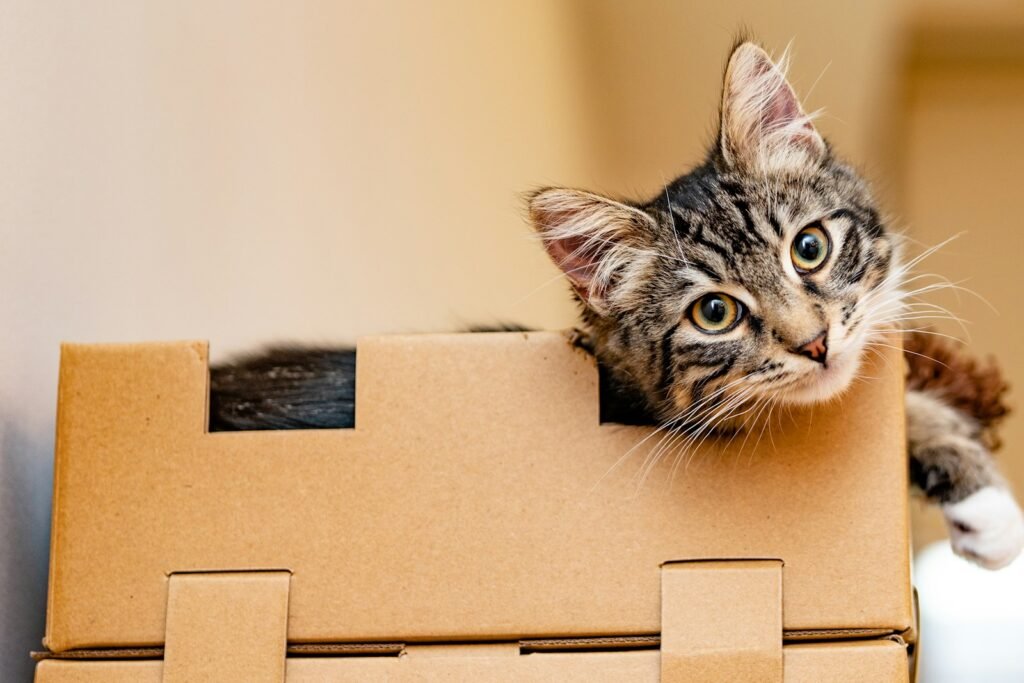
Even though your cat may be a pampered pet, their hunting instincts are still alive and well. Cats are ambush predators, which means they hide until their prey passes by. Even though companion cats do not need to hunt for survival, boxes provide a confined place where they can pretend they are in the wild, hiding while they prepare to pounce.
Cats that roam freely outdoors are in a delicate position in the local food chain – they are both predators and prey. Outdoor cats seek out spots like bushes or crevices to hide from potential predators such as hawks or foxes, while hunting smaller prey like birds or insects. These concealed areas offer safety and a better chance to catch their quarry. Your indoor cat is simply doing the same thing with that Amazon delivery box. The prey just happens to be your unsuspecting foot as you walk past.
Cardboard Is Basically a Thermal Blanket for Your Cat
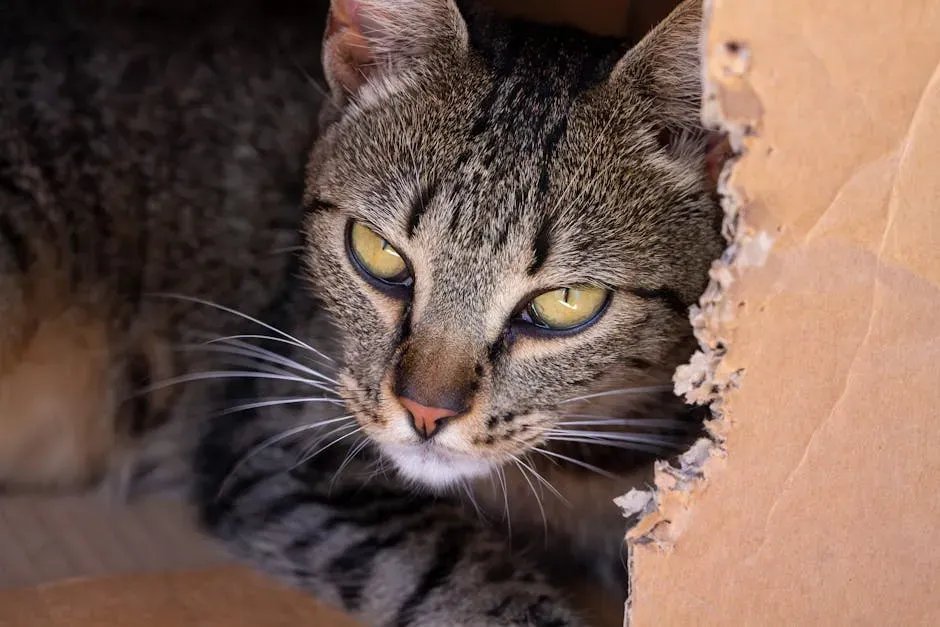
You might not have thought about your cat being cold – especially if you keep your home at a comfortable room temperature. The truth is, your cat is almost certainly chillier than you realize. According to a 2006 study by the National Research Council, cats are most comfortable in temperatures between 86 and 97 degrees Fahrenheit, yet most cats live in environments maintained at about 72 degrees, which is significantly cooler than their preferred temperature zone.
The cardboard acts like a cozy blanket, trapping the cat’s body heat and acting as an insulator. The confined space of a box forces a cat to curl up into a ball, which also helps to preserve body heat. Cardboard acts as a natural insulator, keeping cats warm in colder weather, and the microclimate created inside a box helps retain the cat’s body heat while allowing air to circulate, maintaining a comfortable temperature. It is like a self-regulating pocket of warmth – and your cat figured this out entirely on their own.
The Texture of Cardboard Speaks Directly to Feline Senses
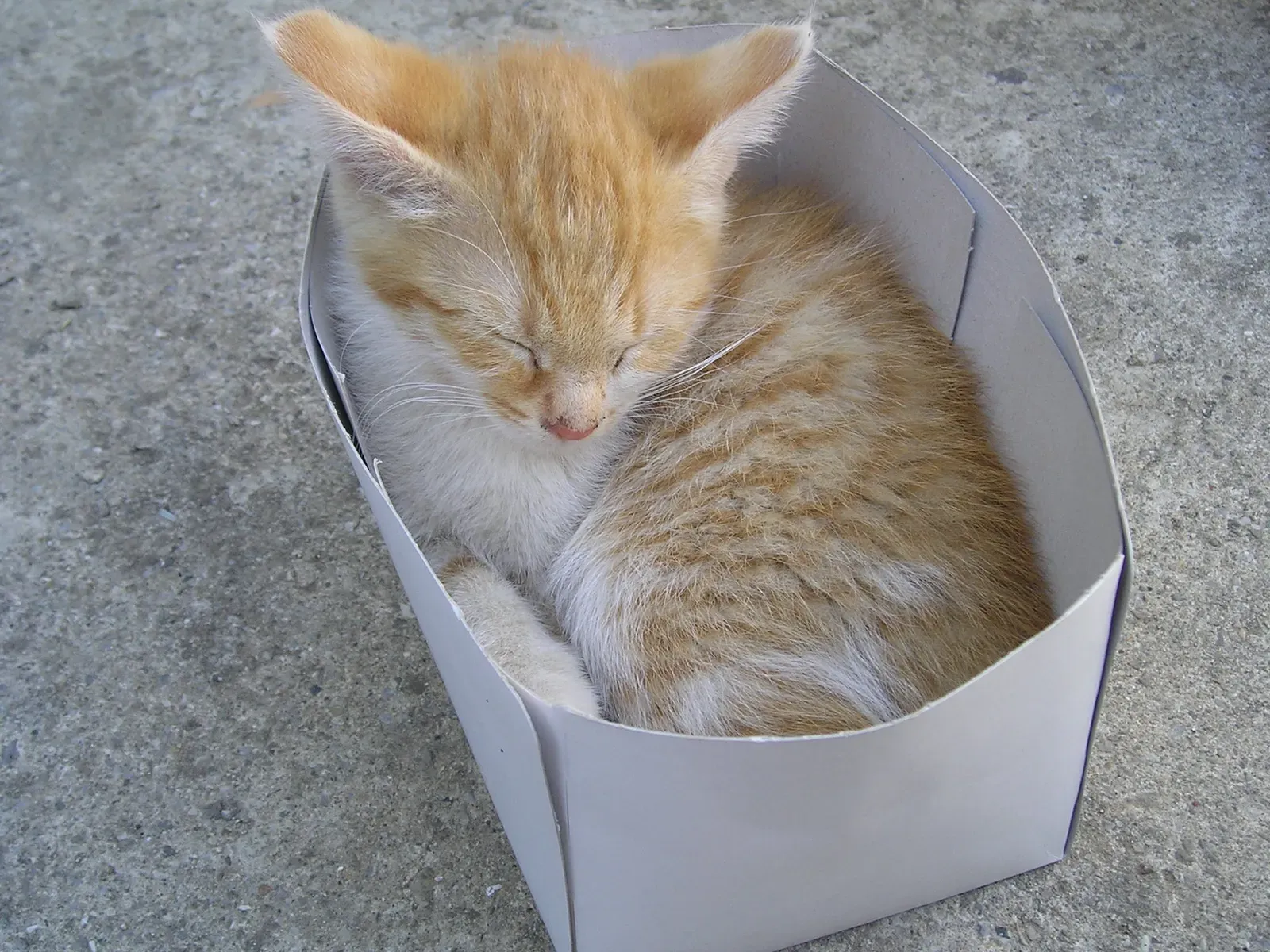
There is something deeply satisfying to your cat about the specific texture of a cardboard box. It is not random. Cats have an acute sense of smell, and cardboard boxes are porous materials that can retain scents. When cats enter a box, they are enveloped by a medley of intriguing smells. This olfactory experience can be comforting and captivating, especially when they are exploring a box brought from the outside world, teeming with unfamiliar scents.
The texture of cardboard is also deeply appealing to cats, providing an interesting tactile experience that is particularly relevant since cats have sensitive paw pads. Cardboard is the perfect texture for your cat to bite and scratch, making boxes great fun to play with. Many owners find that cats love boxes purely to bite and chew, and soon shred them to bits. Let’s be real – if your furniture has ever been a victim of your cat’s claws, you should probably be relieved the box is taking the punishment instead.
Boxes Satisfy Your Cat’s Obsessive Need to Mark Territory
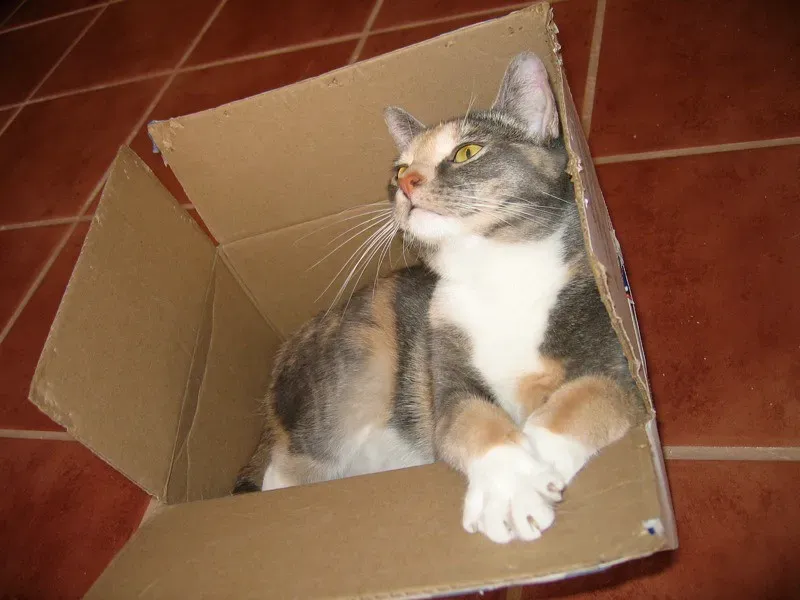
Your cat is, at heart, a creature of ownership. Everything in your home is either theirs, or it will be. Cats have scent glands on their faces, and when they rub their faces on the sides of a box, they leave behind their scent. This marks the box as their own special domain. It is your cat essentially filing a legal claim over that piece of cardboard.
A cat’s paws have scent pads, so when they scratch, they leave their own scent on things. So it makes complete sense that if they have their own little hiding place, they leave their scent on it to mark the territory as their own. Another common occurrence is when a cat chews on the flaps or sides of the box – it is their way of scent-marking the box with their pheromones. Chewing, rubbing, scratching – it all adds up to the same message: this box belongs to them now.
Curiosity and Mental Stimulation: A Box Is Uncharted Territory
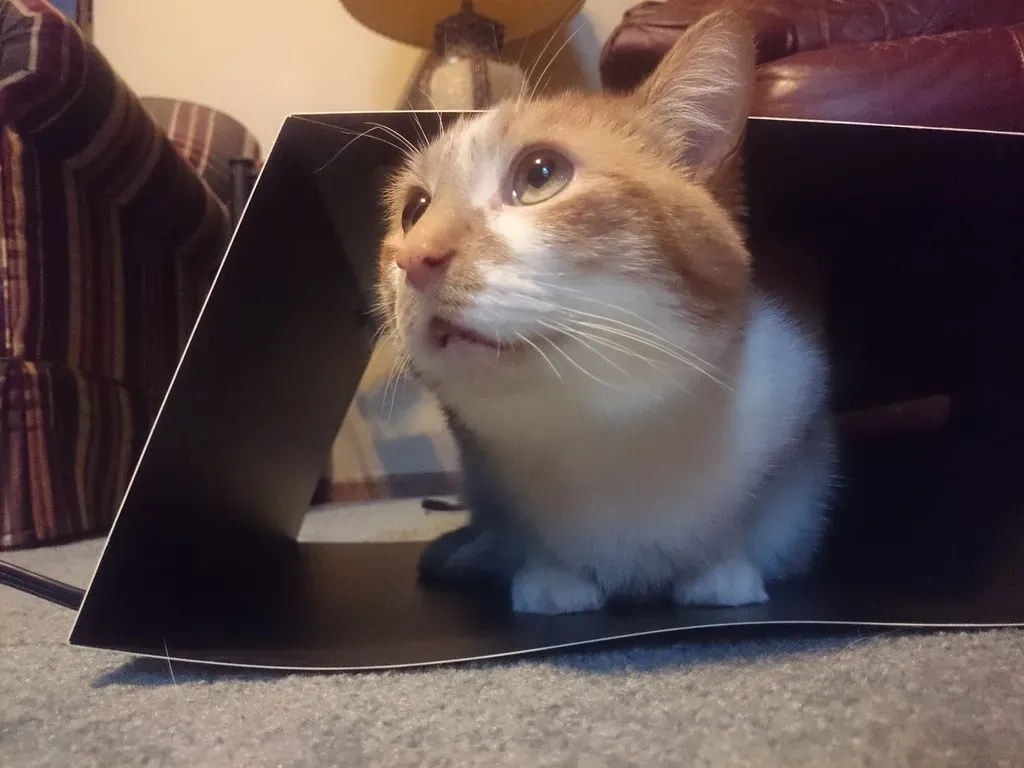
For an indoor cat, life can sometimes lack excitement. You live in a house your cat has mapped completely, sniffed thoroughly, and claimed as their domain. Cats that live indoors know every inch of their kingdom and immediately notice any changes. For a curious cat, the box is something fun and novel to investigate. That delivery box you just dropped on the floor? To your cat, that is the most exciting thing to happen all week.
Cats are curious creatures, and boxes present an exciting world of exploration. Cats love investigating new things, and a new box, with its smells and textures, represents a new puzzle that must be unraveled. Cats may peek or hop into the box to explore it. Exploring a box gives them mental stimulation and satisfies their inquisitive nature. It is the feline equivalent of a new video game – and the best part is it costs absolutely nothing.
Even a Drawn Outline of a Box Can Fool Your Cat’s Brain
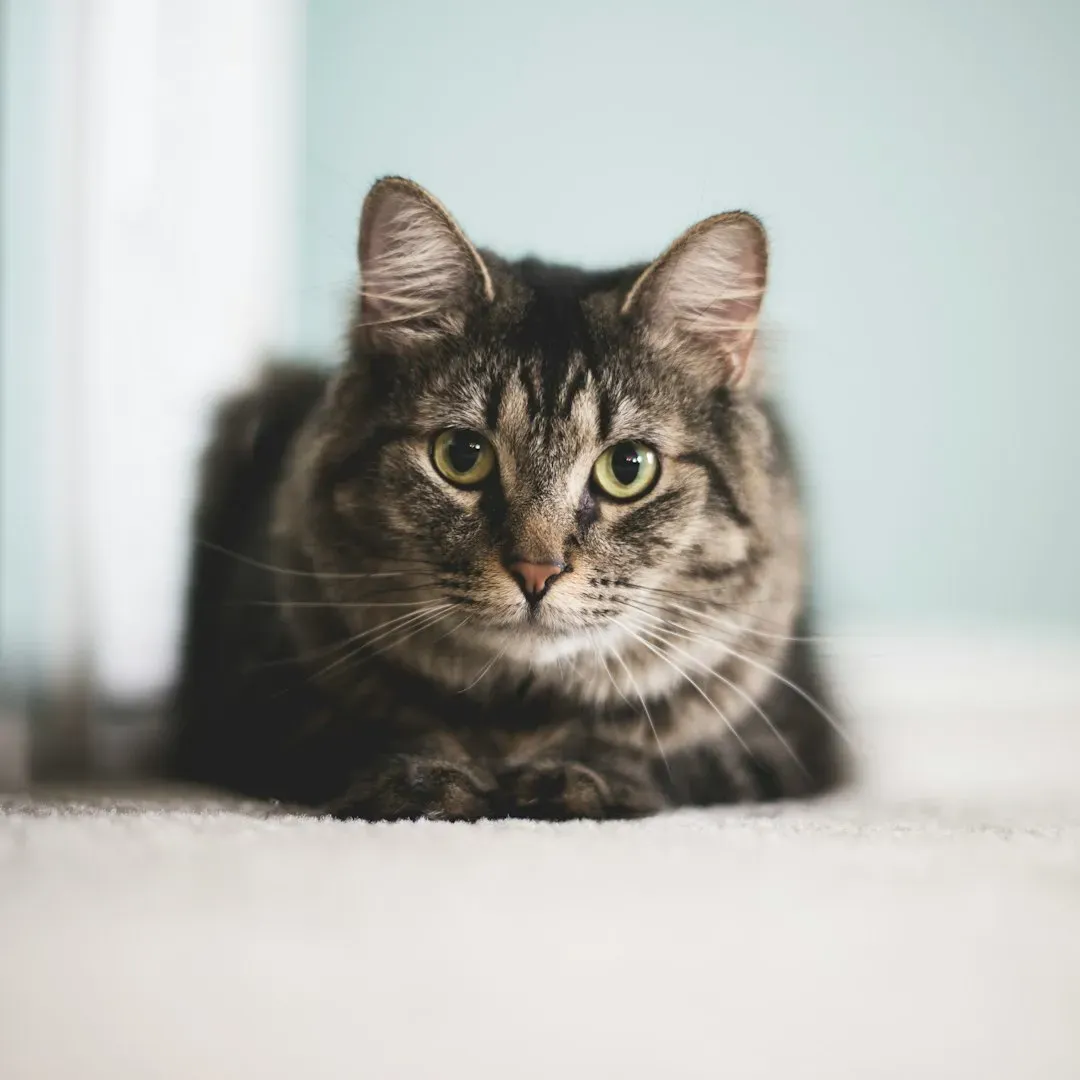
Here is where things get genuinely fascinating, and I think a little hilarious. A study published in Applied Animal Behavioral Science indicates that cats love to sit in boxes even when it is only a two-dimensional outline shaped like a box on the floor. A working theory is that a cat sees a shape with borders as a way to protect themselves from dangerous situations. A taped square on the ground. That is all it takes.
This tells us the obsession goes far deeper than just the physical properties of cardboard. Studies have shown that the physical dimensions of a box play a role too. Cats are known to prefer boxes that are just large enough for them to fit comfortably, giving them that snug feeling. While any box is fair game to a cat, it is fair to say that they seem to prefer smaller spaces. The tightness of a smaller box might feel like a comforting hug. It turns out the feeling of being gently contained is deeply calming to your cat, almost like being swaddled.
Big Cats Love Boxes Too – It Is a Species-Wide Phenomenon
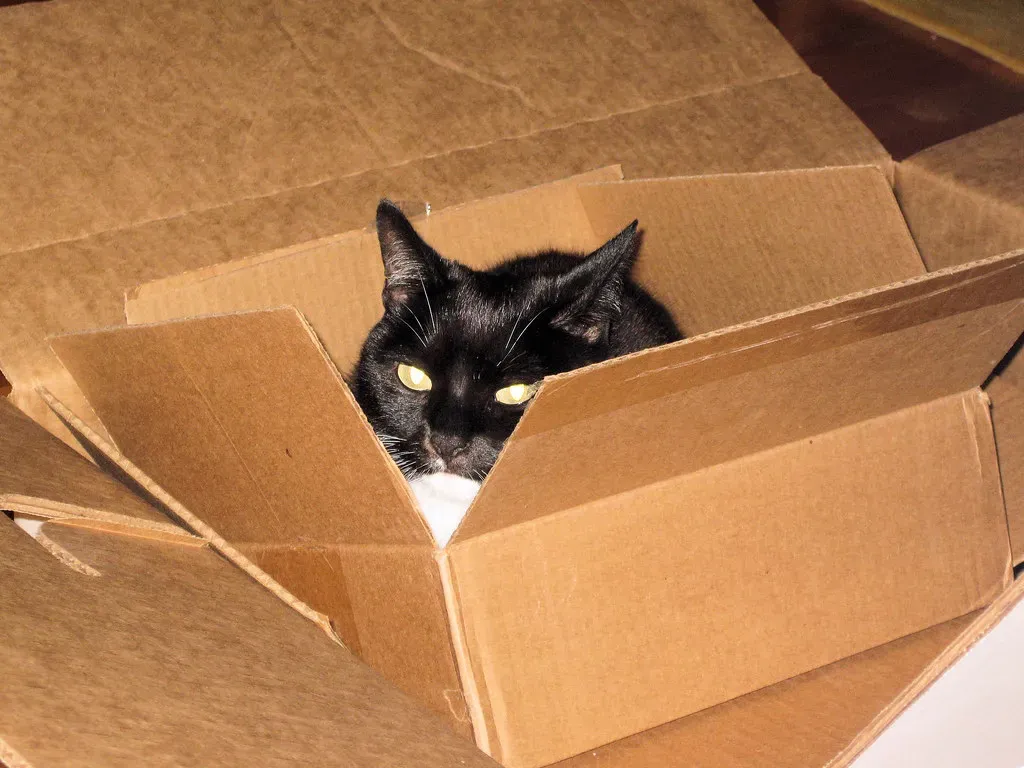
If you still had any doubt that this behavior runs deep, consider this: it is not just your domestic cat. It may surprise you to learn that big cats share lots of the same characteristics as your pet cat. When big cats living in wildlife reserves and zoos were given cardboard boxes, they had just as much fun as your cat would – they were seen jumping in and out of the boxes, sitting in them, and generally having a great time.
Despite differing personalities and energy levels, all cats can get something out of a well-placed box. Lions, tigers, leopards – they all respond to boxes the same way your tabby does on a Tuesday morning. This sense of comfort and control is vital for cats, who are territorial by nature. Having a secure space to retreat to reduces their likelihood of developing destructive or anxious behaviors. A box is not a trivial curiosity – it is a genuine psychological tool for every cat on the planet, wild or domestic.
Conclusion: Never Throw That Box Away Before Your Cat Is Done with It
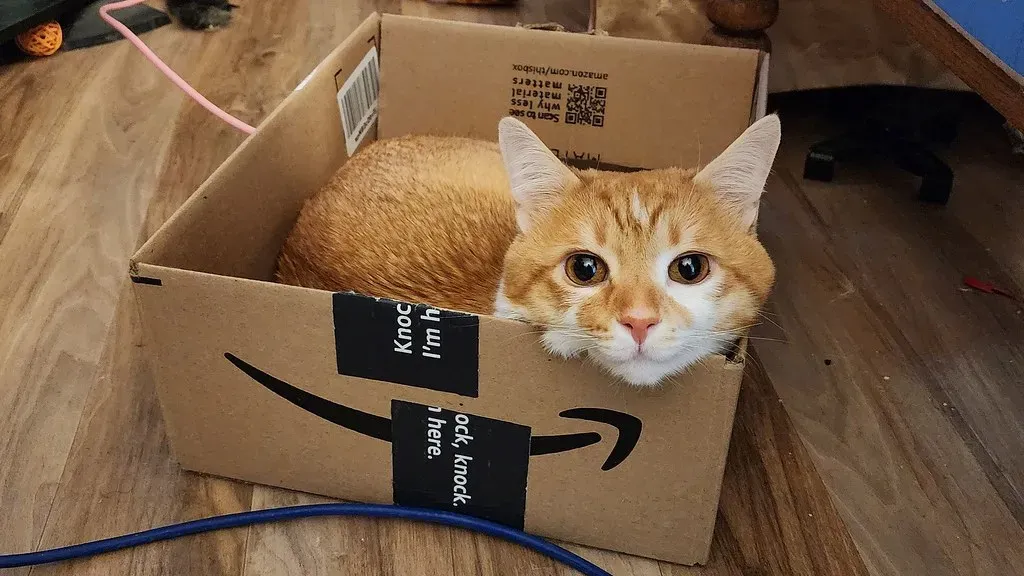
What looks like a simple piece of packaging to you is, for your cat, a sanctuary, a hunting ground, a thermal nest, a sensory playground, and a territorial claim all rolled into one. The behavior is not silly or random – it is backed by evolutionary science, peer-reviewed research, and millions of years of feline instinct. Your cat is not being weird. Your cat is being perfectly, beautifully cat.
Next time a box arrives at your door, resist the urge to immediately break it down for recycling. Set it on the floor. Watch what happens. You will be giving your cat one of the most genuinely enriching experiences available to them – and it costs absolutely nothing. Honestly, in a world full of expensive cat gadgets and elaborate toys, it is a little humbling that a cardboard box remains the undisputed champion.
So here is the question worth sitting with: after everything you have just learned, who do you think is actually smarter in this situation – the cat who instantly claimed the perfect stress-relieving, temperature-regulating, instinct-satisfying shelter… or the human who almost threw it in the recycling bin? Drop your thoughts in the comments below.