Have you ever noticed your cat hauling that ratty old mouse toy around the house like it’s the crown jewels? Or maybe your dog sleeps curled around the same squeaky ball every single night. It’s not just random behavior. Your pets have formed genuine emotional bonds with these objects, turning simple playthings into treasured comfort items that help them navigate the world.
Just like human children and animals such as magpies and squirrels, dogs and cats can develop attachments to specific things. Let’s be real, the psychology behind this is fascinating. Think of it as your pet’s version of a security blanket.
The Science Behind Their Favorite Things
Items can provide comfort and security which can help to reduce stress and anxiety. Your furry companion isn’t being silly when they refuse to leave the house without their favorite toy. They’re actually engaging in self-soothing behavior that’s hardwired into their emotional makeup.
Dogs and cats use these items for self-soothing behaviors, whether snuggling with them, licking, kneading, or nibbling at them. Research has shown that pets genuinely form emotional connections to objects just as intensely as children do with their beloved stuffed animals. The smell, texture, and familiarity all combine to create something irreplaceable in their minds.
Memory Lane With Every Squeeze
If a sock, slipper, or random toy helped them feel safe once, they may stick to it, and puppies might have a close attachment to a certain toy that they snuggled with when they first came to their new home. Here’s the thing: your pet remembers. That toy you brought home on their first day? It became linked to safety during a scary transition.
If a toy or blanket was introduced during a sensitive developmental stage, that toy may become an emotional anchor for the dog, and they may find emotional comfort and support from the smell or texture. Those early days shape their preferences forever. I think that’s rather beautiful, honestly. Your pet’s attachment isn’t random, it’s rooted in real emotional experiences that mattered to them when they needed comfort most.
Your Scent Makes Everything Better
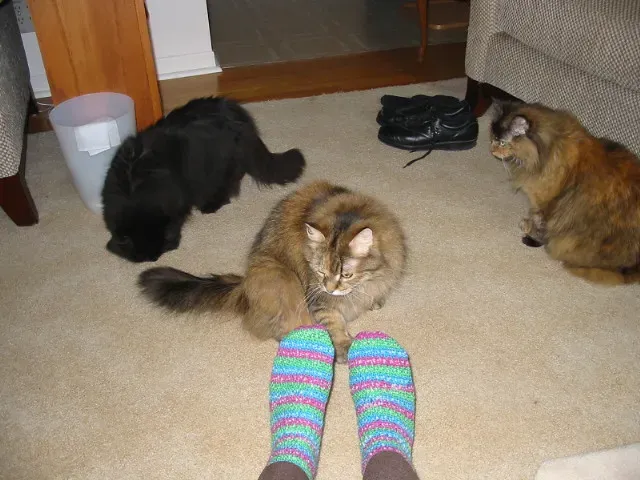
Often, these items are things used or worn by the person the dog has the most attachment to such as shoes, socks, or underwear. Sorry to break it to you, this is why your dog steals your dirty laundry. It’s not because they’re being obnoxious. They’re seeking connection with you.
It’s possible that the toy your pup likes carries your scent or that of the members of the family, and whenever they keep it close, your dog may feel a sense of connection with you. When you’re gone during the day, that smelly sock or well-loved toy becomes a stand-in for your presence. Think of it as their way of keeping you close when you can’t be there physically.
Hunting Instincts Meet Comfort Objects
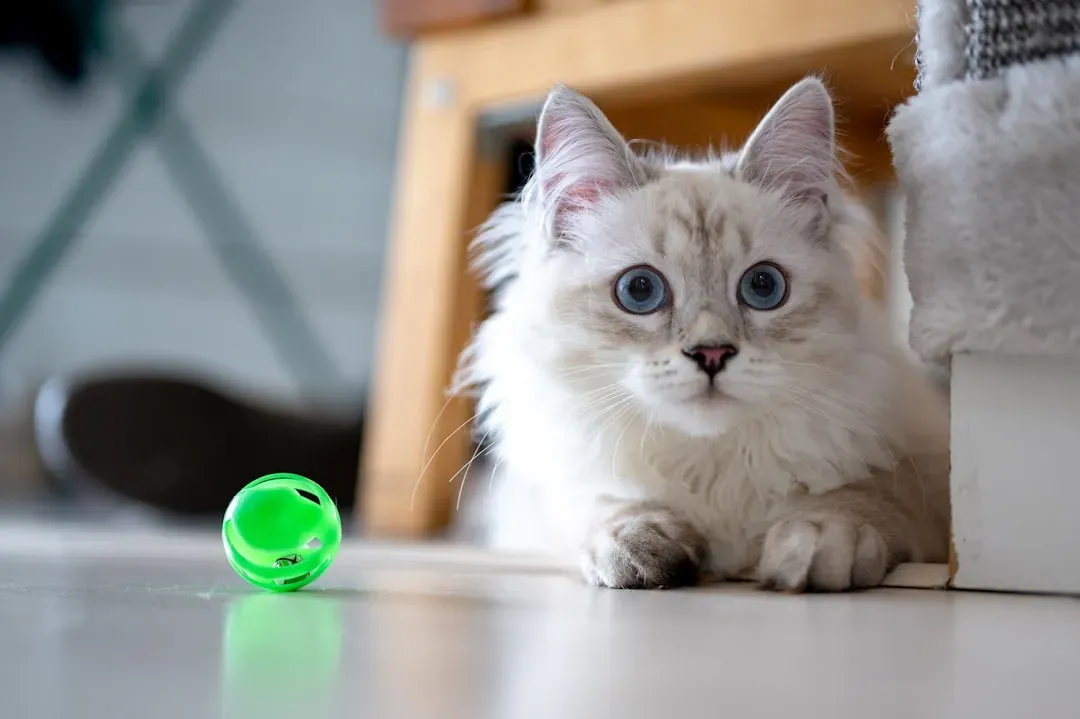
Research shows that dogs perceive toys in the same way wolves perceive prey, and it all comes down to texture, shape and size. This might seem contradictory, but your pet can view the same toy as both prey and comfort object. Weird, right?
One of the primary reasons why dogs like cuddly toys stems from their ancestral hunting instincts, as wild dogs and wolves hunt small prey, and the size, texture, and movement of stuffed animals trigger these deeply ingrained behaviors. Yet the same toy they “kill” during playtime becomes their sleeping companion at night. Your pet’s brain is complex enough to hold both instincts simultaneously without contradiction.
Texture Tells the Whole Story
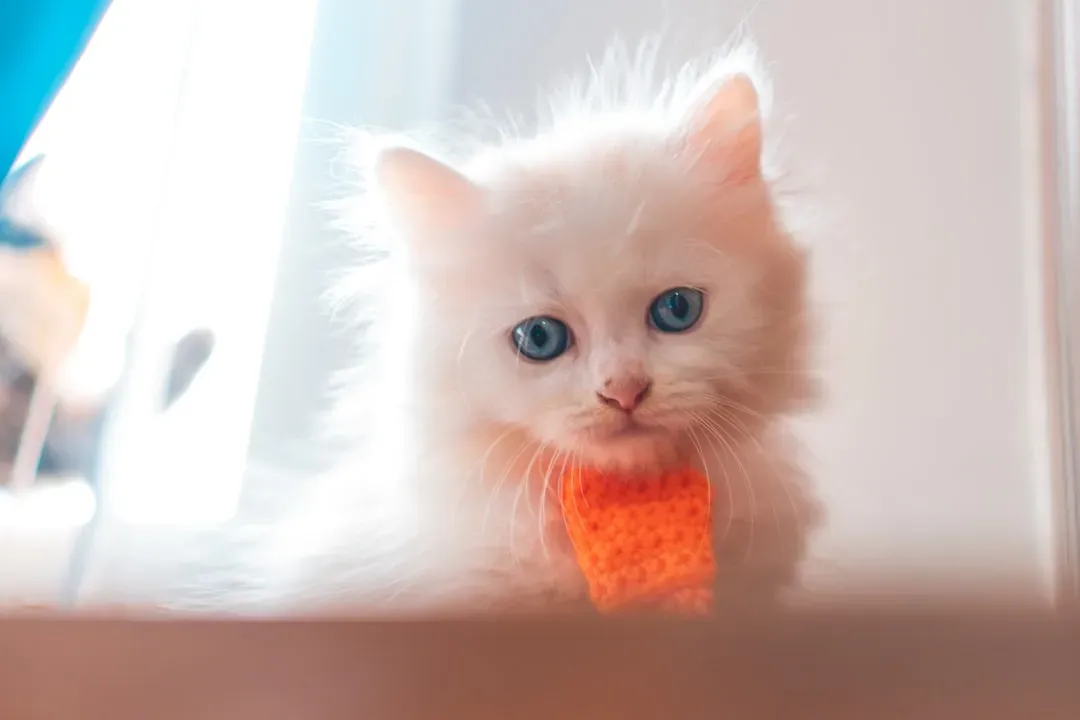
The toy has a particular texture that feels good in the pet’s mouth, and when your pup is teething, chew toys can be particularly appealing to them. Texture isn’t just about chewing. It’s about how the toy feels against their face when they cuddle it or carry it around.
Some pets prefer plush softness that mimics fur, while others gravitate toward rubber or rope. The tactile experience of a toy is another crucial factor in a dog’s preference, as dogs explore the world through their mouths, and the texture of a toy can greatly influence their choice. Your cat kneading that specific blanket or your dog mouthing that rubber bone isn’t random. They’ve found the texture that soothes them most.
The Power of Routine and Ritual
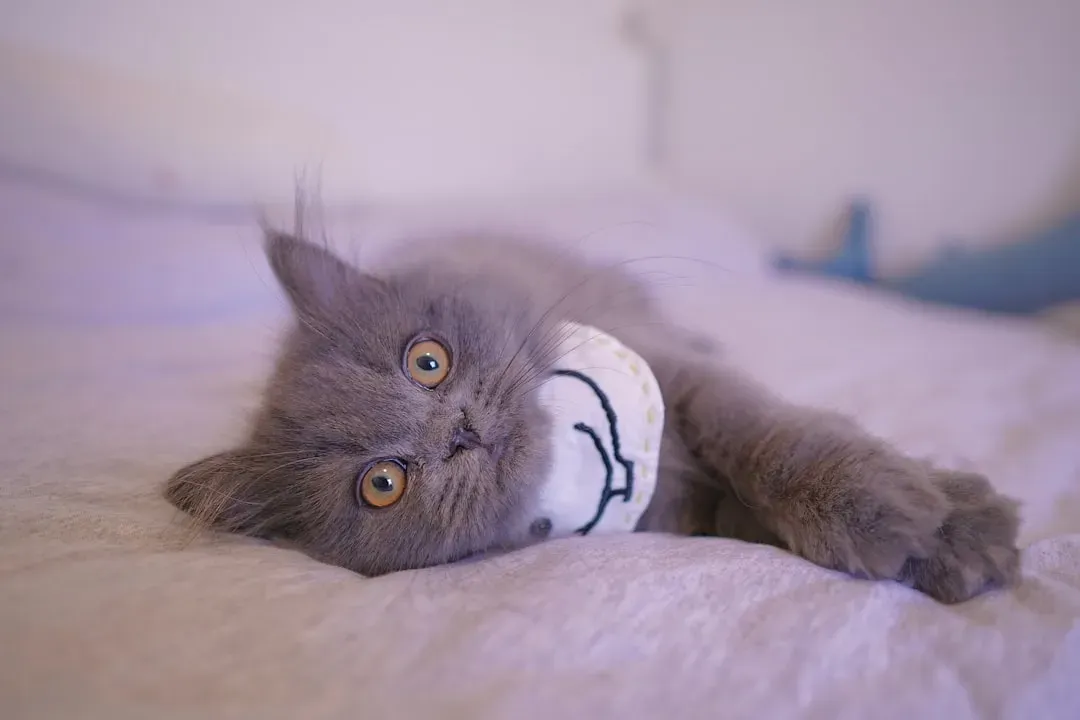
Have you ever noticed how your pup never goes to sleep without his favorite toy? Think of it as a child who wanted to care for a baby doll. Routines matter deeply to pets. That nightly ritual of fetching their toy before bed isn’t just habit, it’s essential to their sense of security.
If they just want to rest, they may curl up with a toy, as toys satisfy a need in our dogs. It signals to their brain that everything’s okay, the day is done, and it’s safe to sleep. Breaking this routine can genuinely distress them because you’ve disrupted an emotional anchor point in their day.
When Maternal Instincts Take Over
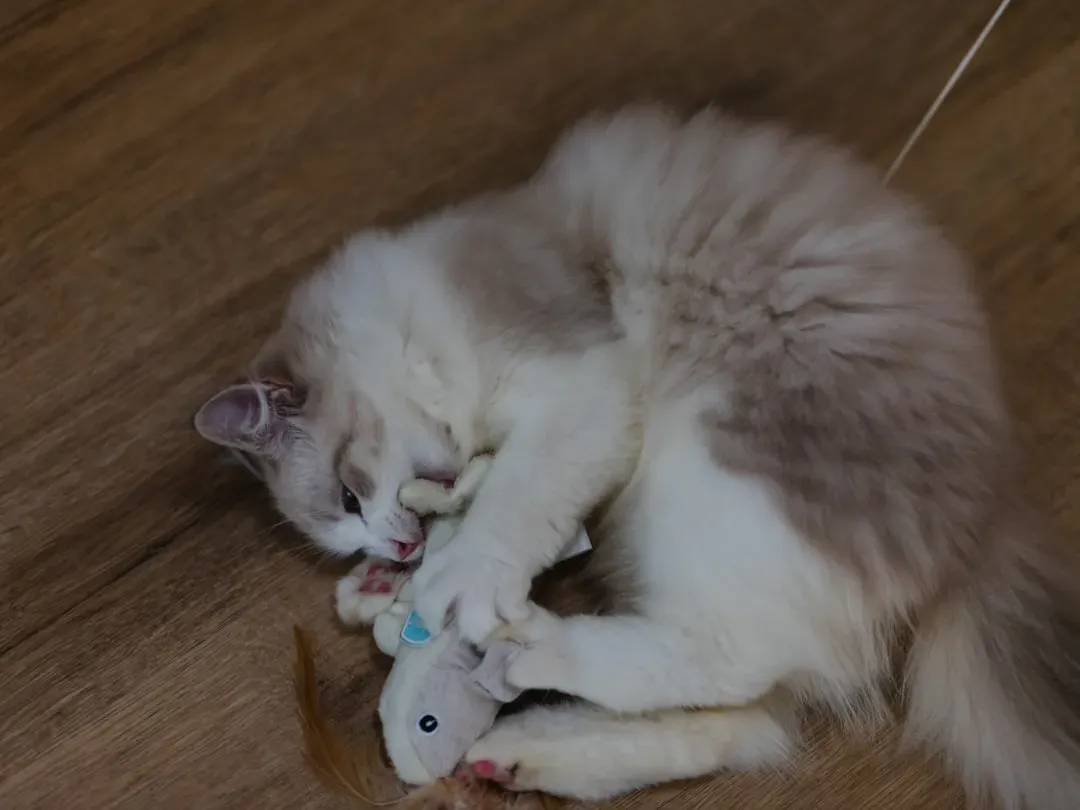
It is even possible that a spayed female dog could feel strong maternal instincts, and if a mother’s puppies were taken away from her too soon after birth, she may coddle a toy as if it were her baby. This one gets emotional. Some pets, especially female dogs, treat their toys like offspring.
Puppies love to cuddle up to soft toys, which gives them a sense of security and helps in the adaptation process, as stuffed animals act as a kind of substitute for their mother or siblings. They’ll carry them gently, nest with them, and even produce milk in extreme cases. This behavior isn’t pathological, it’s a manifestation of powerful nurturing instincts that toys can trigger.
Toys as Social Bridges
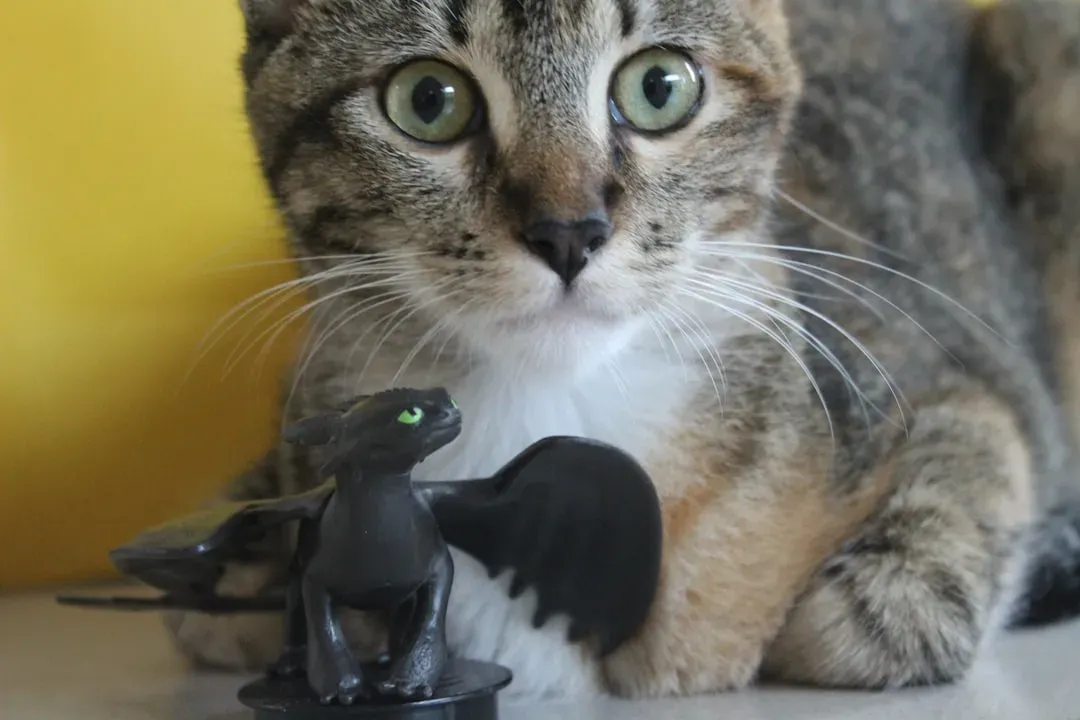
Dogs may offer toys as a sign of emotional bonding, as sharing a favourite toy can be your dog’s way of saying they trust and value you. When your dog brings you their precious toy, they’re not asking you to throw it. They’re sharing their most valued possession with you.
When dogs bring you their toys, they’re sharing their most prized possessions, and this gesture demonstrates significant trust and emotional attachment. That’s huge in the pet world. It’s their way of including you in their inner circle and showing you matter to them. Honestly, it’s one of the purest forms of love they can express.
Managing Stress Through Play Objects
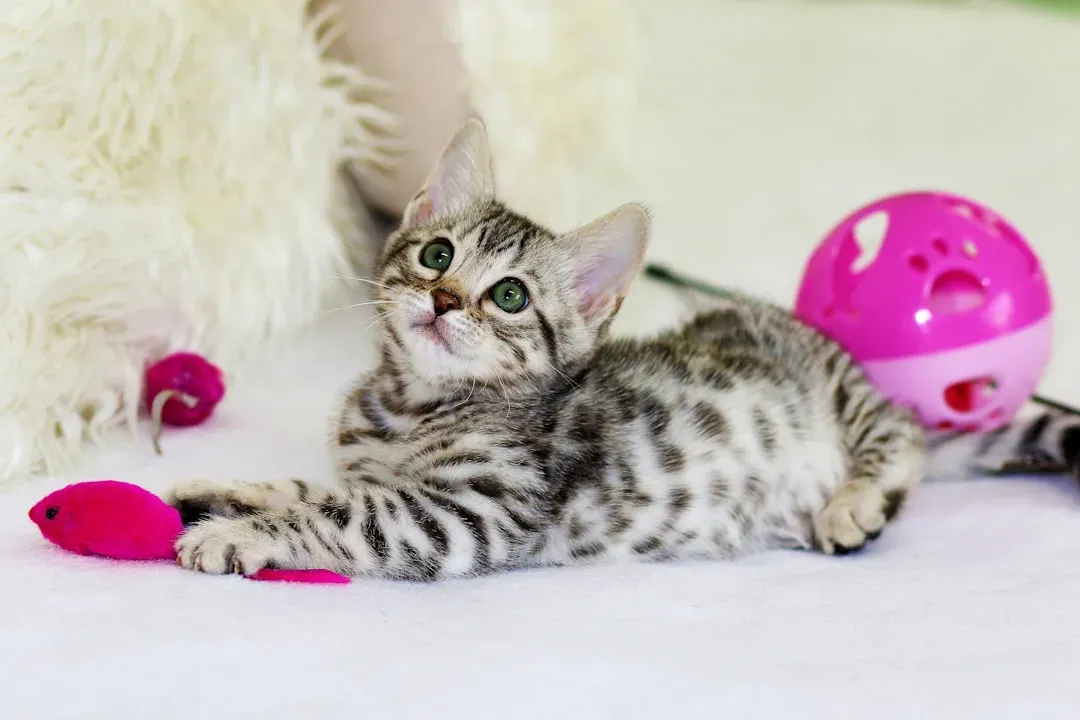
Sometimes, dogs use toys as comfort objects during moments of excitement or mild anxiety, as the act of carrying a familiar toy can help them manage the emotions that arise when their owner returns home. Your pet’s toy becomes a coping mechanism. When the doorbell rings or thunder crashes, grabbing their favorite toy helps them self-regulate.
Whether he is nervous or excited, this is his psychological way of overcoming distress or reinforcing a positive emotion. It’s similar to how humans fidget with jewelry or squeeze stress balls. Your pet has figured out what helps them feel calmer, and they’re smart enough to use it when needed.
The Irreplaceable Nature of Beloved Toys
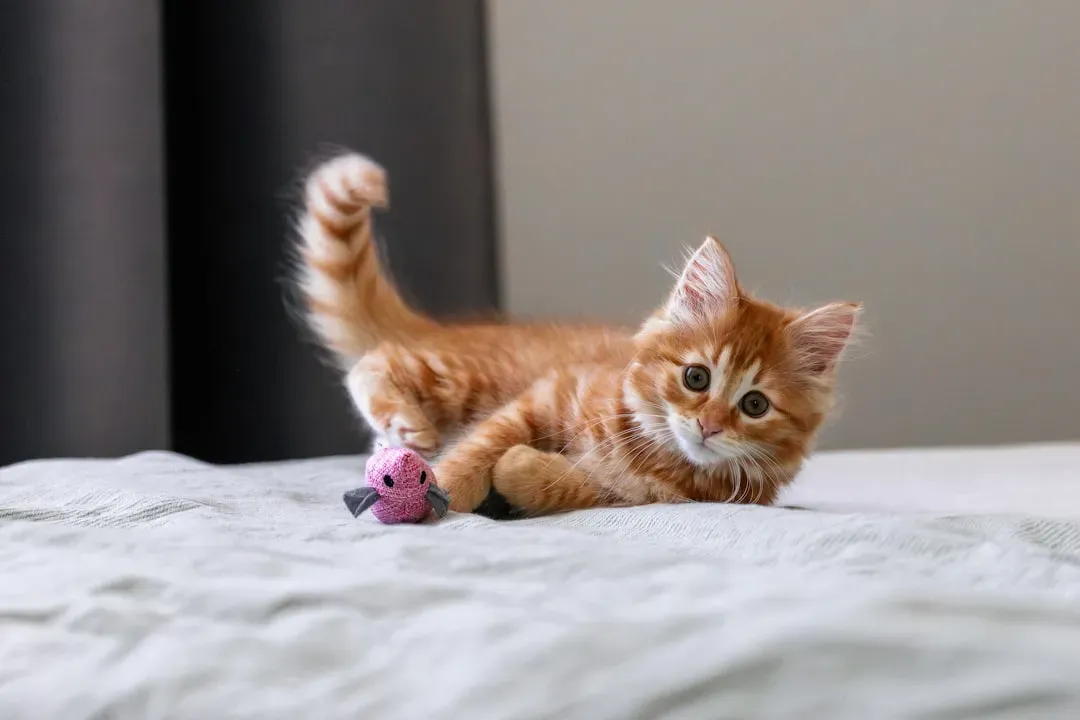
If you need to replace it, use something with similar texture, smell, or shape, and if you can, introduce the new one gradually alongside the old one to ease the transition. Here’s where things get tricky. You can’t just throw out their favorite toy when it’s falling apart and expect them to be fine.
If you have to part with an old favorite toy, there are things you can do to help make its replacement more engaging for them, like helping them make new memories with it by using a toy to play with your dog. The emotional attachment runs deep. Transitioning to a replacement requires patience and strategy. You might need to let the new toy absorb familiar scents or introduce it slowly while the old one is still around. Think of it as honoring the bond they’ve formed.
Bringing It All Together
Your pet’s attachment to their toys reveals something profound about their emotional lives. These aren’t just objects to them. They’re sources of comfort, security, and joy that help them navigate the complexities of domestic life. The answer encompasses comfort, entertainment, mental stimulation, physical exercise, and emotional support.
The next time you see your cat dragging that battered stuffed mouse across the floor or your dog refusing to go anywhere without their tennis ball, you’ll understand the deep psychological needs these objects fulfill. Comfort is based on emotional associations, not necessarily logic. Their choices might seem random to us, but to them, these toys are treasured companions that make the world feel safer and more manageable.
What’s your pet’s favorite toy, and have you noticed how they use it for comfort? The stories behind these attachments are always touching.