You’ve likely witnessed your feline companion shredding your favorite armchair or methodically working their claws into the carpet, leaving you puzzled and maybe a bit frustrated. It seems destructive, even spiteful at times. Yet this behavior isn’t about rebellion or mischief. It’s something far more primal, rooted deep in your cat’s DNA.
Understanding why your cat scratches and why providing appropriate outlets matters can transform your relationship with your furry friend. Let’s be real, cats aren’t going to stop scratching just because you want them to. The key is learning to work with their instincts, not against them. So let’s dive into the fascinating world of feline scratching behavior and discover why that scratching post isn’t just a luxury – it’s essential.
The Ancient Instinct Behind the Claws

Scratching is a perfectly natural and highly instinctual behavior that cats exhibit throughout their entire lives. Think about it – your domestic tabby shares ancestry with wild cats who needed sharp claws to survive. For cats, scratching isn’t just second nature; it’s actually first nature, one of their primal, instinctual urges.
This behavior isn’t something kittens learn and then abandon as they mature. Cats scratch for their entire lives, not just during kittenhood. Your cat doesn’t wake up one morning and decide to ruin your furniture out of spite. Cats don’t scratch out of malice or a need to destroy the furniture – they scratch because it’s a primal instinct. Understanding this fundamental truth is the first step toward creating a harmonious home where both you and your cat can coexist peacefully.
Maintaining Healthy Claws and Grooming

One of the primary reasons your cat scratches is surprisingly practical: claw maintenance. Scratching can remove part of the nails’ outer shell, which reveals the fresher nail underneath, making scratching actually a part of a cat’s regular grooming ritual. It’s hard to say for sure, but watching a cat scratch almost looks like they’re performing a necessary hygiene routine.
Scratching helps cats shed the outer sheath of their claws, revealing a new, sharper layer underneath. Think of it like peeling away dead skin – except in this case, it’s keeping their primary defense and hunting tools in optimal condition. Cats have instincts that tell them to keep their claws sharp for hunting, climbing, and fighting, and although indoor cats no longer need to hunt or fight, your cat still needs to maintain their claws.
Without appropriate scratching surfaces, your cat would struggle to shed these outer layers naturally. This could lead to overgrown claws that curl uncomfortably or even cause pain. Providing scratching posts isn’t indulgence – it’s meeting a genuine health need.
Territory Marking Through Scent and Sight

Here’s something many people don’t realize: scratching isn’t just about the claws. In the pads of the paws are scent glands that release a kitty’s scent onto everything they scratch. Your cat is essentially leaving their calling card, an invisible signature that communicates to other animals.
Cats claw at trees and other objects in the natural environment to leave visible marks and traces of their scent, with scent glands on the underside of their paws leaving behind their unique scent when they scratch, signaling ownership of the area. It’s both a visual and olfactory message. Cats may also scratch to mark territory, with scratch marks being visible to other cats and serving as a sign that the territory belongs to the cat that made them.
This territorial behavior becomes particularly pronounced in multi-cat households or when outdoor cats are visible through windows. Your indoor cat might scratch more frequently near doors and windows, essentially reinforcing their claim to their domain. It’s their way of saying, “This space is mine.”
The Stretching and Exercise Connection
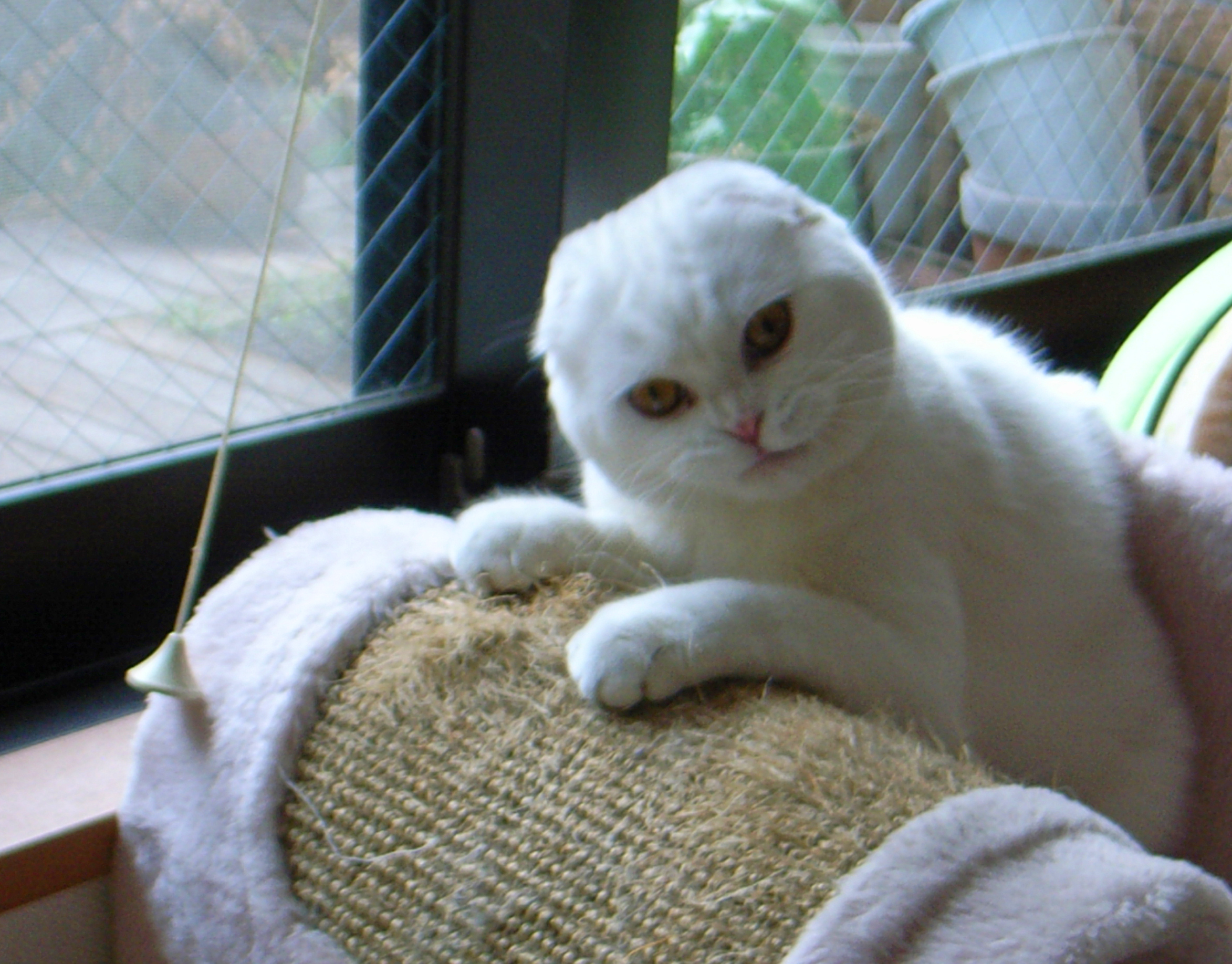
Have you ever noticed your cat scratching immediately after waking from a nap? That’s no coincidence. Scratching allows an effective, whole body stretch, as cats stretch their muscles while they rise on their hind feet, arch their back, extend their legs, and extrude their claws.
This full-body workout is genuinely important for your cat’s physical health. Scratching posts are an excellent way for cats to get a good stretch, and when cats stretch, they extend their bodies and flex their paws, promoting muscle tone and flexibility. For indoor cats especially, who may not get as much physical activity as their outdoor counterparts, this stretching becomes even more crucial.
The act of scratching for cats is an emotional release to get rid of any stress or excitement, but it’s also a necessary act that allows them to keep their claws maintained and give their body a good stretch. Think of it as yoga for cats – a combination of physical exercise and stress relief all rolled into one natural behavior.
Emotional Expression and Stress Relief

Cats don’t have the luxury of talking through their feelings or going for a stress-relieving jog. Instead, they scratch. When cats are stressed, they have a tendency to release their emotions through their claws, and that’s when your furniture could be in real danger.
Allowing cats to exhibit natural, species-specific behaviors like scratching prevents them from becoming frustrated and stressed out. Denying this outlet can actually worsen behavioral problems rather than solve them. The scratching helps the cat reduce feelings of insecurity and balances the innate need to mark territory, relieving tension if a cat has energy to burn and making the animal feel better about the world.
Changes in your household – a new pet, a move, visitors, even altered schedules – can trigger increased scratching. It’s not destructive behavior; it’s your cat attempting to self-soothe and regain a sense of control in their environment. Honestly, who among us hasn’t needed a physical outlet during stressful times?
Protecting Your Furniture and Belongings

Let’s address the elephant in the room: furniture damage. Feral cats scratch logs and trees outside because they’re both sturdy and markable, meaning that any marks made by the cat’s claws are visible to other cats, and in a house, the furniture has similar characteristics – it’s the sturdiest available surface on which the scratch marks will show.
Your expensive couch wasn’t targeted because your cat has terrible taste. It was chosen because it met all the criteria: sturdy, prominent, and satisfying to scratch. When you have an indoor kitty, they have to find a substitute scratching spot, and a scratching post, scratcher or cat tree is the next best thing, but if there aren’t any in the home, your cat will have to resort to anything they can find, including furniture and carpet.
A dedicated scratching post can help reduce unwanted behaviors, such as scratching furniture or household items, as cats scratch to mark their territory and satisfy their need to stretch and exercise. Providing appropriate alternatives isn’t about training your cat to stop scratching – it’s about redirecting a natural behavior to acceptable surfaces.
Choosing the Right Scratching Post

Not all scratching posts are created equal, and your cat definitely has opinions. If a post is not sturdy enough, long enough, or of a material that appeals to your cat, they might not use it. I know it sounds crazy, but cats can be remarkably picky about their scratching preferences.
The post should be tall enough for the cat to scratch while standing on her hind legs with the forelegs extended, and sturdy enough so that it does not topple. A wobbly post that tips over will quickly teach your cat to avoid it entirely. Some cats prefer a scratching post with a corner so that two sides can be scratched at once, while other cats may prefer a horizontal scratching post, and special consideration should be given to the surface texture of the post.
Cats have preferences – you have to let your cat select what material your cat wants to scratch, and most cats will go for corrugated cardboard, but some might prefer other textures, like carpet, sisal rope or wood. It’s a good idea to start out with a variety of budget-friendly posts to see what your cat(s) gravitate toward and then target your cat scratching investments towards those types of products. Variety truly is the spice of life when it comes to satisfying feline scratching needs.
Strategic Placement and Training

Here’s the thing – buying a scratching post and hiding it in the basement won’t solve your problems. Cats like to scratch when they first wake up, so placing a post near a favorite napping spot is a good idea, and you should also pay attention to what furniture your cat likes to scratch the most and place scratching posts as close to those locations as possible.
Because cats use their scratching posts for marking and stretching as well as sharpening their claws, posts should be set up in prominent areas, with at least one close to the cat’s sleeping quarters. Think about your cat’s daily routine and movement patterns throughout your home. Where do they spend most of their time? Those are prime real estate locations for scratching posts.
The best way to train your cat to scratch more acceptable objects is to reward the behavior you want to see – if you see your cat put its paws on a scratching post, reward them with a treat, and the cat will begin to associate scratching the posts with rewards. Patience and positive reinforcement work far better than punishment, which only teaches your cat to fear you without addressing their underlying needs.
Conclusion

Scratching posts aren’t optional accessories for cat owners – they’re essential tools for meeting your cat’s biological and psychological needs. From maintaining claw health to marking territory, from stretching muscles to relieving stress, scratching serves multiple vital functions in your cat’s daily life. By providing appropriate scratching surfaces and understanding the instincts driving this behavior, you create an environment where both your cat’s needs and your furniture can coexist peacefully.
The next time you catch your cat mid-scratch, remember they’re not being difficult. They’re simply being a cat. What do you think about it? Have you found the perfect scratching post solution that keeps both you and your feline friend happy?