You’ve heard the old saying about teaching old dogs new tricks. Well, here’s something that might surprise you about your older feline companion. That senior cat lounging in the sunbeam isn’t just coasting through their golden years. They’re still perfectly capable of picking up new skills, adapting to changes, and responding to training in ways that would make any kitten proud.
Let’s be real, there’s a persistent myth that once cats reach a certain age, they’re stuck in their ways forever. People assume their aging companions have stopped learning entirely, that their minds have gone rigid. It’s simply not true, and honestly, it does a disservice to these remarkable creatures who continue to surprise us well into their later years.
Their Brains Are Built for Lifelong Learning
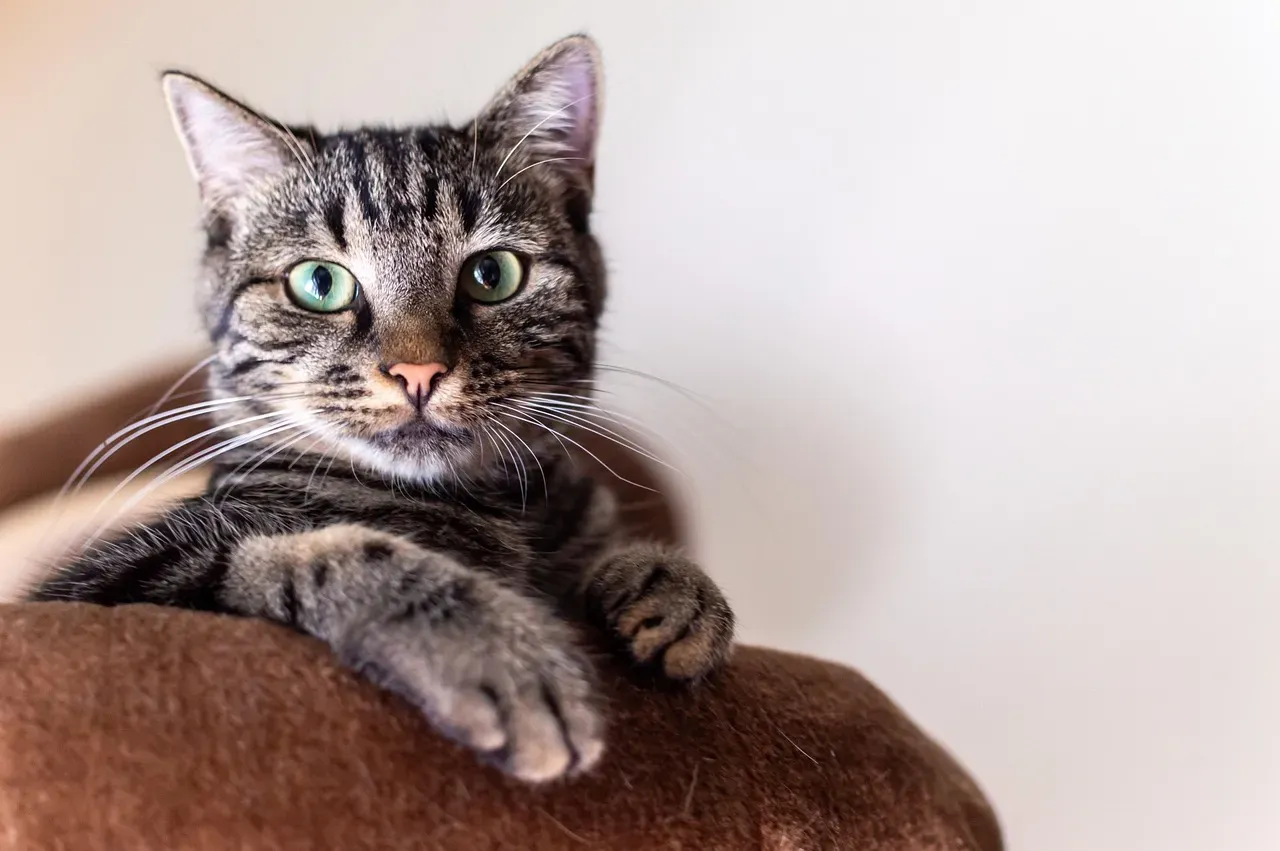
Your cat’s brain displays neuroplasticity, allowing it to reorganize based on experiences. This isn’t just technical jargon. It means the neural pathways in your senior cat’s mind can still form new connections and adapt to new information throughout their entire life.
The brain is known for its neuroplasticity, which means it can continue to change throughout life and be easily shaped by experiences, which is why mental enrichment can form an important part of delaying onset and slowing progression of cat dementia. Cognitive function isn’t a switch that flips off at age ten. Sure, the process might slow down a bit, but it never completely stops.
Age Isn’t the Real Barrier People Think It Is
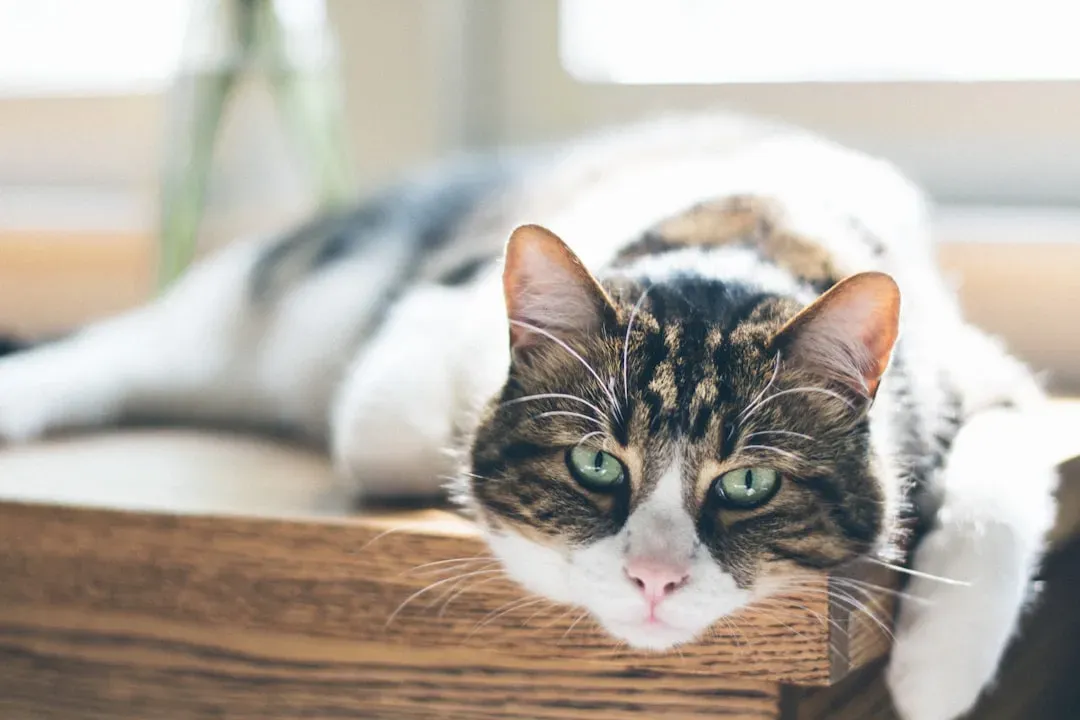
A certified cat behavior consultant asserts that any cat’s trainability is more a matter of personality and history than age. Think about that for a moment. Your fifteen-year-old cat might actually be easier to train than a stubborn two-year-old if they have the right temperament and motivation.
The saying “you can’t teach an old dog new tricks” is simply not true, and the same applies to cats; naturally, the younger they are when you train them the less likely they are to develop bad habits, but senior cats are still capable of learning new behaviours, as training is more about personality and ability than age. Honestly, I’ve seen twelve-year-old cats master clicker training faster than some youngsters who couldn’t sit still for five seconds.
Patience and Positive Reinforcement Work Wonders
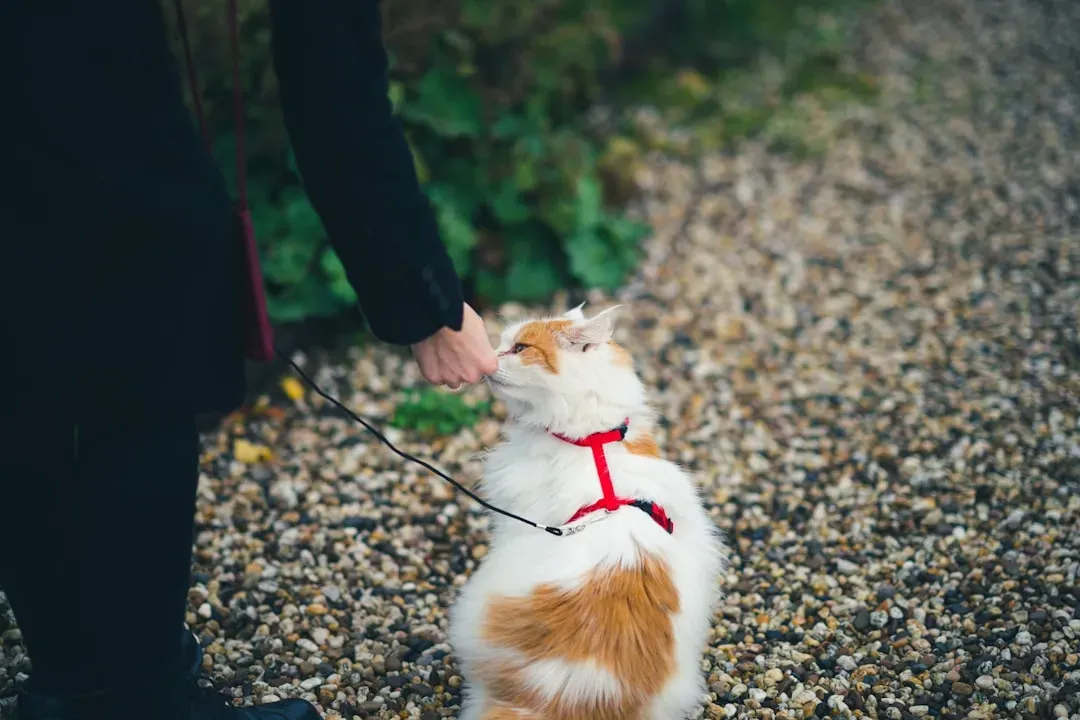
By using patience and positive reinforcement methods, you can certainly train an old cat to learn simple commands and tricks to modify behavior and enrich the environment. The key word there is patience. Your senior cat might need a few extra sessions to grasp a new concept, but they’ll get there.
Cats learn best through positive reinforcement; favorite rewards for cats include delicious treats, catnip, interactive play, and petting or grooming, with rewards given immediately, within 3 seconds. Timing matters enormously. Miss that window and your cat won’t connect the dots between their action and your reward.
Mental Stimulation Keeps Them Sharp
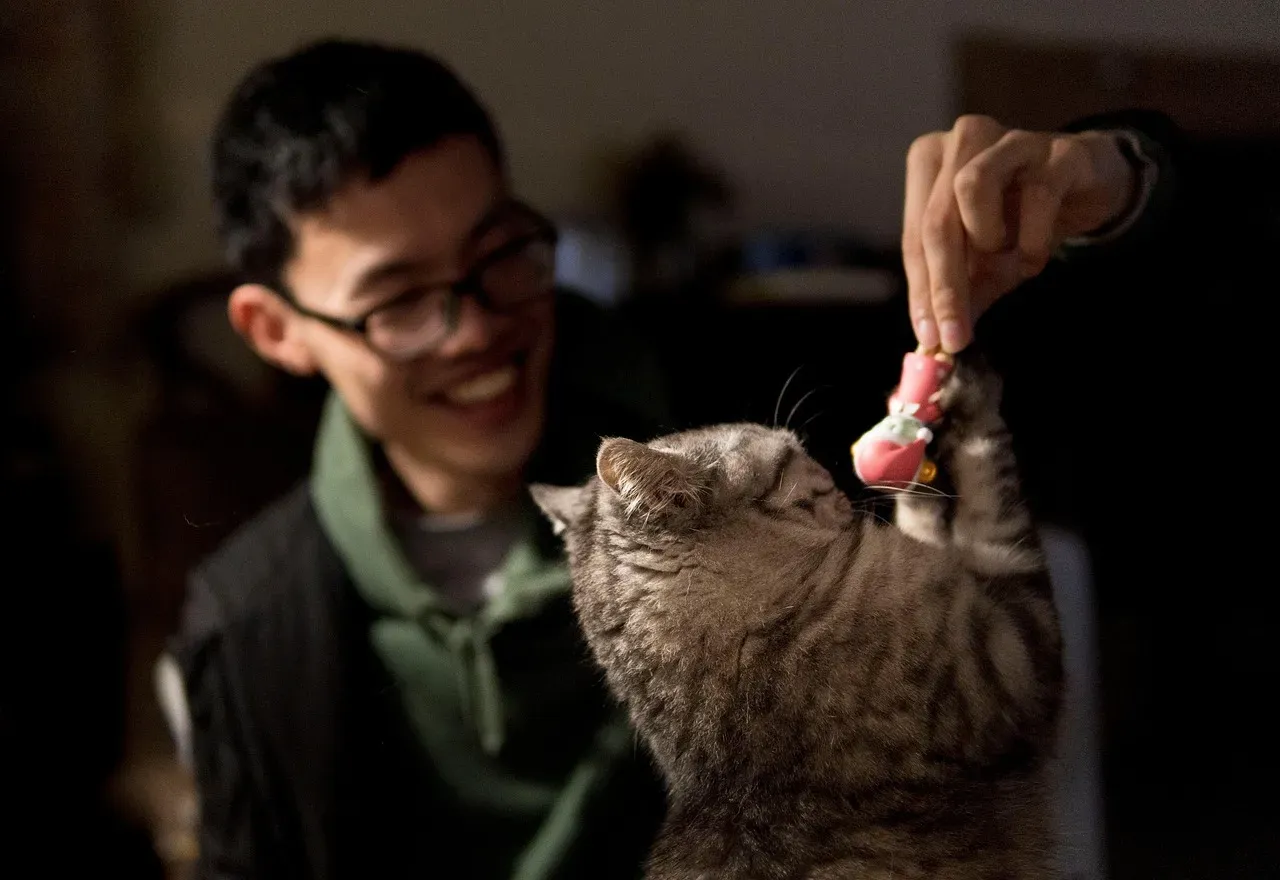
Here’s something fascinating. Although old cats might not be as physically active as their younger counterparts, senior felines still require plenty of mental stimulation to prevent them from becoming bored and potentially destructive, with training helping to give that mental stimulation to keep them sharp and interested in life.
Environmental enrichment represents an equally important non-pharmacological strategy that independently contributes to cognitive resilience, with structured play, training exercises, interactive problem-solving, and exposure to novel stimuli shown to promote neuroplasticity. Training sessions aren’t just about obedience. They’re cognitive workouts that genuinely benefit your cat’s brain health as they age.
They May Learn Differently, But They Still Learn
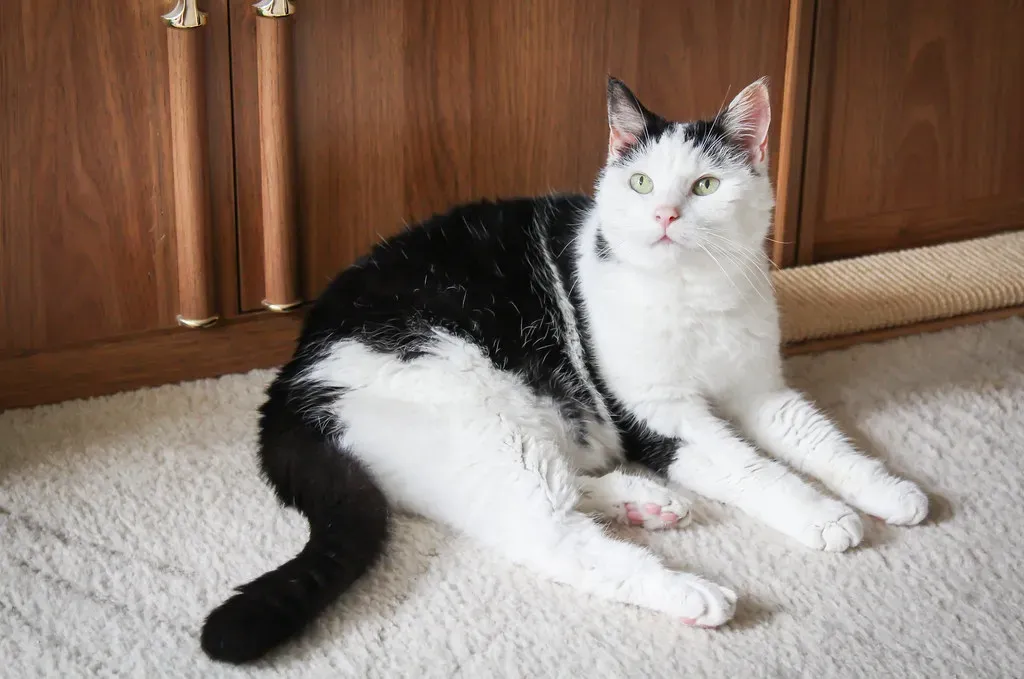
It may take a cat a bit longer to do some training, and while they may be very smart, it definitely takes them longer to catch on to new behaviors. Slower doesn’t mean incapable. It just means you need to adjust your expectations slightly.
Even adult or senior cats can learn new behavior and respond to training techniques, although it may require more patience and adaptation to their individual needs and abilities. Maybe instead of ten repetitions, your senior cat needs twenty. So what? The accomplishment feels just as sweet when they finally nail that high-five or come when called.
Physical Limitations Don’t Equal Mental Decline
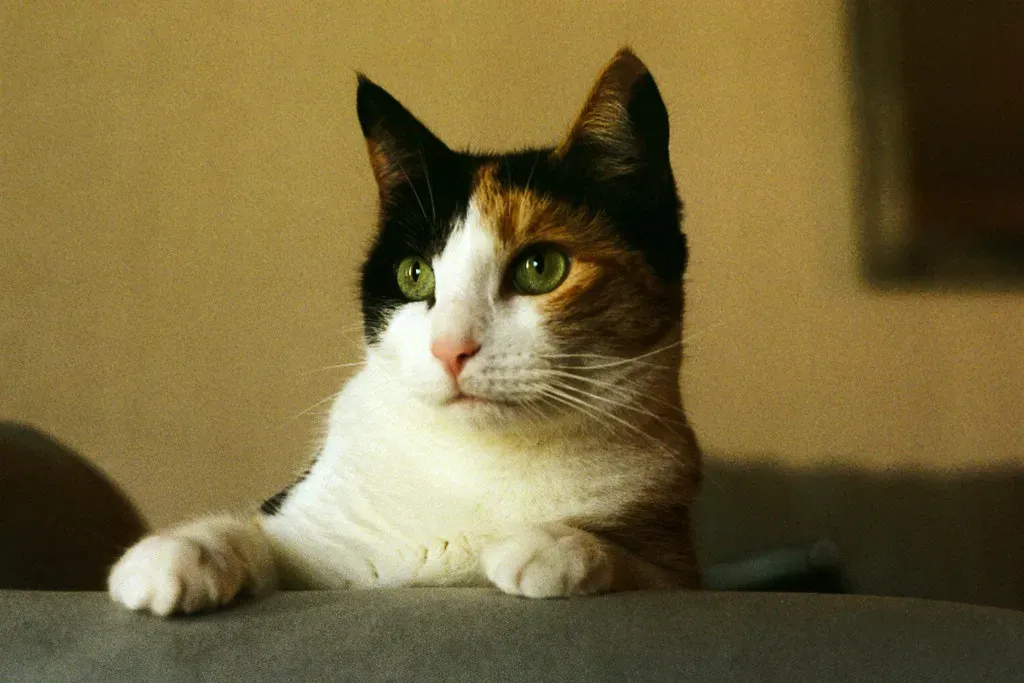
You just have to match the behavior with their mobility and energy level; a senior cat may be unable to sit on their back legs for an “up” cue, but maybe they can raise a paw for a fist bump or touch a target with their nose. Smart training means working with what your cat can physically do.
Senior cat training is not dissimilar to that of kittens, but you should bear in mind that while your cat may respond well to training, they might not have the agility or mobility of a young cat, with respecting their physical limitations and making sure training is stress-free essential. Arthritis might prevent jumping tricks, but there are dozens of mentally engaging behaviors that require minimal physical effort.
The Emotional Benefits Are Powerful
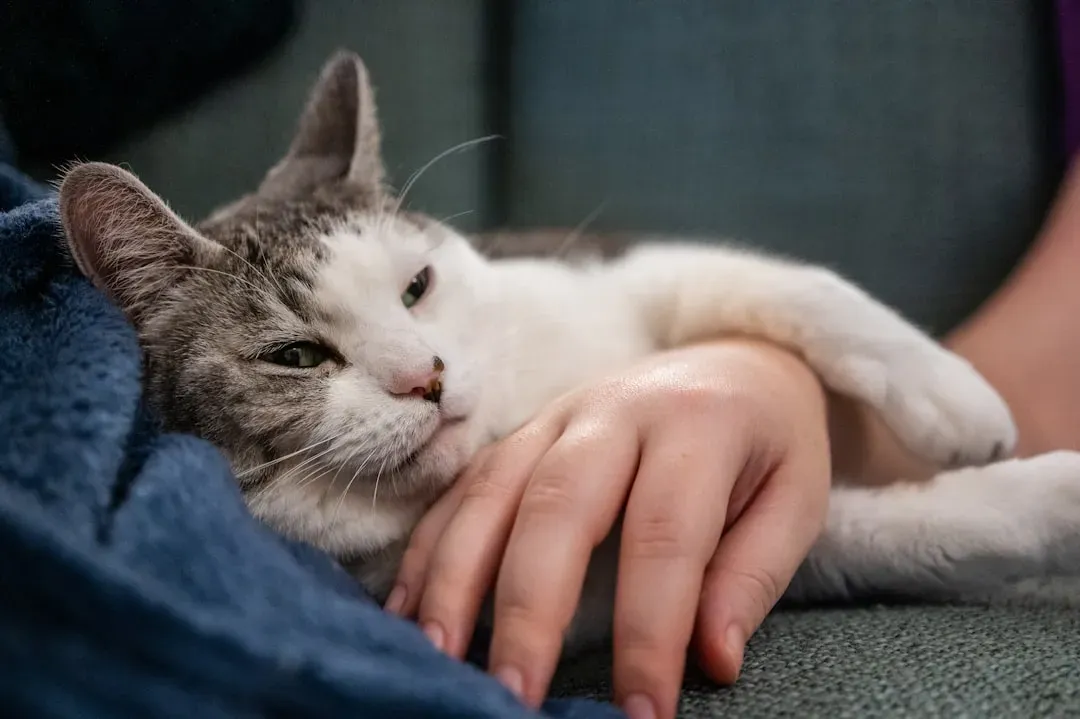
Older cats likely benefit from not only the cognitive aspects of training, but also the emotional ones, as training strengthens the bonds between cat and owner and leaves the older cat feeling more secure, which is more important than ever as it ages. This connection matters more than any trick ever could.
Training sessions become quality time together. Your senior cat gets your undivided attention, encouragement, and treats. You get to engage meaningfully with your companion and watch them succeed at something new. That shared experience deepens trust in ways that simple coexistence never could.
Short Sessions Are More Effective
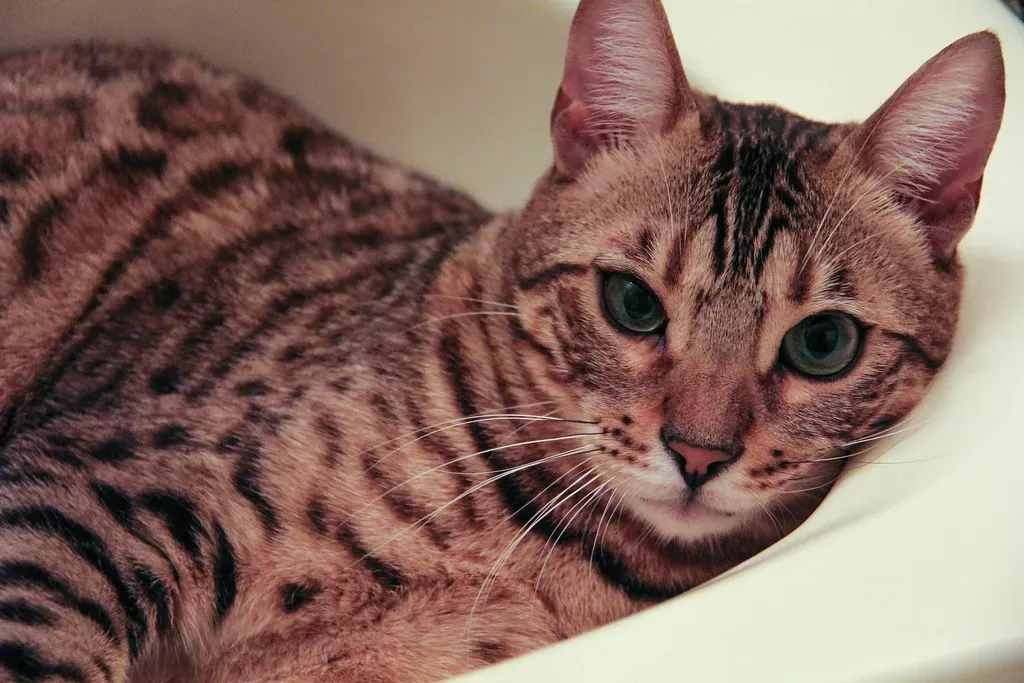
Older cats tend to have shorter attention spans than younger ones, so keep training sessions brief and frequent, aiming for a few minutes per session, several times a day, rather than long, exhausting sessions that are too taxing for the cat. Quality beats quantity every single time.
Begin with simple behaviors like “touch” or “come,” keep sessions short at just 3 to 5 minutes, and always end on a positive note to build your cat’s confidence and prevent frustration. Three productive minutes where your cat succeeds beats a fifteen-minute marathon where everyone gets frustrated and quits.
Real Examples Prove It’s Possible
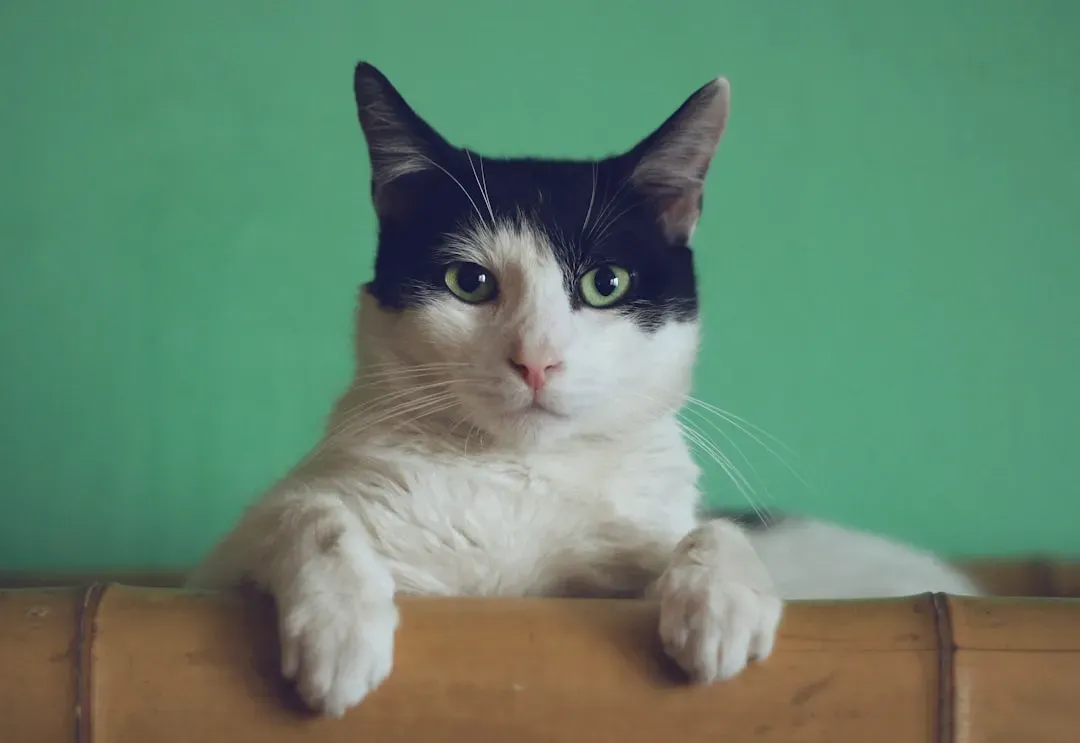
Reportedly, about 3 months prior to passing, one trainer taught their 13-year-old senior cat to press the Y button on a Switch controller and had him deliver the final blow to the final boss at the end of the game. If that doesn’t convince you of what’s possible, I don’t know what will.
A certified cat behavior consultant reportedly still trains her 19-year-old cat, who can give high fives, sit, stay, shake hands, and touch targets. Nineteen years old. Still learning new tricks. Still engaged with training. Still succeeding.
Consistency Matters More Than Intensity
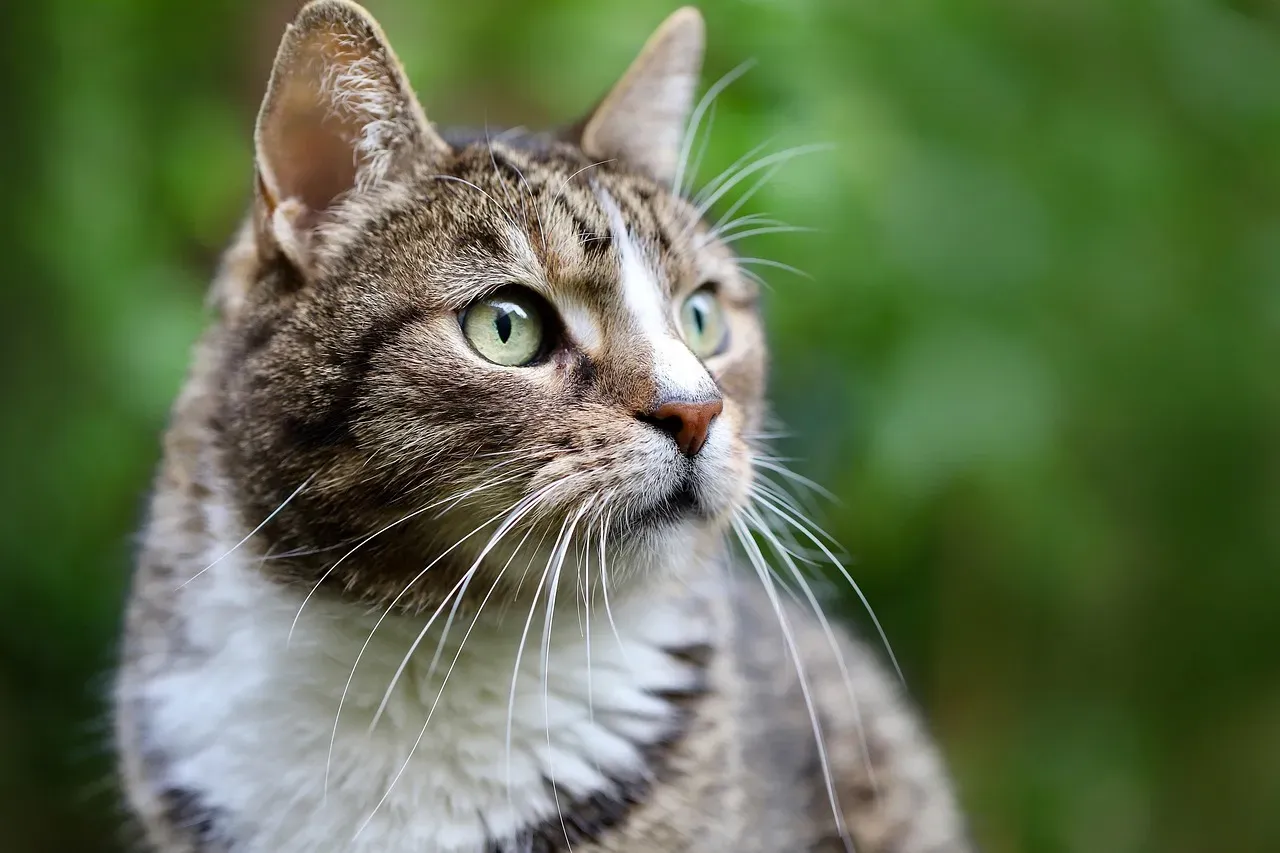
If you keep changing your verbal cues and hand gestures, your cat will quickly become confused, setting back the learning process; instead, be super consistent, so it’s crystal clear for your cat what you want them to do, and ensure your family uses the same verbal and physical cues to avoid confusing your senior furry friend.
Everyone in your household needs to be on the same page. If one person says “come” and another says “here” while someone else uses a whistle, your poor cat doesn’t stand a chance. Pick your cues, stick with them, and make sure everyone follows the same system.
The Journey Enriches Both Your Lives
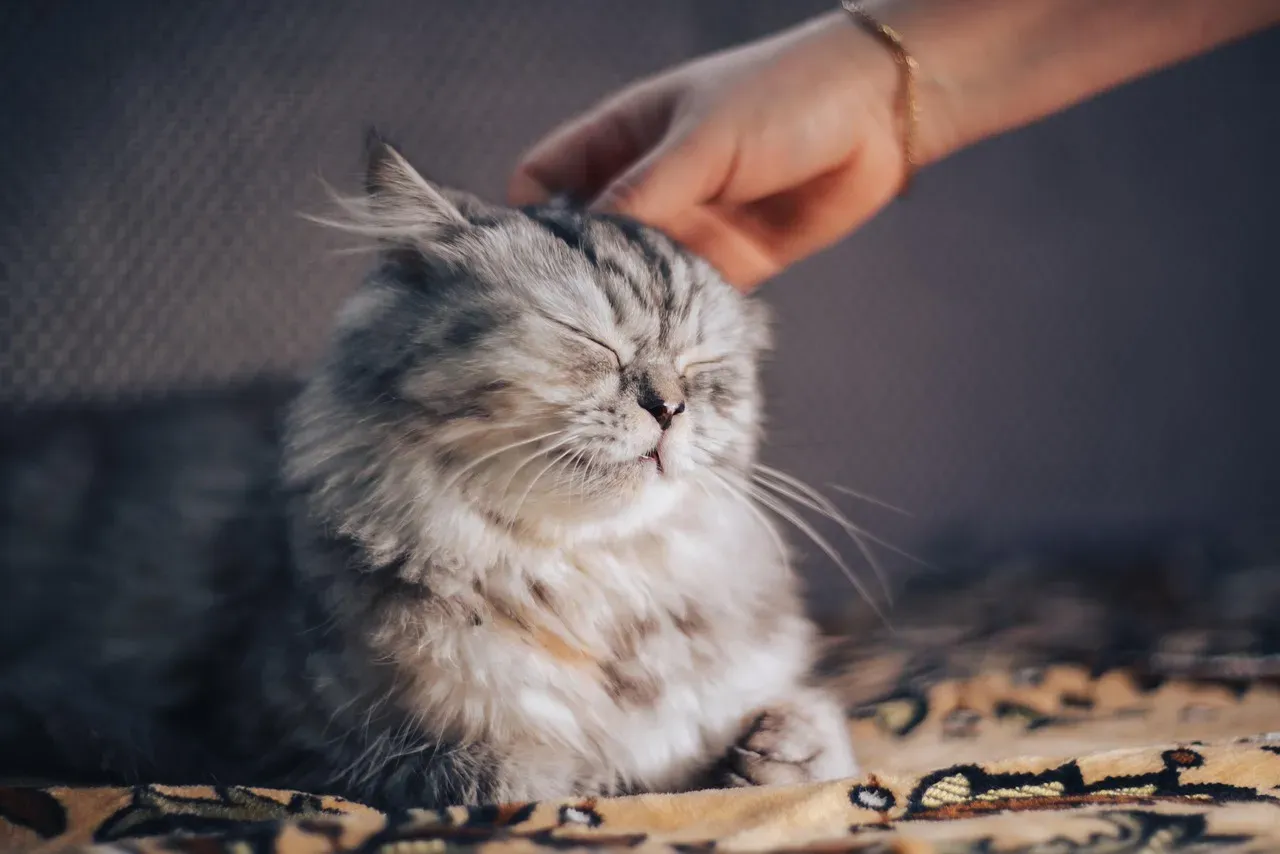
Cats of any age can start training, and it’s never too late, so don’t let your cat’s age or lack of previous training stop you. Starting fresh with a senior cat you’ve just adopted? Perfect. Finally getting around to training your lifelong companion who’s now twelve? Also perfect.
Cats absolutely can still learn when they’re older. This isn’t wishful thinking or feel-good fluff. It’s a documented reality backed by trainers, behaviorists, and countless cat owners who’ve witnessed it firsthand. Your senior cat has years of learning potential left, just waiting to be tapped into.
The beauty of training an older cat lies not just in what they learn, but in what you both gain from the process. Mental stimulation, deeper bonding, increased confidence, and the simple joy of accomplishing something together. Your senior cat deserves that enrichment, and frankly, you deserve the satisfaction of watching them thrive. So what are you waiting for? That aging feline on your couch has more left to learn than you might think.