Have you ever woken up to find your cat staring intently at you from across the room, or noticed them positioned strategically at the foot of your bed like a furry sentinel? This fascinating behavior isn’t just random feline weirdness. Their intrinsic behaviors, combined with their heightened senses and deep bond with their owners, offer an added layer of security during nocturnal hours.
Your cat’s protective instincts run much deeper than you might imagine. Cats are naturally territorial creatures, and this instinct extends to protecting their human family members. Their evolutionary history as both predator and prey has equipped them with exceptional sensory capabilities that make them excellent nighttime sentinels. Whether your feline friend is genuinely guarding you or simply following ancient survival patterns, the truth behind this behavior reveals remarkable insights into the complex world of cat psychology and their surprising devotion to their human companions.
The Science Behind Feline Protective Instincts
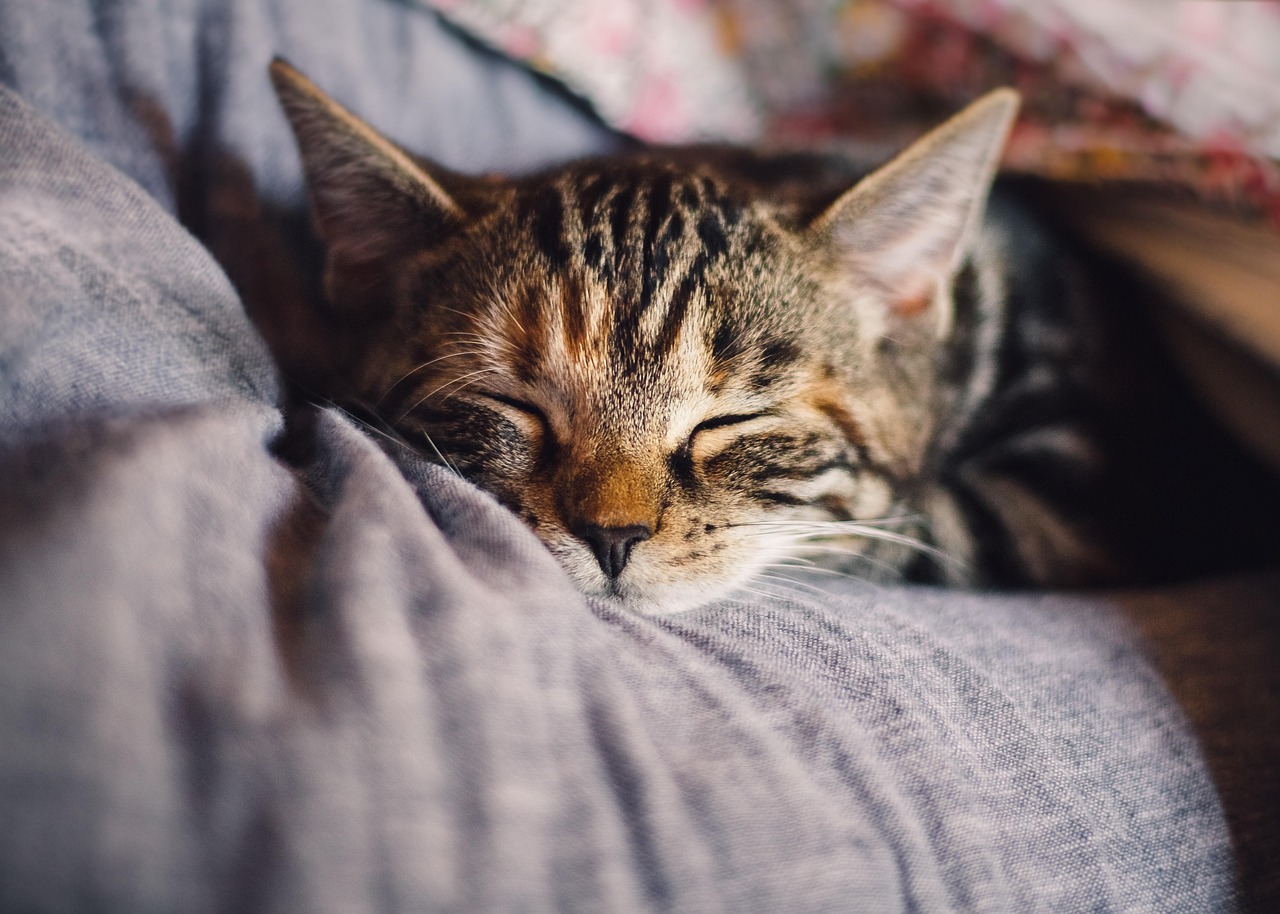
Understanding why cats guard their sleeping humans begins with recognizing their evolutionary heritage. Cats are mesopredators, which means they are both hunters and prey. This dual nature has shaped their behavior for thousands of years, creating creatures that are perpetually vigilant and acutely aware of their surroundings.
Cats are often in a state of hyper-vigilance, on the lookout for not only prey but potential threats too. Danger to cats can come in all forms, from a bad weather system to another predator animal, but either way, cats can definitely sense danger in more ways than one. This constant alertness doesn’t simply disappear when they’re domesticated; instead, it transforms into protective behaviors toward their chosen family members.
Cats’ territorial nature and evolutionary development as both predator and prey species give them natural guarding instincts. Their acute senses and strong bonds with owners drive them to monitor and respond to potential threats, even though their protective style differs from dogs. Your sleeping form represents both a vulnerable member of their territory and a valuable resource worth protecting.
Superior Sensory Capabilities During Sleep Hours
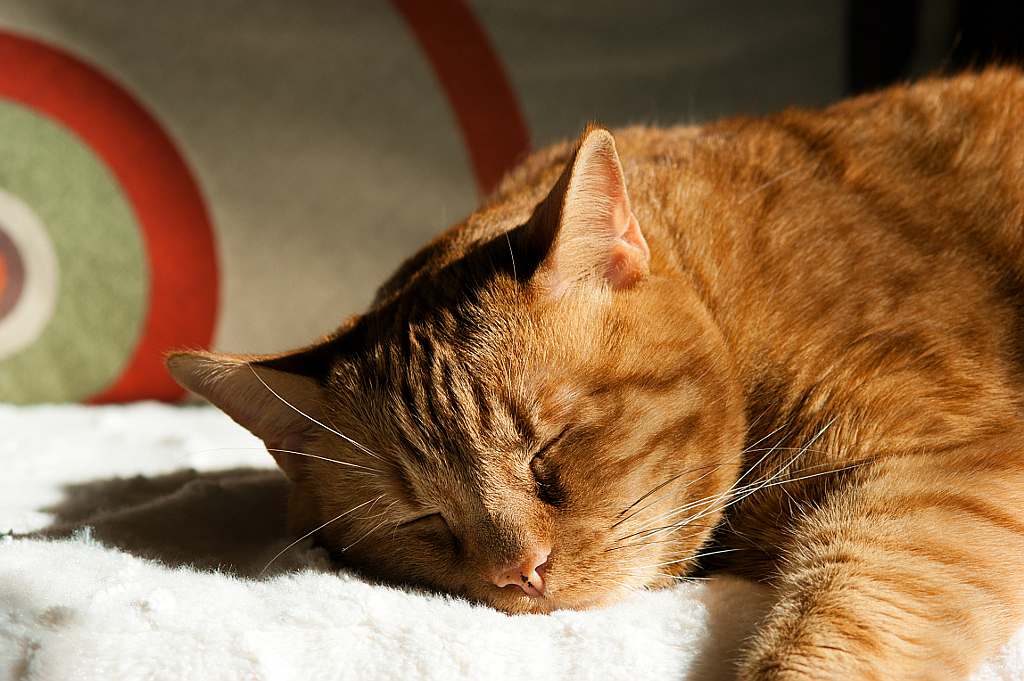
Your cat’s ability to detect threats while you sleep stems from their extraordinary sensory arsenal. Cats can hear, see, and smell much better than we humans can. This means that they could potentially “sense” an intruder before you know that they’re there. Their hearing range extends far beyond human capabilities, allowing them to pick up sounds that would be completely inaudible to you.
Cats have excellent vision, particularly in dim lighting. In fact, cats can see six times better in dim light than humans can. This superior night vision makes them natural nighttime guardians, capable of spotting movement or changes in their environment long before you would notice anything amiss.
A cat’s sense of smell is far superior to that of a human, with over 200 million scent receptors in their noses, compared to only 5 million for humans. They can detect an intruder’s scent long before you might even notice anything is out of place. This combination of enhanced senses creates a comprehensive early warning system that operates even while you’re fast asleep.
Strategic Sleeping Positions and Their Meanings

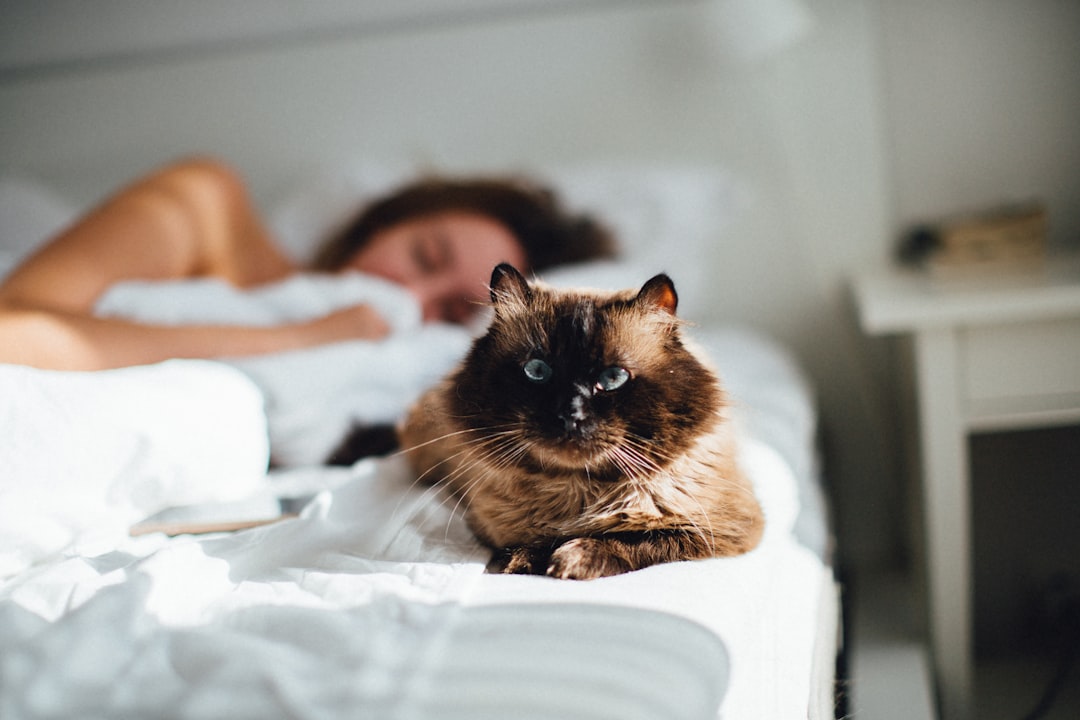
The way your cat positions themselves while you sleep reveals their protective instincts in action. Some cats sleep near their owner’s head or even on their chest. This position can signify a protective instinct, as they position themselves where they can quickly alert you to any danger. When cats choose these elevated or central locations, they’re maximizing their ability to monitor the room while staying close to you.
You may notice that your cat sleeps toward the foot of the bed. This gives them a better vantage point and an easier means to escape if something were to go awry. This positioning isn’t accidental; it’s a calculated choice that allows them to maintain visual control over entry points while keeping escape routes open.
Cats are well aware that they, and their humans, are vulnerable when sleeping. Staying close by is one way for them to protect themselves at night. The area that they choose to sleep in can offer them a good view of the room so that they can be alerted at the first sign of trouble. Your bedroom becomes their watchtower, and your bed their command center.
The Loaf Position and Alert Behaviors
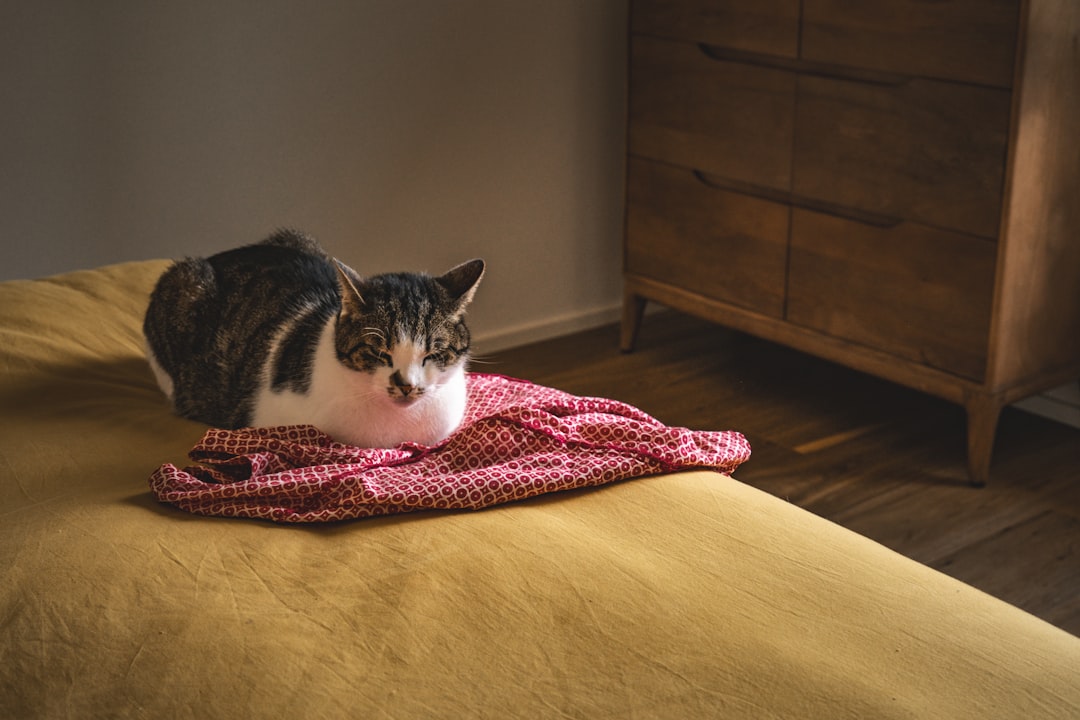
The famous kitty loaf position is when your cat sits upright with their front paws tucked under their body. The meaning of the bread loaf cat position is that your cat is trying to get some shut-eye while still being aware of their surroundings. By sitting upright they are ready to spring into action at any moment but are mostly comfortable with their surroundings.
When you see your cat maintaining this position near your bed, they’re essentially on guard duty. In this position, your cat is probably taking a quick cat nap and is not in a deep sleep. They’re still alert to their surroundings, even despite appearing completely chill. This allows them to rest while remaining ready to respond to any unusual sounds or movements.
Real-Life Examples of Cats Saving Their Owners

Documented cases prove that cats do more than just observe; they actively intervene when danger threatens their humans. In Florida, a family cat emerged as an unexpected hero by alerting owners about the dangerous presence of carbon monoxide. The odorless and colorless nature of this gas makes it a silent killer. One night, as the lethal gas filled the family’s home, the cat, sensing the danger, acted urgently. Displaying atypical behavior, either through loud meows or persistent pawing, the feline managed to wake its owners.
In another reported case, a cat began pawing at a sliding glass door one night. When the owner checked outside, they found an unknown person on their porch. Thanks to the cat’s instinct, they were able to call the police and handle the situation. These aren’t isolated incidents but part of a pattern of protective behavior that many cat owners experience.
Medical emergencies also trigger protective responses in cats. In 2018, 42-year-old Sam Felstead was saved by her cat Billy in the early morning. Sam woke up covered in sweat, unable to move, and feeling a shooting pain down her right side. Billy, normally a quiet and solitary cat, was meowing loudly on Sam’s chest, refusing to leave her side. Sam called for help for her mother, Karen, who drove her to the hospital after a two-hour wait for an ambulance.
The Emotional Bond Factor
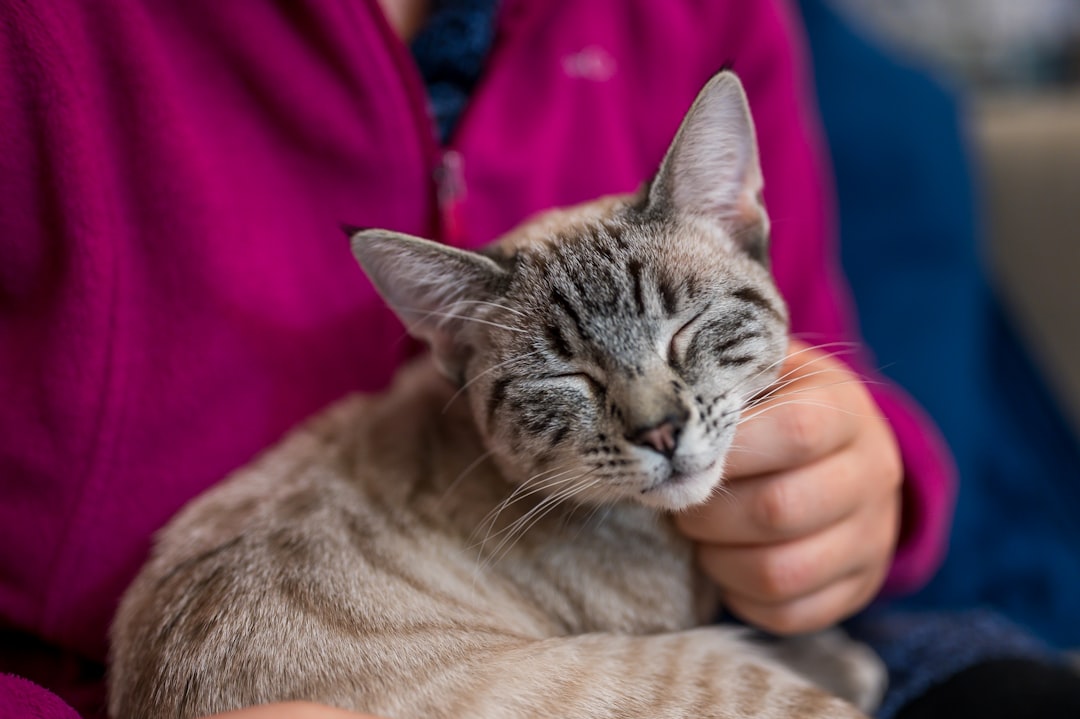
Research indicates that cats form emotional attachments to their owners similar to those observed in human relationships. This bond significantly influences their protective behaviors, especially during vulnerable nighttime hours. The strength of this connection determines how vigilant your cat will be while you sleep.
Your cat may choose to sleep next to you to provide comfort. Cats are sentient beings that can pick up on emotional cues from humans and animals alike. If you are feeling anxious, stressed, or are feeling some sort of emotional distress, your cat will be able to pick up on that and may try and comfort you with their presence when you’re resting. This emotional intelligence drives much of their protective behavior.
While there’s limited evidence suggesting that cats sleep on their humans out of a sense of duty to protect, many researchers agree that the behavior demonstrates trust, social bonding, and a deep-seated sense of safety. Your cat sees you as both protector and protected, creating a mutual security arrangement that benefits both parties.
Territorial Instincts and Home Defense
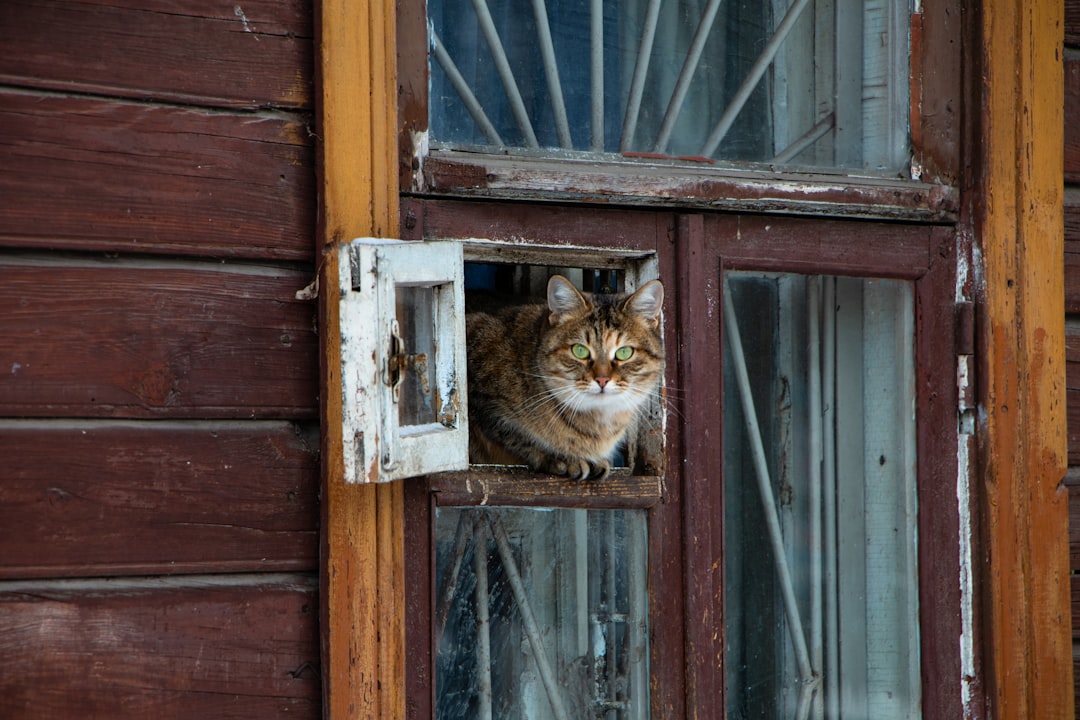
Your home isn’t just your sanctuary; it’s your cat’s territory, and they take their role as guardian seriously. Cats routinely scent mark their territory, which in their mind includes both their home and human family. Because of this, a cat would most likely be aware that an intruder smells unfamiliar, even if they don’t necessarily grasp the concept of a home invasion and burglary. When you sleep, you become a vulnerable asset within their protected domain.
Cats are fiercely territorial and do not appreciate any threat to their space. Particularly territorial cats may behave badly toward any new person or animal in their home, even ones who come in peace – such as visiting family members or a new roommate. This territorial drive extends to protecting you during your most vulnerable hours.
Even before you are aware of any danger, your cat’s more acute senses may warn them of an intruder. Their territorial nature combined with superior senses creates a comprehensive security system that operates around the clock, with your sleeping hours being prime time for their protective instincts to activate.
Individual Variations in Protective Behavior

Not every cat will display the same level of protective behavior, and understanding these variations helps explain why some cats are more vigilant guardians than others. We’re not saying that every cat will protect their humans at night. However, it is safe to say that some cats will look over their owners while they sleep. Personality, bonding strength, and individual temperament all play crucial roles.
Not every cat is going to feel responsible for protecting you. Cats don’t think the same as humans and there is still a part of them that will prioritize their survival over the survival of others. At the end of the day, cats are simply following their instincts and doing whatever they can to survive. This self-preservation instinct doesn’t diminish their protective capabilities but influences how they express them.
Cats don’t think in the same way as humans do. If your cat is protecting you in some way, it’s more likely a matter of their survival than yours. They’re simply following instincts that remind them that you, as the food-giver, are needed to continue surviving. Even survival-based protection is still protection, creating a mutually beneficial arrangement.
Signs Your Cat Is Guarding You While You Sleep
Recognizing when your cat is actively protecting you requires understanding their subtle behavioral cues. If your cat displays alertness, watches over you, or acts defensively around strangers or perceived threats, it may be protective of you. Watch for changes in their positioning, alertness levels, and response to environmental changes during nighttime hours.
Some cats are especially attentive while their owners sleep, displaying behaviors that might seem like protective instincts: Cats that sleep close to or on their owner’s bed may be providing comfort while subtly keeping watch, particularly if they rest by the door or foot of the bed. Even while resting, a cat’s sharp hearing remains active, and they may react to unfamiliar sounds to ensure there’s no immediate threat. Some protective cats will periodically “check in” during the night by patting their owner, purring, or gently licking them.
Cats are excellent hunters, and they are very alert to their surroundings. This means they are always on the lookout for potential danger, whether it be a mouse in the corner of the room or an intruder outside the house. If your cat frequently positions themselves where they can monitor entry points or reacts to sounds you can’t hear, they’re likely engaging in protective behavior.
Conclusion
Your cat’s decision to guard you while you sleep represents a fascinating blend of evolutionary instinct, emotional bonding, and practical survival strategy. While cats may not be conventional guardians like dogs, they do offer a unique form of protection through their natural instincts, acute senses, and emotional bonds with their owners. Understanding and appreciating these protective behaviors can help strengthen the special relationship between cats and their human companions.
Whether your feline friend positions themselves strategically around your bedroom, maintains vigilant watch from the foot of your bed, or simply stays close enough to detect potential threats, their protective instincts create an invisible security blanket that operates while you rest. The next time you find your cat watching over you during the night, remember that you’re witnessing millions of years of evolution combined with genuine affection for their chosen human family member.
What behaviors have you noticed in your own cat during nighttime hours? Share your experiences in the comments below.