Ever wonder why your feline friend bypasses the spacious foot of your bed to curl up right next to your pillow? You’re definitely not alone in this puzzling bedtime behavior. While some cats prefer the cozy spot at your feet, others seem drawn to your head like a furry magnet. This isn’t just random feline quirkiness – there are fascinating reasons rooted in biology, psychology, and social bonding that explain this sleeping preference.
The way your cat chooses to sleep with you reveals volumes about their personality, comfort level, and the depth of your relationship. Understanding these behaviors can deepen your bond and help you create an even more harmonious living environment. Let’s dive into the captivating world of feline sleep science and discover what your cat is really telling you through their nightly choice.
The Heat-Seeking Missile Theory
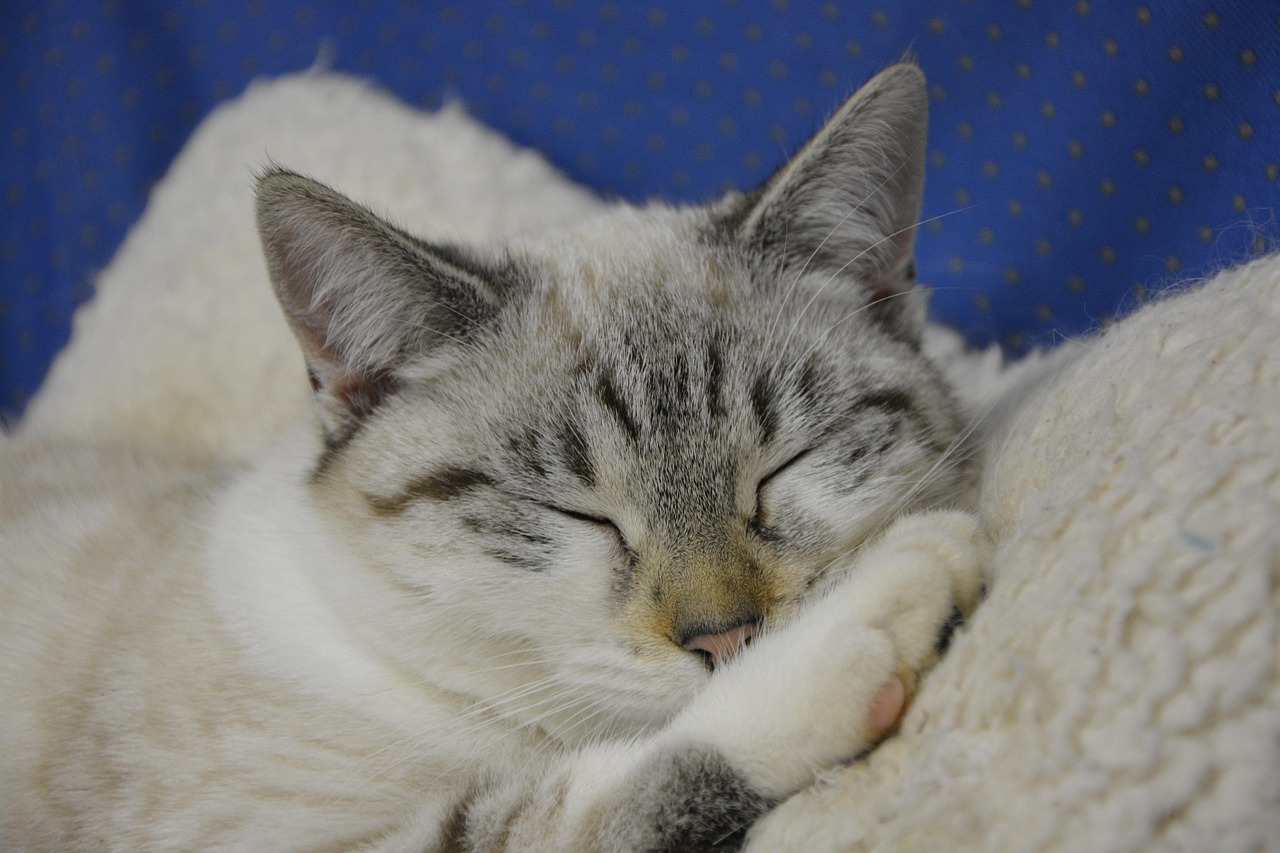
Cats are natural heat seekers, and your head provides an irresistibly cozy spot when you’re sleeping. The body heat released by your head, which is often the only part of your body not covered by blankets, presents your feline with a perfect warming station. A cat’s normal body temperature hovers around 102 degrees Fahrenheit, considerably higher than our 98.6-degree average. Cats also have fewer heat receptors than humans, which explains why they’re always taking advantage of external heat sources like your unsuspecting noggin.
This higher body temperature and reduced sensitivity to heat means what feels uncomfortably warm to us might be just perfect for your cat. They have different heat sensitivity thresholds compared to humans, though specific temperature ranges vary. The heat sensors they do have are concentrated in their faces, making this area especially receptive to warmth. This explains why your cat seems to gravitate toward your head area – they’re simply following their biological programming to find the perfect temperature zone for a comfortable snooze.
The Scent of Security
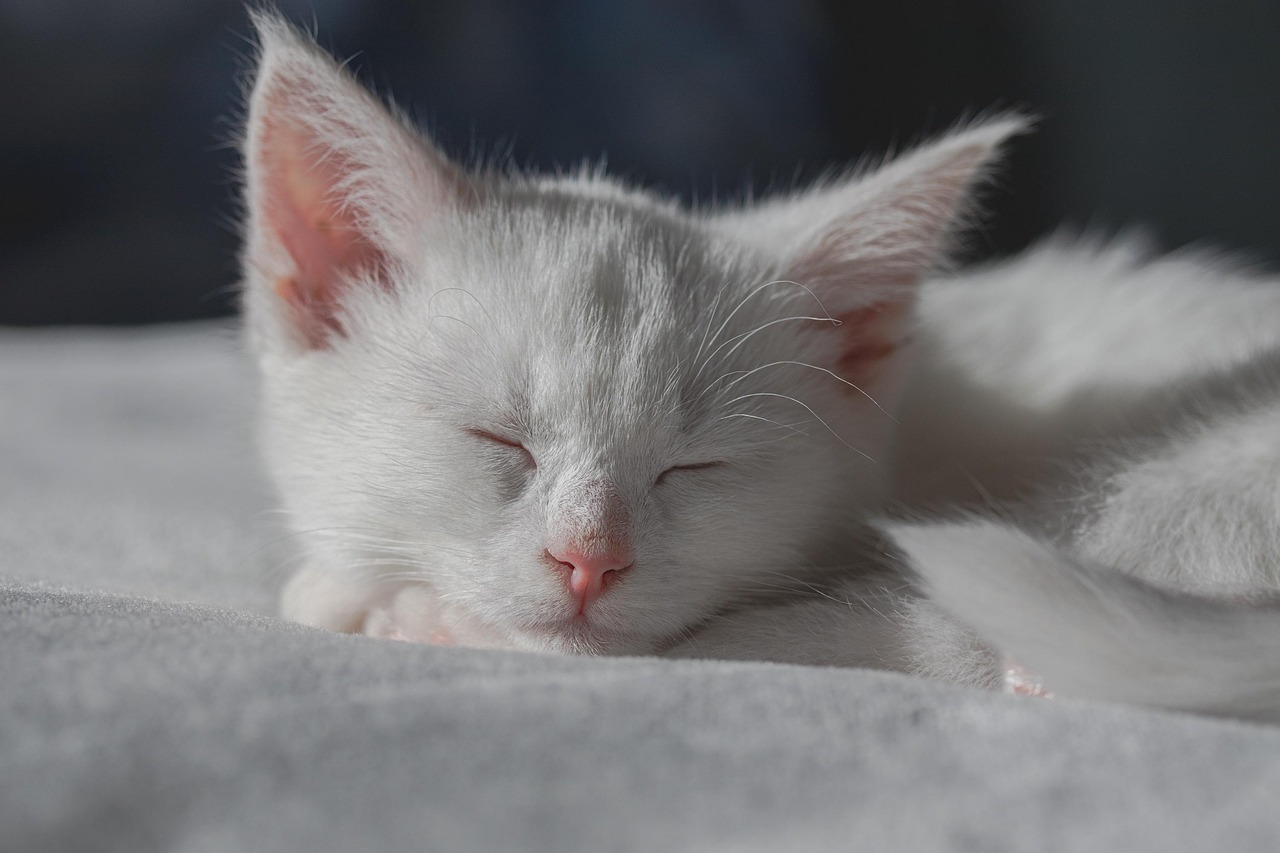
Cats find tremendous comfort in their owner’s scent, which is strongest around their hair and the pillow they sleep on. This reassuring smell draws them to this area like a security blanket. Think about it from your cat’s perspective – your pillow is like a concentrated essence of “you,” providing maximum comfort and familiarity.
For cats, scent is their business card and vital communication tool. It tells them valuable information about their environment and the people in it. When your cat chooses to sleep by your head, they’re surrounding themselves with the most potent source of your familiar scent. Your cat will rub against you for scent exchange, depositing their scent while picking up yours, which they’ll carefully lick and taste off their fur later. This creates a comforting cycle of shared familiarity that makes the head area particularly appealing for sleep.
Trust and Vulnerability Signals
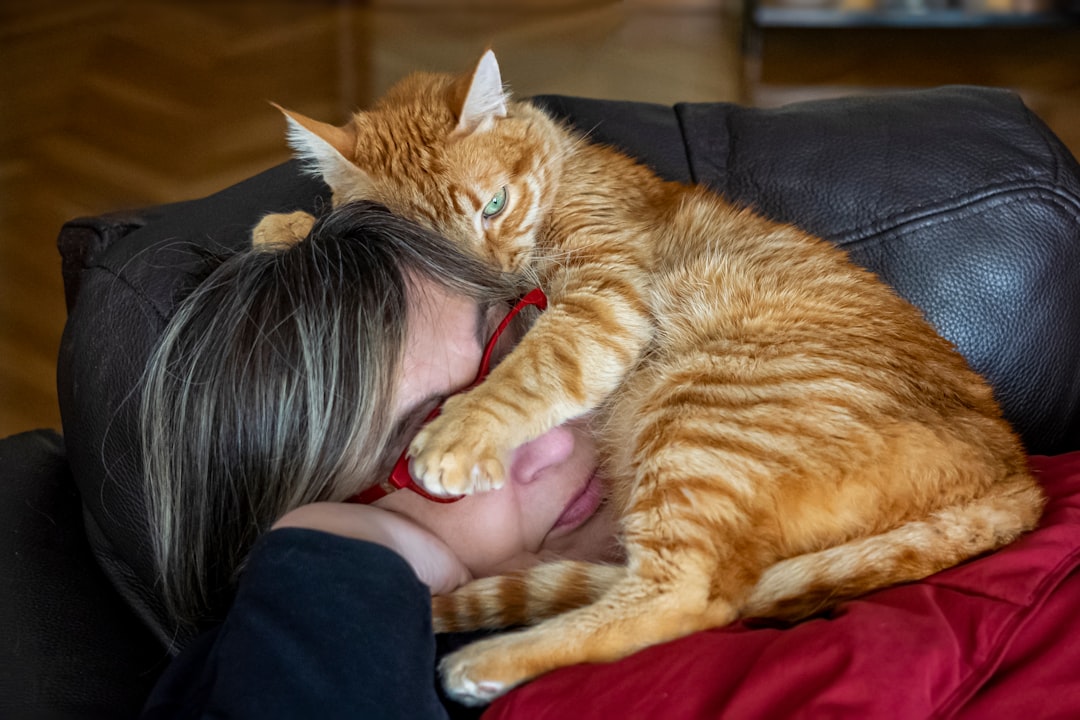
Sleeping close to their owner’s head indicates that a cat feels safest near them. Since cats are most vulnerable while sleeping, this behavior shows they trust their owner to protect them. This is profound when you consider that in the wild, cats must remain alert even while resting to avoid predators.
Studies have shown that cats bonded with their owners seek their humans out for comfort and a sense of security. All animals are vulnerable to attack when sleeping, which is why cats prefer to sleep only in places where they feel safe. A cat that feels loved and protected will often sleep near their favorite human. By choosing your head area, your cat is making themselves incredibly vulnerable – they’re essentially saying they trust you completely with their safety. This represents one of the highest forms of feline affection and demonstrates the deep bond you share.
Strategic Positioning and Control
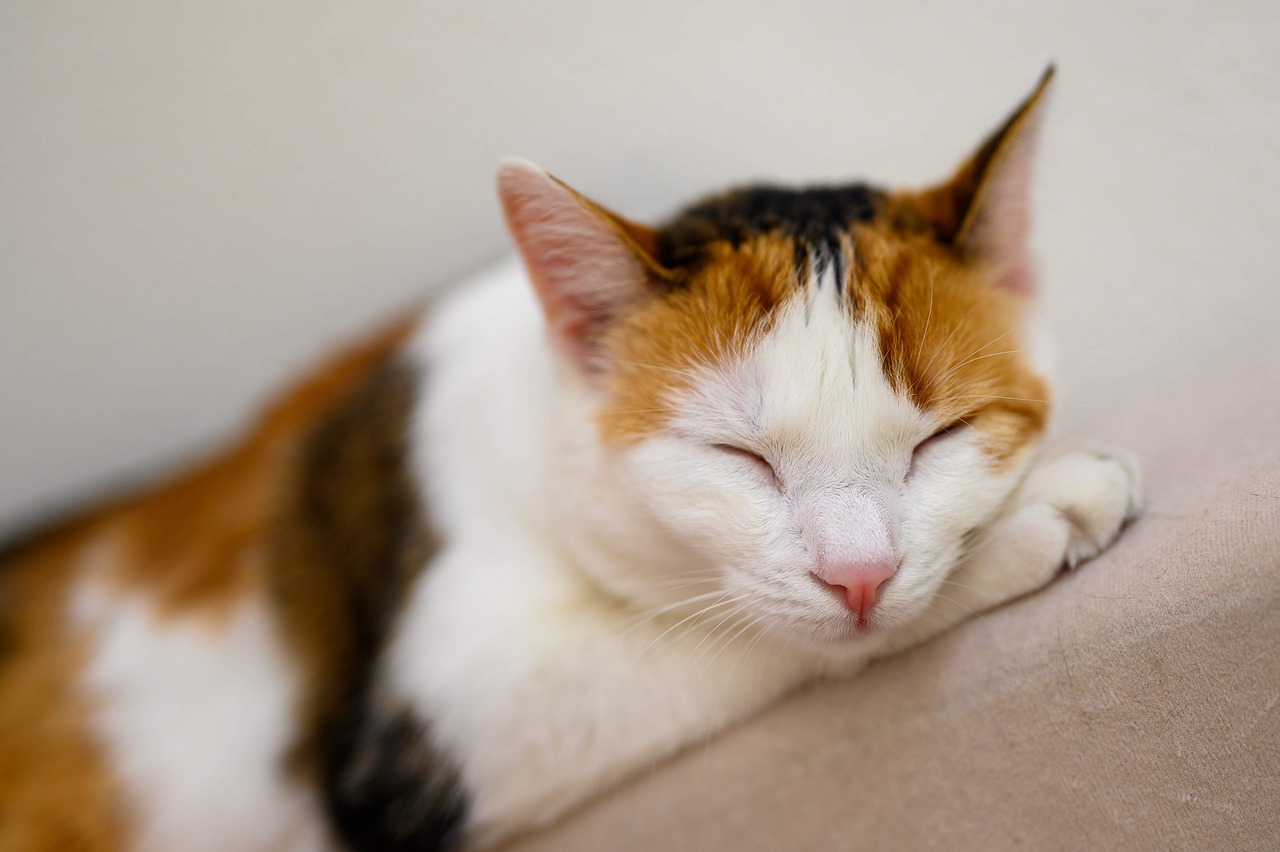
Sleeping by your head gives your cat easy access to you. Poised by your head, a cat can easily reach out and wake you for food, attention, or other needs. Let’s be honest – cats are master strategists, and they know exactly how to get what they want when they want it.
Your head is less likely to move around compared to your arms or legs. Cats value stability while they rest, so this spot feels more predictable and they’re less likely to have their precious slumber disturbed. Sleeping by their owner’s head also enables cats to keep an eye on them while still resting comfortably. From this prime position, your cat can monitor your movements, ensure you’re safe, and quickly spring into action if needed – whether that’s for a midnight snack request or simply to relocate if you move too much.
Bonding Through Physical Proximity
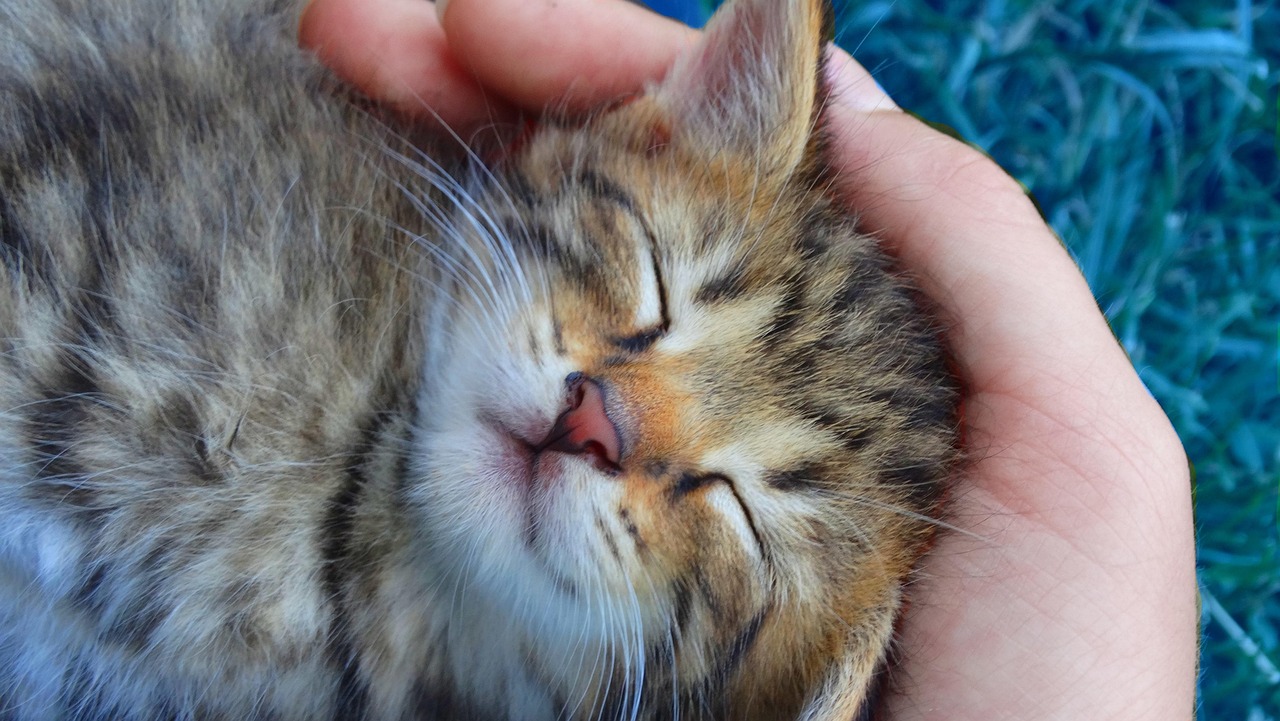
By sleeping close to their owner’s head, cats reinforce the bond they share with them. It’s their way of showing love and loyalty. Cats who feel very close and comfortable with their person will cuddle up to that person’s head during sleep, so you could take it as a compliment.
Scent is crucial for social bonding among cats. When they rub against their human caretakers, they’re marking them with their scent to show affection and establish a bond. Head bunting is a way for cats to leave their scent on you, marking you as part of their “family” and territory. When your cat sleeps by your head, they’re engaging in an extended bonding session, surrounding themselves with your scent while depositing their own. This creates a shared scent profile that strengthens your relationship and makes both of you feel more secure and connected.
The Comfort Factor
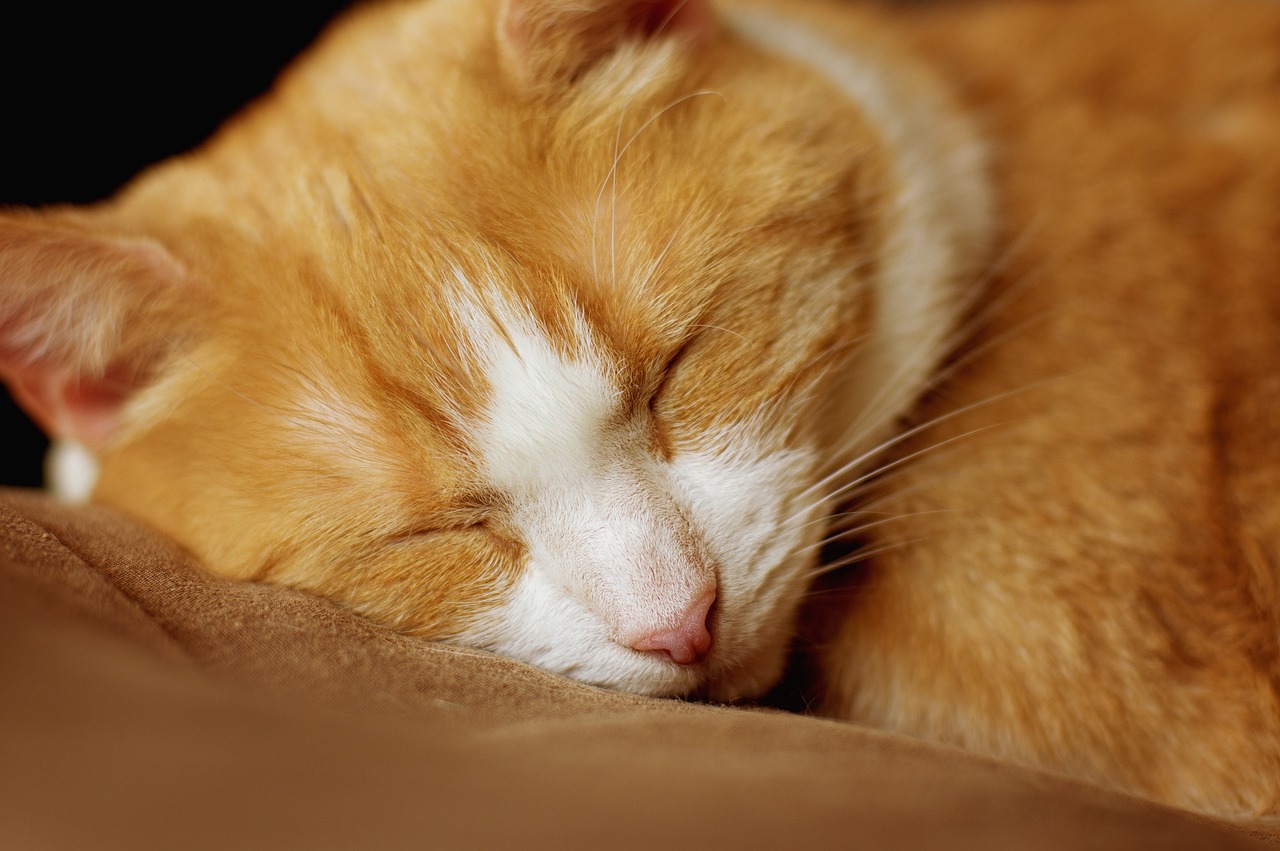
Cats often associate sleeping near their owner’s head with the comforting huddling behavior of kittens. Owners usually sleep with their head on a soft pillow, making this spot an irresistibly plush place to nap. Your pillow essentially becomes the perfect cat bed – soft, warm, and infused with your comforting presence.
Warmth provides psychological comfort for cats, giving them a sense of security and well-being, just like how a cozy blanket on a chilly evening feels comforting to us. When your cat seeks out warmth, they’re basically saying “this feels like home.” The combination of physical comfort from your pillow and emotional comfort from your proximity creates an ideal sleeping environment that many cats simply can’t resist.
Individual Personality Differences
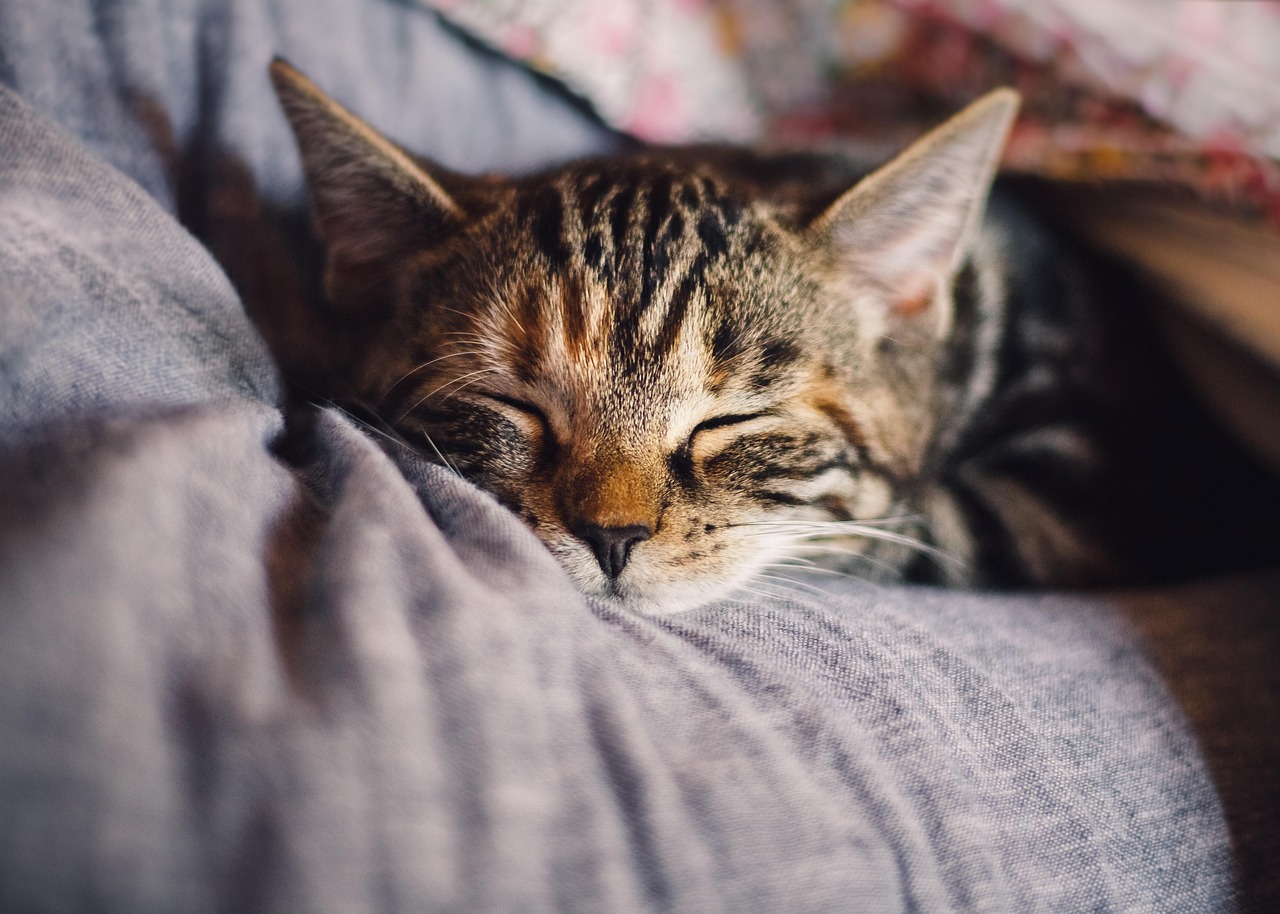
A cat that prefers your pillow might be more secure, affectionate, or seeking companionship, while those who sleep at feet may be more independent, cautious, or territorial. Not every cat will choose to sleep by your head – personality plays a huge role in these preferences.
Elderly cats have trouble regulating their body temperature, making them seek out warm places more often. These warm places include your head area, so if you notice your otherwise healthy senior cat seeking more warm spots, it could simply mean they’re growing older. Older or more anxious cats may choose feet over heads for a quieter area, while younger or more affectionate cats may aim for closeness for warmth and safety. Understanding your individual cat’s personality and life stage can help explain their sleeping preferences and strengthen your bond.
Environmental and Seasonal Influences
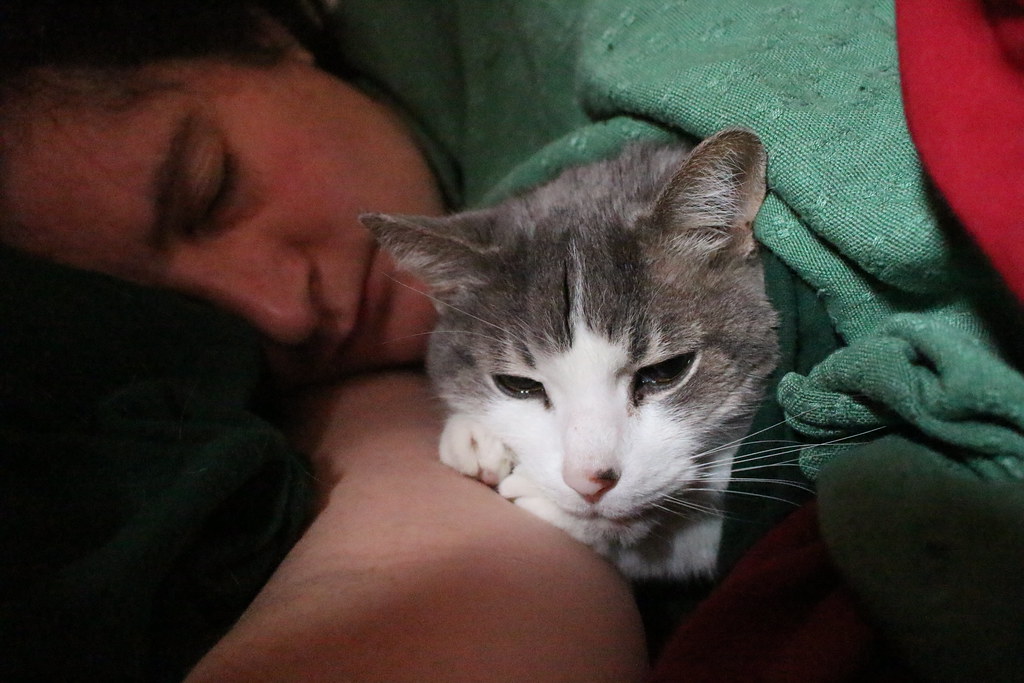
Cats may have multiple motivations for hugging your head, and this behavior might be more common when it’s chilly outside. During winter, cats may gravitate toward warm spots or cuddle closer to you for extra warmth, and it’s crucial to ensure they have access to cozy, draft-free spaces.
Cats typically start feeling cold when ambient temperatures drop below 45-50°F, though they can experience cold stress at even lower temperatures. Indoor cats may feel cold sooner than outdoor cats due to their adaptation to consistently warm environments. As seasons change, you might notice your cat’s sleeping preferences shift accordingly. During colder months, the warmth from your head becomes even more appealing, while in summer, some cats might prefer the slightly cooler foot area of the bed for temperature regulation.
Comparing Head vs. Feet Preferences
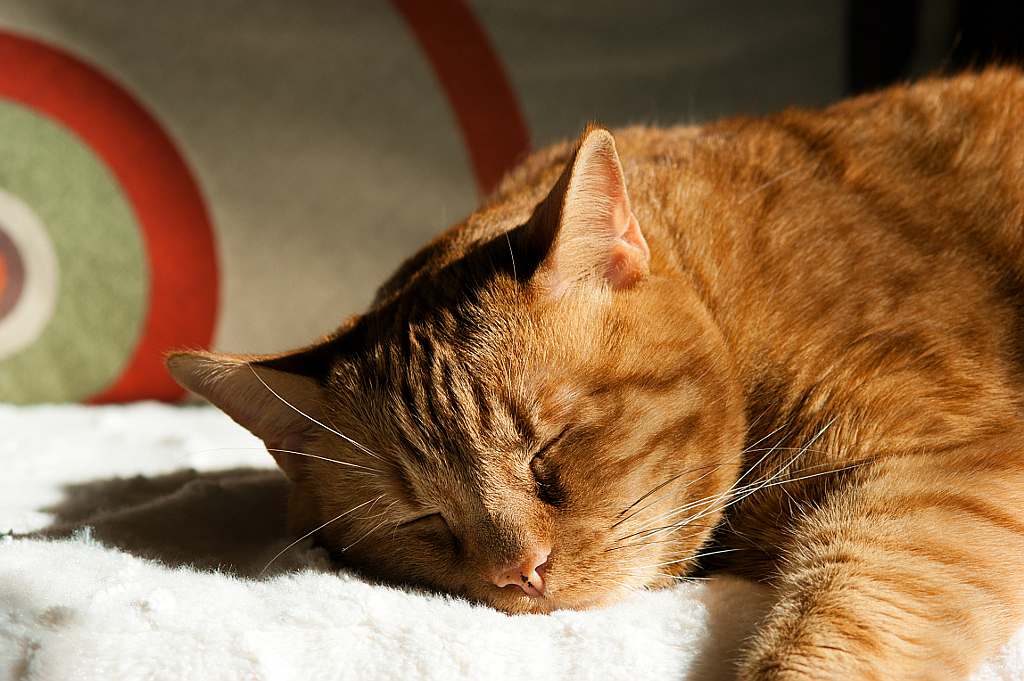
Sleeping at your feet provides security at a distance – feet are less active and more spatially distant, allowing cats to feel secure without being too close to unpredictable movements. This location gives cats easy access to move away quickly if needed, respecting their instinctual need for safety and a quick escape route.
Research shows that felines often select sleeping spots that allow them to feel close to their human while maintaining an easy escape route. This explains why many cats position themselves at the foot of the bed – they enjoy your presence but want the ability to move freely if needed. Rather than clinging to you, these cats demonstrate healthy affection while keeping their options open. The choice between head and feet often reflects your cat’s individual comfort level with intimacy and their need for independence. Neither preference indicates less love – they’re simply different expressions of feline affection.
Managing Sleep Disruptions
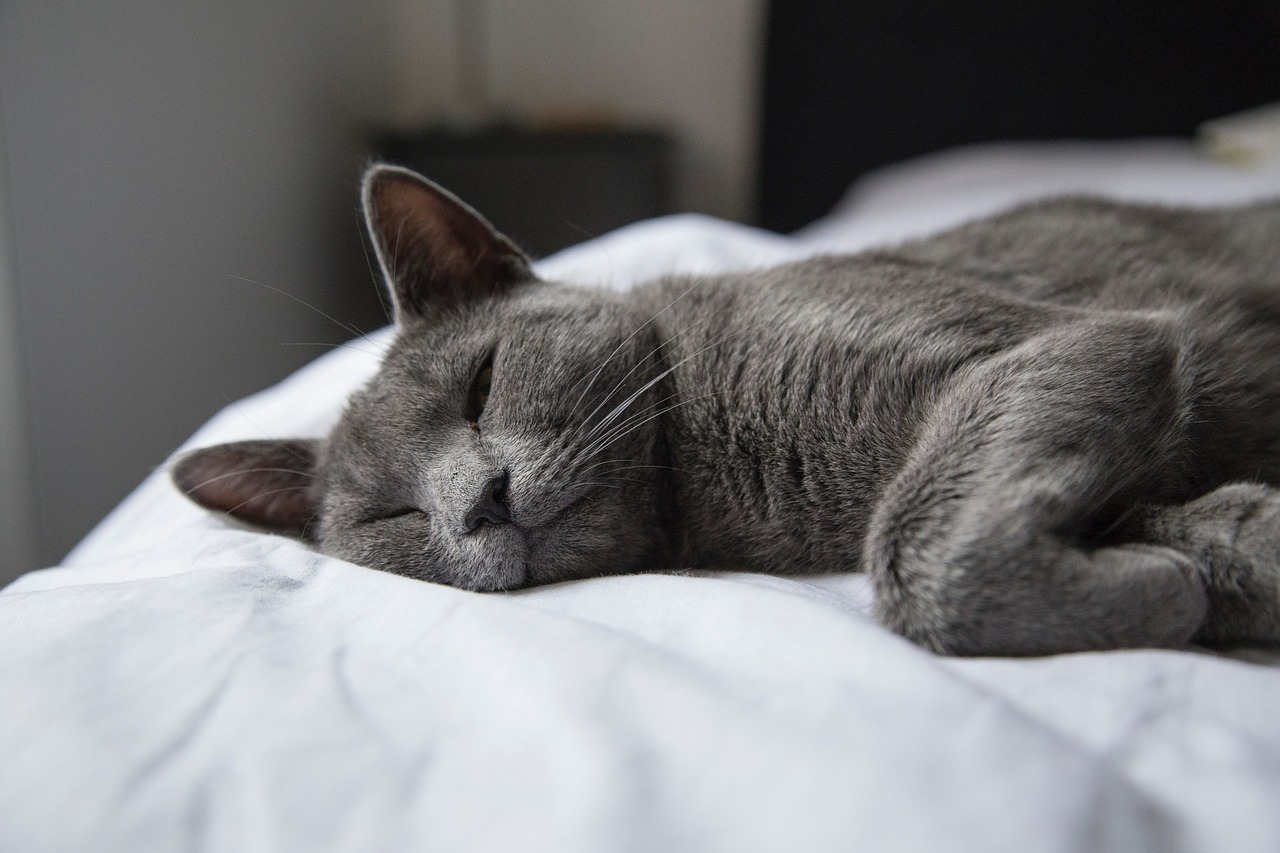
For cat parents with allergies and those who are light sleepers, this invasive kitty cuddling can be difficult to enjoy. Thankfully, you don’t have to sacrifice the bond you’ve built with your cat to get a little solitary shut-eye. If your cat’s head-sleeping habit is disrupting your rest, there are gentle ways to redirect this behavior without damaging your relationship.
A heated cat bed can be an easy way to redirect your furry friend off your face and bed if your kitty is motivated by warmth. You could try setting aside time to snuggle with your cat on the couch or letting them rest on your chest in bed for a bit before gently moving them to their heated bed and turning out the lights. You can gently redirect using treats or toys to lure your cat to a preferred sleeping area, create cozy spaces by offering a comfortable bed beside your own, or use scent association by placing worn clothing in your cat’s bed. The key is patience and consistency while maintaining the loving bond that makes your cat want to sleep near you in the first place.
Conclusion
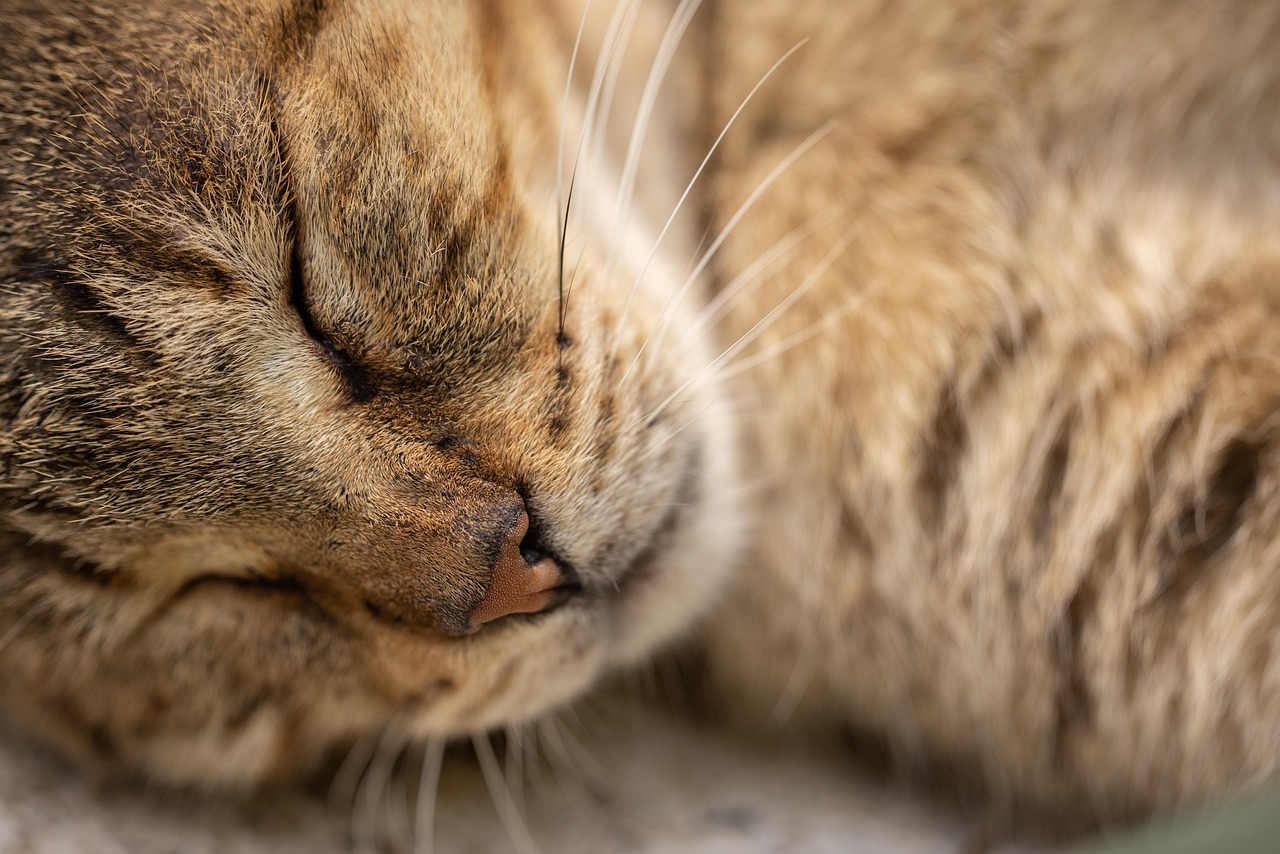
Understanding why your cat chooses to sleep beside your head rather than your feet reveals the beautiful complexity of feline behavior and the deep bond you share. Whether driven by their need for warmth, comfort in your scent, trust in your protection, or simply their individual personality, this sleeping preference is a testament to your special relationship. Whether your feline friend prefers your head or your feet, it’s a sign that they trust you and feel secure in your presence. Recognizing the motivations behind their choices can help you better understand their emotional needs and ensure a happy, balanced relationship.
The next time your cat settles in beside your pillow for the night, remember that you’re witnessing one of the purest forms of feline affection and trust. What do you think about your cat’s sleeping preferences? Have you noticed any patterns that reflect their unique personality?