
Cats are fascinating creatures with behaviors that can both delight and bewilder their human companions. One such behavior is grooming, with some cats lavishing their owners with affection while others remain aloof. This article delves into the reasons behind these differing tendencies, offering insights into the feline mind and what might be driving your cat’s actions. Whether you’re a seasoned cat owner or a curious newcomer, understanding the nuances of feline grooming can deepen your bond with your furry friend.
The Nature of Cat Grooming
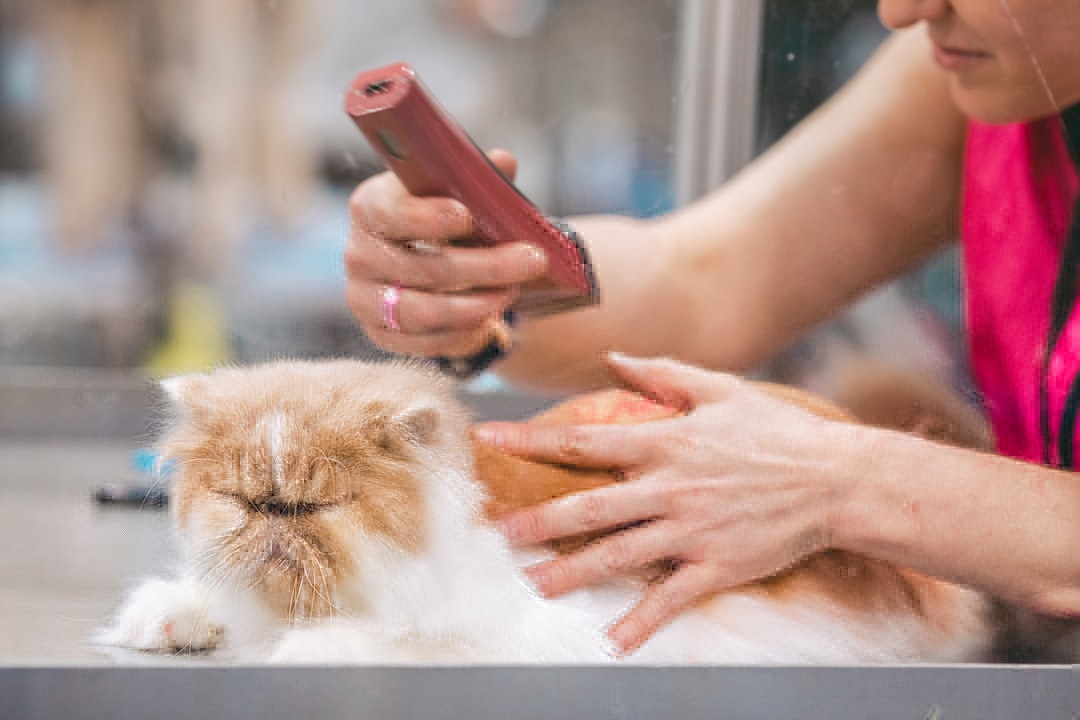
Grooming is an essential part of a cat’s daily routine, much like brushing teeth or combing hair for humans. Cats spend a significant amount of their time licking their fur, which helps them stay clean, regulate their body temperature, and remove loose hair. This behavior is deeply ingrained in their nature, as cleanliness is vital for their survival. When a cat grooms you, they are extending this natural behavior to include you as part of their family. However, it’s important to note that not all cats feel the need to groom others, as their personalities and experiences vary greatly.
Sign of Affection and Bonding
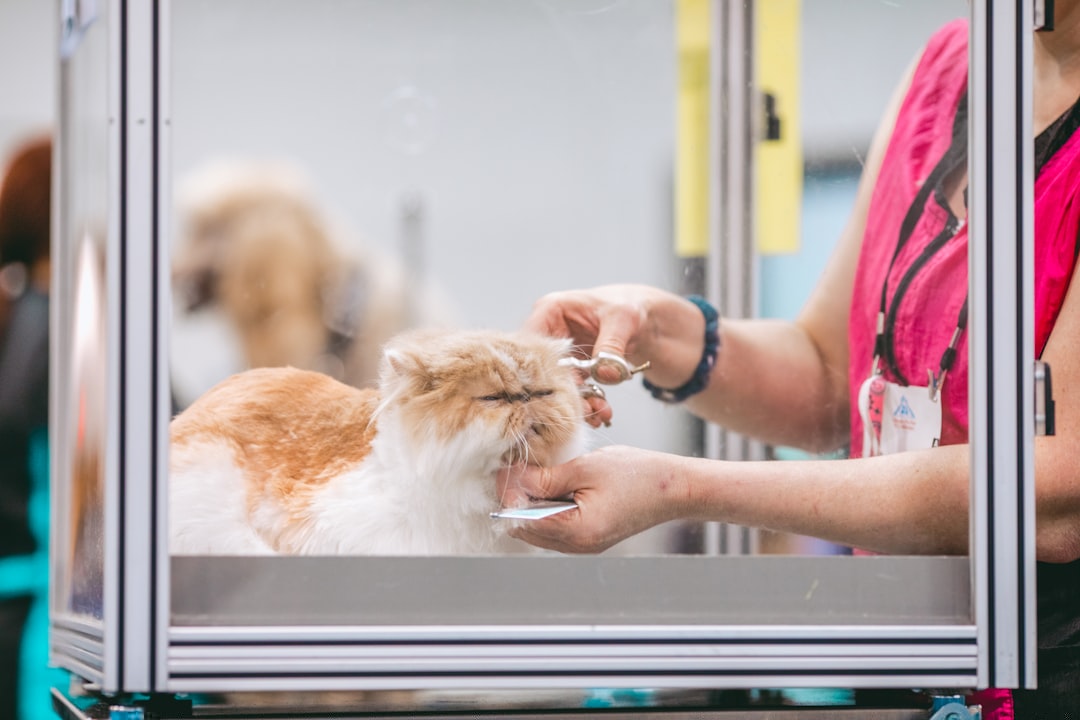
For many cats, grooming is a way of showing love and affection. When a cat grooms you, it’s often a sign that they see you as part of their family, similar to how they would groom their siblings or mother. This act of grooming is a bonding experience, creating a sense of trust and security between you and your cat. It’s their way of saying, “I care about you and want you to be clean and healthy.” However, just like humans, not all cats express affection in the same way, and some may prefer other gestures, such as purring or cuddling.
Personal Temperament and Socialization
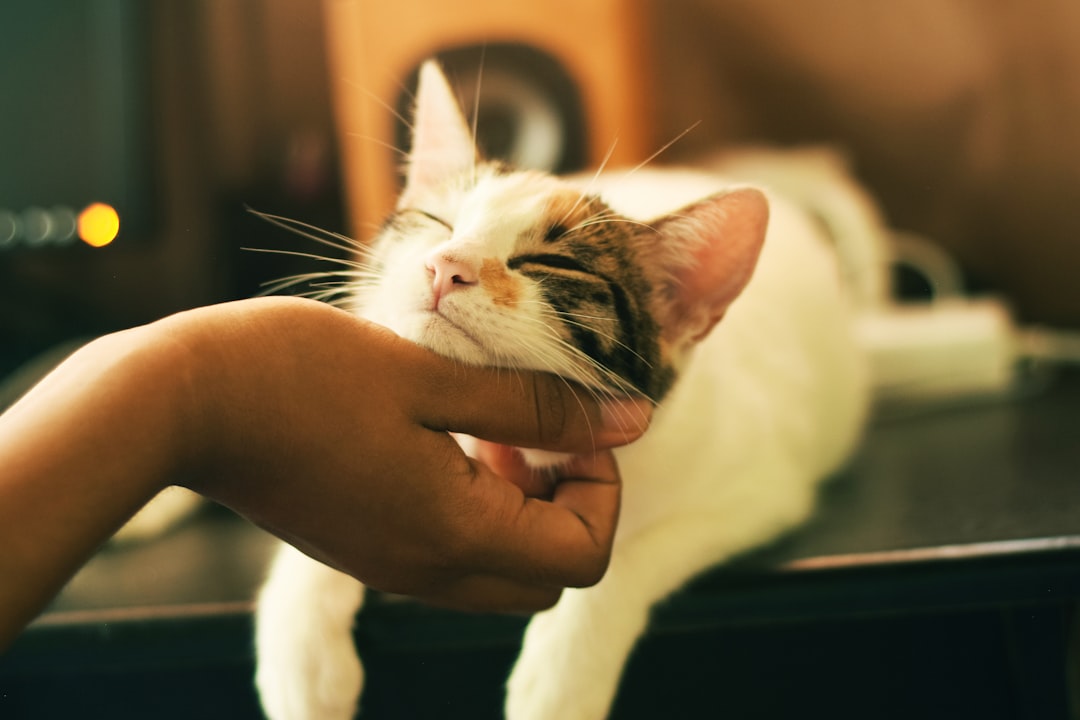
A cat’s temperament and early socialization play a significant role in their grooming behavior. Cats that were well-socialized as kittens, exposed to human touch and affection, are more likely to groom their owners. On the other hand, cats that had limited human interaction during their formative weeks may not be as inclined to groom people. Each cat’s unique personality also influences their grooming habits, with some being naturally more affectionate than others. Understanding your cat’s background can provide valuable insights into their grooming behavior.
Marking Territory and Ownership

In the feline world, grooming can also serve as a way of marking territory. Cats have scent glands around their mouths, and when they groom you, they are leaving their scent on you. This act of marking is a way of claiming ownership, signaling to other animals that you are part of their territory. It’s a subtle yet powerful way of reinforcing their bond with you and asserting their presence in your life. Some cats may be more territorial than others, which can influence their grooming behavior.
Health and Comfort Factors
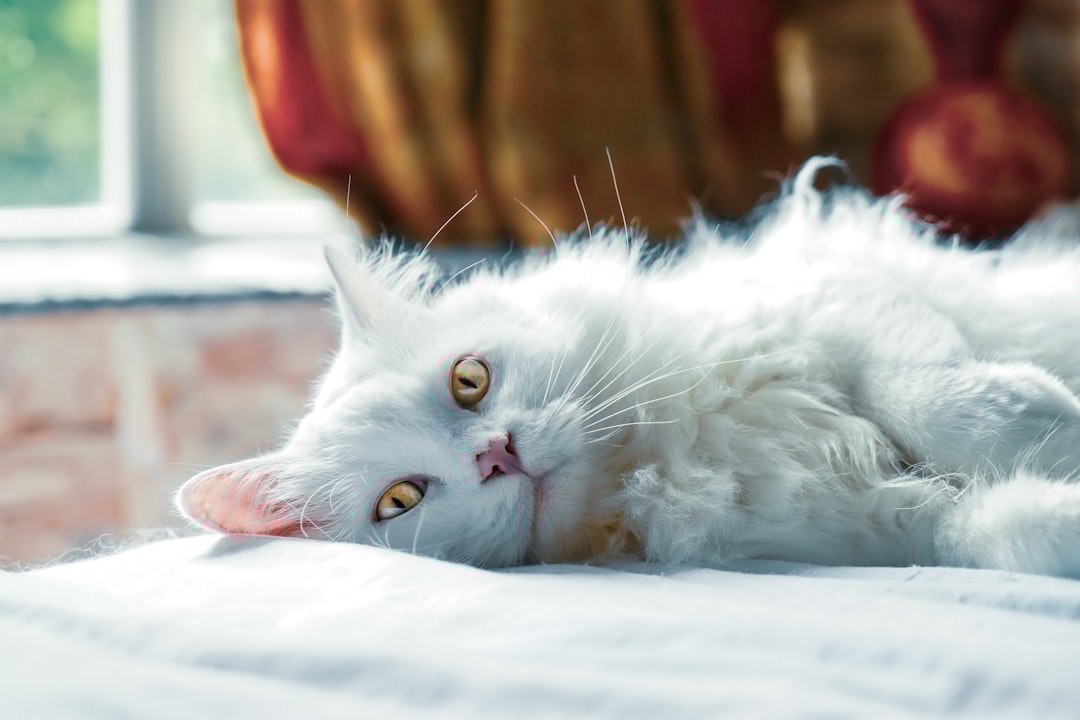
A cat’s grooming behavior can also be influenced by their health and comfort levels. Cats that are stressed, anxious, or in pain may be less likely to groom themselves or others. Conversely, a relaxed and content cat is more likely to engage in grooming activities. Ensuring that your cat’s environment is comfortable and stress-free can encourage them to groom more frequently, both themselves and you. Regular vet check-ups can also help identify any underlying health issues that may be affecting their grooming habits.
Understanding Personal Boundaries
Just like people, cats have personal boundaries that should be respected. Some cats may not appreciate being groomed by humans or other animals, and their reluctance to groom you could simply be a matter of personal preference. It’s essential to observe your cat’s body language and respect their boundaries, allowing them to express affection in their own way. Forcing a cat to groom or be groomed can lead to stress and anxiety, which can negatively impact your relationship.
Environmental Influences
The environment in which a cat lives can also affect their grooming behavior. Cats that live in multi-cat households may be more inclined to groom their human companions as a way of seeking individual attention. On the other hand, a solitary cat may not feel the need to groom their owner as frequently. Changes in the environment, such as moving to a new home or introducing new pets, can also influence a cat’s grooming habits. Providing a stable and loving environment can encourage positive grooming behaviors.
Building a Stronger Bond
Understanding why your cat grooms you or chooses not to can be a stepping stone to building a stronger bond. By observing their behavior and respecting their unique preferences, you can create a nurturing environment that fosters trust and affection. Engaging in interactive play, offering gentle petting, and providing a safe space are all ways to strengthen your connection with your cat. Remember, every cat is different, and what works for one may not work for another.
In conclusion, whether your cat grooms you or not, their behavior is a reflection of their personality, experiences, and environment. Embracing their individuality and respecting their boundaries can lead to a fulfilling and loving relationship that enriches both your lives.
Linnea is a born and bred Swede but spends as much time as possible in Cape Town, South Africa. This is mainly due to Cape Town’s extraordinary scenery, wildlife, and atmosphere (in other words, because Cape Town is heaven on earth.) That being said, Sweden’s majestic forests forever hold a special place in her heart. Linnea spends as much time as she can close to the ocean collecting sea shells or in the park admiring puppies.