You’ve probably met both kinds. There’s the cat that drapes itself across your keyboard the moment you sit down, demands belly rubs at 2 a.m., and trails you from room to room like a furry shadow. Then there’s the other type: the one that watches you from a bookshelf perch, acknowledges your existence with a slow blink, and retreats the moment company arrives. Both are cats. So why are they so utterly different?
Honestly, the mystery runs deeper than most people realize. It’s not just personality quirk or random chance. The reasons some cats melt into your arms while others guard their personal space like tiny territorial monarchs are rooted in genetics, early life experiences, trauma, breed, and even the science of how their brains are wired. Let’s dive in.
The Wild Roots That Still Live Inside Every Cat
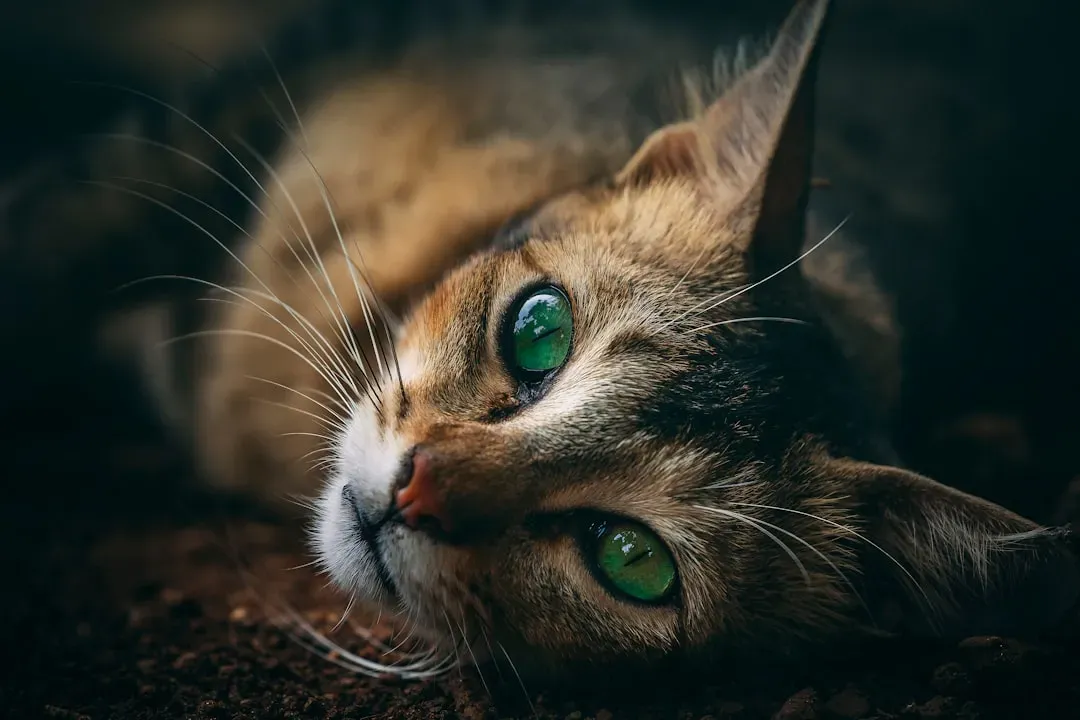
Here’s the thing about your domesticated house cat: she still carries the instincts of her wild ancestors, whether she shows it or not. In the wild, cats are naturally solitary animals, with most species only coming together for mating purposes. That baseline independence hasn’t been completely erased by thousands of years of living on couches and eating kibble from a bowl.
Through thousands of years of domestication, humans have selectively bred cats to be more tolerant of each other’s presence. Today, you can observe both sides of cat nature in your own pet. Some cats are happy to lounge around the house alone, while others demand constant attention and interaction. Think of it like a dimmer switch. The wild instinct is still there, it’s just turned up or down depending on the individual cat.
The Critical Socialization Window You Probably Didn’t Know About
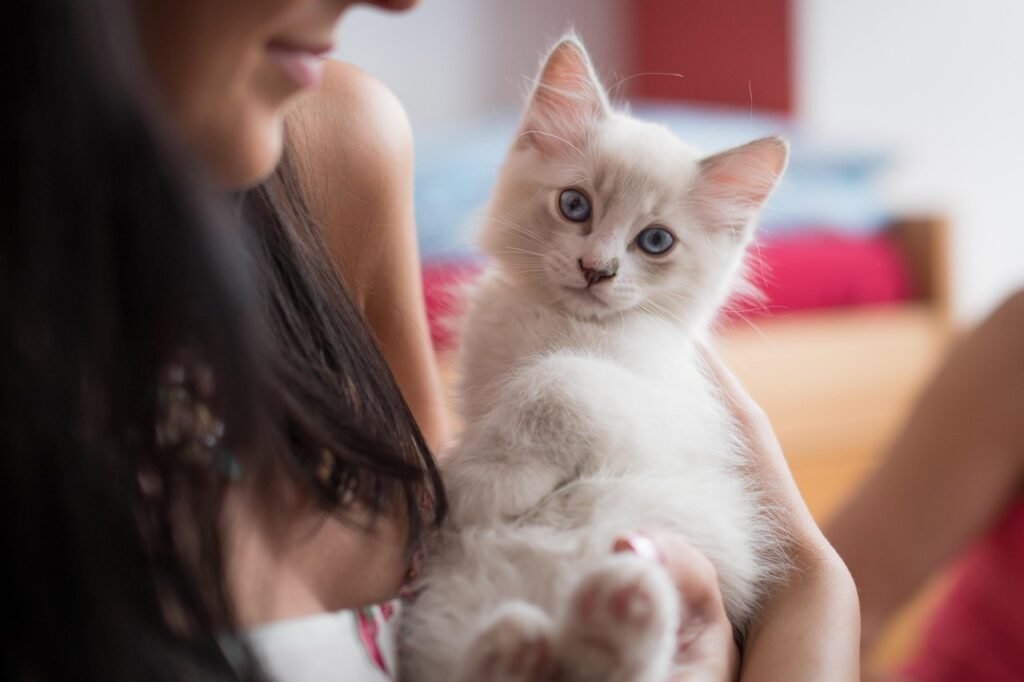
The impact of early socialization extends far beyond kittenhood. Kittens who are socialized properly during their critical development window – between 2 and 9 weeks old – are far more likely to grow into friendly, adaptable, and confident adult cats. However, when this crucial period is missed or when negative experiences dominate their early interactions, a cat’s behavior in adulthood can be significantly affected.
Research has shown that kittens who are handled by four or five different handlers before they are seven weeks of age will be more sociable to people as adult cats and more inclined to initiate social interaction with them. In comparison, cats that are only handled by one individual will be particularly affectionate towards them but will be suspicious of other people and may avoid them. That’s a pretty staggering difference in outcome, all coming down to those first few weeks of life.
How Genetics Writes the First Chapter of Your Cat’s Personality
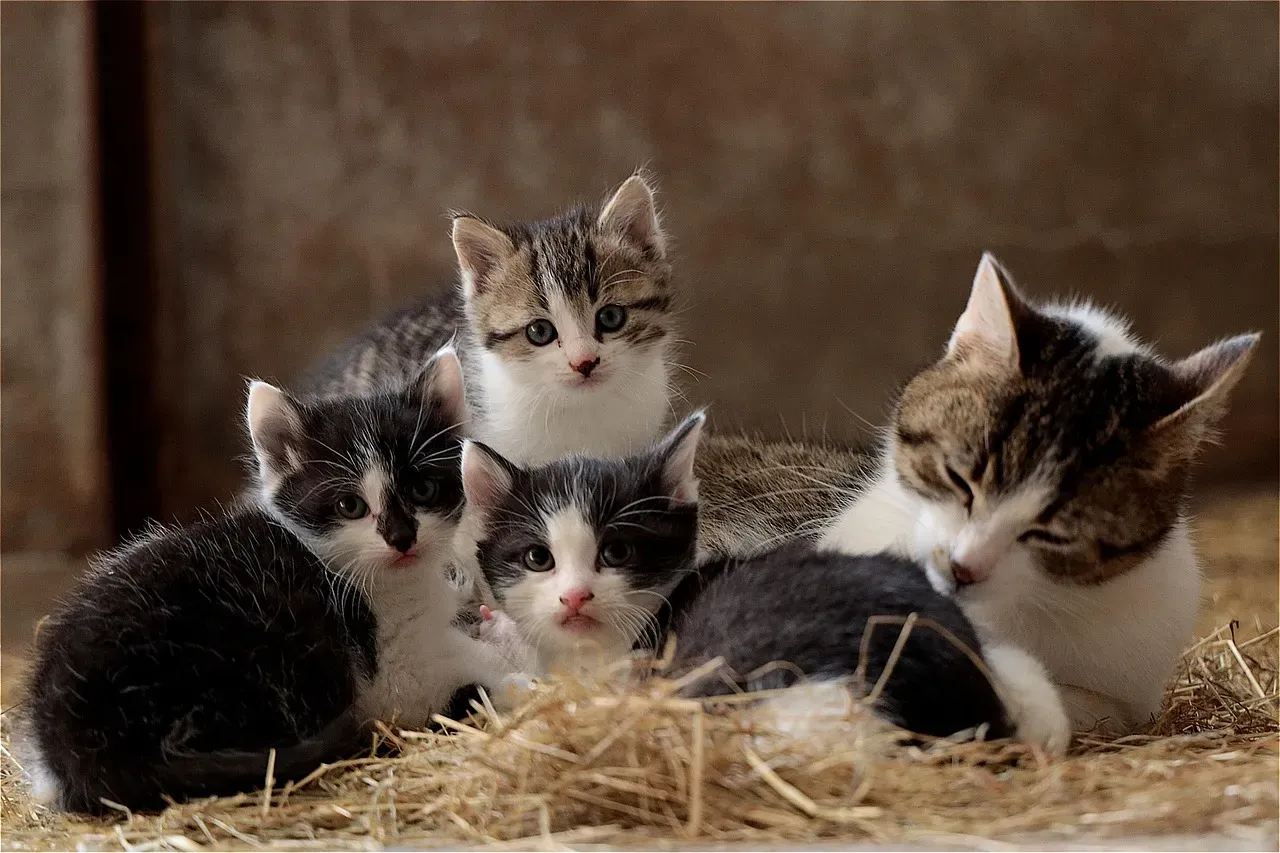
Cats are known for their unique and varied personalities – some are affectionate lap lovers, while others are independent or aloof. While environment and socialization are important factors in shaping a cat’s behavior, genetics play a major role in determining a cat’s temperament. Just as a cat inherits their fur color or eye shape from their parents, many aspects of their personality are written in their DNA.
It is also very likely that genetics play a role in how much cats enjoy being cuddled or handled. We know that other aspects of personality, such as confidence, are at least partly inherited – so it’s not hard to imagine cuddliness is too. One study found that kittens with a friendly father grew up to be friendlier toward people compared with cats with a non-friendly father. So if you’ve ever wondered why your rescue kitten turned out so bold and cuddly, you might have their dad to thank.
Breed Matters More Than You’d Think
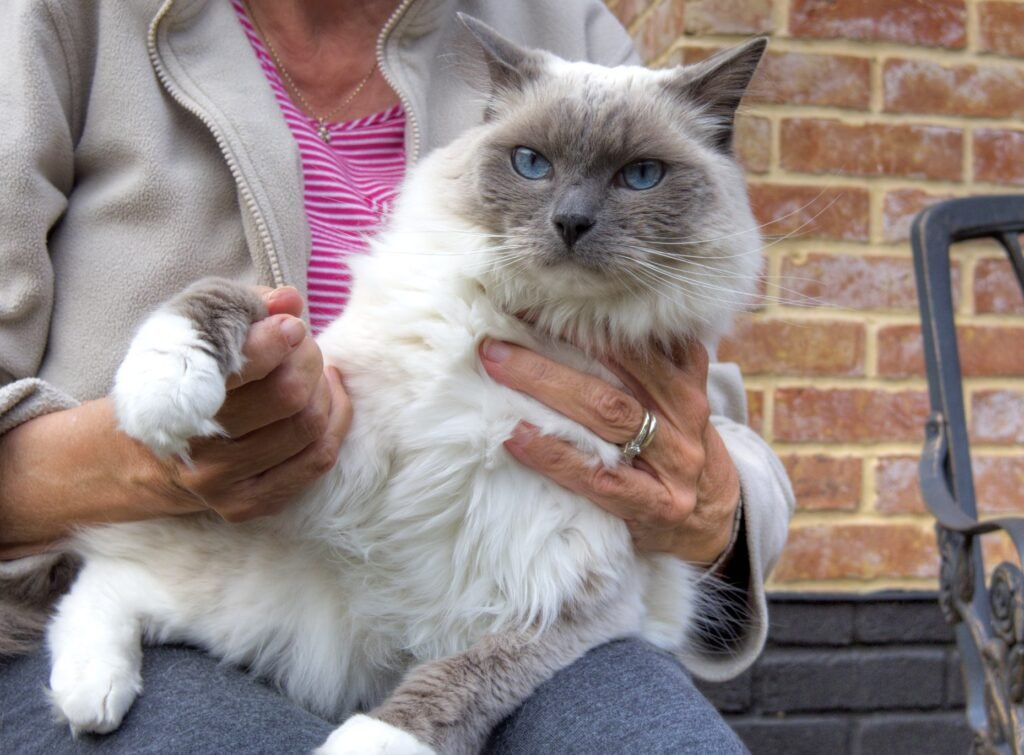
Ragdolls are often referred to as “puppy-like” due to their affectionate and relaxed nature. They are typically more willing to seek out human attention and enjoy being handled. Bengals, on the other hand, are known for their energetic, intelligent, and sometimes more aloof personalities. While not necessarily antisocial, they may require more stimulation and patience to bond with humans compared to more easygoing breeds.
Highly affectionate cat breeds like Siamese, Burmese, or Ragdoll cats may crave more human or feline companionship and may be more prone to loneliness if left alone for long periods. It’s worth remembering though that each cat will have their own individual personality. Even though a breed may be described as ‘a friendly breed’ or ‘an independent breed’, that trait may be obvious in one cat and less so in another. Genetics do play a part in a cat’s temperament, but early experiences when they are kittens will also influence their character.
The Science of Feline Attachment – Yes, Your Cat Actually Bonds With You
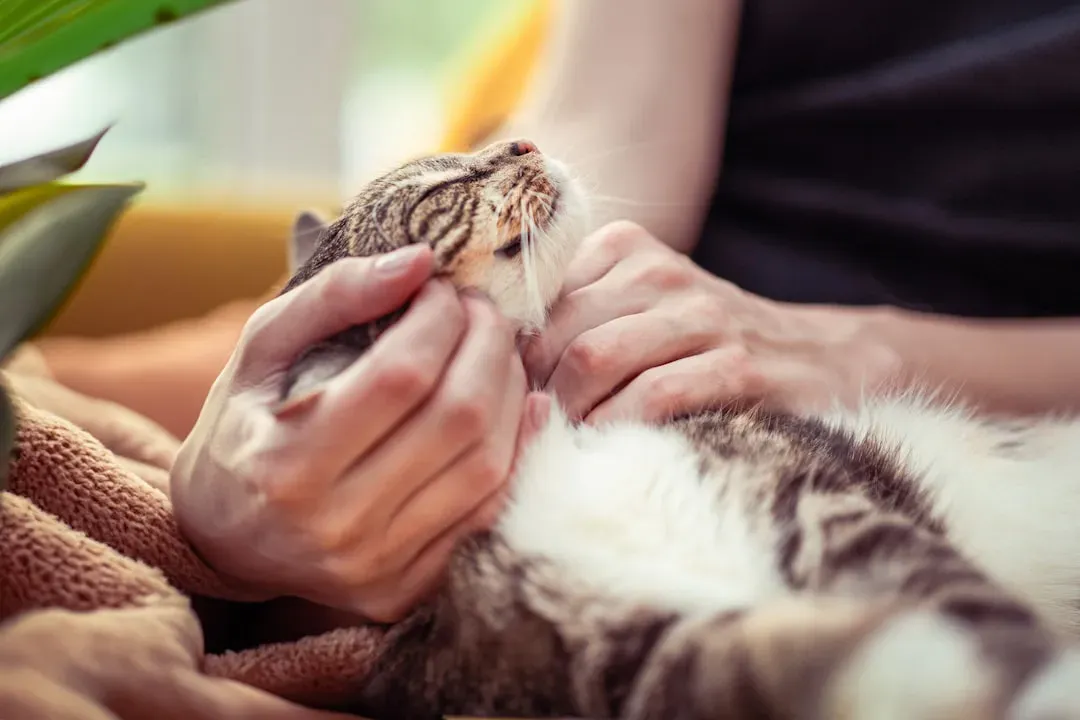
Let’s be real: a lot of people still believe cats are fundamentally indifferent to humans. That’s largely a myth. A 2019 study found that roughly two thirds of cats form secure emotional attachments to their humans – similar to dogs and even infants. Cats may seem independent, but many deeply rely on your presence for emotional stability.
Just like people, cats have different personalities and emotional blueprints. Independent types may need occasional interaction but prefer their own space. Affectionate types crave frequent attention, seek cuddles, and may follow you from room to room. Neither style is better, but recognizing your cat’s attachment style can help you respond to their social and emotional needs in a way that makes them feel seen, safe, and loved.
How Past Trauma Shapes a Cat’s Social Behavior
This is the section most cat owners overlook. Just as traumatic experiences can have long-lasting effects on people, cats can be impacted in a similar way. If they experience one or more incidents where they were under threat or in harm’s way, cats might suffer from fear, stress, and anxiety that can affect their daily life. Signs of trauma in a cat include changes in their temperament, interactions, activity, and toileting.
Though some cats will use aggression as a defense mechanism, other cats that are going through emotional stress might go the opposite way. You might notice your cat becoming clingier and more affectionate after experiencing something distressing. They might seek out your company and find it difficult to be alone. This needy behavior is their way of finding some reassurance from you in order to feel more secure. In other words, both extreme solitude and extreme clinginess can sometimes be a red flag worth watching.
The Role Your Home Environment Plays Every Single Day
While early life socialization tends to have a strong impact on a cat’s personality, their experiences later in life will continue to shape their behavior and demeanor. For example, an outdoor cat left to fend for itself will tend to be more territorial and aggressive than their comfortably-housed counterparts. This is likely due to the fact that these outdoor-dwellers are typically less socialized and often live on high alert in case of threats. It is easier for a cat who was raised in a loving home environment to feel safe and comfortable, which may lead to a more affectionate and social personality.
Cats need more than affection. They crave mental and physical stimulation, especially when home alone. Environmental enrichment helps keep their minds active and their stress levels low. The more your cat has to explore and interact with, the less isolated they’ll feel when you’re not around. Think of it like this: a bored, under-stimulated cat is like a restless person stuck in a blank room. Something’s going to give, eventually.
When Solitude Tips Into Loneliness – Spotting the Difference
There is a crucial difference between a cat that genuinely enjoys independence and one that is quietly suffering. Signs of loneliness can include excessive vocalization, increased neediness, destructive behavior, changes in eating or sleeping patterns, and apparent depression. These are subtle at first, easy to misread as “normal cat quirks.”
Cats crave companionship, and if they are frequently left on their own for hours or even days at a time, they experience the same feelings of loneliness, depression, or separation anxiety that humans do. If your cat is lonely, he won’t come right out and tell you, but he may be giving you subtle hints that he would like a little more together time. The tricky part? Loneliness in cats isn’t always loud or obvious. It can show up as quiet withdrawal, subtle behavioral shifts, or even physical health changes.
How to Respect Your Cat’s Social Preferences and Strengthen Your Bond
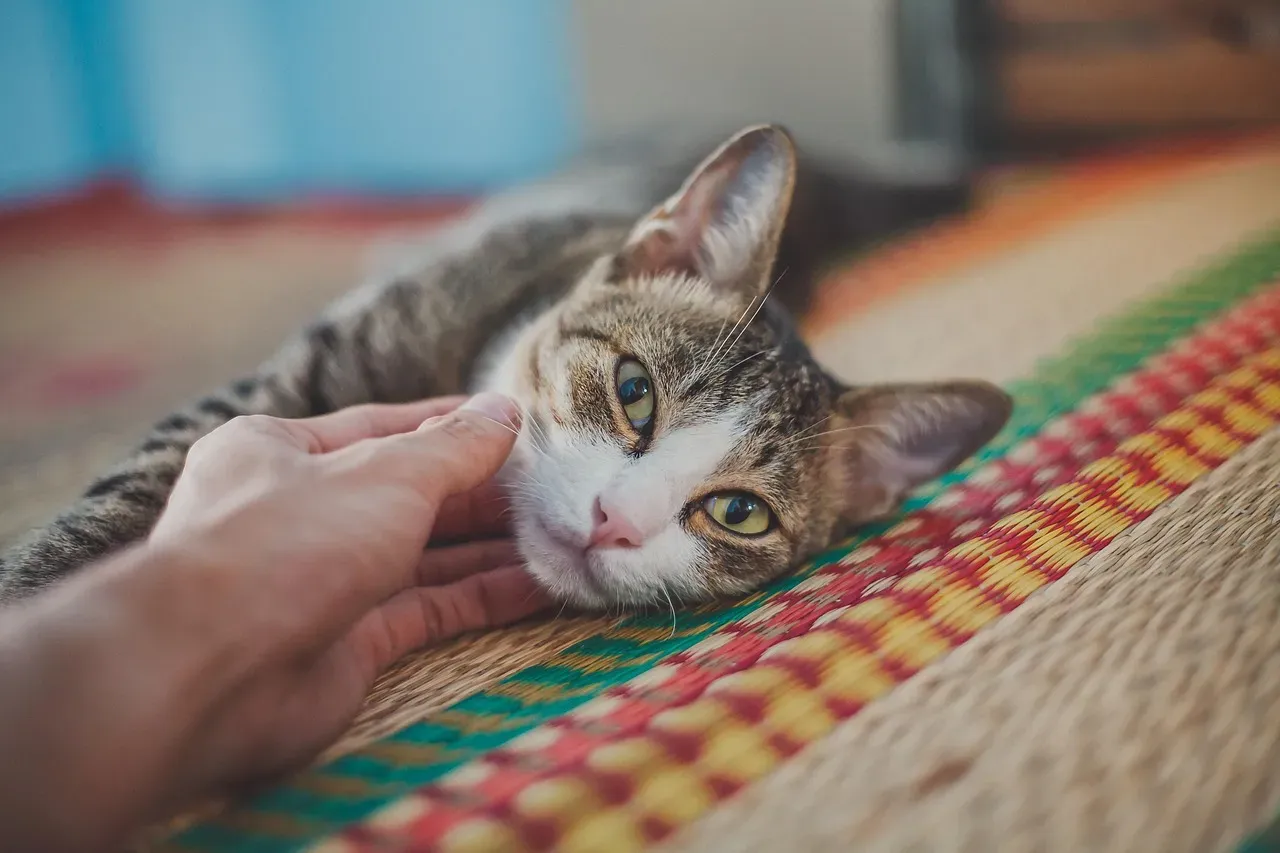
Just like humans, cats value their personal space and freedom to do as they please. By allowing them to make decisions about when to play, rest, or interact with you, you’re giving them autonomy. For instance, if your cat prefers to eat alone in a quiet room, respect that preference rather than insisting on feeding her in the living room. Meeting a cat on their own terms is honestly the fastest way to earn their trust.
Cats show love through slow blinking, purring, rubbing against you, following you around, and sleeping near or on you. Exposing their belly and grooming you are also significant signs of trust and affection. A cat’s social behavior is nuanced. A cat who chooses to nap in a sunny window nearby, rather than on your lap, is still engaging socially – just on their own terms. That distinction is everything. The cuddly cat and the distant cat may be expressing the exact same thing in two very different languages.
Conclusion
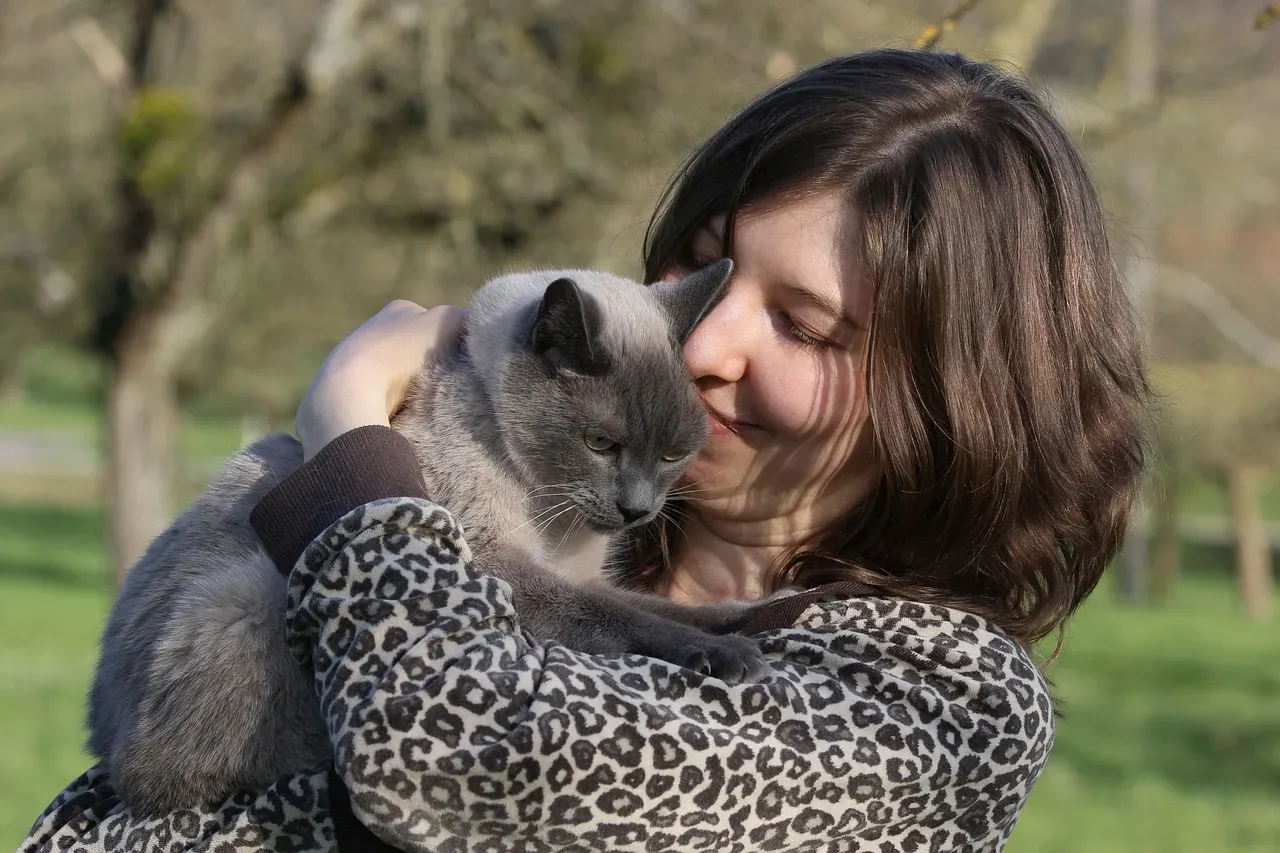
Your cat’s preference for solitude or closeness isn’t random, stubborn, or a sign that something is wrong with them. It’s a beautifully complex result of their genetics, the handful of weeks that shaped them before you ever met them, their life experiences, their breed tendencies, and the environment you’ve created together. Some cats are born social butterflies. Others are quiet observers who love deeply on their own quiet schedule.
The most important thing you can do is learn to read your specific cat rather than expecting every feline to match the same mold. Whether your cat follows you to the bathroom or watches you from across the room like a tiny sphinx, both are valid. Both are wonderful. What matters is that you’re paying attention. Because when you do, you’ll realize your cat has been speaking to you all along – you just have to learn their language.
Does your cat lean more toward solitude or cuddles – and did learning the “why” behind it change the way you see them? Share your thoughts in the comments below.