You’re sitting quietly on your sofa, minding your own business, when a small, velvety paw comes flying out of nowhere and taps you right on the arm. Maybe you laughed. Maybe you said, “what on earth was that for?” Most of us just shrug it off as one of those endearing feline quirks – charming, random, and slightly mysterious.
Here’s the thing, though. Nothing your cat does is truly random. That little bat of their paw? It’s not an accident. It’s not a glitch. It’s a message, an instinct, or a carefully calculated strategy. And the more you understand what’s behind it, the more fascinating your cat becomes. Let’s dive in.
Your Cat Is Hard-Wired to Hunt, Even When They’re Lying on Your Couch
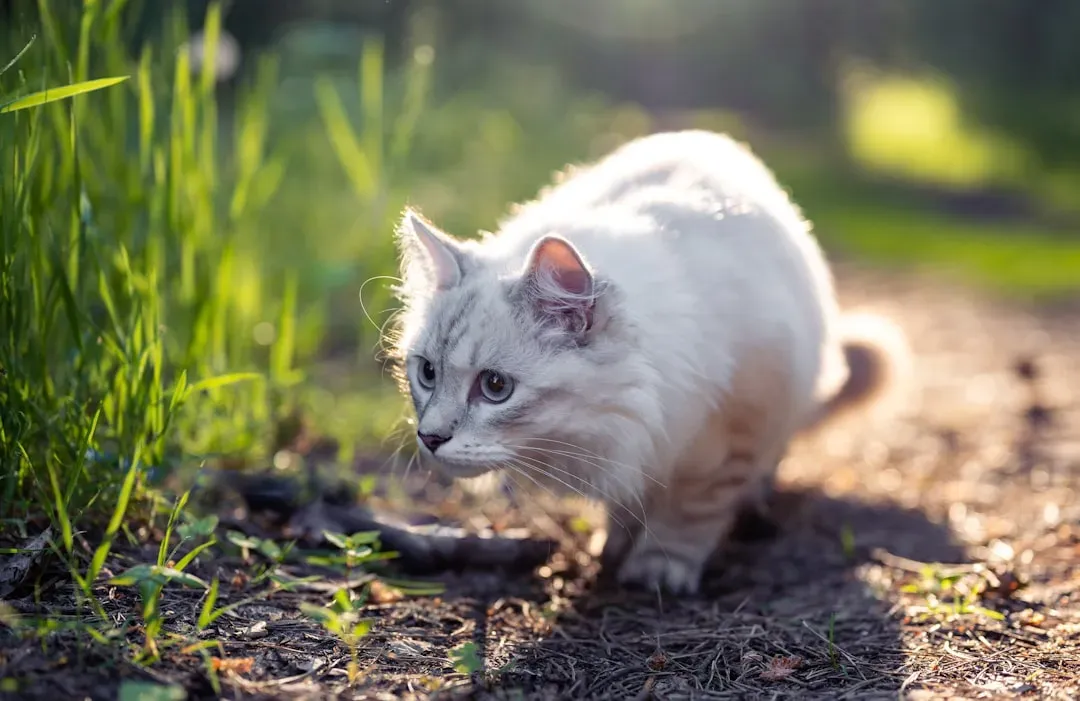
Cats are natural predators, and swatting is a core part of their instinctual hunting behavior. Their paws, equipped with retractable claws and sensitive pads, are literally designed for catching prey, climbing, and balancing. Think of it like this: every time your cat bats at your dangling shoelace, they’re not being silly. They’re rehearsing.
Even well-fed domestic cats are natural-born hunters at heart, and they’ll stalk, chase, and play with anything that moves, driven entirely by instinct. A domesticated cat’s motivation to hunt may not be for food, but it’s instinctive and hard-wired in their brains to hunt, even if they just play with whatever they’ve caught. That paw is basically a finely tuned weapon that never fully retires.
Those Little Paws Are Basically Sensory Supercomputers
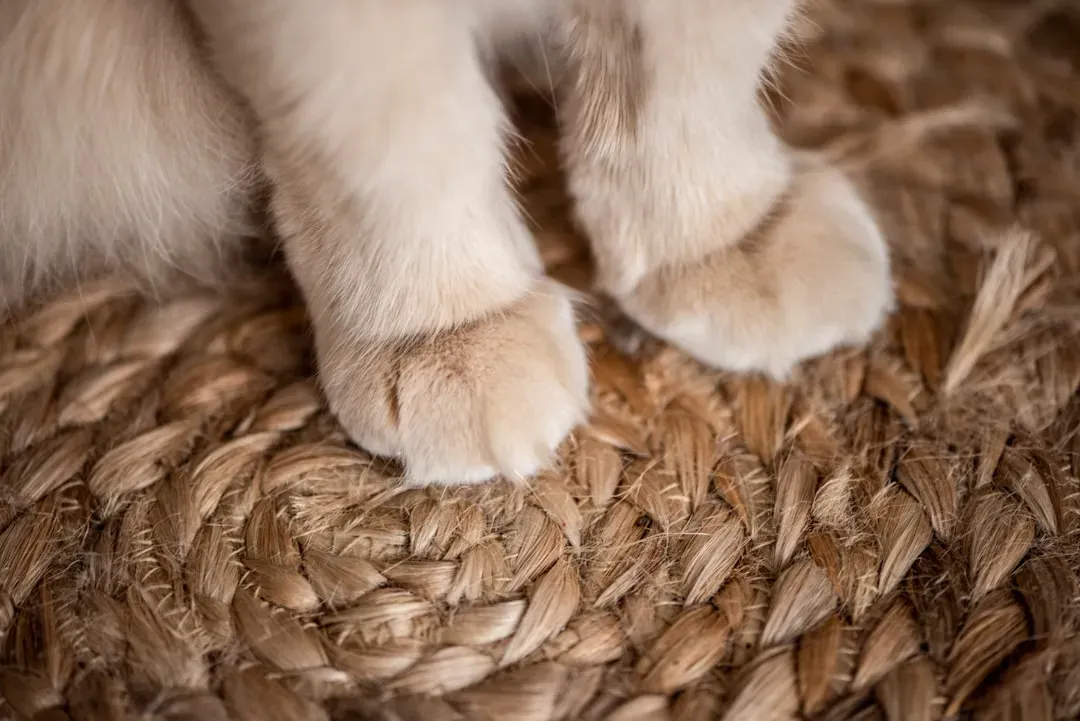
A cat’s paws and toe pads are incredibly sensitive. Just like their whiskers, their paws contain many nerve receptors. These receptors support a cat’s ability to balance, hunt, explore, and understand its surroundings. So when your cat pats something cautiously, they’re actually reading it like braille – gathering data.
Unlike dogs, who often explore with their mouths, cats rely heavily on their sensitive paws to learn about objects. Knocking something off a surface may simply be your cat’s way of discovering what it is, how it feels, and whether it moves. Honestly, when you frame it that way, your cat isn’t being a menace. They’re being a scientist. A tiny, chaotic, very fluffy scientist.
That Paw Bat Is Often Your Cat’s Way of Saying “Play With Me Right Now”
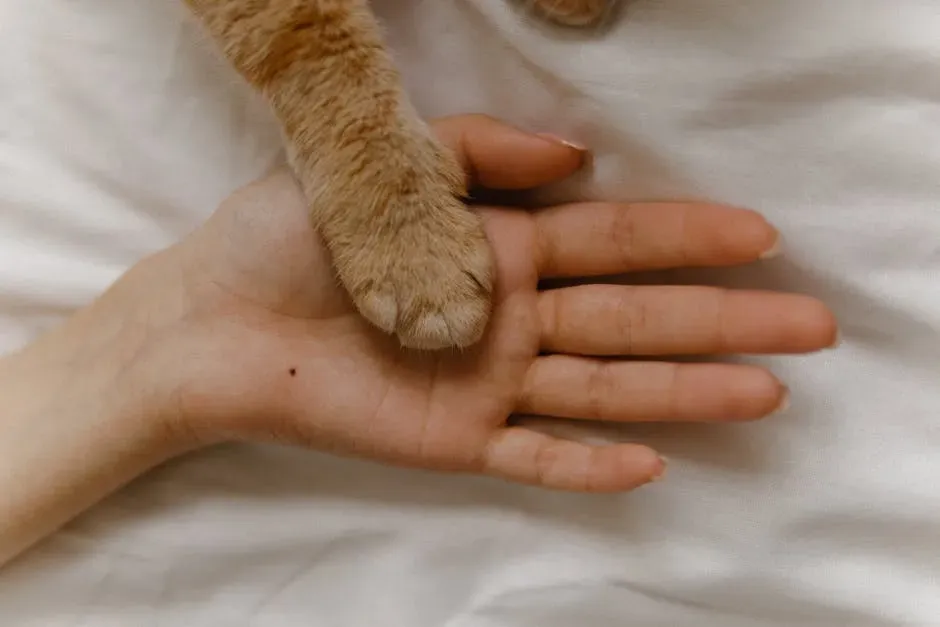
One of the most common reasons a cat hits you with their paw is simple: they want your attention. Some cats paw gently at their pet parents to request petting, playtime, or a refill of the food bowl. Because cats quickly learn what gets a response, a well-timed tap can become a go-to communication tool. Sound familiar? That’s not a coincidence.
Attention-seeking paw taps are typically light, non-threatening, and often paired with other friendly behaviors, such as purring, rubbing against you, or staring expectantly. If your cat lightly slaps you when you’re busy, it may be their way of saying, “Hey… look at me!” Cats are essentially pulling the same move a toddler does when you’re on a phone call. Calculated? Absolutely.
Play Aggression Is Totally Normal, But Here’s When to Pay Attention
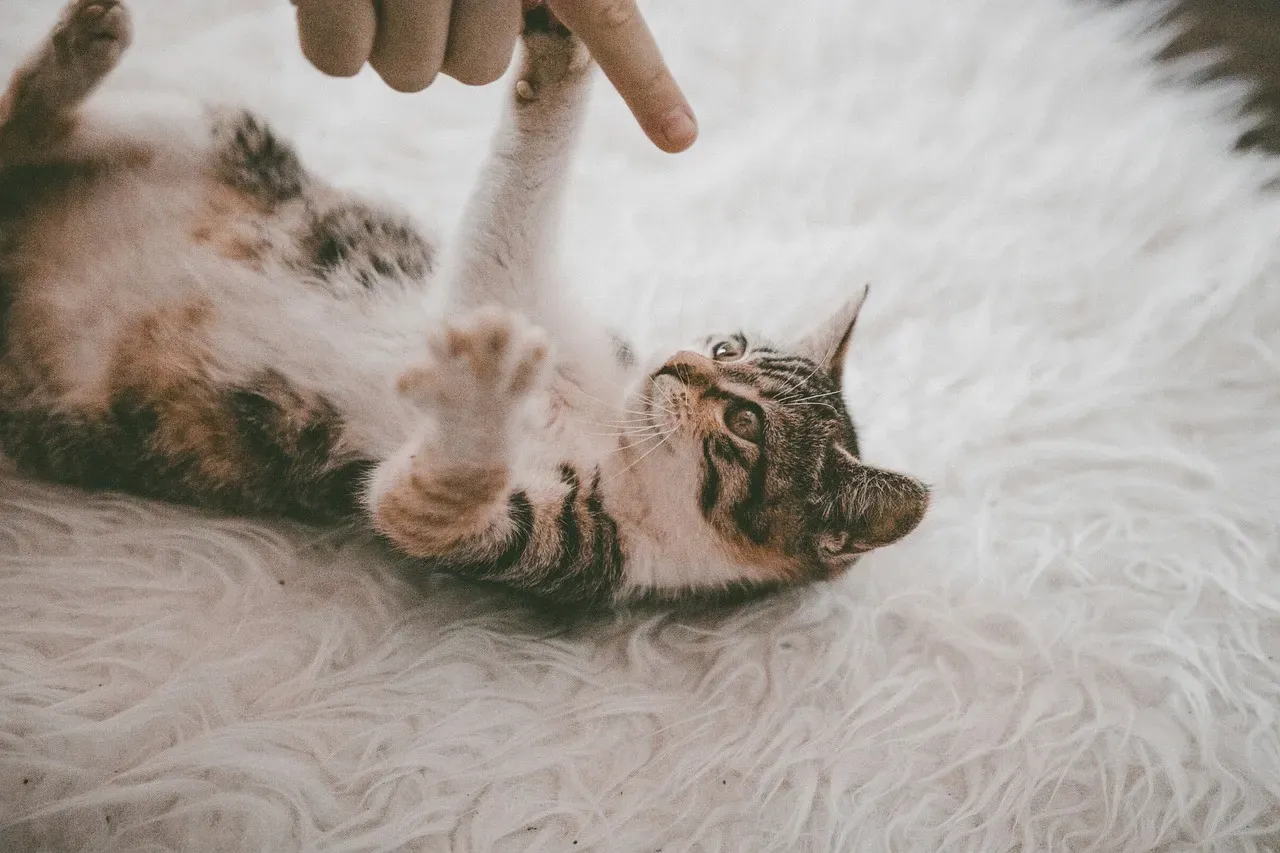
Play aggression is the most common type of aggressive behavior that cats direct toward their owners. It involves typical predatory and play behaviors, including stalking, chasing, attacking, running, ambushing, pouncing, leaping, batting, swatting, grasping, fighting, and biting. In most cases, it’s nothing to fear. It’s just your cat being a cat.
Through play with each other, young cats learn to inhibit their bites and sheathe their claws when swatting. The degree to which individual cats learn to inhibit their rough play varies, and those who were orphaned or weaned early might never have learned to temper their play behavior. If your cat plays a little too hard, that context matters enormously when figuring out what’s really going on.
Sometimes That Swat Is a Polite Request to Stop What You’re Doing
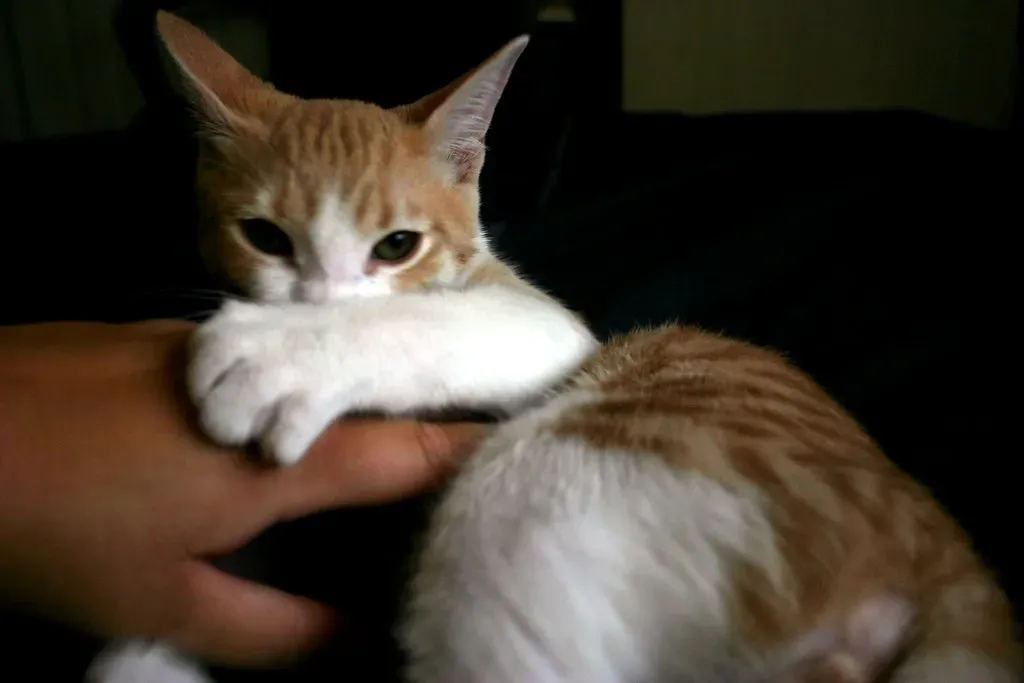
Many cats have a limit when it comes to petting. What starts as a relaxing cuddle can quickly become overwhelming, especially for cats who are more sensitive to touch. When a cat becomes overstimulated, they may swat or slap you as a polite warning that they need a break. Translation: your cat isn’t being ungrateful. They’re setting a boundary. And honestly, you should respect it.
Some of the signs that your cat is reaching their petting threshold include tail flicking, skin twitching, dilated pupils, or ears turning sideways. Increased swatting behavior can be a sign of increased fear, anxiety, stress, and overstimulation. Learn those signals and you’ll avoid most of those surprise swats entirely. It’s really a communication issue more than a behavior problem.
Your Cat May Also Be Asserting Dominance or Protecting Territory
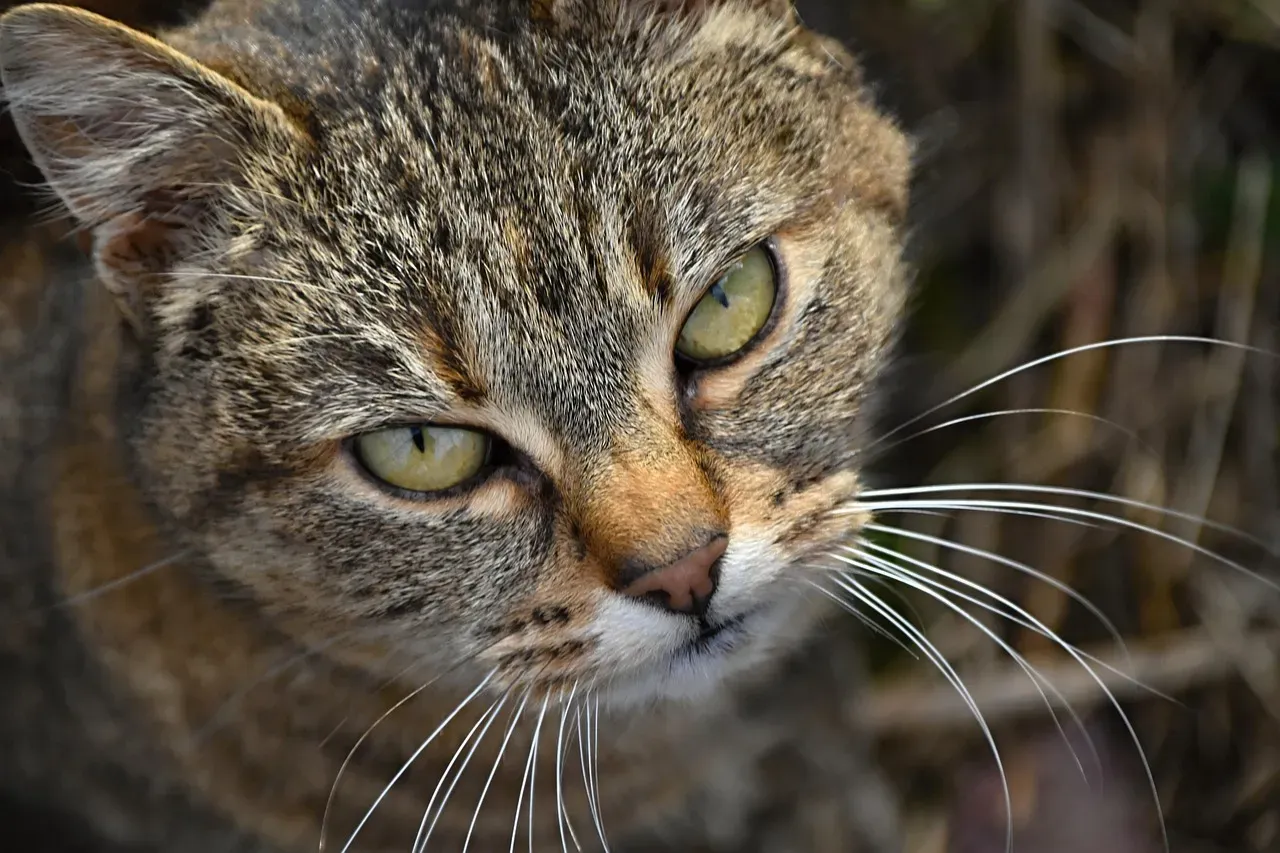
Cats can also swat as a way to defend their territory or establish dominance. This behavior might be directed at other cats who enter their space, or even at humans who unintentionally invade their personal space. It’s not personal, even though it can absolutely feel that way when you’re on the receiving end of a firm, claws-out warning.
Territorial swatting is driven by a cat’s instinct to protect their territory from perceived threats. It’s often accompanied by aggressive body language, such as an arched back, raised hair, and hissing. Territorial swatting is most common when introducing a new animal or person into the household. If you’ve recently brought home a new pet or had a guest staying over, that context might explain everything.
Did You Know Your Cat Even Has a Dominant Paw?
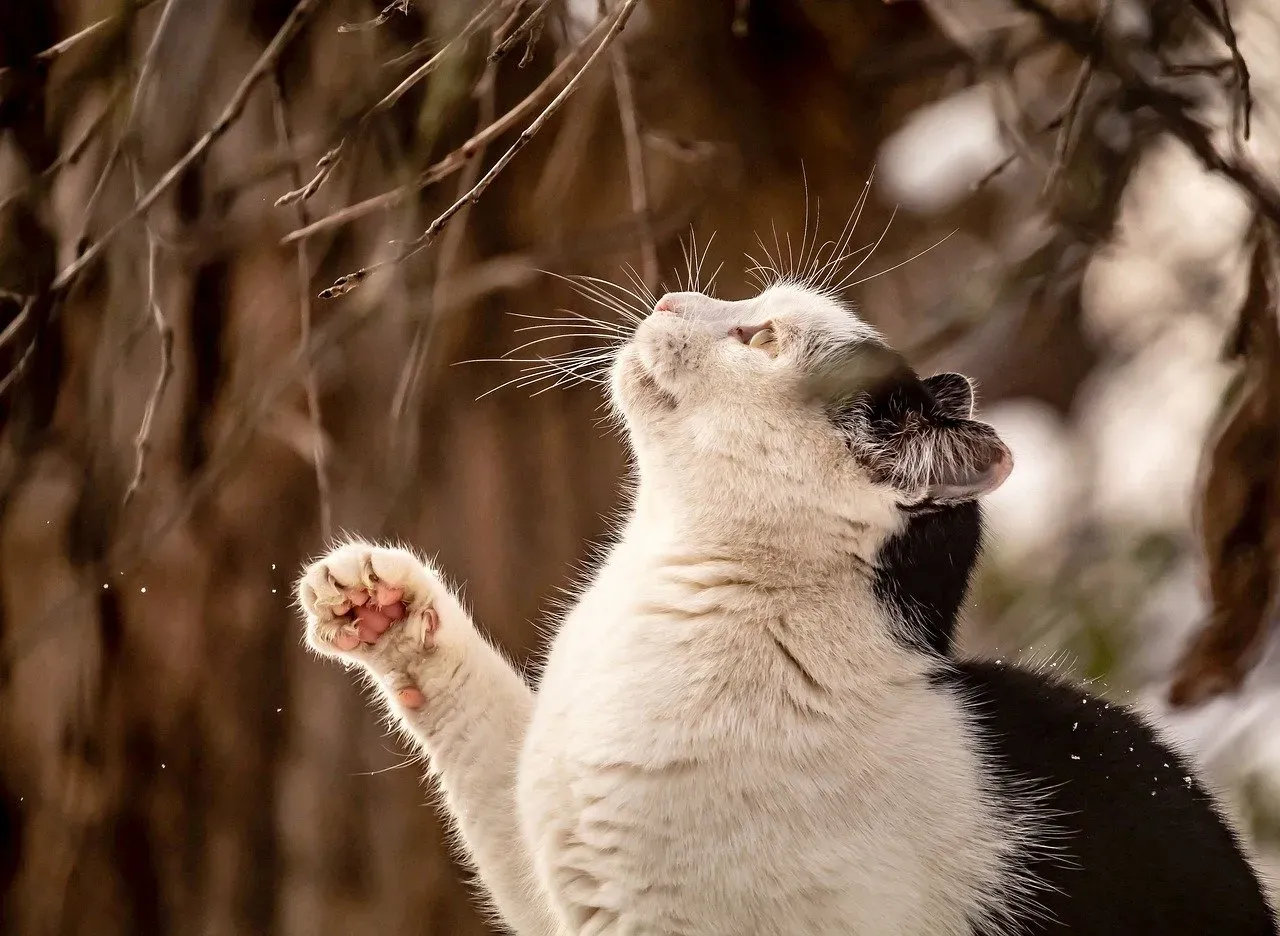
Cats have a dominant paw just like humans. Unlike humans, there’s no general bias toward left or right paw dominance across the population; instead, it’s closely related to the gender of the cat. One study found that male cats were significantly more likely to use their left paw for everyday tasks, while female cats were more likely to be right-paw dominant. I know it sounds crazy, but your cat is literally left-handed or right-handed.
This is one of those facts that makes you look at your cat in a whole new light. The next time they reach out to bat at something, notice which paw they lead with. Chances are, it’s the same one every time. When cats swat, they often use their body weight and momentum to generate force and precision. This ability is essential for both hunting and playing, allowing them to catch prey or engage with their favorite toys. There’s real biomechanical artistry happening in that tiny swat.
When a Swat Could Signal Something Deeper – Like Pain or Illness
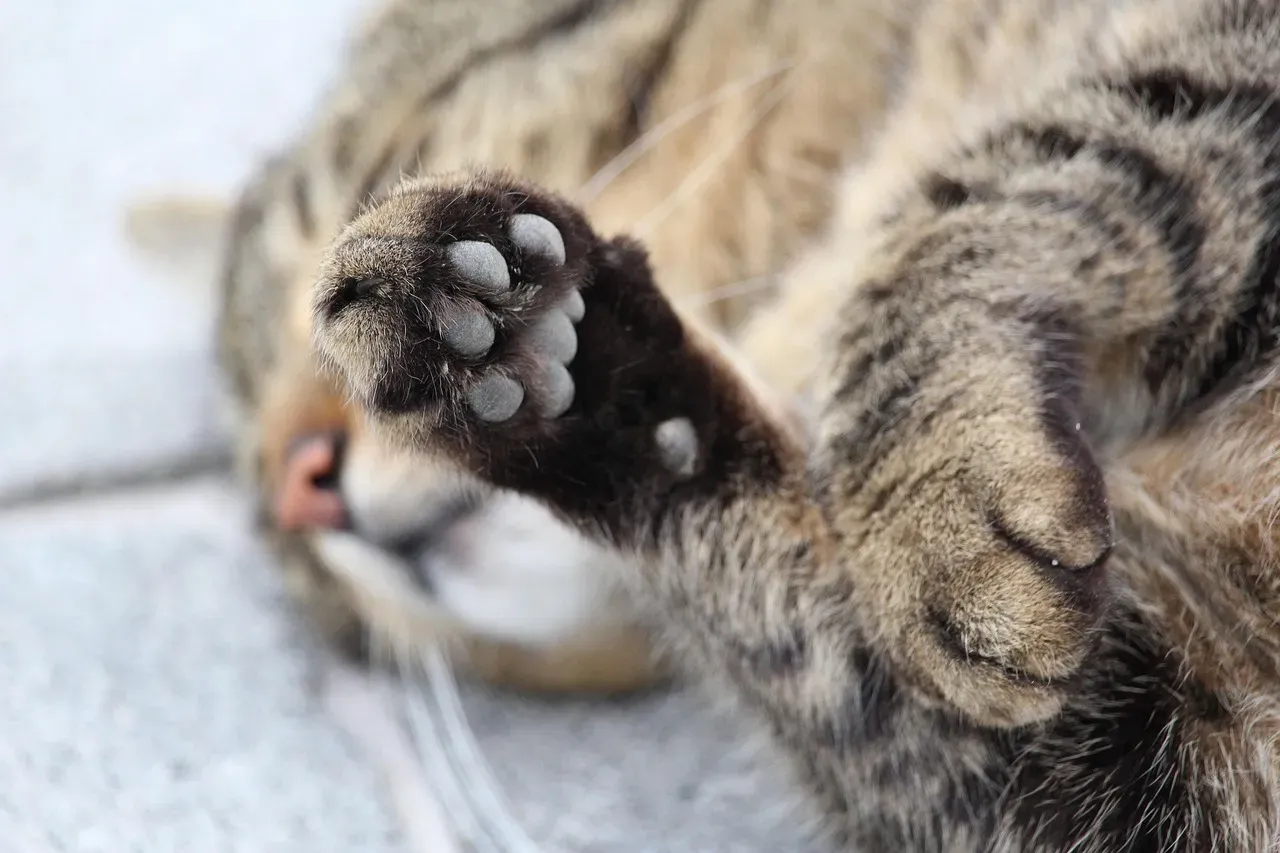
Cats tend to mask their pain and sickness, so small behavioral changes like abruptly lashing out and slapping other cats or people might be the first sign that something is wrong. It’s especially important to pay attention to these behaviors if nothing has changed in the household or their routines. This one really is worth taking seriously. A sudden increase in swatting, seemingly out of nowhere, can be your cat’s only visible way of saying something hurts.
Chronic pain conditions in cats like osteoarthritis and degenerative joint disease are two major culprits for sudden aggressive behavior like swatting. Arthritis and arthritis pain doesn’t just affect older cats. Even cats as young as two years old can be affected. Swatting could be a sign that your cat is dealing with pain or an illness, and bringing them in for a checkup can help rule out underlying health problems. When in doubt, your vet is always your best first call.
Conclusion: The Paw Knows More Than You Think
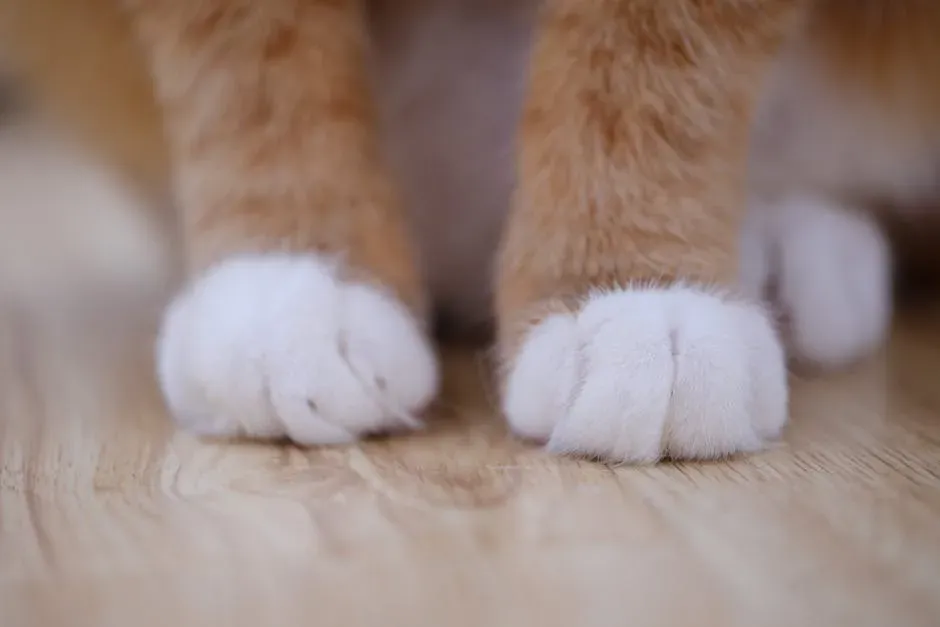
There’s something almost poetic about the fact that such a tiny gesture – a soft bat of a delicate paw – can carry so many layers of meaning. Hunting instinct. A desire for play. A boundary being drawn. A secret pain being whispered. Your cat isn’t random. They’re remarkably intentional, even when they’re doing something that looks like pure nonsense.
The real takeaway here is simple: pay attention. That little swat is a window into your cat’s inner world, and once you start reading those signals, the relationship you build with your pet becomes something genuinely richer. So the next time that paw comes sailing your way, pause before you react. Your cat is trying to tell you something. The question is, are you really listening?
What does your cat’s paw bat usually mean? Drop your thoughts in the comments – we’d love to hear your stories!