You’ve seen those stunning blue eyes, the sleek bodies, and the aristocratic elegance. Maybe you’ve even fallen a little bit in love with the idea of owning a Siamese cat. They’re one of the most recognizable breeds in the world, after all. Here’s the thing, though: veterinarians and experienced breeders often hesitate before recommending this particular breed. The conversations happening behind closed clinic doors tell a different story than the glossy pictures you see online.
It’s not that Siamese cats don’t make wonderful companions. They absolutely can. Yet there are legitimate, sometimes troubling reasons why vets offer cautious advice when someone walks in dreaming of bringing one home. These aren’t just minor inconveniences we’re talking about. This is about genetic vulnerabilities, behavioral demands, and emotional complexities that can catch well-meaning owners completely off guard. What follows might surprise you, maybe even change your mind entirely.
The Genetic Health Time Bomb
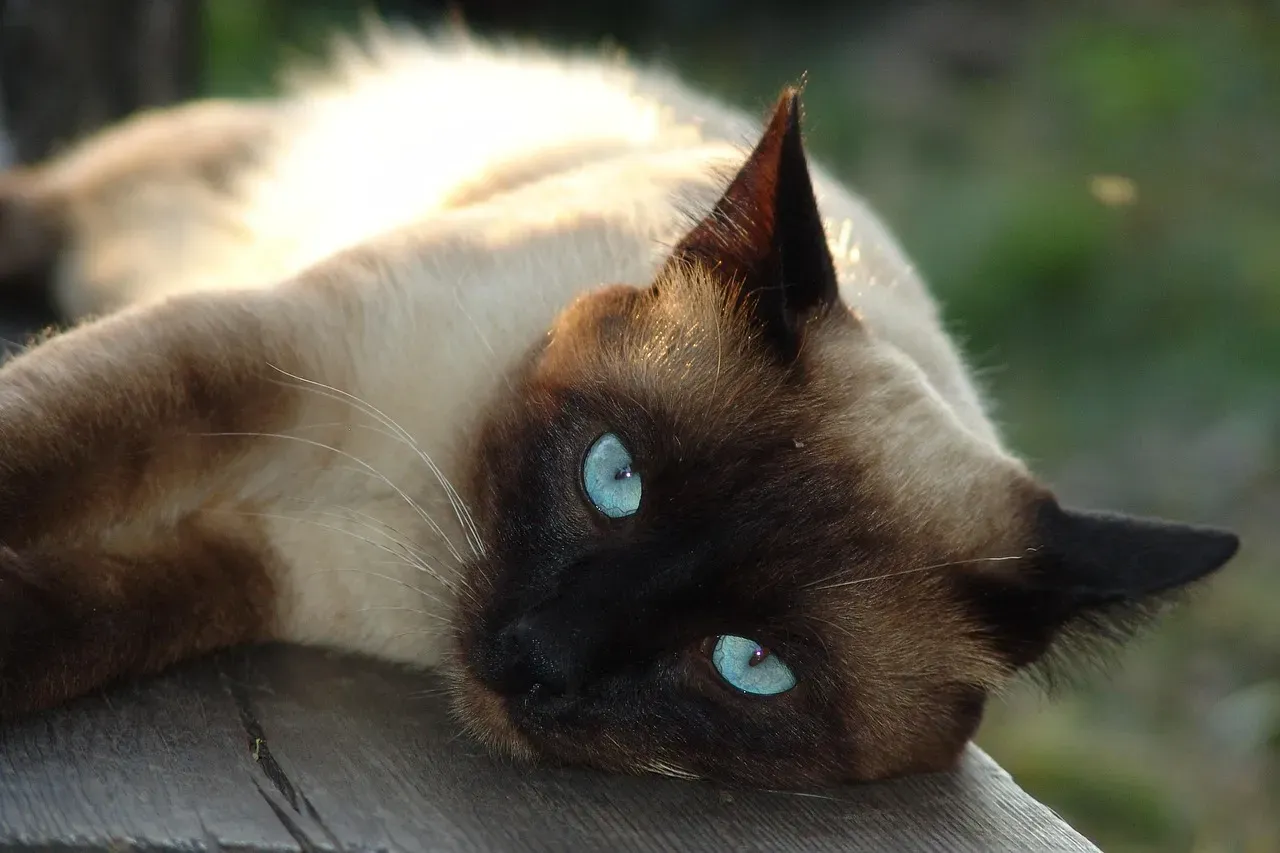
Siamese cats are genetically predisposed to various hereditary conditions. Let’s be real, this isn’t about a little sniffling or an occasional upset stomach.
Progressive Retinal Atrophy is a major health risk that causes retinal degeneration and leads almost invariably to blindness. Picture this: a beautiful, active cat slowly losing its vision, bumping into furniture, unable to jump confidently. First comes night blindness, and then complete vision loss typically develops within two to four years after the initial symptoms appear. No cure exists. No treatment can stop the progression.
Systemic amyloidosis involves abnormal protein buildup in organs, stopping them from functioning properly and typically resulting in severe liver damage or kidney failure – ultimately a fatal disease. The financial burden alone can devastate families, but the emotional toll of watching a beloved pet slowly deteriorate is worse.
Respiratory Troubles You Can’t Ignore
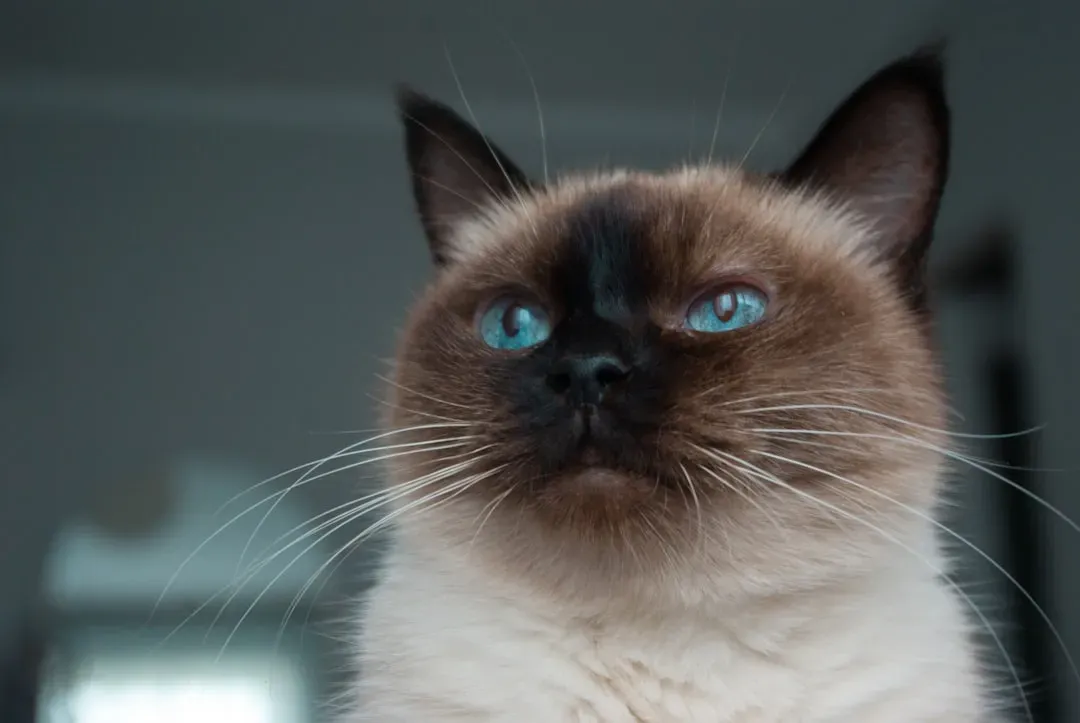
Siamese cats have increased susceptibility to asthma, with the condition usually striking between two to eight years of age. Think about constant coughing, labored breathing, panic in those blue eyes when they can’t catch their breath.
Their unique facial structure with elongated nasal passages contributes to chronic respiratory issues including asthma, chronic rhinitis, and bronchitis. This means recurring vet visits, expensive medications, and the anxiety of monitoring every breath. Any breathing problem requires immediate veterinary attention, so spontaneous weekend trips or carefree vacations become complicated.
Respiratory distress episodes can be genuinely terrifying to witness. Imagine waking at three in the morning to find your cat wheezing desperately. That’s not a scenario most people sign up for when they’re charmed by a kitten’s adorable face.
Cancer Risk That Keeps Climbing
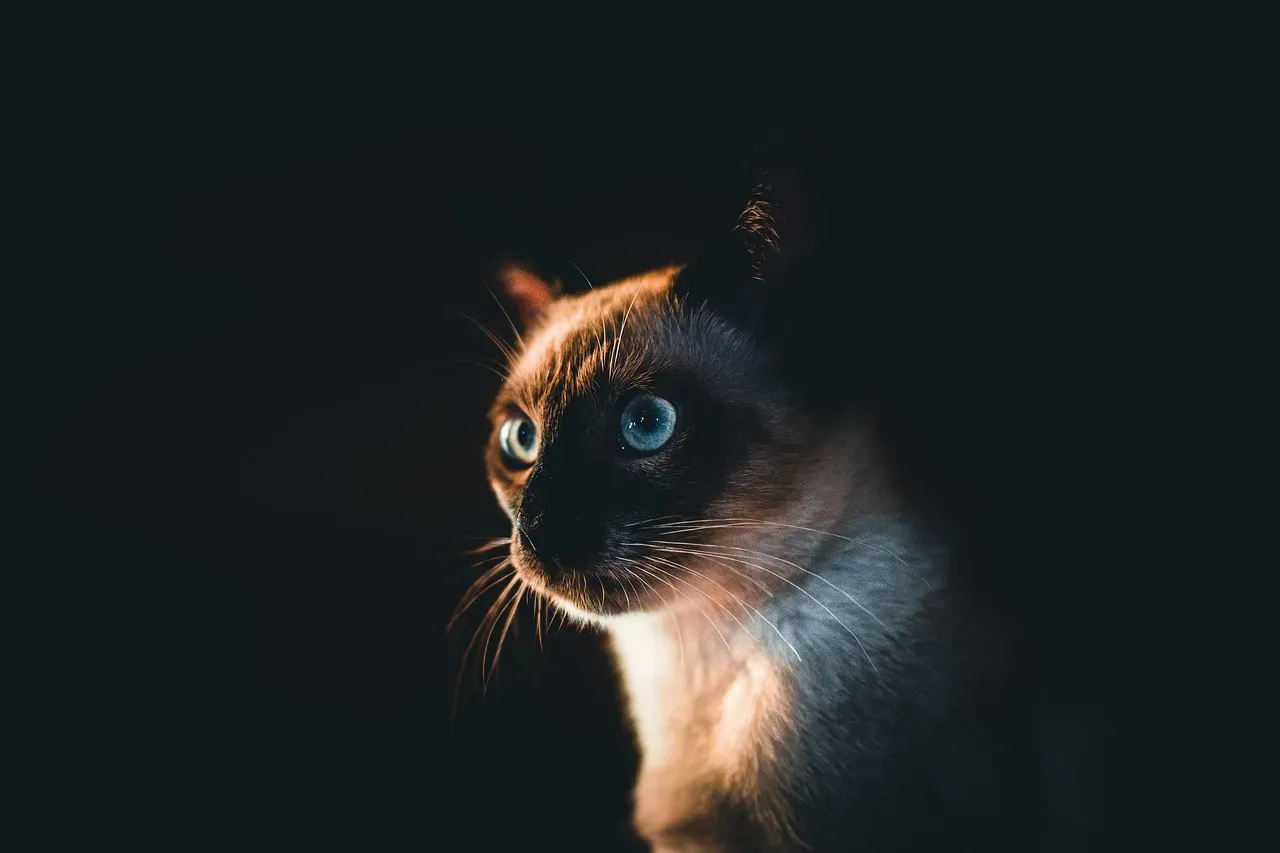
Siamese cats can develop cancer of the intestines and lymph nodes. We’re not talking about rare occurrences here. Siamese cats show increased rates of certain cancers like lymphoma and mast cell tumors, which contribute significantly to mortality in the breed.
Cutaneous mast cell tumors appear as raised, hairless bumps typically found on the neck, head, or limbs, and any bump or lump requires veterinary examination. Early detection matters tremendously, meaning you’re constantly inspecting your cat, always worried about finding something. Visceral mast cell tumors affect internal organs like the liver, spleen, and intestines, with poor prognosis – cats typically survive only about a year after treatment.
Treatment costs thousands of dollars. Chemotherapy sessions, medications, countless vet appointments. Even with aggressive treatment, outcomes remain uncertain.
The Vocal Nightmare That Never Ends
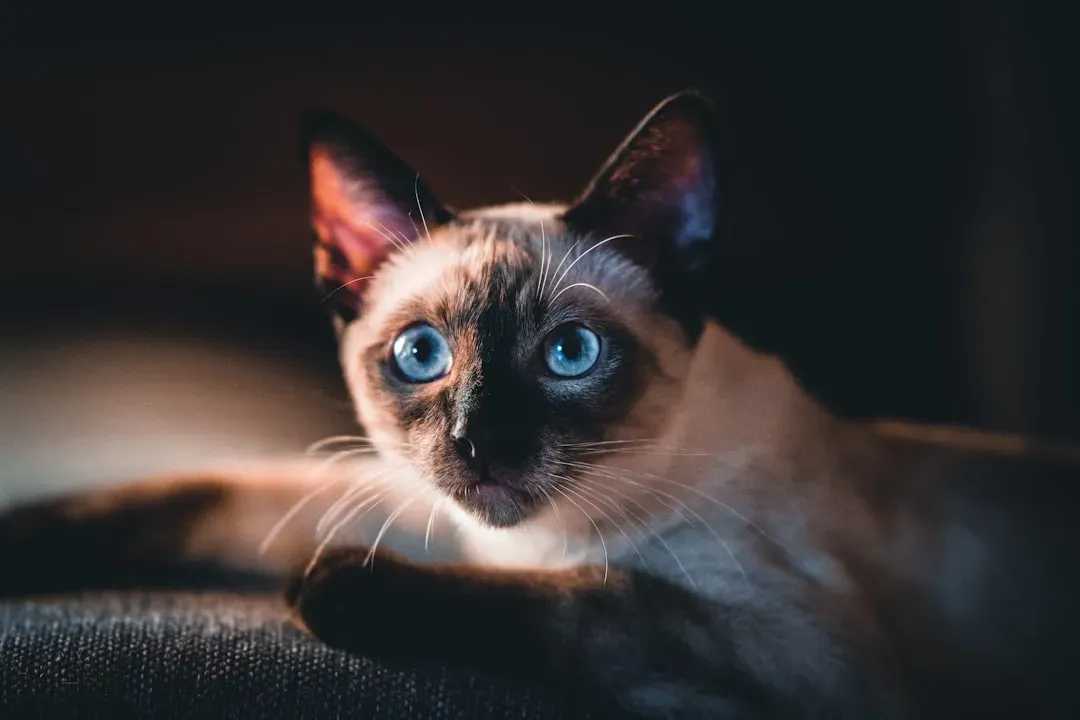
Siamese cats are notorious for being extremely vocal, and their distinctive noise has often been compared to a baby crying. I know it sounds dramatic, but this isn’t an exaggeration. They’re widely regarded as the most vocal of all cat breeds, known for loud, expressive, and persistent meows.
These cats meow or vocalize more when they want something, with mealtimes being one of the times owners say they meow the most. Picture every single meal preceded by relentless yowling that rattles your nerves. Evenings are particularly notorious for loud vocalizing, and most cats increase their meowing at night.
Honestly, if you value peace and quiet, run the other direction. Some breeds such as the Siamese are much more likely to be vocal than others, and there’s no training technique that completely eliminates this behavior. There is no way to make them stop, according to experienced owners. You either accept living in a constant conversation, or you don’t get a Siamese.
Separation Anxiety Reaches Dangerous Levels
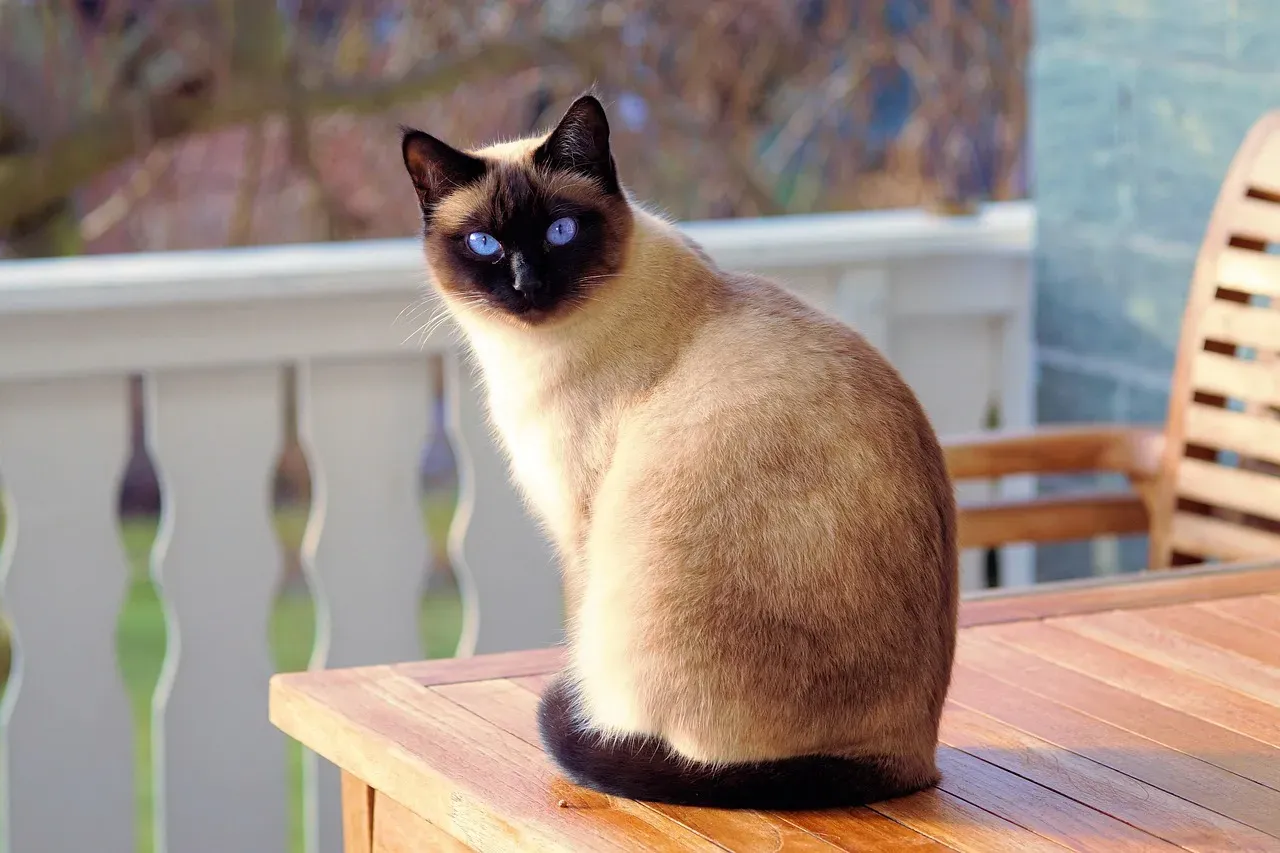
Their close attachment to owners can lead to separation anxiety, most commonly seen in dogs, which should tell you how extreme this becomes. Because of the strong bond they form with their owners, Siamese cats won’t be happy staying home alone and will quickly become sad, bored, or develop separation anxiety – a feeling of extreme fear.
These gregarious cats need to be with people to thrive, and when ignored or isolated, they develop serious emotional and mental issues like depression and anxiety, especially separation anxiety. We’re talking about cats that emotionally unravel when you leave for work. In shelters, Siamese cats often emotionally shut down, hiding in cages and sometimes going days without eating, quickly becoming ill from malnutrition or dehydration.
They develop such strong bonds with favorite people that they often struggle with separations from preferred humans lasting a full workday or longer. If you work a normal job, you’re potentially creating a psychological crisis every single day.
Demands That Rival a Toddler’s
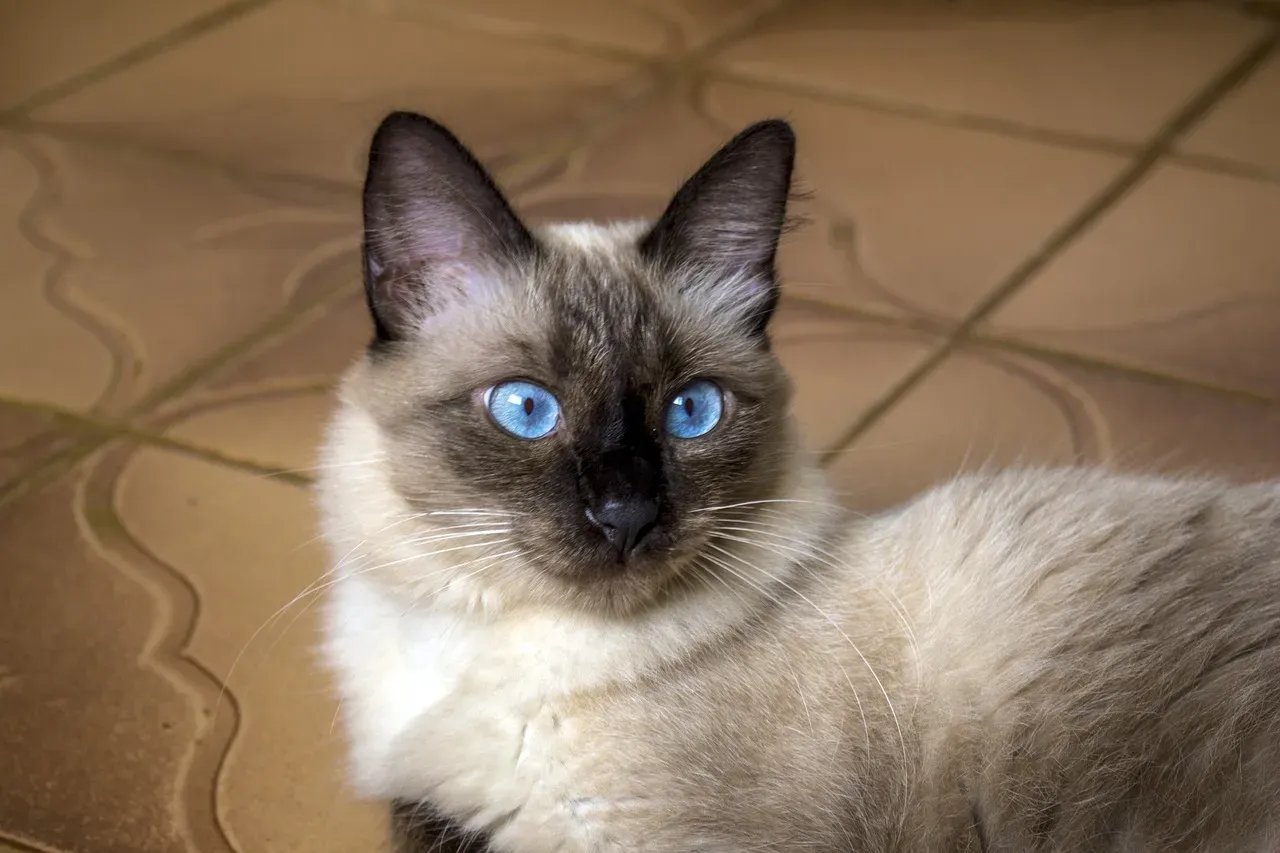
Siamese cats need time, attention, and stimulation, and this is where the high maintenance label really comes from. This athletic, agile breed demands attention and needs extensive interactive games and toys to prevent boredom.
These cats require constant attention, otherwise they might become lethargic, and when stressed, they might exhibit problematic behavior such as biting and general aggression. Think about that commitment. Not suggestions, not preferences – requirements. They’re extremely social and want to be with you, not just near you.
Half-hearted pet ownership doesn’t cut it with this breed. Siamese cats are very playful, active, and require a lot of attention from their guardians. They follow you everywhere, demand participation in everything you do, and genuinely suffer when neglected. It’s exhausting.
Behavioral Problems That Test Your Patience
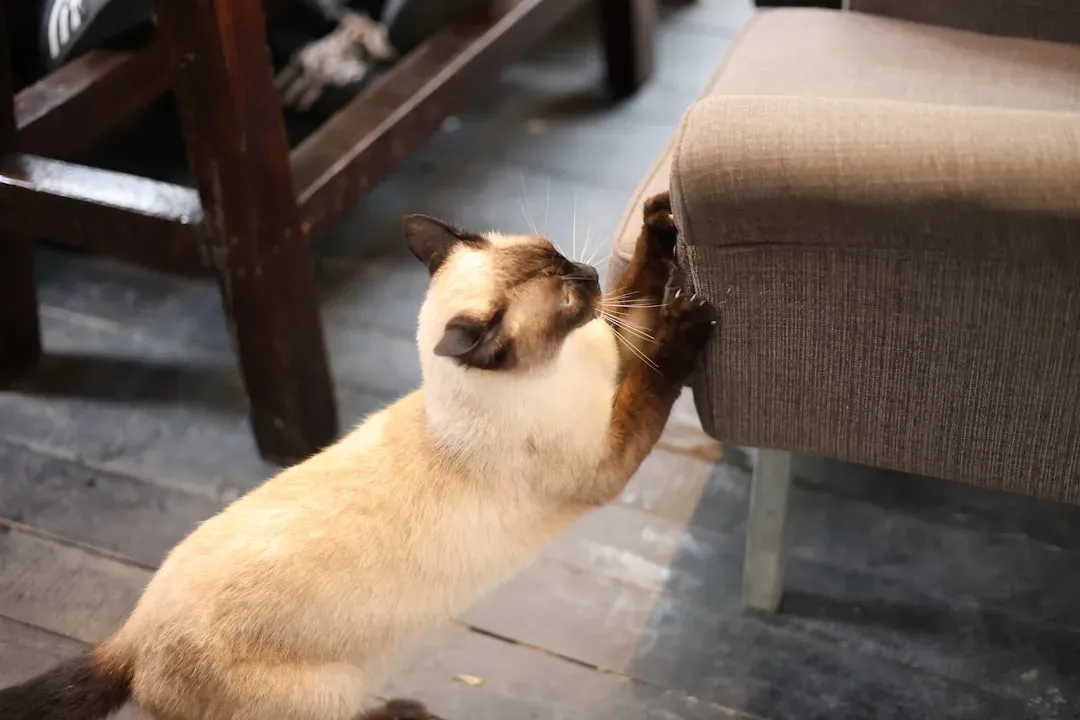
Siamese cats are predisposed to wool sucking, a stereotypical behavior where they suck or chew on blankets and knitted clothing, which becomes a major problem when chewing foreign objects causes intestinal obstruction. Imagine rushing your cat to emergency surgery because they ate your sweater.
These highly intelligent, active, and playful cats become depressed in monotonous or stressful environments, with feline depression often accompanying separation anxiety. Feline hyperesthesia syndrome causes skin sensitivity, often on the back or near the tail, leading to compulsive disorders like excessive licking or scratching, and cats may even bite when you touch sensitive areas.
Siamese kitties are among the most attention-seeking cat breeds, and if they fail to elicit enough attention, their mental well-being gets affected. You’re not just getting a pet; you’re signing up for constant behavioral management and emotional labor that rivals raising a child.
Aggression Lurking Beneath the Beauty

Siamese cats have earned a reputation for being more aggressive than other breeds. These cats often get aggressive when they develop separation anxiety from being alone too long, and boredom can turn them into monsters. That’s the actual word used by experienced owners – monsters.
Siamese cats are known to play rough and sometimes swat, pounce, scratch, or bite playmates out of excitement, and when they grow up, their nips become serious bites. Children and other pets become targets. Innocent playtime turns dangerous without warning.
They’re highly territorial and possessive, hating to share toys, humans, or beds with other cats, which leads to trouble when bringing home new cats as Siamese might try to dominate and refuse to share. Jealousy in cats sounds almost cute until you’re dealing with daily conflicts and injured animals.
Eye Problems Beyond Crossed Eyes
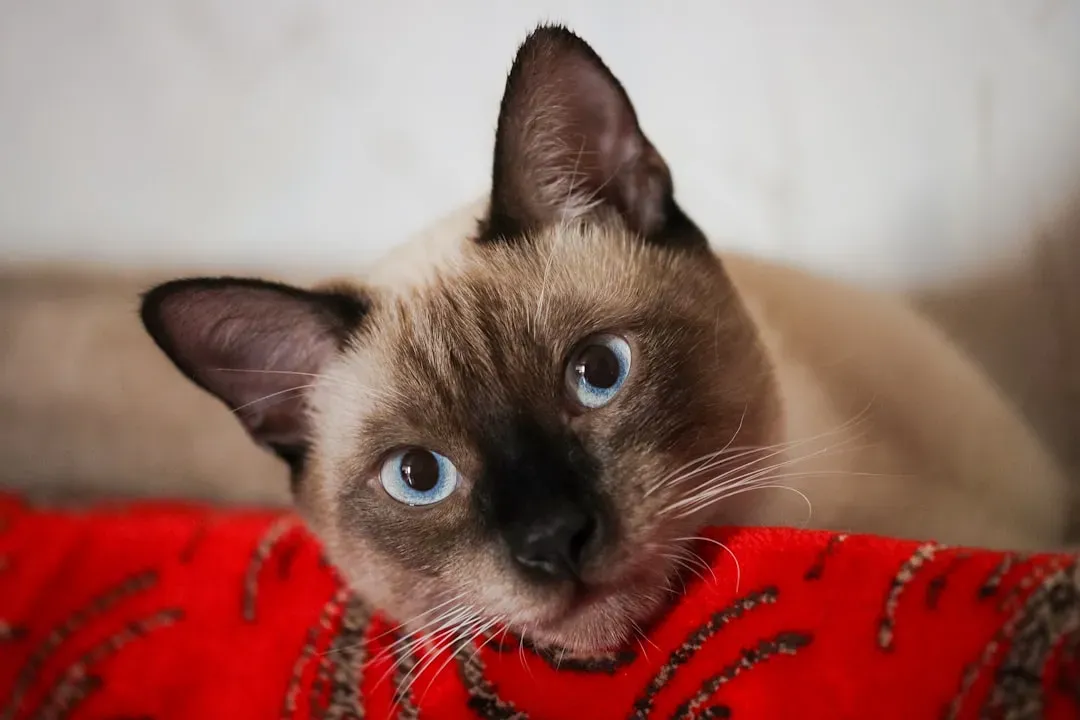
Siamese cats may have hereditary eye problems such as strabismus leading to crossed-eyed appearance and nystagmus where eyes shake or move back and forth. Most people think crossed eyes are just a quirky cosmetic feature. They’re wrong.
Progressive Retinal Atrophy causes gradual vision loss beginning with night blindness and potentially progressing to complete blindness, with early signs typically appearing between one-and-a-half to two years of age. While there’s no cure, early detection helps families adapt their environment to support affected cats, which sounds manageable until you’re rearranging your entire house and constantly worried about your blind cat injuring itself.
Some Siamese cats suffer from agenesis of the upper eyelid, a condition causing underdeveloped eyelids, requiring treatments like cryoepilation, artificial tears, antibiotics, or even surgical reconstruction. These aren’t simple, inexpensive procedures.
The Financial Burden Nobody Warns You About

Let’s talk money, because pretending cost doesn’t matter is naive. Siamese cats have higher predisposition to liver conditions including amyloidosis and hepatic lipidosis, with amyloidosis causing abnormal protein deposits leading to liver failure and hepatic lipidosis being life-threatening if not treated promptly.
Treatment for these conditions runs into thousands of dollars. Specialized diets, multiple medications, emergency vet visits, diagnostic tests, potential surgeries. Siamese cats are prone to dental problems and more likely to develop periodontal disease, gingivitis, and dental plaque buildup, requiring regular dental care and veterinary dental cleanings. Professional dental cleanings under anesthesia cost hundreds each time.
An important consideration is their reduced tolerance to anesthesia, meaning procedures like spaying, neutering, or dental treatments carry higher risk and require veterinarians to take extra precautions and closely monitor them. Higher risk equals higher costs. Insurance premiums for Siamese cats reflect these breed-specific vulnerabilities.
Pet insurance might reject coverage for pre-existing conditions or genetic issues. The financial reality catches owners off guard, forcing impossible decisions between life-saving treatment and bankruptcy.
Conclusion
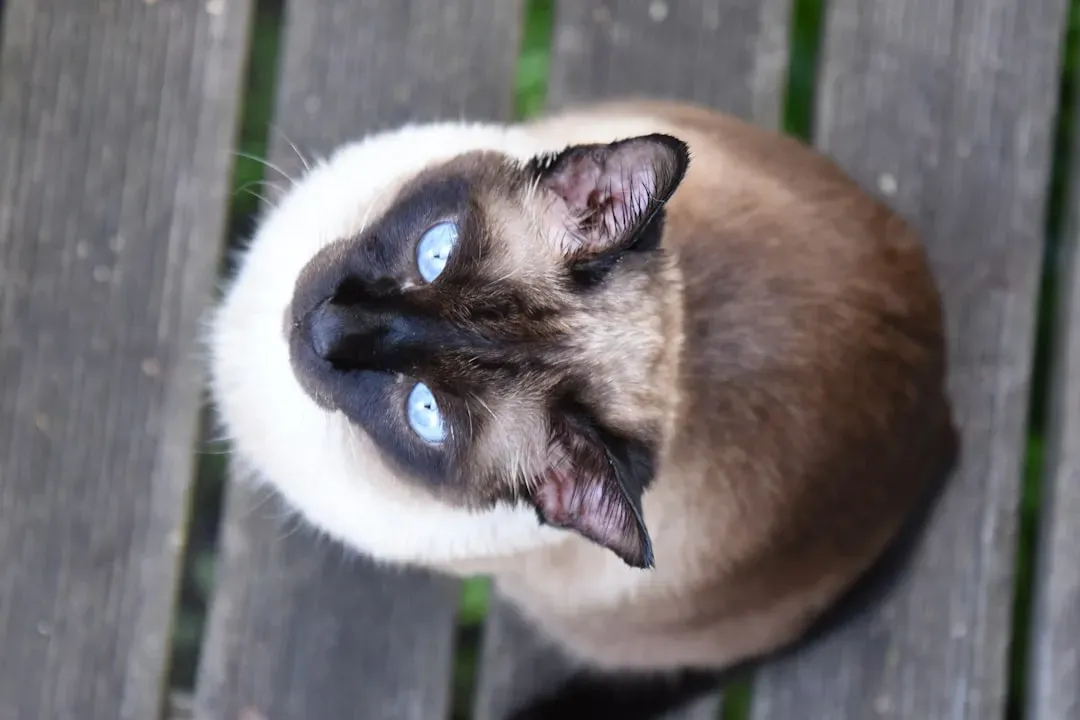
Veterinarians warn against Siamese cats not because they hate the breed, but because they’ve witnessed too many heartbroken families surrendering these magnificent creatures when reality doesn’t match expectations. While fairly robust compared to some breeds, Siamese are emotionally sensitive, and stress can impact their health if not managed properly. The genetic vulnerabilities, behavioral demands, separation anxiety, and financial costs create a perfect storm that overwhelms unprepared owners.
These cats can thrive in the right environment with the right people. The question is whether you’re genuinely prepared for what that means. Can you handle constant vocalization? Will you be home enough to prevent severe separation anxiety? Do you have the financial resources for inevitable health problems? Are you ready to prioritize this cat’s emotional needs above convenience for the next fifteen years?
If you’re still considering a Siamese after everything you’ve read here, at least you’ll walk in with eyes wide open. What surprised you most about these warnings?