You’re settled on your couch, relaxing after a long day, stroking your cat’s soft fur while they purr contentedly in your lap. Everything is peaceful. Suddenly, out of nowhere, you feel a quick nip on your hand. Not hard enough to break skin, but enough to make you pull back in surprise. What just happened? Was angry? Did you do something wrong?
Here’s the thing: those gentle nibbles aren’t random acts of feline weirdness. They’re actually a sophisticated form of communication. is speaking to you, and honestly, they’ve probably been trying to tell you something for a while. Whether it’s affection, overstimulation, or something else entirely, understanding these soft bites can completely transform your relationship with your furry companion. Let’s dive into the fascinating world of cat behavior and decode what those little love nips really mean.
It’s Actually a Sign of Affection
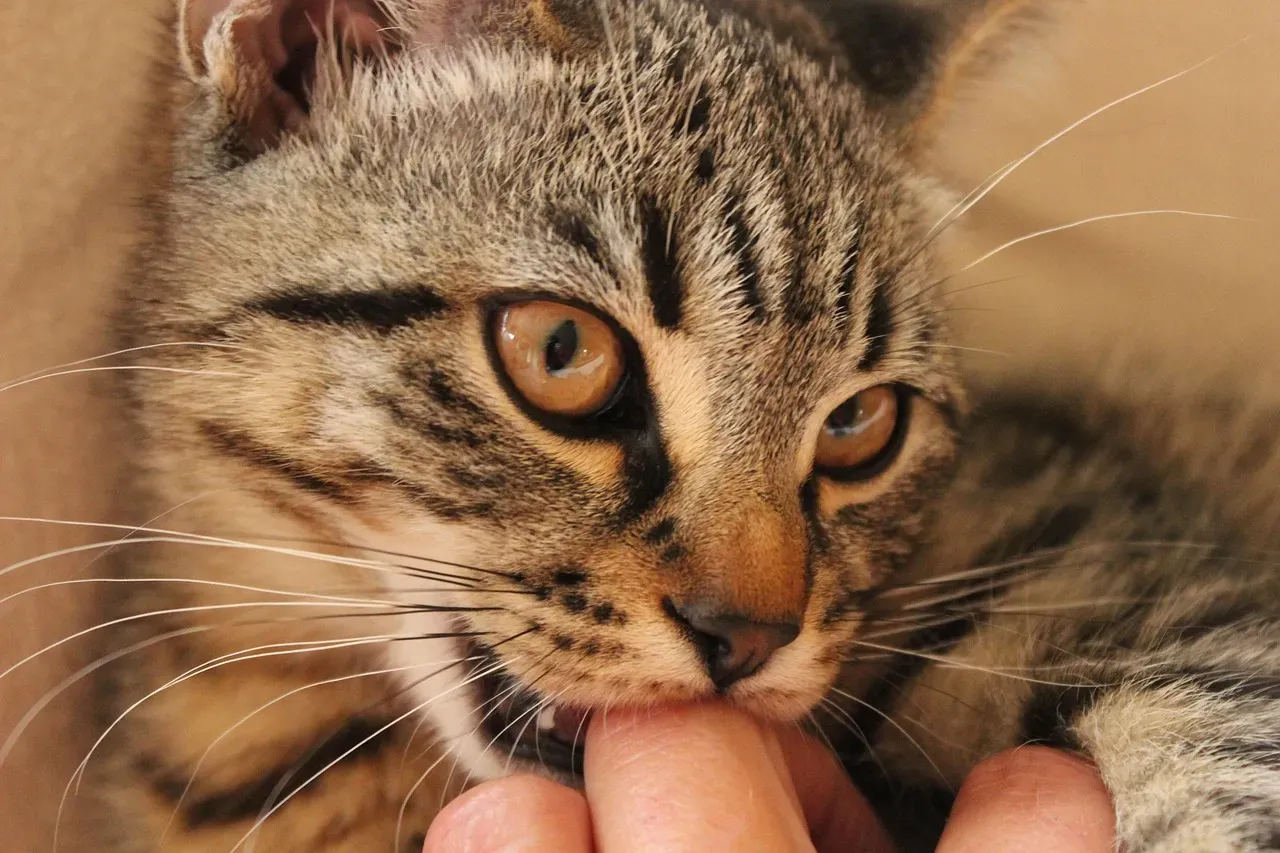
Some cats give gentle bites as a sign of affection or bonding, expressing their fondness for their human companions. Think of it like their version of a kiss or a hug, except with teeth involved. Mother cats gently bite their young or other cats while grooming them, so your cat’s nips could be their version of grooming you.
Cats will gently bite their offspring when grooming in a delicate and endearing manner, repeating these attentive mannerisms with their human housemates as a similar sign of care, kindness and love, as if you were one of their own litter. Your cat sees you as part of their family, and this nibbling behavior is their way of showing that bond. It’s hard to say for sure, but if your cat is purring, relaxed, and maybe even licking you before the bite, you’re likely experiencing genuine feline affection.
They’re Trying to Communicate a Boundary
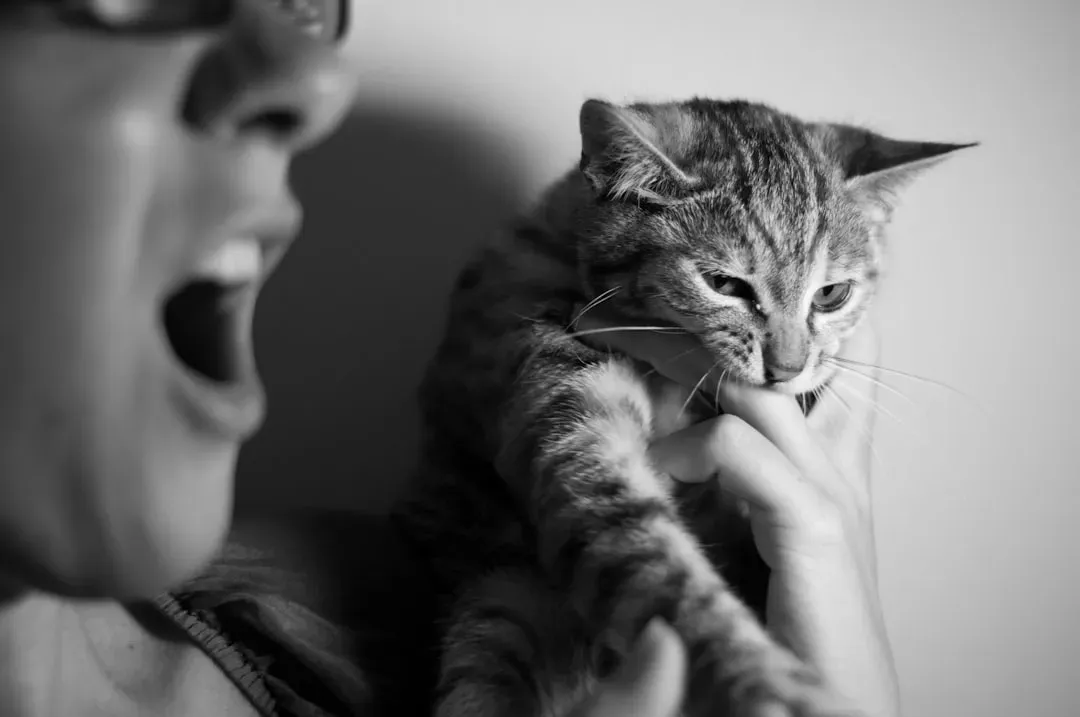
When cats give you a love bite, they aren’t showing affection but instead are communicating that they are done with whatever activity the two of you were involved in. Your cat might be telling you, as nicely as they can, that petting time is over. Cats have limits, and those limits change depending on their mood, the time of day, and where you’re touching them.
Pay attention to their tolerance for petting and heed warning signs that they’ve had enough, such as muscle tension, a twitching tail, or dilated pupils. Most of us miss these subtle signals until the bite happens. Your feline friend may simply be telling you that they’ve had enough of the interaction and it’s time for the petting session to end. Respecting this boundary helps build trust between you and your cat.
Overstimulation is the Real Culprit
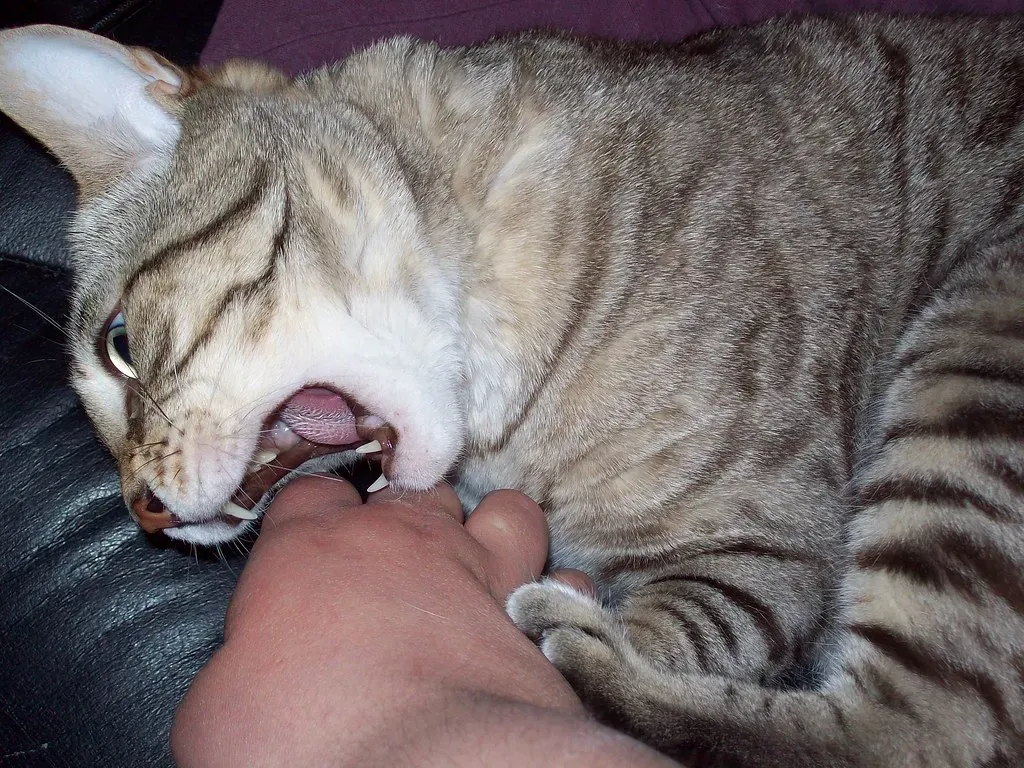
Cats have incredibly sensitive nerve endings all over their bodies. Cats may experience overstimulation due to the sensitivity of their hair follicles, and after an extended period of petting or pressure, it can begin to hurt and cause discomfort in cats. What starts as pleasurable petting can quickly become overwhelming, even painful.
Cats can become overstimulated with continuous and persistent petting, which may stop feeling good or make them feel overwhelmed, initially causing excitement or arousal but then progressing to discomfort, pain and even static electricity which cats find unpleasant. Gentle nips may be your cat letting you know petting time is over, and these warnings may be paired with other signs of discomfort, such as tail swishing or flicking, skin twitching over the back, flattening of the ears, freezing, tenseness or staring. The bite is basically their emergency brake.
They’re Asking for Your Attention
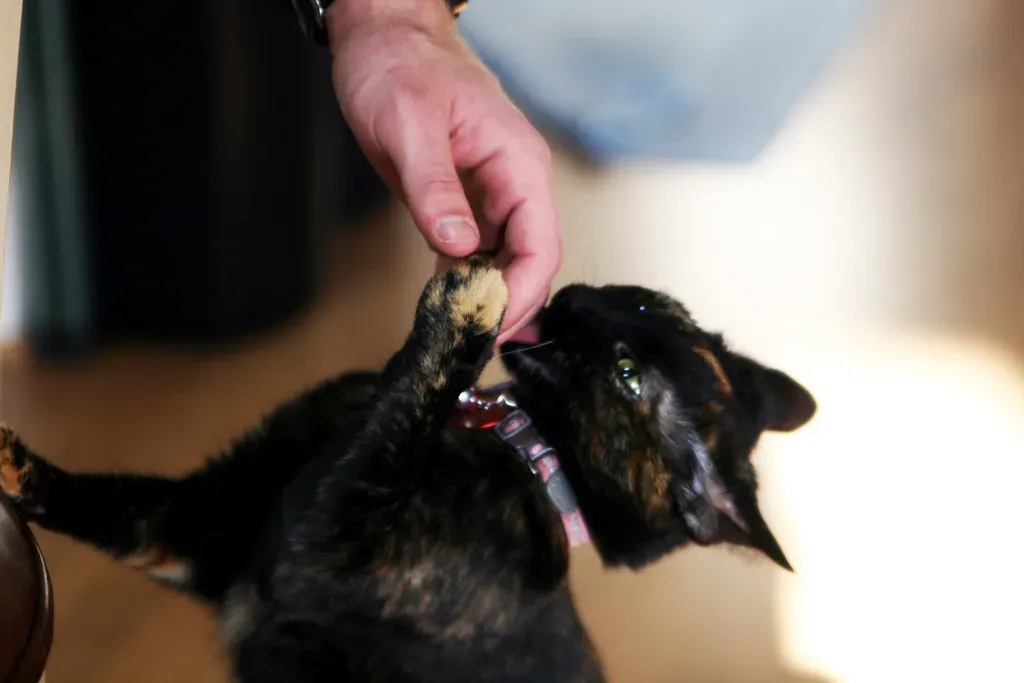
Sometimes those gentle bites aren’t about stopping something, they’re about starting something. If you’re not paying them any attention, they might be trying to get it, and have learned that a quick nip to your finger is a guaranteed method of achieving this. Cats are smart creatures, and they quickly figure out what works.
A light bite can be a straightforward way to grab your attention, whether it’s hunger, boredom, or a desire to play. Your cat may have discovered that a little nibble gets an immediate response from you, so they’ve added it to their communication toolkit. It’s their way of saying, “Hey, remember me? I need something here.”
Playful Behavior Mimicking Hunting Instincts
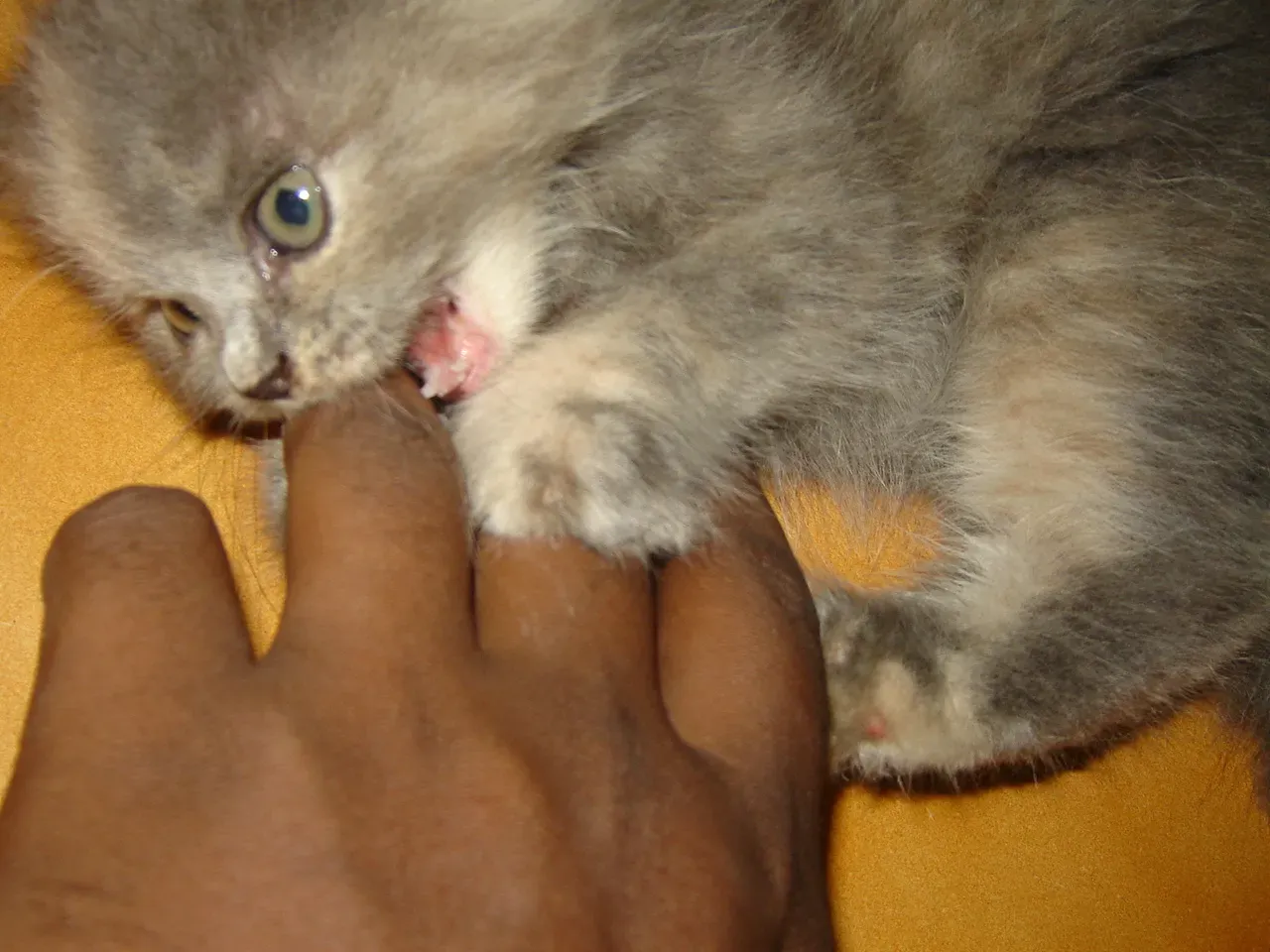
Especially in younger cats or kittens, gentle biting is part of their play routine, mimicking natural hunting behaviors. Your cat isn’t trying to hurt you; they’re engaging with you the same way they would with a littermate or prey. Kittens learn through play, and biting is a natural part of that.
Cats are natural hunters and enjoy stalking and catching things, but if they don’t have appropriate prey to hunt, such as cat toys, they may pounce on you instead. Your moving fingers or toes can look remarkably like prey to an enthusiastic feline. This gentle biting is a natural instinct and part of learning bite inhibition, with mother cats and littermates helping teach this skill early on.
Social Bonding Through Allogrooming
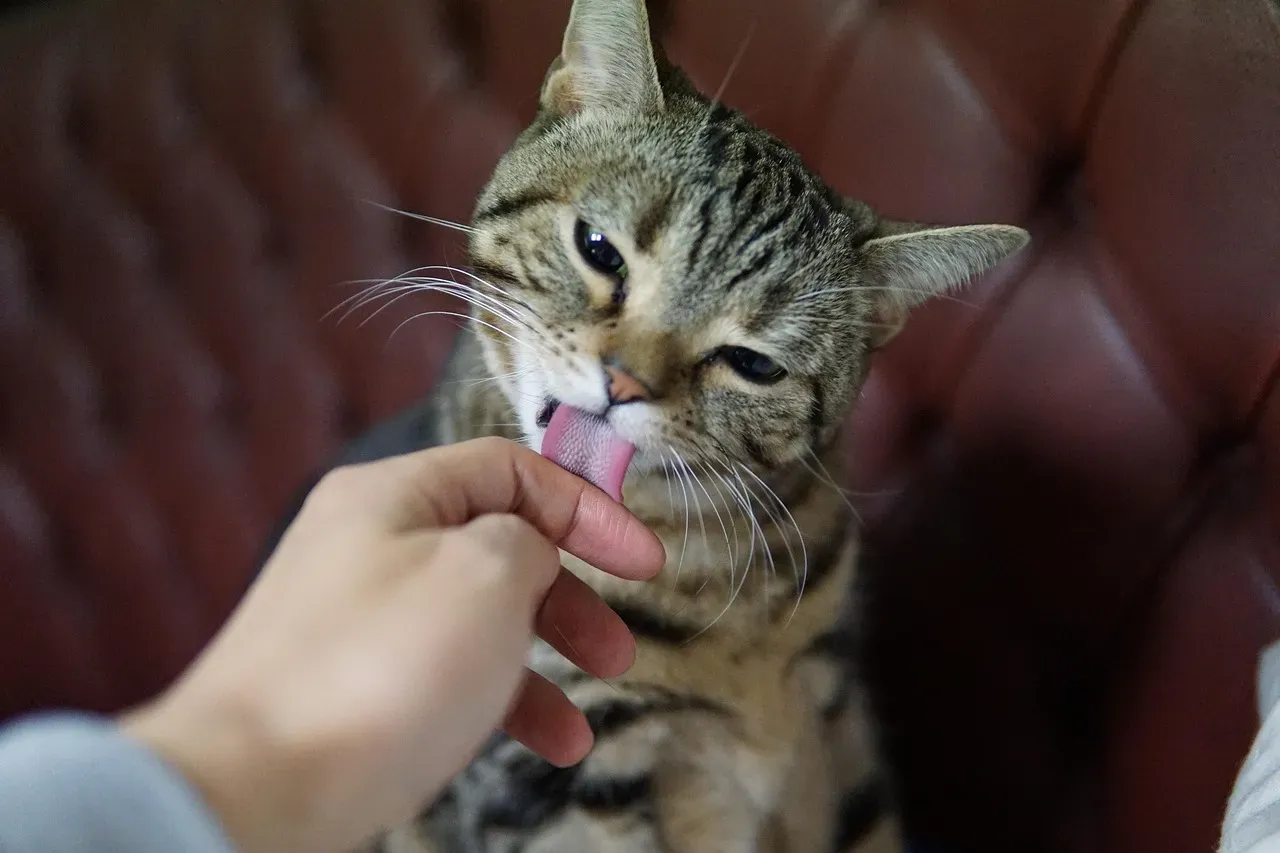
Domestic cats actually enjoy participating in what’s called allogrooming, a social grooming behavior that helps increase bonds among social groups, much like a pride of lions. When your cat licks and nibbles you, they’re engaging in the same social behavior they’d use with other cats in their family group.
Cats use their mouths to communicate, and when they nibble gently on your hand or arm, it’s a nuanced expression of their feelings. When your cat grooms, rubs their face against you, or gives you love bites they release pheromones that communicate communal scent, serving to solidify a positive relationship with each other and might serve as stress relief during short periods of anxiety. You’re not just a pet owner, you’re a member of their social circle.
Distinguishing Love Bites from Aggressive Bites
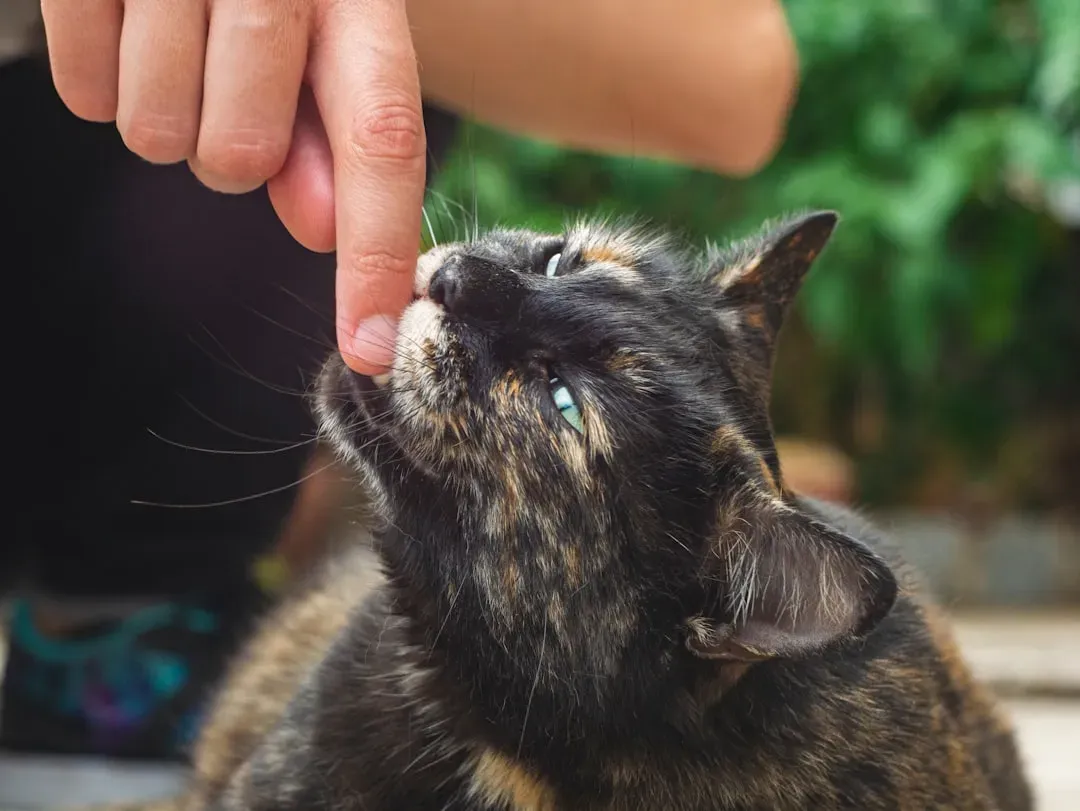
Let’s be real: not all bites are created equal. Unlike aggressive bites, cat love bites typically do not break the skin. The difference in intention is usually pretty clear if you know what to look for.
A love bite generally doesn’t break the skin, and when your kitty is giving you these gentle nibbles, there won’t be other signs of fear or aggression like hissing, growling, and clawing, with your cat’s body language being relaxed and calm. Real bites happen when cats want an interaction to stop due to fear, anxiety, or pain, and are often accompanied by other body language indicating fear and aggression. If your cat is tense, their ears are flat, or they’re making aggressive vocalizations, that’s not a love bite.
Context is Everything
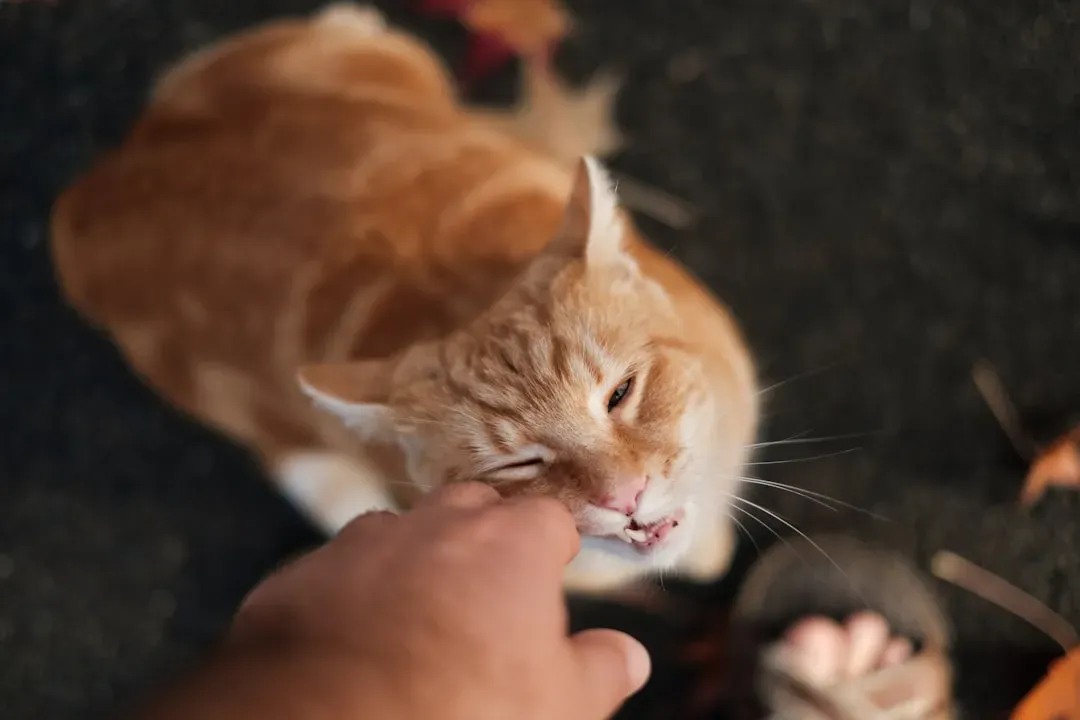
Deciphering your cat’s biting can be tricky because the meaning behind it is very much dependent on the specific scenario, sometimes as a way to tell you that they feel tired of your petting, or during an especially vigorous play session when they actually want you to pet them. The same bite can mean completely different things depending on what’s happening around it.
Understanding the rest of the cat’s body language and the context in which the love bite occurs is essential for knowing the motivation behind each bite, as your cat may love bite as a subtle request to end a lengthy petting session or as a plea for prolonged affection. Pay attention to what happened right before the bite, what your cat’s body language was telling you, and even the time of day. Was your cat relaxed or tense? Were they purring or silent? These details matter.
How to Respond to Gentle Biting
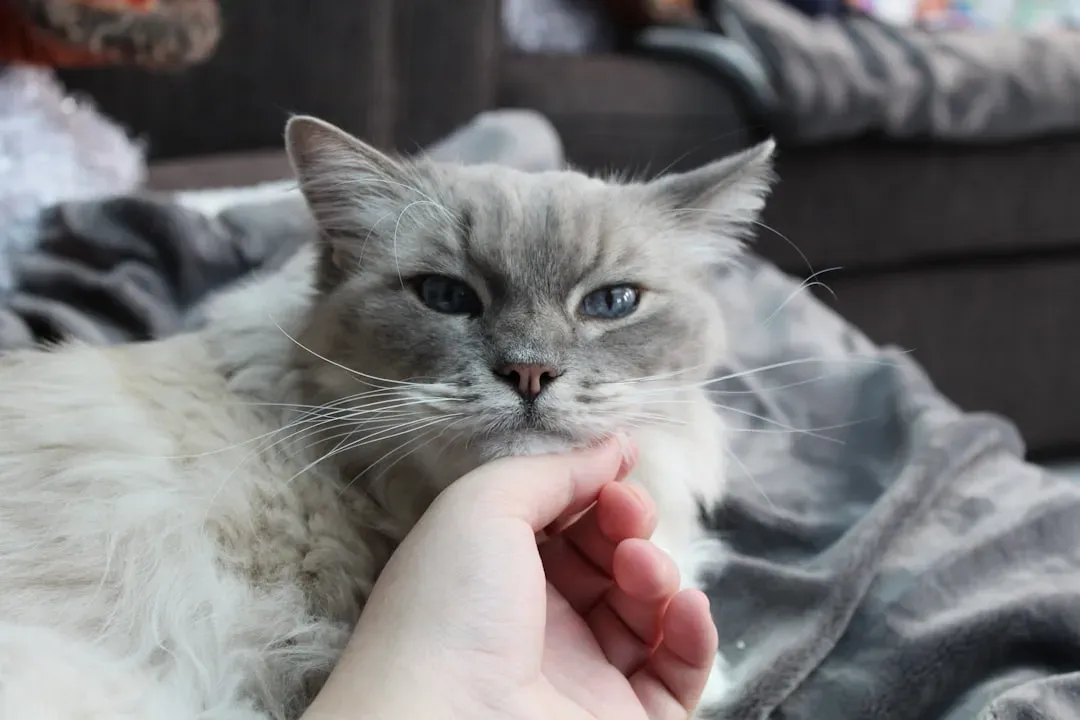
When your cat gives you a gentle nip, your first instinct might be to pull your hand away quickly. Resist that urge. When your cat gives you love bites, don’t quickly pull your hand away; instead, stop moving your hand altogether until the nibbles stop, as cats are visual predators and the movement of your hand may encourage their prey drive and make them chomp down harder, purely out of instinct.
Reacting appropriately to love bites maintains a positive relationship with your cat, and ideally, you should redirect your cat’s attention by offering a toy or tossing treats to disengage them, avoiding sudden movements that may trigger hunting instincts. Physical retaliation or punishment, such as scolding, grabbing, squirting with water, or striking the cat, can cause them to escalate to aggression. Stay calm, freeze for a moment, and gently disengage.
Prevention and Management Strategies
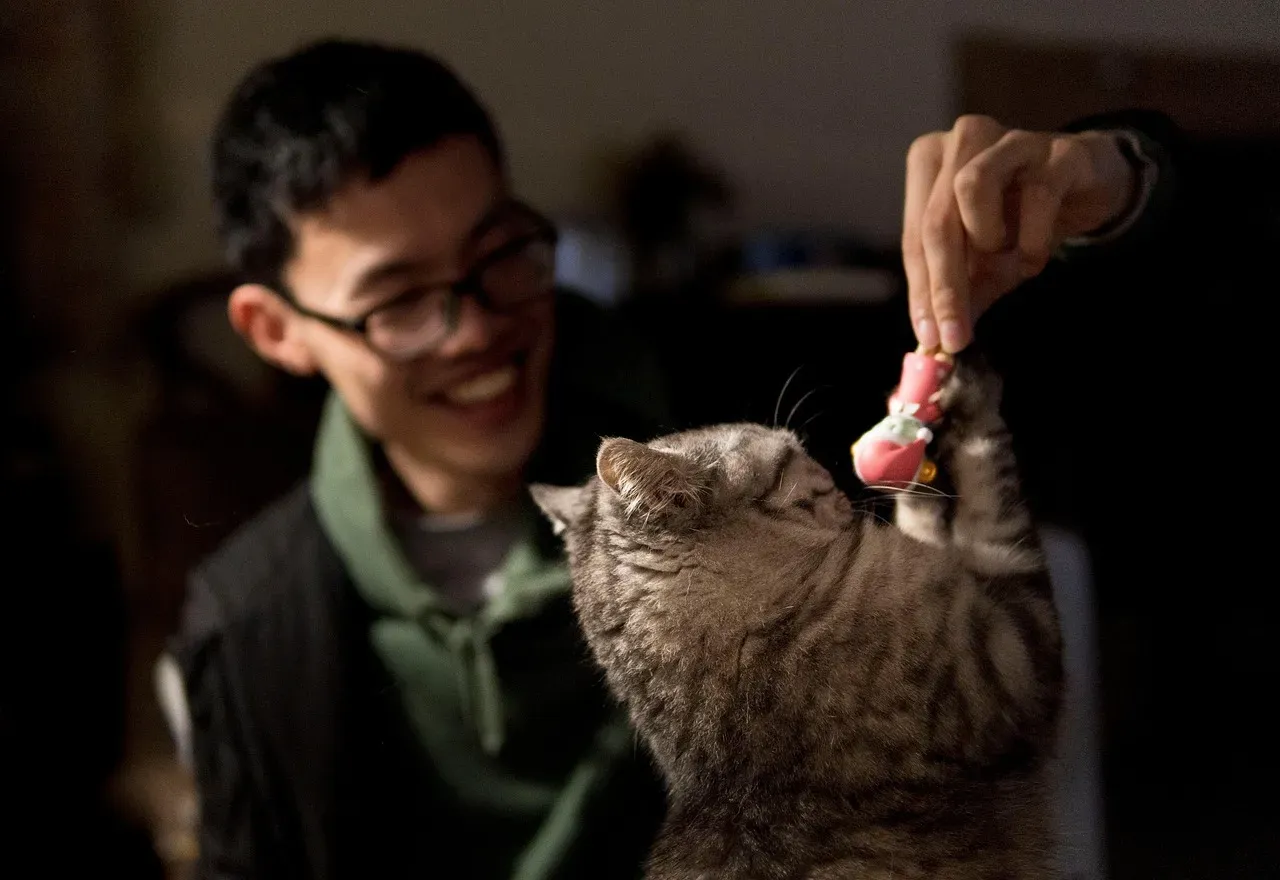
Allowing your cat to initiate contact may minimize love bites, and keeping petting sessions short while avoiding sensitive areas such as the belly can help. Not all cats enjoy being touched the same way or in the same places. Some love head scratches but hate having their paws touched.
Engaging your cat in mentally and physically enriching activities, such as play sessions, food puzzles, cat-safe plants such as silvervine, and climbing perches can also stop love bites. Do not encourage your cat to play with any human body parts, including your hands. Use toys instead of your fingers during playtime so your cat learns the difference between acceptable and unacceptable biting targets. This approach works wonders in redirecting that natural hunting energy toward appropriate outlets.
Conclusion: Understanding Your Cat’s Language
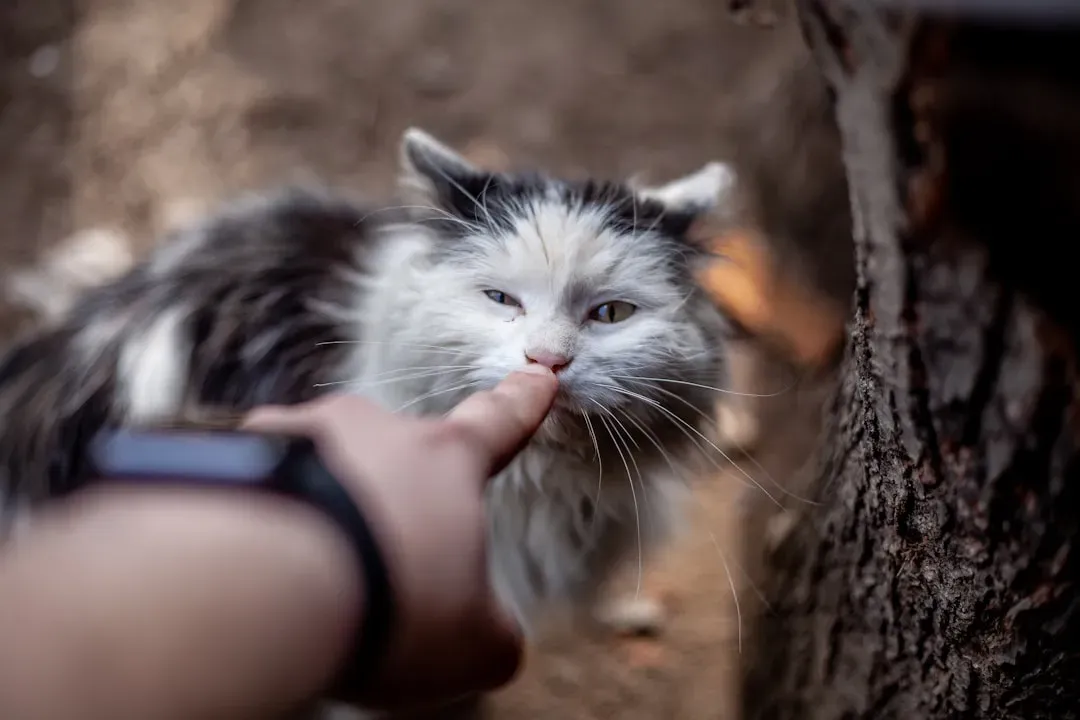
Cat love bites are a normal and often charming aspect of feline behavior. They’re not signs of aggression or meanness, they’re your cat’s way of talking to you in the only language they know. Once you start paying attention to the context, body language, and timing of these gentle nibbles, you’ll develop a deeper understanding of what your cat needs and wants.
Your cat doesn’t bite out of spite, they’re trying to tell you something, and it’s up to you to learn their language. If unwanted biting behavior persists or intensifies, consult a veterinarian to make sure that any underlying issues are addressed, as decoding the messages behind these gentle nibbles can strengthen your bond with your furry companion.
What do you think about your cat’s gentle bites now? Have you noticed the subtle signals they were giving you all along?