You wake up one morning, shuffle to the kitchen in your pajamas, and there it is. A dead mouse, carefully placed on your doormat like some kind of morbid offering. Your cat sits nearby, eyes wide, tail twitching with what can only be described as pride. You might wonder if this is revenge for switching their food brand or perhaps a twisted joke. Let’s be real, though: this is one of those peculiar feline behaviors that leaves most of us baffled, maybe a little grossed out, yet oddly curious.
Honestly, once you understand what’s happening in your cat’s mind, this less-than-appealing habit starts to make a surprising amount of sense. Your furry companion isn’t trying to horrify you or make your morning worse. There’s actually something quite touching beneath all that fur and those hunting instincts.
Your Home Is Their Safe Haven
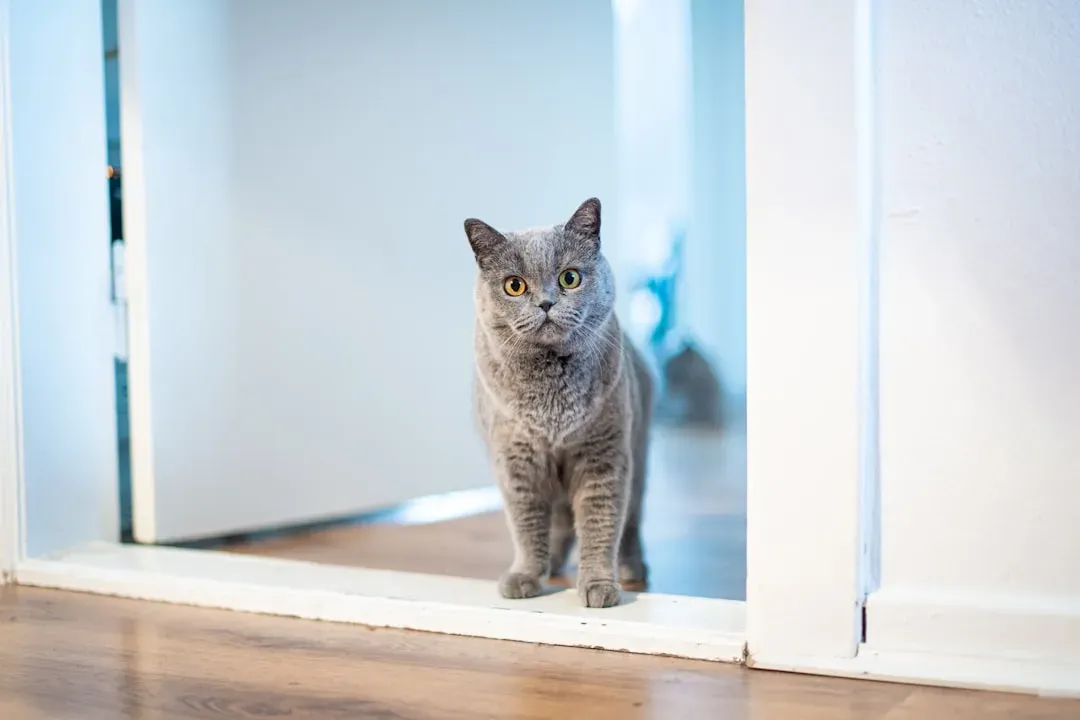
Cats may feel safer eating their prey at home rather than in the outside world, viewing your house as a place of refuge where they can have their privacy or eat their meal in peace. Think about it from their perspective. Outside, there are dangers everywhere: other predators, cars, unfamiliar territory. Your living room, with its familiar smells and cozy corners, is the feline equivalent of a five-star dining establishment.
Cats prefer to bring their prey back to their core territory where it is safer to eat it or store it for later, and this core territory is the house, often in the space they share with you. So when your cat drags that unfortunate creature through the cat flap, they’re not necessarily planning to gift it to you at all. They might just want a secure spot to enjoy their catch or stash it for later. Your bedroom floor happens to fit the bill perfectly.
Ancient Instincts Never Fade
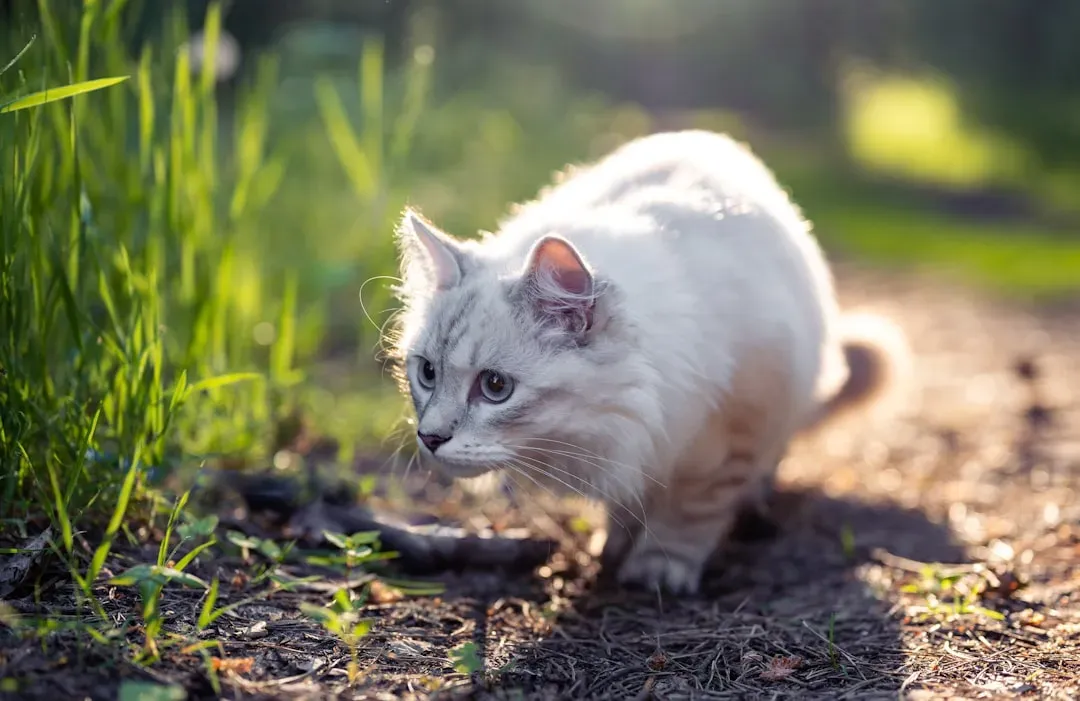
Cats are predatory by nature. Scientists estimate cats were domesticated roughly 12,000 years ago, yet they have retained the keen hunting instincts of their wild ancestors through thousands of generations. Even your pampered indoor cat, who wouldn’t know what to do with actual wilderness, carries those primordial urges deep in their DNA.
Here’s the thing: the urge to hunt isn’t tied to hunger, as cats in the wild hunt all the time, even when not hungry, because they never know when their next meal will come. Your cat might have just demolished a bowl of premium kibble, but the sight of a darting mouse triggers something primal and irresistible. It’s the sound and sight of moving prey that provides the stimulus to chase and capture, a hardwired behavior as natural to the cat as purring.
They Think You’re a Terrible Hunter
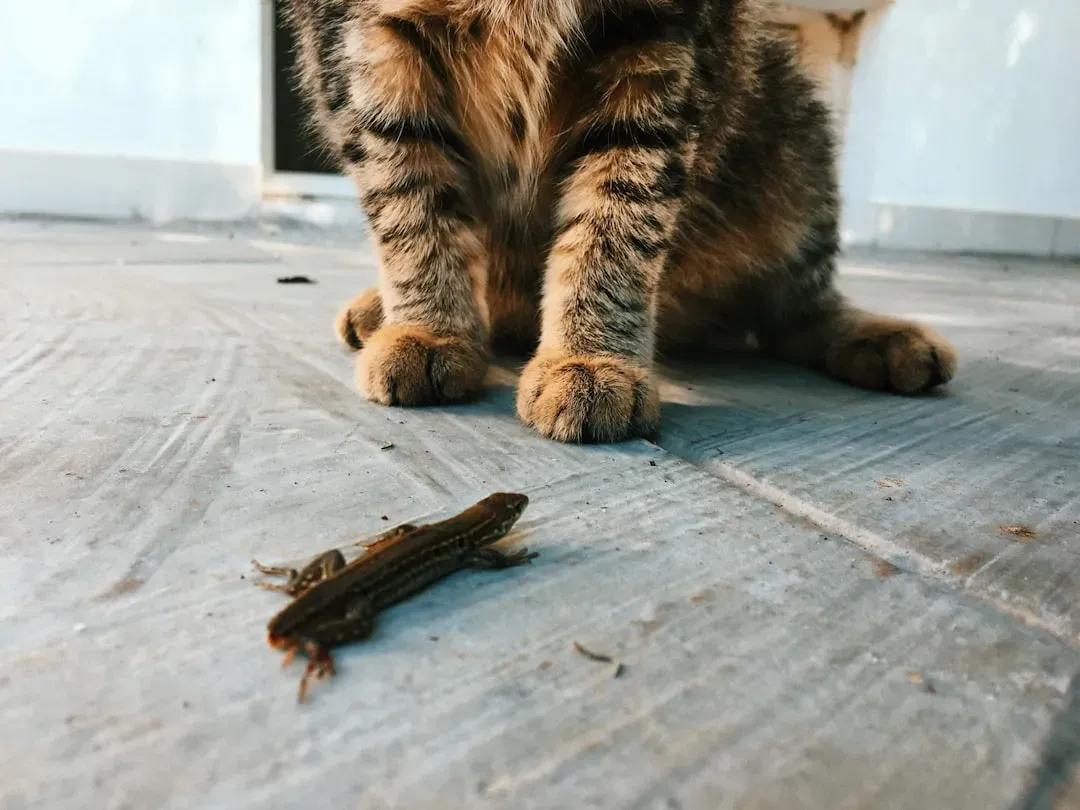
This might sting a little, but your cat probably thinks you’re hopeless at survival skills. The main hypothesis for this behavior is maternal: in the wild, mother cats hunt and bring food back for their kittens, not only feeding them but also providing something for them to practice hunting skills on, so cats may see their owners as “not so efficient kittens.”
When your cat brings you dead animals, it might be because they think you’re a terrible hunter and want to help you practice. From their point of view, you’ve never caught a single mouse. You can’t even pounce properly. They’ve watched you stumble around, completely oblivious to the birds outside. Naturally, they feel compelled to step in and educate you.
It’s Actually a Compliment
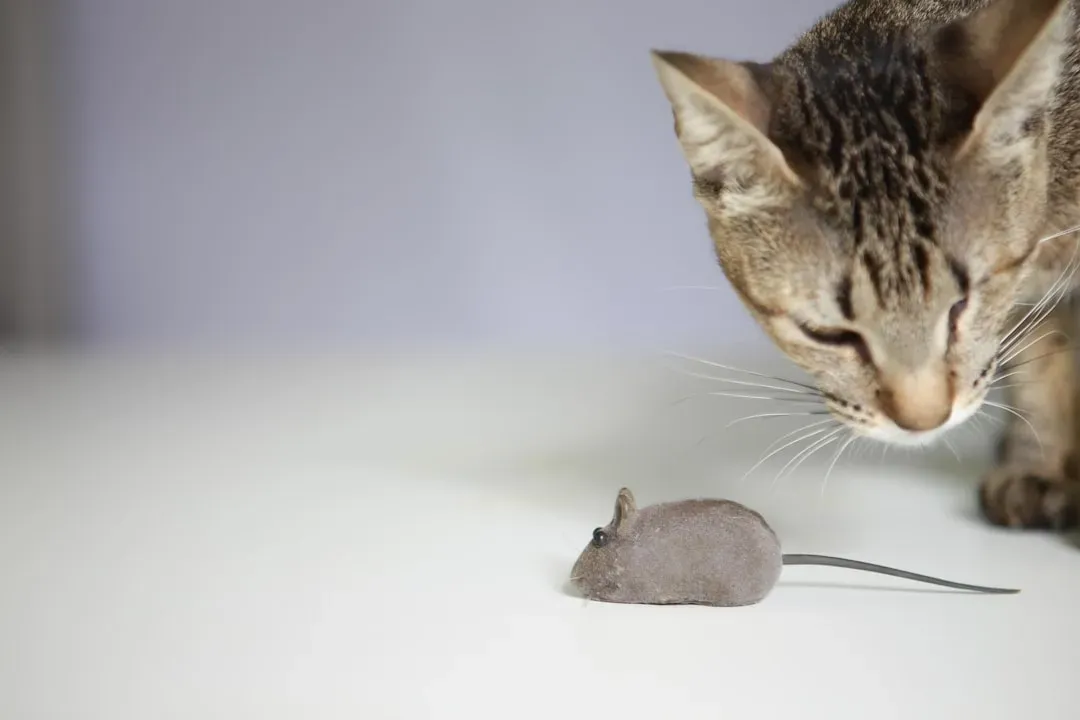
It’s somewhat of a compliment when cats bring prey home because they feel comfortable in their home and consider you part of their family. Your cat isn’t dropping dead critters at your feet to horrify you. In their mind, they’re sharing something valuable with someone they care about.
Cats share their bounty with those they love, and the hunting instinct alone doesn’t explain why cats leave their prize where owners will find it; a common explanation is that these gifts are their highest compliment to the family they live with and love, possibly sharing their catch or thanking you for the love and food you provide. You feed them, provide warmth, and offer affection. This is their way of reciprocating. Sure, you’d probably prefer flowers or chocolates, but your cat is working with what they know.
Sometimes It’s Just Entertainment

Not every hunting expedition has a deep meaning behind it. Your cat’s behavior may not be associated with a desire to hunt or please you at all; it may just be the way they play and entertain themselves, capturing something small that moves, and once their “toy” stops working, they lose interest and drop it.
Cats get bored. They need stimulation. That bird fluttering past the window or the mouse scurrying through the grass presents an irresistible opportunity for play. The chase itself is thrilling, but once the “game” is over and the creature stops moving, your cat might just wander off, leaving their abandoned toy wherever they happen to be. Unfortunately, that’s often right at the foot of your bed.
Personality Plays a Role

Not all cats are equally enthusiastic hunters. Studies show that dominant, aggressive, and active cats, as noted by their owners, brought back more dead animals into the home, while cats that were shy and friendly with their owners tended to bring home less prey. If your cat is bold, adventurous, and confident, you’re more likely to receive these unwanted presents.
A cat that lives in a rural area may have more space to roam and access to more prey than city cats do, so urban pet owners may get fewer dead animals brought to them than those in the countryside. Location matters too. Country cats have far more hunting opportunities than their urban counterparts who might only encounter the occasional cockroach or confused pigeon.
The Impact on Wildlife

While your cat’s hunting prowess might be impressive, it does come with consequences. According to research published in Nature, domestic cats kill anywhere from roughly one to four billion birds and six to twenty-two billion small mammals annually in the United States, making cats one of the country’s most significant non-human causes of animal death.
Most animals cats prey on are native species, which can have severe consequences in ecosystems that evolved without felines in the food chain. This isn’t about blaming your beloved pet. Cats are just being cats. However, it’s worth considering the broader environmental impact and taking steps to minimize the damage where possible.
How to Manage the Behavior

You can’t completely eliminate your cat’s hunting instinct, but you can redirect it. The easiest way to stop your cat from hunting is to keep them inside, as they can’t bring prey back if they don’t have access to critters outside. Indoor cats live longer, healthier lives anyway, avoiding dangers like cars, diseases, and predators.
Giving your cat an outlet for their instinct to hunt helps satiate their prey drive; cats need to stalk, chase, and pounce on things that move, so join in with these games using toys on strings to indulge your cat’s hardwired predatory behaviors, along with toys that move unpredictably and food dispensing toys. Adding just one to two short play sessions every day could help make a difference in curbing your cat’s desire to hunt. Feather wands, mechanical mice, laser pointers – these can all satisfy that predatory urge without harming actual wildlife. Plus, it’s pretty hilarious watching your dignified cat go absolutely feral over a piece of string.
Conclusion
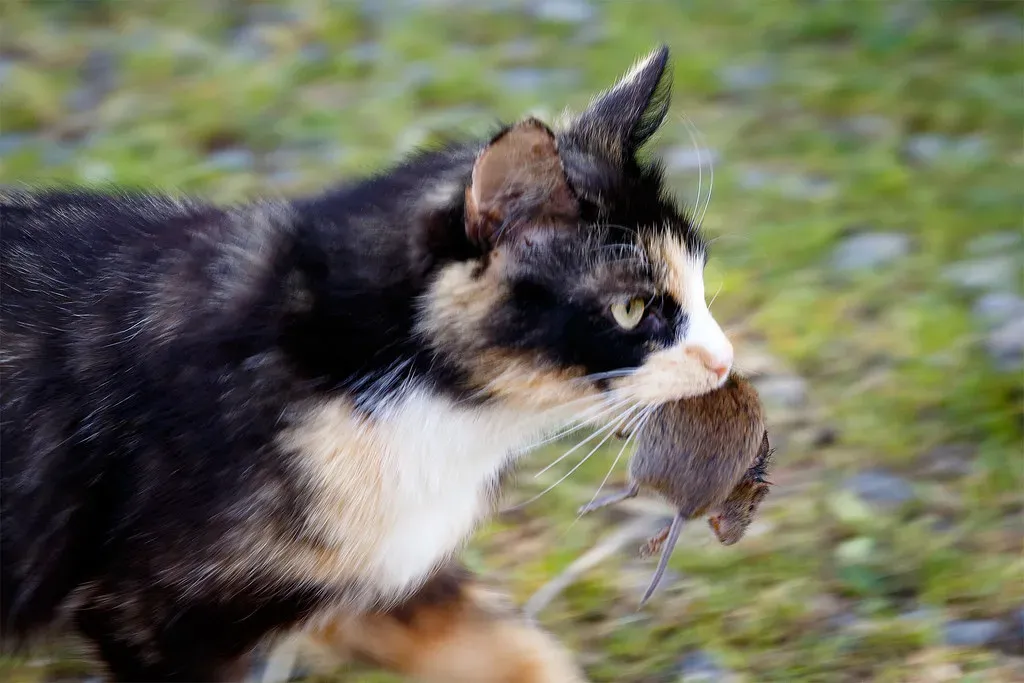
Next time your cat presents you with a dead mouse, take a moment before you recoil in horror. Yes, it’s unpleasant. Yes, you’ll have to clean it up. However, remember that this behavior stems from millions of years of evolution and, quite possibly, genuine affection for you. Your cat isn’t being malicious or trying to ruin your day. They’re being exactly what nature designed them to be: skilled predators with strong social bonds.
Understanding why cats bring helps us appreciate the complexity behind these small, furry creatures we share our homes with. They’re not just cute lap warmers. They’re tiny hunters with rich inner lives, ancient instincts, and their own peculiar ways of showing love. What do you think about your cat’s hunting habits now? Does it change how you see those unwanted gifts?