
Every cat owner has experienced that peculiar morning surprise. You stumble into the kitchen, still groggy from sleep, only to find a small, lifeless creature strategically placed near your feet or by the door. Your feline friend sits nearby, tail swishing with what can only be described as pride.
This behavior might seem bizarre to us humans, but it’s actually one of the most natural things your cat can do. Understanding why cats bring these “gifts” reveals fascinating insights into their ancient instincts and the special bond they share with their human families. Let’s explore the surprising reasons behind this age old feline tradition.
Deep Rooted Hunting Instincts That Never Fade
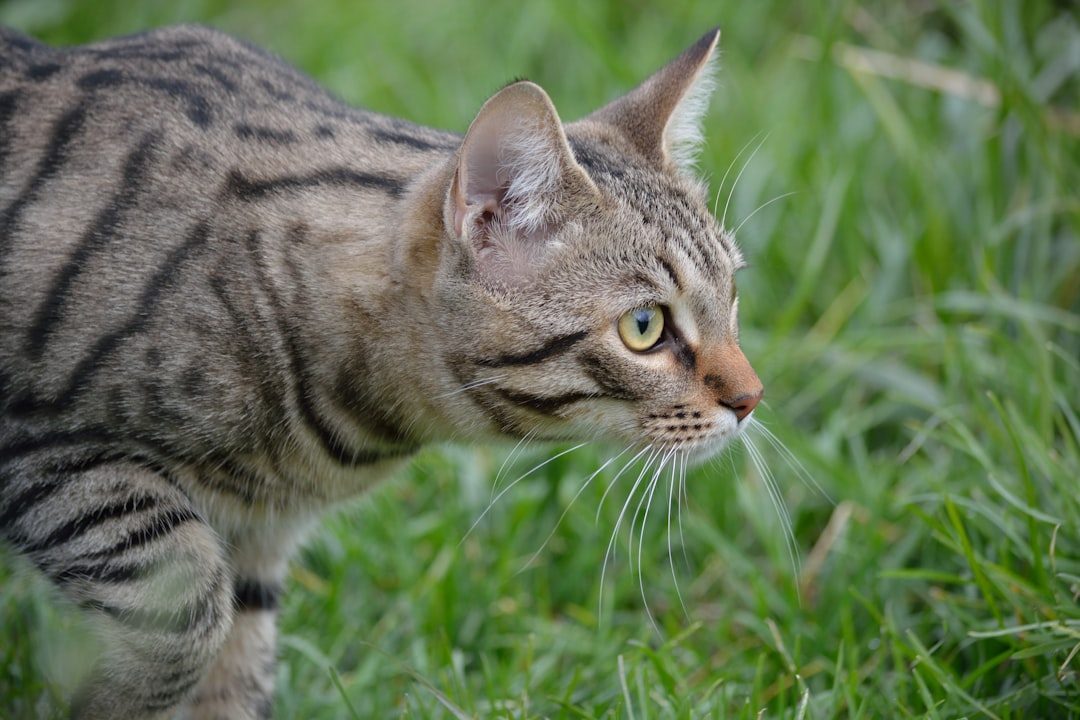
Despite domestication, cats retain strong hunting instincts. This behavior is not solely driven by hunger but is an innate part of their nature. Cats are predators by design, and their hunting behaviors are deeply embedded in their DNA. Even well-fed domestic cats will hunt and kill prey, demonstrating that this behavior is instinctual rather than necessity-driven.
Think of it this way: your pampered house cat carries within them the same genetic blueprint as their wild ancestors who roamed ancient landscapes thousands of years ago. Research shows that domestic cats retain the same hunting skills as their wild ancestors, with their predatory instincts remaining largely unchanged by human companionship. These instincts are so powerful that even cats who have never been taught to hunt will naturally stalk and pounce on moving objects. It’s like having a tiny apex predator living in your home.
Your Home Represents Their Safe Territory
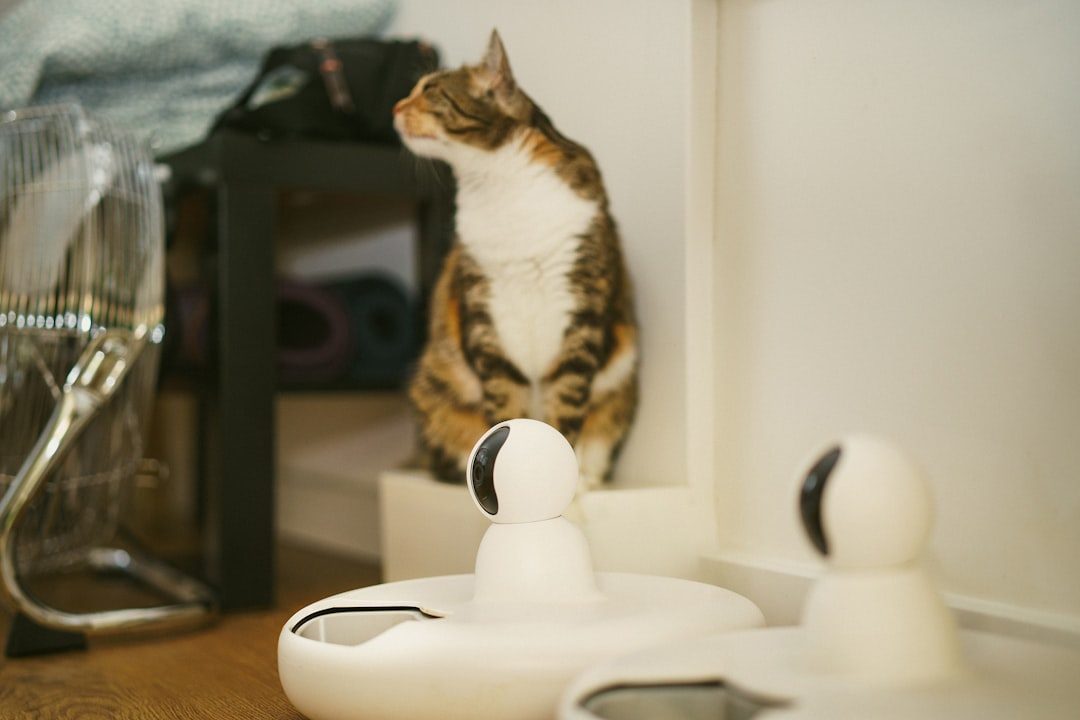
The real reason why cats bring these ‘gifts’ home is because their home is where they feel safe and secure. This is why they bring it back to their core territory, where they know they can eat it undisturbed, or store it safely for later. Your house isn’t just a place to sleep and eat for your cat – it’s their fortress.
Cats quite simply prefer to bring their prey back to their core territory where it is safer to eat it – or store it for a bit later. This “core territory” is the house – and often in the space they share with you. When your cat chooses your bedroom or kitchen as their trophy display area, they’re essentially saying this is the safest place in their world. Another theory is that cats may feel safer eating their prey at home rather than in the outside world. In this case, cats see your home as a place of refuge, where they can have their privacy, stash their cache, or eat their meal in peace.
Maternal Teaching Instincts at Work
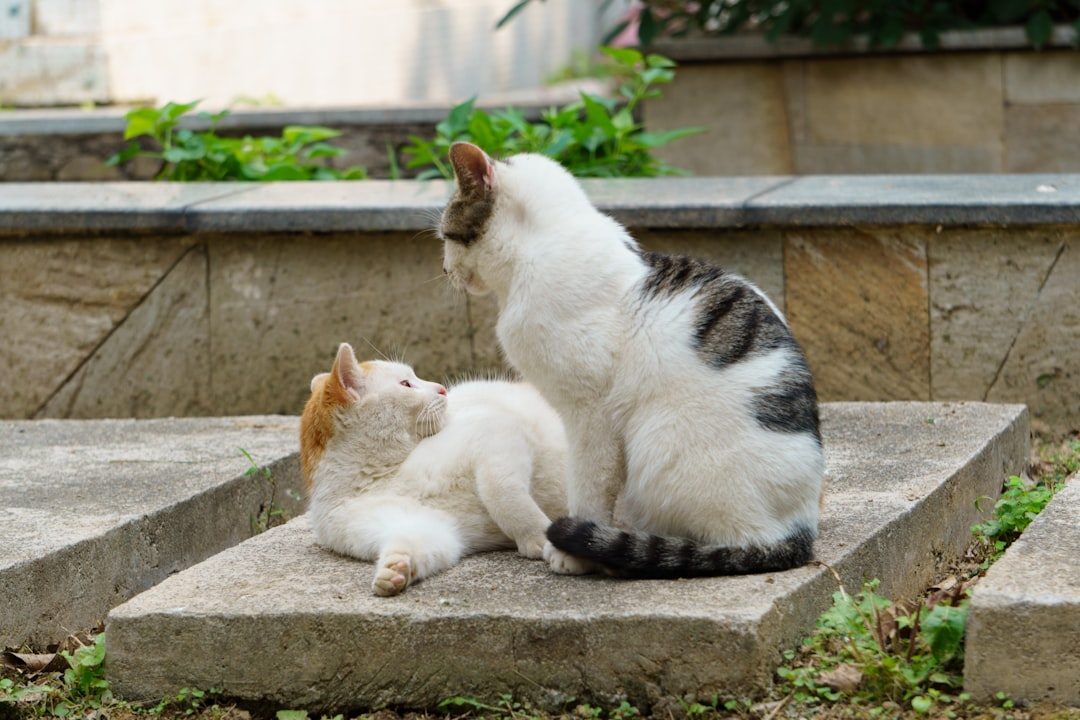
One of the primary reasons cats bring dead animals home stems from their maternal instincts. In the wild, mother cats teach their kittens hunting skills by bringing them injured or dead prey. This educational process is gradual, starting with dead prey and progressing to live catches as the kittens develop their hunting abilities.
When your cat brings you dead animals, they may be treating you as a family member who needs to learn hunting skills. Lusvardi explains that mother cats bring prey to teach kittens to hunt. By gifting you a kill, your cat may think that they’re helping you practice to survive. As weird as it seems, it’s their nurturing way of showing love. Honestly, it’s both touching and slightly insulting that your cat thinks you need hunting lessons.
Sharing Resources as Family Members

Cats may bring you dead animals as their way of showing affection and treating you like family. As domesticated cats form social groups with their human families, the most likely reason they bring you dead animals is so you can share or show off their kill. It’s their version of bringing home groceries for the family.
Think about it from their perspective: in the wild, sharing food resources strengthens social bonds and ensures group survival. Another perspective is that cats view their owners as part of their social group and bring them “gifts” as a form of sharing. This behavior can be seen as a sign of affection and inclusion. Your cat may also want to feed you so you won’t go hungry. While we might prefer takeout, cats believe fresh mouse is the ultimate gesture of care.
Demonstrating Hunting Prowess and Status
By presenting you with their prey, your cat is displaying both their hunting prowess and their desire to care for you. It’s their way of saying, “I’m a valuable member of this family, and I want to contribute to our survival.” Your cat isn’t just showing off – they’re establishing their role as a provider in your household.
In the wild, cats not only have to develop the skills to catch and kill prey, but they must be able to do so better than their competitors. Plenty of other predators may live in the same area as a cat, and that represents competition for food. So, some behavioral experts suggest that cats may leave dead carcasses around to ward off any other predators potentially lurking in the area. It’s like posting a “skilled hunter lives here” sign on your front door.
Satisfying Their Natural Play Drive
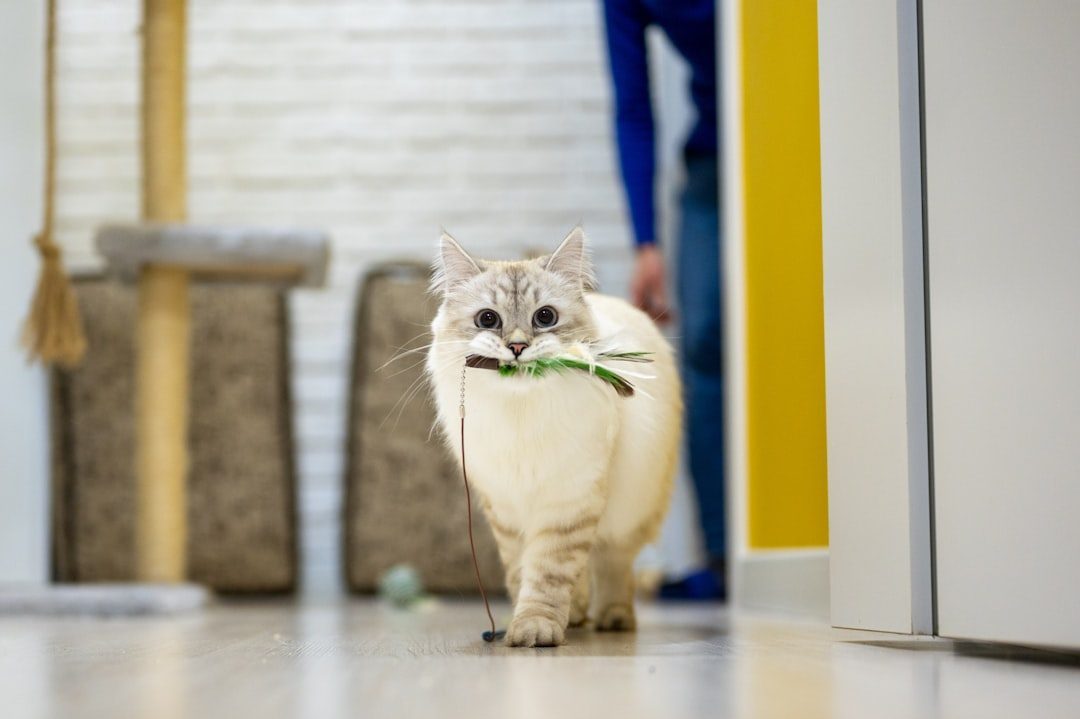
Your cat’s dead-animal-leaving behavior may not be associated with a desire to hunt or please you at all. It may just be the way that she plays and entertains herself. She sees something small darting around, so she captures it. Maybe her predatory instincts drive her to kill it, or maybe she kills it accidentally. Either way, her “toy” has now stopped working, so she loses interest and drops it – potentially on your front porch or at the foot of your bed.
Because cats will often play with their prey before eating it, your cat might bring you dead animals or toys to engage in a play session with you. As such, gift-giving might be a kind of attention-seeking and bond-building behavior in cats. Sometimes what looks like a grisly gift is simply the aftermath of your cat’s version of an intense video game session.
Seeking Variety in Their Diet
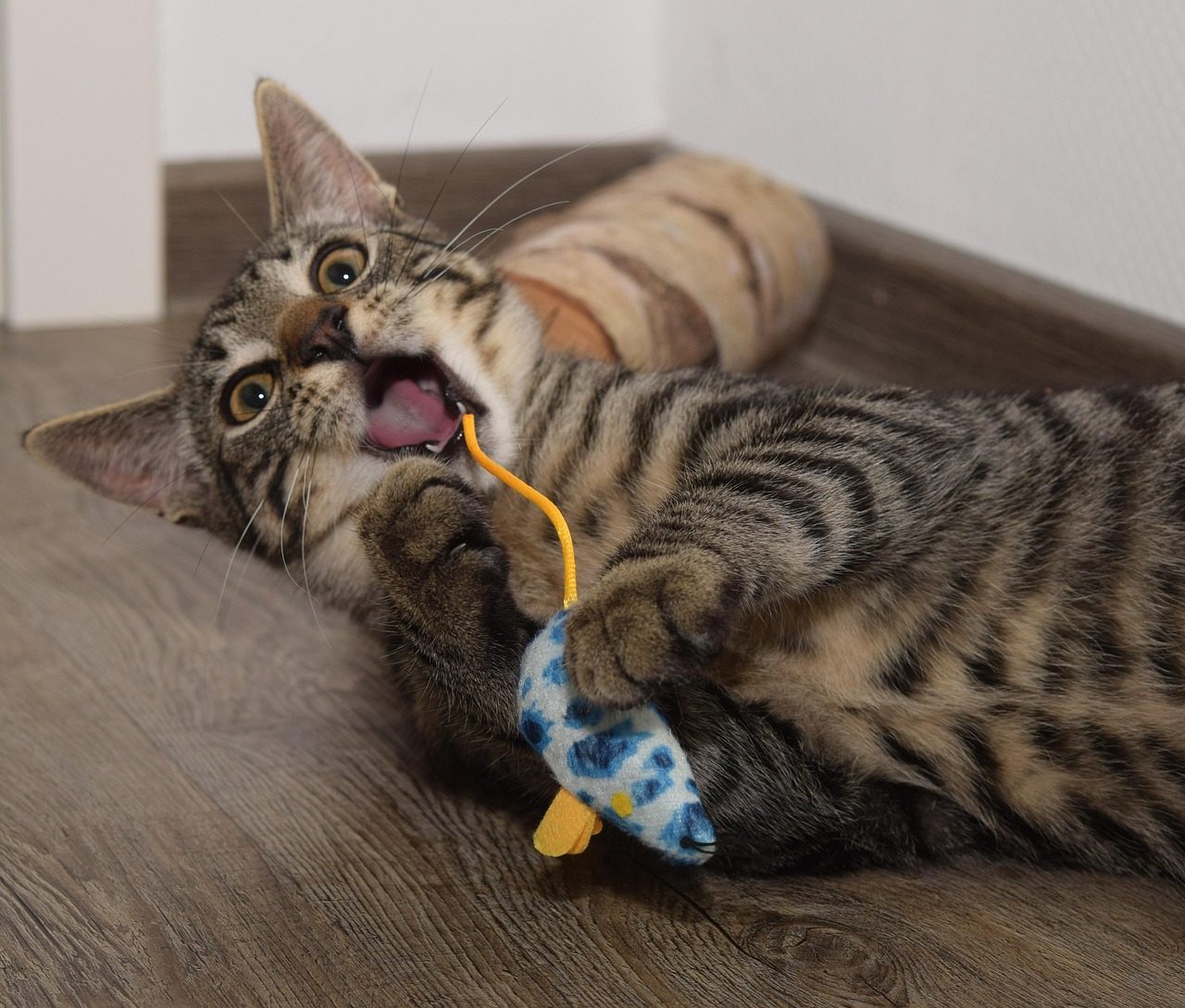
Cats are generalist feeders, meaning they thrive on a diverse diet rich in proteins and nutrients. Their natural hunting behavior in the wild encourages them to seek out different prey, providing a mix of flavors and textures. If you only feed your cat one type of food, such as dry kibble or a single-flavor wet food, this limited diet can lead to boredom. As a result, your cat may develop increased hunting instincts, potentially seeking out new food experiences on its own and bringing home ‘dead animals.’
This explains why even the most spoiled indoor cats sometimes develop sudden hunting urges. Hunting is an instinctual behavior not directly linked to food needs. This behavior is driven by their predatory nature and desire to practice hunting skills. Your cat might be perfectly content with their gourmet kibble, yet still feel compelled to explore what nature’s menu has to offer. It’s their way of staying connected to their wild heritage while living the domestic dream.
Conclusion
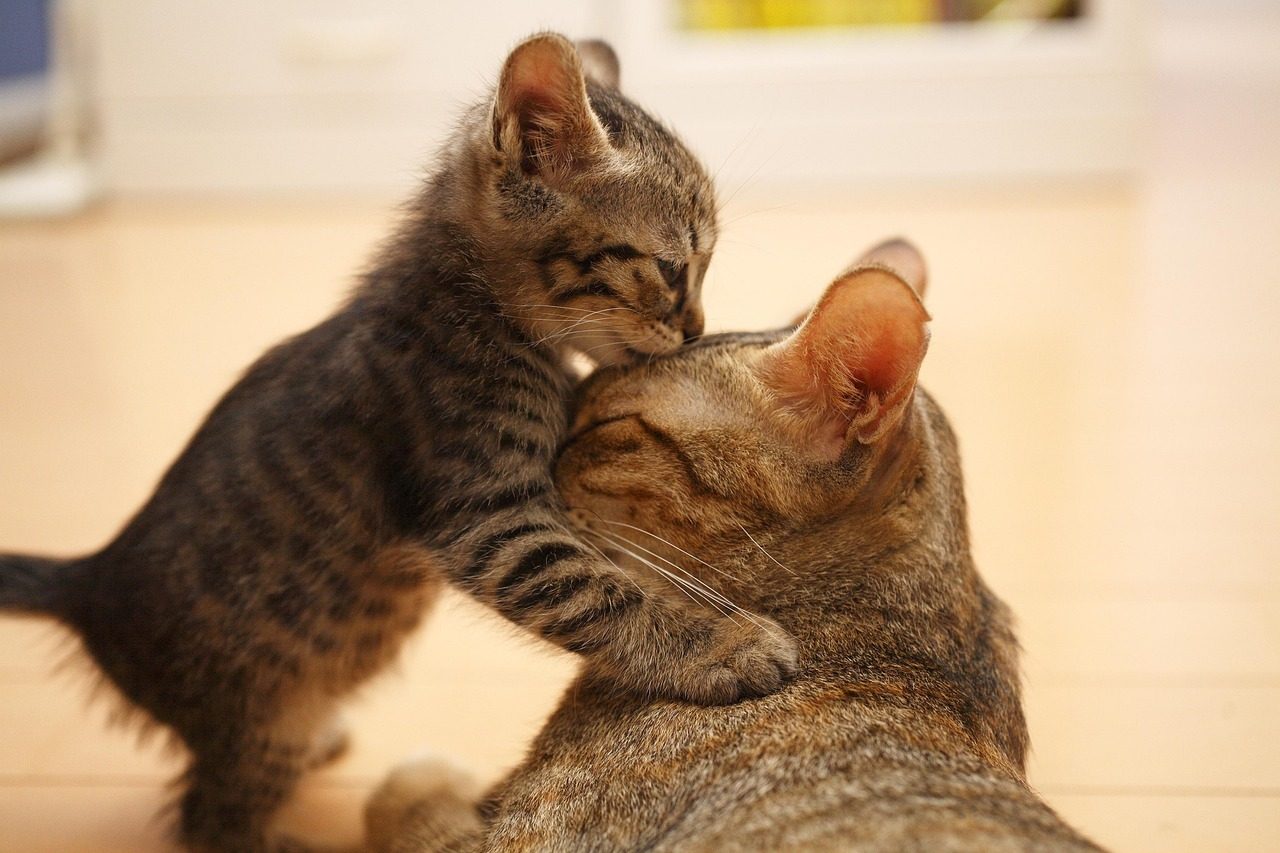
So the next time your cat brings you a dead animal, know that it’s a natural instinct and a potential form of affection and that there are ways to prevent these unwanted presents. While it’s not a gift or present for you, it can still be considered a sign of love, as it shows they feel safe with you!
Understanding these seven instinctive reasons helps us appreciate our feline friends’ complex nature. Understanding why cats bring you dead animals helps appreciate this natural behavior while managing it appropriately. While it may not be the most pleasant gift to receive, remember that your cat is showing you affection and trust in their own unique way. What do you think about your cat’s hunting gifts now? Tell us in the comments.
Growing up traveling and experiencing new cultures and wonders, I have had a passion for nature, adventuring, photography, and videography. I am currently working towards a BSc in Biodiversity and Ecology at Stellenbosch University, and I hope to specialise in Marine Sciences one day.
Please send any feedback to Feedback@animalsaroundtheglobe.com