You set down a fresh bowl of food, your cat wanders over, sniffs it, then starts furiously scratching the floor around the bowl like they’re trying to dig a hole to China. They haven’t eaten a single bite. Nothing about this scene makes obvious sense, and yet millions of cat owners witness it every single day.
Here’s the thing – your cat isn’t being dramatic. They’re not ungrateful, and they’re definitely not broken. What you’re watching is one of the most fascinating windows into your cat’s ancestral soul. Let’s dive in.
Your Cat Is Living in Two Worlds at Once
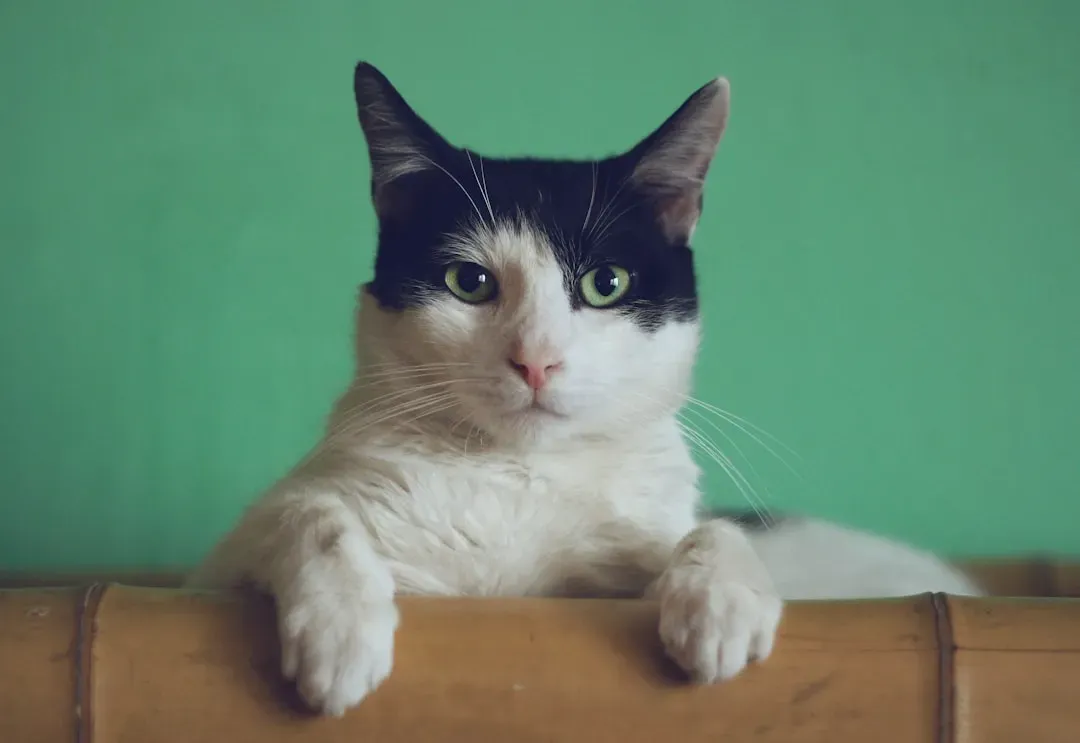
Cats are born with instincts that trace back to their wild ancestors, and even indoor cats display behaviors that once helped their species survive in the wild. Your fluffy couch companion may look like they’ve never had a hard day in their life, but deep inside, a tiny wild predator is still very much at work.
When your cat scratches the floor around their bowl or tries to ‘bury’ uneaten kibble, they’re responding to the same signals their ancestors did. They don’t know they’re not in the wild – their nervous system doesn’t care. Think of it like muscle memory. The behavior fires whether the situation calls for it or not.
The Ancient Survival Strategy Called Caching
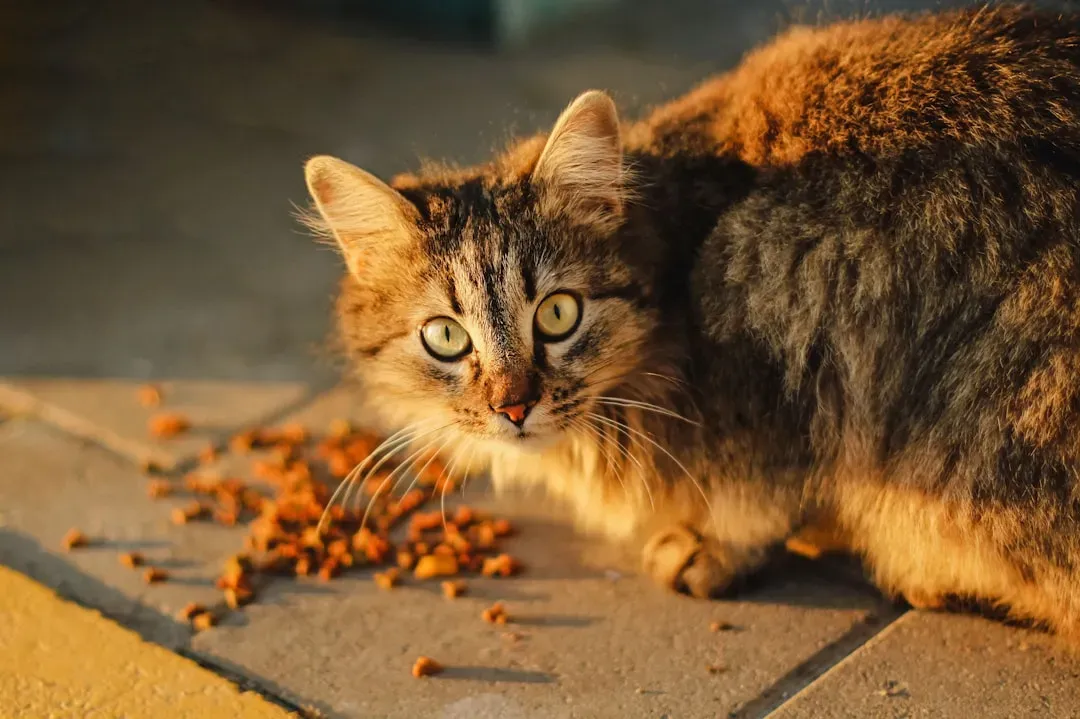
Caching behavior consists of the relocation or storage of food to protect it from competitors, to delay food spoilage, or to exploit it during times of scarcity. It’s a strategy that has existed across the animal kingdom for millions of years, and your cat inherited every bit of it.
When your kitty tries to bury or otherwise cover their food, they’re doing something called “caching,” which is used by wild cats to protect food from other cats or scavengers, to stop it from spoiling, or to have a meal to return to later. Honestly, it’s impressively practical when you think about it that way. Your cat is essentially operating a tiny prehistoric pantry.
It’s Written Into Their DNA, Not Learned From Mom
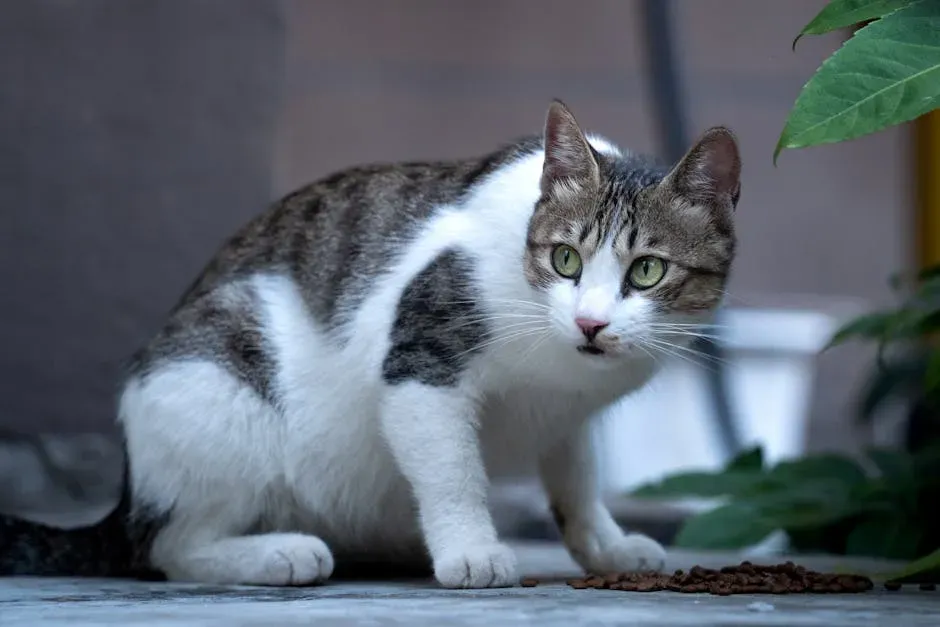
It is thought that food burying is not learned from the queen cat when kittens are young, but rather it is driven by their ancestral roots and is embedded in their genes. This is what makes it so interesting. You didn’t accidentally teach this behavior, and neither did your cat’s mother.
The reasons for this behavior are instinctual, so your cat wasn’t taught to act this way by their mother cat; it’s ingrained into their genetic makeup. Although domestic cats don’t have the same need to hunt and kill for their food, this ancient behavior remains ingrained in their DNA. When cats bury their leftovers, they are tapping into their instinctual drive to protect and preserve resources, just like their wild counterparts.
Scent Masking: Hiding Themselves, Not Just the Food
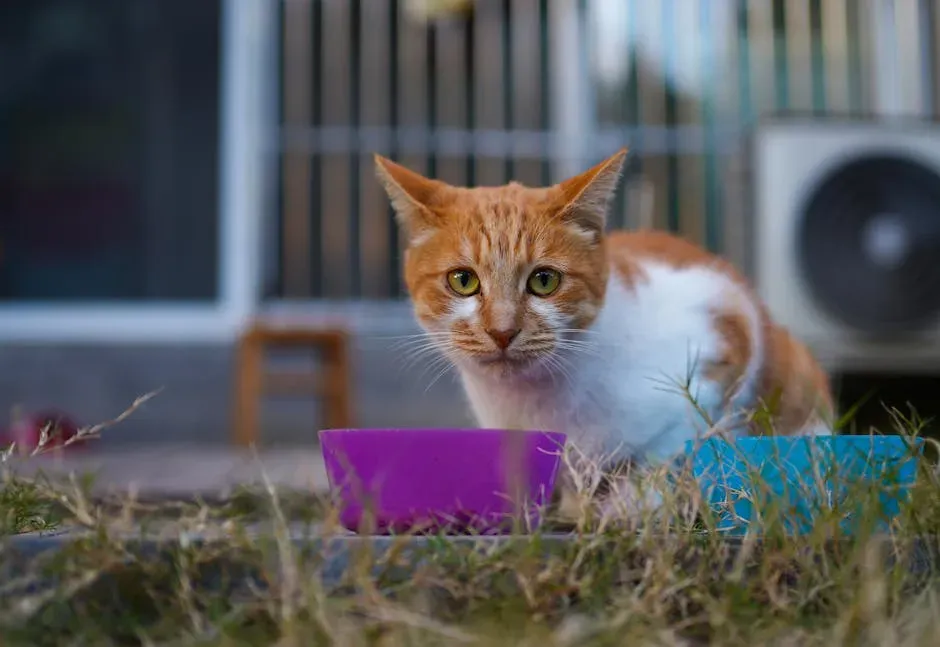
Covering or burying food helps hide the scent from other cats or predators. This is an intelligent move for wild cats on two fronts. First, hiding the scent means another animal is less likely to discover the food and eat it. Pretty sharp survival thinking for a creature who spends most of their time napping.
In this way, cats are masking the scent not just of the food but also of themselves, in order to protect their whereabouts from potential predators and competitors. Hiding the food also protects the cat’s scent from other predators so they cannot be tracked. So when your cat buries their bowl, it’s not just about the food – it’s a full-on stealth operation.
When Your Home Feels Like a Competitive Jungle
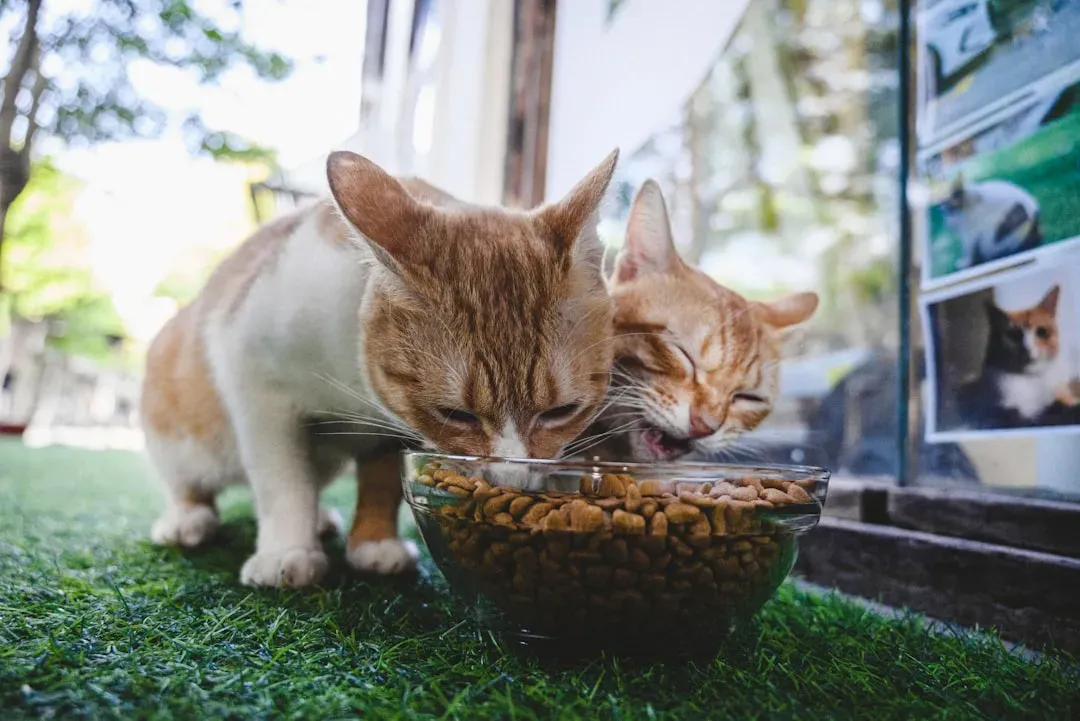
Some cats may start to carry out this caching behavior regularly. It’s more common in multi-cat households, where cats might feel like they’re competing for resources. They can then get to the point where they feel the need to hide or bury their food, and they begin to get a little obsessive about it. Even if your cats seem perfectly friendly on the surface, ancient territorial wiring doesn’t always switch off.
All inter-cat dynamics follow a dominant and submissive pattern. This can result in the dominant cat denying food to a subordinate. In such an instance, the hungry cat will hide and cache food for its own safety. If you have a multi-cat family or a home with other pets like dogs, it might help to give your cat their own space for feeding. This may help cut down on perceived competition or fear of predation while eating.
What If Your Cat Just Doesn’t Like the Food?
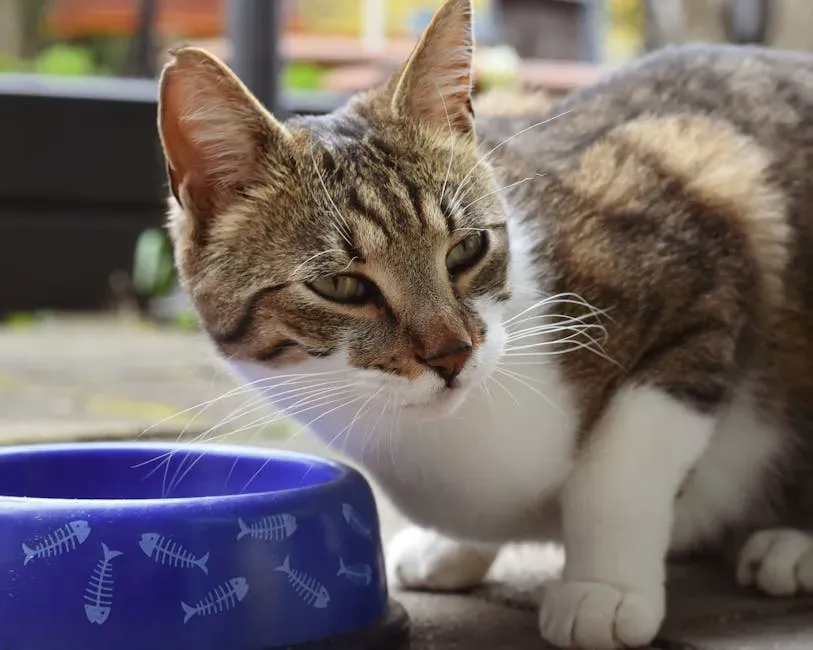
Just like a child might not-so-discreetly try to throw away food they do not want to eat, your cat may be burying their food simply because they don’t like it. Instead of eating it, they are just trying to get rid of it. Easiest way to do that is to hide it. Out of sight, out of mind. Let’s be real – cats can be incredibly fussy, and burying food is one of their most eloquent ways of saying “no thank you.”
A sudden diet change can inspire a cat to cover the food in protest, especially if they don’t like it. If your cat is burying their food but not actually eating it, you may have an unhappy customer on your hands. If they’ve only started ‘playing’ with what’s in front of them following a switch in brand, you might need to investigate further. Switching food brands should always be done gradually for this exact reason.
Stress, Anxiety, and the Worried Cat
Cats experiencing stress show a myriad of undesirable behaviors. Persistently burying food, particularly before they have even eaten, might be a sign of neurosis and anxiety. If your cat goes straight into burying mode without touching their meal, that’s a signal worth paying attention to.
If the portions are too large, if the feeding times shift unpredictably, or if the bowl feels too exposed, cats will often try to ‘fix’ the situation themselves. That fix can look like scratching or attempting to hide what’s left behind. Burying behavior may be seen more frequently in stressed cats, so make sure that your cat has a calm and peaceful place to eat and enjoy their meals. A quieter corner and a consistent routine can genuinely make a world of difference.
When Should You Actually Step In?
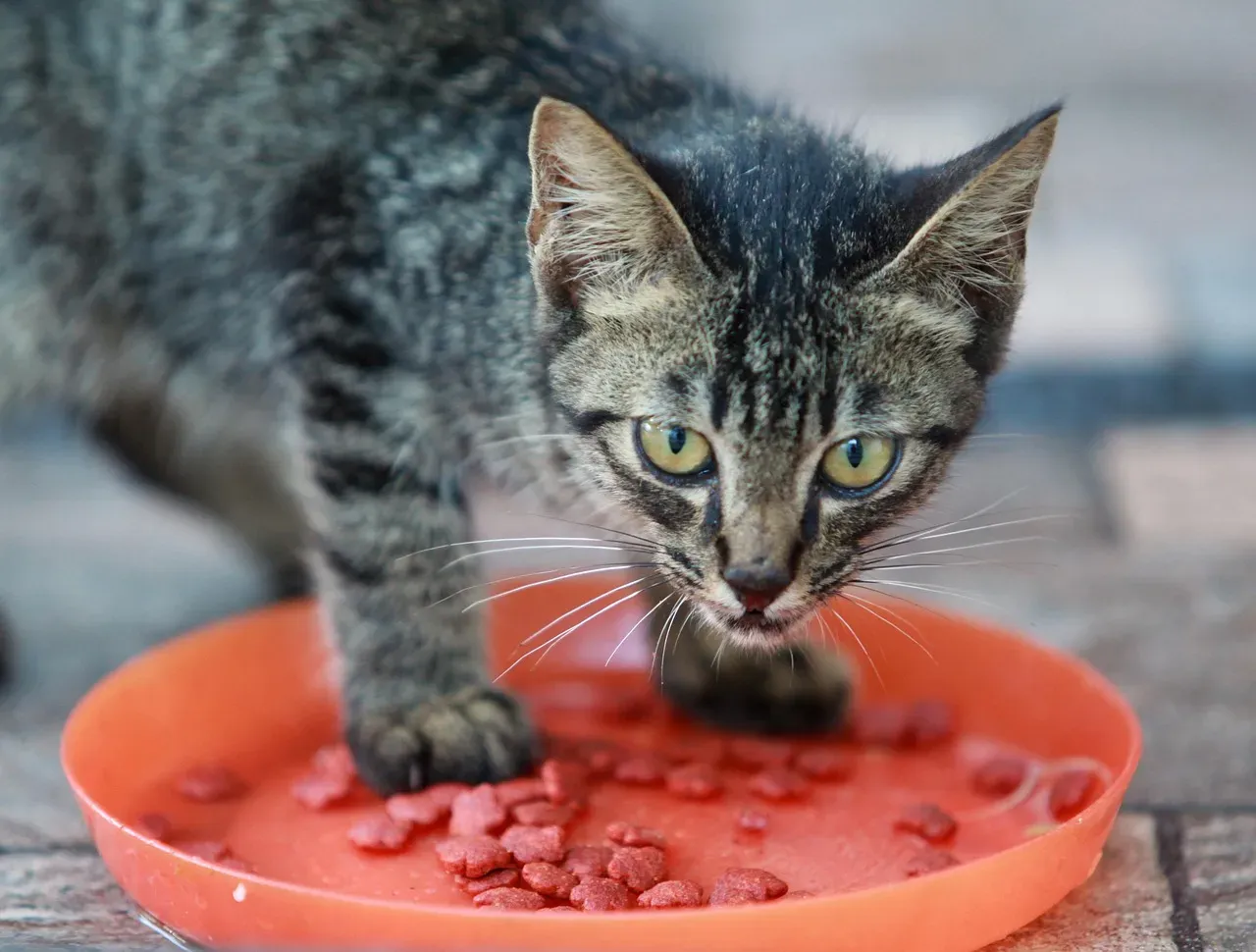
A cat burying their food is completely normal, instinctive behavior. It’s a relatively common sight, and on the whole is nothing a pet parent needs to be unduly concerned about. However, if the scratching that can accompany food burying is leading to damaged flooring, or causing your cat harm, then you may want to step in. A little scratching here and there? Totally fine. Bleeding paws and shredded hardwood? That’s a different story.
Feeding behavior often reflects physical health, too. Digestive discomfort, dental issues, or even nausea may lead a cat to reject food and cover it instead. If your cat starts showing new food avoidance behaviors, rule out illness with your vet. Setting a feeding schedule may also help, as your cat may be saving their food for later because they are unsure when “later” will be. A schedule will help your cat learn there will always be more food and they don’t have to save it.
Conclusion: Your Cat’s Inner Wild Animal Is Always Home
Your cat’s food-burying habit is one of the most honest, unfiltered things they’ll ever show you. It’s not rudeness. It’s not confusion. It’s millions of years of survival intelligence running quietly in the background, long after the wilderness has been traded for a cozy kitchen corner and a ceramic bowl.
Never punish your cat for trying to bury or cover their food. Remember, the behavior is instinctive, and it’s not something they’re actively able to control. No matter how many centuries cats have been domesticated, behaviors like this remind us that we are living with tiny wild animals.
The next time your cat starts “burying” that perfectly good salmon pâté you just opened, pause for a second. Watch them. That frantic little paw scraping the floor isn’t a critique of your shopping choices. It’s a love letter from the wild. Pretty incredible when you think about it, right?
Do you recognize this behavior in your own cat? Drop your thoughts or your funniest food-burying story in the comments below!