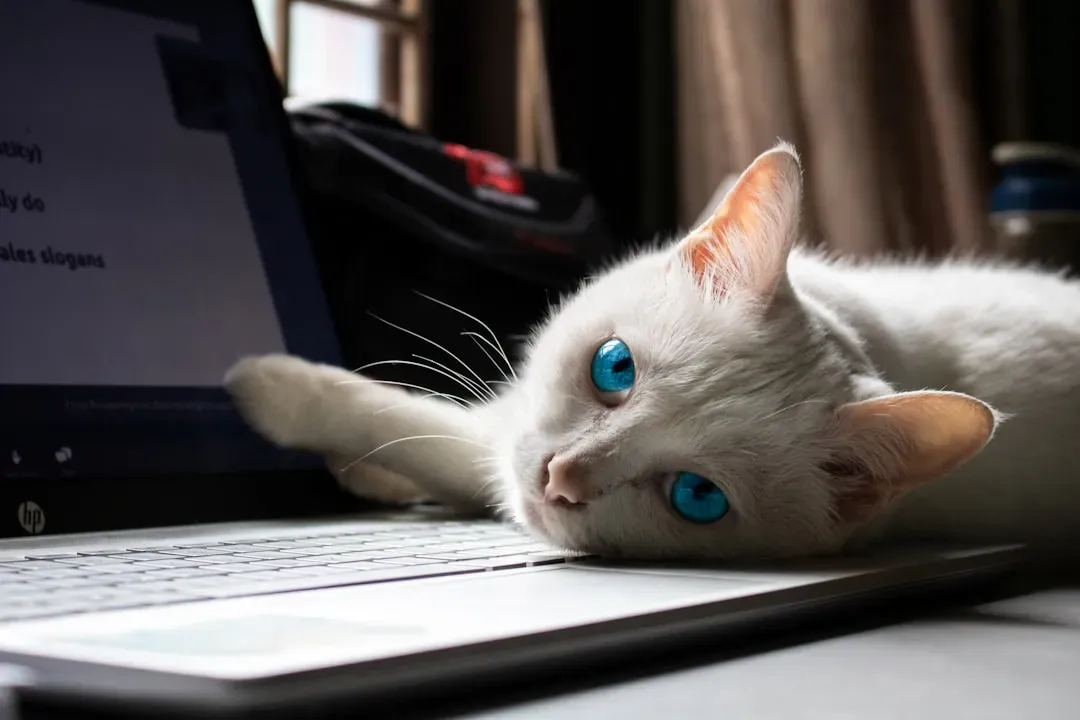
You open your laptop, put on your headphones, settle into your chair – and there it is. A soft paw on your wrist. Then a meow. Then a warm, furry body flopping directly across your keyboard. Every. Single. Time.
If you live with a cat, you already know this scene far too well. There’s something almost supernatural about a cat’s ability to sense exactly the moment you most need to focus, and then decide – with full authority – that this is the perfect time for a cuddle. It’s maddening, it’s hilarious, and honestly? There’s a lot more going on beneath the surface than you might think. Let’s dive in.
Your Cat Isn’t Being Manipulative – But It Looks That Way
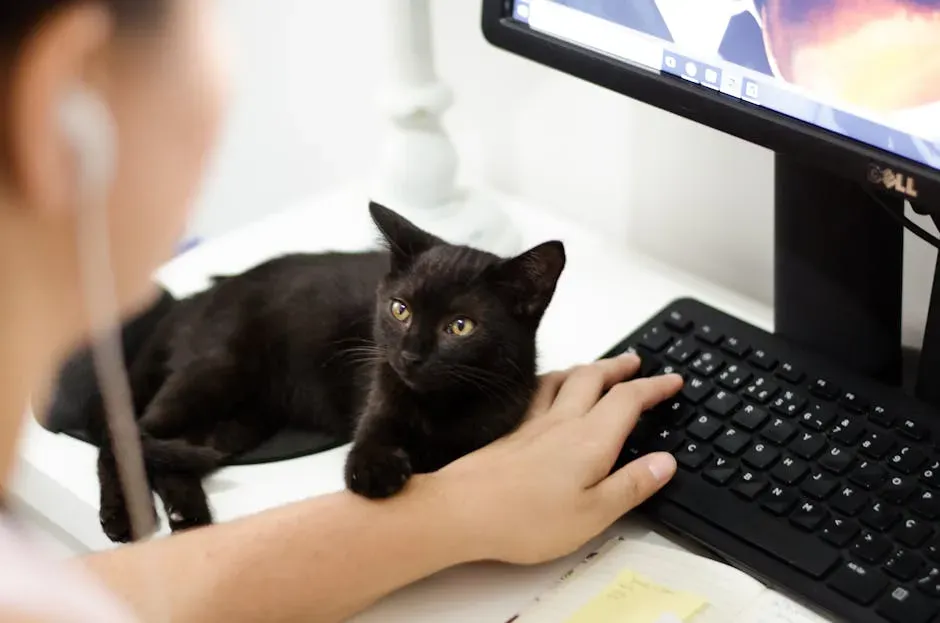
Let’s be real: it can feel deeply personal when your cat ignores you all morning and then walks across your face the second you start a video call. It seems calculated. Almost villainous. But here’s the thing – your cat almost certainly isn’t plotting your frustration.
It’s no coincidence that cats run to you and meow loudly or lie on the keyboard just as you start working. From your cat’s perspective, the logic is simple: you’re sitting still and not moving, so you must have time. Cats genuinely cannot comprehend that staring at a glowing screen counts as being occupied. To them, stillness equals availability. It’s a beautiful, infuriating misunderstanding.
Your Cat Has Been Waiting for You All Day
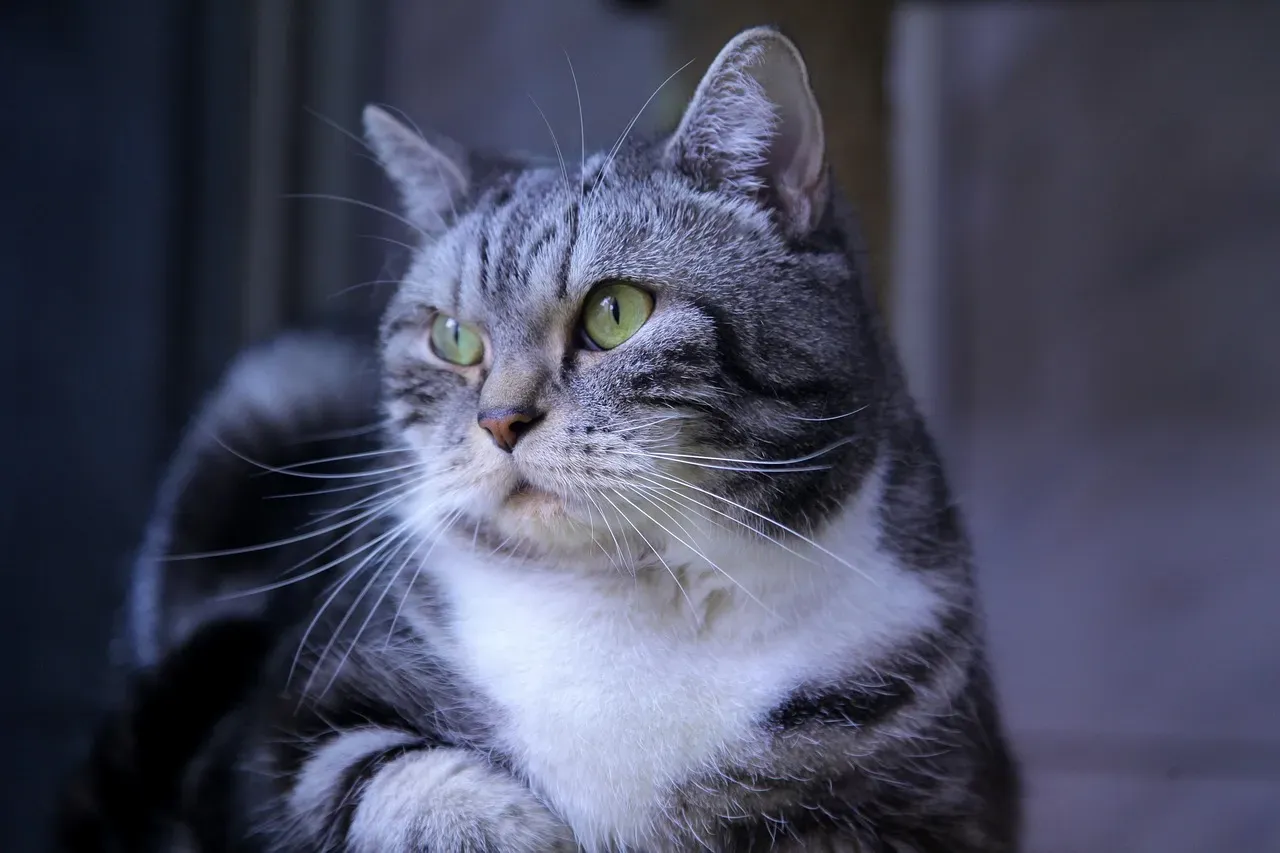
Your cat has been home the entire time you were out. Finally, their human is there, and they want interaction – including releasing the energy that has built up throughout the day. Think of it like a child who’s been patient all afternoon and now simply cannot hold it together. You walked in the door, and the floodgates opened.
Most people are quite active before they settle into a task – a trip to the kitchen to make coffee, a stop at the bathroom. To your cat, you seem very busy during all of that activity. They usually prefer to wait until you settle down. So the moment you finally sit, your cat interprets it as the green light they’ve been patiently waiting for all along.
The Science of Feline Timing: Cats Can Read You
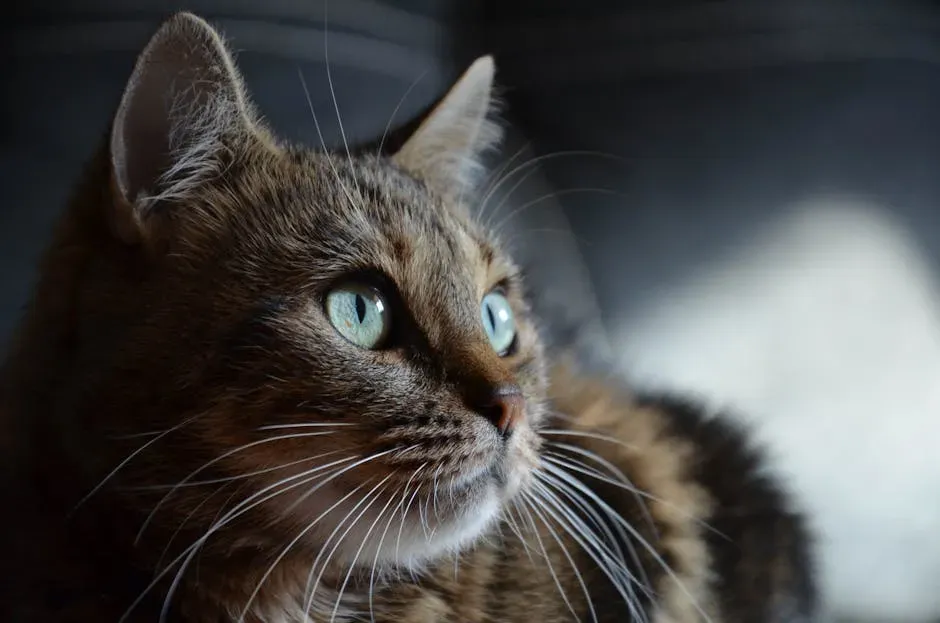
Research provides additional evidence that cats can recognize an owner’s attentional state, and when presented with a challenging situation, they can and will adjust their attention-seeking behaviors accordingly. That’s remarkable when you think about it. Your cat isn’t just acting on impulse – it’s actually reading social cues with a surprising degree of precision.
Research has found that cats approached caregivers more frequently and gazed at them sooner when the person was attentive. Previous studies also reported that cats are more likely to seek interaction when a human looks at or calls to them, and spend significantly more time near an attentive human. In other words, the more you engage – even briefly – the more you invite the next wave of attention-seeking. Your cat is paying closer attention to you than you ever realized.
Boredom Is Probably the Biggest Culprit
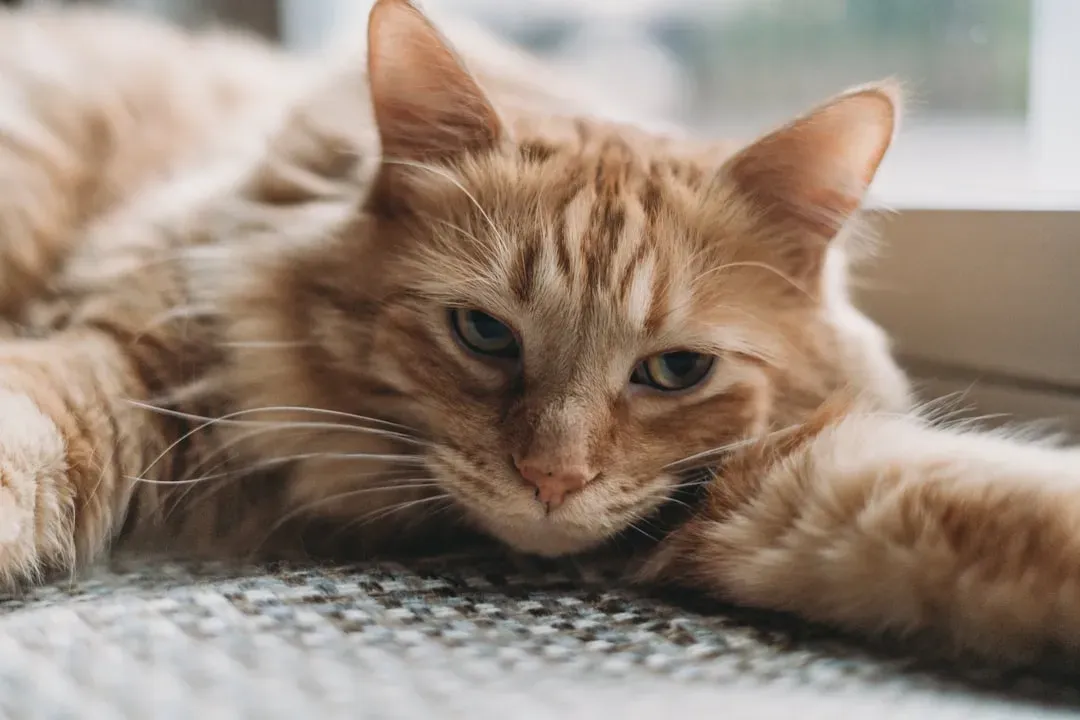
Many cats that demand attention start the behavior because they aren’t sufficiently stimulated. You come home from a workday, quickly feed the animal, have dinner, and then focus on important things – like doing taxes or maybe just wanting to read a book. From the cat’s perspective, nothing exciting has happened. So they create the excitement themselves, starring you as the unwilling co-star.
Cats are naturally inquisitive creatures that need both mental and physical stimulation to stay happy. They may resort to disruptive behaviors if caregivers do not meet their welfare needs with enough engagement and interaction. It’s not malice. It’s more like what happens when you take away someone’s Netflix and Wi-Fi and expect them to sit quietly. Boredom will find a way out.
You Accidentally Taught Your Cat to Bother You
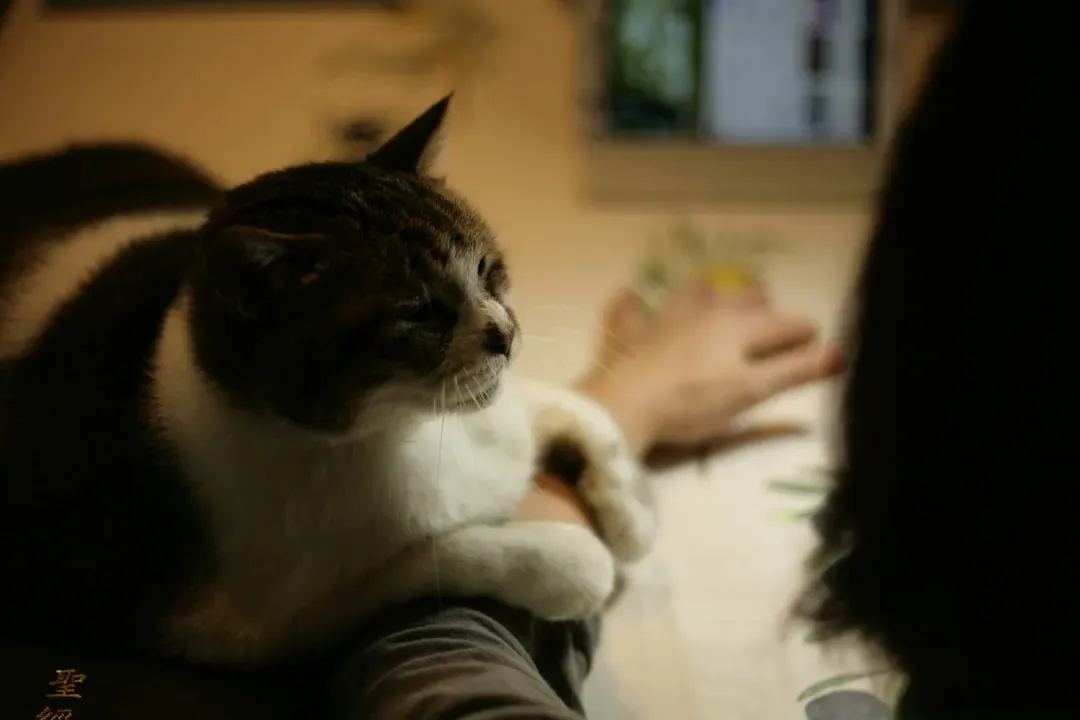
This one might sting a little. Honestly, most cat owners are partially responsible for their own interruptions. Most cat parents reinforce the very behavior they dislike because they acknowledge the cat for displaying attention-seeking behavior. When the cat jumps on the table and starts meowing, it’s common to acknowledge the kitty’s presence – whether by scolding, petting, or shooing them away. Even if you reprimand the cat, you’re offering attention. It may not be quite the attention the cat wanted, but it’s still attention.
It doesn’t take long for any behavior to become ingrained. About 20 repetitions of a behavior will teach a cat the consequences of their actions. Think about how many times you’ve looked up, said something, or nudged your cat off the desk. That’s reinforcement, plain and simple. Your cat has been taking notes on you this whole time, and you didn’t even notice.
Vocalization: Why the Meowing Becomes a Whole Performance
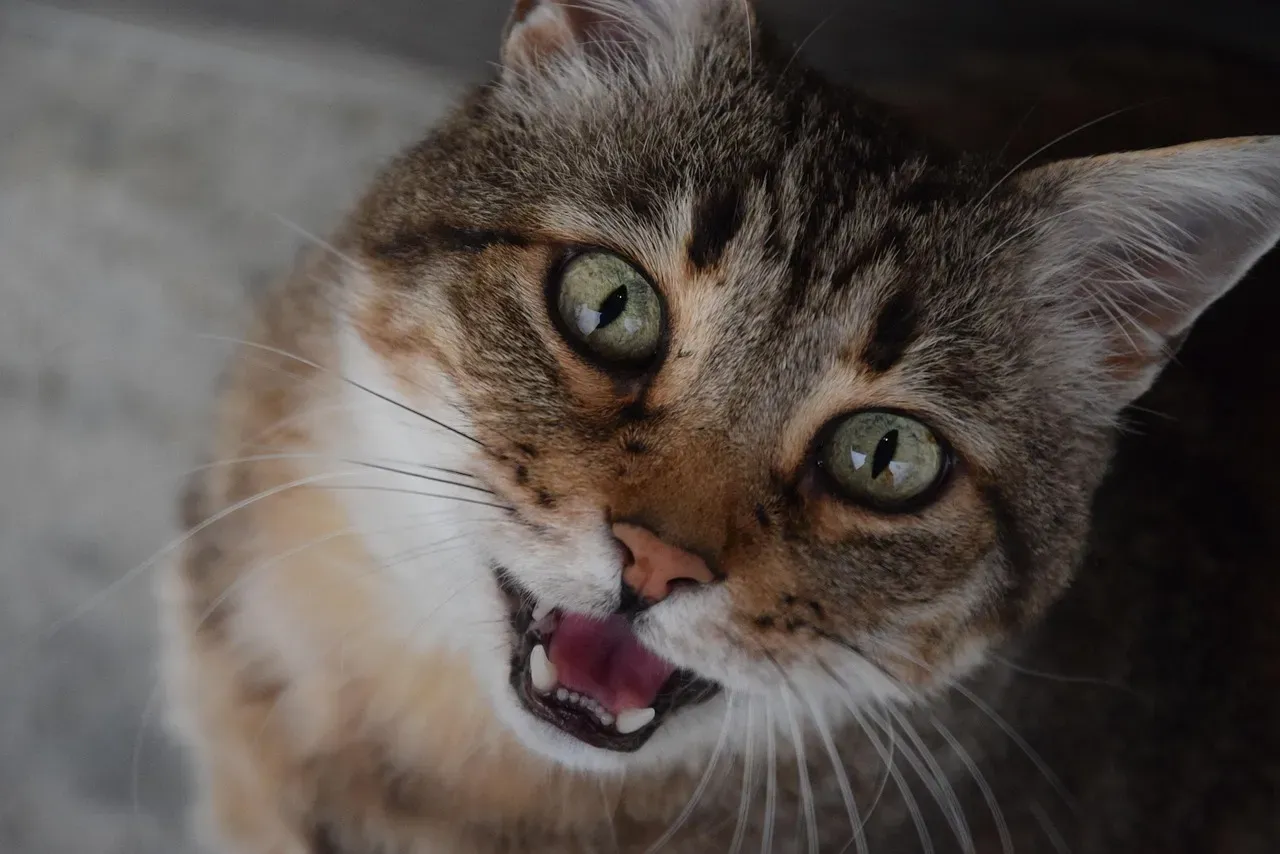
Cats may use vocal cues to get your attention and eye contact. This might start as a meow but can become a persistent wail if they are not getting the desired attention and continue to be ignored. It escalates, too. What begins as one gentle meow can rapidly turn into an operatic complaint that no closed door can muffle. If you’ve ever tried to work through that, you know exactly how effective it is.
Cats are notoriously intelligent creatures, so it should come as no surprise they’ve worked out that meowing is a great way of getting human attention. If vocalizations go unnoticed, your cat might resort to directly touching you with a paw, jumping onto counters, or even walking across your laptop to get into your eyeline. It’s a full escalation ladder, and your cat will climb every single rung if necessary. Think of it as a very persistent customer service call that you can’t hang up on.
The Keyboard, the Book, and the Lap: Physical Intrusion Tactics
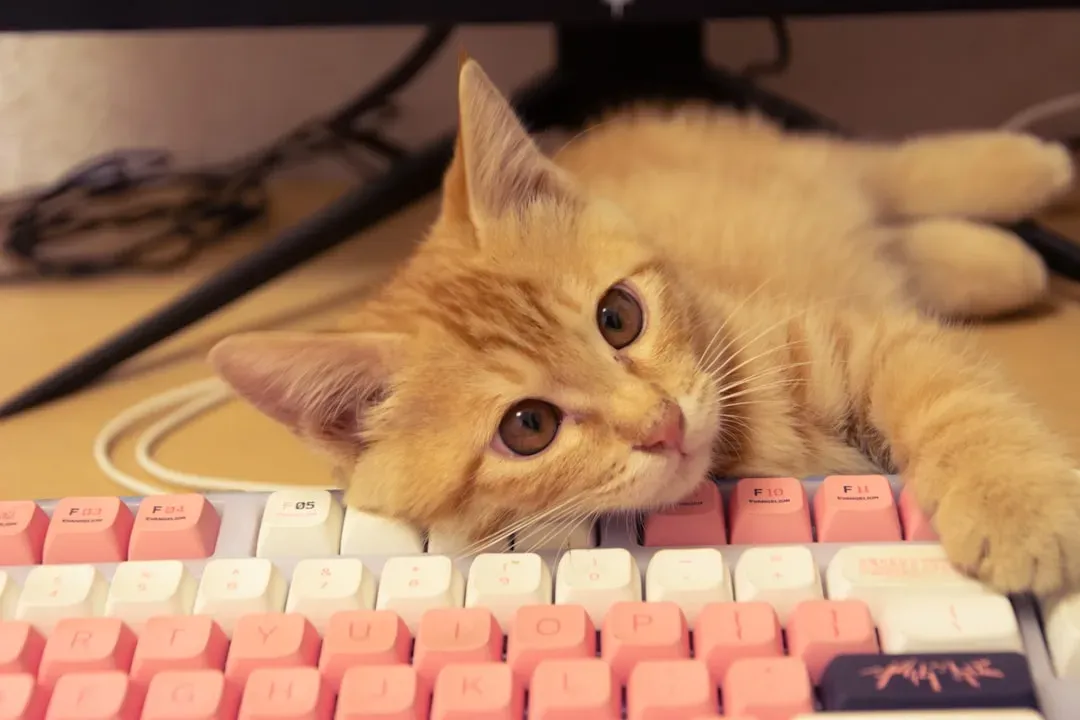
Cats may overtly place themselves on your lap while you are working at a computer or reading a book in an attempt to redirect your attention onto them. This is their version of closing your browser tab. Physical presence is the nuclear option in a cat’s toolkit, and they deploy it without hesitation. The laptop becomes a warm perch. The open book becomes a mattress. Your face becomes a pillow.
Some cats will deliberately knock items off tables or counters to gain your attention. They may even make eye contact with you as they do this, as they have often learned from previous antics that this behavior gains them a quick response and interaction. I think this is the most intentional-looking behavior in the whole repertoire, and it’s genuinely hard not to be impressed by how effectively it works. You look up every time. They know it. You know they know it.
When Attention-Seeking Is Actually a Health Warning
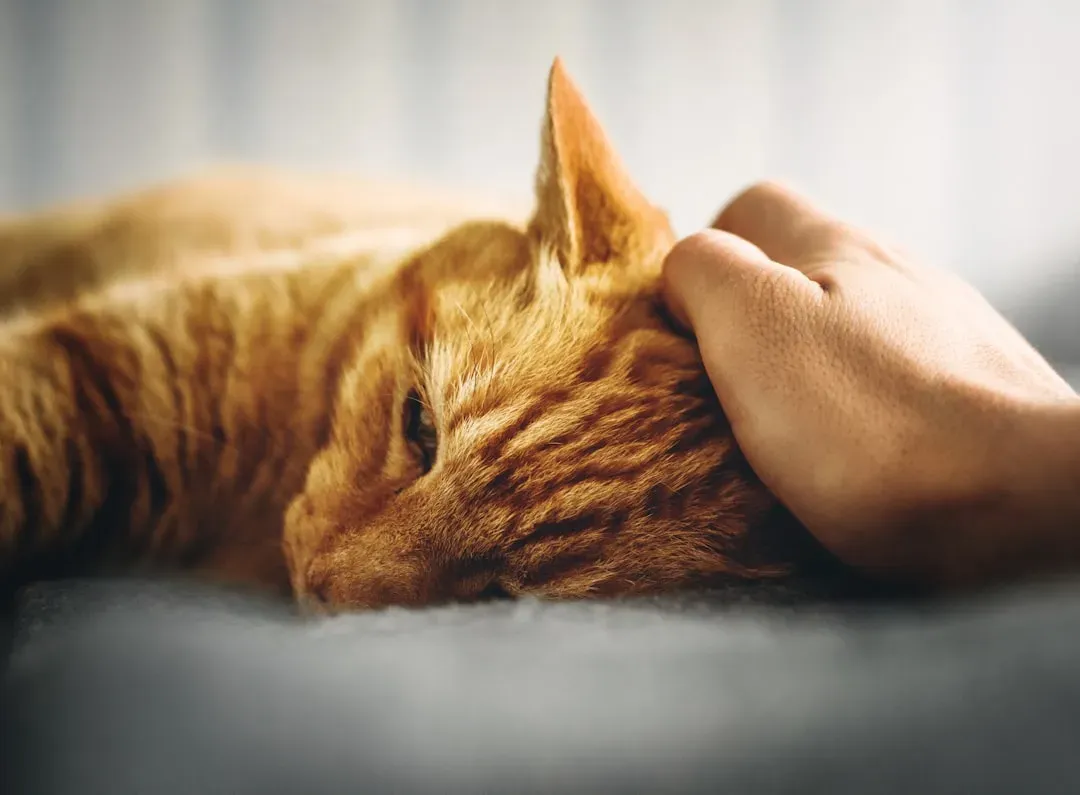
Not every demanding moment is about boredom or learned habits. Sometimes, your cat is trying to tell you something is genuinely wrong. What seems like attention-seeking could be a sign of underlying pain, discomfort, or health issues. Cats are wizards at masking and hiding any pain – this is an innate survival skill inherited from their ancestors. So if your cat’s behavior changes suddenly or becomes more intense, it can be a red flag and a call to action to check in with your veterinarian.
Hyperthyroidism and diabetes, for example, can boost a cat’s appetite and lead to changes in behavior. Some cats are naturally clingy in their behavior, especially if they are very bonded to their owner. However, if your cat suddenly becomes more clingy when previously they weren’t, this can signify a medical or behavioral problem. A behavior change should always prompt a visit to your veterinarian. Don’t just chalk it up to personality quirks – sudden shifts are worth taking seriously.
What You Can Actually Do About It
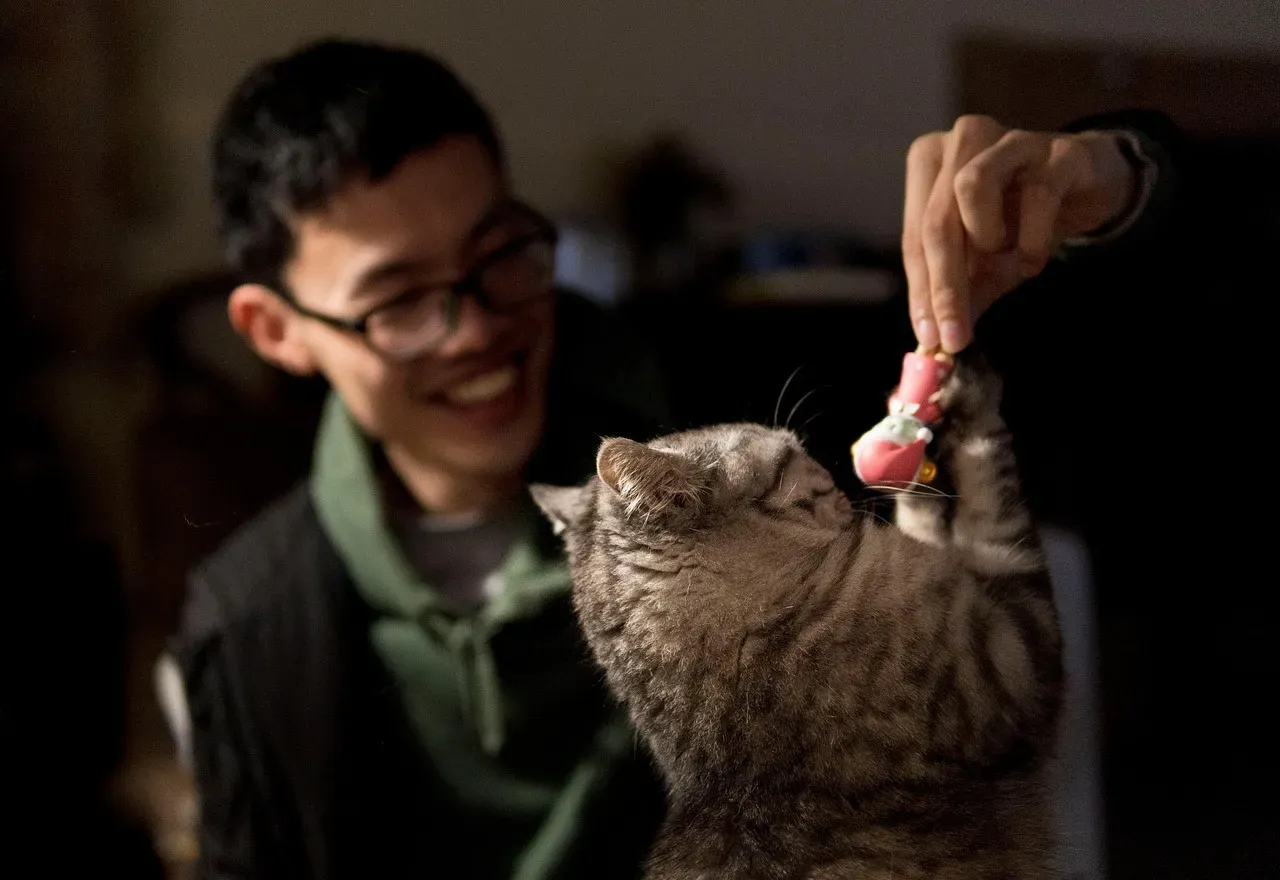
Here’s the part everyone actually wants to know. The good news is that this is very manageable with a few consistent changes. The best thing to do when your cat demands attention every time you want to start an important task is to be proactive. Before you sit down and potentially be busy for several hours, play extensively with your cat. If your pet has been alone for a long time and has built up a lot of energy, wild chase games with a play wand are ideal.
Provide your cat with structured attention rather than simply more attention. Scheduling two or three play sessions a day, totaling around fifteen to thirty minutes, along with a couple of short quiet-attention times for cuddling or grooming, can make a real difference. Your cat will be less likely to be pushy and demanding if they know that attention is coming at regular times each day. Routine is genuinely your most powerful tool here. Cats thrive on predictability – give them that, and they’ll give you your deadline back.
Conclusion
Your cat’s perfectly timed interruptions aren’t random, and they’re not personal attacks on your productivity. They’re the result of a fascinating mix of instinct, learned behavior, emotional need, and just a little bit of feline genius. Your cat has studied you, figured out your patterns, and crafted a strategy. You have to admit – that’s kind of impressive.
The real takeaway is this: the more you understand why your cat does it, the easier it becomes to respond in a way that actually helps both of you. A little proactive playtime, a consistent routine, and a willingness to stop rewarding the chaos – and you might just reclaim your keyboard. Maybe. Cats do reserve the right to change the rules at any time.
So next time your cat flops down on your laptop mid-sentence, instead of frustration, try a moment of curiosity. What are they really asking for? What do you think – does your cat have a favorite interruption tactic? Tell us in the comments.