You set down a fresh bowl of water for your cat, only to find them ten minutes later perched on the bathroom counter, staring you dead in the eyes while lapping triumphantly from the faucet. Sound familiar? If you’ve ever lived with a cat, you already know their relationship with water is nothing short of theatrical.
Here’s the thing – this isn’t random feline chaos. There’s real science, deep evolutionary history, and some genuinely fascinating biology behind every quirky sip your cat takes. From pawing at still water to stealing from your glass, your cat is communicating something important every time they reject their boring bowl. Let’s dive in.
Your Cat’s Wild Ancestors Are Still Very Much in Charge
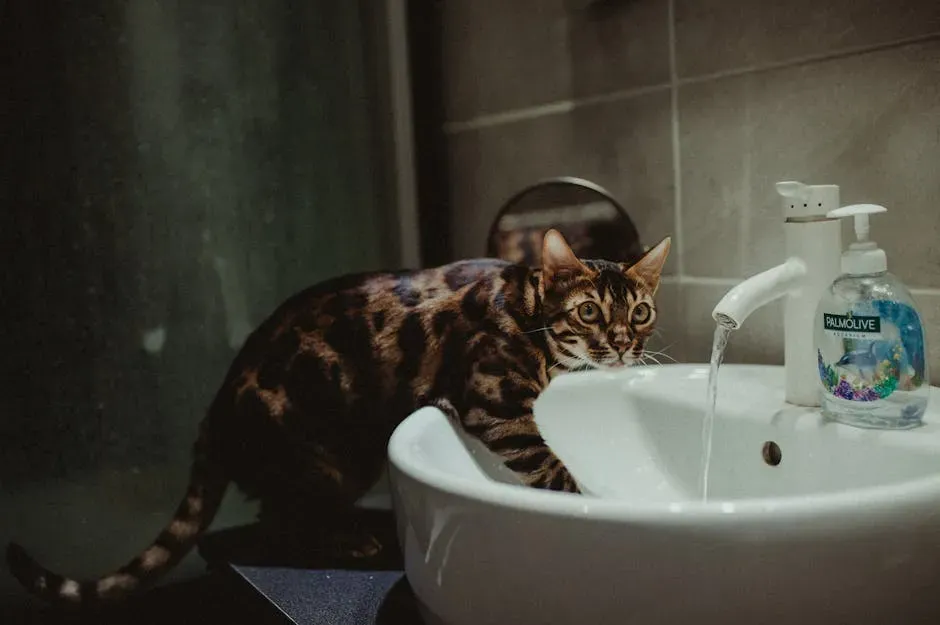
To understand why your cat gravitates toward running water, you have to look at their wild ancestors. Domestic cats evolved from African wildcats, creatures built to survive on the open savannah. They naturally sought out fresh, flowing streams to drink from, because running water was generally cleaner and safer than stagnant pools. That instinct still drives your pet today, even though they’ve traded streams for kitchen taps.
Cats were initially desert animals, built to survive on surprisingly little water. Much of their moisture actually came from their prey, since they are obligate carnivores that must have meat to survive, and that prey contains high water content. As a result, cats have a noticeably low thirst drive compared to many other animals. This desert heritage means your cat’s body is genuinely efficient at conserving water, but it also means they can easily fall short of proper hydration if their drinking habits aren’t well supported.
Running Water Feels Safer, and Honestly They’re Not Wrong
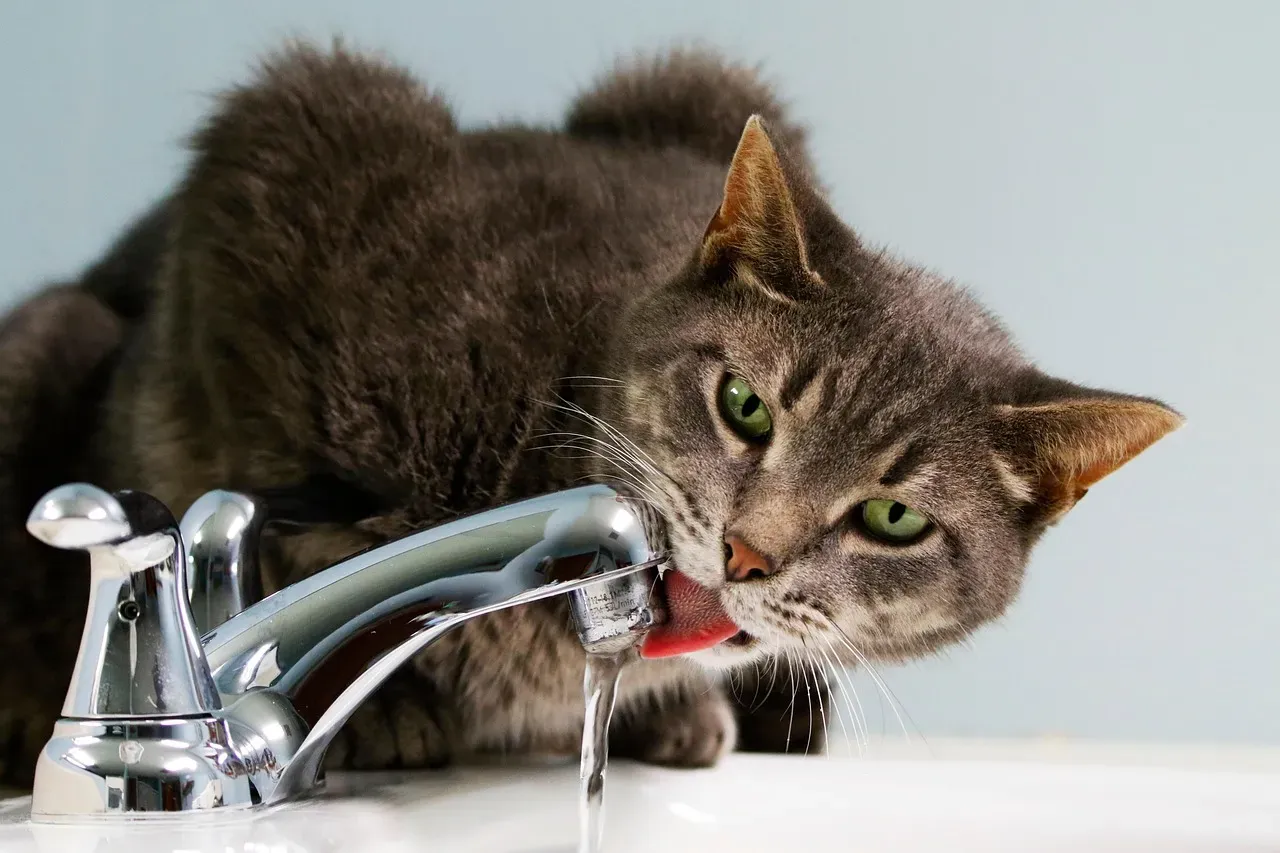
Your cat’s preference for running water is deeply rooted in evolutionary history. Wild cats learned that moving water sources like streams and rivers were typically safer and fresher than stagnant pools. This ancient survival instinct remains strong in domestic cats today, making them naturally drawn to the sight and sound of flowing water. From an evolutionary standpoint, running water is less likely to harbor harmful bacteria, parasites, and other contaminants that could make a cat sick.
In the wild, water that isn’t moving is more likely to contain germs and parasites that could cause illness. Your cat may prefer to drink from the faucet because instinct tells them running water is safer and often colder. Think of it like this – you probably wouldn’t happily gulp from a still puddle on the sidewalk either. Your cat is simply applying the same logic, just with a lot more drama about it.
Their Vision Makes Still Water Almost Invisible
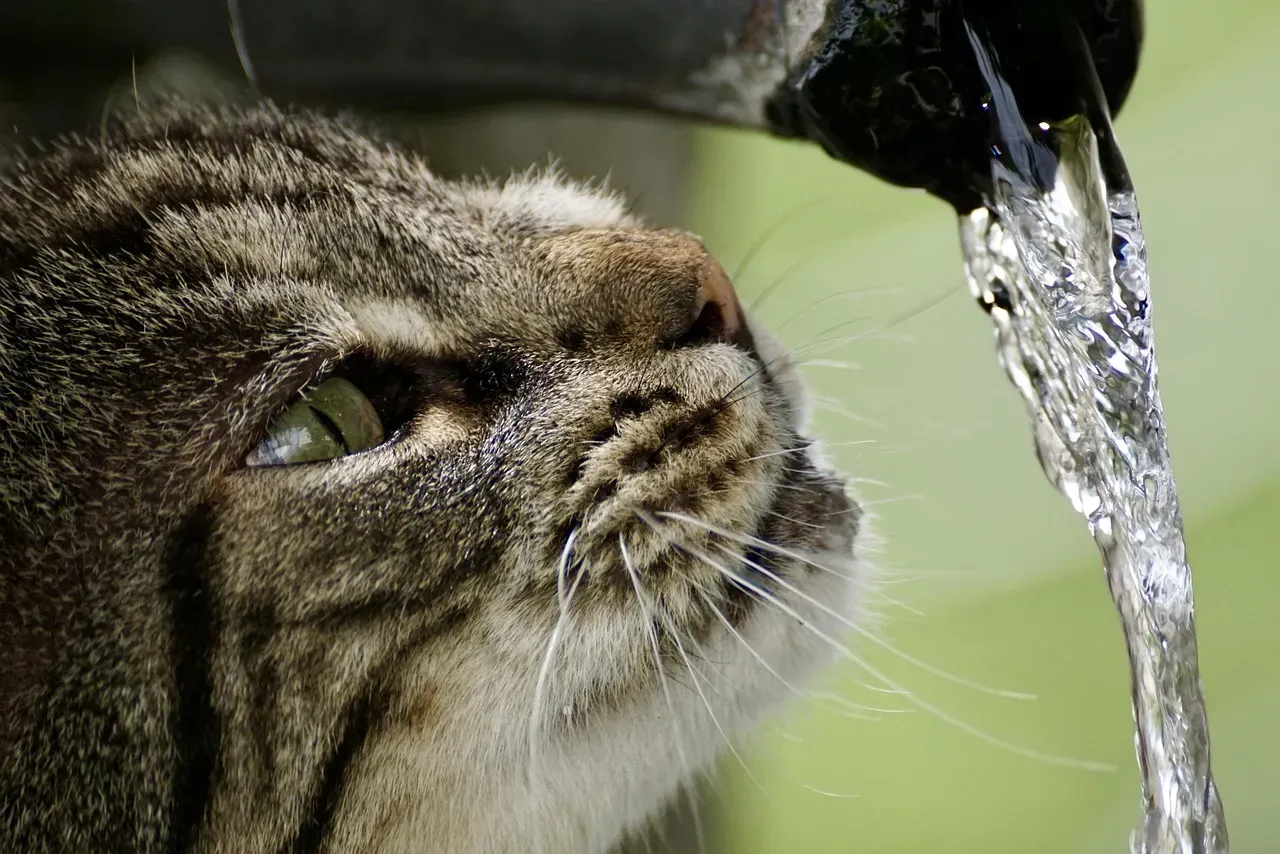
Cats do not see still water as easily as humans do. Their vision is designed to detect motion, which is excellent for hunting but not ideal for spotting a clear, motionless surface. A still bowl can appear invisible or confusing, especially in certain lighting. Flowing water solves this problem entirely. The movement reflects light, creates ripples, and gives cats a clear visual target. That extra sensory feedback makes drinking more appealing and far less uncertain.
Felines have great night vision, but their ability to see the standing water in their bowl is actually quite poor. Rather than relying on sight to locate a still pool, cats prefer to use their excellent hearing to sense the familiar sound of running water. So next time your cat walks right past a full bowl without noticing it, they genuinely might not have seen it. It’s not attitude – well, not entirely.
The Bowl Itself Might Be the Problem
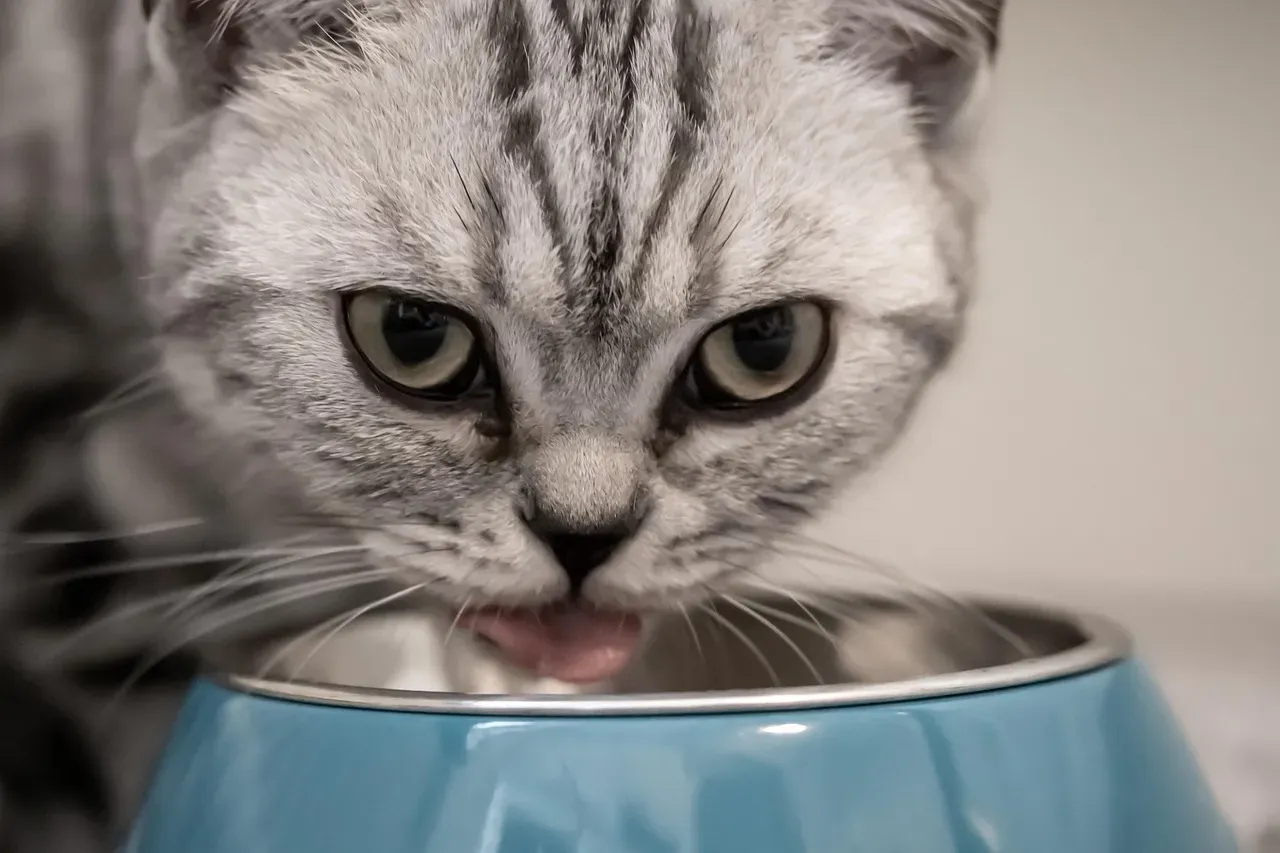
Whisker fatigue can actually be a problem that makes your cat act completely different than usual. This condition can cause lack of appetite, changes in mood and behavior, and a lot of stress for your cat. Whisker fatigue is caused by the overstimulation of the whiskers. When your cat’s whiskers brush up against the sides of a food or water bowl, they send sensory messages to the brain. Too many messages, and your cat could become agitated and refuse food or water from their usual bowls.
Another possibility is that your cat may have an issue with the properties of the water bowl itself, including a preference for a certain type of bowl, since plastic and metal bowls can actually taint the water. Some cats prefer ceramic or metal bowls to plastic ones, and if your cat’s bowl is too small, it could cause whisker trauma and lead them to avoid it altogether. It’s a lot of variables for one humble water dish to get wrong, honestly.
Where You Put the Bowl Matters More Than You Think
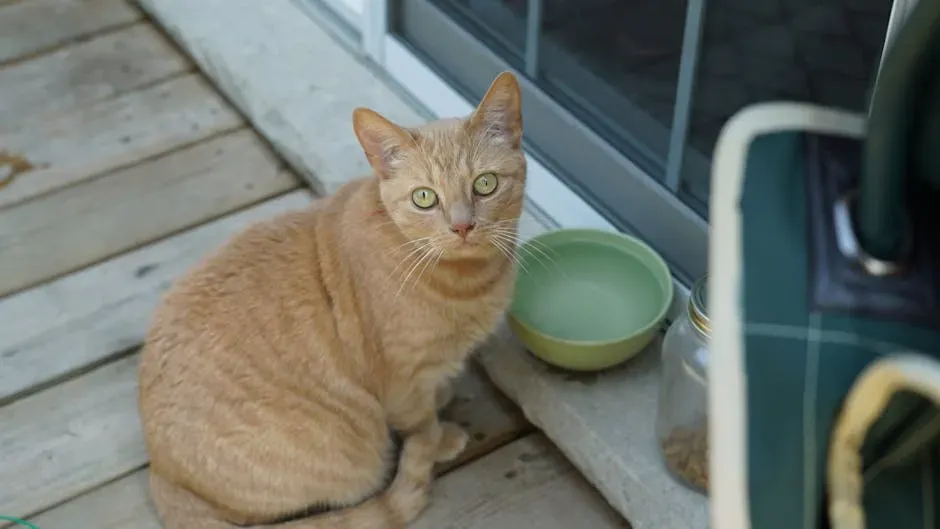
The location of the water bowl can significantly influence a cat’s willingness to drink. Cats prefer to drink in a quiet, safe environment. If the water bowl is placed in a noisy or high-traffic area, a cat may be hesitant to approach it at all. Additionally, cats often prefer not to drink near their food bowl, as this behavior mimics the wild, where a water source near food could be contaminated.
Instinctively, cats prefer to drink water that’s located away from their dead prey, which in nature may contaminate their water with bacteria. To honor their survival instinct, separating their food from their water is a surprisingly effective strategy. If you have other pets or kids at home, your cat might not feel comfortable or safe when trying to drink from their water bowl. A cat that frequently drinks from the faucet of a less-used sink may simply be trying to find a quiet and safe place to enjoy their water. In other words, location is everything.
Sometimes They’re Just Playing – and That’s Valid
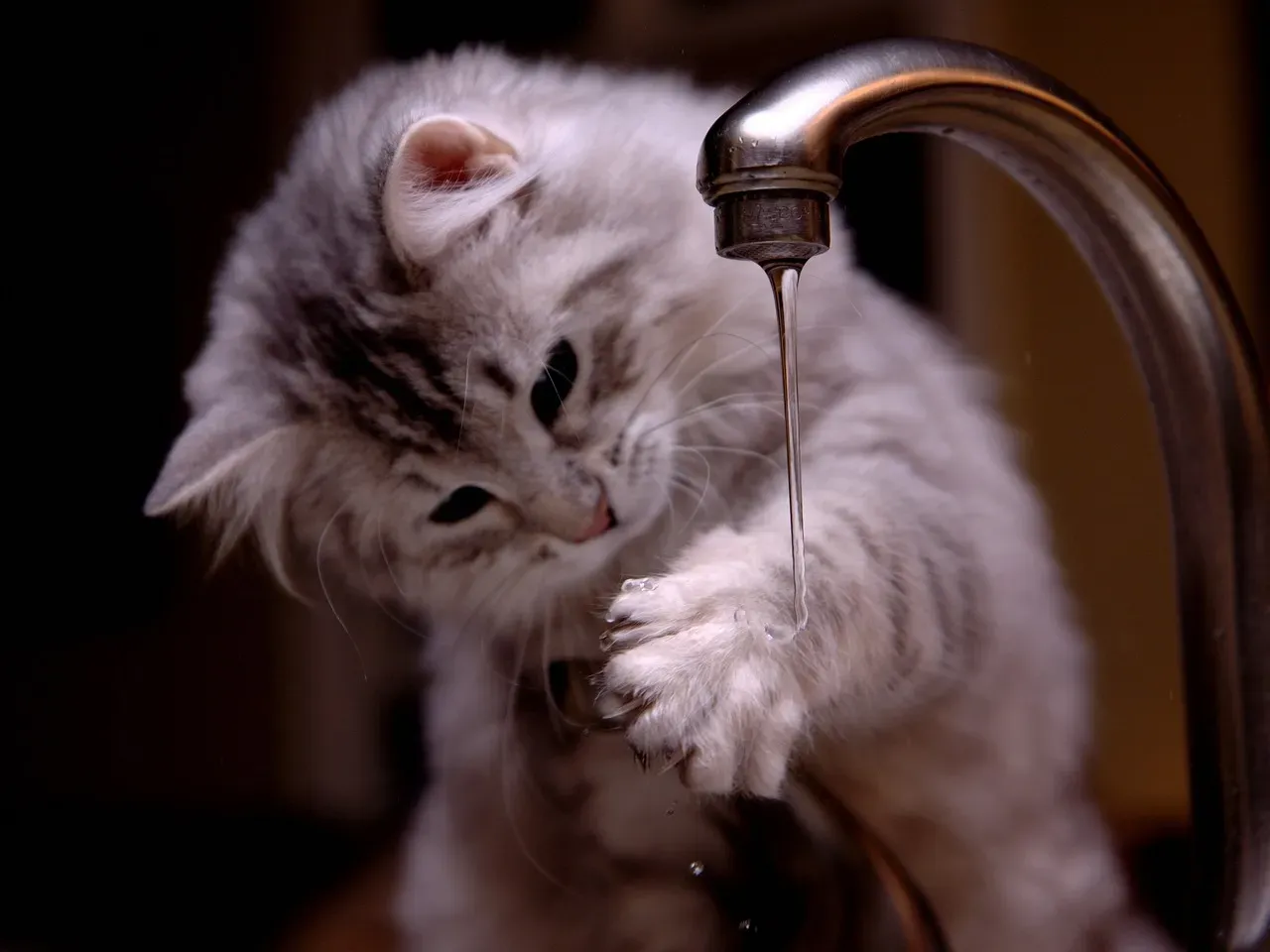
Cats are naturally curious creatures, and the sound and movement of running water can be genuinely intriguing to them. Drinking from the faucet may also be a form of play, as cats enjoy batting at the water stream or watching it flow. This behavior can provide mental stimulation and entertainment, making it a genuinely fun activity.
Like all of us, cats crave stimulation. Free-roaming cats spend their days patrolling and hunting, but indoor cats don’t have that ability. They have to find ways to entertain themselves inside, which can sometimes lead them to scratch at furniture or play in a running faucet. Finding ways to enrich their indoor environment can help prevent them from turning your sink into their latest toy. I think there’s something genuinely funny about a cat engineering its own enrichment activity out of your plumbing.
Why Your Cat Paws at the Water Before Drinking
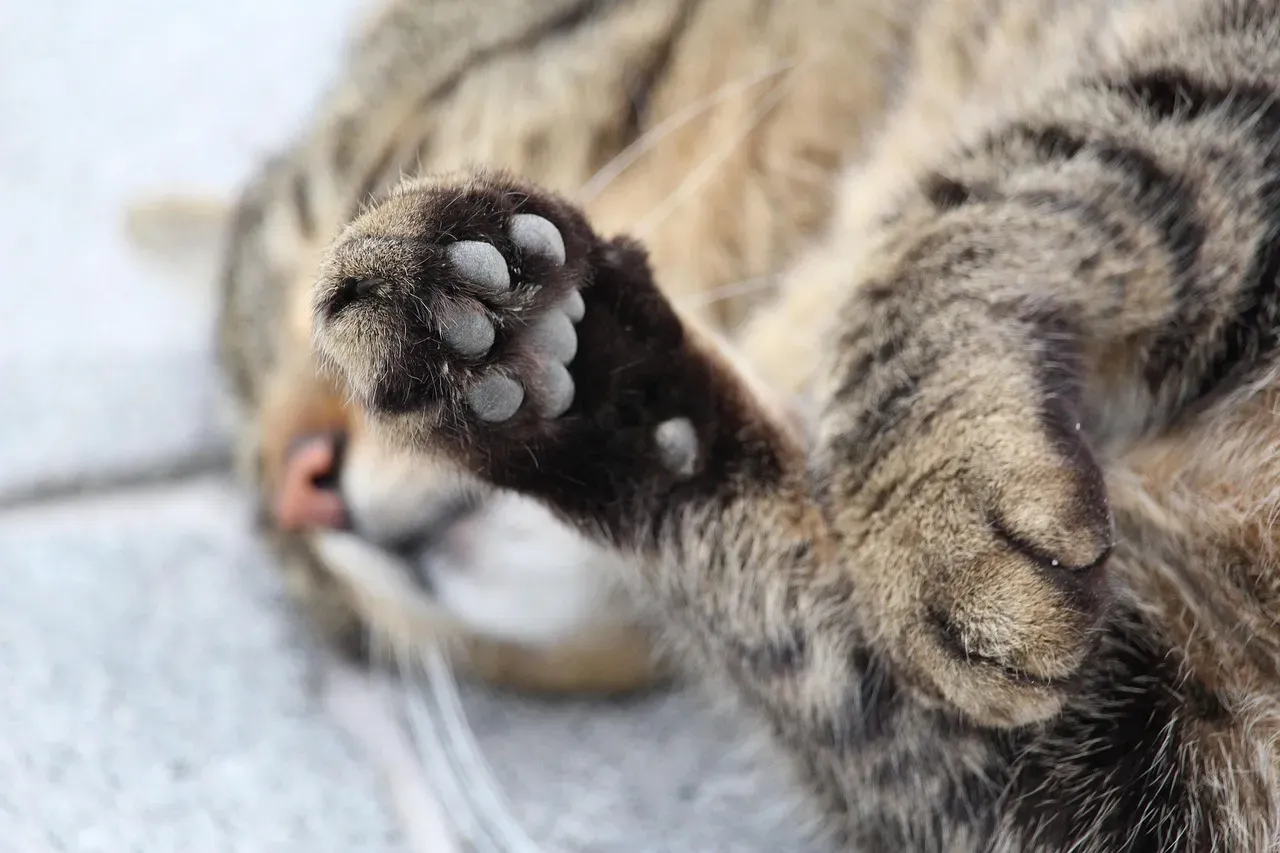
One reason your cat might dip their paw in their water is pure instinct. In the wild, cats do this to make sure water is safe. This is also why a cat will sometimes lick or sniff at their paw after sticking it in their bowl. In the wild, cats often drink from shallow streams or puddles, and touching the water helps them determine its depth, ensuring they don’t accidentally submerge their noses or faces while drinking.
Cats also have scent glands in their paws, and touching water might be a way for them to mark their territory. By leaving their scent in the water, they can claim it as their own, especially in multi-cat households where resources are shared. Many cats are also drawn to moving water because it’s often fresher and cleaner in the wild. By touching the water, they might be trying to create movement, mimicking the flow of a stream or river. This behavior can also indicate that your cat simply prefers running water over still water.
When Strange Drinking Habits Signal a Health Warning
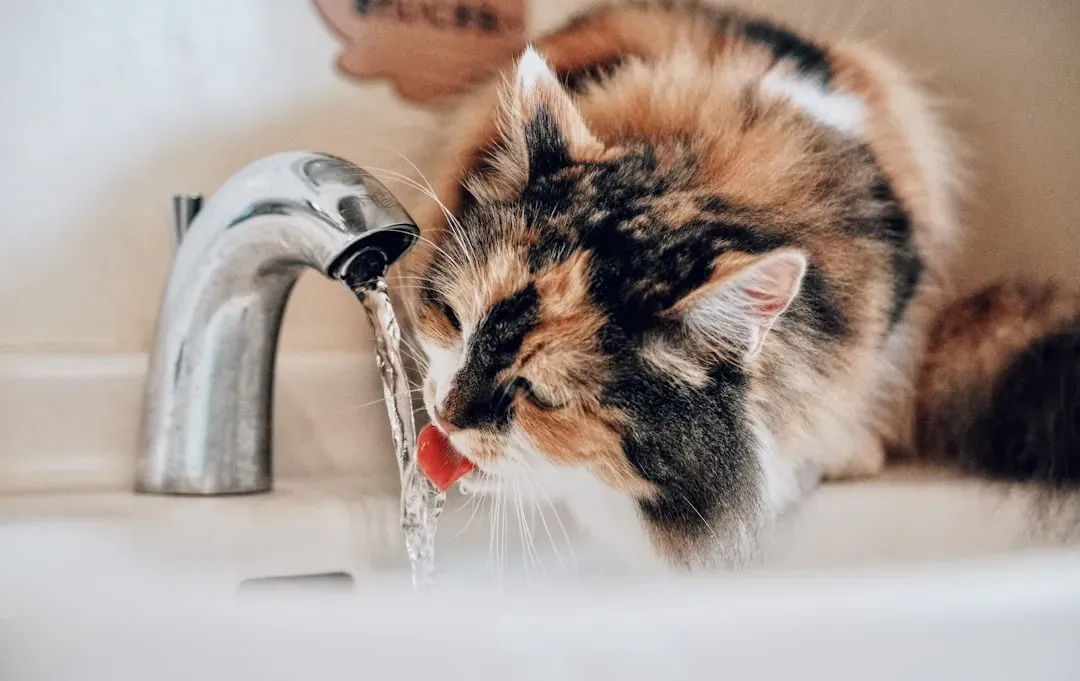
While drinking from the faucet is generally harmless, excessive thirst or changes in drinking habits could indicate an underlying health issue. If your cat suddenly starts drinking more water than usual or seems obsessed with the faucet, it’s a good idea to consult your veterinarian. Conditions such as diabetes, kidney disease, or hyperthyroidism can cause increased thirst in cats.
While occasional long drinking sessions are usually nothing to worry about, consistent or extreme changes in your cat’s drinking habits should not be ignored. If your cat is drinking water multiple times a day in unusually long sessions, or if they show other symptoms such as lethargy, weight loss, or changes in appetite, it’s time to seek professional advice. A veterinarian can perform tests to rule out any serious conditions and provide appropriate guidance. Honestly, when your cat’s behavior shifts noticeably – that’s always worth a vet call.
What You Can Actually Do About It
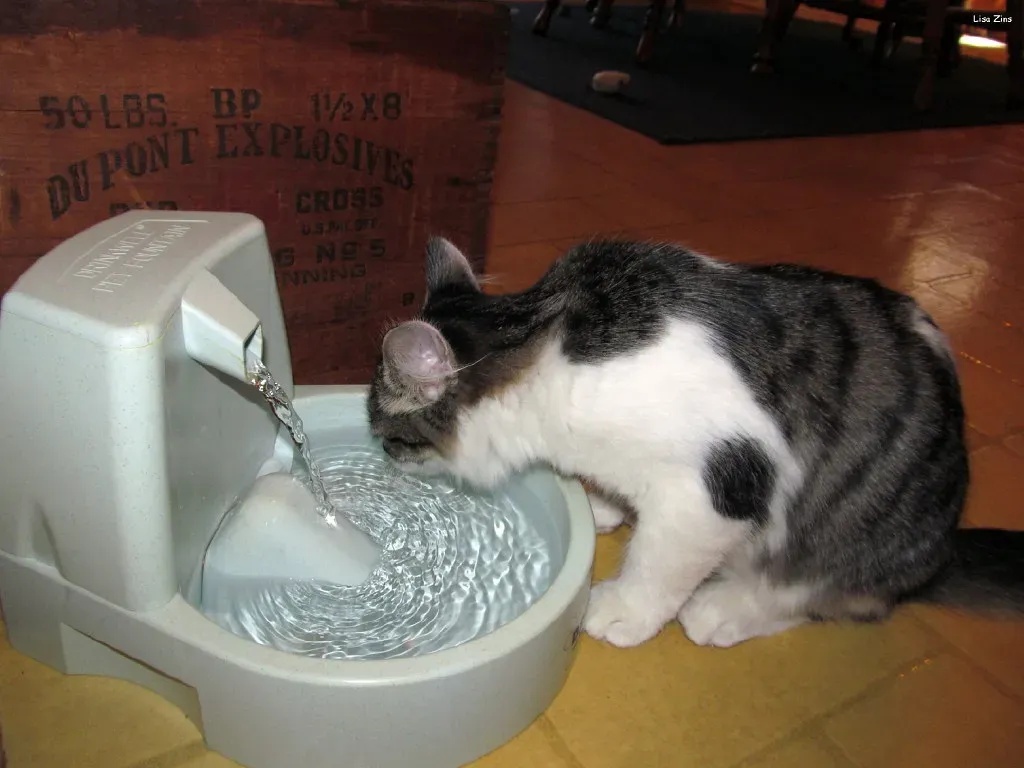
For concerned cat owners, one practical approach is to replace the water in the bowl every day, even if the cat did not drink all of it. You should also provide multiple drinking options by placing at least two water bowls in the areas where your cat spends most of the time, using different types of bowls to see what they prefer.
If your cat has a flowing water preference, try a high-quality pet fountain filled with filtered or distilled water. An added benefit of fountains is that cats tend to drink more water than those who have only standing bowls, which actively improves their health. The position required to drink from running water is also more natural for cats – they can keep their heads up and maintain better awareness of their surroundings while drinking, which aligns with their instinctive need to stay alert for potential threats. A fountain, placed in a quiet spot away from their food, is genuinely one of the best upgrades you can make for a cat that’s giving your faucet the eye.
Conclusion
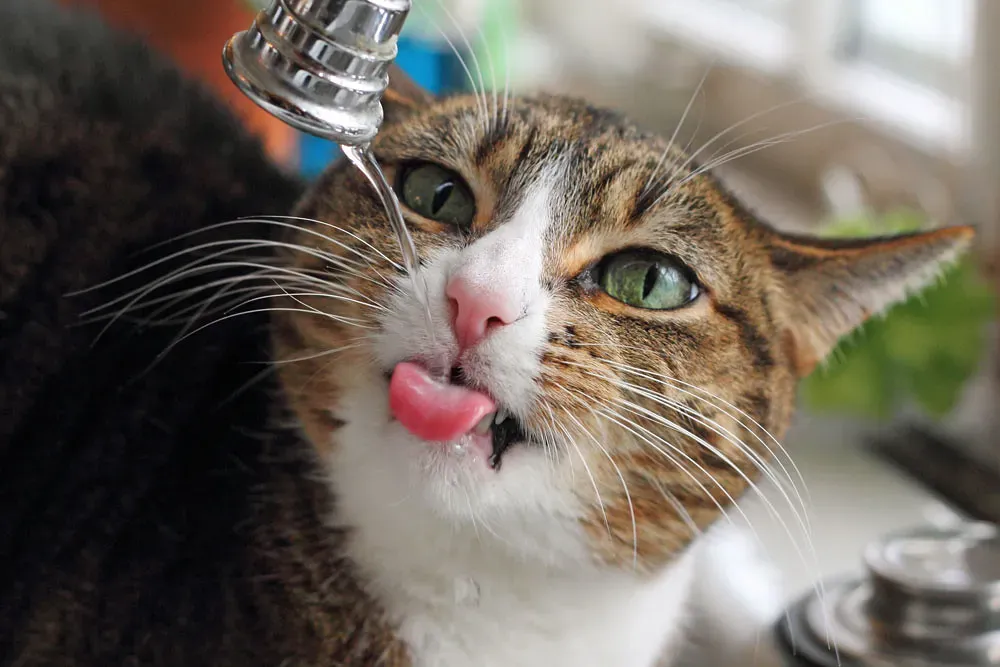
Your cat isn’t being dramatic or difficult when they ignore their water bowl and beg at the faucet. They are, in a very real sense, being exactly what millions of years of evolution shaped them to be – cautious, sensory-driven, and deeply wired to seek out what feels safe and fresh. Every paw tap, every counter climb, every stolen sip from your glass tells a story about where cats came from.
The best thing you can do is work with those instincts rather than against them. Try a fountain, move the bowl away from food, switch up the material, and refresh the water daily. Meet your cat halfway, and you might just find they’ll meet you there. After all, a well-hydrated cat is a healthier cat – and really, isn’t that what all the faucet theater was about to begin with? What peculiar water habit does your cat have? Tell us in the comments.