You’ve probably been there. You walk into a pet store with the best intentions, ready to spoil your furry companion. You scan the aisles, comparing toys, reading reviews in your head. Finally, you settle on something magnificent – a plush mouse with feathers, battery-powered movements, maybe even a little bell inside. You bring it home, present it with pride, and your cat glances at it, sniffs once, and walks away.
Later that evening, you find the same cat absolutely losing their mind over a hair tie. They’re batting it across the floor, pouncing, carrying it around like they’ve just caught the world’s most elusive prey.
What gives? Let’s dive in.
The Instinct Never Left

Here’s the thing. Your cat might lounge on your couch and eat from a ceramic bowl, but deep down they’re still wired like a hunter. Domestic cats have a strong hunting instinct leftover from when they needed to hunt to survive, and even though our pet cats don’t need to hunt to eat, their instinct to chase and hunt remains strong.
Cats are curious creatures, and they love to explore and hunt – when they jump inside a box or bat a hair tie around your house, they’re just following instinct. That hair tie? It’s light, it flies unpredictably when smacked, and it mimics the erratic movements of small prey. Honestly, to your cat, it’s a perfect stand-in for a mouse darting across the floor.
The springy, unpredictable movement of elastic bands mimics the erratic motion of small prey like mice or insects. The expensive toy with its scripted movements? Not so much.
Texture Tells a Story

Depending on the hair tie, your cat might be attracted to the texture of it – some are fluffy, which can mimic a prey animal, some make crinkly sounds that can attract your cat’s interest, and many are soft, which are tactile to your cat’s soft paws. Think about it. Your cat explores the world through touch just as much as through sight or smell.
Those plush toys? Sure, they’re soft. Sometimes, though, they’re just boring. Hair ties offer a unique combination of textures and sensations that cats find irresistible – the elastic material provides an interesting mouth-feel when chewed, while the fabric covering offers tactile stimulation for sensitive cat paws.
A hair tie stretches, it has resistance, it snaps back. Every interaction offers something different. Meanwhile, that fancy feathered mouse might feel the same every single time.
Movement Matters More Than You Think

When a cat bats at a hair tie, it often flies across the surface at a fast speed, causing the cat to instinctively chase it. And that’s key. Speed. Surprise. Chaos. These are the ingredients of a successful hunt in the wild. Your cat doesn’t want a toy that rolls in a predictable arc or squeaks on cue.
Hair ties’ unpredictable bouncing and rolling movements mimic small prey animals, triggering a cat’s predatory response, and the way they can be batted, chased, and captured perfectly simulates natural hunting behavior. That fancy motorized mouse that circles the same path over and over? Your cat figured it out in three seconds and lost interest.
Let’s be real: if you could predict every move your dinner made before catching it, you’d get bored too.
Size and Proportion Play a Role
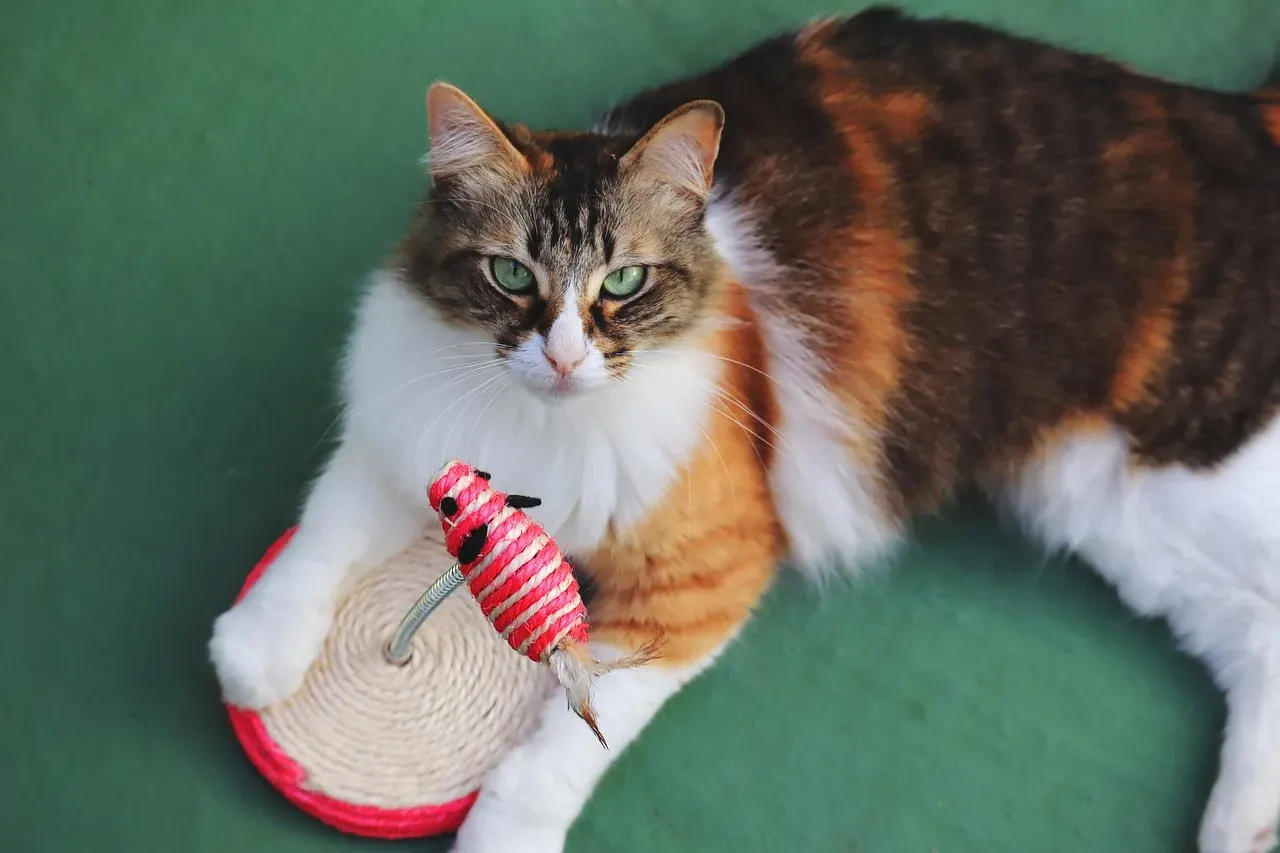
When cats were presented with toys both small and large, cats tended to prefer smaller toys similar in size to a mouse. That oversized plush toy shaped like a fish? It might look adorable to you, but to your cat, it doesn’t compute. It’s too big to be prey and too soft to be a challenge.
The perfect toy size mimics a mouse, small bird, or large insect – creatures that represent achievable victories in the wild. A hair tie? It’s tiny. Portable. Your cat can carry it in their mouth, toss it in the air, hide it under the couch, and “rediscover” it later. It checks all the boxes.
Novelty Is a Drug
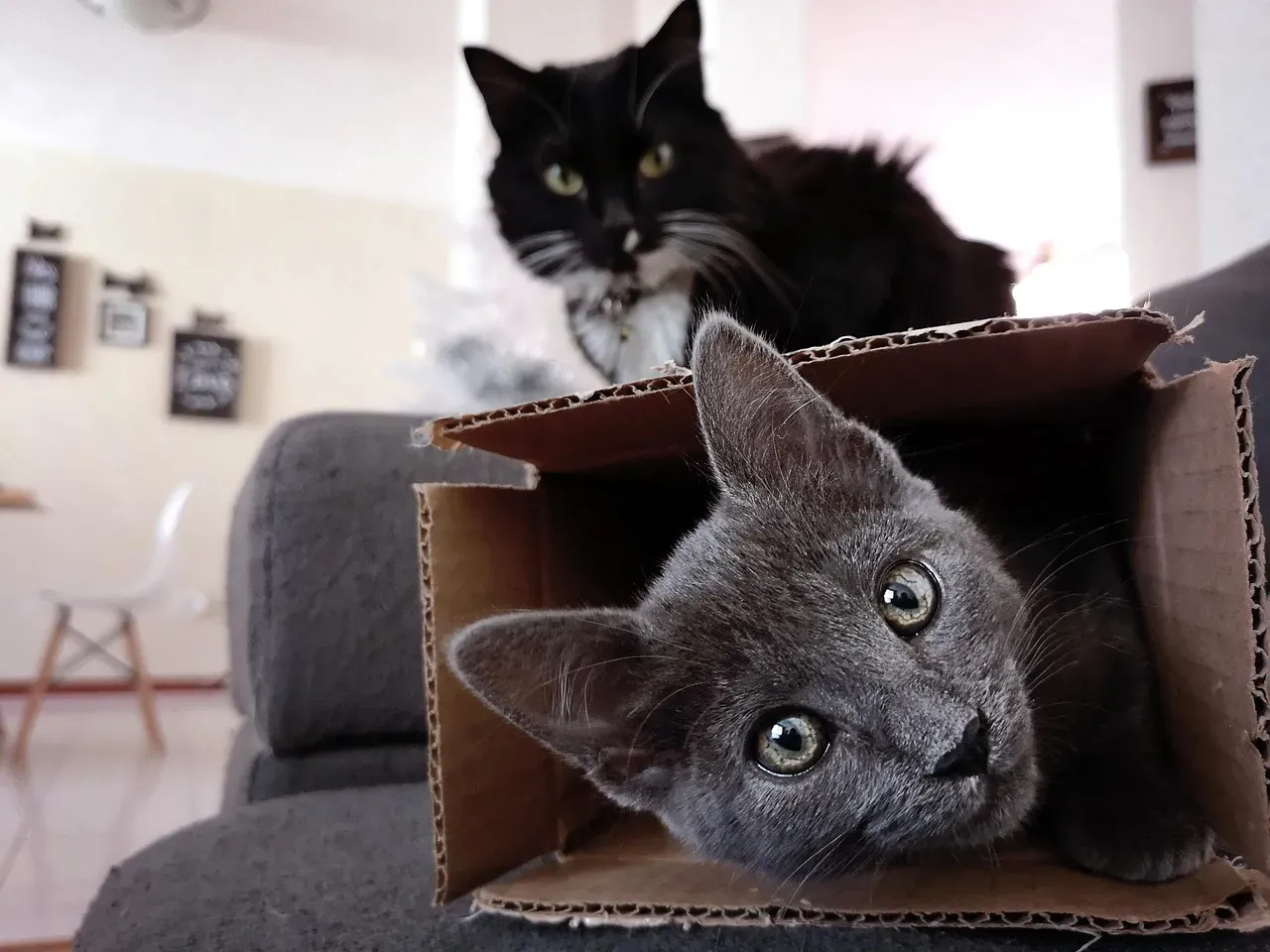
Providing novelty can help build interest and value in toys. Cats are curious by nature, and new things grab their attention instantly. That’s why your cat goes wild for a cardboard box the moment you bring one home, only to ignore it a week later.
It’s not that your cat is ungrateful. It is more common for cats generally to be neophilic, as carnivorous animals tend to want to diversify their diet, or seek out foods that help them to achieve a better nutritional balance – this behaviour is part of a strategy for food selection. The principle applies to play too.
You bought that fancy toy a month ago. Your cat played with it twice and then it became part of the furniture. The hair tie you dropped this morning? Brand new mystery object. Game on.
Scent and Familiarity Create Connection
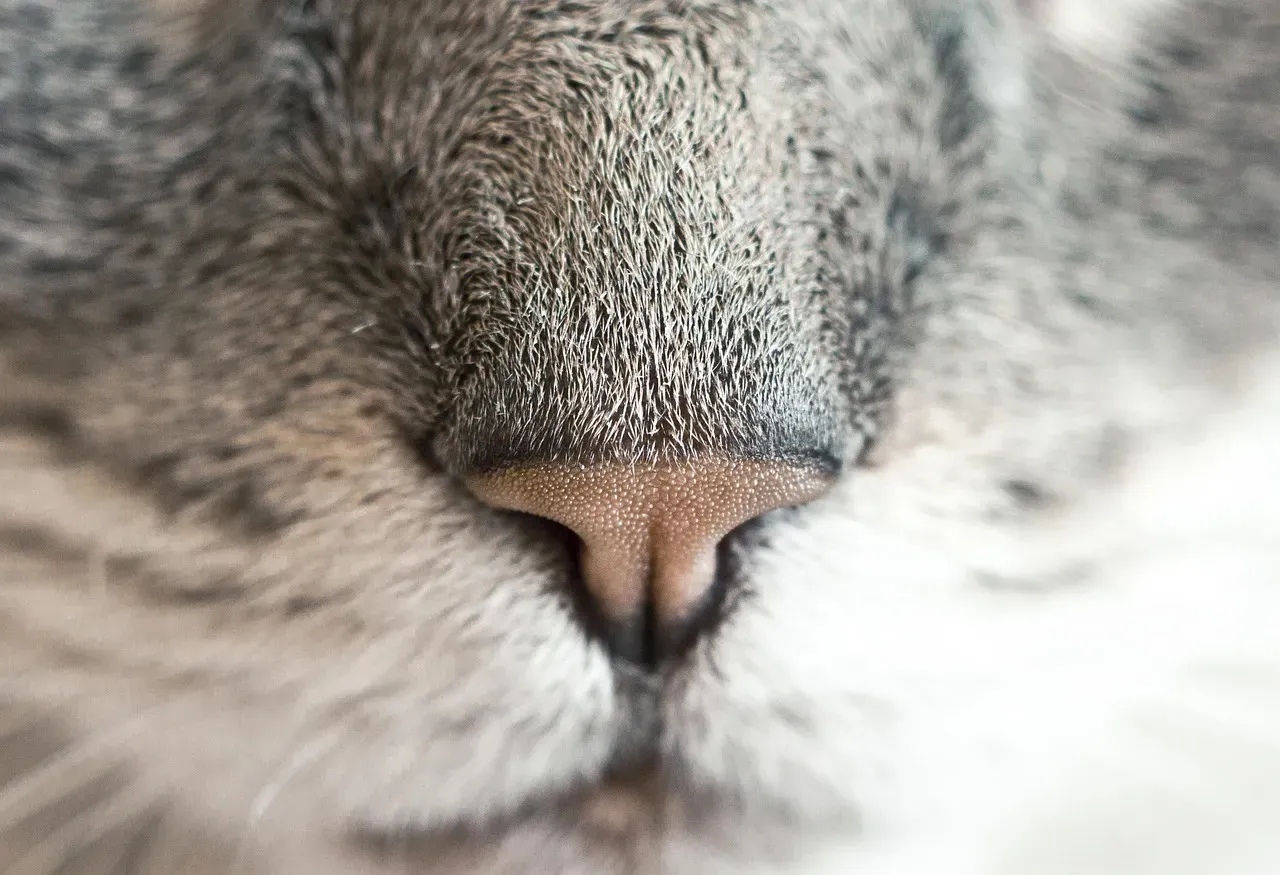
Cats may like the comforting scent of their owner on the hair ties – cats have an extremely well-developed sense of smell, with far more olfactory receptors than humans have, and in fact, a cat’s nose is almost 40 times more sensitive than ours. So when your cat finds your hair tie, they’re not just finding a toy. They’re finding you.
Hair ties often retain their owner’s scent, making them even more appealing to cats who are strongly bonded with their humans. That bond matters. It turns a simple elastic band into something emotionally engaging, something that connects playtime with the person they trust most.
Simple Beats Complex Every Time

There’s a lesson here about overstimulation. Cats don’t need flashing lights or robotic movements to be entertained. Sometimes, less really is more. Cats often play more with toys that behave like prey trying to flee than with toys that mimic confrontational prey by moving towards the cat.
That battery-powered toy that charges at your cat? Stressful. The hair tie that skitters away when they smack it? Perfect. One feels like a threat. The other feels like success waiting to happen.
The Power of Sound
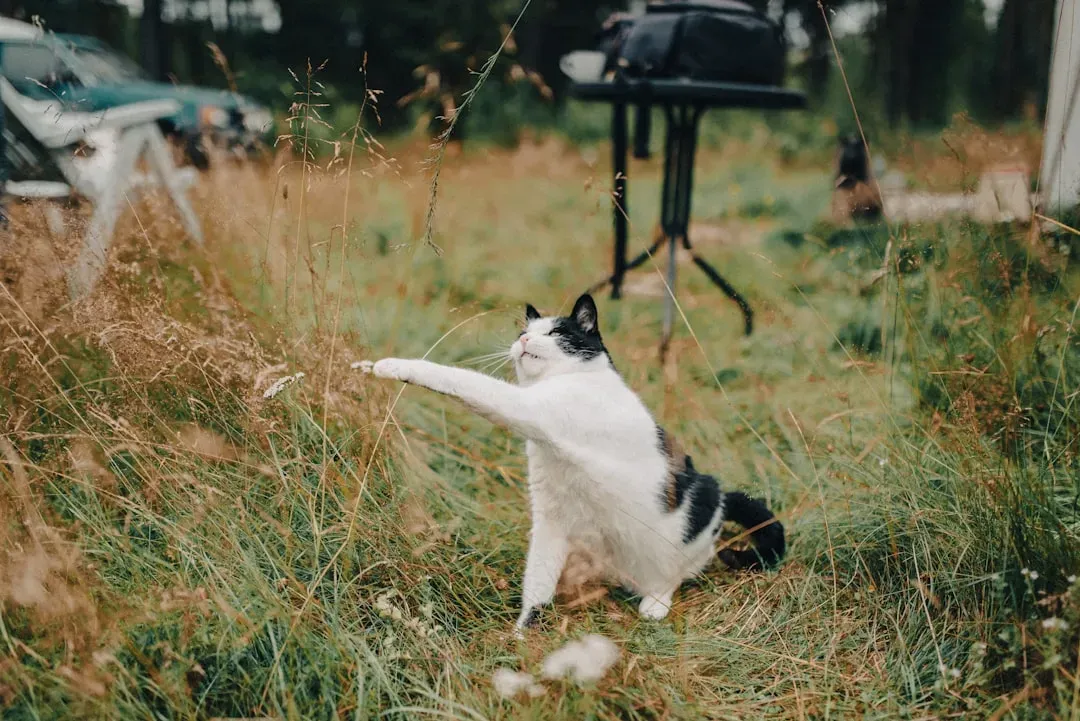
Some hair ties have hard bits and bobbles that make sounds as they slide and bounce on hard surfaces, and that sound may spark your cat’s interest. Cats have incredible hearing. They can detect frequencies far beyond what we can, and even the faintest rustle can trigger their hunting instincts.
Being able to hear high-pitched sounds is essential for hunting – most of a cat’s prey, including mice and birds, make high-pitched noises. A hair tie sliding across a hardwood floor? It makes just the right kind of subtle noise to flip that predatory switch in your cat’s brain.
Your plush toy might squeak when squeezed, but it doesn’t whisper across the floor like real prey would.
Playtime Is About Control and Success

Success rate is important in play – a cat that catches its prey every time soon gets bored, and a cat that is never successful at capture can lose interest, with the ideal hunting success rate being one successful capture for every three to six attempts. Your cat needs to feel like they’re earning their victory.
A hair tie offers just the right balance. It’s tricky enough to be engaging but catchable enough to be satisfying. That fancy automatic toy that never stops moving? Frustrating. Your cat can’t ever truly “win,” and eventually, they’ll give up.
Victory feels good. And your cat wants to feel like the apex predator they were born to be.
Stress Relief and Emotional Outlet
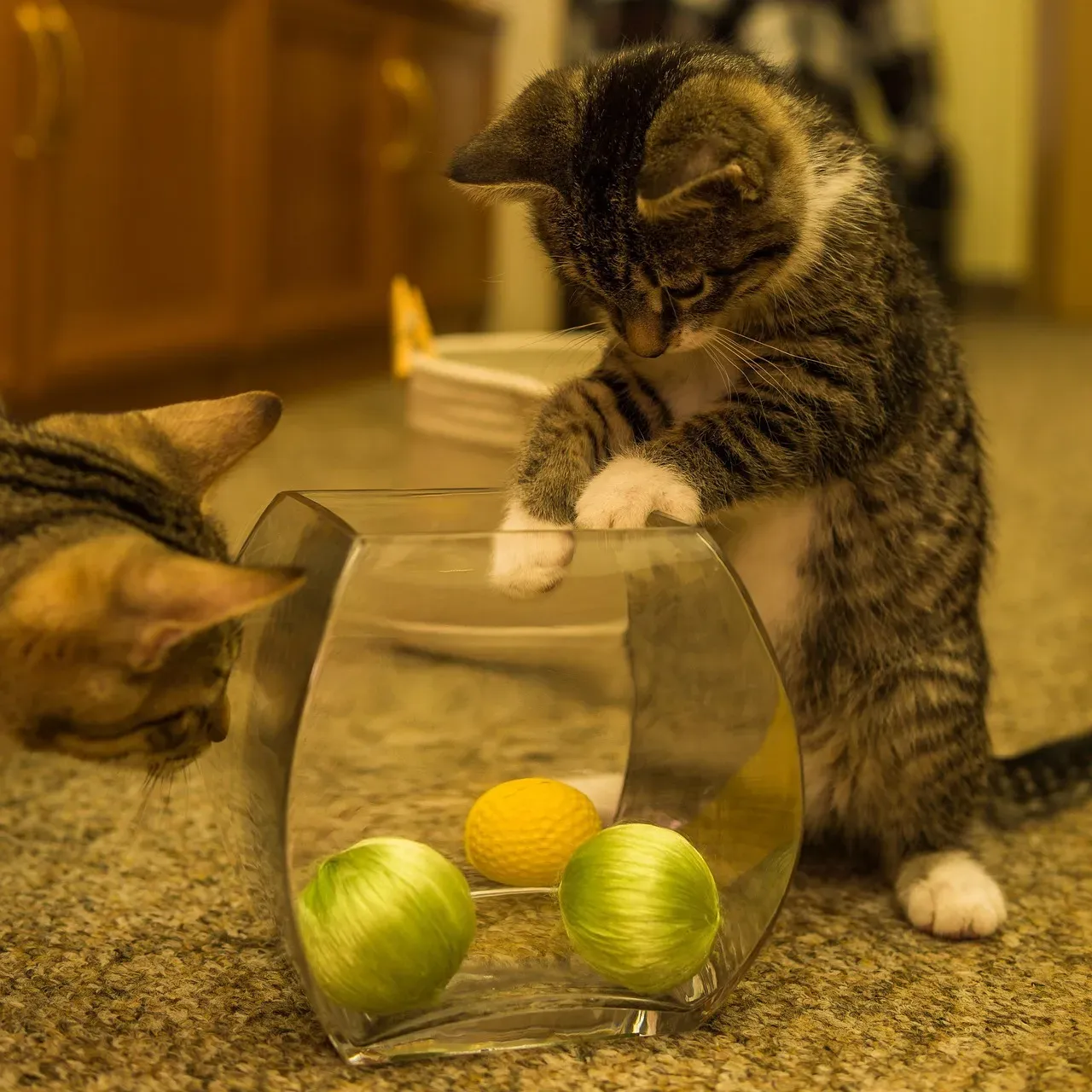
Play is an important part of relieving stress for cats as it releases those feel-good hormones, and a hair tie may be the sort of play that your cat enjoys. Life indoors can be monotonous for a creature built to stalk, chase, and capture. Play isn’t just fun for your cat. It’s essential.
When your cat grabs a hair tie and goes into full hunter mode, they’re not just entertaining themselves. They’re working through instincts, burning energy, and managing stress. Cats will release stress by playing – to them, it is a distraction and can help them get back in a playful mood and away from whatever the stressor may have been.
That expensive toy might be pretty, but it doesn’t always hit the same emotional notes.
Conclusion
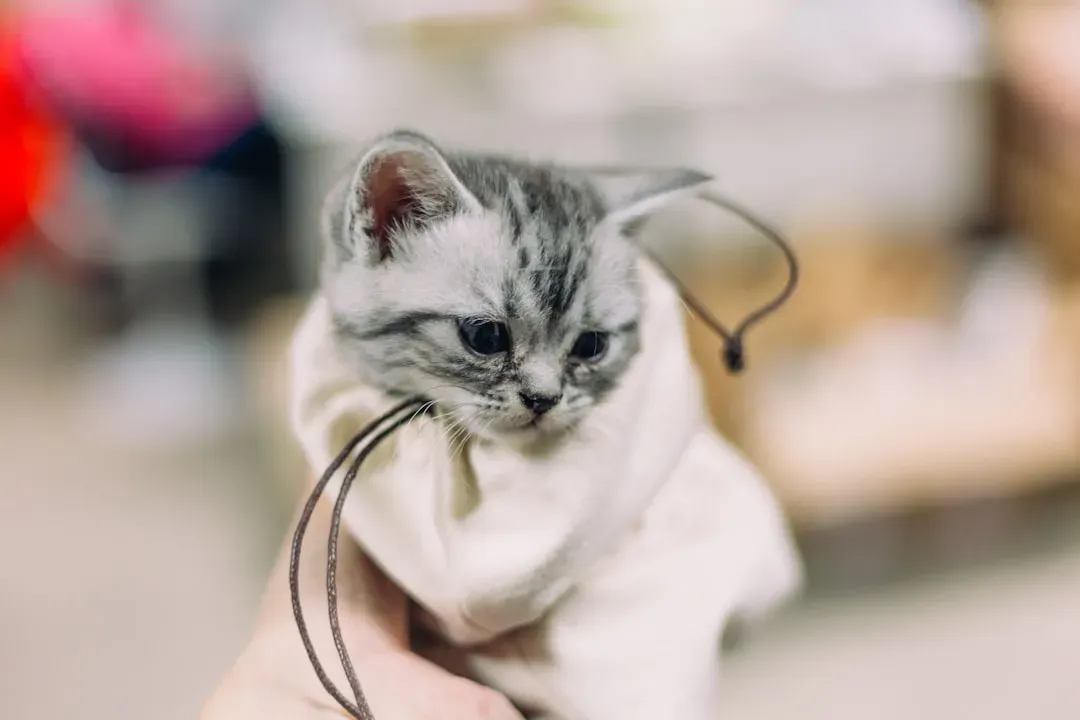
So why does your cat ignore the fancy toy and obsess over a hair tie instead? Because that little elastic band offers everything a cat craves: unpredictability, the right size, engaging textures, sounds, movement that mimics prey, and a dash of your scent for good measure. It’s not about the price tag. It’s about instinct, engagement, and the thrill of the hunt.
Next time you’re tempted to splurge on another high-tech gadget for your feline friend, remember this: sometimes the best toy is the one you didn’t even know you were offering. What does your cat’s favorite “toy” say about their personality? Have you noticed them gravitating toward everyday objects more than store-bought ones?

Hi, I’m Andrew, and I come from India. Experienced content specialist with a passion for writing. My forte includes health and wellness, Travel, Animals, and Nature. A nature nomad, I am obsessed with mountains and love high-altitude trekking. I have been on several Himalayan treks in India including the Everest Base Camp in Nepal, a profound experience.