You’ve probably noticed it a hundred times. Your cat walks past three perfectly good cushions, ignores the expensive bed you bought specifically for them, and settles into that one spot again. The corner of the couch. The exact patch of sunlight on the kitchen floor. The top of the refrigerator. Every single time.
It’s easy to chalk this up to quirky cat behavior, but here’s the thing – your cat is not being random. There’s a whole universe of evolutionary biology, territorial instinct, sensory science, and emotional psychology packed into that seemingly innocent choice. The reasons behind your cat’s obsession with one particular spot are deeper, stranger, and honestly more fascinating than you might imagine. Let’s dive in.
Your Cat’s Spot Is a Scent-Soaked Territory Map
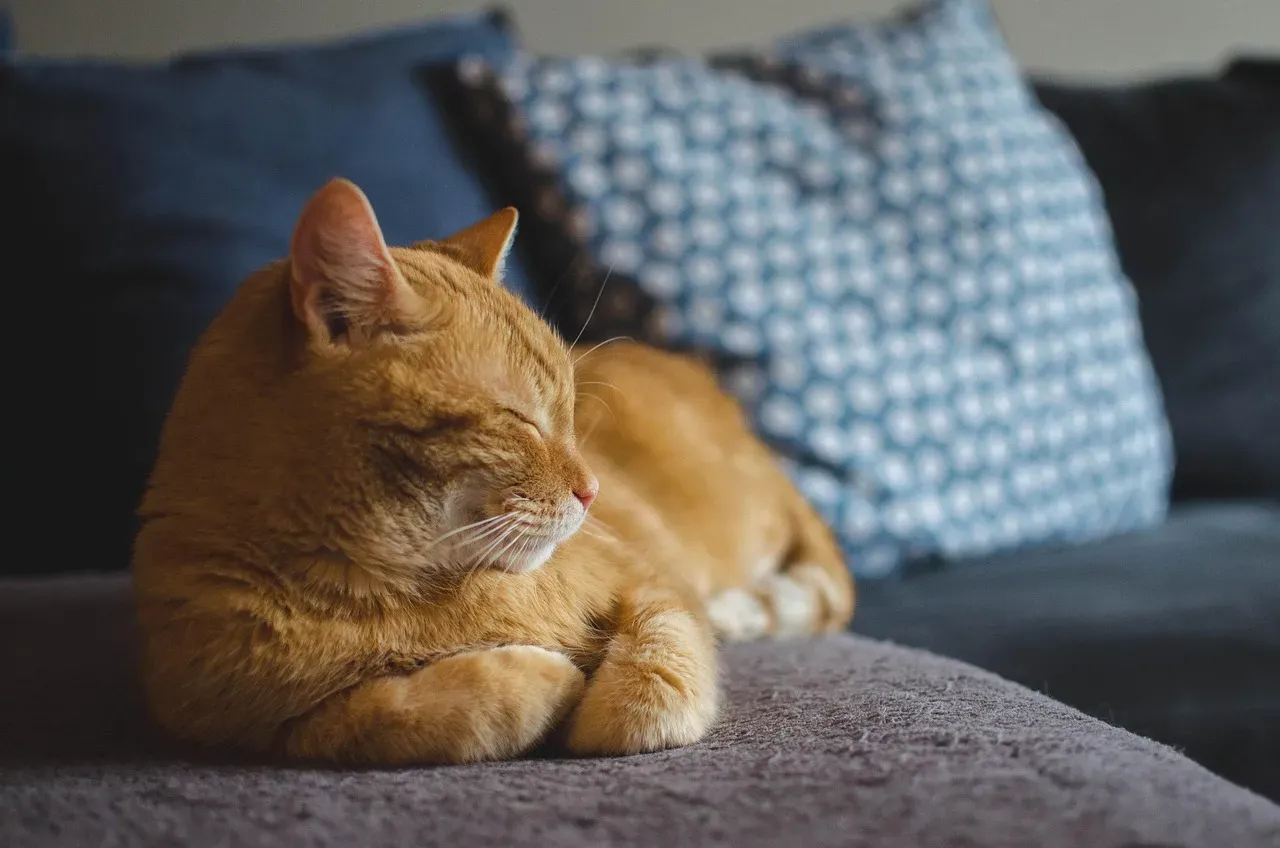
When your cat returns to the same spot over and over, they’re not just getting comfortable – they’re reinforcing ownership. As cats move about, the scent glands on their feet leave pheromone deposits, and there are also scent glands in the cheeks, the chin, the top of the head, and the base of the tail. Every time your cat sits, rubs, or scratches in their favorite spot, they’re essentially restamping their signature on the world.
The particular spot contains a lot of your cat’s own scent. For cats, scent is their “spatial reference tool,” and certain places and items create their “cat space,” giving them security. Think of it like how humans feel grounded in a familiar bedroom, except for your cat, the connection is entirely chemical and profoundly primitive. Their favorite spot smells like them, which means it feels like safety.
The Territorial Instinct Running Beneath the Surface
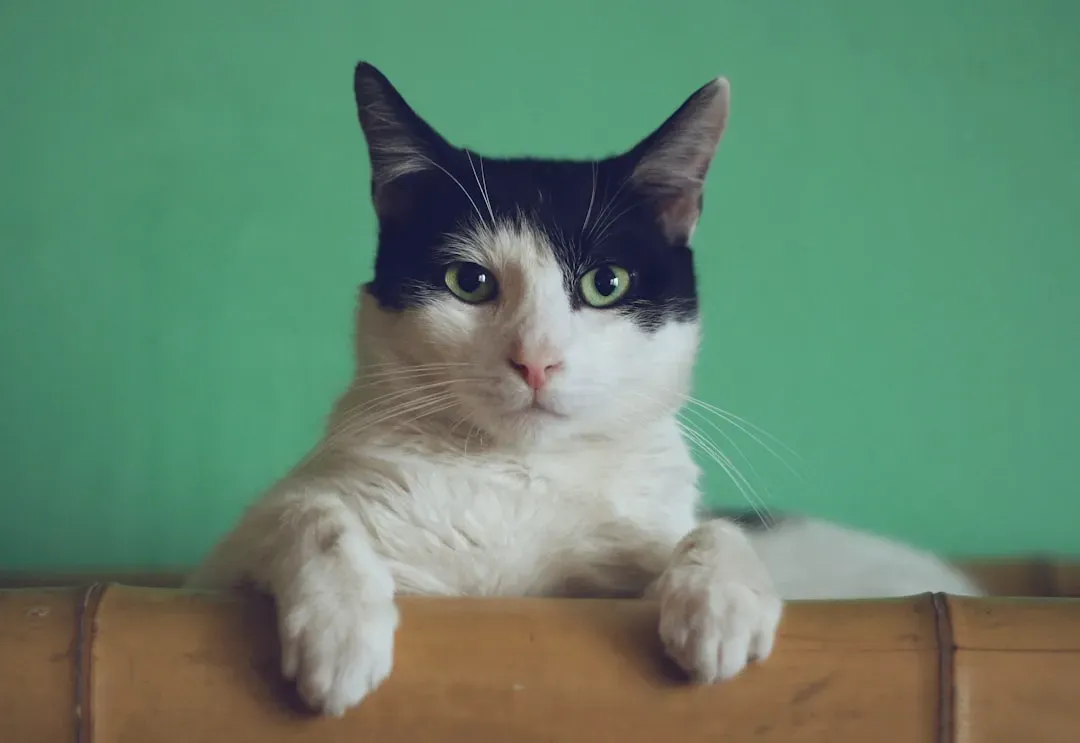
Cats don’t just mark territory for the sake of claiming things – they do it to feel safe, reduce stress, and communicate with other cats. That spot your cat monopolizes isn’t just a lounging zone. It’s a declaration. It’s a living, scent-laden billboard that says, “I was here, I am here, and this is mine.”
Favorite places cats scratch to mark are commonly used entrances and exits to the home, the main front door entrance, their favorite sleeping areas, and any boundary that they feel is being challenged in some way. So when your cat keeps returning to that specific corner or doorframe, they’re not being stubborn – they’re being a feline security guard. It’s deeply instinctive, and honestly, kind of impressive.
Warmth Is Everything – And Your Cat’s Body Demands It
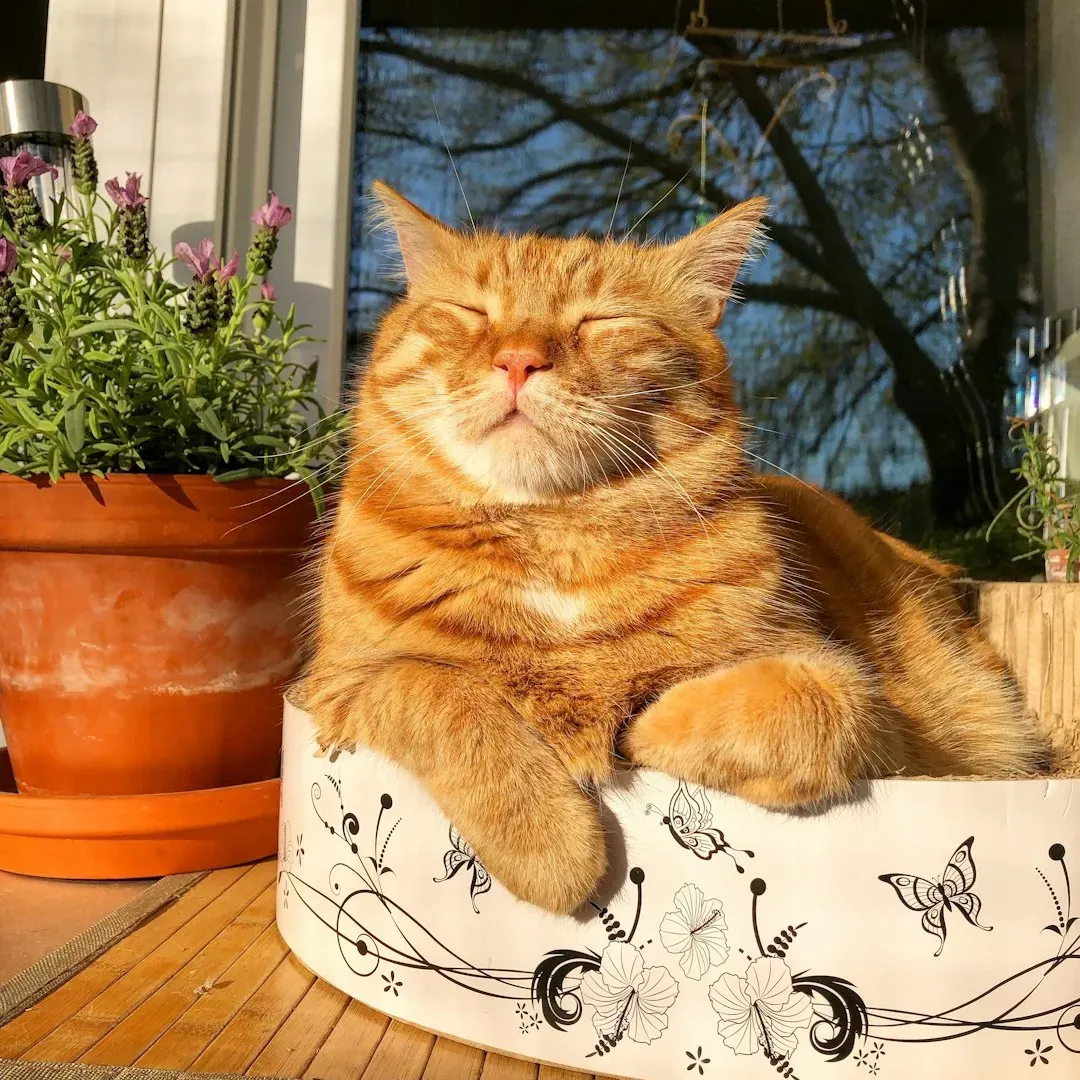
Let’s be real: warmth plays a massive role in your cat’s spot obsession. A cat’s natural body temperature is 102°F, which is significantly warmer than our body temperature of 98.6°F. Because of this higher baseline, cats are constantly on the hunt for environments that match their internal thermostat. That sun-warmed patch of floor your cat loves? That’s basically a spa treatment to them.
The domesticated cat is a descendant of wild desert cats from Egypt in the Neolithic and Classical periods. If you know anything about life in the desert, you know that temperatures are high during the day and very cold at night. Like their Egyptian ancestors, domesticated cats are wired to seek warmth. Your cat isn’t being lazy when they park themselves on the warmest spot in the house – they’re following millions of years of hardwired survival coding.
The Psychological Comfort of a Scent-Familiar Space
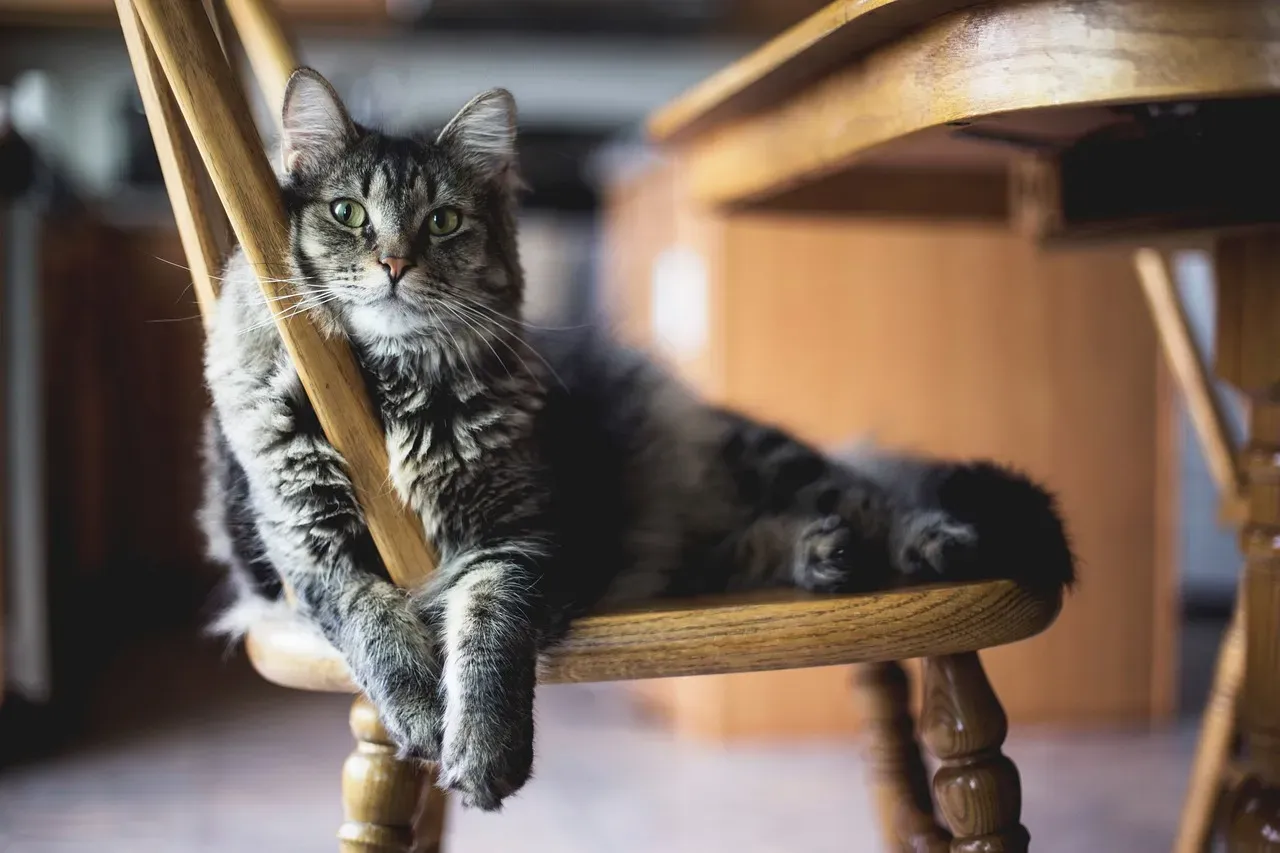
Cats use their scent glands to create familiar environments that help them feel secure. When your cat rubs against your furniture or legs, they’re creating a comforting scent profile that marks these items and people as safe and familiar. This isn’t just territorial behavior – it’s emotional regulation. A spot that smells strongly of your cat is, to your cat, a safe house in an uncertain world.
Warmth is also a psychological comfort for cats. It provides a sense of security and well-being, just like how a cozy blanket on a chilly evening feels comforting to us. Combine the psychological warmth of familiar scent with actual physical warmth, and you start to understand why that one spot holds such magnetic power. To your cat, it’s practically sacred ground.
The Elevation Obsession and the Need for a Vantage Point
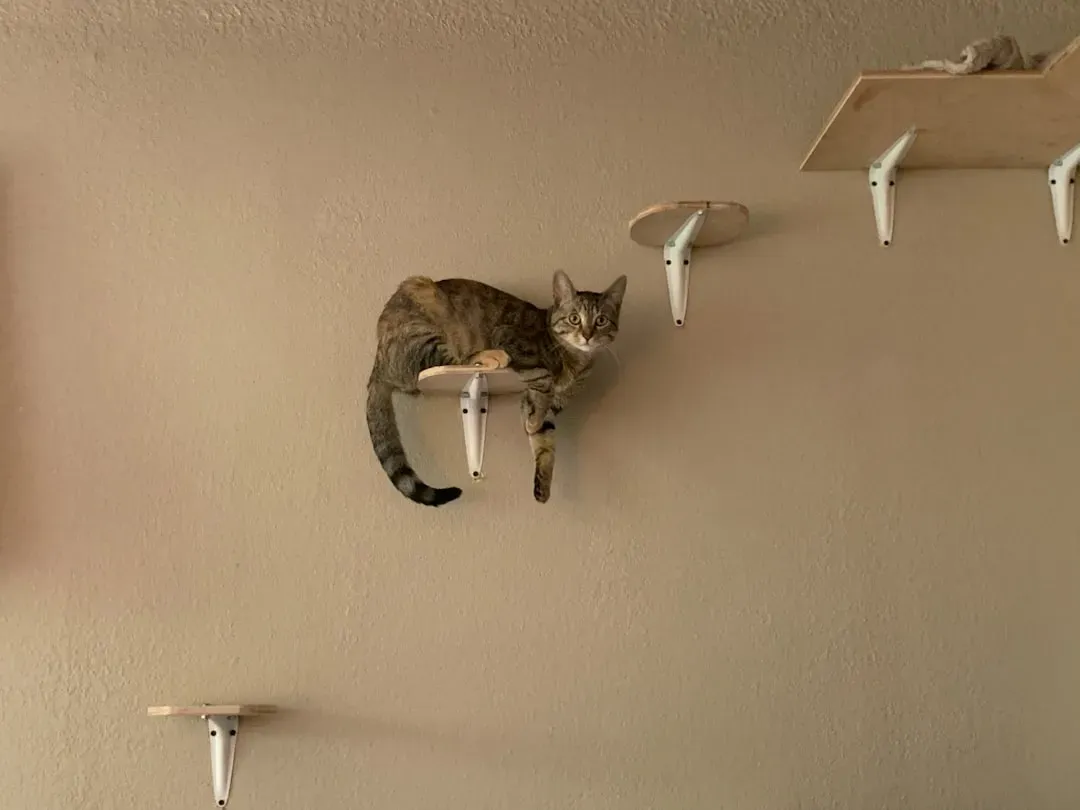
Have you ever noticed your cat’s favorite spot tends to be somewhere elevated? The top of the couch, a bookshelf, the windowsill? This is absolutely no accident. Cats’ love of heights can be traced back to their evolutionary history. Domestic cats are descended from wild ancestors, such as the African wildcat, who thrived in environments where survival depended on keen observation and strategic positioning. That refrigerator-top perch isn’t weird – it’s ancient.
Staying in higher places provides cats with more opportunities to seek shelter, and also gives them a better vantage point to watch for prey and to see if any predators are coming their way. A cat’s desire to seek higher ground comes from their desire to stay safe and increase their chances of survival. Your indoor cat faces no actual predators, of course. Yet their instincts haven’t gotten that memo. To them, the top of the bookshelf is still a fortress, and they’re the general surveying the kingdom below.
Stress, Anxiety, and the Retreat to Safety
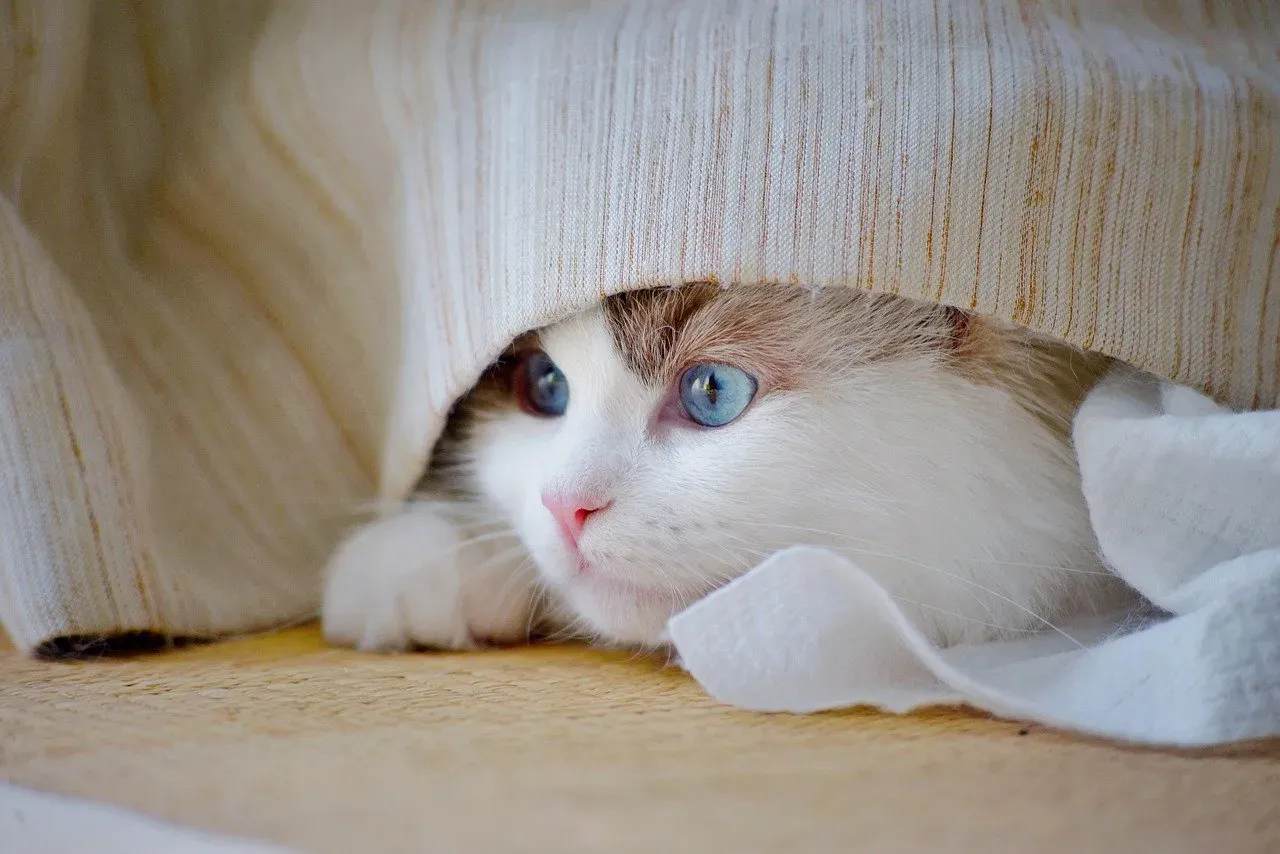
Cats tend to be creatures of habit who find comfort in predictability. When their normal routines get disrupted by changes like moving homes, introducing new pets, or having guests stay over, it can make them feel insecure and anxious. To cope, they may retreat to a spot where they feel safest. Think of their favorite spot as their version of a panic room – a defined, scent-soaked zone that represents everything familiar and unthreatening.
When a cat cannot retreat to a safe, enclosed space when feeling overwhelmed, stressed, or threatened, their stress hormones spike. Prolonged stress is a direct pathway to anxiety, fear, aggression, inappropriate urination or defecation, over-grooming, and many other undesirable behaviors. A good hiding spot is your cat’s primary stress management tool. This is genuinely important to understand. That spot your cat runs to during thunderstorms or when guests arrive isn’t them being antisocial – it’s them actively managing their own mental health.
Positive Associations and the Power of Habit
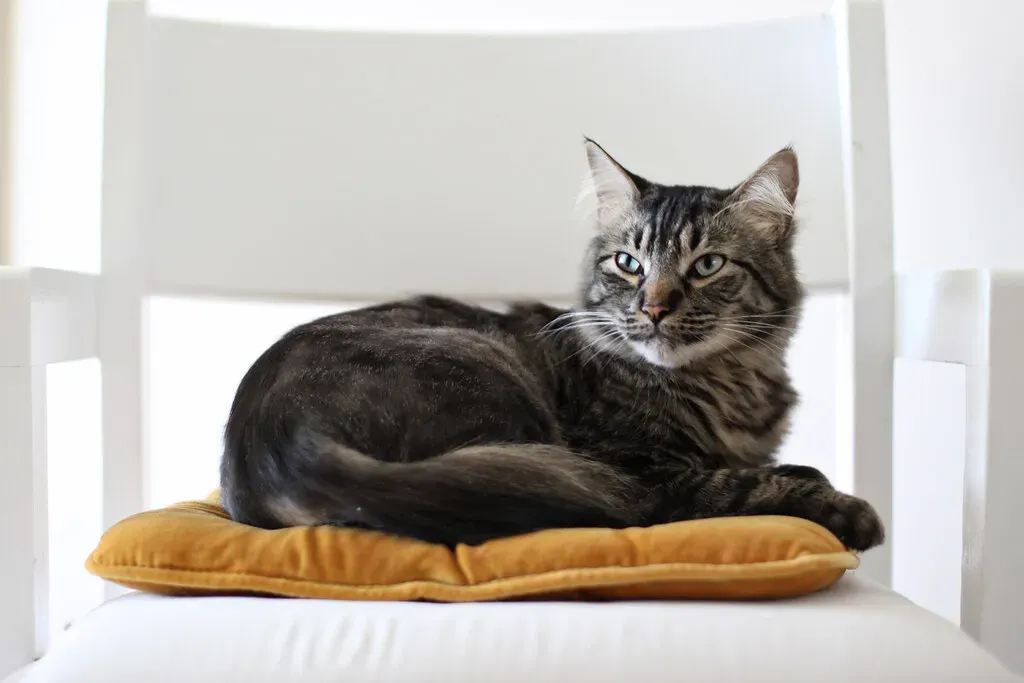
Here’s something that often gets overlooked: your cat’s obsession with a spot can also come down to simple, powerful positive association. Your cat has positive associations with the area, especially if it’s an area that they are usually fed, given attention, or played with. Cats are very habitual creatures. They are able to train humans as much as we can “train” them. So wherever they receive positive attention, especially food, they’ll likely return to those spots.
Your pet cat could honestly just be used to sitting in a certain spot, and it could simply be warm. Cats tend to stick to their schedules and habits, and while it could have started as just a warm spot to sit, it could now be considered one of the spots that they love to sit in. Like humans, cats crave familiarity and can be seen doing the same rituals and schedules. It’s a feedback loop – comfort leads to repetition, repetition creates habit, and habit becomes obsession. Sound familiar? Honestly, cats aren’t that different from us in this regard.
When the Obsession Might Signal Something More
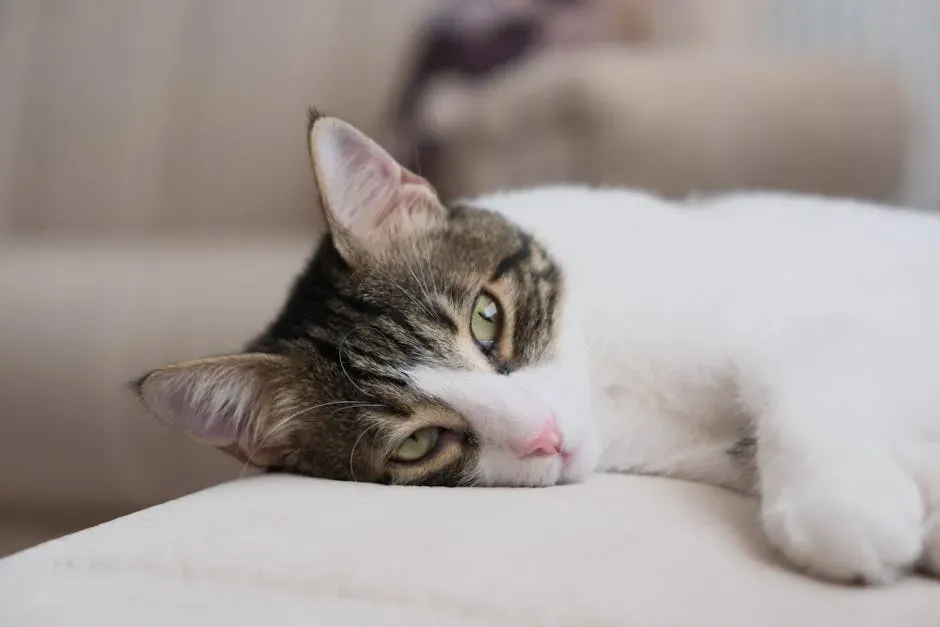
Now, not every spot obsession is purely behavioral or instinctual. Underlying medical conditions often cause sudden limited movement or unusual hiding behaviors in cats. Illnesses like kidney disease, hyperthyroidism, dental issues, and arthritis spark a great deal of discomfort, significantly reducing active time as cats instinctively conserve energy to heal. So if your normally social cat has suddenly glued themselves to one spot and seems uninterested in the rest of the world, it’s worth paying attention.
Vital signs to monitor include appetite levels, water intake, litter box usage, social interaction decreases, sleep pattern changes, and irritability. It’s hard to say for sure when a spot obsession crosses the line from quirky to concerning, but the key is change. Sudden behavior changes in cats can sometimes indicate an underlying medical issue like arthritis, dental problems, or hyperthyroidism. If the obsession came on suddenly and your cat seems withdrawn, a vet visit is the smart move.
How You Can Enrich Your Cat’s Spot-Seeking Behavior
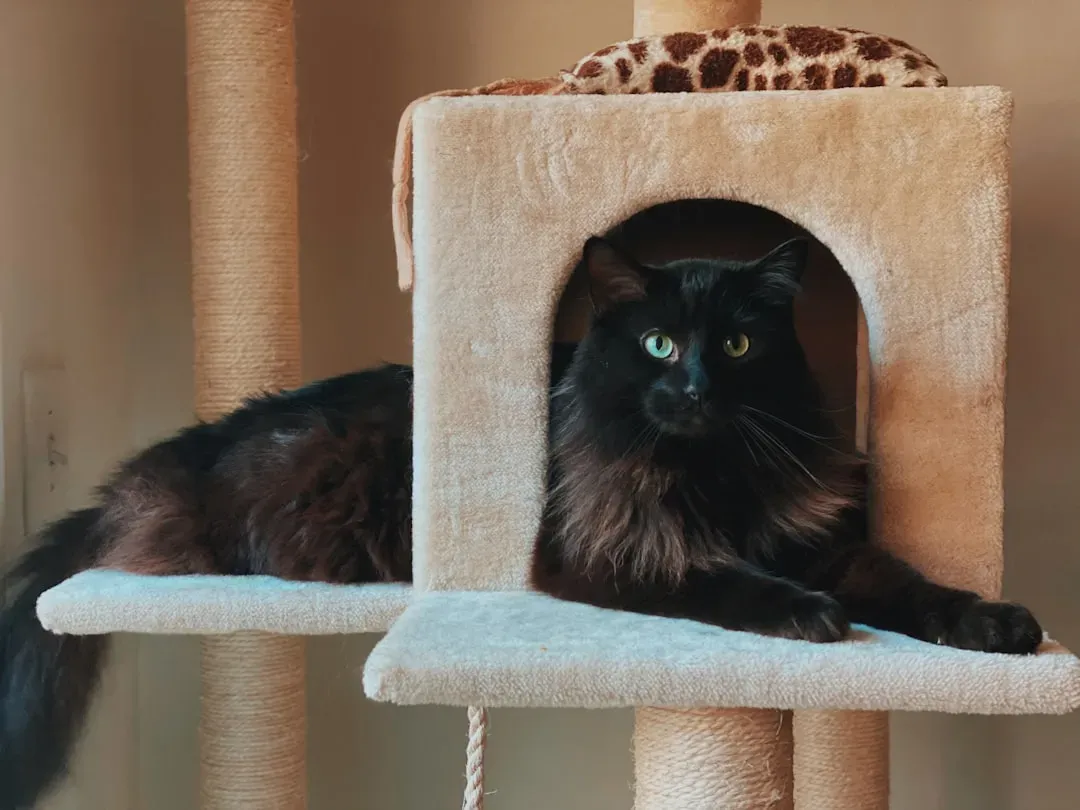
Understanding why your cat loves their spot means you can actually work with this behavior instead of against it. You can get cats to explore other areas of the home by providing more places for them to deposit their scent. Cats mainly spread their scent through scratching, rubbing, and by going to the litter box. Having more scratching posts and cat furniture is more beneficial than just having one or two. Give them more scent-real-estate to work with, and they’ll feel confident expanding their territory.
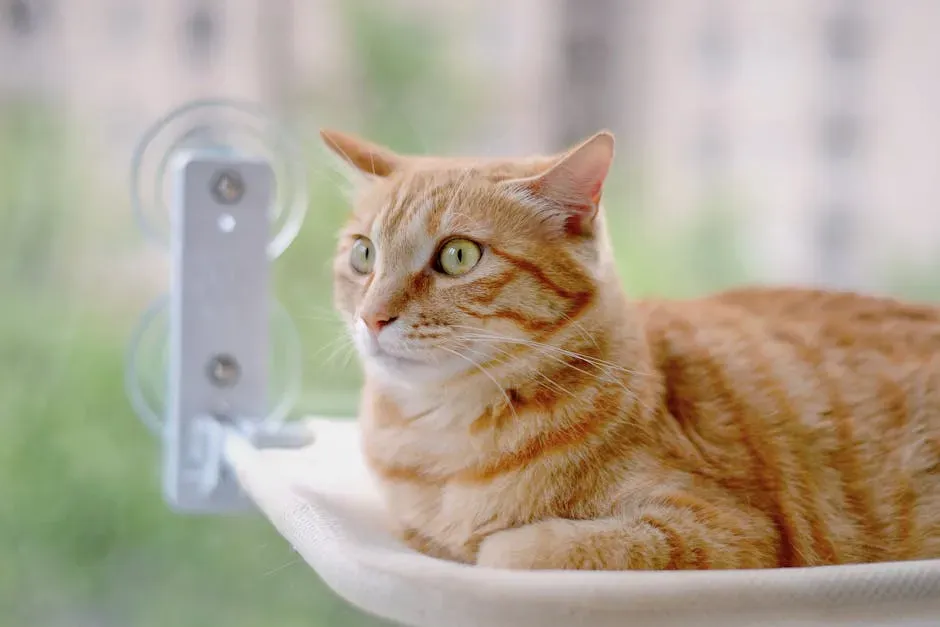
High perches and vertical spaces offer cats a sense of security and provide elevated vantage points from which they can observe their surroundings, mimicking the natural advantage that height provides to wild cats when hunting. Window perches allow cats to watch outdoor sights and sounds, which can satisfy some aspects of their hunting desire while providing mental stimulation. Investing in a good cat tree near a window is, honestly, one of the best things you can do for a cat’s wellbeing. It’s not just furniture – it’s a whole sensory world tailored to everything they’re wired to need.
Conclusion: That Spot Is a Window Into Your Cat’s Wild Soul
Your cat’s obsession with that one particular spot is not just about comfort, and it’s definitely not random. It’s a living expression of territorial intelligence, sensory awareness, evolutionary survival instincts, emotional regulation, and the deep, ancient need to feel safe and in control. Every time they settle into that spot, they’re not just resting – they’re telling a story written in scent, warmth, and wild ancestry.
The next time your cat refuses to share their sacred corner or reclaims the spot on the couch the second you stand up, try to see it through their eyes. You’re not looking at a stubborn or spoiled animal. You’re watching millions of years of feline evolution playing out in your living room. That’s something worth appreciating – even when they steal your seat the moment you get up to grab a snack.
Did you ever suspect so much was going on beneath the surface of that one favorite spot? Tell us in the comments – we’d love to hear where your cat has claimed their throne.