You’ve probably seen it before: your cat hunched over, making those unmistakable sounds before depositing something unpleasant on your carpet. It’s hardly the most glamorous part of cat ownership. While many people assume vomiting is just part of having a feline companion, the truth is a bit more complicated than that.
Your cat’s stomach upset might be telling you something important. Sure, sometimes it’s harmless, just your furry friend being a bit dramatic. Other times, though, that puddle on the floor could signal something that needs your attention. Let’s dig into what’s really happening when your cat throws up and why it matters more than you might think.
1. Hairballs: The Classic Culprit That’s Not Always Normal

Let’s be real, hairballs are probably the first thing that comes to mind when your cat vomits. As cats groom themselves constantly, they swallow loose fur that normally passes through the digestive tract, but when too much accumulates, it can form a hairball, leading to vomiting. If you’ve got a long-haired breed, you’re probably nodding along right now because you’ve seen these cylindrical wads of fur more times than you can count.
Here’s the thing, though. Many pet owners assume that cats just vomit hairballs sometimes, but Cornell Feline Health Center points out that vomiting of any kind should not be dismissed as a clinical sign of health problems. Healthy cats should not be vomiting hairballs frequently, and recurring hairballs over a short period can indicate over-grooming, which may signal stress, allergies, pain, or an underlying health condition. So if your cat is hacking up hairballs more than once a month, it’s worth having a chat with your vet. Think of frequent hairballs less as normal cat behavior and more as your pet trying to tell you something’s off.
2. Eating Too Fast: When Speed Becomes a Problem
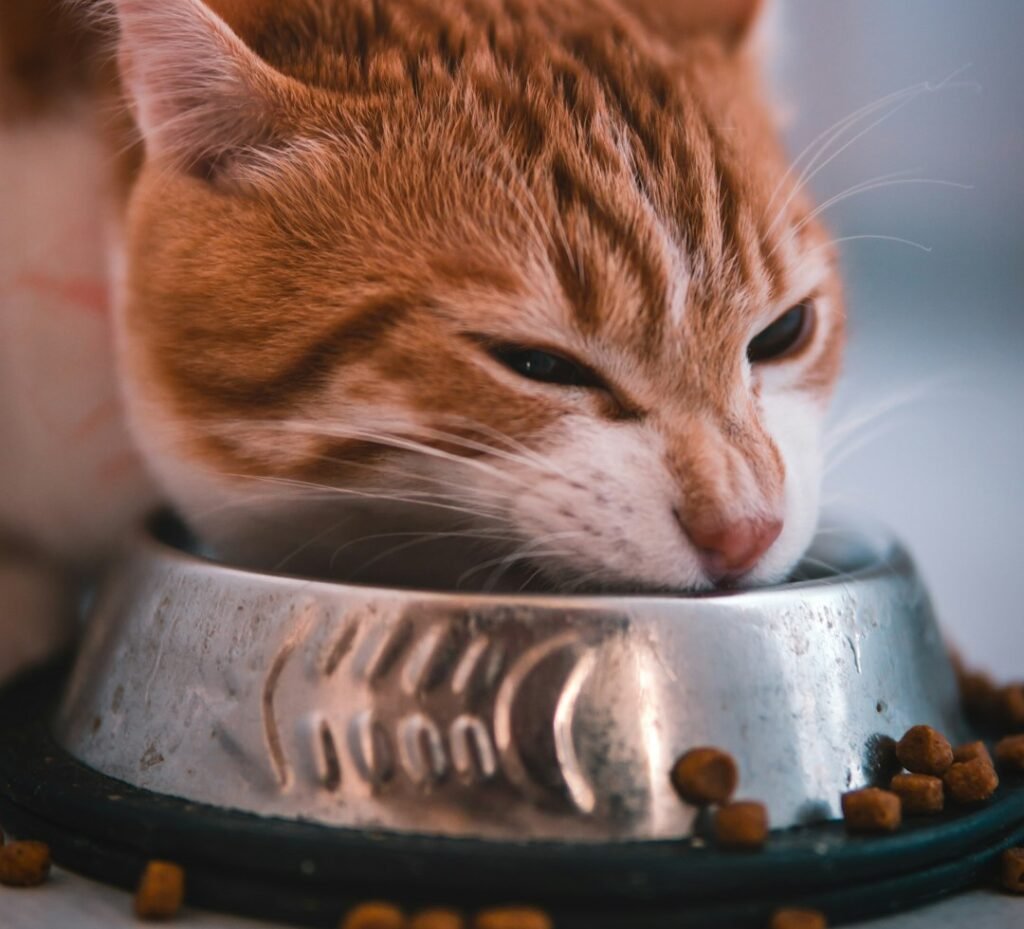
Some cats treat mealtime like it’s a competitive sport. Cats who eat too much or too fast can vomit food, and it typically appears in a tubular shape. If you’ve ever witnessed your cat inhaling their dinner only to see it reappear minutes later, you’re dealing with what’s essentially feline fast-food regret.
This regurgitation happens when a cat brings up undigested food as a result of eating too quickly, and it’s typically not a cause for concern when corrected by using food puzzle toys or special slow feeder bowls. The fix can be surprisingly simple. Puzzle feeders force your cat to work for their food, naturally slowing down their eating pace. It’s honestly kind of amusing to watch them figure it out, though your cat might give you some serious side-eye at first. Small, frequent meals throughout the day can also help prevent that empty stomach situation that leads to vomiting.
3. Dietary Issues: When Food Becomes the Enemy
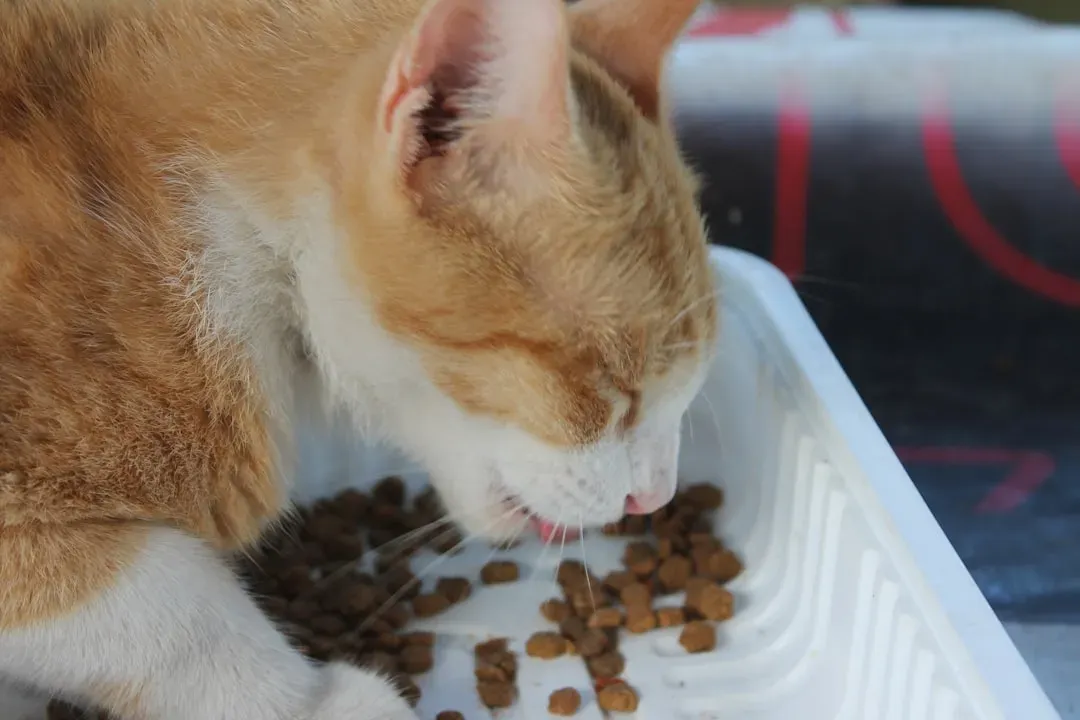
Your cat’s stomach can be surprisingly sensitive to dietary changes. Sudden diet changes can lead to stomach upset, so if you need to change your cat’s food, do it gradually over seven to ten days by mixing increasing amounts of new food. I know it’s tempting to switch foods abruptly when you find a sale or want to try something new, but your cat’s digestive system doesn’t appreciate surprises.
When cats eat a trigger food, inflammation in their gastrointestinal tract may cause them to throw up, and some cats may also experience chronic diarrhea as a result. Food allergies or intolerances aren’t as common in cats as you might think, yet they definitely happen. Ingesting spoiled food, human leftovers, or toxic plants can trigger vomiting, and if your cat has eaten a potentially toxic substance, call your veterinarian immediately. That leftover chicken you thought was fine? Maybe not so much for your cat’s delicate system.
4. Parasites and Infections: The Unwelcome Guests
Internal parasites like roundworms, hookworms, and giardia can disrupt your cat’s digestive system, causing vomiting and diarrhea. It’s not exactly pleasant to think about, though parasites are surprisingly common, especially if your cat spends time outdoors or recently came from a shelter. The most common type of worm seen in cat vomit is roundworms, and if your cat vomits a worm, it’s important to bring this to your veterinarian for appropriate treatment.
Parasites are more common in kittens, yet cats of any age can pick them up. Sometimes you might actually see live worms in the vomit, which is absolutely as disturbing as it sounds. Bacterial infections or intestinal parasites can trigger vomiting and diarrhea. The good news is that once you treat the parasites, the vomiting usually stops. Regular deworming and keeping your cat’s environment clean goes a long way in preventing these unwelcome guests.
5. Underlying Medical Conditions: When It’s Something More Serious

Sometimes vomiting points to bigger health issues that need medical attention. Kidney disease, liver disease, gastrointestinal parasites, food sensitivities, inflammatory bowel disease, cancer, hyperthyroidism, and other metabolic conditions can all cause vomiting. Cats that vomit more frequently than once per week or show signs of lethargy, weakness, decreased appetite, blood in vomitus, increased thirst, increased or decreased urination, or simultaneous diarrhea should be evaluated by a veterinarian promptly.
Chronic illnesses require lifelong management, which sounds overwhelming at first. Chronic illnesses such as kidney disease, pancreatitis, and hyperthyroidism can all cause nausea and upset stomach, and to address vomiting from these illnesses, you’ll need to address the underlying condition with lifelong management. The earlier you catch these conditions, the better your cat’s quality of life will be. If your cat’s vomiting seems different from their usual occasional upset, if there’s blood in the vomit, or if they’re acting lethargic and uninterested in food, don’t wait. Get them to the vet. It’s hard to say for sure without professional evaluation, yet those red flags shouldn’t be ignored.
Conclusion
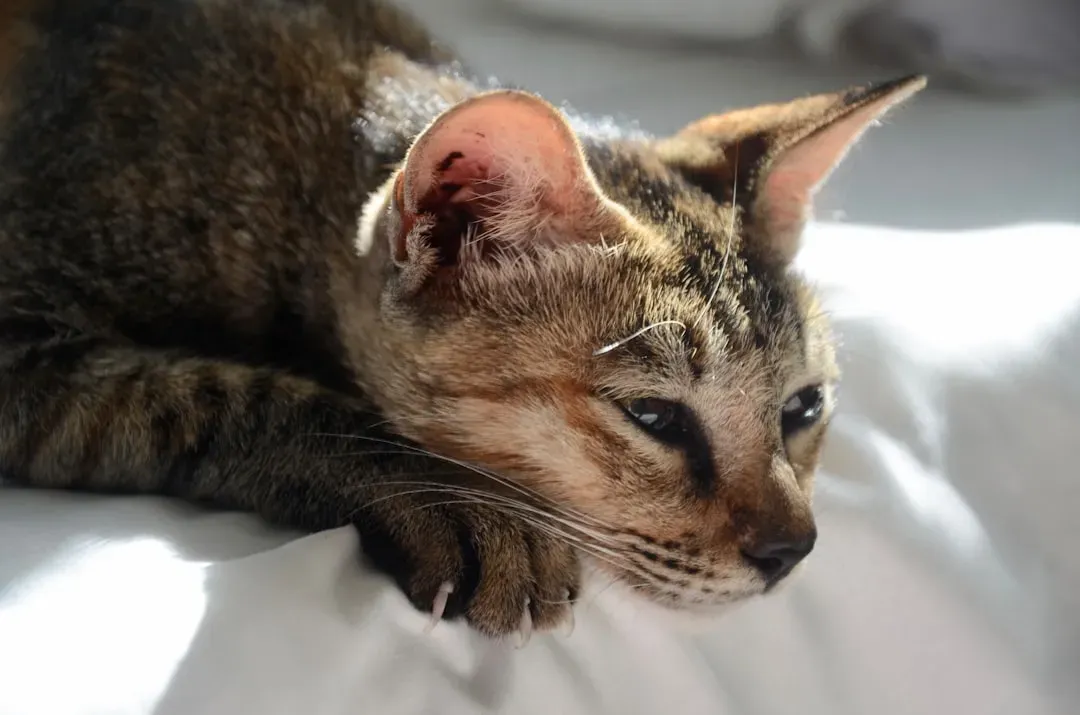
Vomiting in cats is common, though that doesn’t make it normal. Your cat’s body is trying to communicate something when they throw up, whether it’s simply eating too fast or signaling a more serious health concern. From hairballs and speedy eating to dietary sensitivities, parasites, and chronic diseases, the reasons behind feline vomiting run the full spectrum from minor to significant.
The key is paying attention to patterns. Occasional vomiting might not warrant panic, yet frequent episodes, changes in behavior, or alarming symptoms like blood in the vomit definitely deserve veterinary attention. Your vet can help pinpoint the cause and get your furry friend feeling better. What’s your experience been with your cat’s vomiting? Have you discovered any triggers or solutions that worked for your pet?