You probably know the scene too well. You just spent a decent chunk of your paycheck on a luxurious cat bed with memory foam, plush cushions, and all the bells and whistles. You place it proudly in your cat’s favorite corner, expecting them to curl up immediately. Instead, your feline friend ignores it completely and dives headfirst into the plain cardboard box it came in.
Let’s be real, it’s both hilarious and frustrating. Your cat’s behavior seems to defy all logic. Why would they choose a simple, ordinary cardboard box over something designed specifically for their comfort? The answer lies deep within their instincts, biology, and psychology. Cats are complex creatures, and their love for boxes is far from random. So let’s dive in and uncover the fascinating reasons behind this quirky feline preference.
Security Is Everything for Your Cat
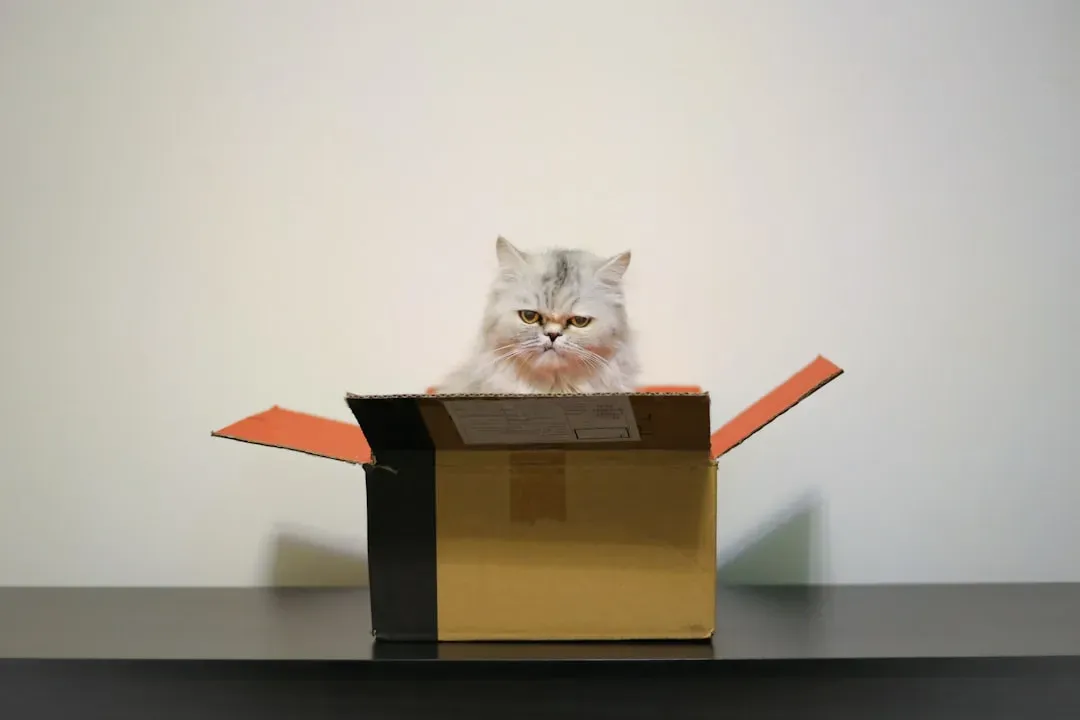
Your cat views the world through the lens of both predator and prey. Cats that roam free outside occupy a delicate midpoint in the neighborhood food chain, where they are both predator and prey. This dual role shapes nearly every behavior you see. In the wild, small, hidden spaces protect cats from predators, and a box is a secure, enclosed environment that triggers a cat’s natural instinct to find a safe den.
Think about what a box offers that your fancy bed doesn’t. It has walls on multiple sides, providing protection from unexpected approaches. Boxes give cats control, comfort, and prime ambush angles. Your cat can peek out while feeling completely hidden, observing everything around them without feeling exposed. That plush bed you bought, no matter how comfortable, leaves them out in the open, vulnerable to anything that might approach from any direction.
Stress Reduction Through Hiding
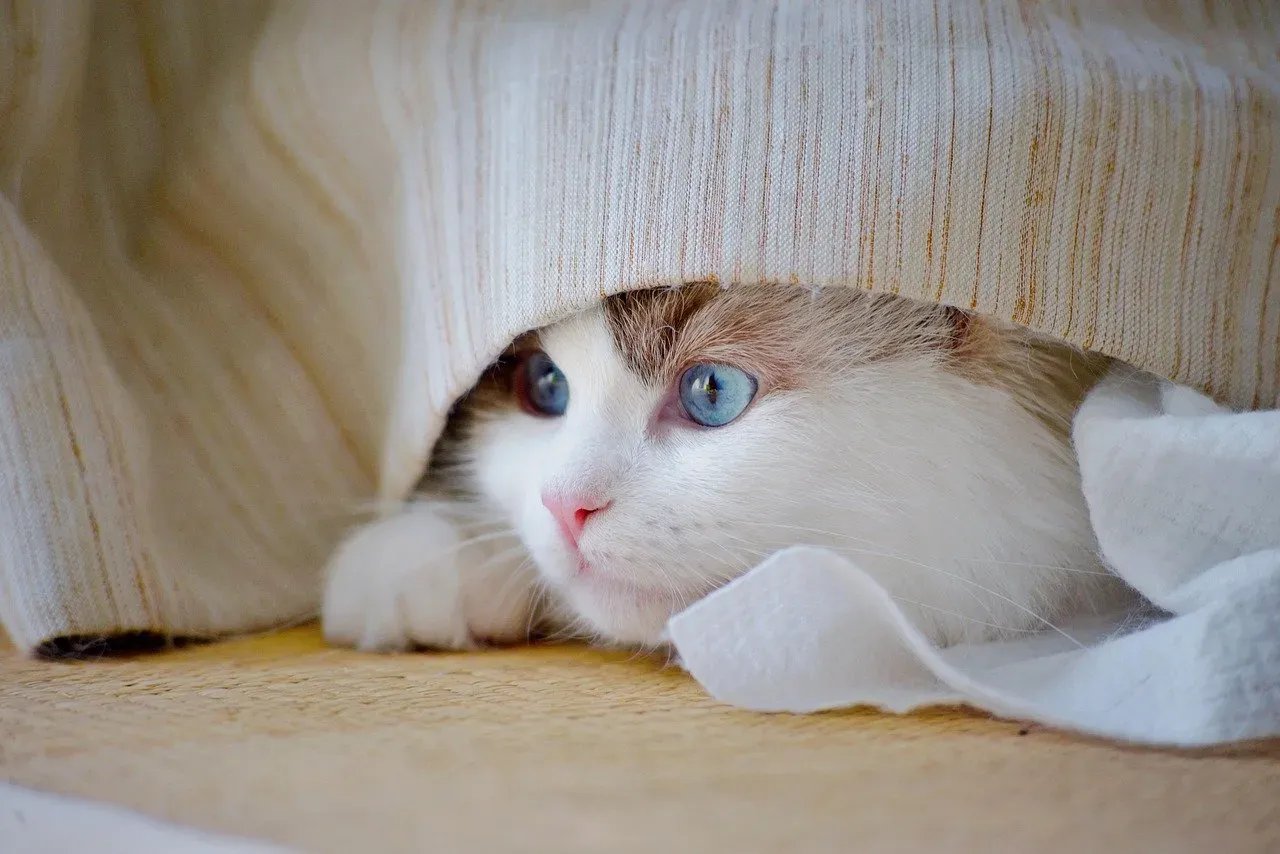
Here’s something you might not have known: scientific research actually backs up your cat’s box obsession. Multiple studies have shown that stress hormones like cortisol are reduced in newly rescued cats when they are given access to a box. This isn’t just about preference, it’s about genuine psychological relief.
The mean Cat-Stress-Score decreased with time for all cats, but cats with a hiding box showed a significant faster decrease in the CSS and recovered from stress seven days earlier than the control group. Your home environment, even if it feels calm to you, can be overwhelming for your cat. The doorbell, household noises, other pets, or even just changes in routine can trigger anxiety. Hiding behavior in a box or enclosed space might just be what a cat needs to feel safe. That expensive bed doesn’t offer the same level of emotional security.
Temperature Control and Insulation
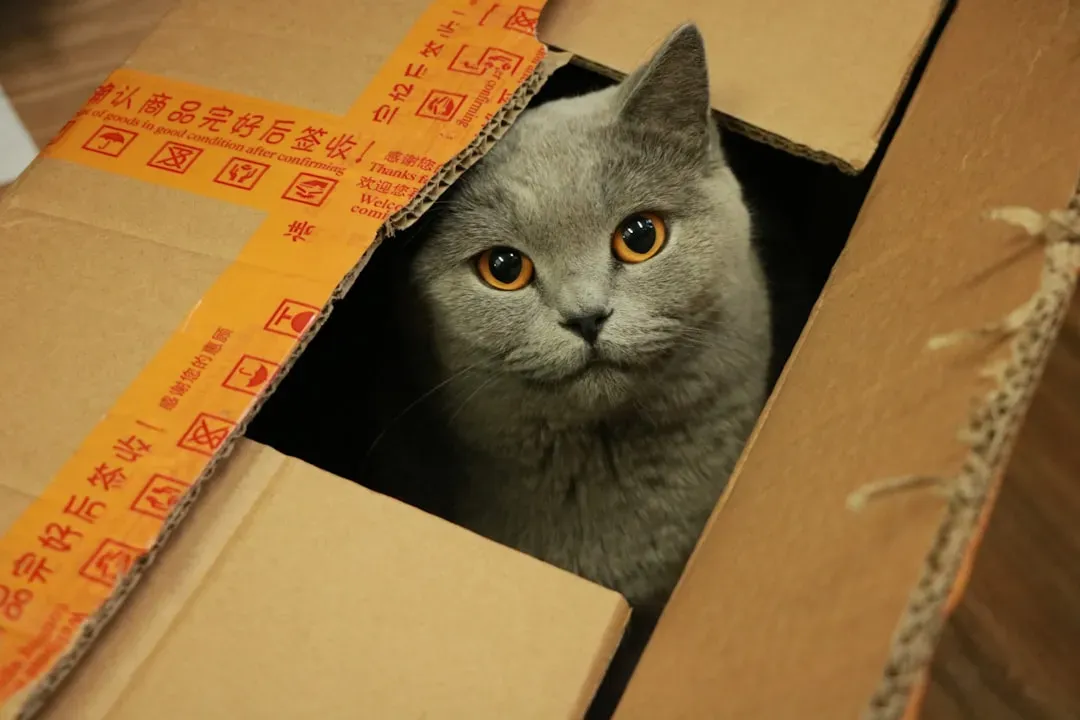
Your cat might be pickier about temperature than you realize. According to a 2006 study by the National Research Council, cats are most comfortable in temperatures between 86–97 F. The same group also found that most cats live in environments maintained at about 72 degrees, which is significantly cooler than their preferred temperature zone. That’s a pretty massive gap, honestly.
Not only is cardboard an amazing insulator, but the small space that boxes offer encourages your cat to curl up and relax, making it a comfy, warm space. The confined area traps their body heat, creating a cozy microclimate. Your fancy bed, especially if it’s made of breathable fabrics designed for year-round use, simply can’t replicate that snug warmth. The cardboard acts like a cozy blanket, trapping the cat’s body heat and acting as an insulator, and the confined space of a box forces a cat to curl up into a ball, which also helps to preserve body heat.
Ancestral Hunting Instincts at Play
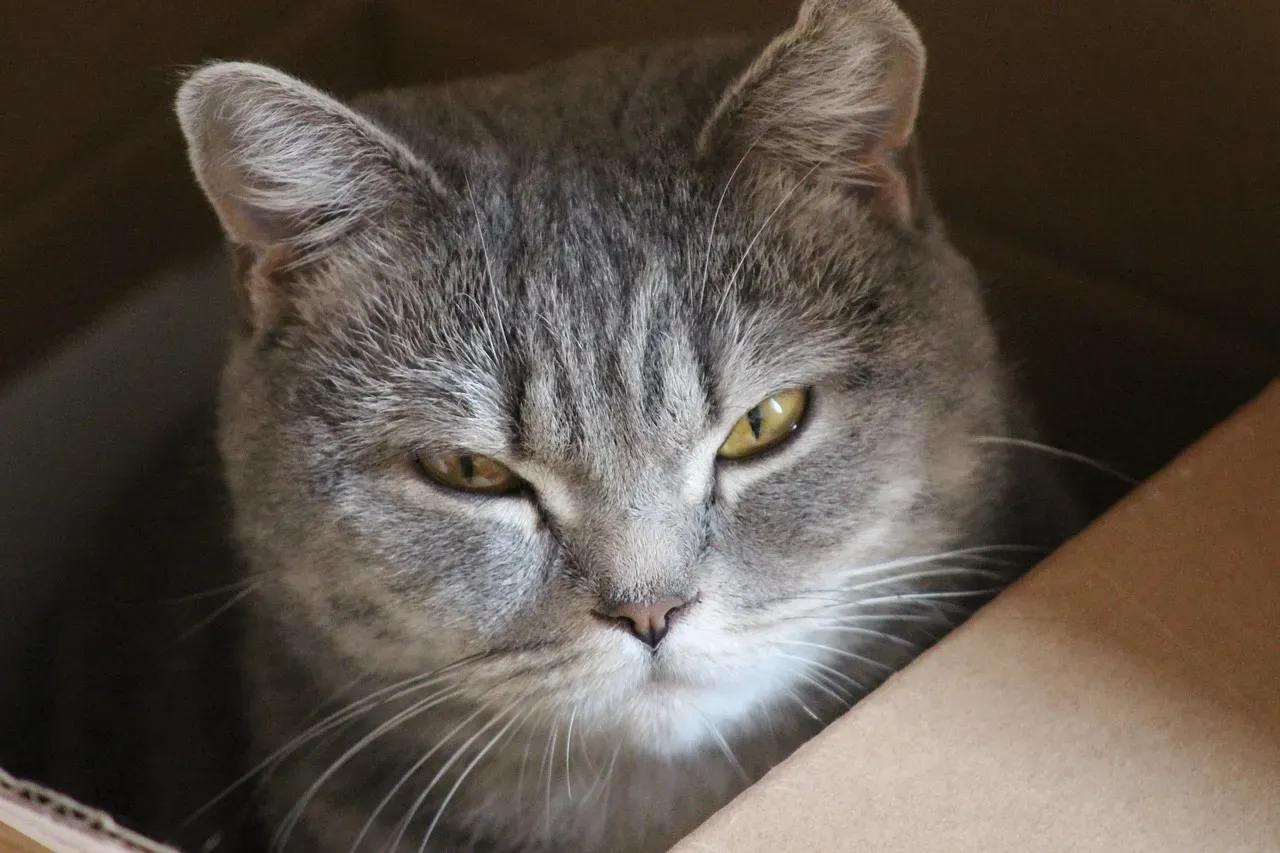
Cats are ambush predators and finding confined places where they can hide, hunt prey and feel safe and warm is an instinctive behavior. Your domestic cat still carries those wild instincts deep in their DNA. Even though they’re fed regularly, the drive to hunt hasn’t disappeared.
Boxes provide the perfect ambush location. Hiding in something like a cardboard box can shield them from being detected by their prey until they are ready to pounce. Your cat can watch, wait, and launch surprise attacks on passing toys, your feet, or even invisible enemies only they can see. That fancy bed, while comfortable, doesn’t satisfy this primal need. It’s too exposed, too open. They’ll hide, wait patiently for the right moment, and leap onto their prey. Honestly, the box transforms into a hunting blind in their mind.
The Texture Is Simply Irresistible
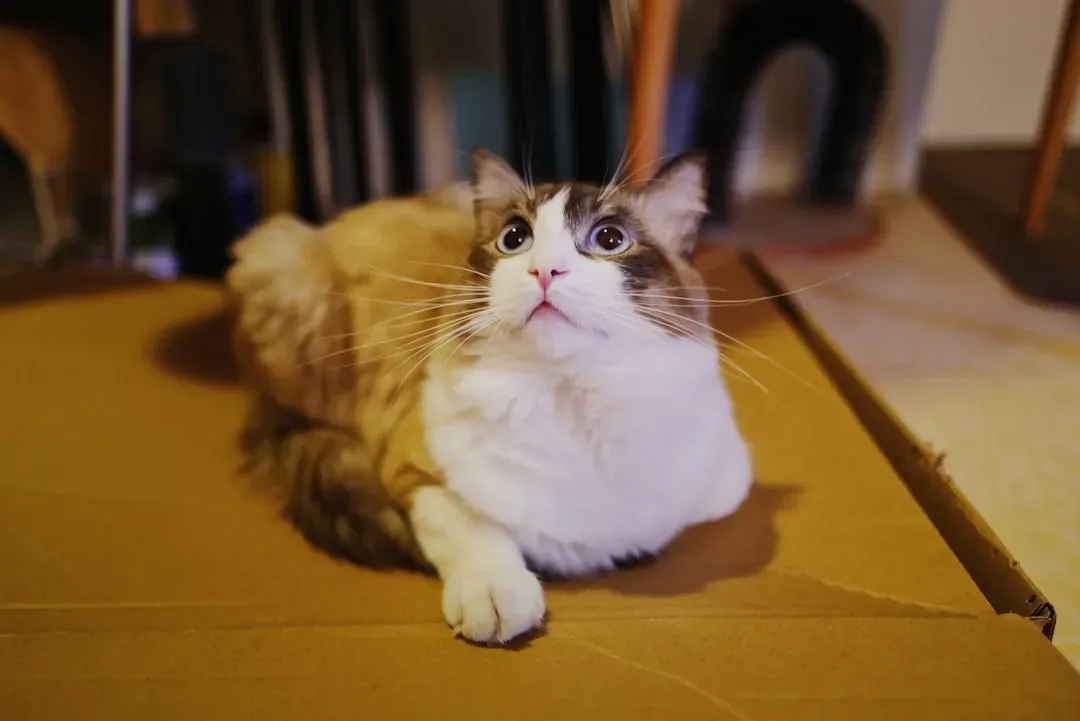
Let’s talk about the physical appeal of cardboard itself. Cardboard is the perfect texture for a cat to bite, scratch, and shred. Your cat’s claws and teeth are designed to tear into prey, and cardboard provides satisfying resistance without being too hard or too soft.
The texture is soft and may be easier for cats to puncture than other objects, giving them easy satisfaction for both chewing and clawing. Many owners notice their cats spending considerable time scratching at box edges or chewing on corners. This behavior isn’t destructive, it’s fulfilling a natural need. Your expensive bed, made from delicate fabrics you probably want to keep pristine, can’t offer this same tactile experience. Cats can freely express their scratching instincts on a box without getting in trouble.
Novelty and Curiosity Factor
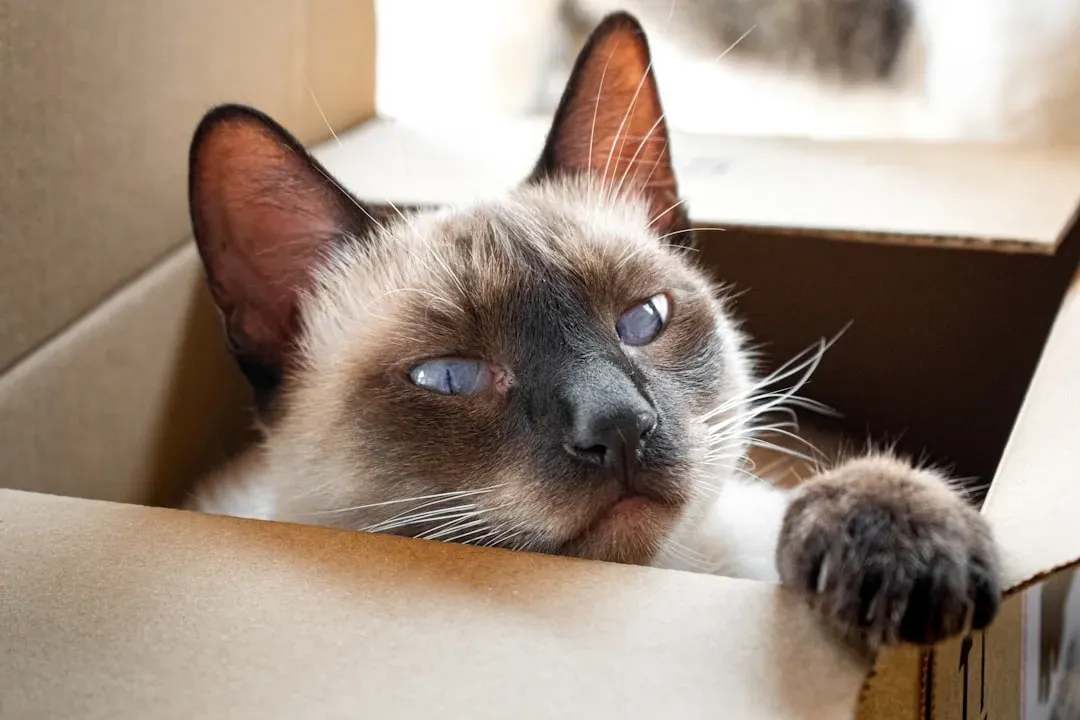
A newly arrived box is also a change to a cat’s environment. Cats that live indoors know every inch of their kingdom and immediately notice any changes. For a curious cat, the box is something fun and novel to investigate. The mystery of a new box is incredibly appealing to your cat’s naturally inquisitive nature.
That bed you bought might have been exciting for about five minutes when you first introduced it. Then it became just another permanent fixture. Boxes, especially new ones, represent novelty and exploration opportunities. Your cat can investigate new smells, test its structural integrity, and claim it as their own. The temporary nature of boxes actually makes them more attractive. It’s hard to say for sure, but cats seem to appreciate things that feel like discoveries rather than gifts.
Territorial Marking and Ownership
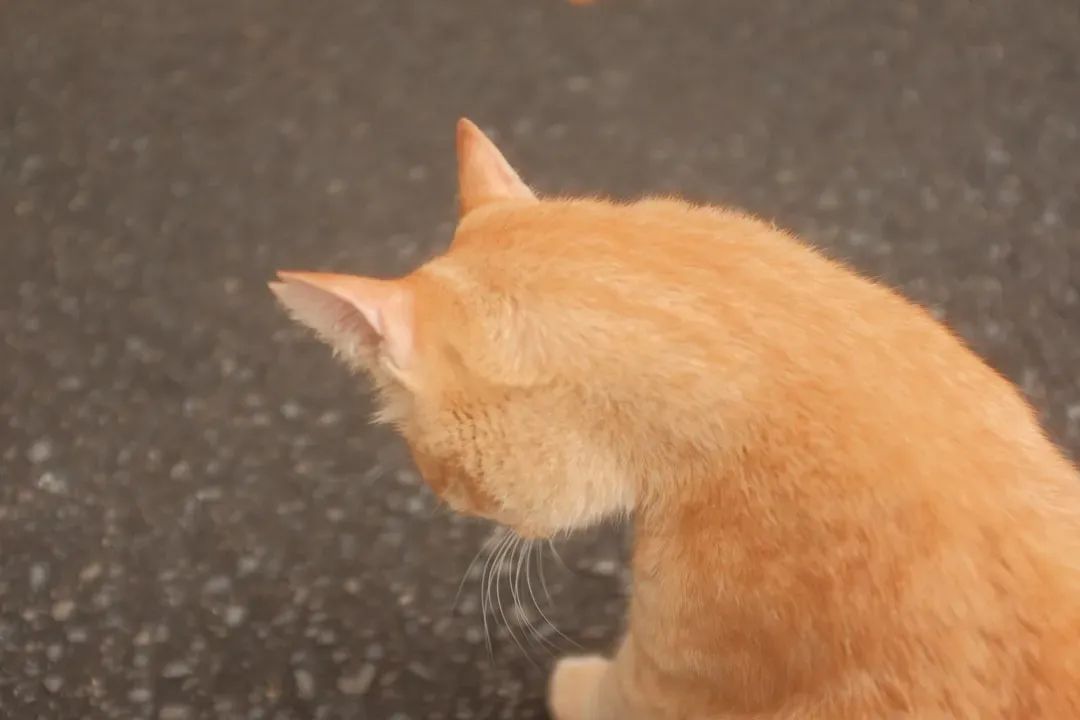
Cats have scent glands on their faces, and when they rub their faces on the sides of a box, they leave behind their scent, marking the box as their own special domain. This scent-marking behavior is fundamental to how cats interact with their environment.
When your cat claims a box, they’re doing more than just sitting in it. They’re rubbing against it, scratching it, sometimes even chewing it, all of which deposit their unique pheromones. This transforms the box into their personal territory. Your fancy bed, even if they use it occasionally, might not feel as personally owned. The box becomes an extension of themselves through this scent-marking process. If you notice your cat chewing on the flaps or sides of the box, it could be your pet’s way of scent marking the box since saliva carries pheromones.
Psychological Comfort and Mental Stimulation
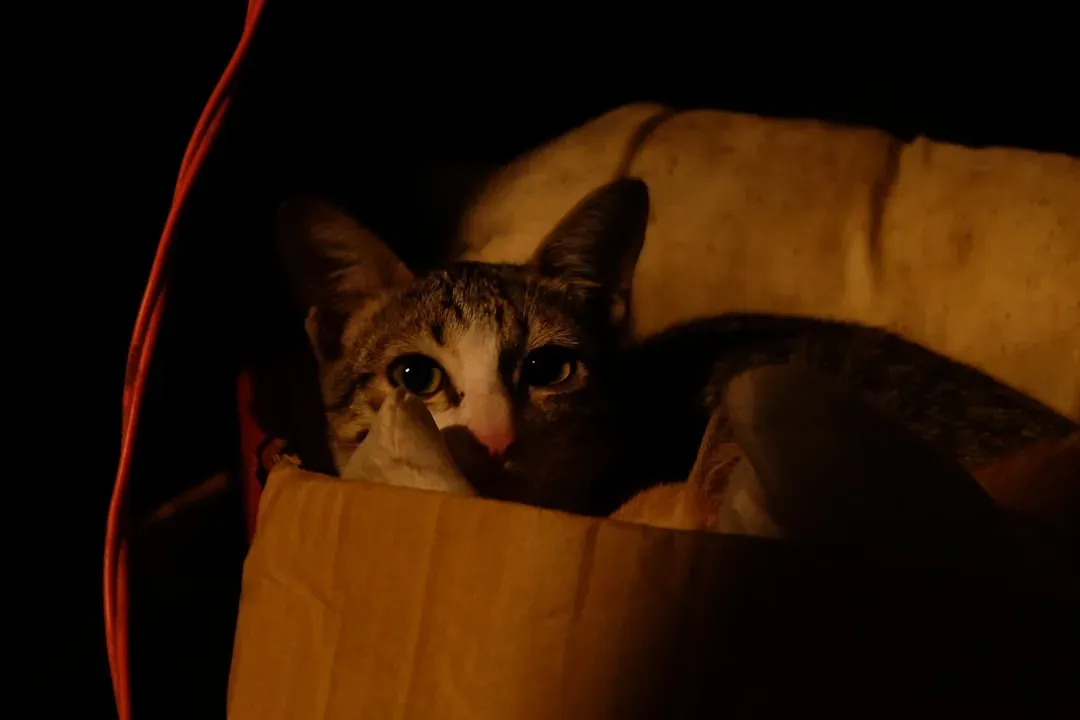
Their first experience will be a safe, enclosed space, referring to how mother cats seek quiet areas to birth kittens. This early imprinting creates a lifelong association between enclosed spaces and safety. Your cat’s attraction to boxes connects to their earliest memories of comfort and security.
Cats lack refined conflict resolution skills, so they prefer to avoid negative interactions by avoiding others or hiding away, and when tensions arise with family members – be that with humans or fellow pets – the refuge of a box offers the cat a chance to recalibrate and de-stress before resorting to confrontation. Boxes serve as emotional reset buttons. Your expensive bed might be comfortable, but it doesn’t provide the same psychological relief. When your cat needs to decompress, they want walls around them, not just soft cushions beneath them.
Even Big Cats Love Boxes
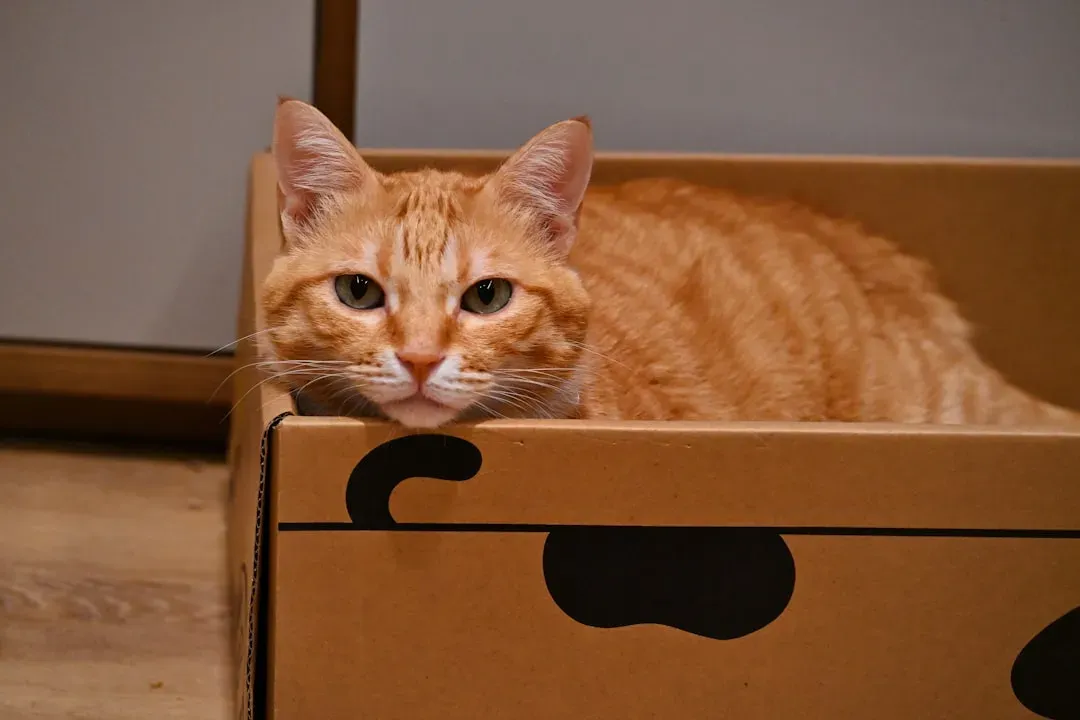
You might think this behavior is unique to house cats, but it’s not. It may surprise you to learn that big cats share lots of the same characteristics as your pet cat, and when big cats living in wildlife reserves and zoos were given cardboard boxes, they had just as much fun as your cat would. This demonstrates that box preference isn’t learned behavior, it’s deeply ingrained in feline biology.
Tigers, lions, and other large predators exhibit the same attraction to enclosed spaces. Tigers and lions have been known to enjoy lounging in boxes and other confined spaces when given the chance, strengthening the idea that sitting in boxes fulfills some evolutionary need for security in cats both big and small. This universal behavior across feline species suggests that no amount of domestication or luxury bedding will override millions of years of evolutionary programming. Your cat’s box preference is simply part of being a cat.
Why Expensive Beds Often Fail
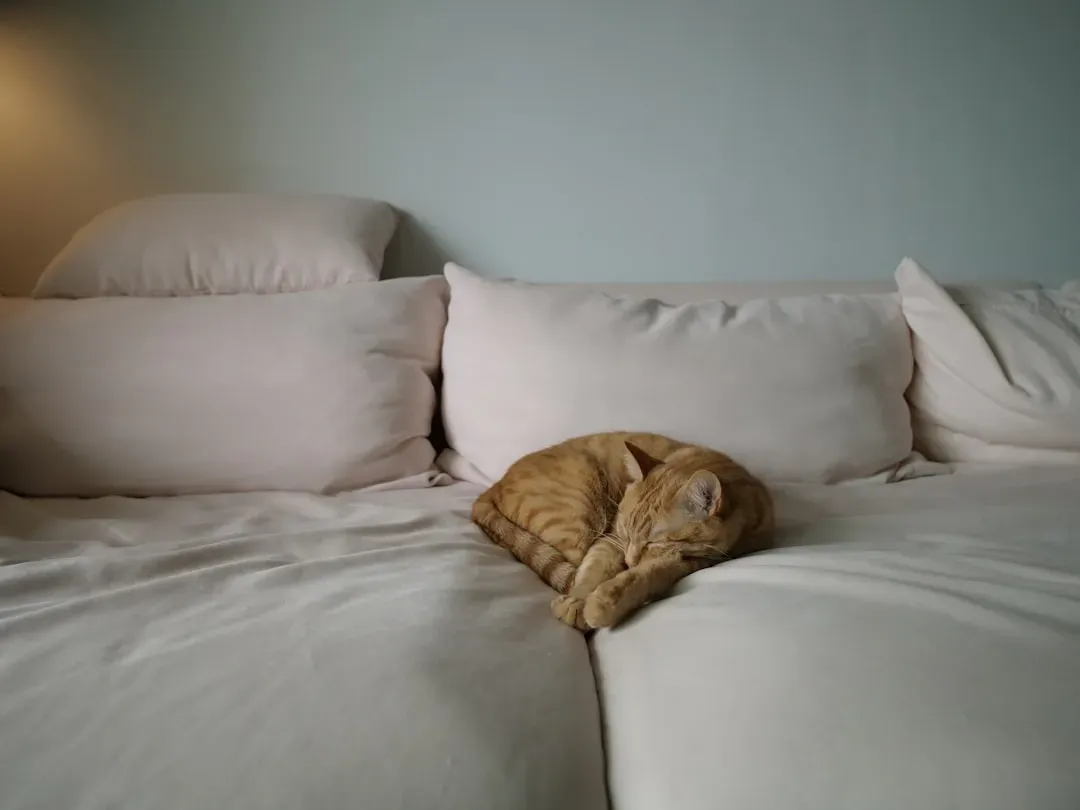
The irony is that the more elaborate and expensive the bed, the more likely your cat might reject it. Those beds are designed with human ideas of comfort in mind, not feline psychology. They often feature open designs, plush materials, and aesthetic appeal that matters to you but not to your cat.
Boxes meet multiple feline needs simultaneously: security, warmth, hunting opportunities, texture satisfaction, and territorial marking. Your fancy bed might excel at comfort but fail at nearly everything else your cat instinctively craves. The size matters too. The key is to provide a size that is snug around the edge for them, and a box that is too big doesn’t always provide the same level of comfort without a physical connection to the walls of the box. Many cat beds are too spacious, eliminating that cozy, protective feeling cats seek.
Conclusion: Understanding What Your Cat Really Needs
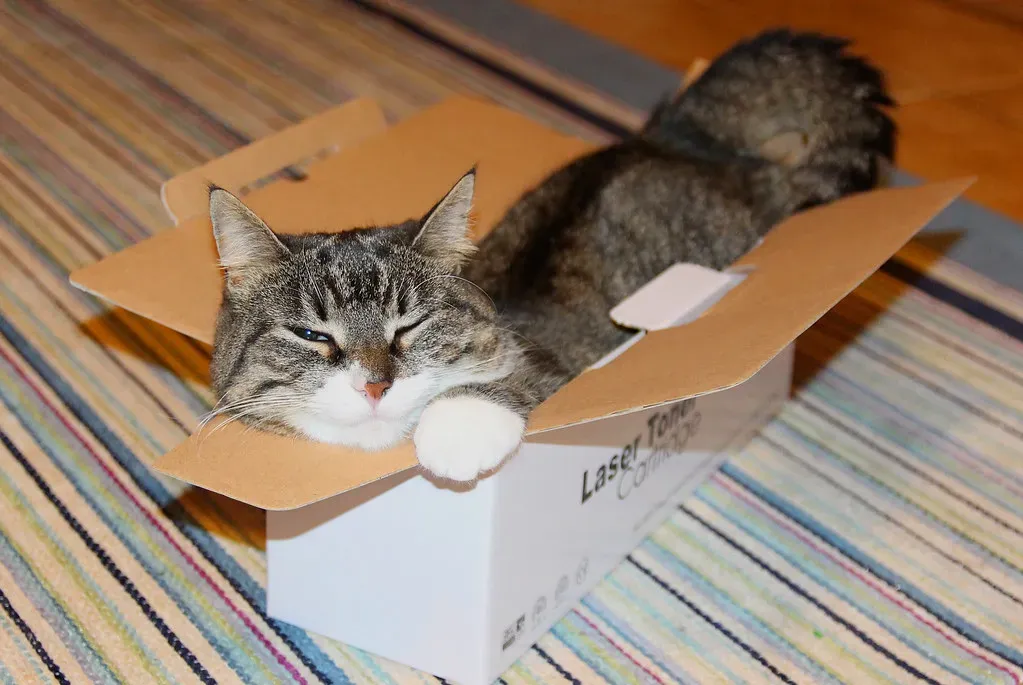
Your cat’s preference for cardboard boxes over expensive beds isn’t about being ungrateful or difficult. It’s about deeply rooted instincts that have kept felines alive and thriving for millions of years. Boxes fulfill multiple biological and psychological needs that your cat can’t simply ignore, no matter how luxurious the alternative might seem to you.
Instead of feeling frustrated by this behavior, try embracing it. Provide your cat with access to boxes while also offering other enclosed options like covered beds or cat caves that mimic what boxes provide. Understanding that your cat sees the world differently than you do is key to meeting their actual needs rather than what you think they should want. Sometimes the simplest, cheapest option is exactly what they need to feel safe, warm, and content. What surprises you most about your cat’s behavior?