You’ve caught your cat doing it again. That intense, unblinking stare directed at what appears to be absolutely nothing. The wall looks perfectly ordinary to you, but your furry companion seems convinced there’s something fascinating happening right there on that blank surface. You might even walk over to check, running your hand along the paint, searching for whatever has captured their attention. Still nothing.
Here’s the thing, though. Your cat isn’t losing their mind, nor are they necessarily seeing ghosts (sorry to disappoint). What’s actually happening is far more interesting. Your feline friend is experiencing the world through a completely different sensory lens than you are, and that blank wall might actually be teeming with activity that your human senses simply can’t pick up.
Their Ears Are Picking Up a Secret Symphony
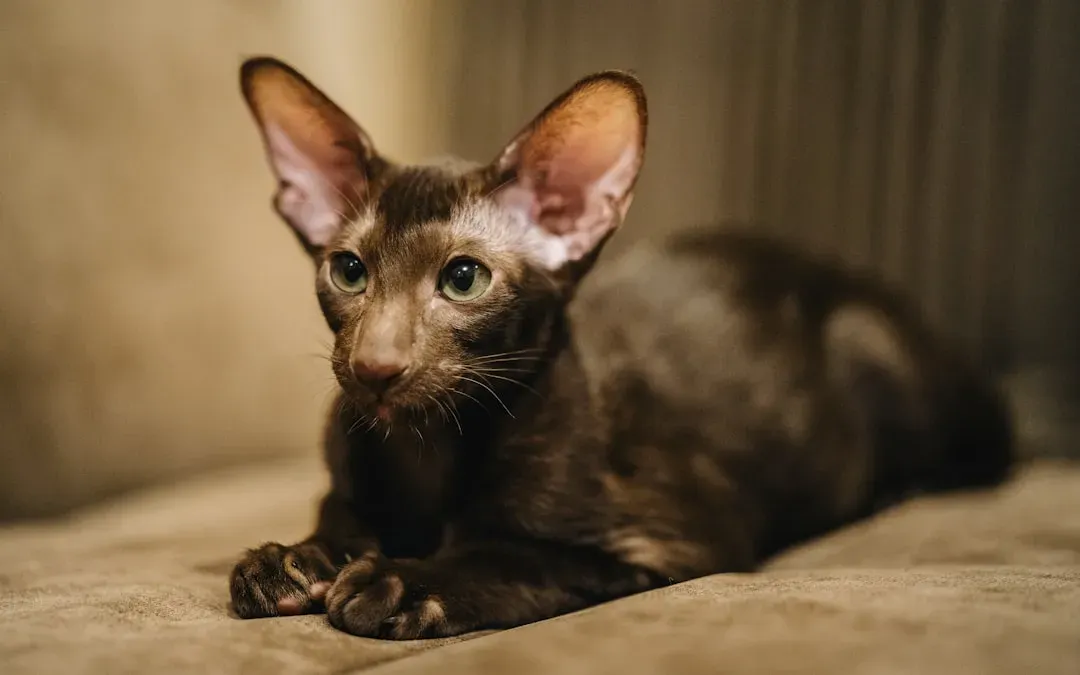
Your cat can hear sounds up to 64 kHz, which is 1.6 octaves above the range of a human. Let that sink in for a moment. While you’re hearing the hum of your refrigerator and maybe some distant traffic, your cat might be tuning into an entire world of high-pitched squeaks, rustles, and vibrations happening behind that wall.
They could be listening to sounds within the walls, such as mice or insects, noisy pipes or electrical noises. What looks like an eerie fixation is actually your cat using their remarkable auditory system like a sophisticated piece of surveillance equipment. They’re not just hearing these sounds either. They’re processing them, triangulating their source, and probably plotting their next move.
Motion Detection That Puts Security Cameras to Shame
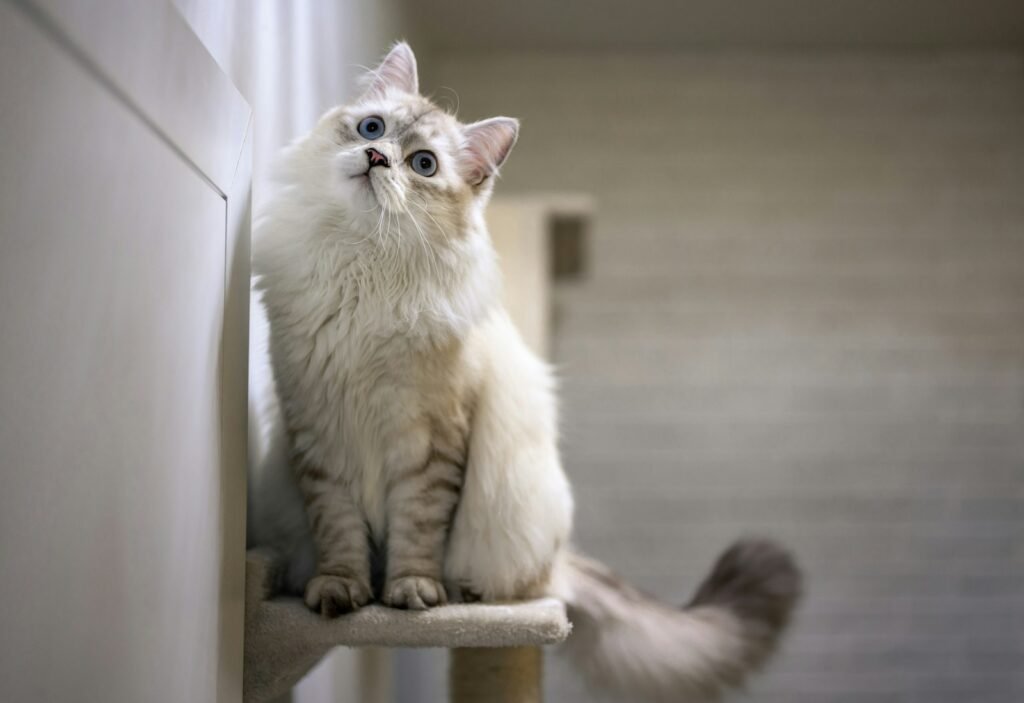
Think about the last time you spotted a tiny spider crawling up your wall. Now imagine being able to see that spider from across the room, in dim lighting, while also tracking the shadow it casts. Cats have a heightened sense of vision and are attuned to even the slightest movements or changes in light, often mistaking shadows or reflections for potential prey.
When your cat appears to be staring at a blank wall, they may actually be watching a tiny insect, a minuscule dust particle, or a faint shadow. I know it sounds almost ridiculous, but that speck of dust floating through a sunbeam? It’s like an action movie for your cat. Their eyes are specifically designed to detect movement, particularly the kind of subtle, quick movements that prey animals make.
They Can See Light You Literally Cannot
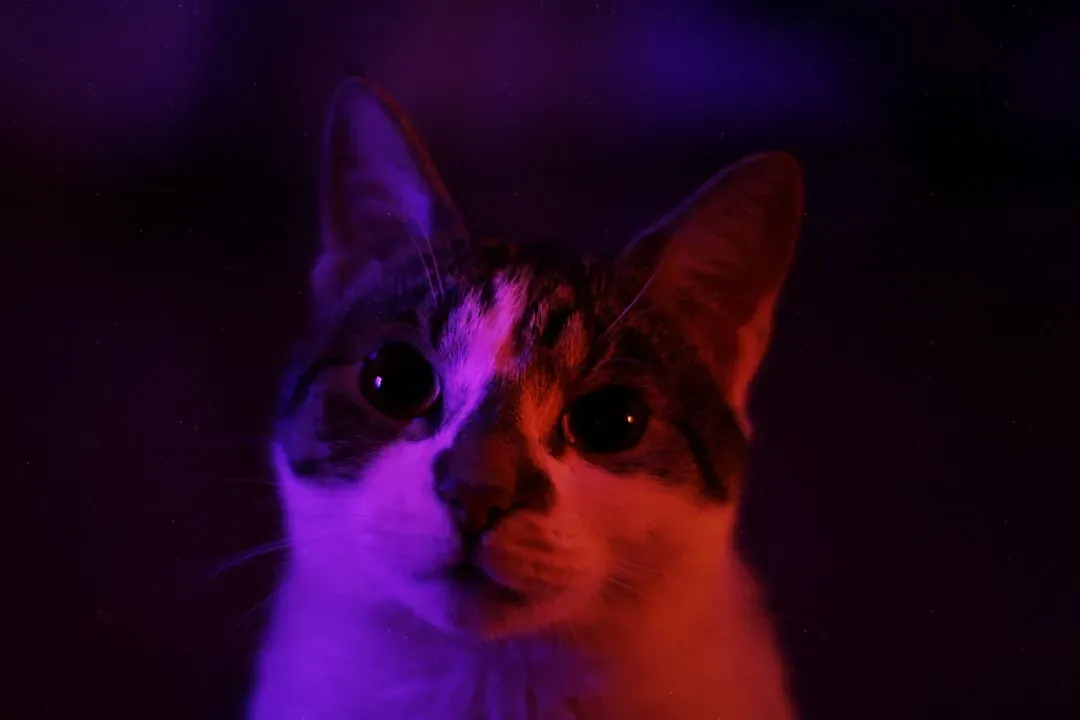
This one blows my mind every time I think about it. Cats have the ability to see UV light, which remains invisible to the human eye. Imagine wearing special glasses that suddenly reveal patterns and reflections you never knew existed. That’s essentially what your cat experiences all the time.
They can detect ultraviolet light, giving them a different visual experience of the world around them. So when your cat stares at what looks like a blank wall to you, they might be watching UV reflections dance across the surface, created by sunlight filtering through your window or even the glow from certain materials that reflect ultraviolet wavelengths.
The Wall Might Actually Be Alive (With Tiny Creatures)
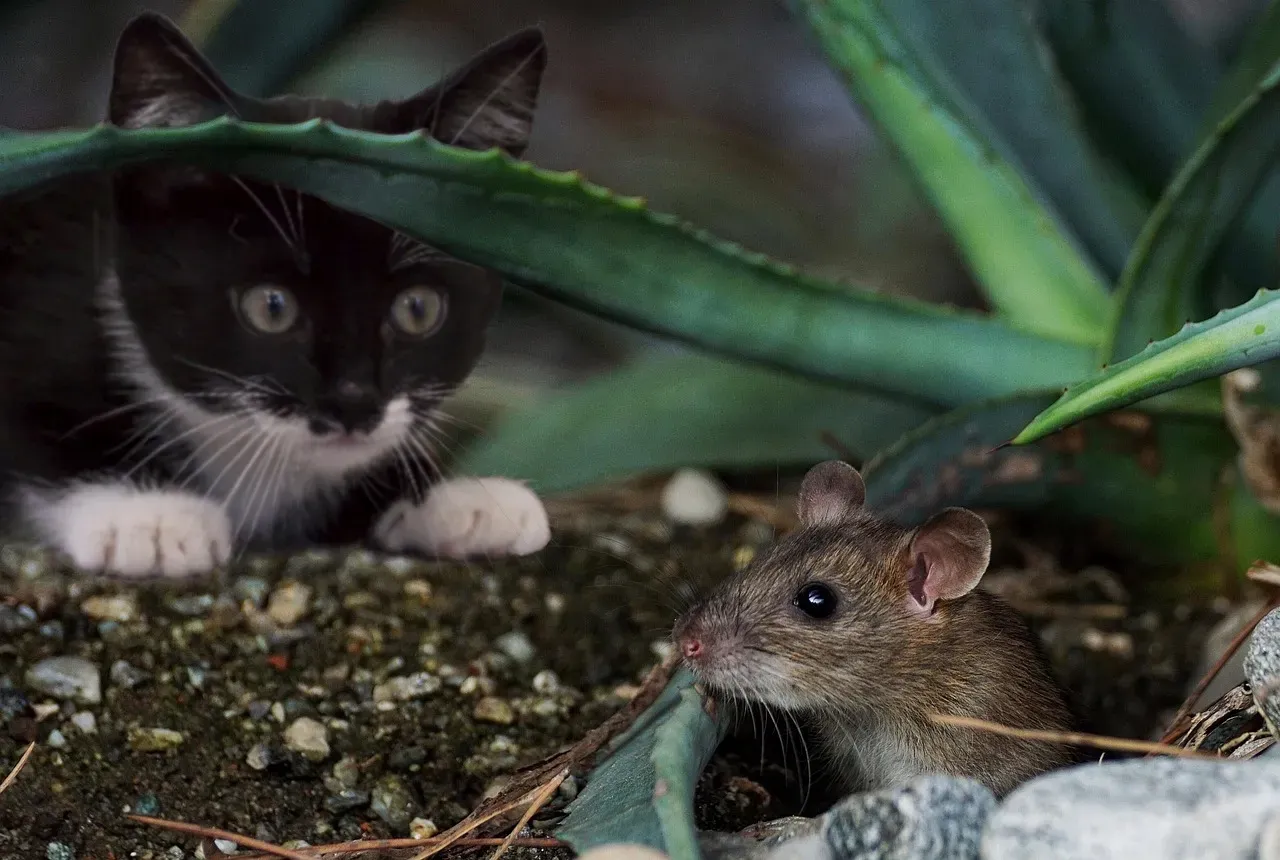
Cats are extremely efficient predators with heightened senses that can easily focus on the soft sounds and sudden small movements commonly made by insects. Your home, no matter how clean, is an ecosystem. Tiny insects, spiders, and other creatures move through the spaces between your walls.
Sometimes a cat staring at a wall is simply a cat in hunting mode. Dust particles floating in a sunbeam, the subtle vibration of electrical wiring in walls, or the movement of insects too small for human eyes to detect can all trigger this predatory focus. Honestly, I think it’s pretty impressive. Your cat is essentially doing pest surveillance for free.
Their Night Vision Is Ridiculously Superior
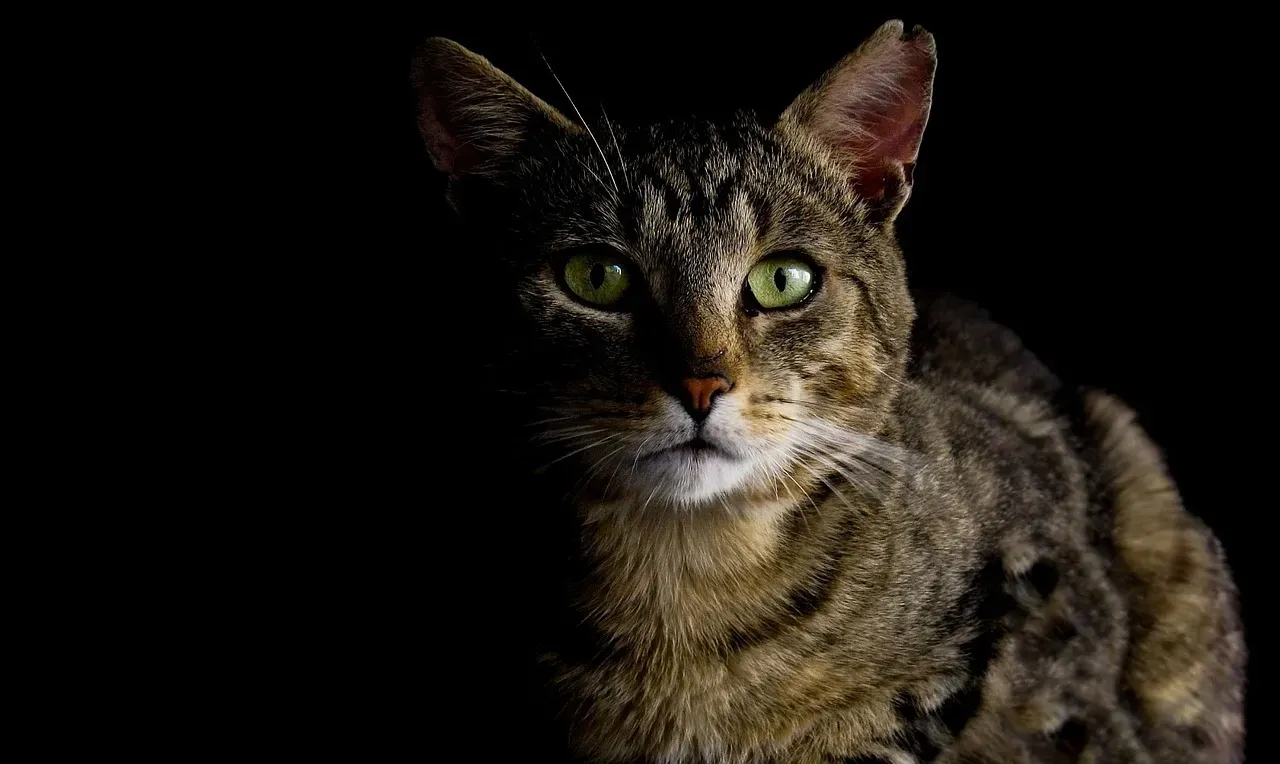
Cats can see using roughly one sixth the amount of light that humans need, thanks to a special reflective layer behind their retina called the tapetum lucidum. This is why their eyes seem to glow in the dark, and it’s also why they can spot movement and details in lighting conditions where you’d be stumbling around blindly.
At night, when you see nothing but darkness, your cat might be watching the play of shadows from passing car headlights outside, or tracking the movement of a moth you can’t even see. Cats have a visual field of view of 200 degrees compared with 180 degrees in humans, which means they’re also catching peripheral action that completely escapes your notice.
It Could Be Practice for The Hunt
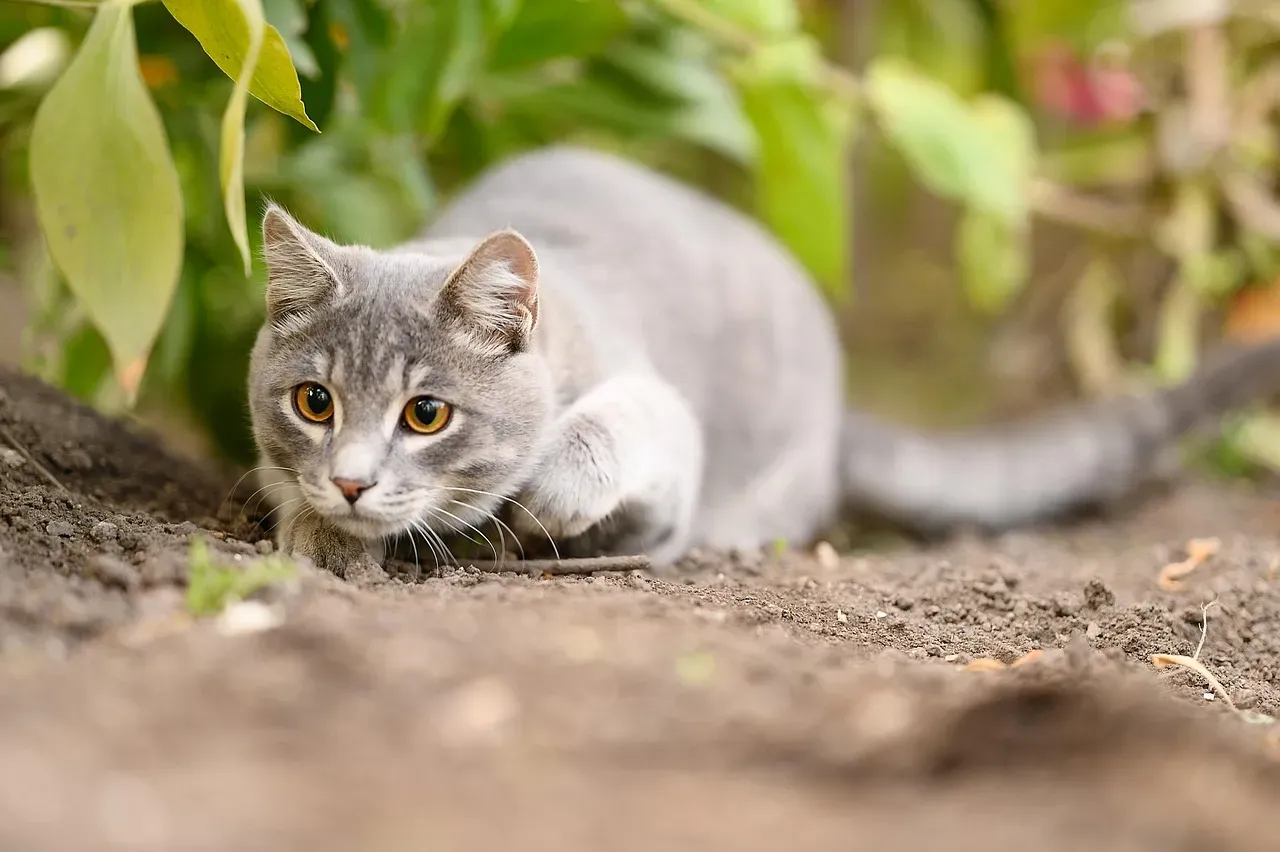
Staring at a wall can be a form of practicing hunting techniques, as cats may use this time to focus and strategize. Even though your pampered house cat has never had to catch their own dinner, those instincts run deep.
Today’s domestic cat hunts more for fun and entertainment, and the sight or sound of prey triggers their hunting instinct. So that wall staring session might actually be your cat running through mental simulations, keeping their skills sharp just in case they need them. It’s like a fighter practicing shadow boxing, except fluffier and more mysterious.
Shadows and Light Reflections Are Genuinely Mesmerizing
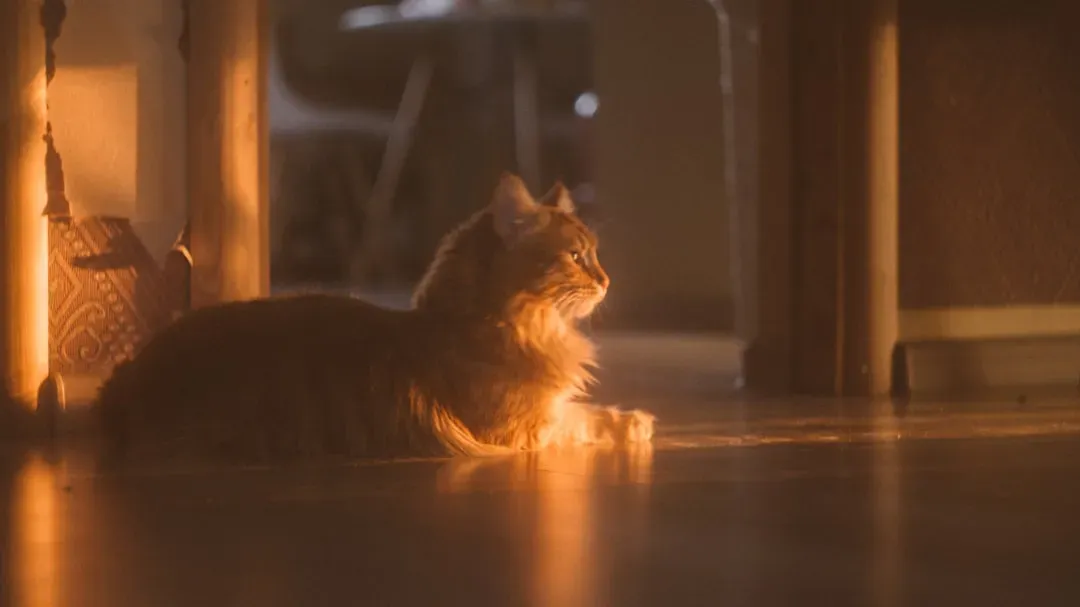
Cats are sensitive to changes in light and may stare at a wall if there are light reflections or shadows that captivate their attention. You know how you can get momentarily distracted by the way light reflects off your phone screen? Multiply that fascination by a hundred.
The layout of a room or the positioning of furniture can create visual illusions that intrigue a cat, and mirrors or glass surfaces may reflect light and create visual effects that attract their gaze. Sometimes there’s nothing sinister or complicated happening. Your cat just finds the way light moves across a surface genuinely interesting. Can you blame them?
The Curiosity Factor Never Gets Old
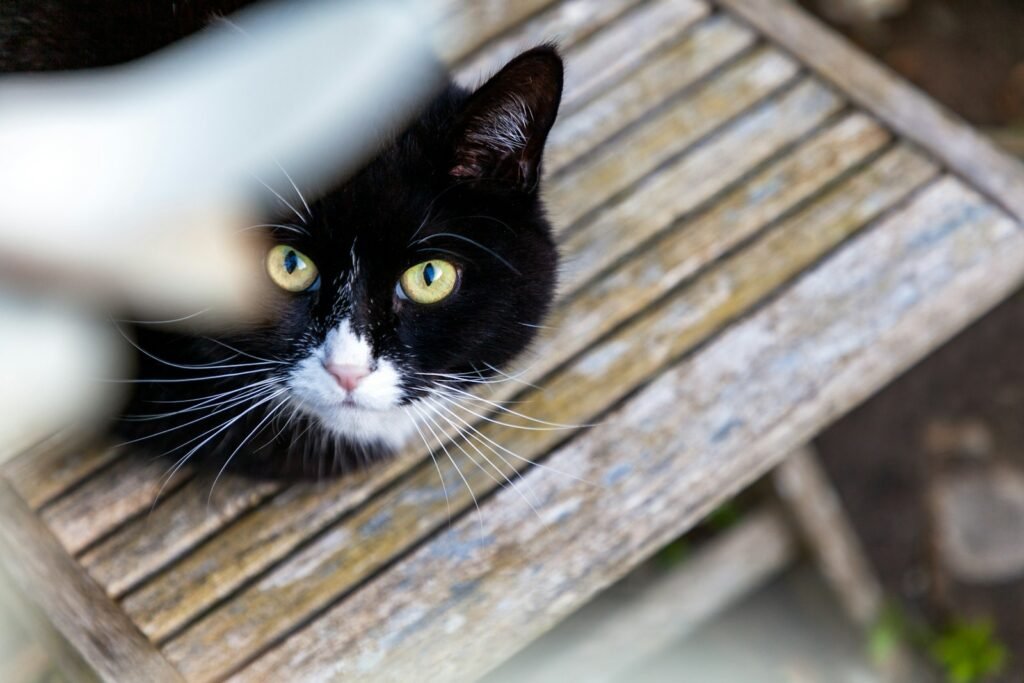
Cats are perceptive, curious creatures, and their advanced sight and hearing can detect things that we can’t. Sometimes your cat stares at walls for the same reason you might gaze out a window. They’re taking in their environment, processing information, and just being present in the moment.
Cats don’t need a specific reason to focus on something. Cats are known to freeze when they are trying to figure something out, and what looks like staring might actually be them deep in thought, working through some feline problem or simply zoning out the way we all do sometimes.
When Wall Staring Becomes a Concern
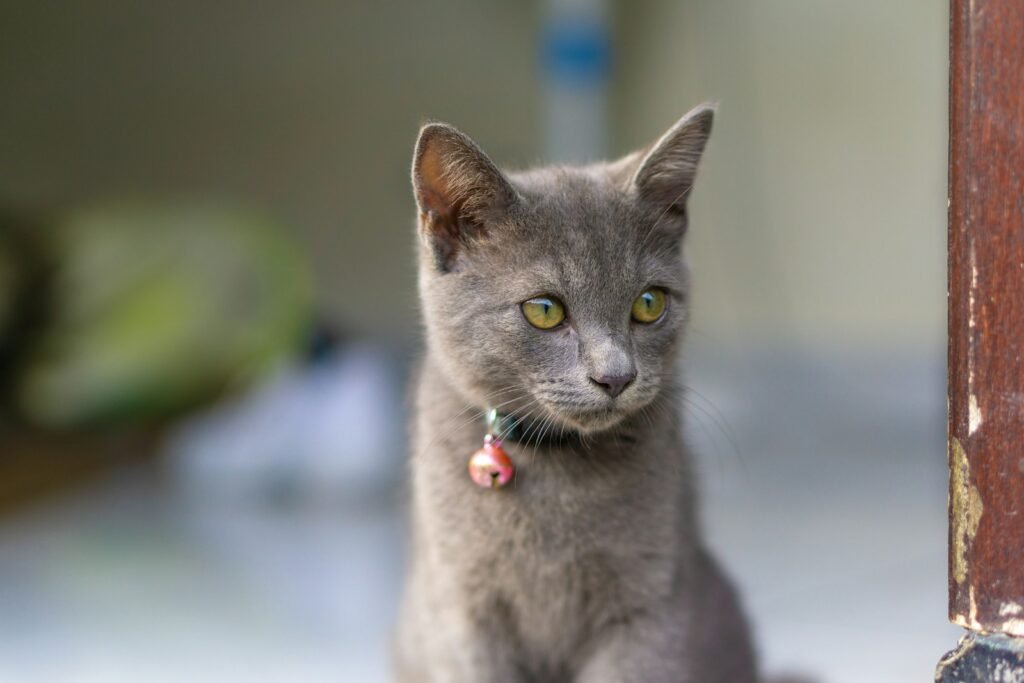
Let’s be real for a moment. While most wall staring is harmless, there are times when it signals something more serious. Feline cognitive dysfunction can result in a range of different signs and behaviors like confusion, staring into space, especially in cats over twelve years old.
You should call your vet urgently if your cat is pressing their head against the wall, as this is different from simple staring and can indicate serious neurological issues. If your cat’s wall staring comes with disorientation, excessive vocalization, changes in sleep patterns, or other unusual behaviors, it’s worth getting them checked out by a professional.
What You Can Do About It
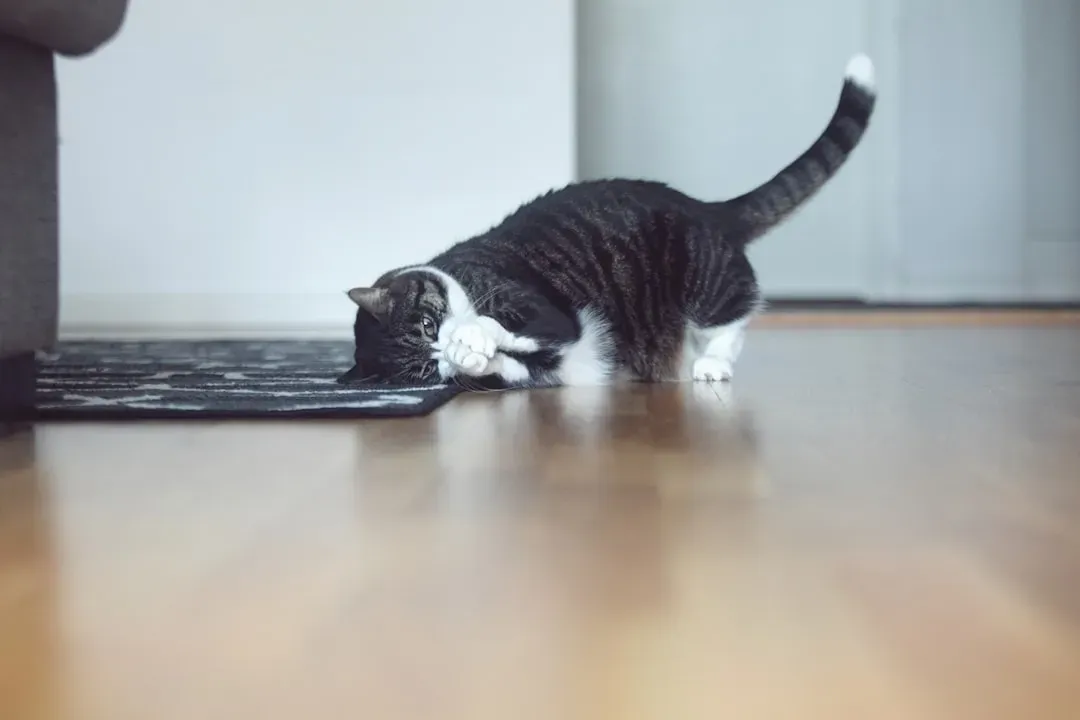
Most of the time, you don’t need to do anything at all. Most causes of wall staring are benign. However, if you’re concerned your cat might be bored, you can redirect their attention with interactive play.
Ensuring your cat has enough enrichment and interest around the house can keep them happy and healthy, and you can distract your cat by encouraging them to play or setting up a bird watching station. Give them puzzle feeders, climbing structures, or regular play sessions with toys that mimic prey movement. Sometimes a cat staring at walls just needs more engaging alternatives to occupy their impressive hunting brain.
The Mystery Makes Them More Fascinating
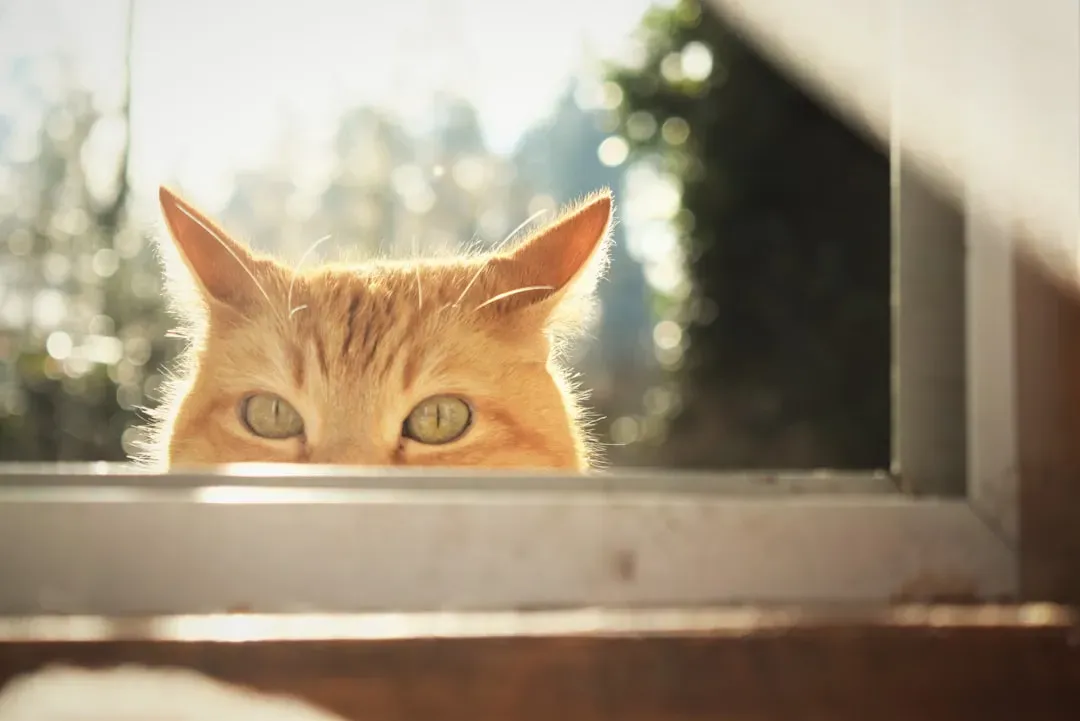
Feline behavior is something we may never fully understand, and honestly, that’s part of what makes living with cats so intriguing. They exist in a sensory world that overlaps with ours yet extends far beyond what we can perceive.
Cats have far more sensitive hearing and sight than us, and from high pitched sounds to subtle changes in light, cats are far more keenly aware of their surroundings than we are. The next time you catch your cat staring intently at what appears to be nothing, take a moment to appreciate that they’re experiencing something you can’t. They’re not being weird. They’re just being wonderfully, mysteriously cat.
So the next time your feline friend locks eyes with your living room wall, resist the urge to worry. They’re probably just tuning into their own private channel, one that broadcasts frequencies and images far beyond human reception. Pretty amazing when you think about it, right? What has your cat been staring at lately? Share your stories in the comments.