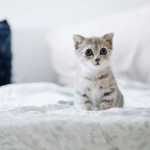
You’ve probably experienced this peculiar moment: you’re walking past a room and hear your cat having what sounds like a full conversation with absolutely nobody. No other pets around, no humans in sight, just your feline friend meowing, trilling, or chirping away as if engaged in a serious discussion. Is your cat losing it? Chatting with invisible friends? Honestly, it’s hard not to wonder. The truth is far more fascinating than you might expect.
Some people have observed their cats walking around the house meowing to themselves. This behavior is more common than you’d think, but science is only beginning to unravel the mystery behind these self-directed vocalizations. Unlike dogs, cats have developed intricate vocal communication systems, and their reasons for talking when alone are as varied as the sounds they make. Let’s dive in and explore this curious feline habit.
The Evolution of Cat Chatter
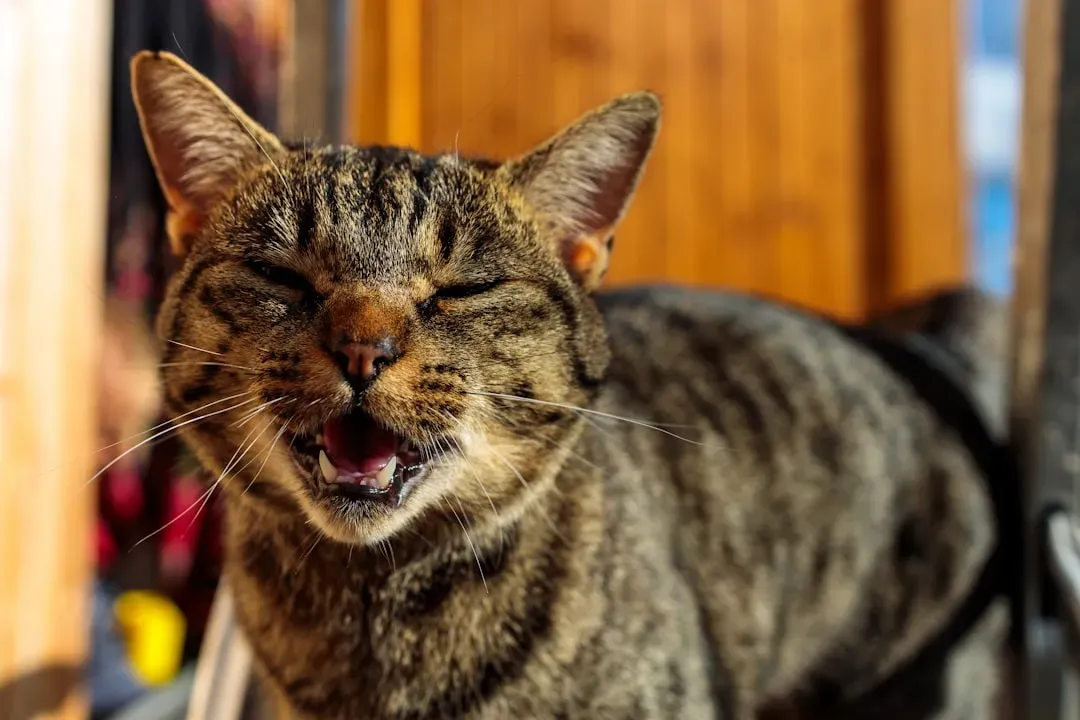
Here’s the thing about domestic cats. Adult cats don’t actually meow at each other, just at people, though kittens meow to let their mother know they’re cold or hungry. Wild cats rarely vocalize except during mating or aggressive encounters. Yet your house cat has developed an entire vocabulary seemingly designed for human ears.
Cats can express around 100 different phonations as compared to dogs who can only communicate about 10 sounds. This massive vocal range didn’t emerge randomly. Living alongside humans for thousands of years has fundamentally altered how cats communicate. They’ve learned that making noise gets results, especially when humans are involved.
When your cat vocalizes alone, they might be tapping into deeply ingrained communication patterns that served different purposes in their evolutionary past. It’s not always about us.
Boredom and Self-Entertainment
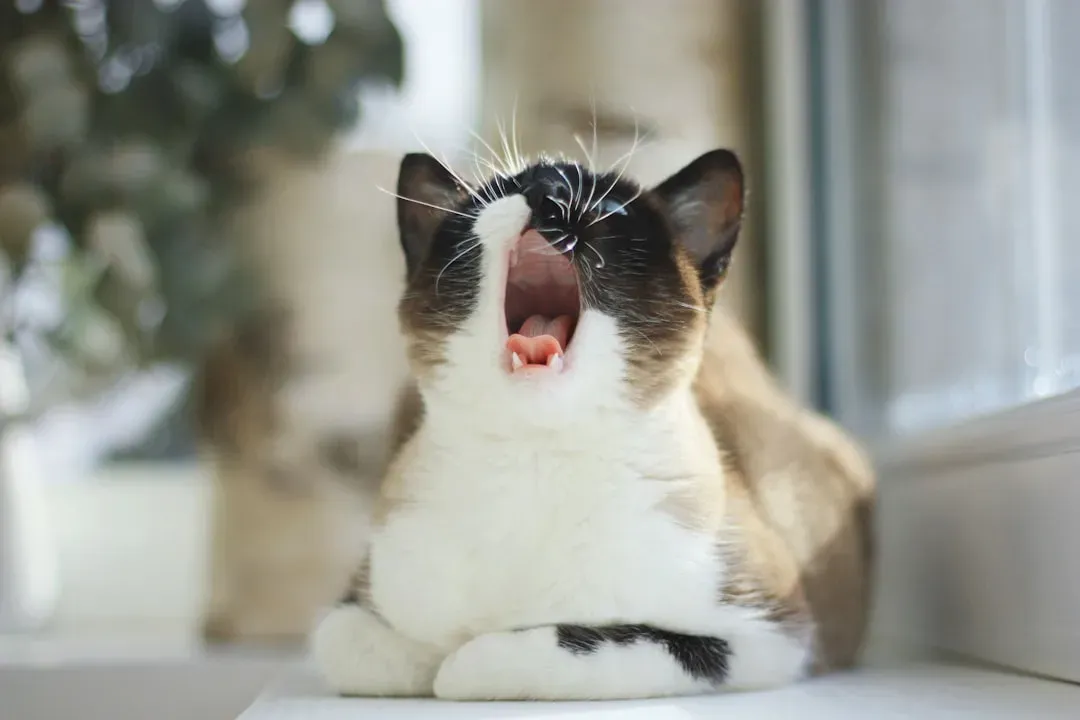
Let’s be real. Cats get bored. Really bored.
They’re talking to themselves to stave off boredom. Think about it: your cat spends hours alone while you’re at work, surrounded by the same furniture, the same toys, the same four walls. Making noise breaks the monotony. It creates auditory stimulation in an otherwise silent environment.
Your cat might meow just to hear how it sounds bouncing off the walls, especially in rooms with interesting acoustics, they may be fascinated by the echo of their own voice. This playful behavior gives them entertainment that’s uniquely feline. Some cats pause, listen, then meow again to repeat the cycle, almost like they’re testing the acoustics of different rooms or experimenting with various vocal pitches.
Practicing Their Hunting Language
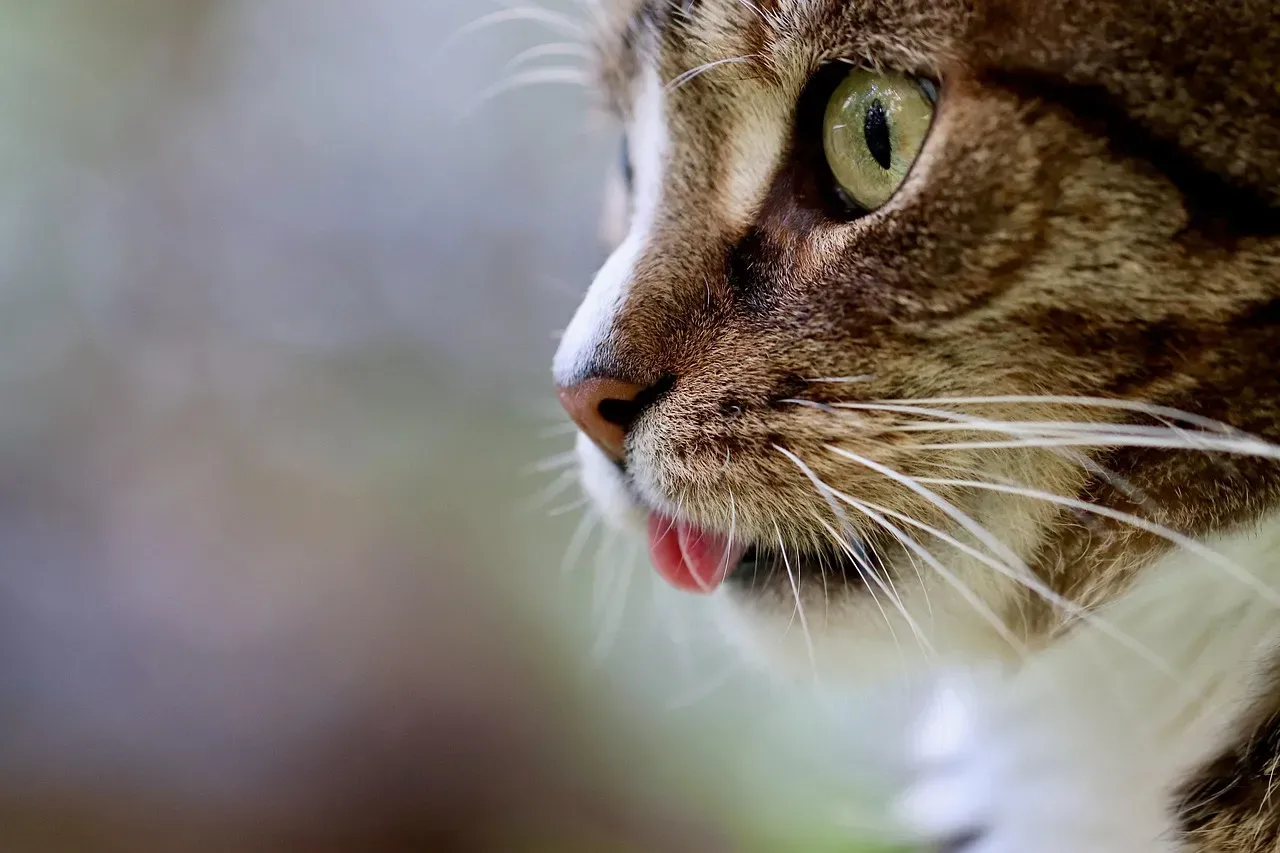
Cat behaviorists note that cats employ vocalization when a bird or insect catches their attention, the cat becomes riveted to the prey, and starts to chirp, tweet and chatter. You’ve probably witnessed this: your cat sits at the window, fixated on birds outside, making that distinctive chittering sound with their jaw.
Cats chirp primarily as a contact call, and cats often chirp when they observe prey or something that catches their interest, such as birds outside a window. When cats vocalize alone while watching potential prey, they’re not necessarily talking to themselves. They’re engaging their predatory instincts, possibly mimicking prey sounds or expressing their excitement mixed with frustration at not being able to reach their target.
Cats sometimes make excited chirping or chattering noises when observing or stalking prey, these sounds range from quiet clicking sounds to a loud but sustained chirping mixed with an occasional meow, and an article from The Spruce Pets argues that chattering and chirping mimic prey such as birds and rodents and it is used as a hunting strategy.
Self-Soothing and Comfort Seeking
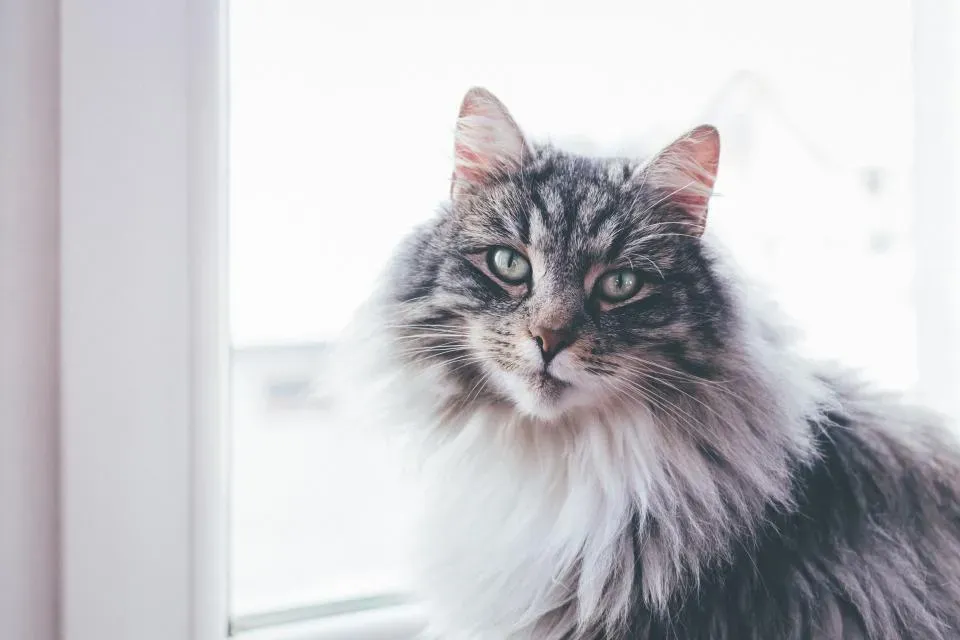
Cats aren’t just vocal when they’re excited or bored. Sometimes they talk to themselves for emotional regulation.
Some cats use their own meows to comfort themselves during stressful or lonely moments, the familiar sound can be reassuring and calming. It’s similar to how humans might hum or talk to themselves when anxious. The sound of their own voice provides a sense of security in moments of uncertainty.
This behavior becomes particularly noticeable after major changes. After the death or departure of a person or animal in your cat’s life, she may vocalize to express her grief, this can be a normal part of the grieving process. Your cat might wander the house meowing, seemingly searching or processing their confusion about the absence.
Age-Related Cognitive Changes
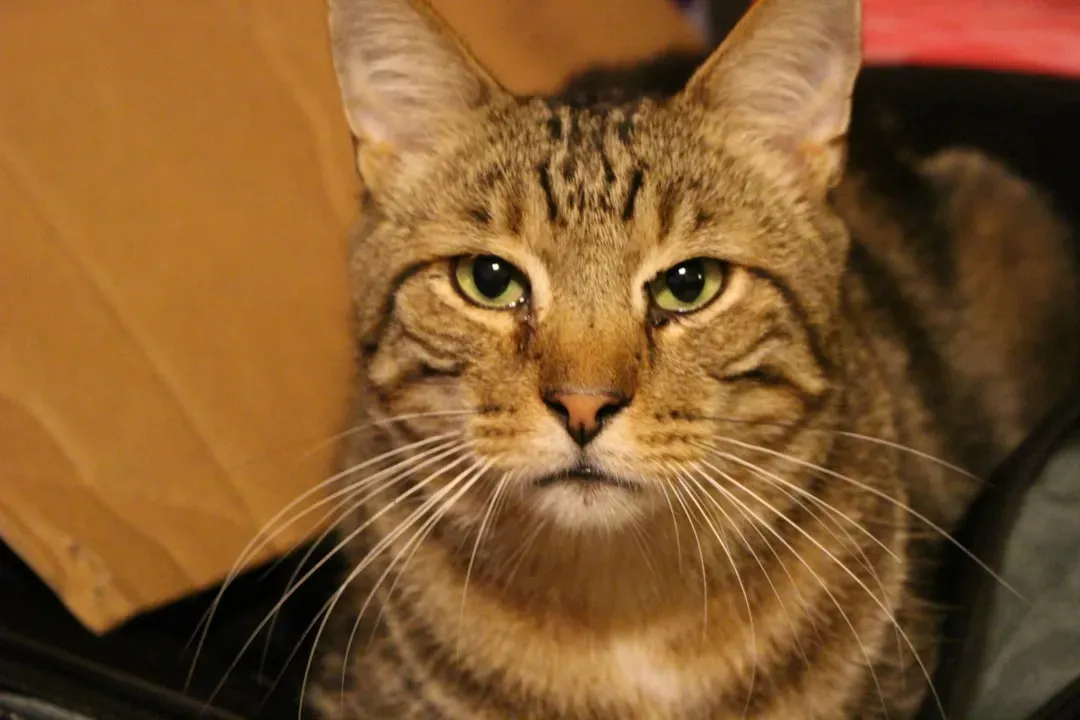
Older cats develop unique vocalization patterns that can sound like conversations with invisible companions.
Cats can become increasingly vocal as they age, two possible reasons for this are age-related dementia and deteriorating eyesight, a cat who feels anxious or confused may meow to seek reassurance. Senior cats experiencing cognitive dysfunction syndrome might vocalize more frequently, especially during the night. They may feel disoriented or confused about their surroundings.
Cats are historically nocturnal creatures, but with cognitive dysfunction, cats may howl at all hours, since older cats often have hearing loss, they may turn up the volume. If your elderly cat has suddenly become more talkative when alone, it’s worth consulting your veterinarian to rule out medical issues or cognitive decline.
Rehearsing Communication Skills
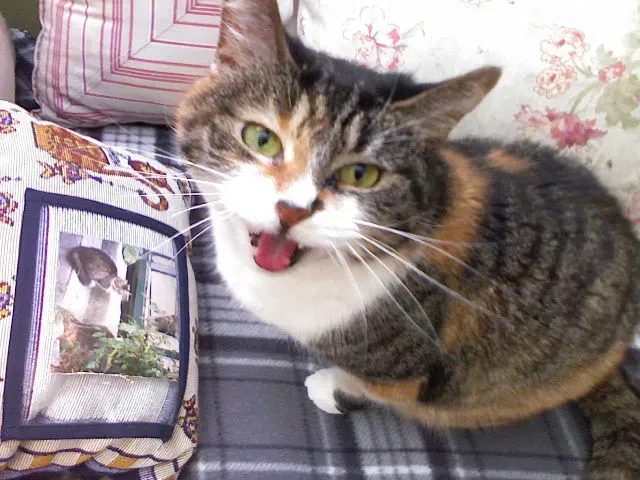
Think of it as practice sessions. Cats are surprisingly strategic communicators.
Some cats are genuinely social and probably enjoy talking with us for companionship, they may even develop a special language that they use just for us. When your cat vocalizes alone, they might be rehearsing the sounds that get the best reactions from you. It’s like running through their repertoire to perfect the pitch, tone, and duration that successfully gets your attention.
Research has shown that cats learn which specific meows elicit responses from their owners. The demanding breakfast meow differs from the “let me outside” meow, and both differ from the “I’m lonely, come pet me” meow. When alone, your cat might be fine-tuning these communication tools.
Expressing Solitary Play Behaviors
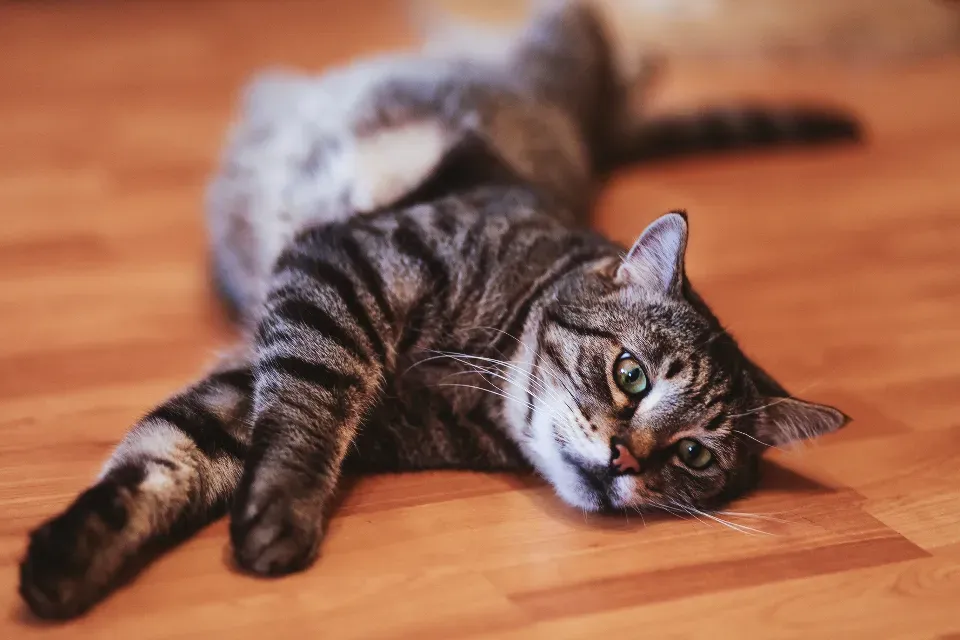
Cats have a peculiar kind of yowling sound that they make when they’re about to dash through the house or otherwise absorbed in solitary play. If you’ve ever caught your cat mid-zoomies while making strange sounds, you know exactly what this looks like.
Cats in play mode often vocalize as part of the experience. They might chirp at toys, trill while pouncing, or meow during their nighttime sprints through the hallway. This vocalization isn’t directed at anyone; it’s simply part of their playful energy release. The sounds seem to amplify their excitement and engagement with whatever imaginary scenario they’re acting out.
Some cats even develop elaborate solo play routines complete with different vocalizations for different activities. It adds richness to their playtime experience, making it more stimulating and enjoyable.
Territorial Announcements
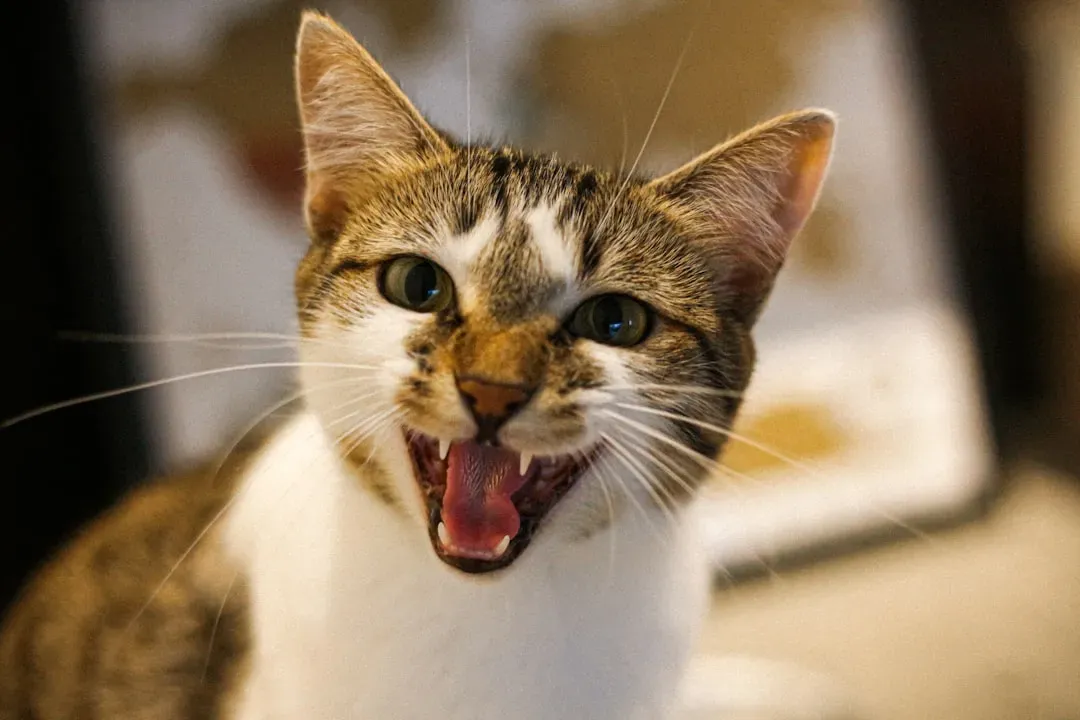
Your cat’s vocalizations when alone might serve territorial purposes, even indoors.
Cats are inherently territorial creatures. When they vocalize throughout the house, particularly in different rooms, they might be making territorial announcements. It’s their way of claiming and reinforcing ownership of their space, even when no intruders are present. The behavior can be instinctual rather than rational.
Sometimes the answer to why your cat keeps meowing is a simple one: he hears other animals, house cats will occasionally listen to noises made by other creatures and meow either as an attempt to contact them or find where they are. Your cat might be responding to sounds you can’t hear – neighboring cats, outdoor wildlife, or even rodents in the walls. Their vocalizations are attempted communications or warnings directed at these detected presences.
Attention-Seeking Behavior (Even When You’re Not Around)
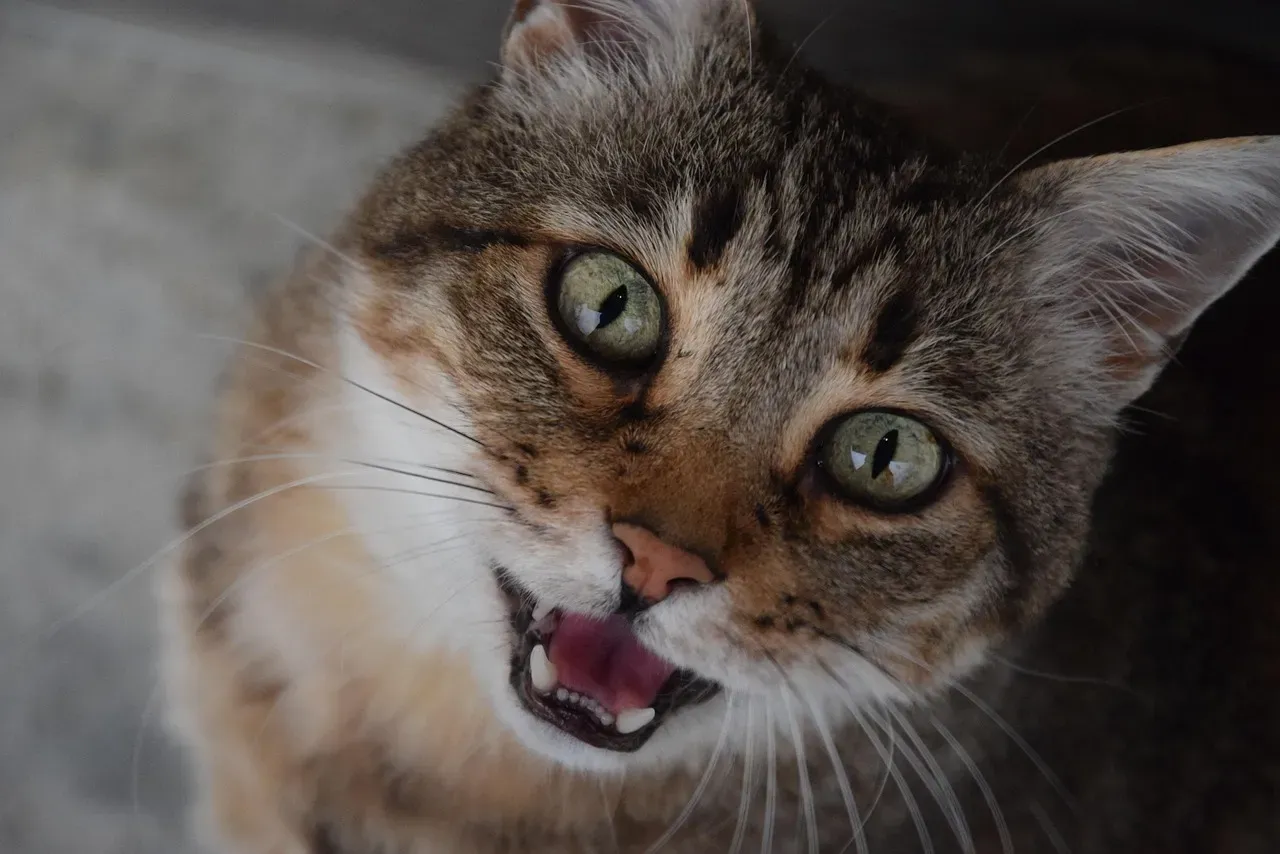
This might sound bizarre, but cats sometimes meow when alone because they’re practicing their attention-getting strategies or expressing frustration at your absence.
Even when your cat is sitting all alone, they start belting out the meows, it seems like it’s nonstop. They might be calling for you, hoping you’ll suddenly appear. Cats don’t always understand why you’ve left or when you’ll return. Their vocalizations can be expressions of loneliness or attempts to summon you back.
If you find your cat incessantly meowing at you, they may be bored, lonely, or simply want your attention, a simple remedy is talking with your cat, giving them a good scratch behind the ears, or having a play session. These learned behaviors sometimes continue even in your absence, almost as if your cat is going through the motions hoping for a different outcome.
Breed-Specific Vocal Tendencies
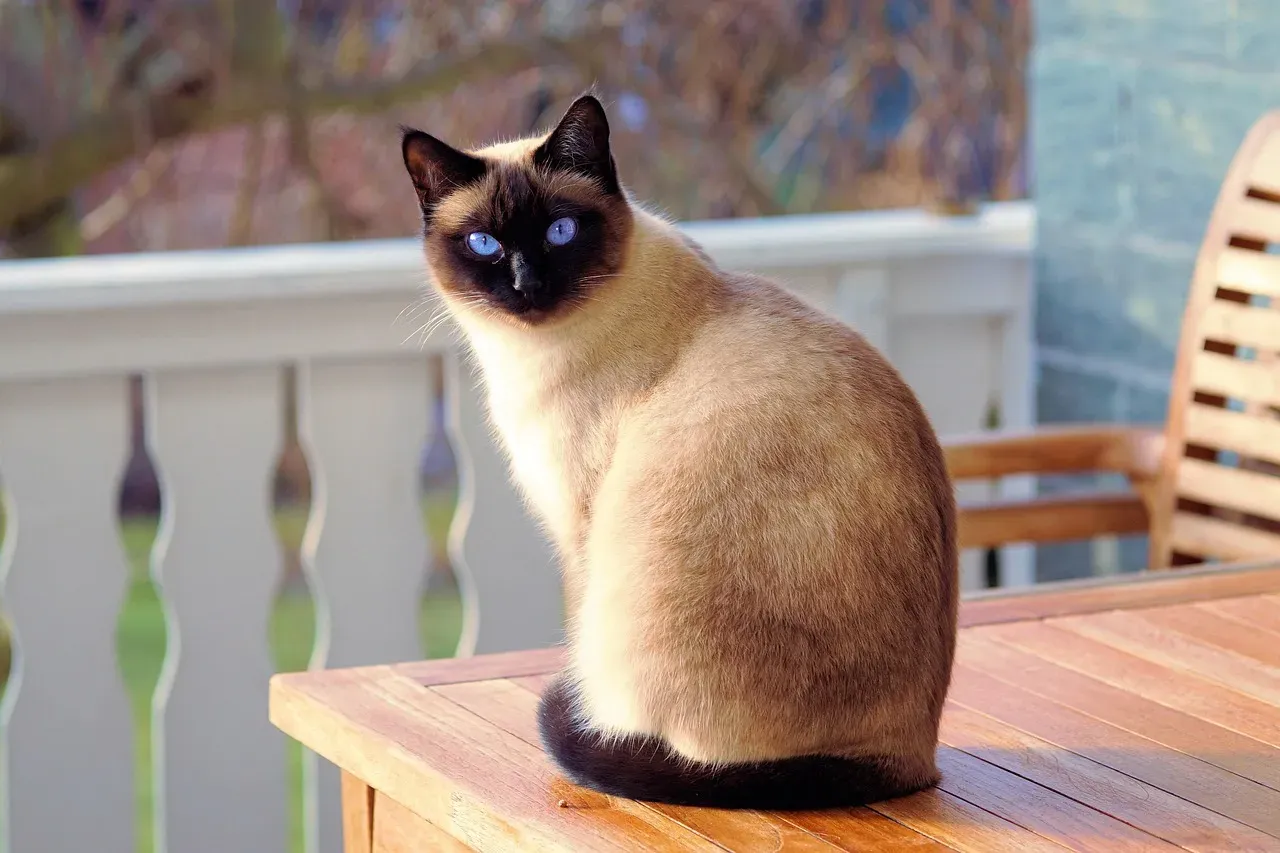
Not all cats are equally chatty, and genetics play a significant role.
Asian breeds, such as the Siamese, are known to be very vocal, if your cat has a pointed face and a long, lean body, chances are she has some Asian heritage, so talking may be a part of her character. Some breeds simply have stronger vocal tendencies than others. Siamese, Bengals, and Tonkinese cats are notorious for their talkative nature.
These vocal breeds might “talk” to themselves more frequently simply because vocalizing is hardwired into their personality. For them, making noise is as natural as grooming or stretching. Their self-directed conversations aren’t necessarily meaningful communication; it’s just what they do. Their vocal cords are practically itching to make sound throughout the day, whether anyone’s listening or not.
The Mystery Remains (But That’s Okay)
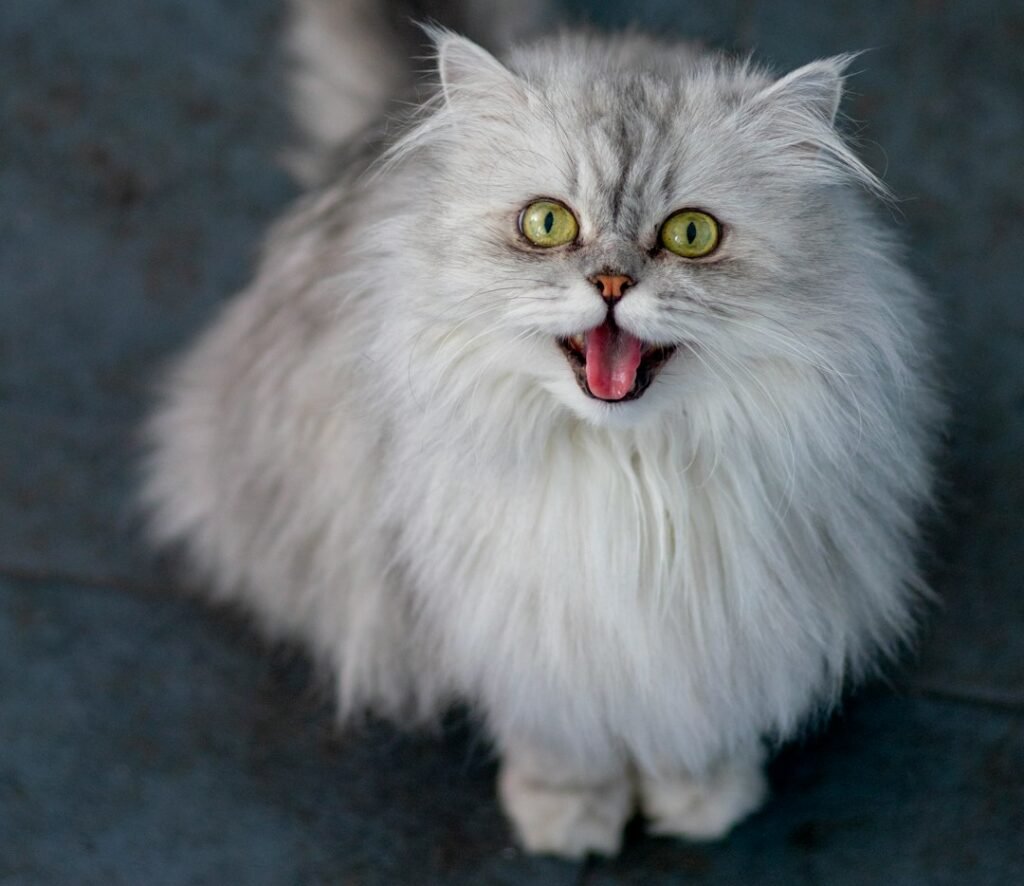
Despite all these explanations, there’s still mystery surrounding why cats talk to themselves. This review of the literature revealed that the vocal repertoire of the cat might actually be much more complex than previously believed, even if it long has been believed that cats were silent compared to dogs, the more the vocal communication system of the cat is studied the more we discover how complex it is.
Your cat’s solo conversations might involve multiple factors happening simultaneously. Perhaps they’re bored AND practicing their communication skills AND hearing something you can’t detect. Cats are complicated creatures with rich inner lives that we’re only beginning to understand.
The beauty of this behavior lies partly in its enigmatic nature. Not everything your cat does needs a perfect explanation. Sometimes the joy is in simply observing their quirky habits and accepting that your feline friend operates on a wavelength entirely their own. They’re fascinating, mysterious, and occasionally completely bizarre – and that’s exactly why we love them.
So next time you hear your cat having an animated discussion with the empty living room, don’t worry too much about it. They’re probably just being cats. What do you think your cat is saying during those solo conversations? Tell us in the comments.