Picture this: You’re finally in that deep, dreamy stage of sleep when suddenly your peaceful slumber is interrupted by a furry paw batting at your face or the unmistakable sound of your cat sprinting through the hallway like they’re being chased by invisible demons. You glance at the clock. 3 AM. Again. Before you blame your feline companion for being spiteful or deliberately trying to ruin your rest, there’s something you should know.
The reason behind these nocturnal wake-up calls isn’t what most people assume. Your cat isn’t trying to annoy you, and they’re definitely not plotting revenge for that vet visit last week. The truth is far more fascinating and rooted in biology, instinct, and yes, maybe a little bit of your own behavior too. Let’s dive into what’s really happening when your cat decides that the middle of the night is the perfect time for chaos.
They’re Not Actually Nocturnal

Here’s the thing: contrary to what many people think, cats are not nocturnal but rather crepuscular, which means they’re most active during the twilight hours of dawn and dusk. This might come as a shock if you’ve spent years assuming your cat was simply a night owl. This twilight activity in cats is an ingrained behavior from their feline predecessors, who relied on catching food during the dawn and dusk hours.
Although cats are evolved for night-time activity, during domestication they have adapted to human lifestyles, and domestic cats tend to be most active early in the morning and at dusk, not in the middle of the night. That 3 AM wake-up call? It’s actually your cat’s biological clock kicking in as they gear up for what their ancient DNA tells them is prime hunting time. Think of it as their body’s way of saying it’s time to get moving, even though the sun won’t rise for hours.
Their Inner Predator Never Sleeps

The domestic cat is a predatory species, meaning that cats hunt for their food, much like their wild ancestors who are solitary hunters, and there’s been very little selective breeding of cats, so their instinctive need to hunt remains strong. Even your well-fed indoor cat who’s never seen a real mouse in their life carries this powerful drive. It’s hardwired into their brain.
The motivation to hunt prey is only partly related to hunger, and as a species that hunts alone, cats rely solely on themselves to provide enough food, so if they wait until they’re hungry to hunt, they could starve to death because of the difficulty in hunting and capturing prey. This explains why your cat might pounce on your toes or zoom around the house at ungodly hours. They could be hungry or they might just be bored, as this is when they would typically be hunting in the wild.
You’ve Accidentally Trained Them
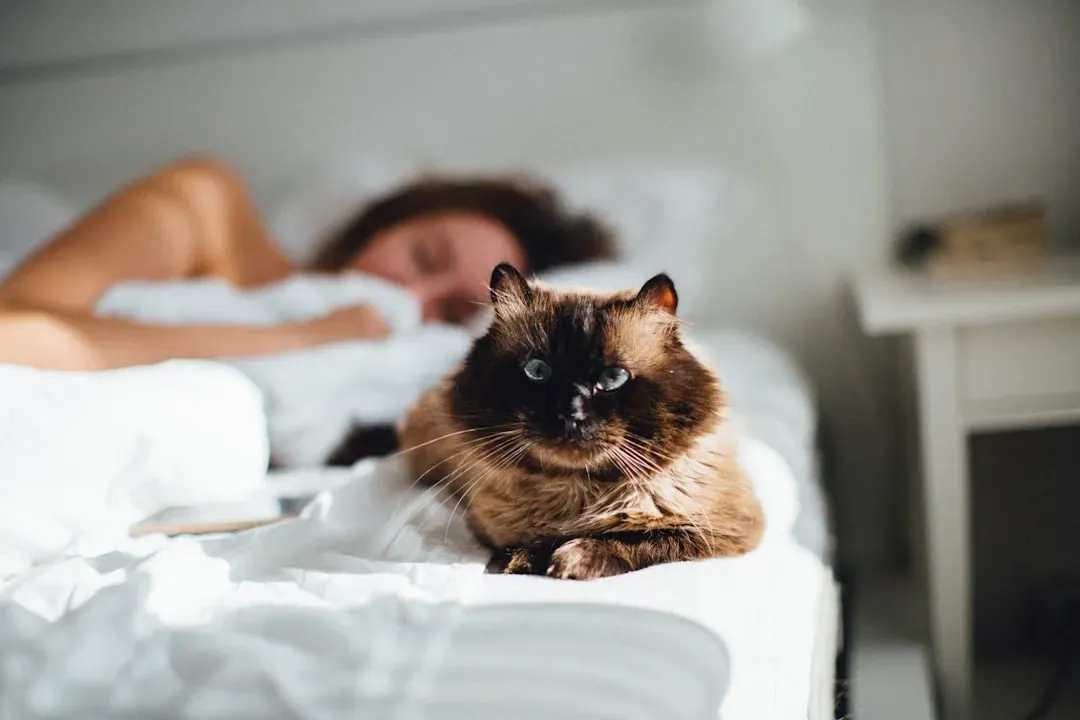
I know it sounds crazy, but you might actually be reinforcing this behavior without realizing it. Your cat is likely waking you up early in the morning because they woke you up once before and you either fed them or gave them attention, so they continue to wake you up to keep getting that food or attention. It’s a classic case of positive reinforcement gone wrong.
When something that used to work suddenly stops working, they think they need to try harder, get louder, and make more of an effort, but if you power through this phase, they should soon realize that this behavior is getting them absolutely nothing at all. The key is to ignore your cat’s behaviour at night or in the early morning, and don’t get up and, if you can, don’t interact with your cat when they wake you. Easier said than done, I’ll admit, especially when they’re walking across your face.
They’re Actually Hungry

A simpler explanation for the behavior most owners come across in the morning is hunger, as in many of these situations, the human wakes up and then feeds their cat, and this straightforward cause-and-effect pattern could explain why so many cats persistently wake their owners at dawn. If your cat’s last meal was at 6 PM and they’re waking you at 3 AM, that’s a solid nine hours without food.
When cats wake up at night or early in the morning, one of the first things on their mind is food, as cats tend to favor eating small and frequent meals throughout the day, much like cats in the wild who hunt small prey in short bursts in between periods of rest. Feeding a small meal before bedtime might help them sleep longer without feeling the need to rouse their human companions, as in most situations this can sometimes resolve the issue.
Boredom is a Real Problem
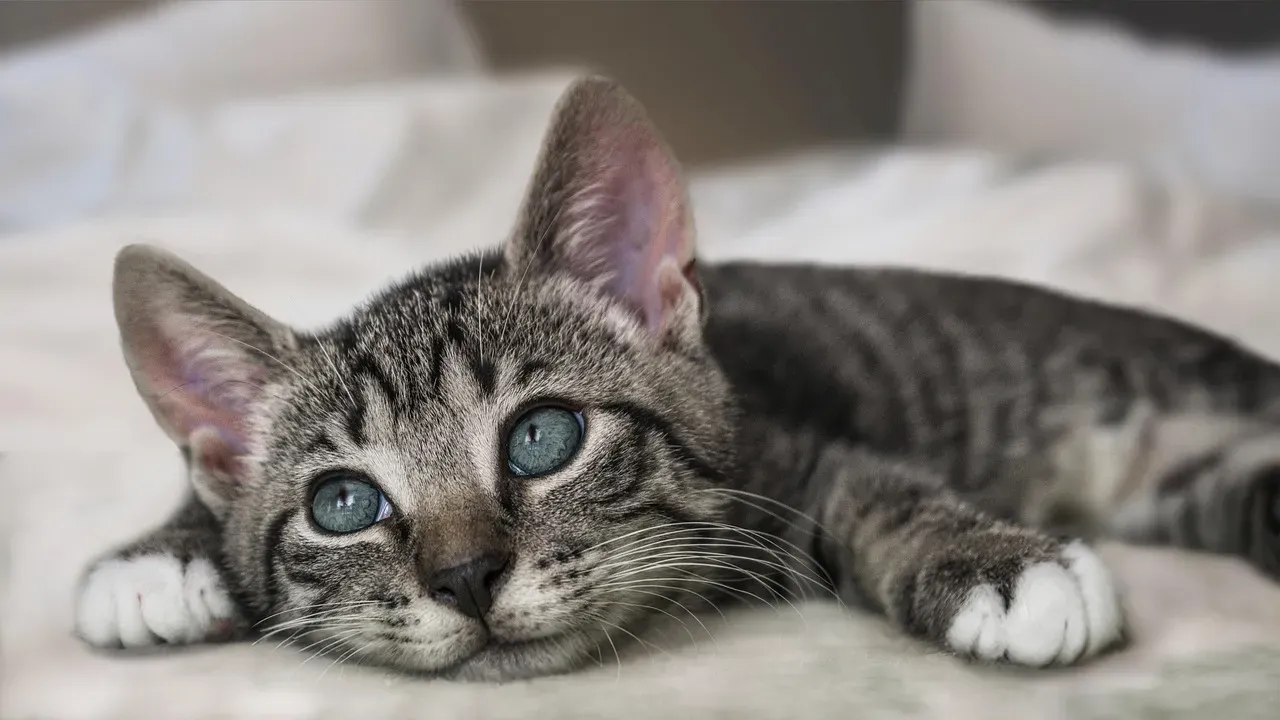
Bored cats will do just about anything to squelch that boredom, and waking up humans early in the morning is typically their best option. If your cat sleeps most of the day while you’re at work and then you crash on the couch exhausted when you get home, they’re not getting the mental and physical stimulation they desperately need. This pent-up energy has to go somewhere.
It’s common knowledge cats love to sleep, but they also love to play and move their bodies, so it’s important to give your cat access to a variety of toys and resources around the house to interact with, especially if you’re not home often, as scratch posts offer cats a place to climb and stretch while balls and motorised toys give them an opportunity to play and exercise. Giving cats a good play session just before bed can help wear them out, fulfill some of their hunting needs, and hopefully help both of you sleep more soundly, while feeding after this play session can also help keep them satiated overnight.
They’re Checking Their Territory
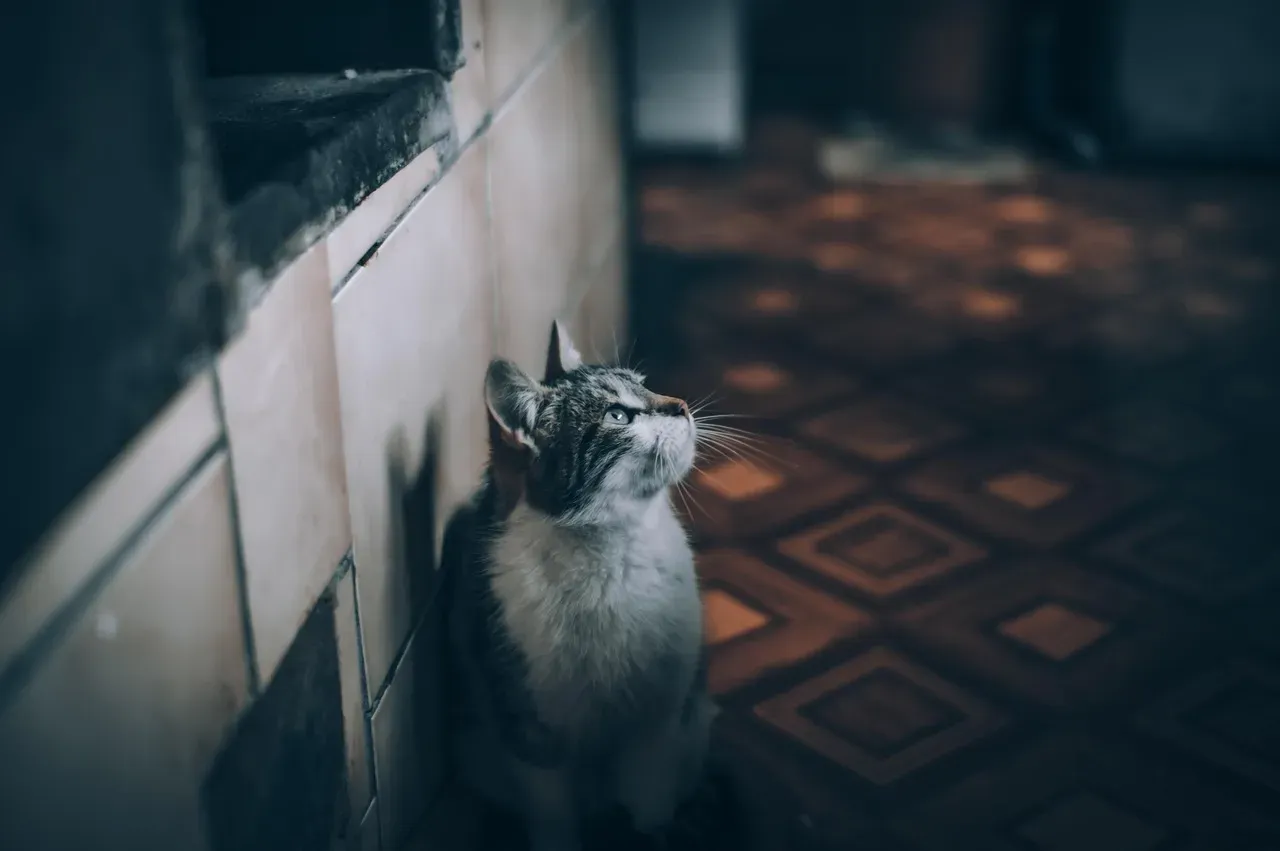
Cats are territorial creatures, and that includes your home. An indoor cat at night-time may be triggered to feel the need to patrol its territory – your home – as it might be checking for any changes in its environment, ensuring everything is as it should be, since cats thrive on predictable and routine behavior in their territory as a natural extension of their instinct to protect their zone from threats.
If something changes in their environment – you go on holiday, move furniture or have a new house guest or pet – your cat may return to early morning wake up calls, as this is typical for cats, though keeping the routine as consistent as you can will eventually help your cat settle in to the new normal. Maybe you rearranged the furniture or left a window open that’s usually closed. Your cat notices these things and feels compelled to investigate during their naturally active hours.
They Want Your Company
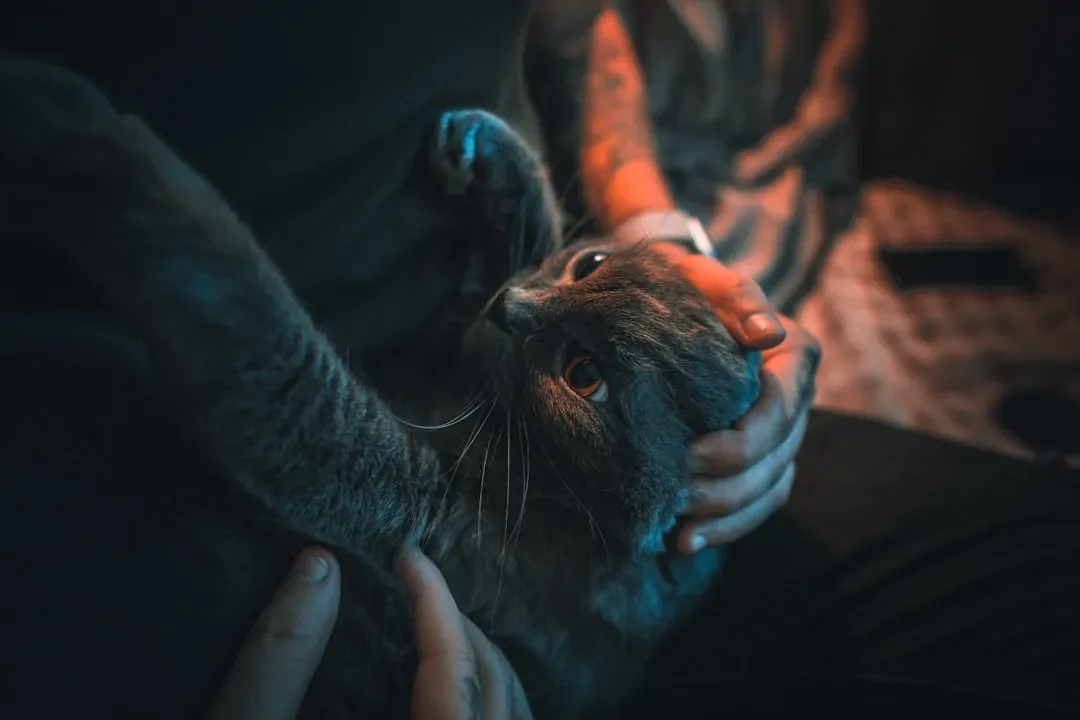
Sometimes, a cat might decide to wake their human companions in the morning in an attempt to get uninterrupted attention because they’ve been lacking it, especially if your schedule has been busier than usual or something else is taking up a bit of the attention you’ve given your cat in the past. Cats might act aloof, but many genuinely miss you when you’re gone or busy.
Let’s be real here: your cat has been napping all day while you were working. When you finally come home, you eat dinner, maybe watch some TV, and then go to bed. From your cat’s perspective, they barely got any quality time with you. Dedicating the last ten to fifteen minutes or more of your day to spending quality time with your cat through play, toys, or cuddles without paying attention to anything else but your kitty can help set your cat’s expectations for your attention.
It Could Be a Health Issue

Diabetes, hyperthyroidism, and other medical problems can cause voracious appetites in cats, while dental pain, pain in general, and cats in heat or spayed cats with ovarian remnants can have behavior changes, including appetite. Yowling in older cats might be due to Feline Cognitive Dysfunction Syndrome, which is essentially feline dementia. If your senior cat suddenly starts waking you up when they never did before, this could be the culprit.
Excessive vocalization can indicate thyroid issues or cognitive dysfunctions, and in the case of overnight excessive vocalization, these are often the cause, but can only be properly diagnosed by a vet. If you’ve tried everything and your cat still wakes you up, it’s time to see your veterinarian as there might be a health reason causing the behaviour. It’s always better to rule out medical issues before assuming it’s purely behavioral.
Breaking the Cycle Takes Patience

As hard as it is, ignoring this behavior is key, and by ignore, it means completely – don’t look at your cat, don’t have a conversation with them about how crazy they’re driving you, don’t talk to your partner, don’t even roll over, as the slightest indication that they got your attention with their vocalizing, scratching, or climbing the curtains will give them a reason to keep trying, so pretend nothing is happening.
Your cat might still wake you up for some time, and this behaviour may even get worse in the short term as your cat adjusts. Think of it like a toddler throwing a tantrum. If you give in, you’re teaching them that the tantrum works. Keeping a regular routine has even been associated with reduced stress levels in cats. Consistency is your best friend here, even when you’re exhausted and tempted to just get up and feed them to make it stop.
Understanding why your cat wakes you at 3 AM isn’t just about getting better sleep, though honestly, that’s a pretty great benefit. It’s about recognizing that your feline friend isn’t being malicious or spiteful. They’re simply following millions of years of evolutionary programming combined with some accidental training from us humans. The solution usually involves a combination of strategic feeding times, engaging play sessions before bed, and the willpower to ignore those insistent meows and paw taps in the wee hours. What’s your cat’s favorite wake-up tactic? Share your stories in the comments below.