Have you ever wondered why your friend’s Ragdoll practically drapes itself over their lap while your sleek Abyssinian prefers observing from across the room? It’s not that one cat loves more than the other. Let’s be real, the way cats express affection is far more complex than we often give them credit for.
If you’ve ever felt confused by your cat’s unique personality, you’re definitely not alone. The truth is, your feline friend’s breed plays a surprisingly significant role in how they demonstrate their love for you. Some cats are cuddle enthusiasts, while others show devotion through more subtle gestures. The variations can be startling, honestly.
The Genetic Blueprint Behind Your Cat’s Personality
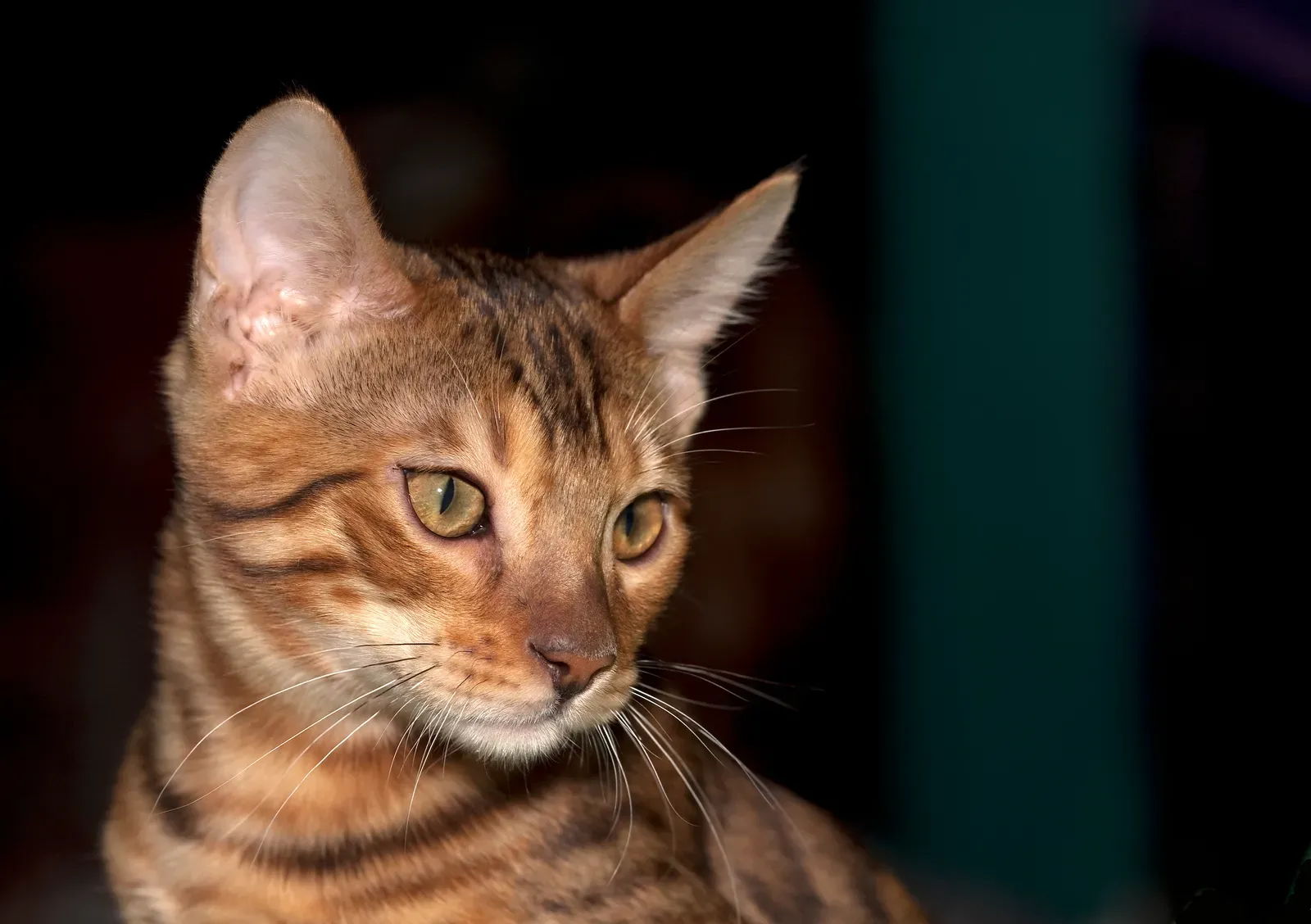
Breed differences suggest a genetic background for personality. This means that when you choose a specific cat breed, you’re not just selecting a certain look or coat length. You’re essentially picking a companion with inherited behavioral tendencies that have been passed down through generations of selective breeding.
Research shows that temperament traits are often inherited, meaning kittens can inherit their sociability, aggression, or playfulness from their parents. Interestingly, studies have found that the father’s temperament can significantly influence kittens, even when they’re raised by a different mother. This suggests both parents contribute important personality traits that shape how your cat will interact with you throughout their lifetime.
Think of it like this: genetics provide the foundation, but it’s the combination of inherited traits and early experiences that create the unique feline sitting beside you right now.
Why Ragdolls Are the Ultimate Lap Cats
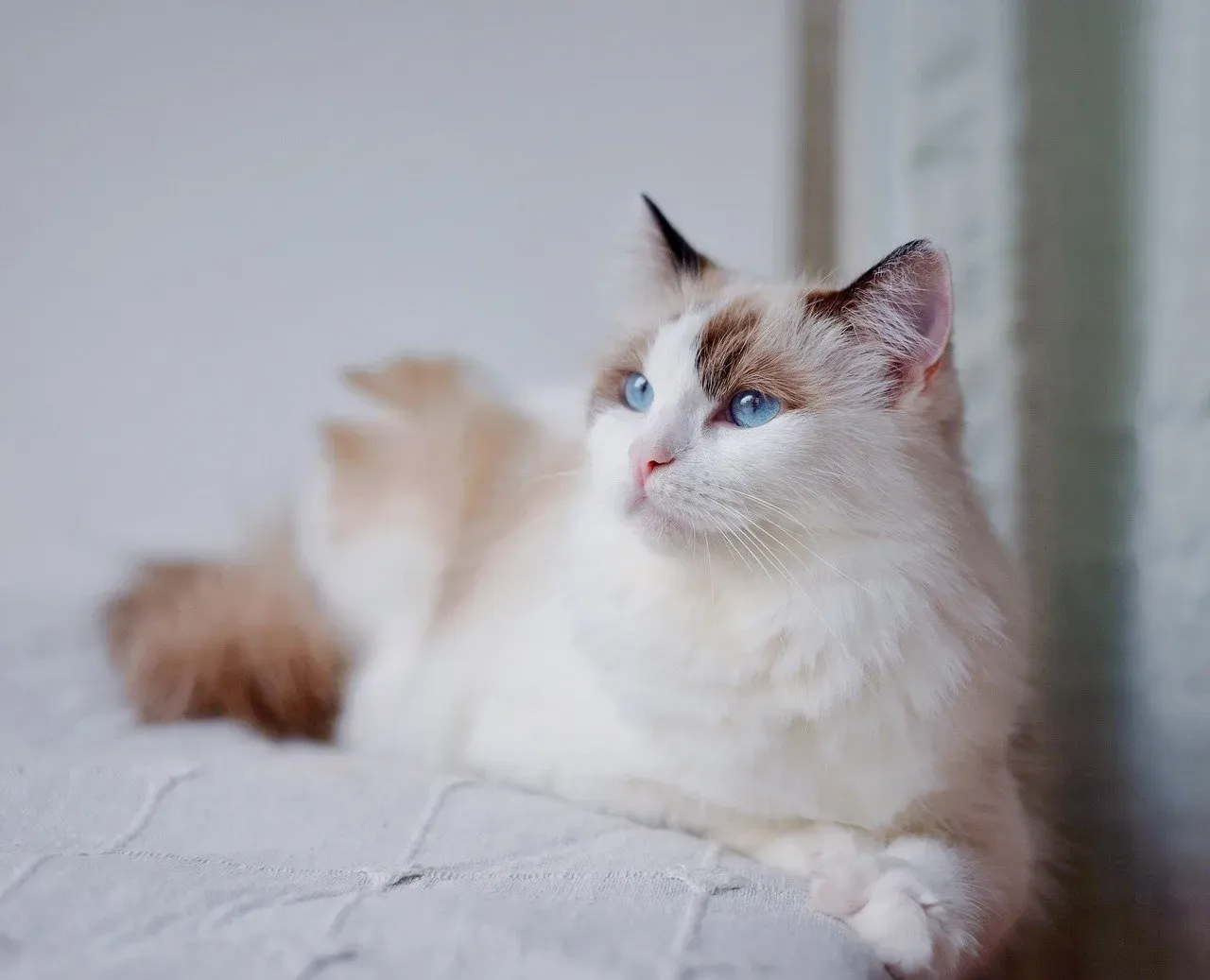
The Ragdoll has earned its reputation as one of the most affectionate breeds for good reason. These felines are known for being docile and affectionate. Their name comes from their tendency to go completely limp when picked up, like an actual ragdoll.
Ragdolls are a docile bunch that prefer to gently bat at a toy mouse rather than attack at full gust. That, in addition to their adaptability, makes Ragdolls great companions for families with children and other pets. What makes them especially endearing is their constant desire for human attention. The more you interact with them, the happier they become.
Here’s the thing though: their chill demeanor doesn’t mean they lack personality. They’re intelligent and love interactive play, making them wonderful companions who balance affection with gentle playfulness. If you want a cat that will consistently seek your company without being overly demanding, the Ragdoll might be your perfect match.
The Vocal Devotion of Siamese Cats
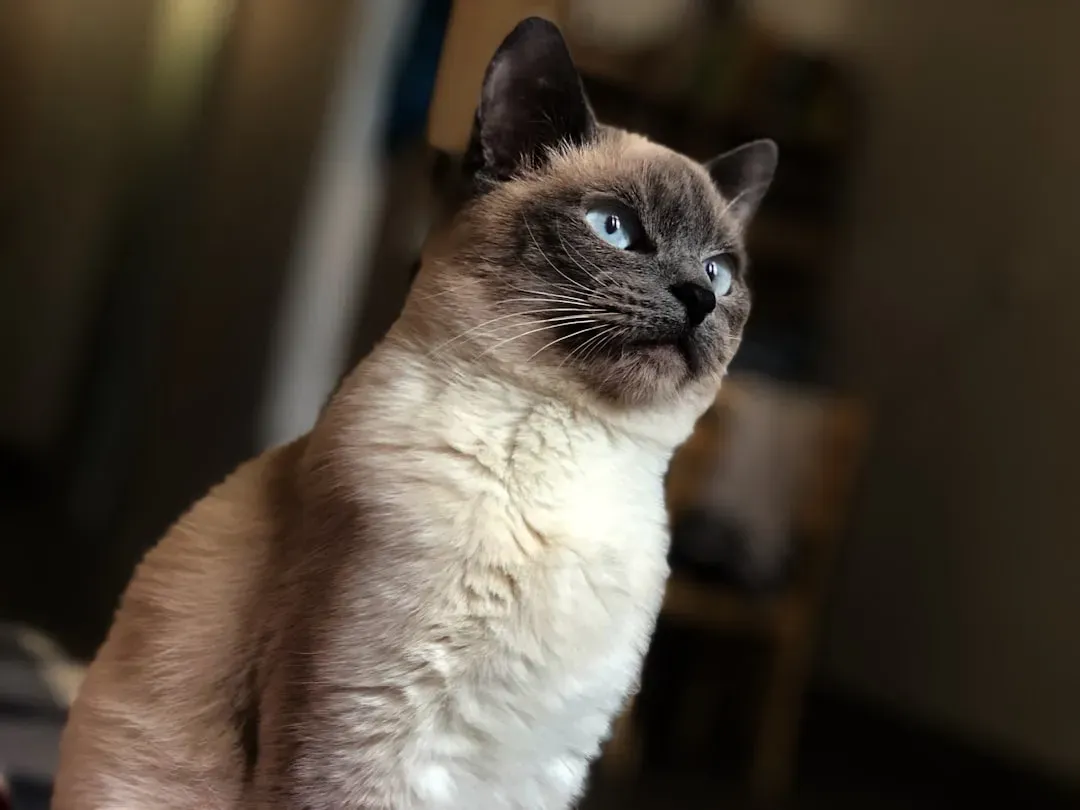
Siamese cats are famous for their talkative nature and their deep bond with their owners. They are highly social cats that thrive on human interaction and love to be the centre of attention. If you’ve ever lived with a Siamese, you know they’re not shy about expressing their opinions.
These cats will literally follow you from room to room, engaging in what feels like actual conversations with their distinctive, melodious voices. Their loyalty runs deep. Some cat breeds, like Siamese or Abyssinians, are known for being more vocal and demanding of human contact.
What surprises many people is that Siamese cats don’t just tolerate being held – they actively seek it out. Their affectionate and outgoing personality makes them ideal for those who want a constant feline companion. I know it sounds intense, but for Siamese lovers, this level of engagement is exactly what makes the breed so special.
The Gentle Giants: Maine Coons and Their Unique Affection Style
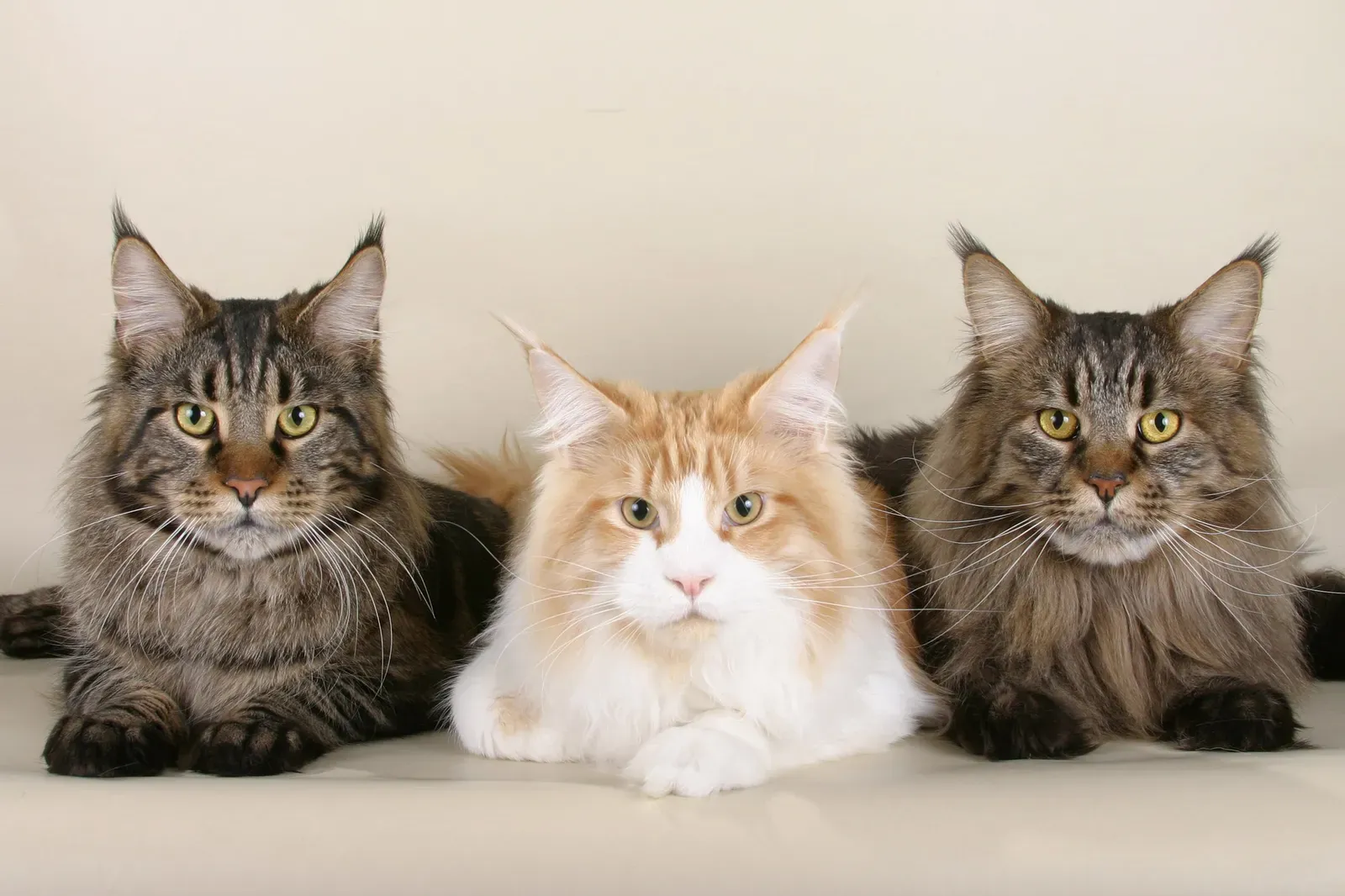
The Maine Coon cat is affection, but unlike Siamese-type breeds, it has reasonable boundaries. These large, majestic cats offer a different kind of love – one that’s loyal without being clingy.
Maine Coons are often described as having dog-like characteristics. Maine Coons are not just large in size but also in personality. Known for their dog-like characteristics, these gentle giants are curious and playful. They’ll happily spend time near you, following you around the house and participating in family activities, but they won’t necessarily demand to be in your lap constantly.
This breed is highly intelligent and loves interactive play. Their affection manifests through companionship rather than constant physical contact. For families who want an affectionate cat that respects personal space while still being engaged, the Maine Coon hits that sweet spot perfectly.
Persian Cats: The Quiet Cuddlers
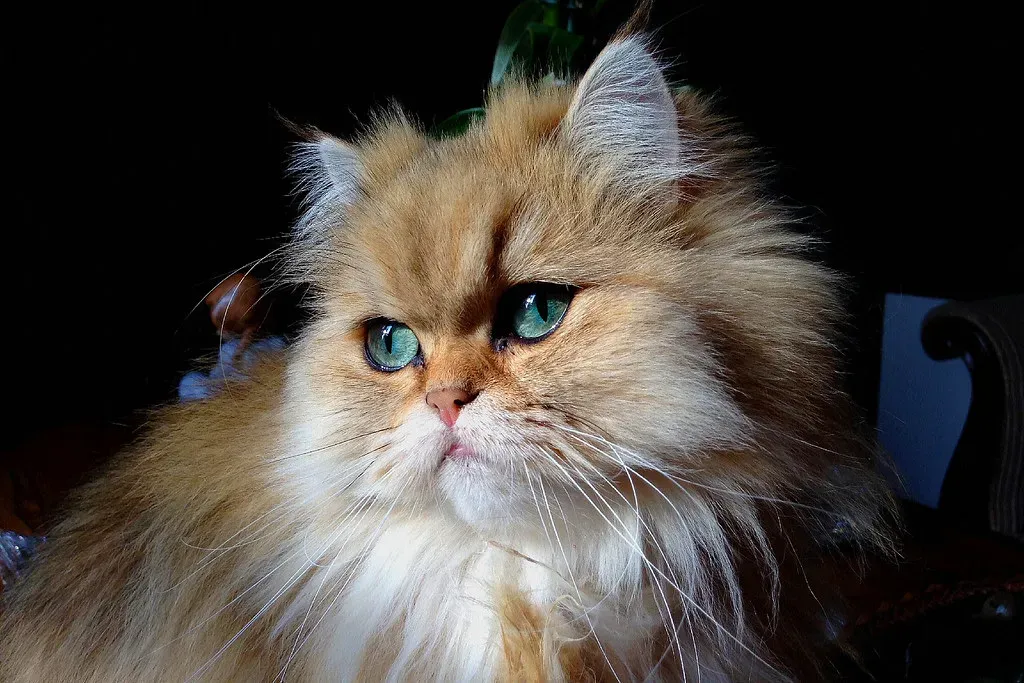
As a whole, Persian cats are known to be calm, cool, and collected. They prefer to lounge on the couch and binge-watch a show rather than run around and play. Their approach to affection is decidedly low-key, which appeals to those seeking a more peaceful companion.
Persians are renowned for their laidback and tendency to show their affection by purring loudly. They like to stretch out beside their owners, sleep in their beds, and settle into laps when they’re in the mood. They’re friendly toward strangers and genuinely enjoy being picked up and held.
What’s particularly charming about Persians is their occasional bursts of kitten-like energy that break up their otherwise serene demeanor. If you want a cat that provides steady, uncomplicated affection without excessive demands, Persians offer exactly that kind of relationship.
The Independent Spirits: Bengals and Russian Blues
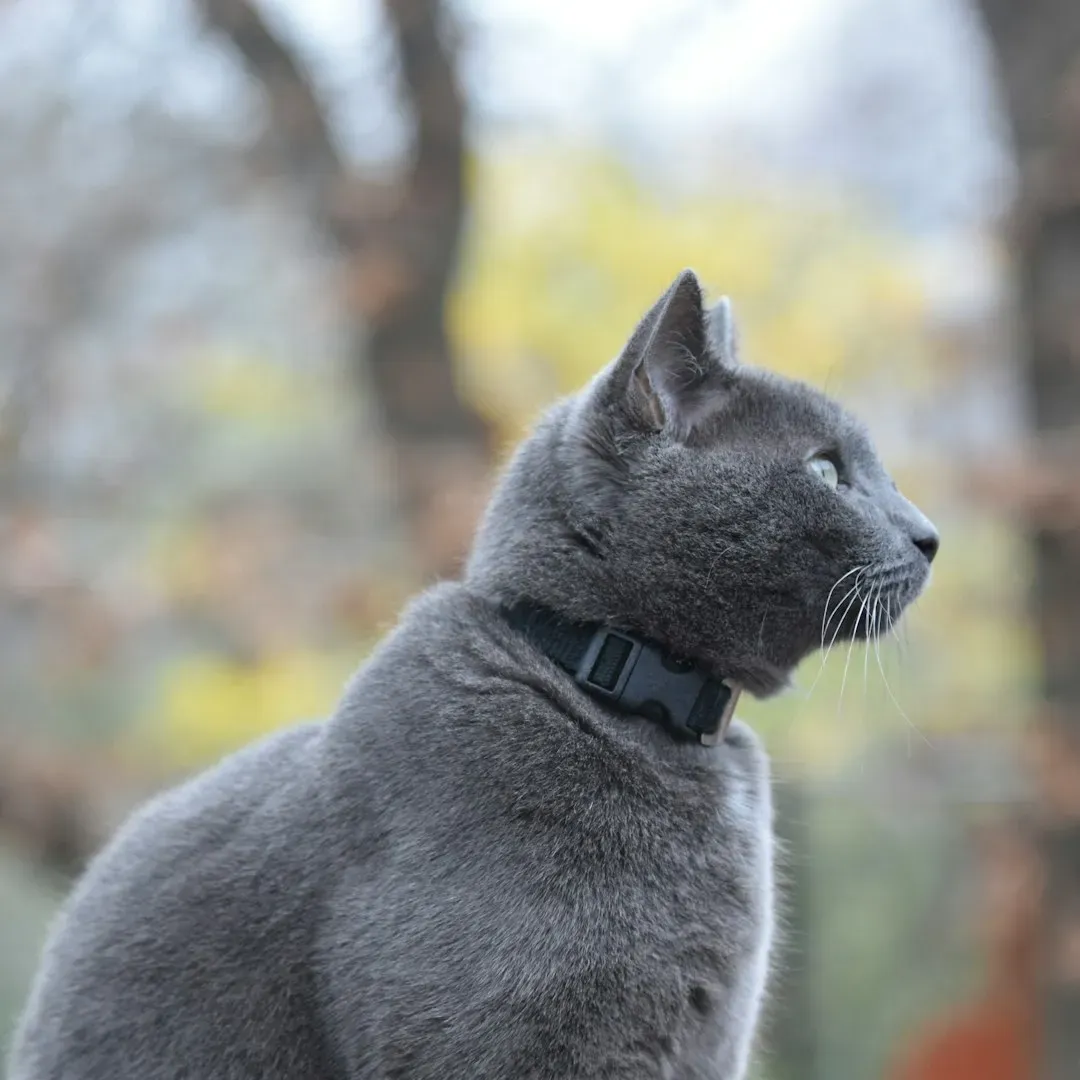
Not all breeds are wired for constant cuddles, and that’s perfectly okay. At the low end on affection is the Bengal which is significantly less affectionate than the DSH and DLH and all other breeds, except the Manx, Abyssinian, Exotic and Russian Blue which are also near the low end on affection.
Bengals are energetic, athletic, and incredibly curious. Their affection tends to express itself through interactive play and exploration rather than lap-sitting. They form bonds with their owners but on their own terms. Similarly, Russian Blues tend to be more reserved, though they can be deeply loyal once trust is established.
It’s hard to say for sure, but these breeds might suit someone who appreciates feline companionship without needing constant physical affection. Their love is quieter, expressed through presence rather than persistent cuddling.
Burmese Cats: The People-Pleasing Powerhouses
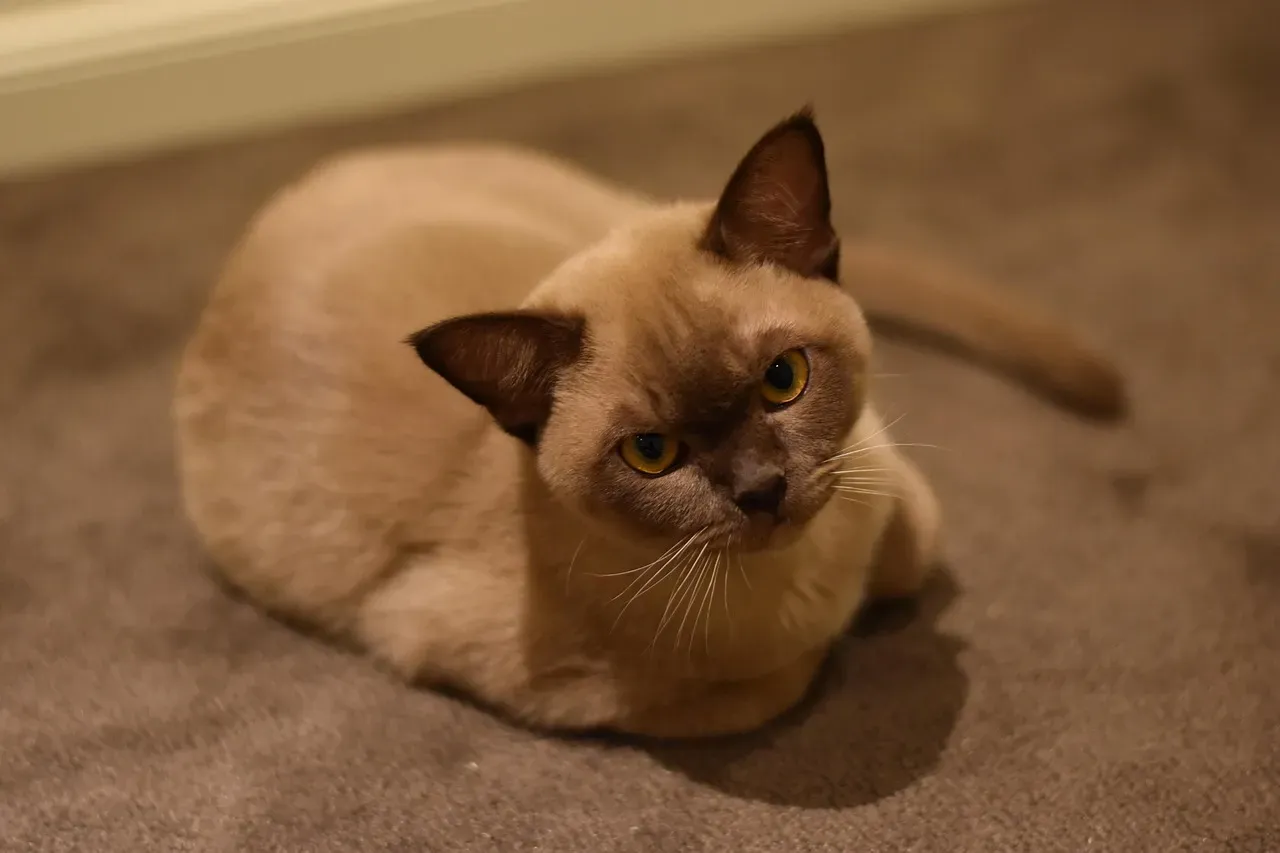
Burmese are often considered to be the most affectionate cat breed. They love being with people at all times and crave close physical contact, making them the ultimate companion cat for a devoted family. These cats take attachment to a whole new level.
Research has shown the Burmese to be among the least fearful and least likely to show aggression toward humans, all the traits of an affectionate kitty. They’ll follow their owners from room to room, preferring to cuddle on the sofa or sleep in bed with them. Honestly, if you want a cat that acts more like a devoted dog, the Burmese might be your ideal companion.
Their intelligent and strong-willed nature means they can occasionally be stubborn, but their overwhelming desire for human companionship more than makes up for any minor personality quirks. They’re not for everyone – their need for attention is genuine and constant.
The Hairless Huggers: Sphynx Cats
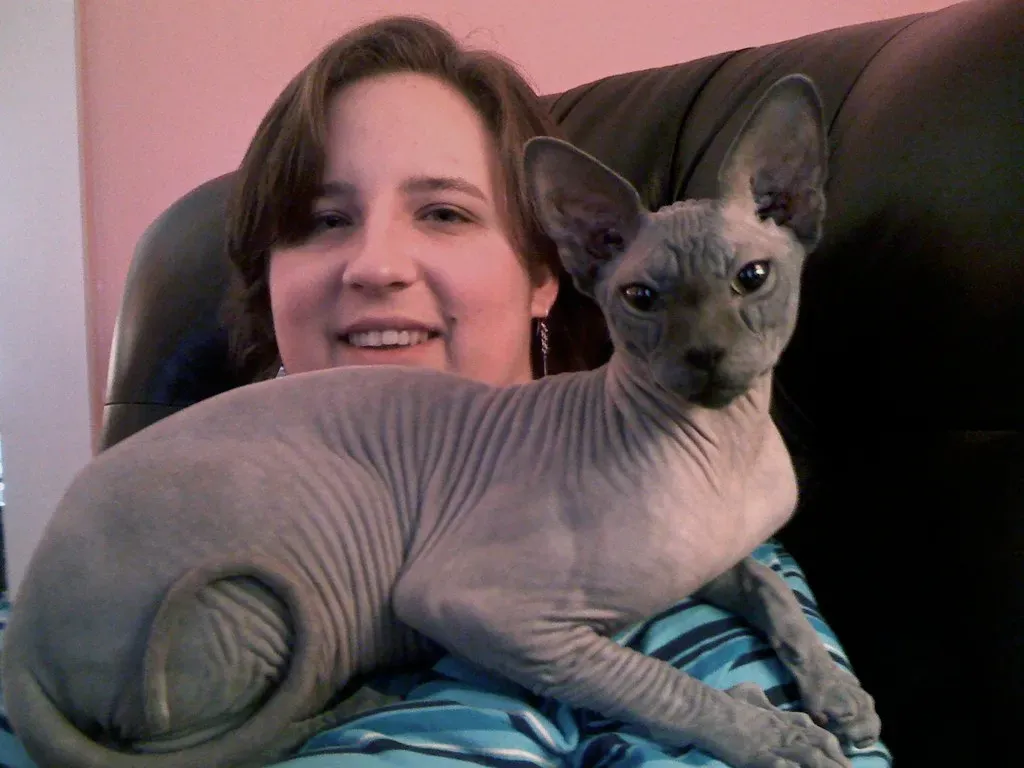
Although this unique cat might not appeal to all families, they make loving, affectionate and attention-seeking companions. They are generally considered to be one of the most dog-like breeds as they hate being alone and crave companionship, choosing to follow their family around the house and be involved in every activity.
Their hairless coat means they seek the warmth of their owner’s lap and bed to stay cosy. This practical need for warmth combines with their naturally affectionate temperament to create a cat that’s essentially a living, purring hot water bottle who demands constant interaction.
Sphynx cats are energetic, playful, and incredibly social. They want to be involved in everything you do, and their lack of fur makes them particularly fond of snuggling under blankets or curling up against warm human bodies. If you’re looking for a cat that’s basically glued to your side, the Sphynx delivers that experience in spades.
How Cats Show Love Differently Than Dogs
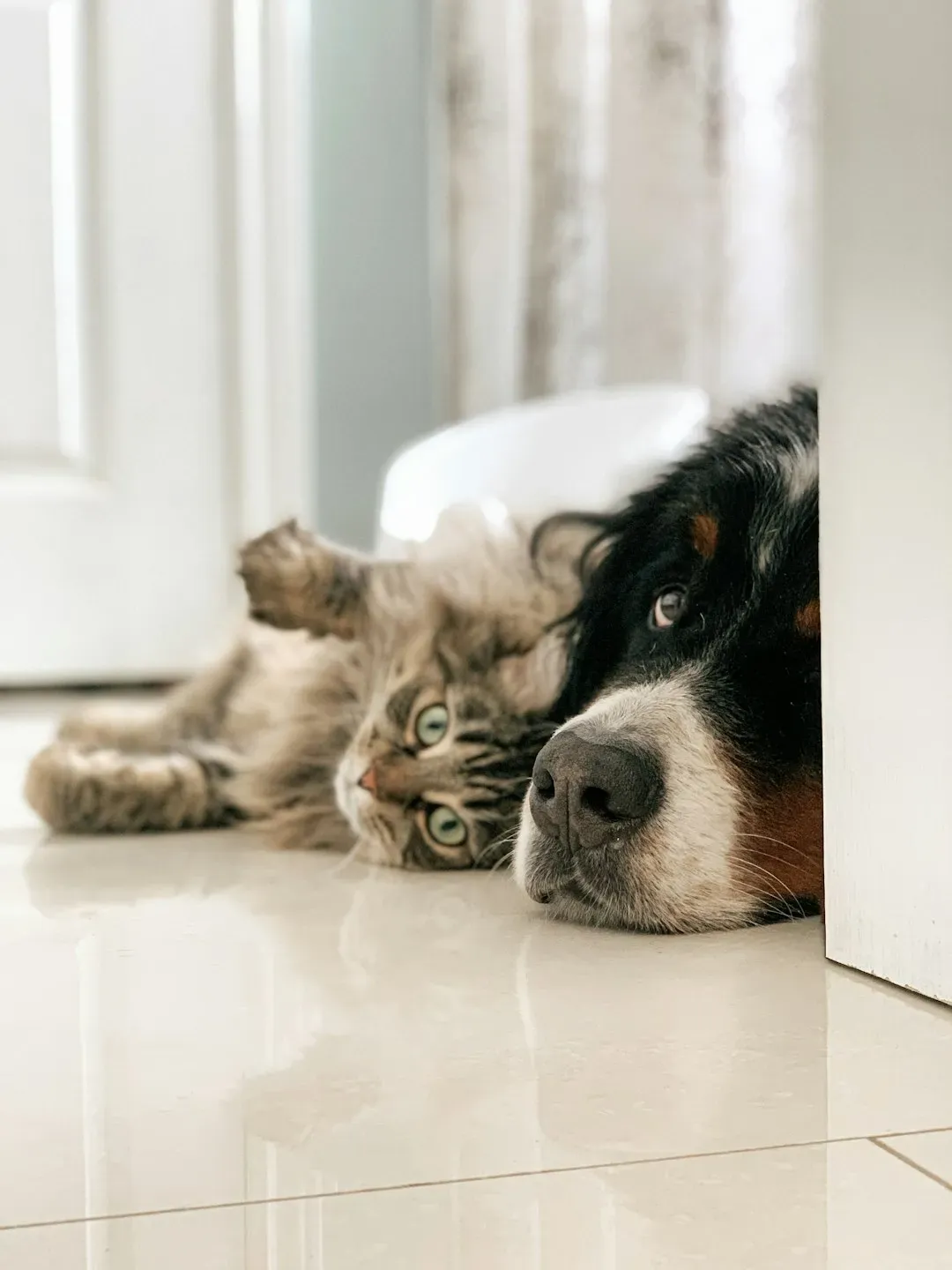
Like humans, pets have different love languages, and different species demonstrate affection in different ways. Cats, no surprise, often express love and affection more subtly than dogs. This fundamental difference is why cat affection can seem mysterious to those more familiar with canine companionship.
Dogs greet you enthusiastically at the door, wag their tails vigorously, and shower you with obvious displays of excitement. Cats, on the other hand, might acknowledge your arrival with a slow blink from across the room or a gentle headbutt when you least expect it. Cats typically show their affection by sharing space, treating their humans as oversized fellow cats.
Understanding these subtle signals – the slow blink that acts as a “cat kiss,” the tail wrapped around your leg, the gentle kneading motion – helps you recognize that your cat’s love is just as genuine as a dog’s. It’s just packaged differently.
The Role of Early Socialization in Feline Affection
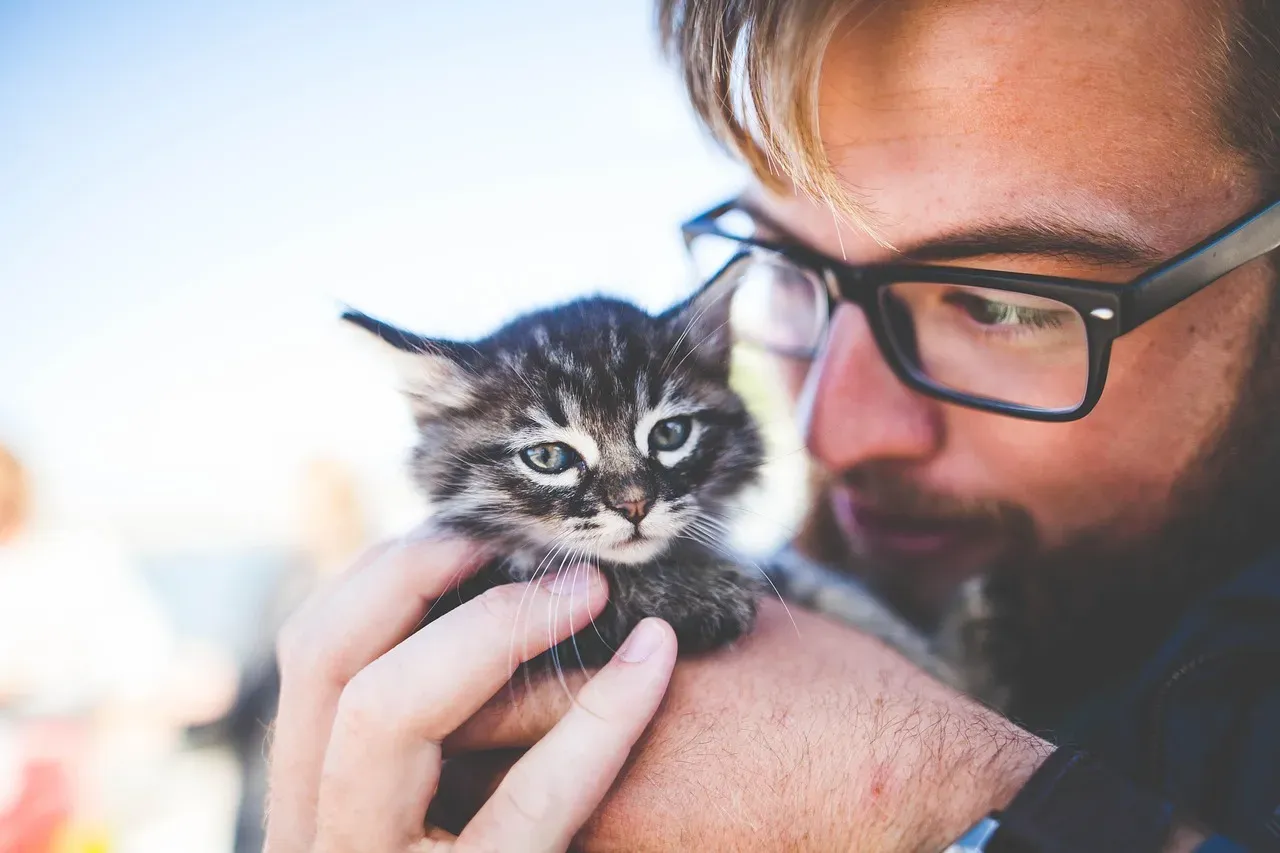
The first 8-16 weeks of a kitten’s life can greatly influence their personality and demeanor. During this period, kittens tend to be fearless in exploring the world around them. It is important to provide them with an enriching environment in order to allow them to become comfortable with a variety of sights, smells, sounds, etc.
Even within the same breed, individual cats can vary widely based on their early experiences. Cats raised in enriched environments with positive human interaction during their critical developmental period (2-7 weeks) often show greater sociability and confidence in adulthood. This means a Bengal raised with lots of gentle handling might be more affectionate than average for the breed.
The amount and type of human interaction young kittens receive directly impacts how they engage with people throughout their lives. It’s fascinating how those early weeks create such lasting impressions. Your cat’s current behavior is shaped by both their genetic predisposition and those crucial formative experiences.
Understanding Your Individual Cat’s Love Language
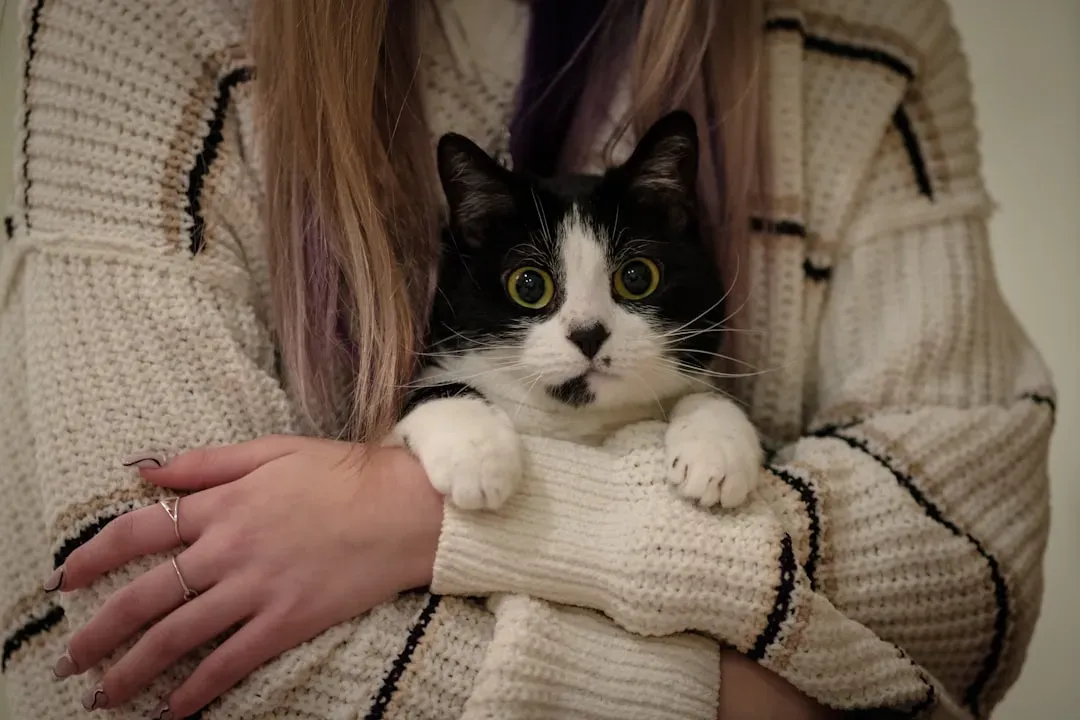
No, not all cats show love the same way. Just like people, each cat has its own personality and its own way of showing affection. Some cats love lots of attention, while others are more shy and show love in quieter ways. This individuality exists even within breeds known for specific temperaments.
Common signs that a cat loves you include purring, rubbing up against you, sitting on your lap, licking you, and head-butting you. Some cats show affection through slow blinks, others through bringing you “gifts” (sometimes unfortunately in the form of small deceased creatures), and still others simply by choosing to be in the same room as you.
Learning your specific cat’s preferred methods of expressing and receiving affection strengthens your bond. Pay attention to what makes your cat purr, what causes them to seek you out, and what situations make them retreat. This knowledge helps you provide the kind of interaction your individual cat craves, regardless of what’s typical for their breed.
Conclusion: Celebrating Your Cat’s Unique Affection Style
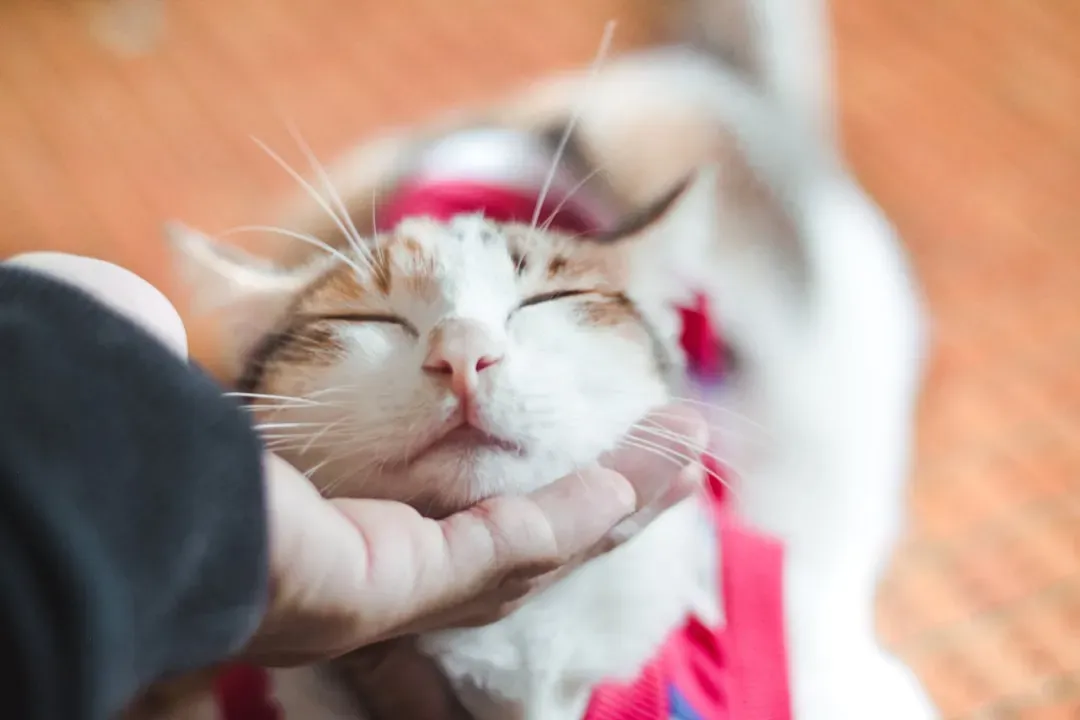
The way your cat expresses love is influenced by a fascinating combination of genetics, breed characteristics, early socialization, and individual personality. Whether you have a lap-loving Ragdoll, a talkative Siamese, an independent Bengal, or a mixed-breed rescue with their own unique quirks, understanding these differences helps you appreciate their affection for what it truly is.
Your Persian’s quiet purring beside you is just as meaningful as a Burmese demanding to be held. Your Maine Coon’s companionable presence is genuine devotion, even if they’re not constantly in your lap. The key is recognizing that feline love comes in many forms, all equally valid and heartfelt.
What’s your cat’s favorite way to show they care? Have you noticed breed-specific behaviors in your feline friend?