Ever watched your cat deliberately swat a glass off the counter while making direct eye contact with you? Or discovered they’ve figured out how to open the cabinet where you hide their treats? You might’ve rolled your eyes and muttered something about dealing with a furry troublemaker. Here’s the thing, though. That mischief isn’t random chaos.
It’s actually your cat showing off their smarts. Those moments when your feline friend seems determined to drive you up the wall might be their way of demonstrating impressive cognitive abilities that researchers are only beginning to fully understand. So before you label your cat as simply naughty, let’s explore what’s really going on inside that fuzzy little head.
The Science Behind Your Cat’s Clever Chaos
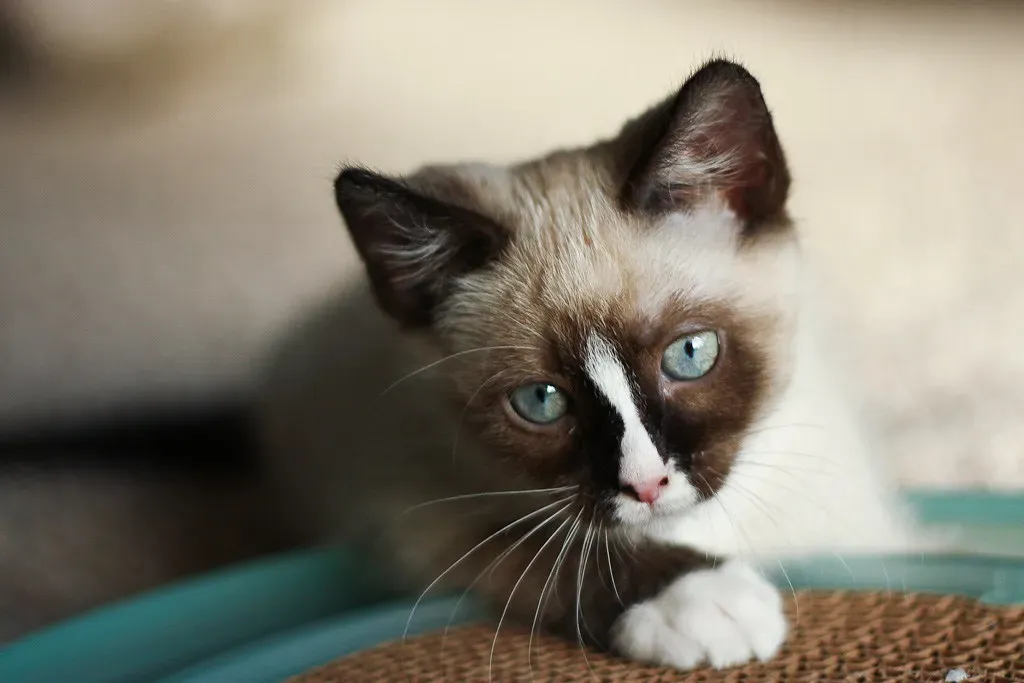
Cats have around 250 million neurons in their cerebral cortex, the region responsible for decision-making and problem-solving. That’s pretty remarkable for such a small brain. What makes it even more interesting is how cats use this cognitive power.
Cats display neuroplasticity, allowing their brains to reorganize based on experiences. This means every time your cat figures out something new, their brain is literally rewiring itself to remember and apply that knowledge later. When your clever kitty learns to open a door by watching you do it first, they’re not just mimicking. They benefit from the model but are not specifically copying exact movements. Instead, they figure out their own solution through trial and error.
One study focused on emotion recognition in cats proves that cats can interpret human emotions. Your cat knows exactly what they’re doing when they knock that pen off your desk, and honestly, they probably also know you’re about to react to it. That’s not stupidity. That’s strategic thinking.
When Knocking Things Over Is Actually Problem-Solving
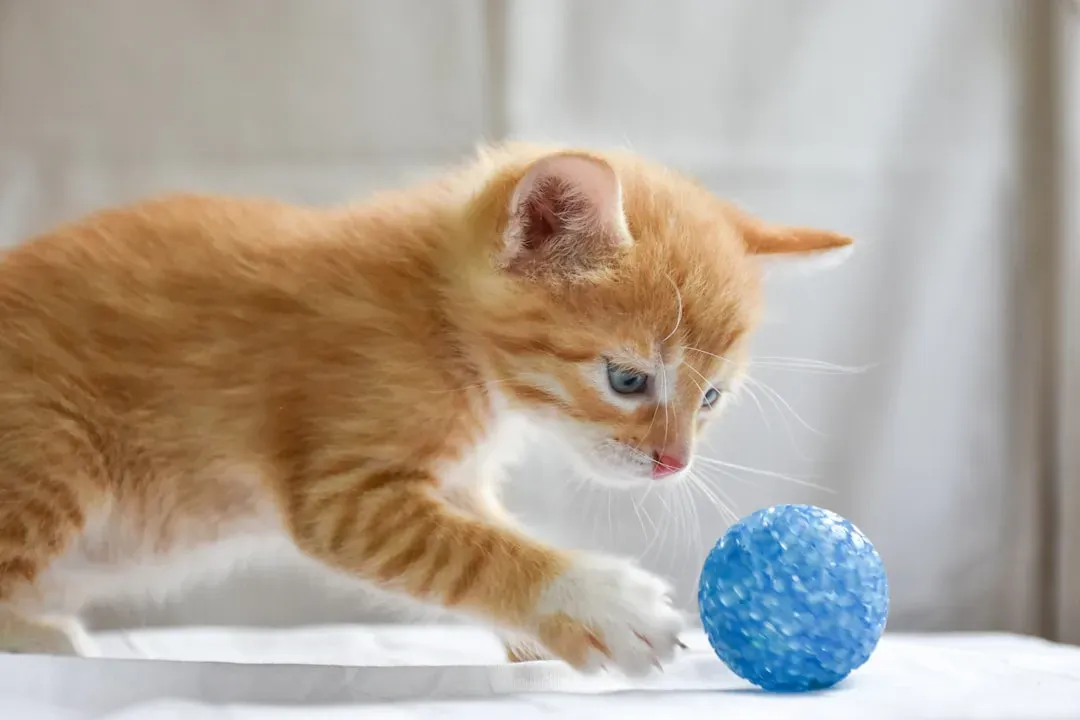
Let’s be real here. The classic cat behavior of knocking stuff off tables drives most of us nuts. Yet this annoying habit reveals something fascinating about feline intelligence. Cats are hardwired to be attracted to things that dart past their line of sight, as fast-moving objects are potentially something to chase, catch, and eat.
A cat’s paw is crucial to their ability to be a cat, with their paws they scratch, touch and feel, knead, and slowly move things that pique their interest. When your cat gently taps that pencil toward the edge of the desk, they’re investigating. They’re testing. It’s essentially a scientific experiment conducted by a tiny, furry researcher.
Motion triggers a cat’s predatory instincts, so setting something in motion can appeal to their predatory nature. Every swipe teaches them about physics, cause and effect, and which actions get the most interesting results. Sure, sometimes the interesting result is your frustrated yelp, but that’s still data to a curious cat.
Attention-Seeking Behavior Proves They Understand Cause and Effect
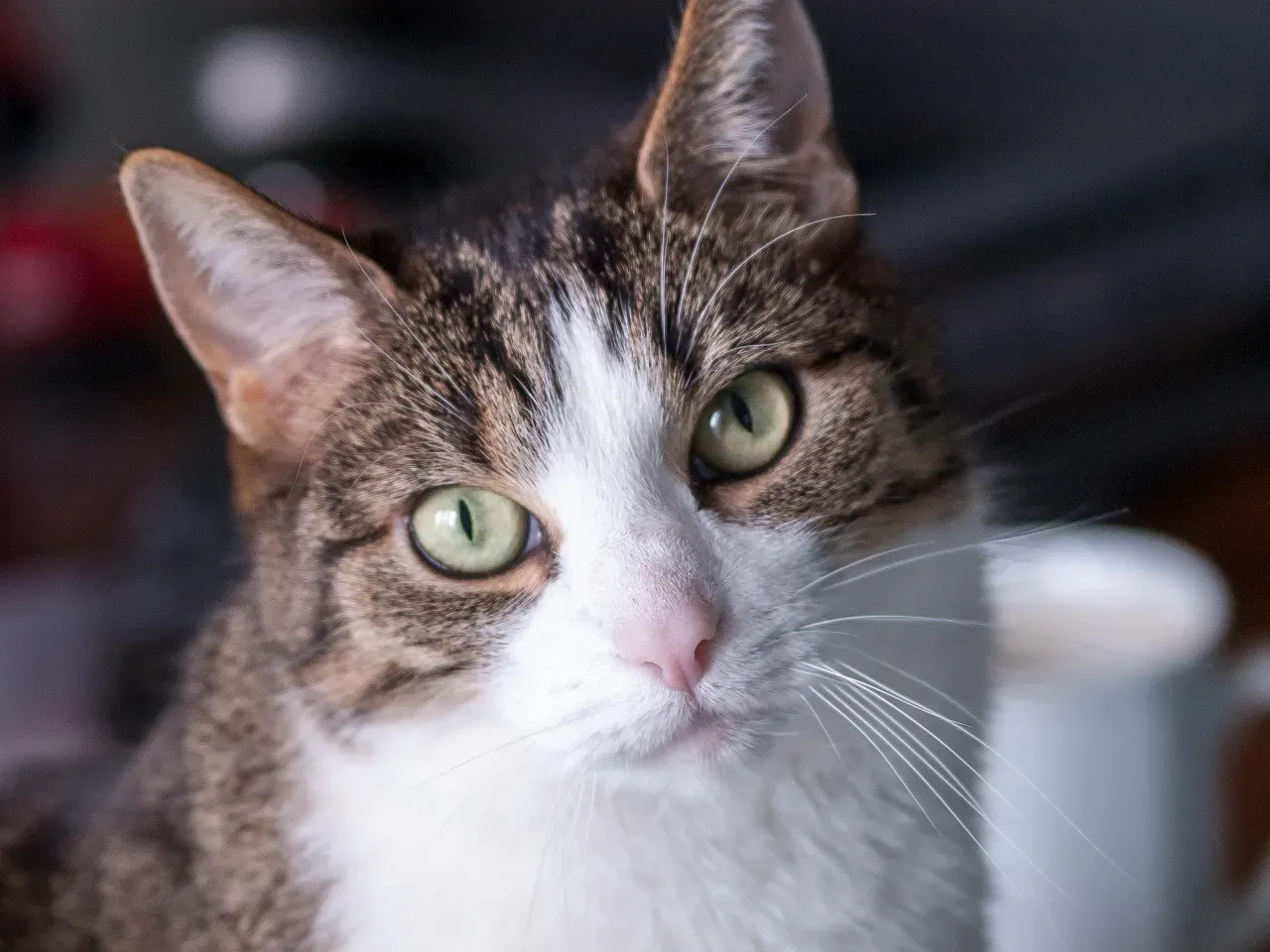
You know what’s really clever? When your cat has trained you without you even realizing it. Cats are smart and quickly learn which actions get a reaction, so if knocking over a cup gets attention, it becomes a learned behavior.
Think about it. Your cat performs an action, observes your response, and then repeats it when they want that same response again. That’s operant conditioning, the same psychological principle used to train humans. Except in this case, you’re the one being trained.
Cats may learn that the behavior of knocking things over elicits a response from us, so they act out to gain our attention. Whether you’re scolding them or just rushing over to save your favorite mug, you’re giving them exactly what they wanted. They’ve successfully manipulated you into interacting with them. Honestly, that takes brains.
Boredom-Driven Mischief Shows Your Cat Needs Mental Challenge
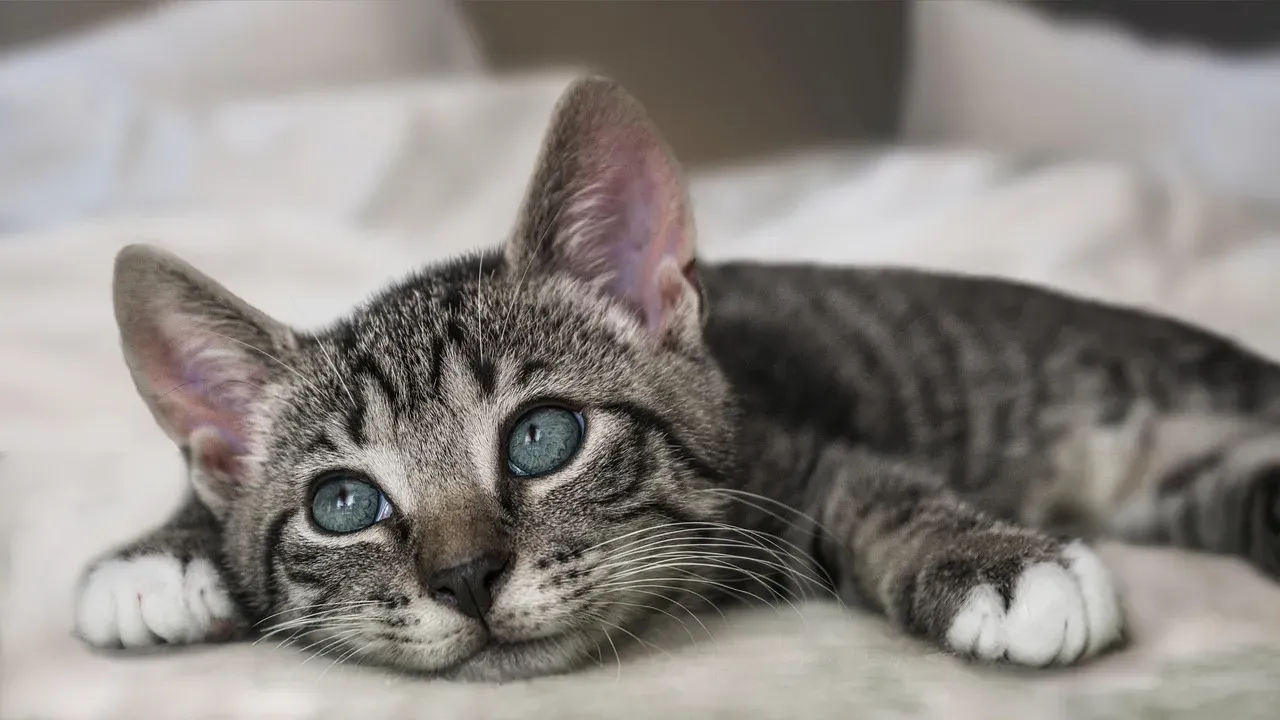
Cats are bright, inquisitive, and athletic, so if they find their environment too mundane or they don’t have enough enrichment, this could result in boredom, prompting them to find ways to keep themselves entertained. An understimulated cat is like a bored toddler with too much energy and not enough to do.
Energetic cats not getting their needed mental play will force the feline to find some, which not surprisingly, results in mischief and destructive behavior they perceive as entertainment. What you see as bad behavior is actually your cat desperately trying to engage their brain in any way possible.
The cats getting into cabinets, unrolling toilet paper, or stealing shiny objects aren’t being bad. They’re trying to solve the problem of their own boredom. That requires creativity, determination, and yes, intelligence. It’s hard to say for sure, but the more mischief your cat creates, the more it might indicate they’re craving intellectual stimulation you’re not currently providing.
Memory and Learning Make Cats Natural Escape Artists
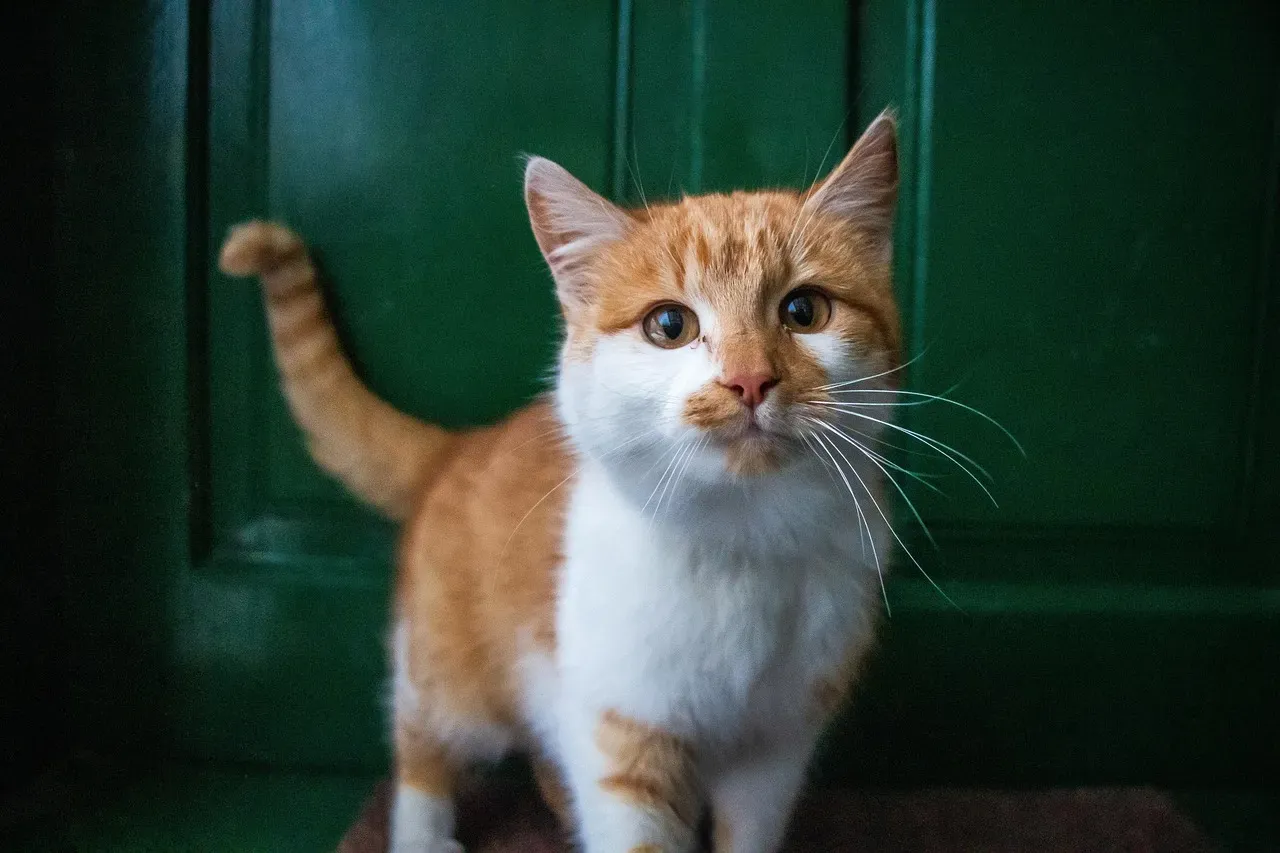
Cats have well-developed memory retaining information for a decade or longer, with these memories often intertwined with emotions, allowing cats to recall both positive and negative experiences associated with specific places. This incredible memory is why your cat remembers exactly which door leads outside, even if you’ve only opened it once in their presence.
Cats returned to the correct box as long as 16 hours later, exhibiting a power of recall superior to that of monkeys and orangutans. That’s genuinely impressive cognitive ability. When your cat figures out how to open the pantry door, they’re not just randomly pawing at it. They’re applying learned knowledge and testing different techniques until something works.
Cats learn by observation, imitation, trial and error just as humans do, with stories describing cats turning doorknobs to open doors, ringing doorbells, opening cupboards, turning off lights, and even using the toilet solely by observing the owner performing these activities. Every successful mischievous act gets stored in their long-term memory, ready to be deployed again when the situation calls for it.
Channel That Intelligence Through Interactive Puzzle Toys
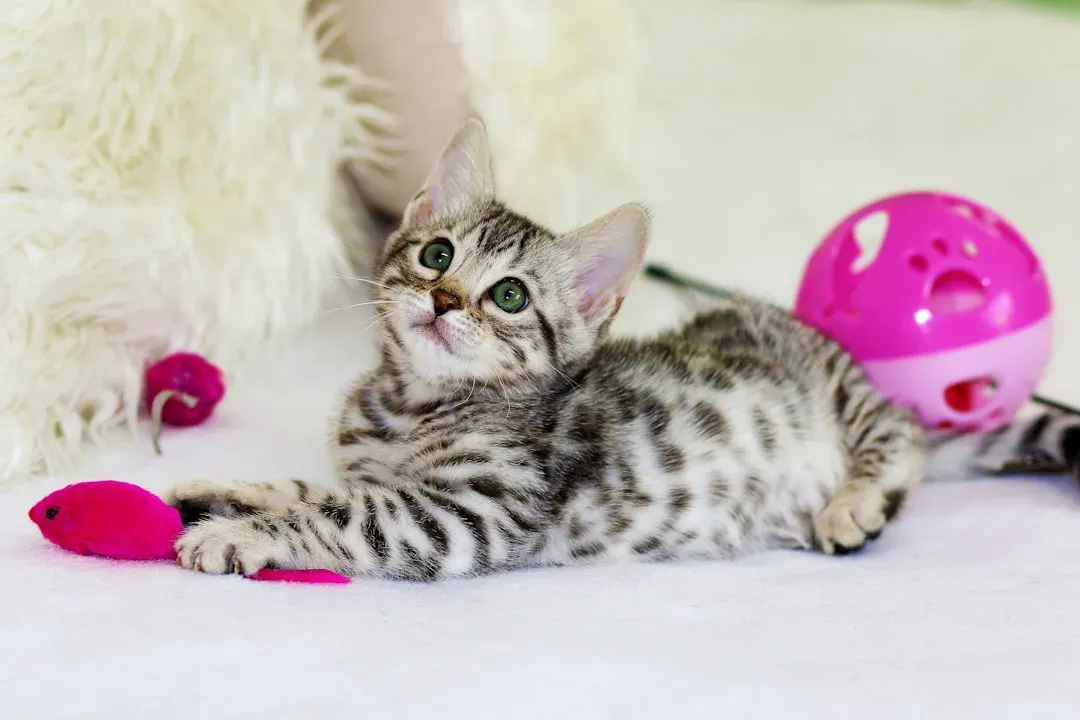
Now that we’ve established your cat isn’t just being a jerk, let’s talk about redirecting all that brainpower. Food puzzles or puzzle toys require your cat to manipulate it in some way to release food or treats as they interact with it, providing a great form of problem-solving that also satisfies a cat’s instinct to hunt and forage.
Puzzle feeders, designed to stimulate a cat’s mind and slow down their eating, require the cat to figure out how to access the food inside. Start with simple puzzles and gradually increase difficulty as your cat masters each level. You’ll be amazed at how quickly they figure things out.
DIY options work great too. Hide treats around the house, create obstacles courses with cardboard boxes, or stuff treats inside toilet paper tubes with the ends folded shut. You might be surprised by how much a good mental workout will tire out your cat! A mentally exhausted cat is much less likely to spend their evening plotting how to knock your laptop off the couch.
Engage Their Hunting Instincts With Proper Play Sessions
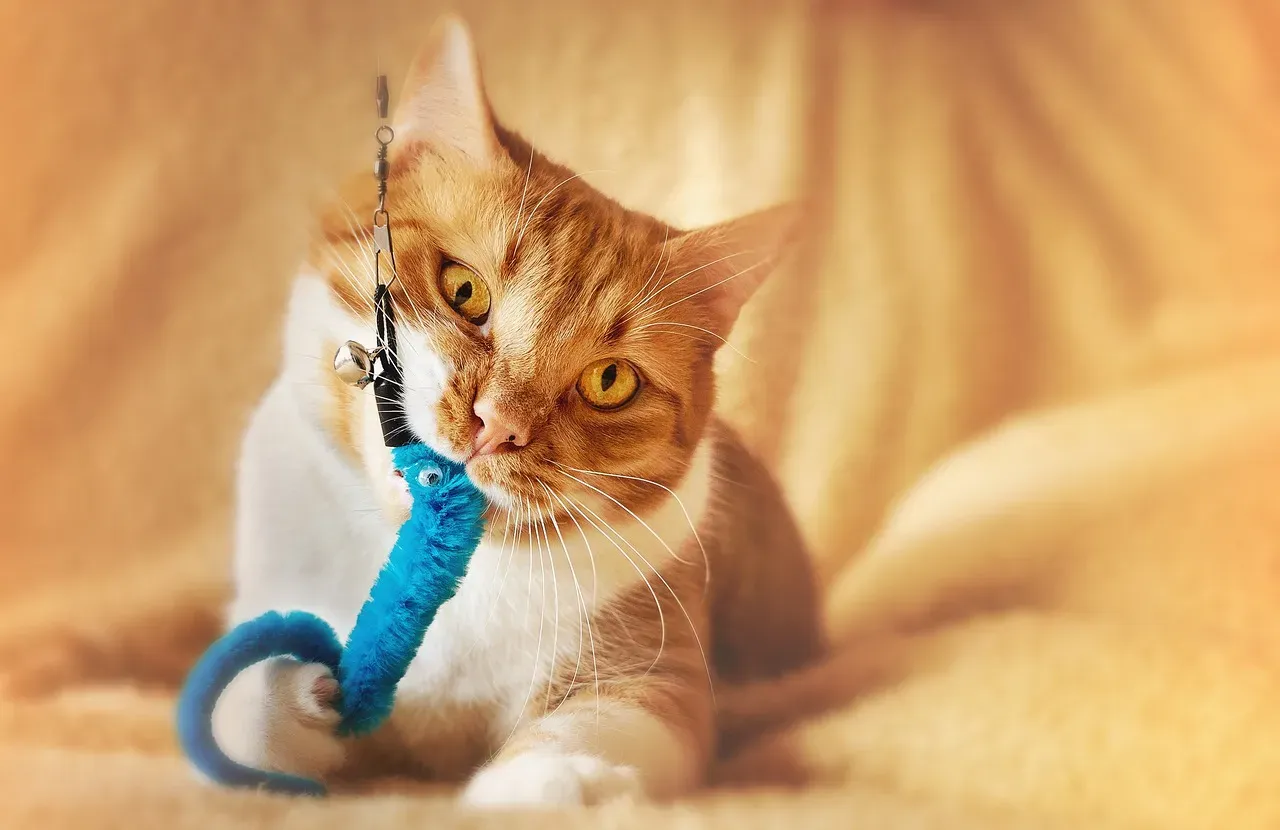
Curiosity is a fundamental part of being a cat and a key to their survival. That curiosity drives hunting behaviors, and when those instincts aren’t satisfied, your cat will find… creative outlets. Engaging in games such as chasing feather toys, following a laser pointer, or playing fetch with a toy will awaken your cat’s senses and help strengthen the bond with your cat.
Interactive play sessions should happen daily. Wand toys that mimic prey movements are excellent because they let your cat practice their hunting sequence: stalk, pounce, catch. Most experts suggest around fifteen to twenty minutes of active play per day, though some high-energy cats need more.
Cats require daily opportunities to play, as play often simulates hunting, so cats like to chase and play with string and feather toys. Rotate the toys you use to keep things interesting. A toy that was boring yesterday might become fascinating again after a week in the closet.
Provide Environmental Enrichment to Satisfy Their Curiosity
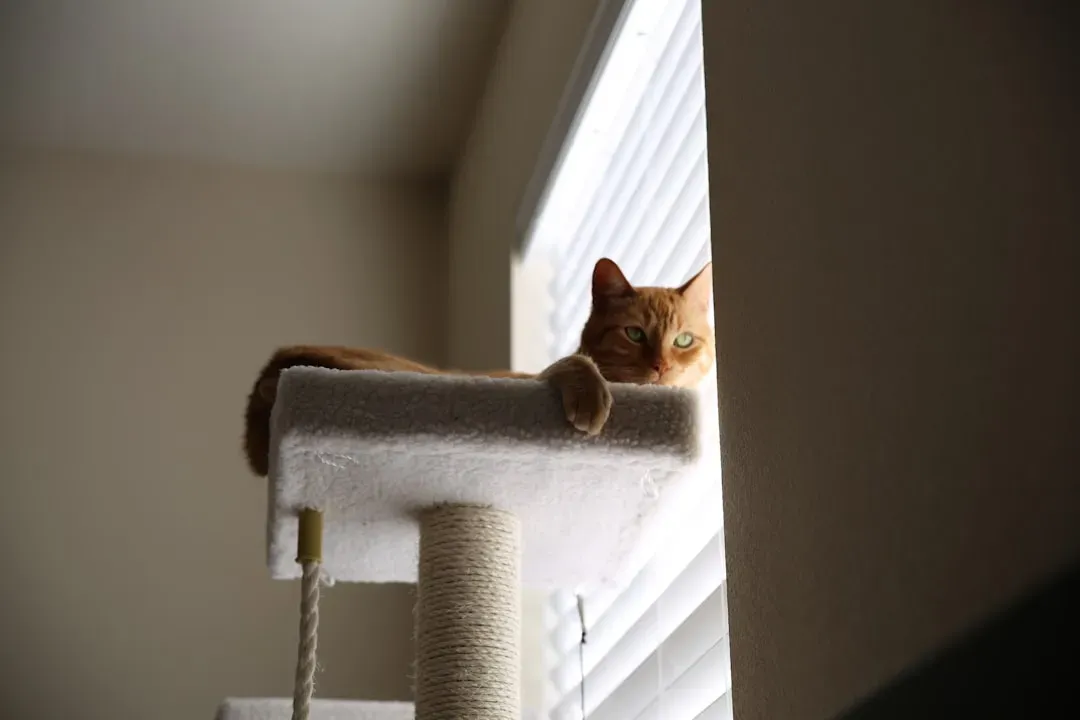
If cats have designated spaces where they can safely explore and play, like a catio, cat furniture, or a high perch that overlooks a street, they might be less inclined to find stimulation elsewhere. Creating vertical territory is especially important because cats naturally want to climb and survey their domain from above.
Watching outdoor life from the window is one of the best pastimes for many cats, as passing cars, pedestrians, and birds can keep a cat fascinated for hours. Set up a bird feeder outside a window where your cat can watch. It’s basically television designed specifically for felines.
Expose your cat to soft blankets, crinkly paper, calming music, or bird sounds, along with scents like catnip, chamomile, or lavender in small amounts, as rotating these experiences keeps your cat curious and engaged. Don’t forget cardboard boxes, paper bags with handles removed, and even just opening closets they normally can’t access. Simple changes keep their environment mentally stimulating.
Training Sessions Turn Mischief Into Cooperation
Regular training sessions with a clicker will not only exercise your cat’s brain but also reinforce positive behaviors, helping your cat channel their energy into safe behavior instead of destructive behavior. Yes, you can absolutely train cats. They’re not being uncooperative when training fails – you’re probably just not making it worth their while.
Using food as a motivator encourages cats to use their brains and really try to figure out what you’re trying to teach them. Start with basic commands like sit or come. Once your cat masters those, you can teach increasingly complex tricks. High-fives, jumping through hoops, even fetch – smart cats can learn it all with patience and proper motivation.
Training stimulates your cat mentally and physically, allowing her to use her problem-solving and memory skills, with clicker training being a successful way to mentally stimulate cats while helping them bond with their humans. The mental stimulation from training sessions can significantly reduce mischievous behavior because your cat’s getting the intellectual challenge they crave through appropriate channels.
Conclusion: Celebrating Your Cat’s Brilliant Mind
Your cat’s mischievous antics aren’t signs of a troublemaker. They’re evidence of an intelligent, curious mind that needs appropriate outlets. Feline intelligence is still being studied, but what’s already clear is that cats are far more than mysterious, lazy companions – they’re strategic, emotionally intelligent, and perhaps a little mischievous, just the way we love them.
Instead of getting frustrated when your cat displays those clever but annoying behaviors, recognize them for what they are: invitations to engage with your pet’s impressive cognitive abilities. Provide puzzle toys, interactive play, environmental enrichment, and training opportunities. Your cat’s intelligence is a gift, not a curse.
When you channel that mischievous energy into positive activities, you’ll end up with a happier, more fulfilled cat who’s less likely to knock your water glass off the nightstand at three in the morning. What’s your cat’s cleverest trick? Have they figured out something that genuinely impressed you?