You’ve probably caught your cat dozing off more times than you can count. Maybe you’ve even wondered if something’s wrong because your feline friend seems to sleep half the day away. Here’s the thing, though, what looks like laziness is actually a fascinating window into your pet’s evolutionary past and biological wiring.
Cats don’t follow the same sleep rules that we do. Their rest patterns are shaped by ancient hunting instincts, energy conservation strategies, and a completely different internal clock. Let’s dive into the surprising science behind why your cat snoozes so much, and why those midnight zoomies might not be as random as they seem.
They’re Not Actually Nocturnal
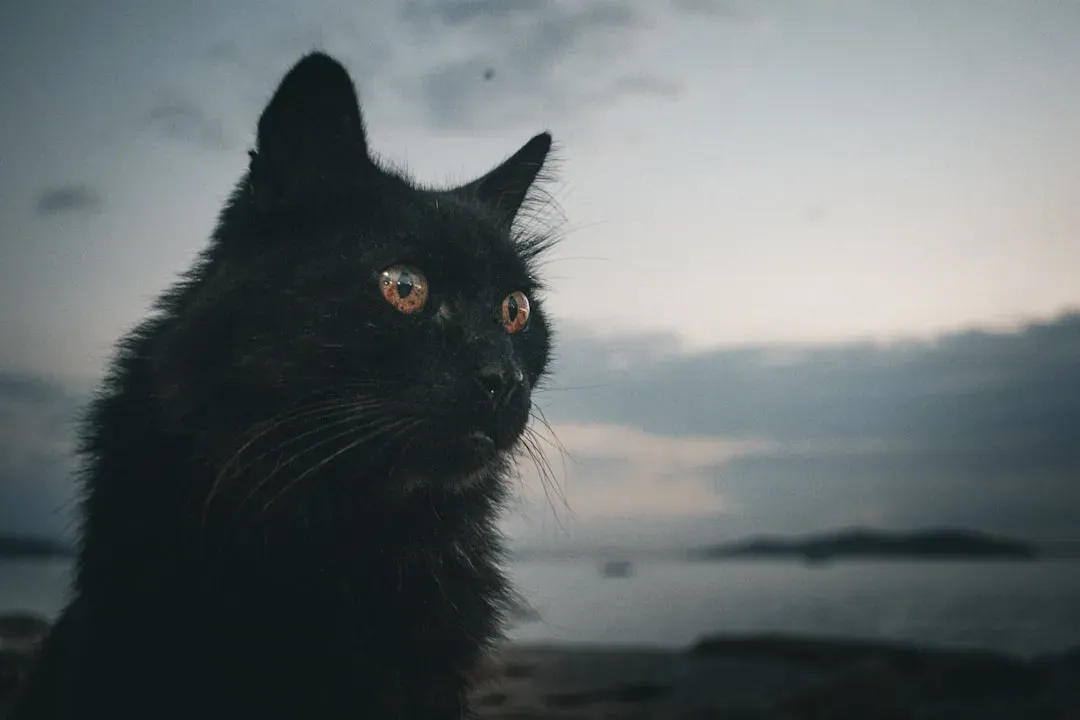
Most people assume cats are nocturnal creatures who live for the night. That’s not quite accurate. Cats are actually crepuscular, which means they’re most active during dawn and dusk. This behavior isn’t random at all.
These twilight hours align perfectly with when birds and mice are very active, so cats adapted their hunting patterns to match their prey. Your house cat might not need to hunt for dinner anymore, yet that primal rhythm still pulses through them. When your kitty suddenly gets wild at sunrise or as the sun sets, they’re just following millions of years of genetic programming.
The Marathon Napper Strategy
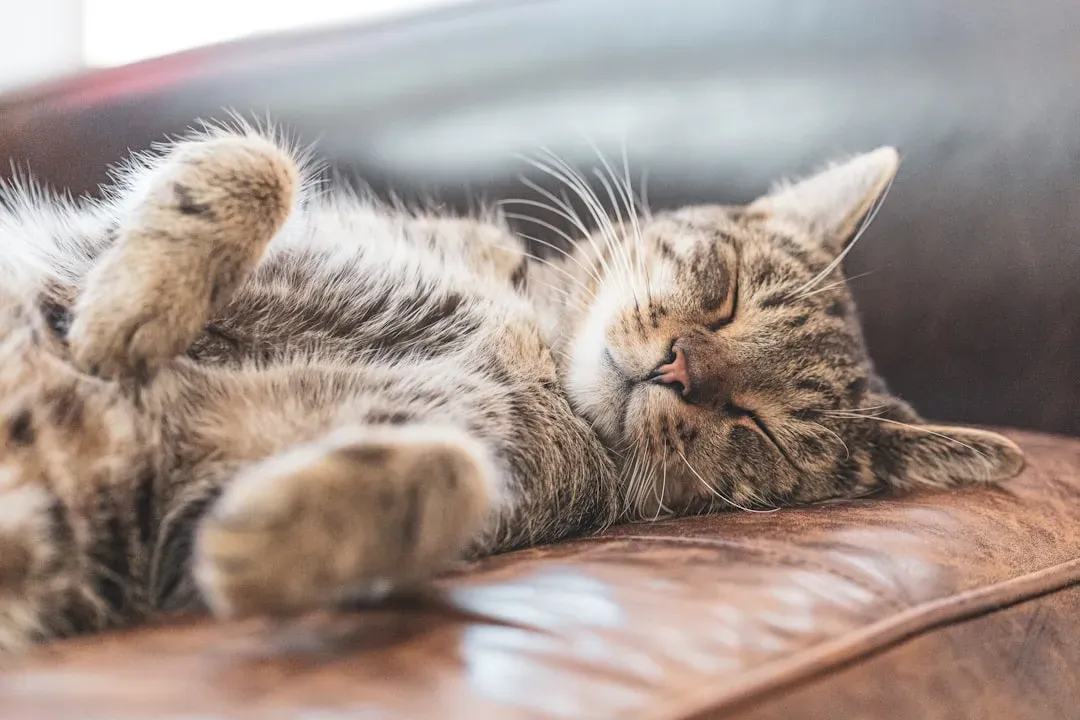
Cats normally sleep anywhere from twelve to twenty hours a day, with the average being fifteen hours. That means your cat could be sleeping more than twice as long as you do. Wild, right?
Unlike humans who sleep in one long stretch, cats engage in multiple shorter sleep sessions, which is called a polyphasic sleep pattern that allows them to remain alert and ready for action throughout the day. Cats in the wild need to hunt as many as twenty small prey each day, so they must rest between each hunt to be ready to pounce quickly when prey approaches. Even though your domesticated fluffball only hunts toy mice and rogue dust bunnies, their body still operates on this ancient cycle.
Most Of It Is Just Light Dozing
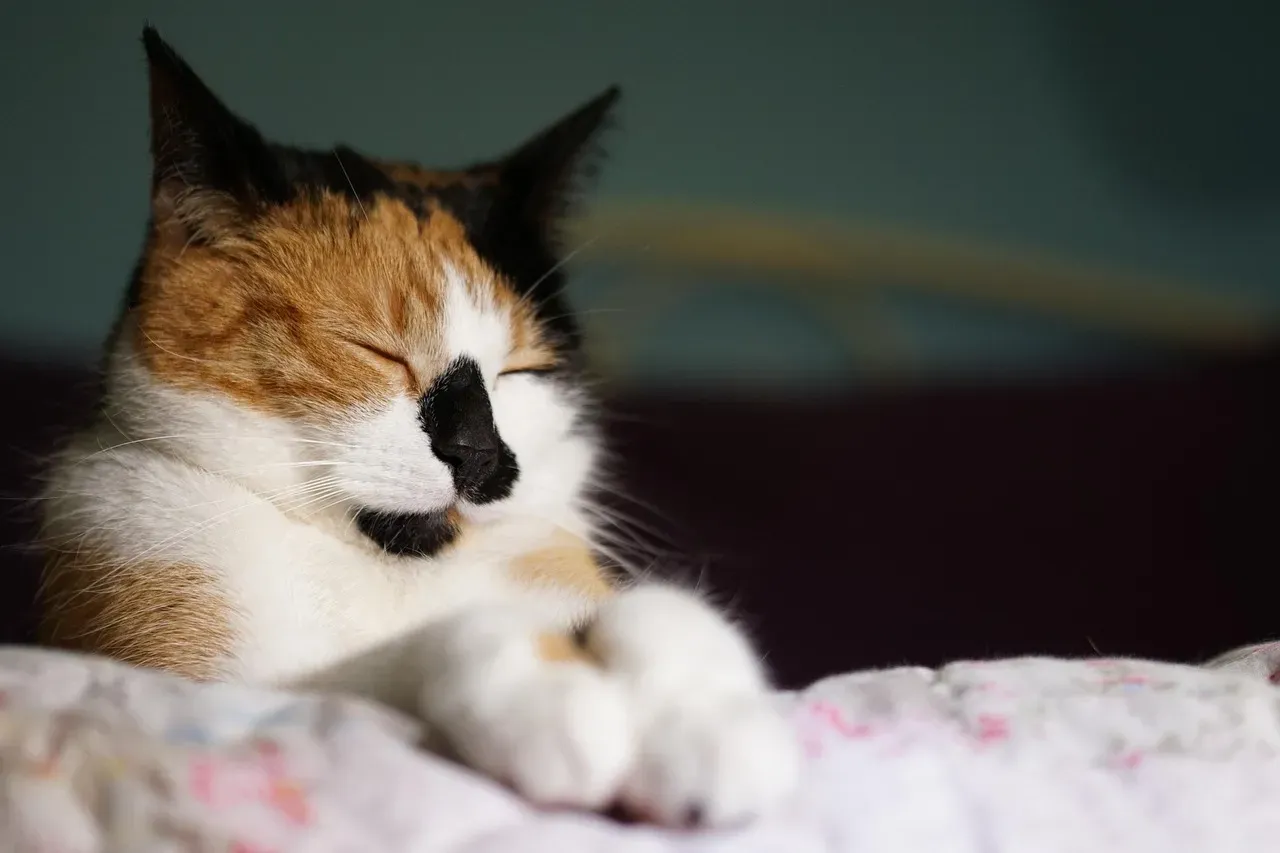
Here’s something that might surprise you. About seventy-five percent of your cat’s sleep is light sleep where they can quickly respond to potential threats or opportunities. They’re basically always on standby mode, ready to spring into action at a moment’s notice.
Cats are able to be partially asleep, falling asleep enough to get rested but still alert enough to notice smells or sounds and be able to flee in a moment. This explains why your cat can seem completely zonked out one second, then suddenly bolt across the room chasing absolutely nothing the next. They’re masters at this balancing act between rest and vigilance.
Yes, They Actually Dream
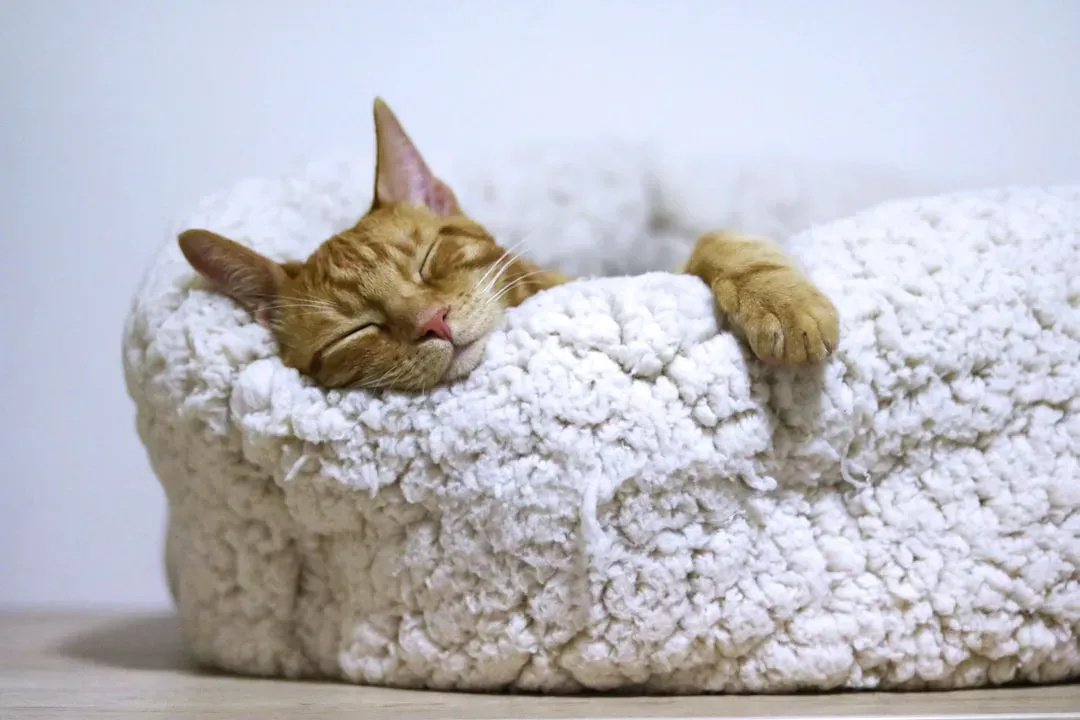
Cats go through different sleep phases including NREM and REM sleep, and during the REM phase, you’ll see rapid eye movements and sometimes twitching as increased brain activity occurs, which is when cats dream. Honestly, it’s kind of adorable to watch.
Cats actually dream about thirty to forty percent of the time they are sleeping. What are they dreaming about? Nobody knows for sure, though it’s tempting to think they’re reliving their greatest hunting victories or that time they knocked your favorite mug off the counter. The twitching whiskers and paw movements during deep sleep suggest they’re replaying active scenarios in their minds.
Weather Plays A Bigger Role Than You’d Expect
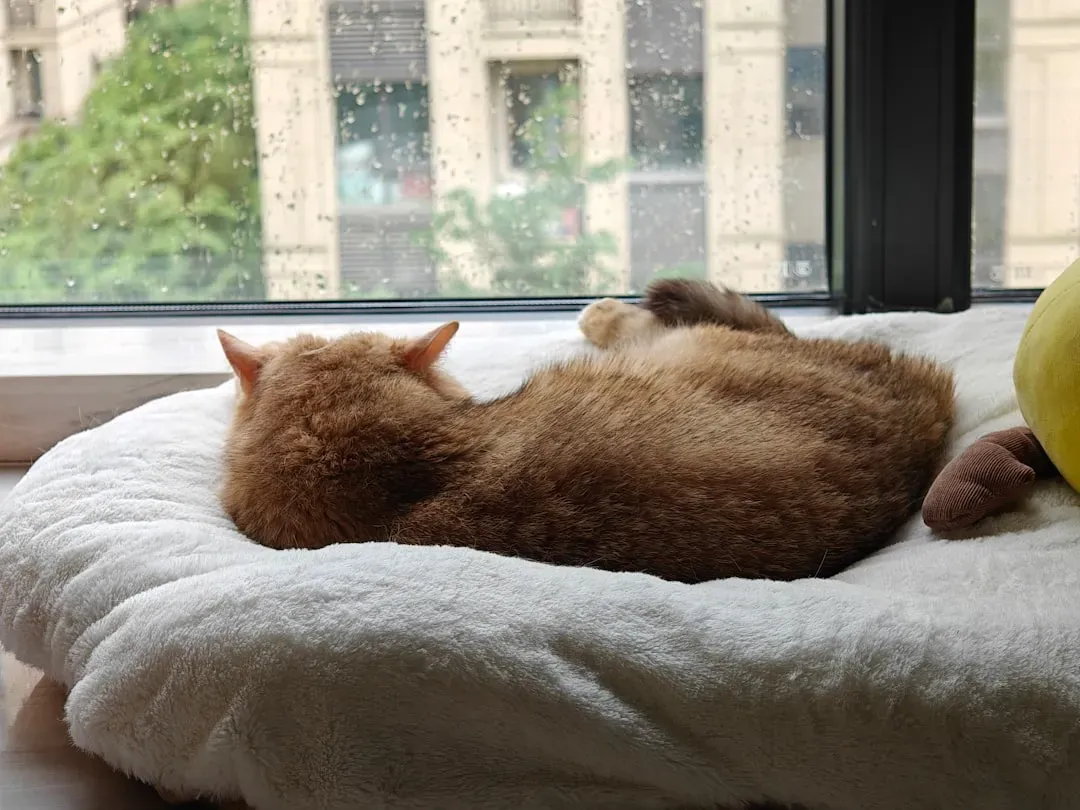
Humans and cats have different sleeping patterns, but they do share one thing in common: neither can resist the power of a rainy, cloudy or cold day, and cats will sleep more on these kinds of days. It’s not just your imagination that your cat turns into an even bigger couch potato when it’s gloomy outside.
I think there’s something comforting about knowing your pet is just as inclined to hibernate during bad weather as you are. Maybe cats understand the universal appeal of a lazy rainy day better than we give them credit for. They’ve certainly perfected the art of the weather-induced nap.
Their Internal Clock Is Set To Hunt Mode
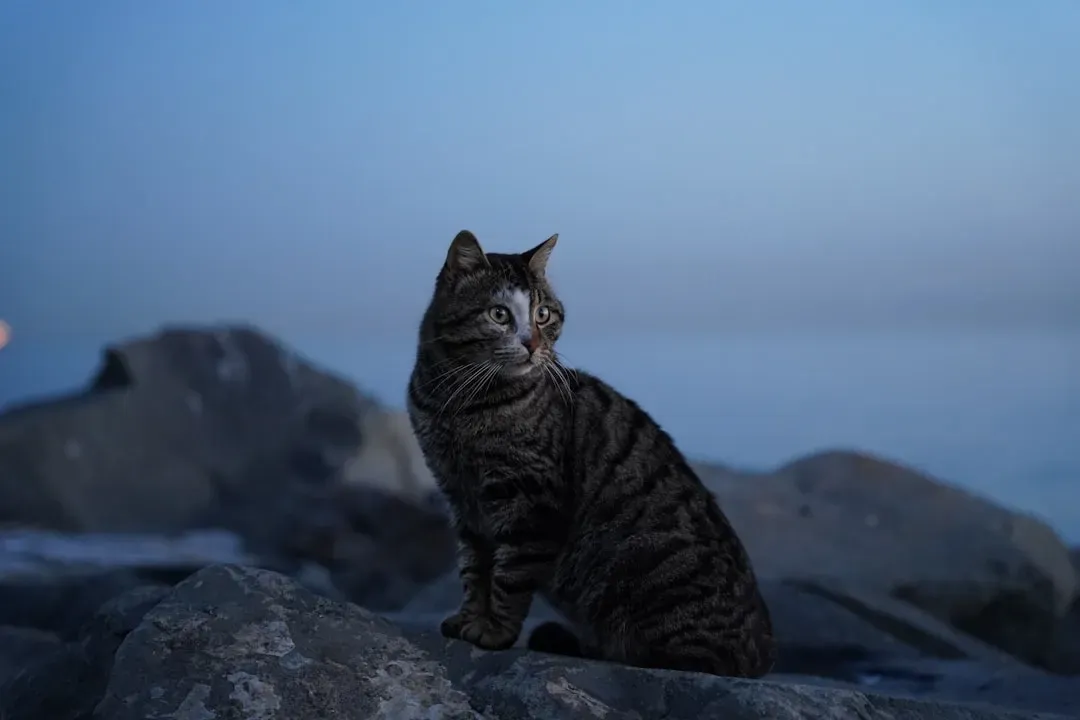
Cat internal clocks are set to wake at twilight and dawn, a schedule that helps them hunt successfully while also staying safe from predators. Even your pampered indoor cat who’s never seen a real mouse still operates on this schedule. Sometimes instinct proves difficult to resist, which is why your cat may prod, lick, pat, or serenade you awake closer to dawn.
Those early morning wake-up calls aren’t your cat being rude. They’re literally hardwired to be active at that time. Their body is telling them it’s prime hunting hour, and in their mind, that might include hunting you out of bed to fill their food bowl.
Energy Conservation Is Built Into Their DNA
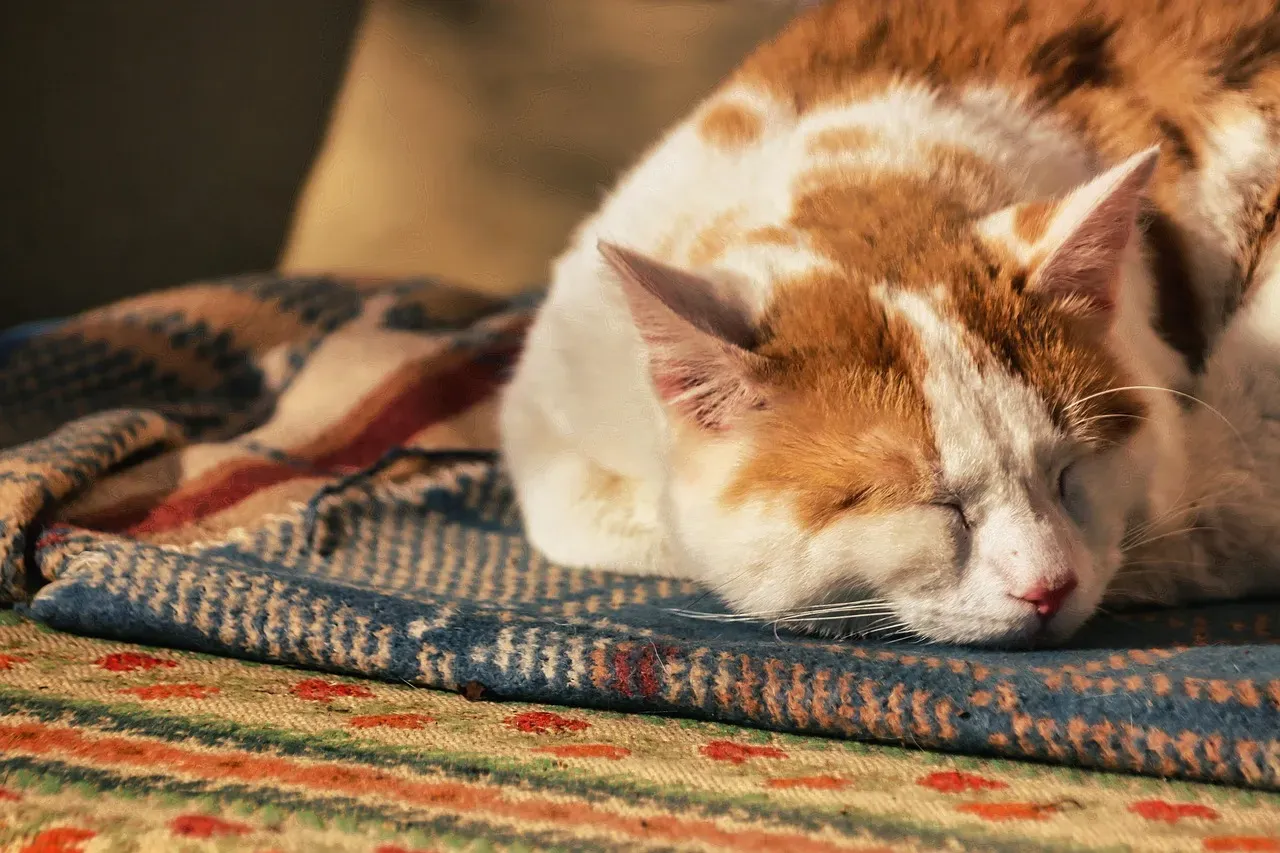
Cats have evolved to sleep for long periods during the day, which allows them to save on energy that in the wild they would use for hunting, chasing, and finding their next meal. Think of it like a battery saving mode for predators. Sleep isn’t laziness for cats, it’s survival strategy.
Just like big cats, your house-lion still keeps to a schedule of hunting, feasting and sleeping, and even the most domesticated of cats are still driven by this ancient biological wiring. Your tabby lounging in a sunbeam isn’t so different from a lion resting on the savanna after all. They’re both conserving precious energy for when it really counts.
They Can Adapt To Your Schedule
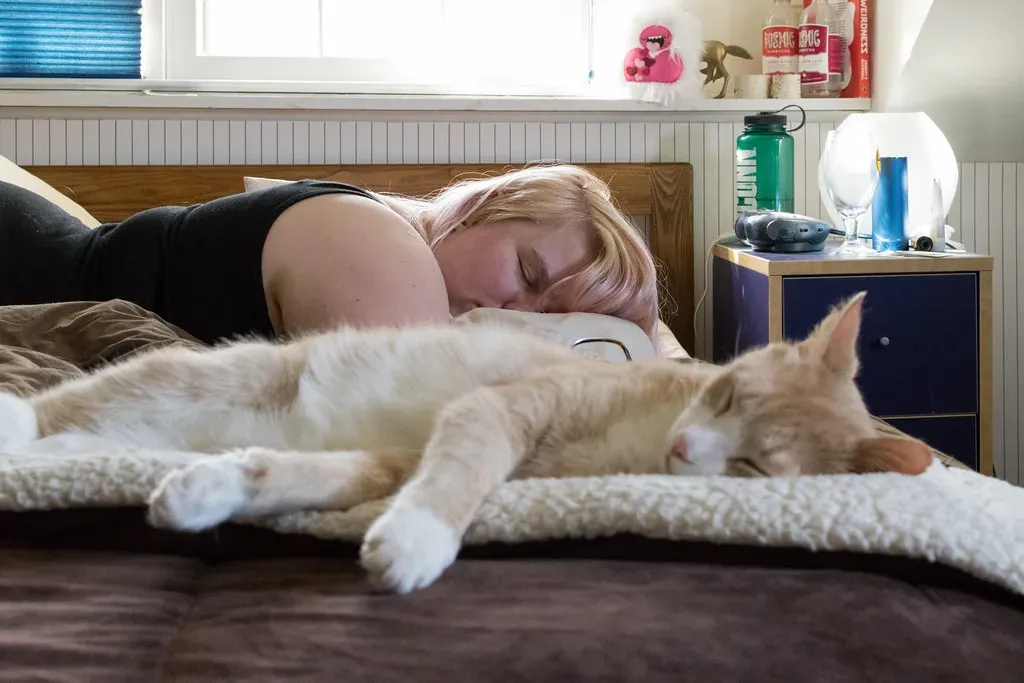
Indoor domestic cats tend to adjust their sleeping patterns to their pet parent’s schedule, meaning your cat may end up sleeping through the night just like you do. This is actually pretty remarkable when you think about it. Cats are willing to override their natural instincts to spend more time with their humans.
Cats can adapt their sleeping patterns in order to spend more time with their loved ones, and they will sleep more while you are gone in order to spend more time with you when you are at home. So if your cat seems to sleep all day while you’re at work, it might be because they’re saving their energy for quality time when you return. That’s actually kind of sweet when you look at it that way.
Age Makes A Massive Difference
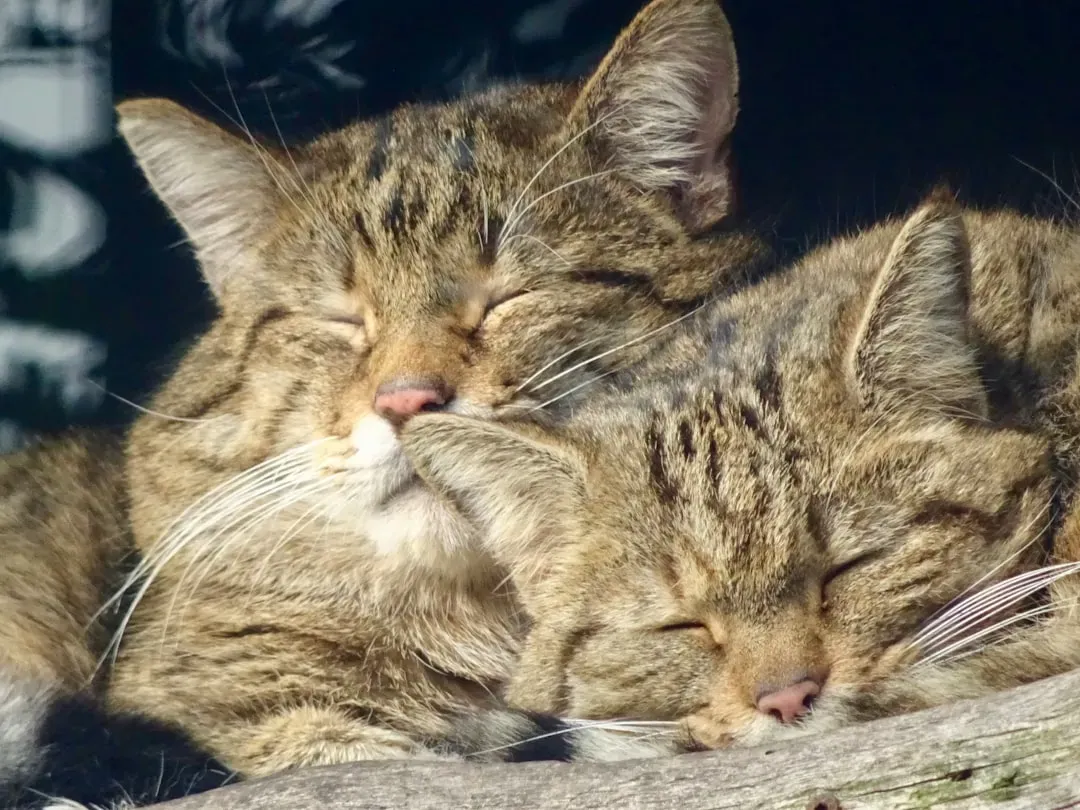
Young cats typically sleep around sixteen hours a day and older cats may sleep up to twenty hours. Kittens need even more sleep than that to support their rapid growth and development. Senior cats tend to have less energy and reduced mobility which means they will sleep more than younger cats, as cats also tend to sleep more hours per day as they grow older.
It’s hard to say for sure what the perfect amount of sleep is for every cat, but understanding that age plays such a significant role helps. A sleepy senior isn’t necessarily sick, they might just be embracing their well-earned retirement. Meanwhile, that hyperactive young cat who seems to only sleep half the day is also completely normal for their age.
Changes In Sleep Can Signal Health Problems
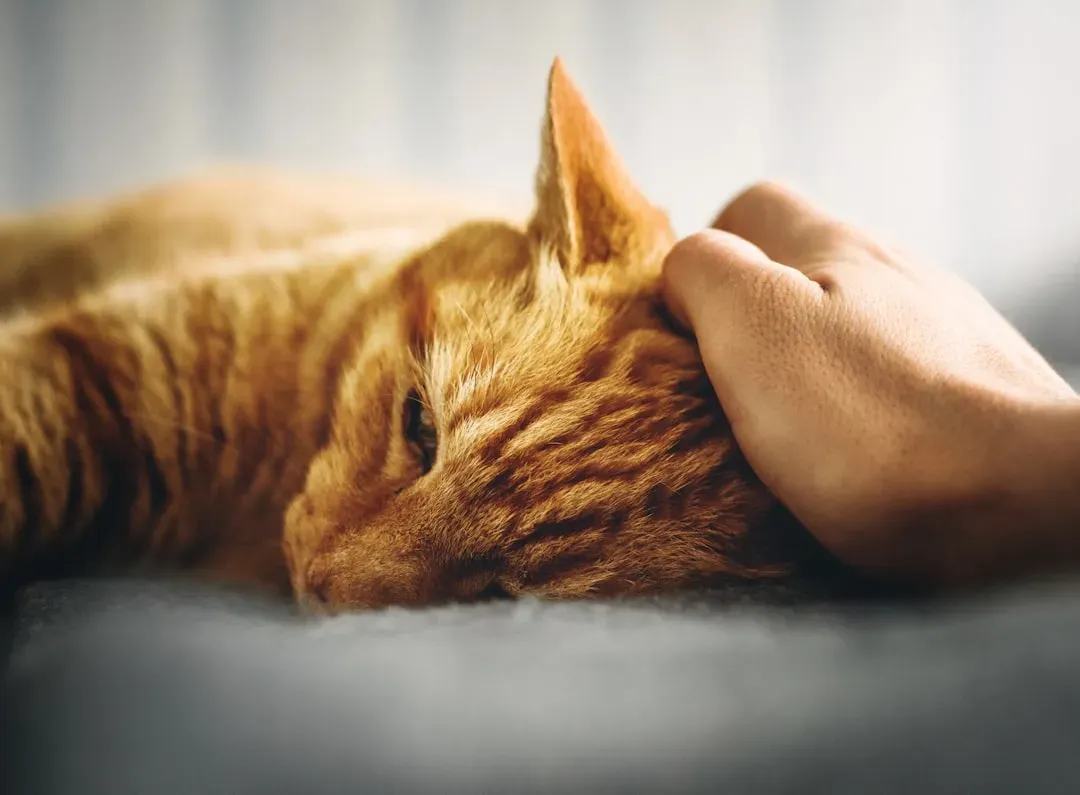
It’s important to understand your cat’s normal sleep patterns and recognize when those patterns change significantly, because if your cat begins to sleep a lot more or a lot less than is usual, there may be a health issue and it’s time to visit your vet. This is why paying attention to your individual cat’s habits matters so much.
Changes in sleep patterns may be normal but could also indicate illness in your cat, and if you notice your cat is sleeping more or less than normal plus displaying other worrisome behavior such as not eating, this could signal a serious health issue. Let’s be real, you know your cat better than anyone. If something feels off, trust your instincts and get them checked out. Better to be overly cautious than to miss something important.
Conclusion: Embrace The Weirdness
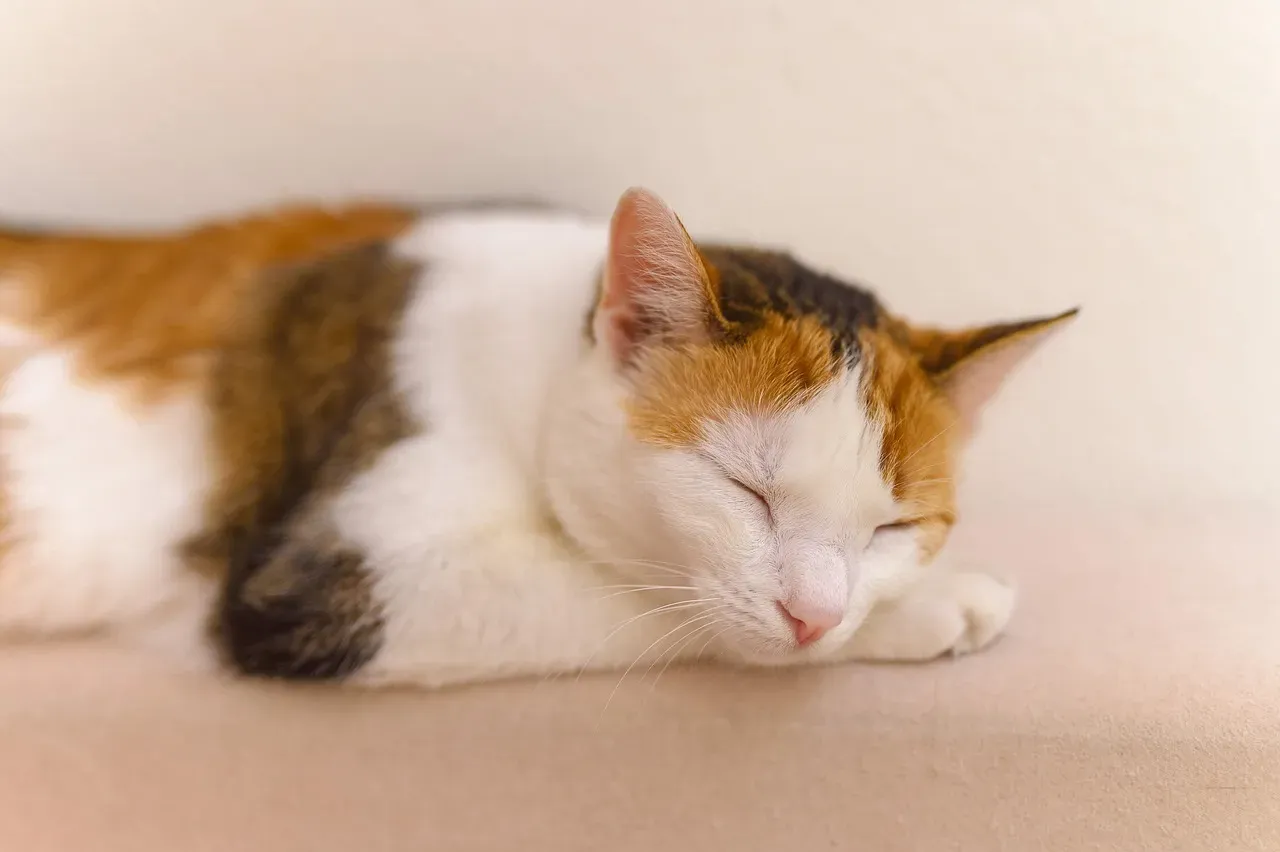
Your cat’s bizarre sleep schedule isn’t a flaw, it’s a feature. Those marathon napping sessions, the twilight zoomies, the ability to seemingly sleep with one eye open, they’re all remnants of a sophisticated survival system honed over millions of years. Your fluffy couch potato is carrying around the same biological programming that kept their wild ancestors alive.
Understanding why cats sleep the way they do helps us appreciate just how remarkable these creatures really are. They’ve managed to maintain their predatory instincts while adapting to life as our companions. Next time you see your cat sprawled out in yet another impossible sleeping position, remember they’re not being lazy. They’re being perfectly, wonderfully cat. What’s the weirdest sleeping spot you’ve found your cat in? Tell us in the comments.