You might think your home is a sanctuary for your cat. The cozy spots by the window, the soft bedding, the regular feeding routine. Yet your feline friend could be silently battling stress that you never even noticed. Honestly, it’s easier than you’d think for a home to become a pressure cooker for anxiety rather than a haven of comfort.
Stress in cats is more common than many people realize. Here’s the thing, though: the domestic cat can be great at hiding signs of stress or signs that they’re in pain. They’ve inherited this behavior from their wild ancestors who needed to mask vulnerability to avoid predators. So what exactly in your home could be triggering your cat’s anxiety? Let’s dive in.
Your Multi-Cat Household Is Creating Silent Tension
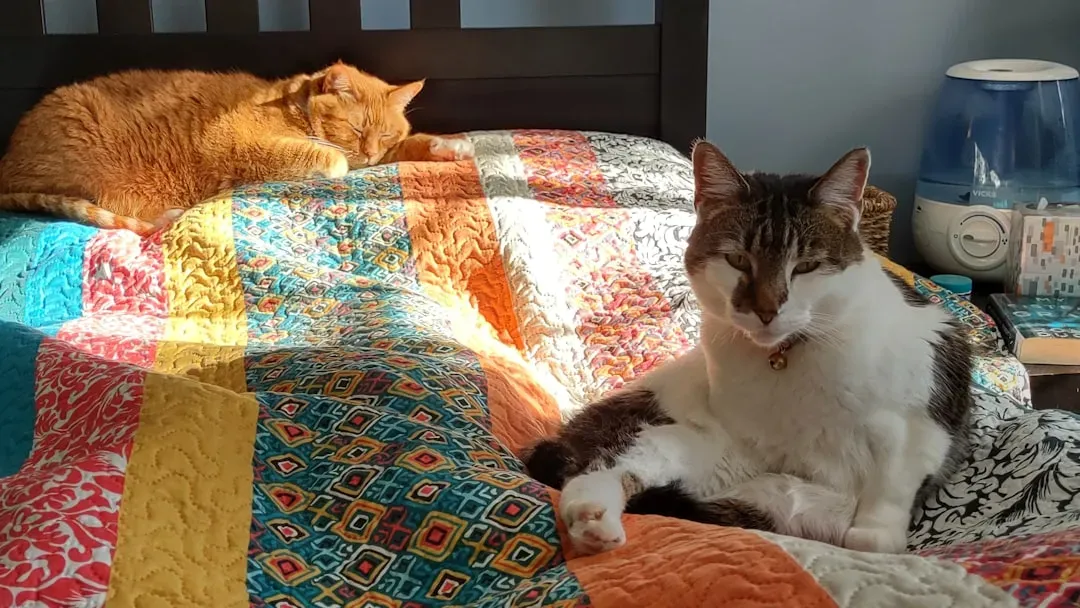
A large proportion of a cat’s stress comes from interactions with other cats, and if your cat is sharing key resources with cats they don’t get on with, this can cause them a great deal of stress. Think about it this way: you wouldn’t want to share your bathroom with someone you dislike, right? Cats are naturally territorial and are not naturally sociable like dogs, so they may not enjoy social interactions with other cats and can see them as a threat.
Even if your cats appear to tolerate each other, tension between household cats is often displayed as subtle behavioral changes that can go unnoticed in the home, and over time, this tension can result in more overt behavioral concerns and even stress-associated disease. It’s not always about dramatic fights. Sometimes it’s just one cat blocking another’s path to the food bowl, or claiming the best sleeping spot. These tiny power plays add up.
You’re Not Providing Enough Resources in the Right Places
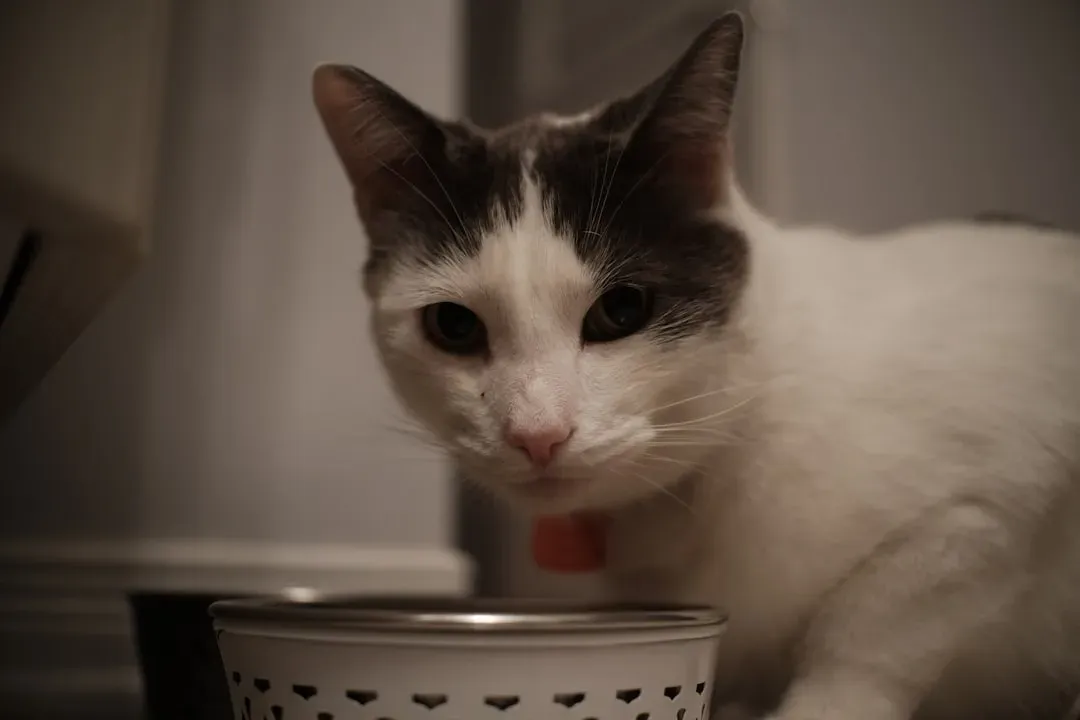
Cats can become stressed if they don’t have access to the resources they need, including food and water bowls, litter trays, scratching posts and a comfortable place to sleep. The rule isn’t complicated, but many cat owners miss it. A good formula to use to calculate the appropriate number of each resource is one per cat plus one extra, positioned in different locations.
If the litter tray you provide for your cat is too small, not cleaned out regularly enough or is placed next to a noisy area in the home or next to their food and water bowls, these factors can all cause stress. Your cat won’t just deal with it. They’ll internalize that discomfort, and it’ll manifest in ways you might not immediately connect to the litter box situation, like spraying or avoiding you altogether.
Your Home Lacks Mental Stimulation and Enrichment
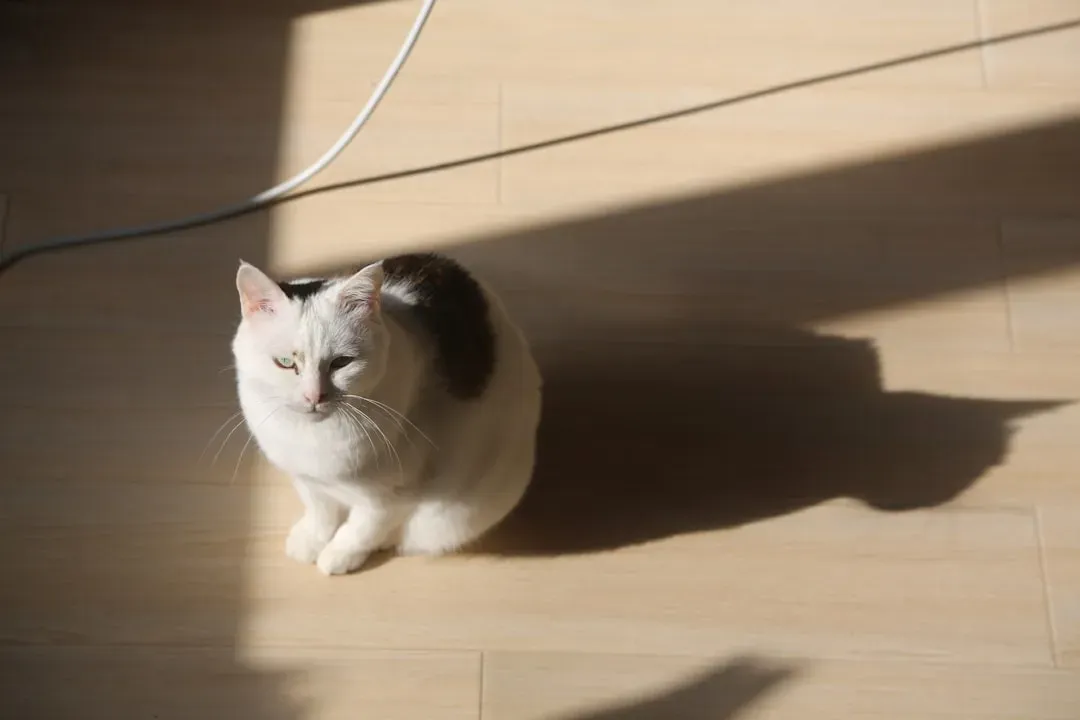
Boredom contributes to stress in cats since inadequate environmental enrichment leaves them with no outlet for natural behaviors. Let’s be real: a bare apartment with nothing to climb, scratch, or explore is like solitary confinement for a creature designed to hunt and patrol territory. If your cat is kept exclusively indoors, you’ll need to provide a dynamic and challenging home environment for exercise and entertainment to prevent boredom and frustration, and cats need to behave like cats for their emotional and physical health.
I know it sounds crazy, but your cat actually needs to stalk, pounce, and problem-solve. Without these outlets, bored cats often overeat and overgroom to fill their free time, and the associated stress can trigger inappropriate scratching or elimination. Puzzle feeders, climbing towers, and interactive toys aren’t luxuries. They’re necessities for your cat’s mental health.
You Keep Rearranging Furniture or Making Changes
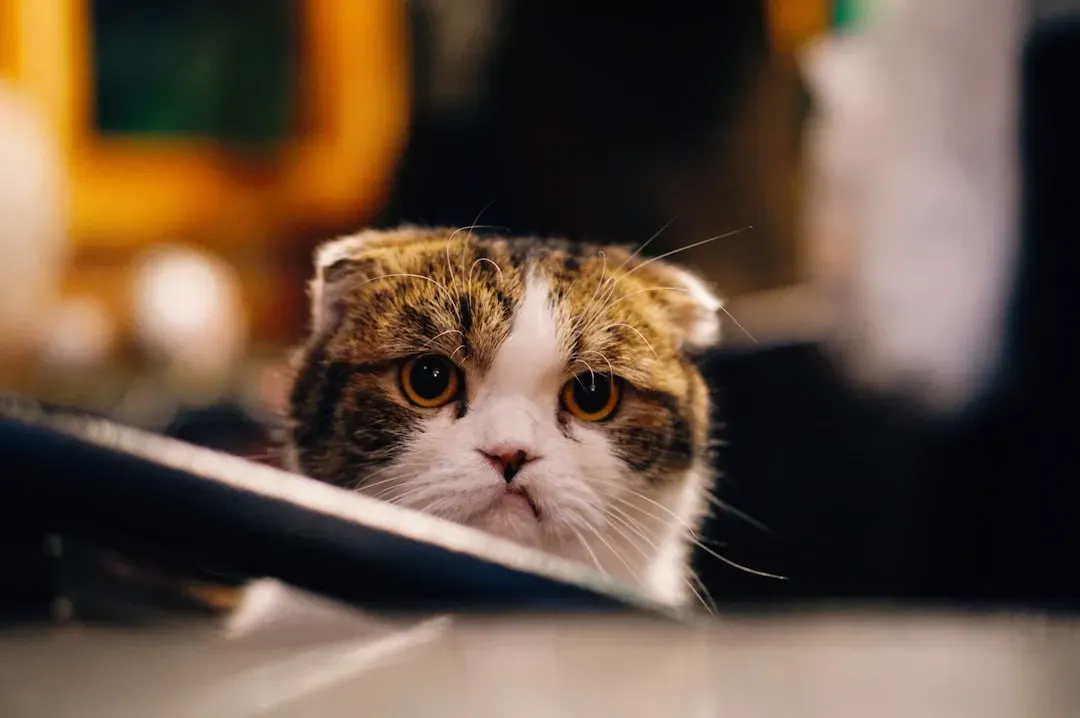
Cats are creatures of habit and do not like change, and minor changes to your environment that might not bug you could send your cat into a stress spiral. That new couch you bought? Your cat noticed. The rearranged living room? Terrifying. Moving house is extremely stress-inducing for humans, let alone a cat that doesn’t understand what’s going on.
Your cat will know every inch of its home: every piece of furniture and every nook, cranny, window and doorway, and it will have scent marked most of those areas with its own specific pheromones so they’re safe and familiar. When you disrupt that familiarity, you’re essentially erasing their security blanket. Even small adjustments, like closing off a room they used to access or moving their favorite napping spot, can create significant anxiety.
Household Noise Levels Are Through the Roof

Cats have highly sensitive hearing and can be easily startled by loud noises or sudden movements, and thunderstorms, fireworks, and even household appliances can cause significant stress. You might not think twice about running the vacuum or blasting music, but your cat experiences these sounds at a much more intense level. Building works, or even having your house decorated can leave you with a stressed cat, and cats thrive on routine and aren’t keen on excessive noise, so having builders in is likely to make them feel unsettled.
If you live in a busy household with children, visitors, or frequent activity, your cat might be in a constant state of alertness. They need quiet zones where they can retreat and decompress. Without that refuge, the stress compounds daily.
You’re Forcing Physical Affection They Don’t Want
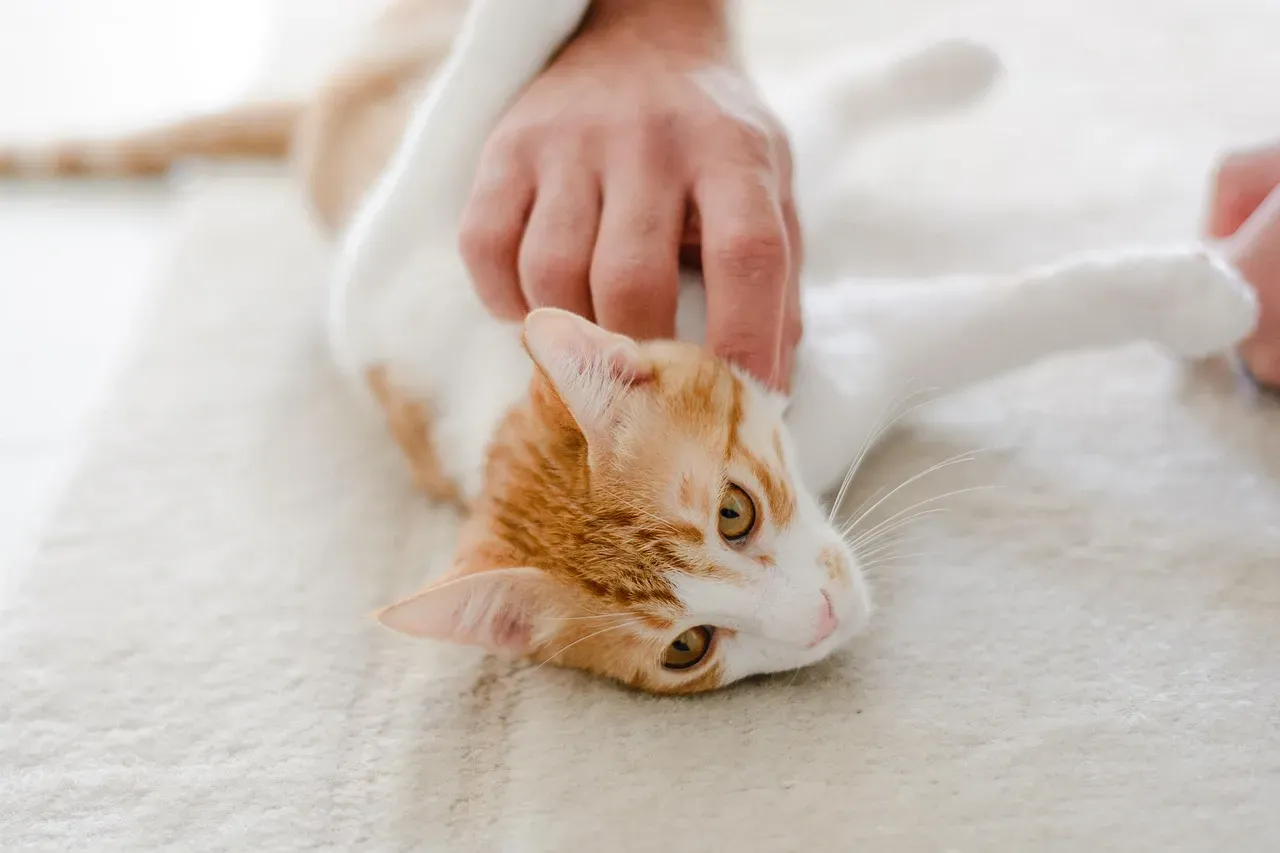
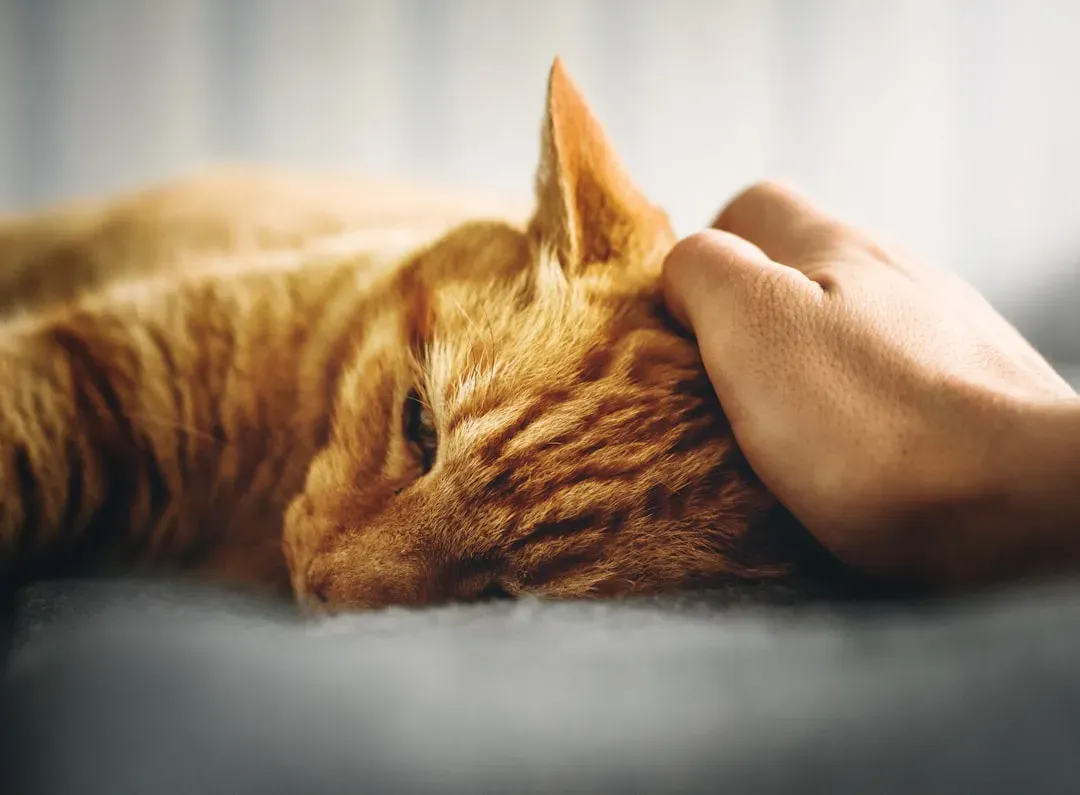
Pet parents are often an unexpected source of stress for cats, and this may be because you’re being overly affectionate. I get it, you love your cat and want to cuddle. Often, pet parents want to nuzzle their cats or squeeze them close when their cats would be content with the occasional ear scratch. Being stroked or picked up when it’s not wanted or enjoyed is stressful for cats.
Some very young children can be overly enthusiastic when it comes to stroking cats and this persistent attention can become very stressful. Your cat isn’t being aloof or rude when they walk away from you. They’re setting boundaries. Respecting those boundaries is critical to reducing their stress levels.
Strangers and Visitors Keep Invading Their Space
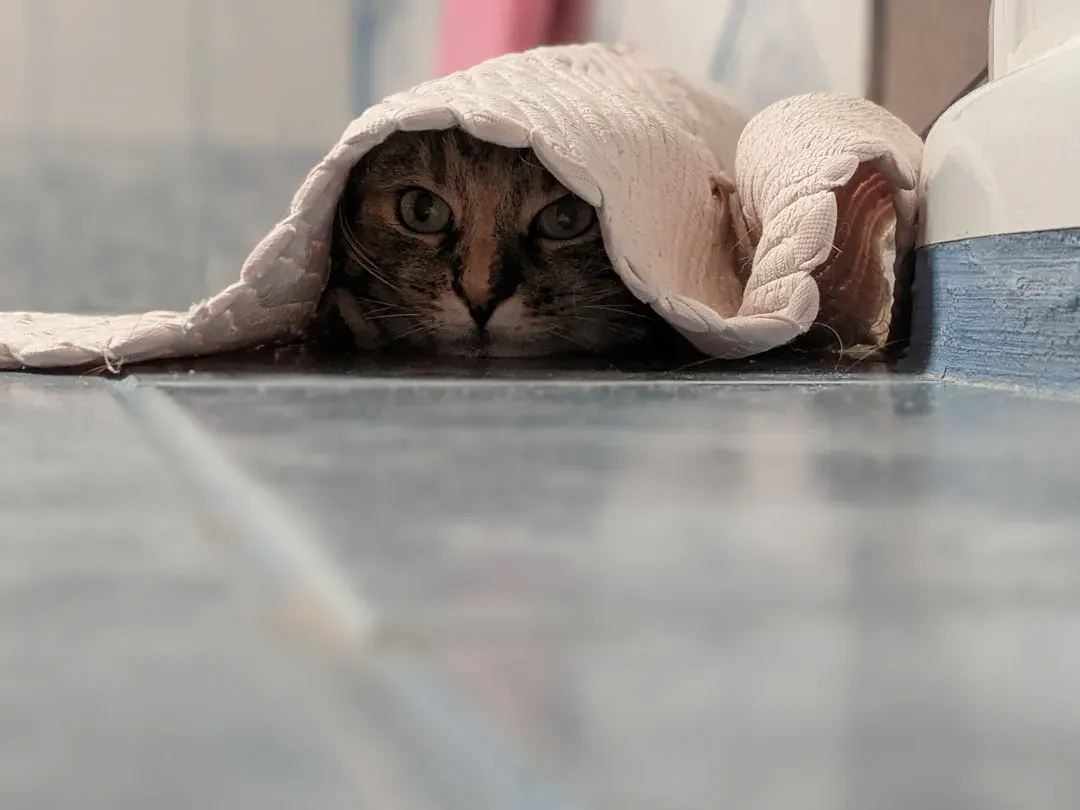
Any change in your inner circle can trigger stress, including people leaving the household and new people joining the household. Visits from strangers can be a common source of stress for cats. Even a friend coming over for coffee can disrupt your cat’s sense of security. They haven’t met this person, haven’t assessed the threat level, and suddenly there’s a new voice, new smells, and unpredictable movements in their territory.
If you host parties or have frequent houseguests, your cat is likely experiencing repeated stress episodes. Providing a safe room where they can hide during these events isn’t coddling them. It’s giving them the control they desperately need to feel secure.
Your Home Smells Different Than It Used To
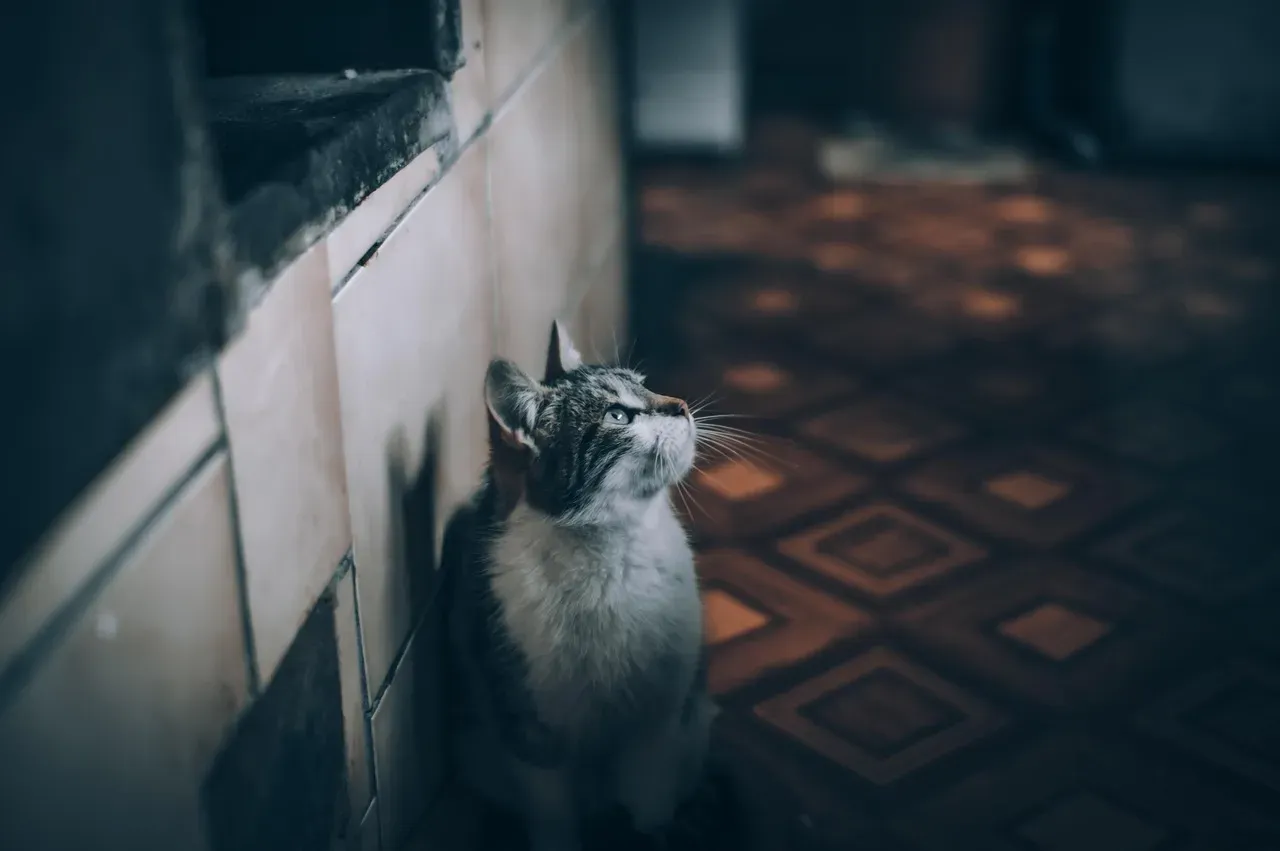
Cats have an incredible sense of smell which is much more powerful than ours, and significant changes to the smell of their home can be a real concern to cats, even though it may not be obvious to us. The smell of your favorite scented candle, lemon-scented cleaner, and even freshly-laundered clothes might make you feel relaxed, but your cat might not feel the same way.
That new laundry detergent? Your cat is deeply suspicious. The air freshener you sprayed? Overwhelming and foreign. Cats can find changes in smell very stressful. These olfactory changes undermine their ability to recognize their own territory, which is marked by their scent. When the familiar smells disappear, so does their sense of safety.
You’re Punishing Them for Stress-Related Behaviors
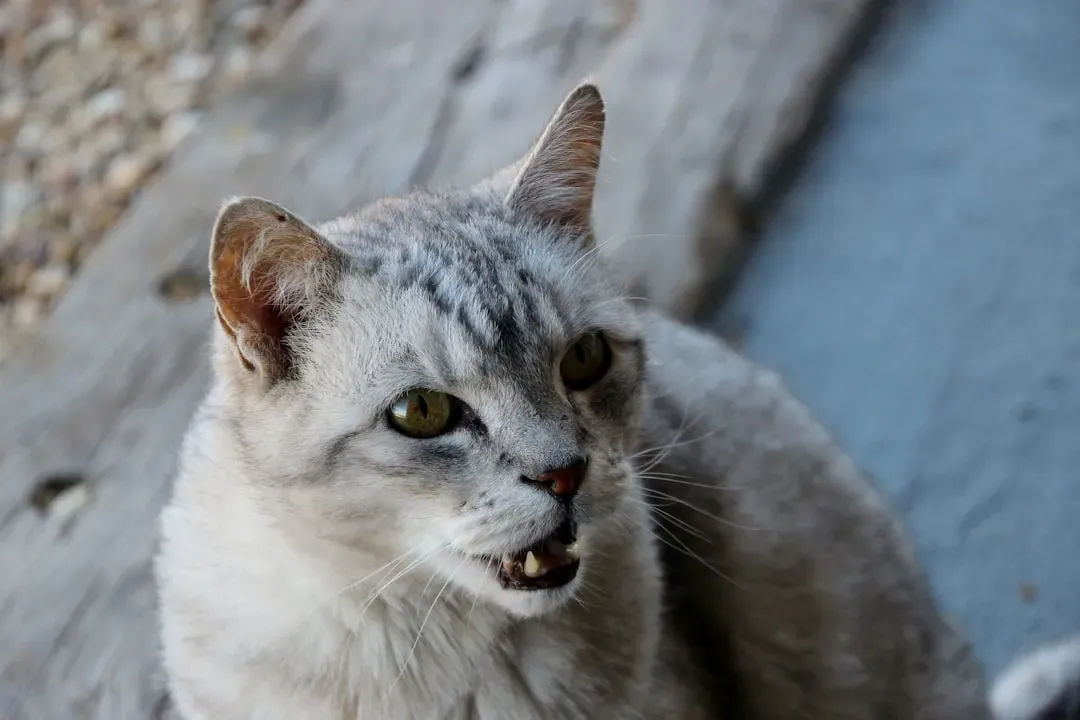
If the cat is punished for an unwanted behaviour, such as scratching the carpet, this can damage the relationship between a cat and their owner, as the cat may view their owner as unpredictable and choose to avoid them or even act defensively by scratching or biting. The scratching, the spraying, the hiding – these aren’t acts of defiance. They’re cries for help.
When you scold your cat for urinating outside the litter box or clawing the furniture, you’re adding another layer of stress to an already anxious animal. Never punish or scold your cat for unwanted behaviors, as this only increases fear and makes things worse. Instead, try to figure out what’s causing the behavior in the first place.
Your Cat Doesn’t Have Access to Vertical Space
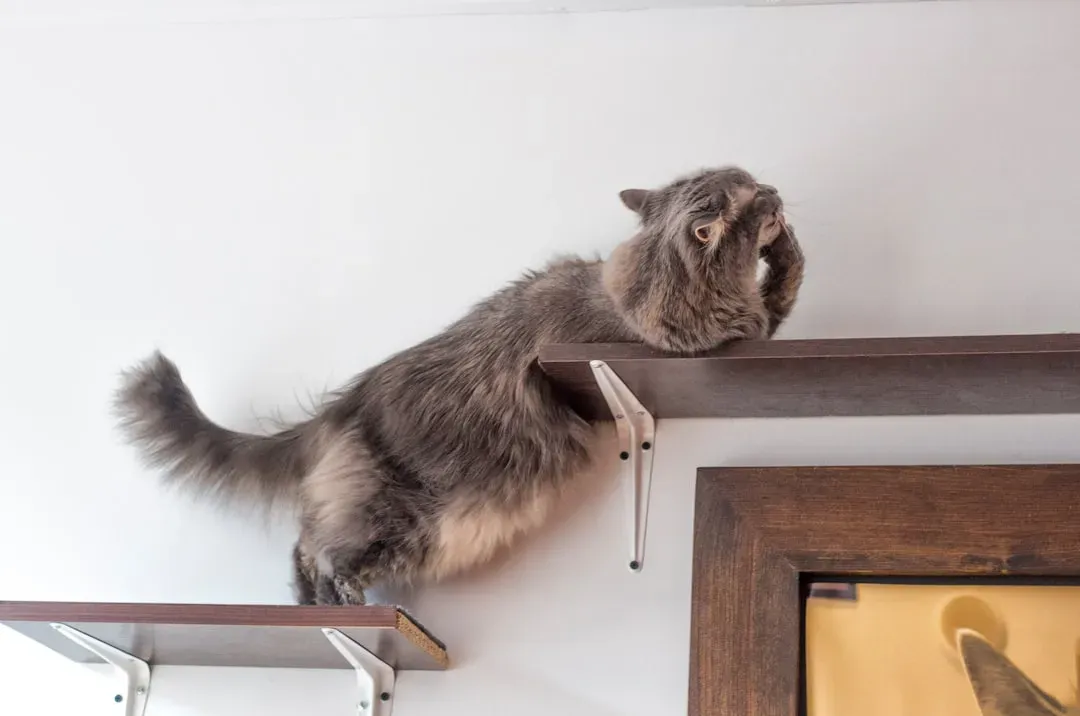
Cats are climbers by nature. They need to survey their domain from above, where they feel safest. If your home is all horizontal surfaces with no cat trees, shelves, or perches, your cat might feel exposed and vulnerable. Environmental enrichment supports emotional and physical health and helps cats feel safe and relaxed, and cat trees, perches and shelves allow cats to relax far away from perceived danger.
Vertical territory also matters in multi-cat homes because it creates more usable space and reduces competition. When one cat can be on top of the bookshelf while another is under the bed, they’re less likely to feel crowded. Giving your cat the ability to escape upward can dramatically reduce household tension.
Conclusion: Your Cat Is Counting on You to Notice
If your cat is stressed, they can become emotionally and physically unwell, resulting in problem behaviors and a worrying time for both cat and owner. The good news? Most of these stressors are entirely within your control to address. Small adjustments, like adding more litter boxes, creating quiet zones, or respecting your cat’s personal space, can make a world of difference.
Cats are masters of hiding their emotions, so it’s crucial to pay attention to subtle changes in their behavior. Your home doesn’t need to be perfect, but it does need to meet your cat’s emotional and physical needs. What changes will you make today to help your feline friend feel safer and more relaxed?