Have you ever noticed your cat acting a bit differently after a tough day? Maybe they’re extra clingy, or they keep their distance when you’re upset. The idea that our feline friends might sense and respond to our stress is both fascinating and a little bit spooky. As cat lovers, we often wonder: are those gentle purrs and curious stares just random, or is there something deeper going on? Could our moods be rubbing off on our beloved pets more than we realize? Let’s dig into the mysterious world of cats and their uncanny sensitivity to our emotions.
The Mysterious Bond Between Humans and Cats

The connection between humans and cats is unlike any other. While dogs are often called man’s best friend, cats have this quiet, almost mystical way of fitting into our lives. They seem to know when we need a little comfort or when we’d rather be left alone. Some people even swear their cats can “read their minds.” It’s not just wishful thinking—there’s growing interest in how attuned cats are to their owners’ feelings. Whether it’s the way your cat curls up next to you after a bad day or the gentle head bump they give when you’re sad, these moments feel deeply meaningful. This bond isn’t just about feeding and care; it’s about a unique form of emotional communication.
Can Cats Sense Human Emotions?

Many cat owners report that their pets seem to “know” when they’re feeling sad, anxious, or happy. Recent studies suggest there’s some truth to this. Cats are highly observant creatures. They rely on body language, tone of voice, and even our scent to figure out what’s going on. Some experts believe that cats can pick up on subtle changes in our posture or facial expressions. For example, if you come home slumped and sighing, your cat might notice and react differently than if you’re bouncing in the door with a smile. While cats may not understand the details, they are certainly in tune with the emotional atmosphere in the home.
The Science Behind Feline Empathy

Researchers have started to explore just how much empathy cats have for humans. While cats don’t have empathy in the same way humans do, they do show behaviors that suggest they care about our well-being. For instance, studies have shown that cats will approach and comfort people who are crying more often than those who are speaking in a normal tone. This doesn’t mean your cat understands sadness the way you do, but it does show an awareness of your emotional state. The science isn’t settled, but the evidence is growing that cats are more emotionally intelligent than we once thought.
Body Language: How Cats “Read” You

Cats are masters of body language. They watch everything you do—from the way you walk to how you hold your hands. If you’re nervous, you might move quickly or fidget, and your cat will notice. Cats themselves communicate mainly through body language, so it makes sense that they would pay close attention to ours. A tense jaw, a furrowed brow, or even clenched fists might signal to your cat that something’s off. Don’t be surprised if your cat responds by keeping their distance or, conversely, coming closer to offer comfort.
Scent and Stress: What Your Cat Smells

You might not realize it, but stress can actually change your scent. When humans are anxious or stressed, our bodies release certain pheromones and hormones. Cats, with their super-powered noses, can pick up on these shifts. Some researchers believe that a cat’s sense of smell is one of the main ways they detect stress in their owners. If your cat suddenly starts sniffing you more than usual, or rubs their face against you after a stressful day, they might be reacting to these invisible chemical signals.
The Role of Routine in Feline Comfort

Cats love routine, and when their owner’s behavior changes due to stress, it can throw them off. If you start coming home late, skipping playtime, or acting distracted, your cat might become anxious, too. They thrive on predictability. Even small changes in your daily habits—like eating at different times or talking less—can make your cat feel unsettled. This is why stressed owners often find their cats acting out or seeking extra attention. Maintaining a steady routine can help both you and your cat feel more secure.
Vocal Cues: Do Cats Listen to Tone?

Your cat may not understand your words, but they’re experts at picking up on tone. A sharp, raised voice or a quiet, trembling one tells your cat a lot. Some studies show that cats respond to their owner’s tone of voice, often mirroring the emotion behind it. If you’re speaking gently, your cat may relax. If you’re shouting or crying, they might hide or become agitated. In a way, your voice is like a mood ring for your cat—it tells them what’s really going on inside.
Physical Touch: Comfort or Avoidance?

How does your cat react when you reach out to pet them during stressful moments? Some cats rush to your side, eager to offer comfort. Others might slink away, preferring to keep their distance until things calm down. This isn’t about your cat not loving you; it’s about their own way of coping with stress. Cats can sense tension in your touch—maybe you’re petting a bit too firmly or your hands are shaky. Understanding your cat’s preferences during emotional times is key to keeping your bond strong.
Changes in Cat Behavior When You’re Stressed

When you’re caught up in stress, your cat may start acting out of character. Some cats become clingy—they follow you from room to room, meowing or demanding attention. Others might hide more than usual or even act aggressively. These changes are your cat’s way of responding to the shift in your mood and routine. It’s almost as if your emotional storm sends ripples through their world, too. Paying attention to these subtle shifts can help you spot stress in both yourself and your cat.
Can Stress Affect Your Cat’s Health?

Just like humans, cats can experience physical symptoms of stress. If your anxiety is ongoing, your cat might start to develop health issues of their own. This can include things like upset stomach, hair loss, or changes in appetite. Some cats even develop stress-related urinary problems. It’s a sobering thought—your emotional state could be impacting your cat’s well-being more than you realize. Keeping an eye on your cat’s health during tough times is important for both of you.
Why Some Cats Are More Sensitive Than Others

Not all cats react to stress in the same way. Some are born nurturers, always ready to curl up and purr when you’re down. Others are more independent, choosing to keep their feelings to themselves. Genetics, early life experiences, and even their relationship with you play a role in how sensitive your cat is to your emotions. If you have a particularly intuitive cat, you might find they’re almost always in sync with your moods. Every cat is unique, and that’s part of what makes them so special.
How Stress in Owners Can Influence Cat Behavior
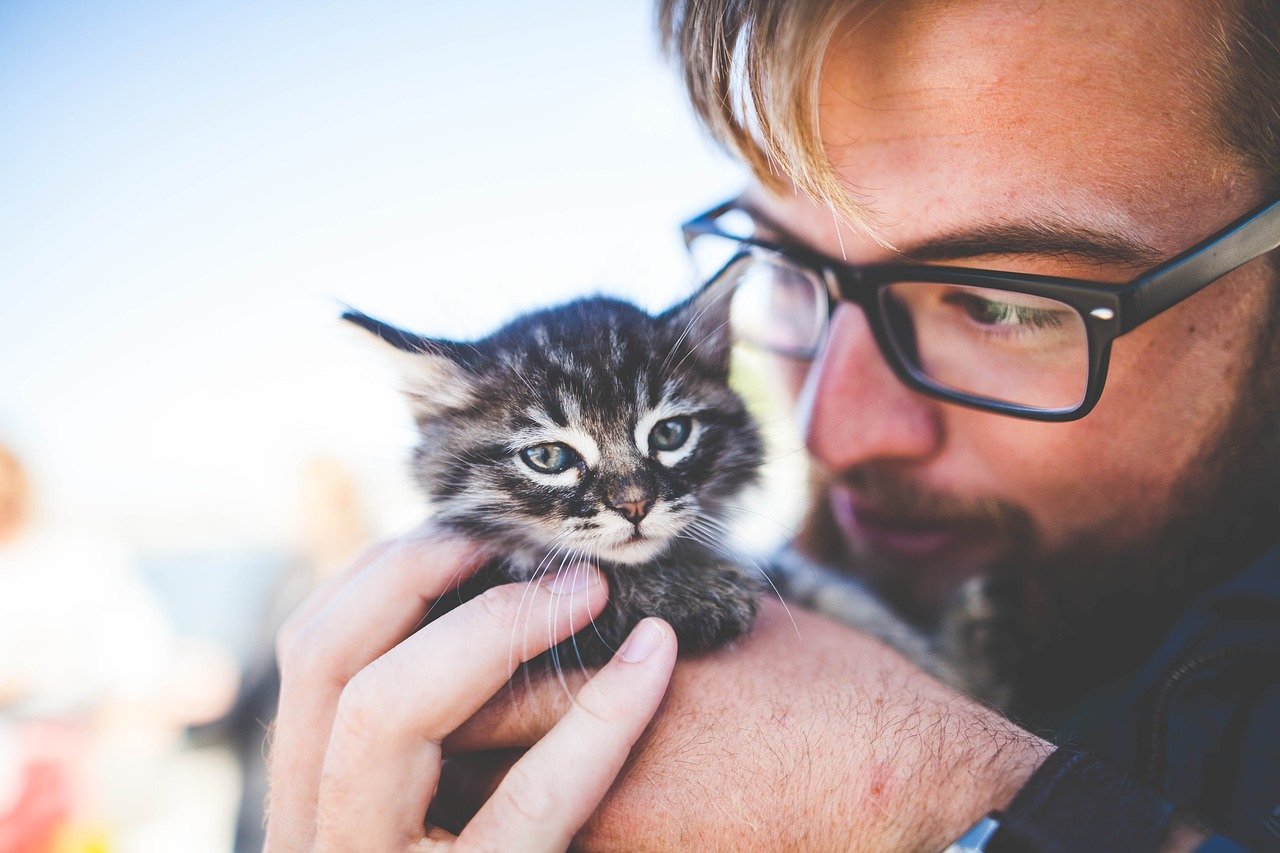
When you’re stressed, your cat doesn’t just notice—they can actually start to mirror your behavior. This is called “emotional contagion,” and it’s been observed in many animals, including cats. If you’re restless, your cat might become more active or agitated. If you spend more time sleeping, your cat might nap more, too. It’s as if they’re trying to stay in step with you, no matter what. This strong connection can be both comforting and challenging, especially during tough times.
Building a Calming Environment for You and Your Cat

If you know your cat is picking up on your stress, creating a peaceful home environment can help both of you. Simple things like playing soft music, diffusing calming scents, and keeping clutter to a minimum can make a big difference. Cats love cozy spaces, so consider adding extra blankets or a new cat bed. Taking time to play or cuddle with your cat can be a win-win—it soothes your nerves and reassures your feline friend that everything is okay.
The Power of Purring: A Natural Stress Reliever

There’s something magical about a cat’s purr. Did you know that the sound of purring has been shown to lower blood pressure and reduce stress in humans? Many cat owners find that just sitting quietly with a purring cat can make the world feel a little less overwhelming. Some experts even believe that purring is a cat’s way of soothing themselves—and you—during stressful times. If you’ve ever felt your worries melt away with each gentle rumble, you know just how powerful this connection can be.
Mutual Comfort: How Cats and Owners Help Each Other
The relationship between cats and their owners isn’t one-sided. When you’re upset and your cat comes to sit with you, they’re not just offering comfort—they’re seeking it, too. Studies show that petting a cat can release feel-good hormones in both the human and the animal. It’s a beautiful feedback loop: your cat senses your stress, offers comfort, and in turn, feels reassured by your touch. This mutual support system is one of the most heartwarming parts of living with a cat.
Recognizing Signs of Stress in Your Cat

It’s important to know what stress looks like in cats. Some signs are obvious—like hiding, hissing, or refusing to eat. Others are more subtle, such as over-grooming, pacing, or changes in litter box habits. If you notice these behaviors, take a step back and consider what might be causing them. It could be your own stress levels, changes in your routine, or something else entirely. Being aware of these signs can help you catch problems early and support your cat through tough times.
Practical Tips for Reducing Shared Stress
If you and your cat are both feeling the pressure, try these practical tips:
– Stick to a consistent daily routine.
– Set aside time each day for play or cuddles.
– Use calming sprays or diffusers made for cats.
– Create quiet, comfortable spaces where your cat can retreat.
– Practice deep breathing or mindfulness—your calmness can be contagious.
Even small changes can make a big difference in how both you and your cat feel. Remember, you’re in this together.
When to Seek Help: Stress Beyond the Home

Sometimes, stress can become overwhelming for both you and your cat. If you notice persistent changes in your cat’s behavior or health, it might be time to talk to a veterinarian. They can help rule out medical issues and offer advice on managing stress. Similarly, if you’re struggling to cope, don’t hesitate to reach out for support. Taking care of your own mental health is one of the best things you can do for your cat.
Stories from Cat Owners: Real-Life Experiences

Many cat lovers have incredible stories about their pets picking up on their moods. One owner recalled how her usually aloof cat spent hours curled up beside her during a tough breakup. Another shared that her cat became extra playful when she was feeling down, almost as if he was trying to cheer her up. These anecdotes remind us that the bond between humans and cats is full of surprises and emotional depth. Each story is a testament to the special connection we share with our feline companions.
Could Cats Be Emotional “Mirrors”?

Some experts believe that cats act as emotional “mirrors,” reflecting our moods back at us. When you’re happy and relaxed, your cat often is, too. When you’re anxious or upset, your cat might mirror those feelings, sometimes even before you realize how stressed you are. This idea can be both comforting and a little unsettling. It means that caring for your own emotional well-being isn’t just important for you—it’s a way of caring for your cat, too.
Ways Your Cat Shows They Care
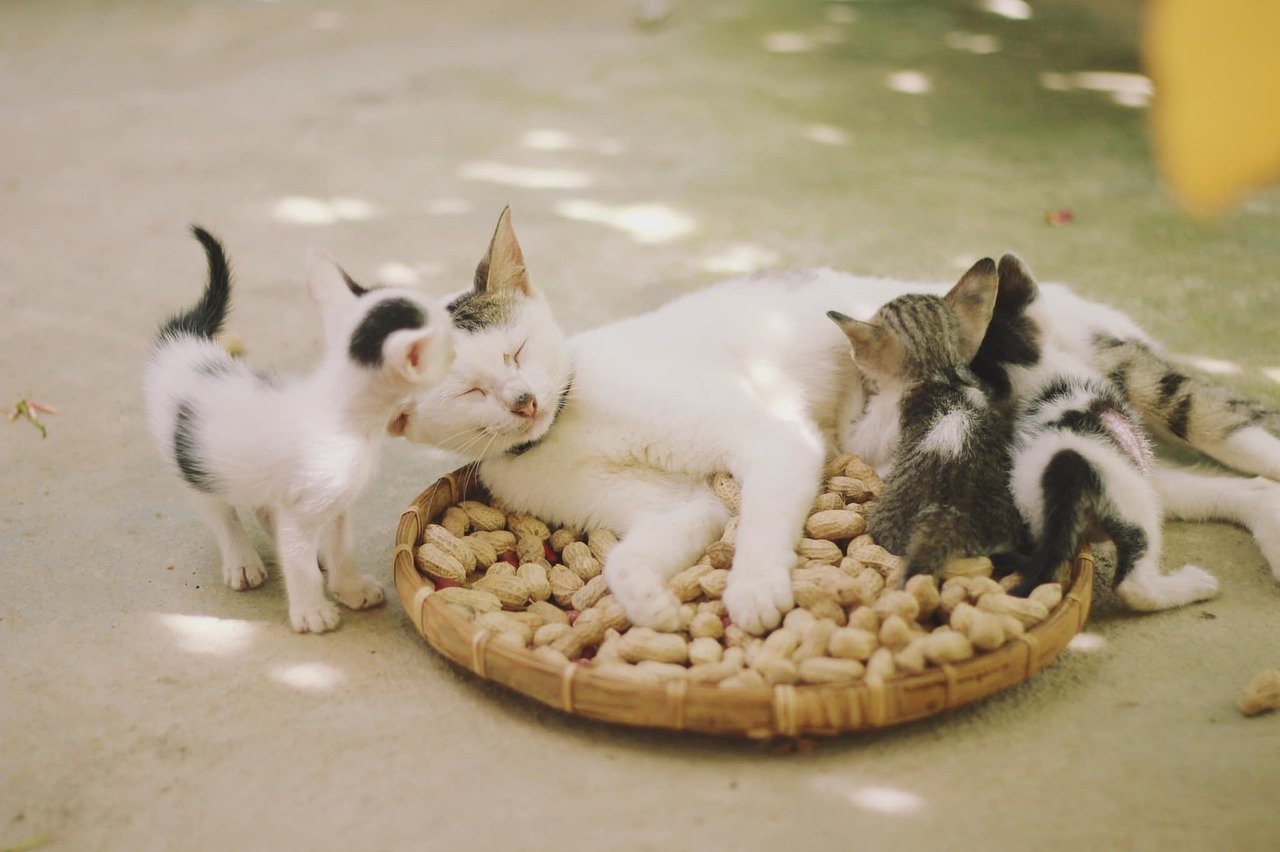
Cats might not bring you tea when you’re sick, but they have their own special ways of showing they care. Maybe it’s a gentle headbutt, a slow blink, or the way they curl up beside you when you need it most. Some cats will even bring you a favorite toy or meow softly as if to say, “I’m here for you.” These small gestures are easy to overlook, but they’re powerful reminders of the love and loyalty our cats offer us every day.
The fascinating connection between our moods and our cats’ behaviors is a reminder of how deeply intertwined our lives have become. The next time your cat acts a little differently when you’re stressed, take a moment to notice. Could it be that your feline friend is picking up on your emotions?

Hi, I’m Bola, a passionate writer and creative strategist with a knack for crafting compelling content that educates, inspires, and connects. Over the years, I’ve honed my skills across various writing fields, including content creation, copywriting, online course development, and video scriptwriting.
When I’m not at my desk, you’ll find me exploring new ideas, reading books, or brainstorming creative ways to solve challenges. I believe that words have the power to transform, and I’m here to help you leverage that power for success.
Thanks for stopping by, Keep coming to this website to checkout new articles form me. You’d always love it!