You live with a tiny creature who is constantly talking to you. Not in words, obviously. Not even in sounds most of the time. Your cat is sending you a steady stream of signals every single day, using their eyes, ears, tail, paws, and posture, and here is the wild part: you are probably already responding to most of them without even realizing it.
Honestly, that is kind of remarkable. You have been having a conversation with your cat this whole time, and you did not even know the language had a name. The more you understand it, the deeper and more rewarding that connection becomes. So let’s dive in.
Your Cat Invented a Language Just for You
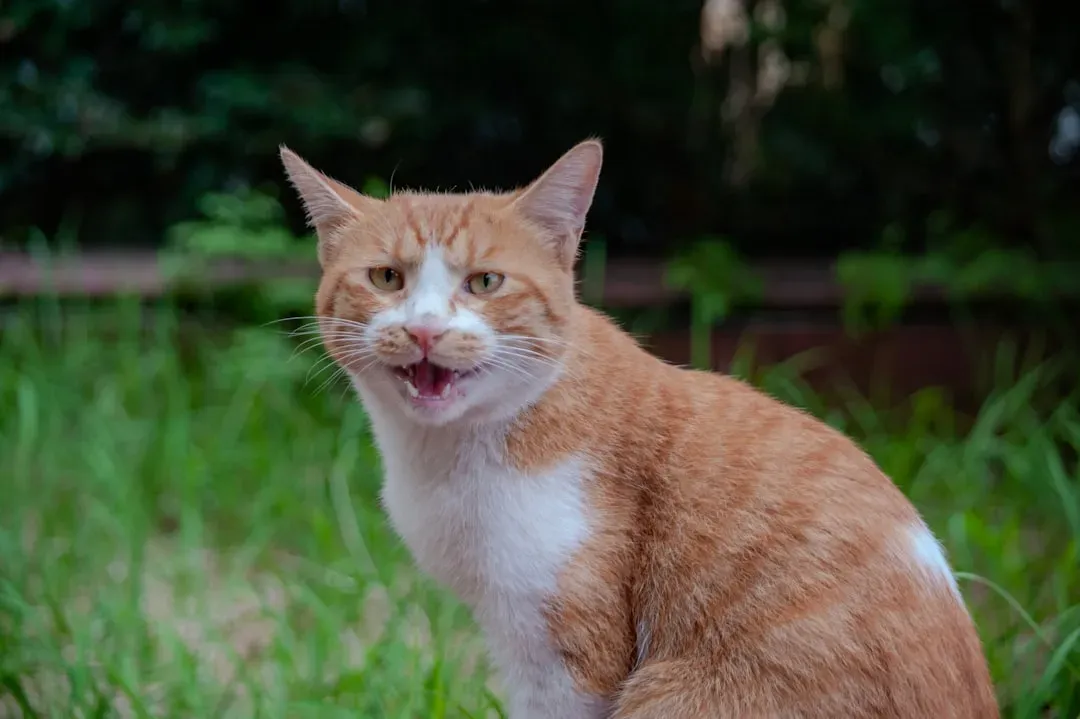
Here is something that genuinely blew my mind when I first learned it. Cats typically do not meow to other cats. They meow to humans to let us know they need something. Think about that for a second. Your cat looked at you, decided you were worth the effort, and essentially built a brand new communication tool specifically to reach you.
Adult cats rarely meow to each other, and so adult meowing to human beings is likely to be a post-domestication extension of mewing by kittens. Basically, your cat decided that you remind them of their mother and that the squeaky kitten trick still works beautifully on you. They are not wrong. It absolutely does.
The Slow Blink: A Cat Kiss You Can Give Back
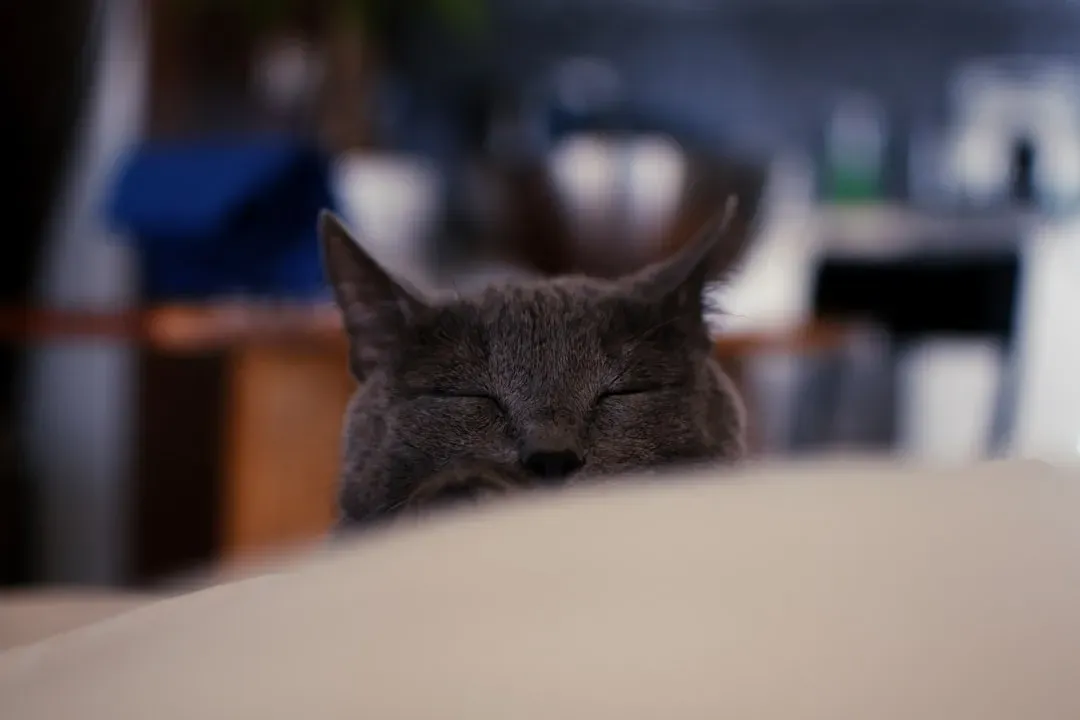
When a cat slow blinks at you, they are often expressing a sense of trust, contentment, and affection. In the feline world, closing their eyes in the presence of another creature makes them vulnerable, as they are unable to detect potential threats. So when your cat gazes at you and slowly closes those eyes, they are essentially lowering their guard in the most deliberate, intentional way possible.
The incredible thing is, you can give it right back. Cat half-blinks and eye narrowing occurred more frequently in response to owners’ slow blink stimuli toward their cats. In a second experiment, cats had a higher propensity to approach the experimenter after a slow blink interaction than when they had adopted a neutral expression. Try it tonight. Just catch your cat’s gaze, soften your expression, and slowly close and open your eyes. Their reaction might genuinely surprise you.
The Tail Is an Entire Mood Board
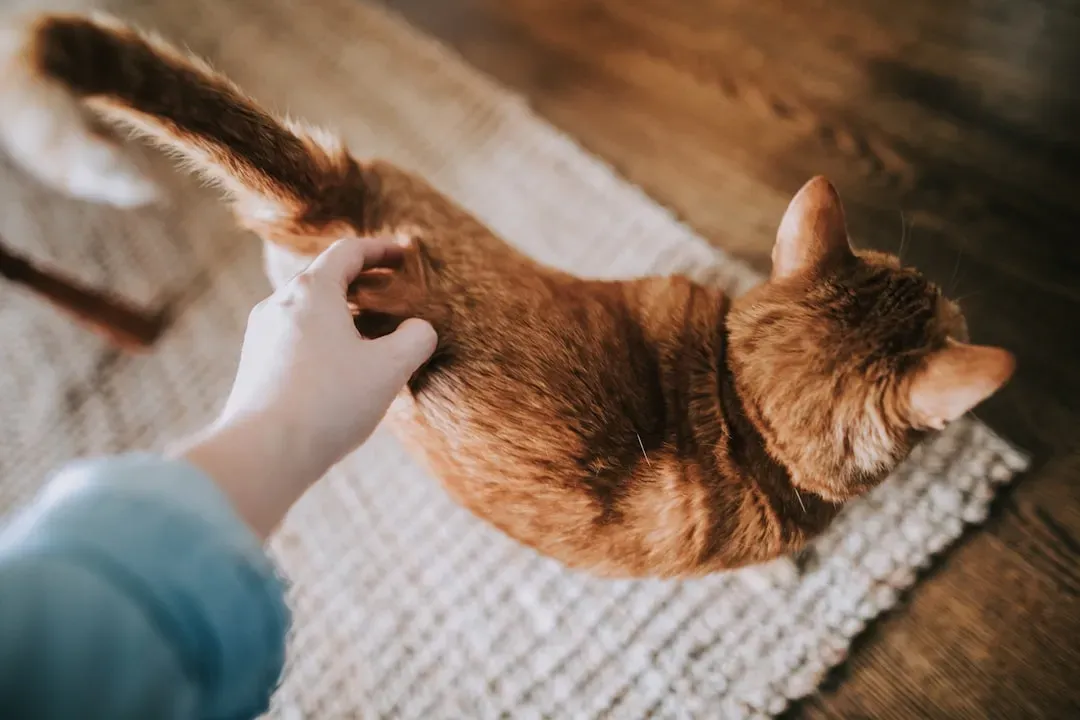
A cat’s tail is a powerful communication tool, and each tail position conveys distinct messages. It is basically a real-time emotional ticker tape. Watching that tail is like having a direct line to your cat’s current state of mind, which is something most people walk past a hundred times a day without reading properly.
A cat walking with its tail held high typically feels confident and content, navigating its territory with ease and comfort. On the flip side, a rapidly swishing tail can indicate annoyance, a signal the cat wants to be left alone. The difference between those two positions is the difference between a welcome hug and a “not right now.” Learning to tell them apart saves you a lot of unnecessary scratches.
Ears That Speak Louder Than Meows
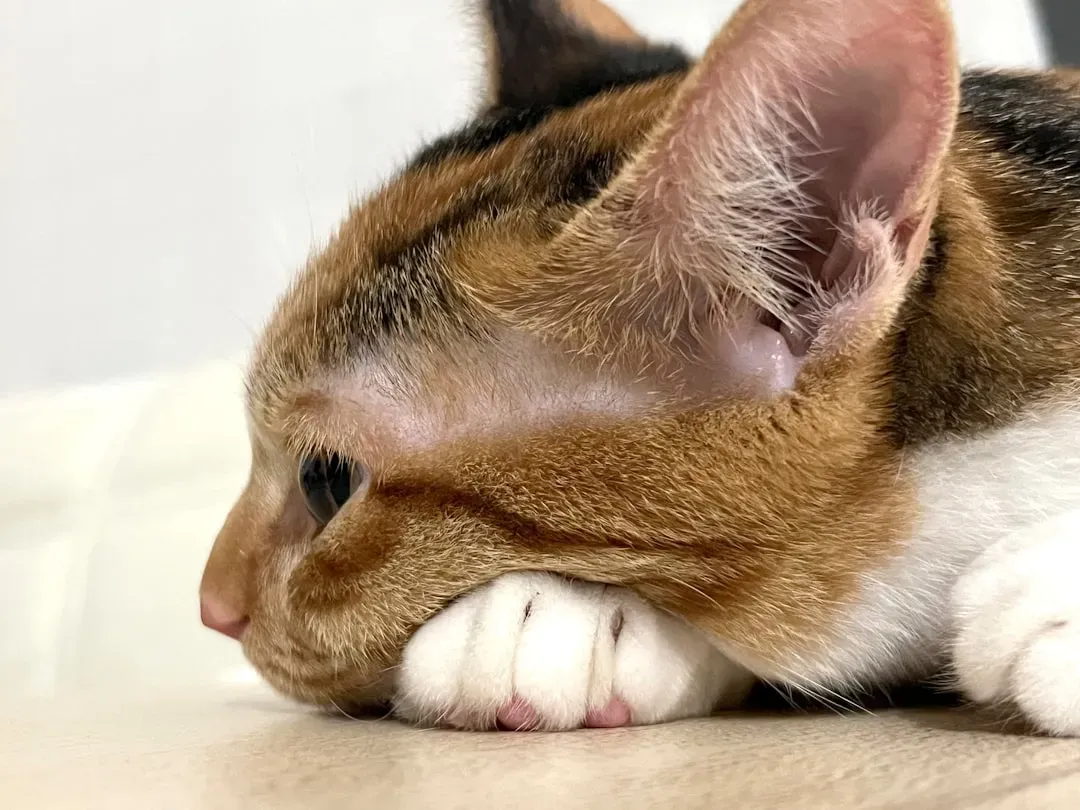
Let’s be real, most people watch a cat’s face and miss the ears entirely. That is a huge mistake. A cat’s ears are highly mobile and can swivel independently, offering clues to their feelings and focus. Ears that are perked forward show a cat’s interest and curiosity about its surroundings. However, when a cat’s ears are flattened against its head, it’s a clear indicator of fear, aggression, or irritation, suggesting the cat is feeling threatened or annoyed.
When ears flatten against the head, your cat is uncomfortable, frightened, or defensive. This posture often pairs with growling, hissing, or a low stance, signaling a strong desire for space. Think of it this way: ears forward is an open door, ears back is a closed one. Respect the door. Your fingers will thank you for it.
The Eyes Tell You Everything If You Know Where to Look
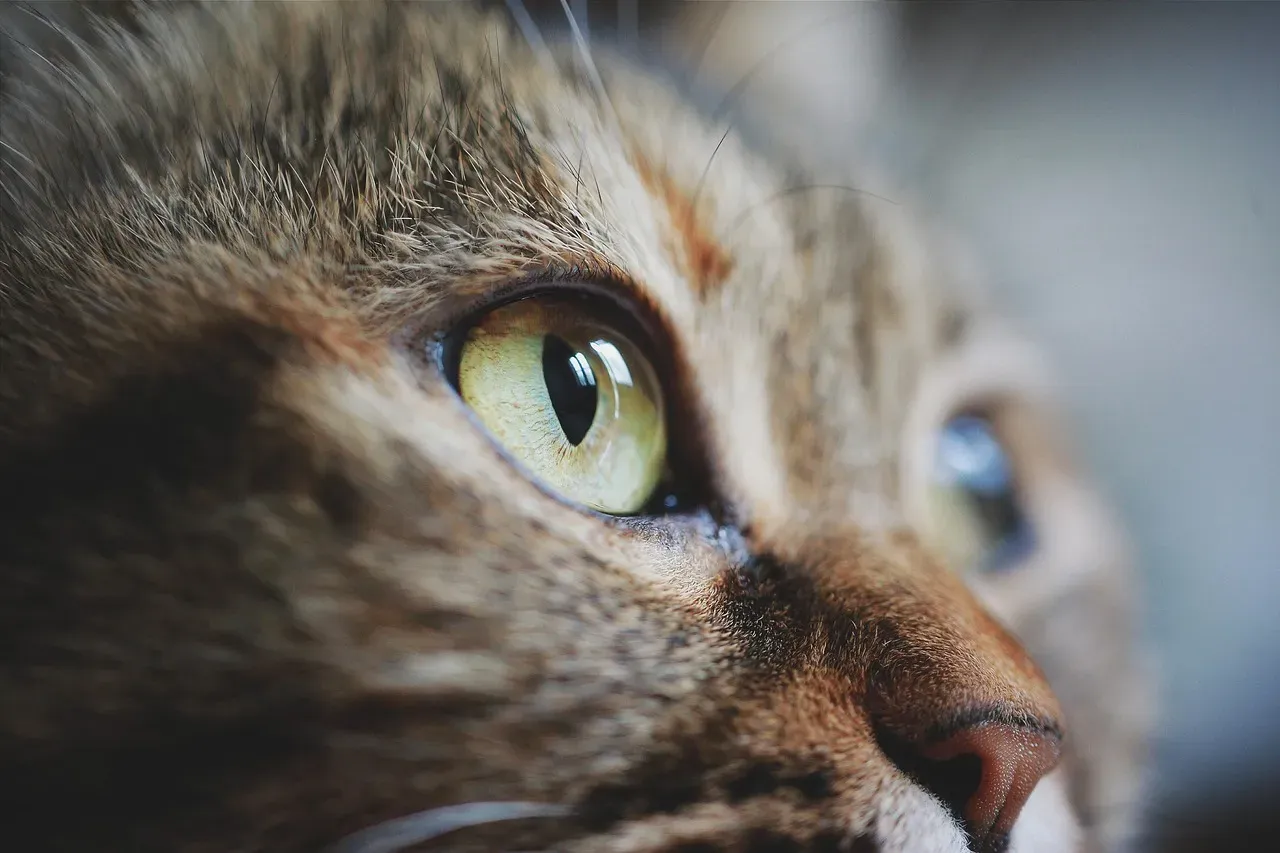
Wide-open eyes may indicate fear, interest, excitement, or aggression, while half-closed or drooping eyes convey relaxation and friendliness. It sounds almost too simple, but that single distinction between wide and half-closed eyes is one of the most honest signals your cat will ever send you. A half-lidded cat is a contented cat. Wide, locked-on eyes deserve your full attention.
Compared to humans, cats’ pupils can dilate much more, enabling them to see much better in the dark. But often, if you’re seeing dilated pupils in the daytime, it’s just a sign of alertness. A cat with narrow, thin pupils is feeling nice and relaxed. You may notice narrow pupils when a cat wakes from a nap, or while they’re enjoying some peaceful pets in your lap. Pupils are basically cat emoji, once you know the code.
Purring Is Not Always What You Think
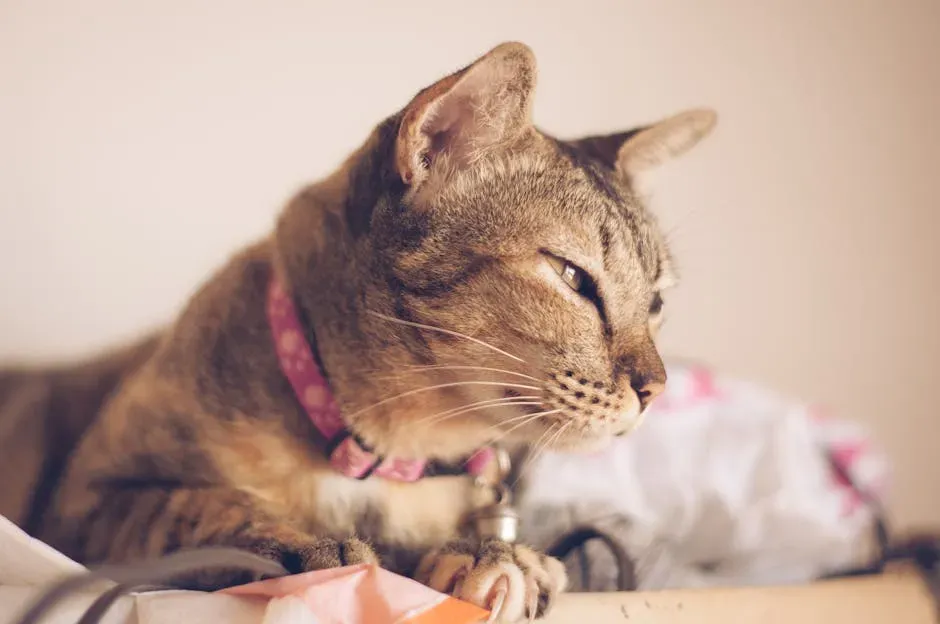
Purring is often thought of as a sign that a cat is content and happy, but there are actually three distinct types of purrs: a relaxed purr, a solicitation purr, and a purr that’s associated with pain or distress. Most of the time, a cat purring is a good thing, but just because a cat is purring doesn’t mean they’re happy. This one surprises most people. Purring is more nuanced than you might expect.
Cats also purr when they are frightened, such as during a vet visit or when exposed to an unfamiliar environment. This is a form of self-soothing. So a purring cat at the vet is not necessarily a happy cat. They might be trying to comfort themselves the same way a person takes deep breaths before something stressful. Context is everything with cats, and this is one of the best examples of that truth.
Kneading and Head Bumps: The Deepest Compliments
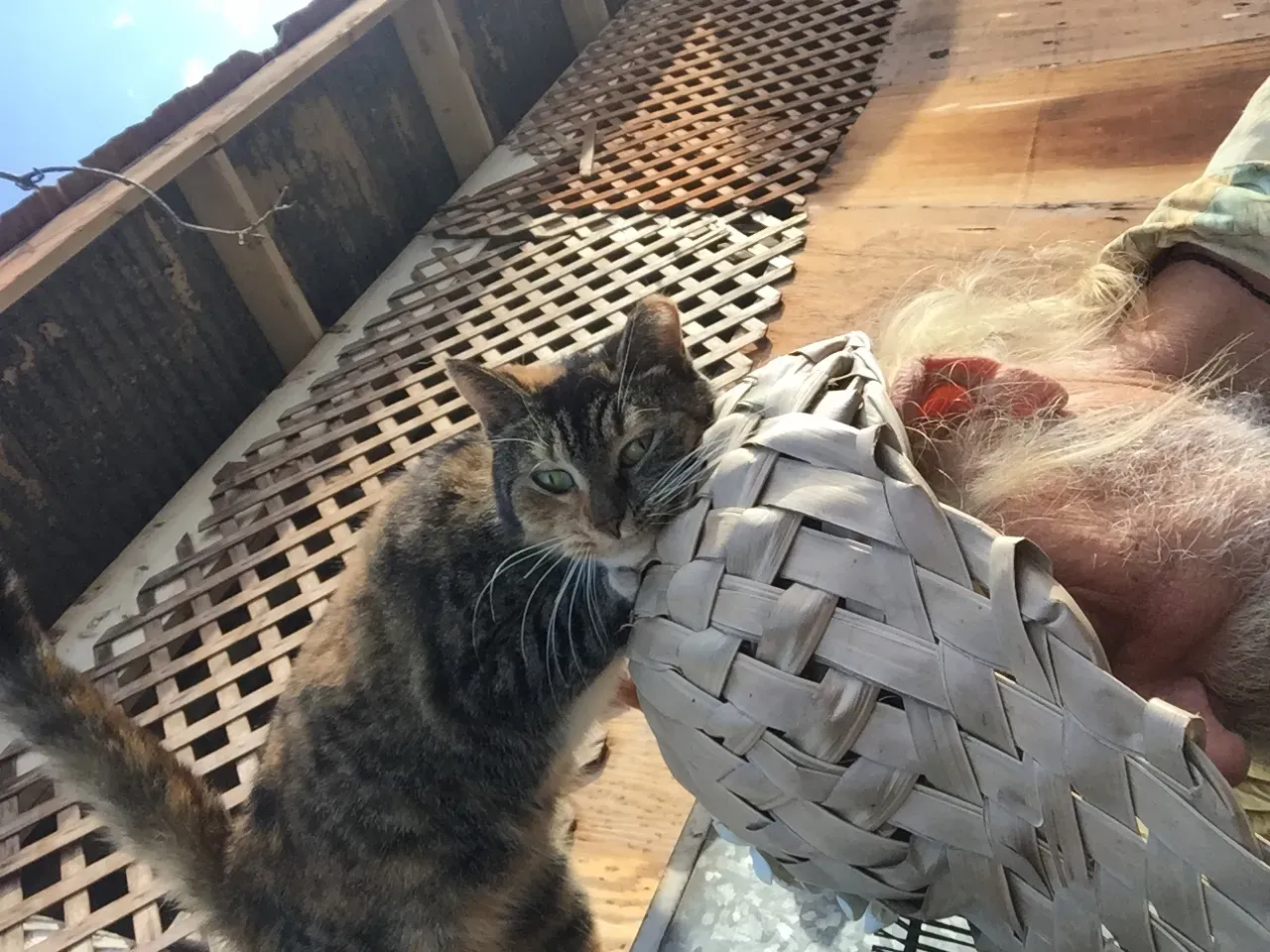
Kneading, or “making bread,” is a rhythmic paw movement that indicates happiness or contentment. It originates from kittenhood, where kittens knead to stimulate milk flow during nursing. When your cat kneads your lap, they are quite literally treating you like a warm, safe mother. That is not nothing. That is one of the most vulnerable and trusting things a cat can do.
Head butts and chin rubbing are clear signs that your cat loves you, because cats have scent glands in their faces that allow them to claim friends and objects as their own. I know it sounds funny, but when your cat head-bumps you, they are marking you as theirs. You belong to them now. Honestly? Most cat owners would not have it any other way.
Warning Signs You Should Never Ignore
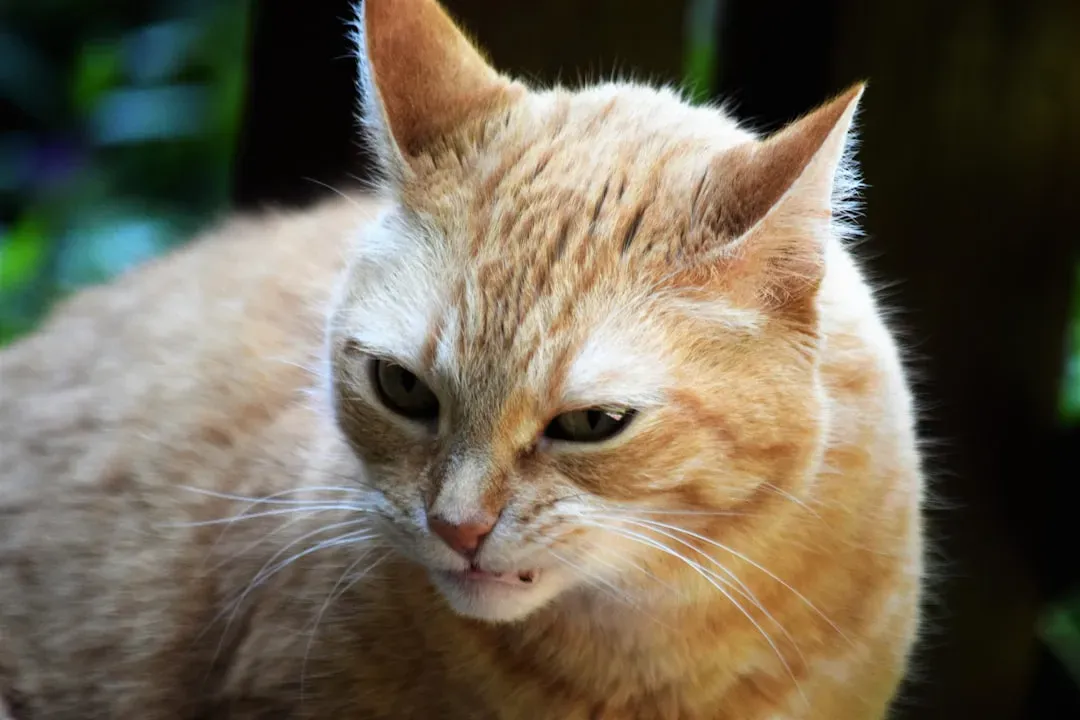
Most animals don’t go from zero to ten in an instant. They usually begin with lower level signals to communicate their emotions long before escalating to snapping, snarling, fleeing, and hiding. This is such an important truth. Your cat does not suddenly attack. They have been politely asking you to stop for quite a while before they decide to make it physical.
Overstimulation is a common challenge during play. Signs include rapid tail flicking, sudden ear flattening, or unexpected swatting. By pausing at these moments, you respect your cat’s limits and prevent frustration. It’s hard to say for sure exactly where every cat’s line is, but watching those signals closely will tell you. Learn the whispers so you never need to hear the screams.
How Your Cat Reads You Right Back
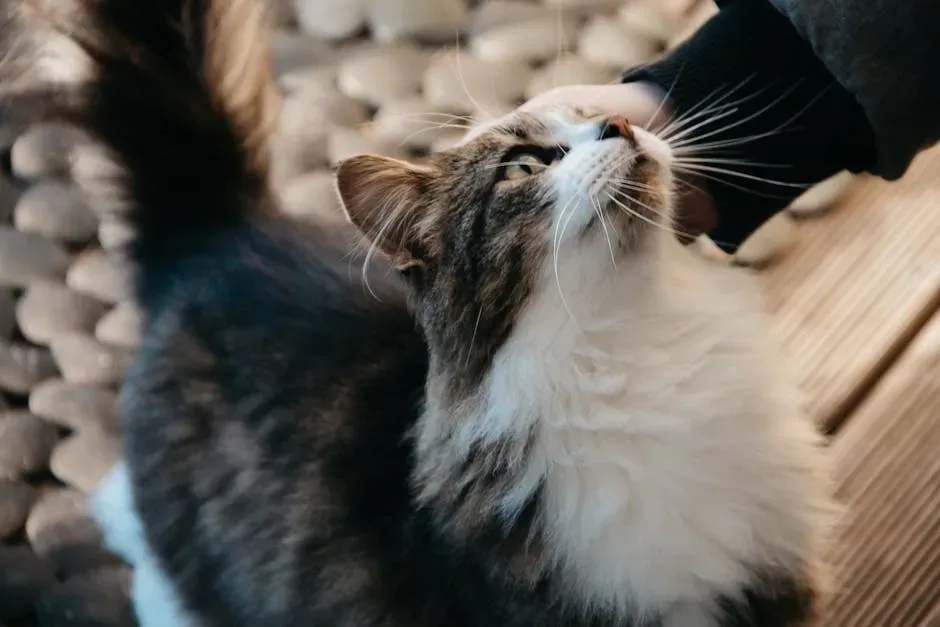
Here is the thing that most people overlook entirely: this language runs in both directions. Research shows cats adjust their body language and vocalizations when interacting with humans, using more eye contact and meows than they do with other cats. They are actively adapting their communication style to fit you. They are putting in the effort.
When we learn how to read and respond to their body language appropriately, we can better meet their needs, strengthen our relationships, and live in greater harmony together. Cats are clever when it comes to adapting their behavior and methods of communication to interact with humans. While they’re sometimes stereotyped as being aloof or uncaring, this isn’t the truth. They strive to better understand the humans in their lives and adjust their behavior to allow us to meet their needs. Your cat is studying you. The least you can do is study them back.
Conclusion: You Were Already Fluent, You Just Did Not Know It
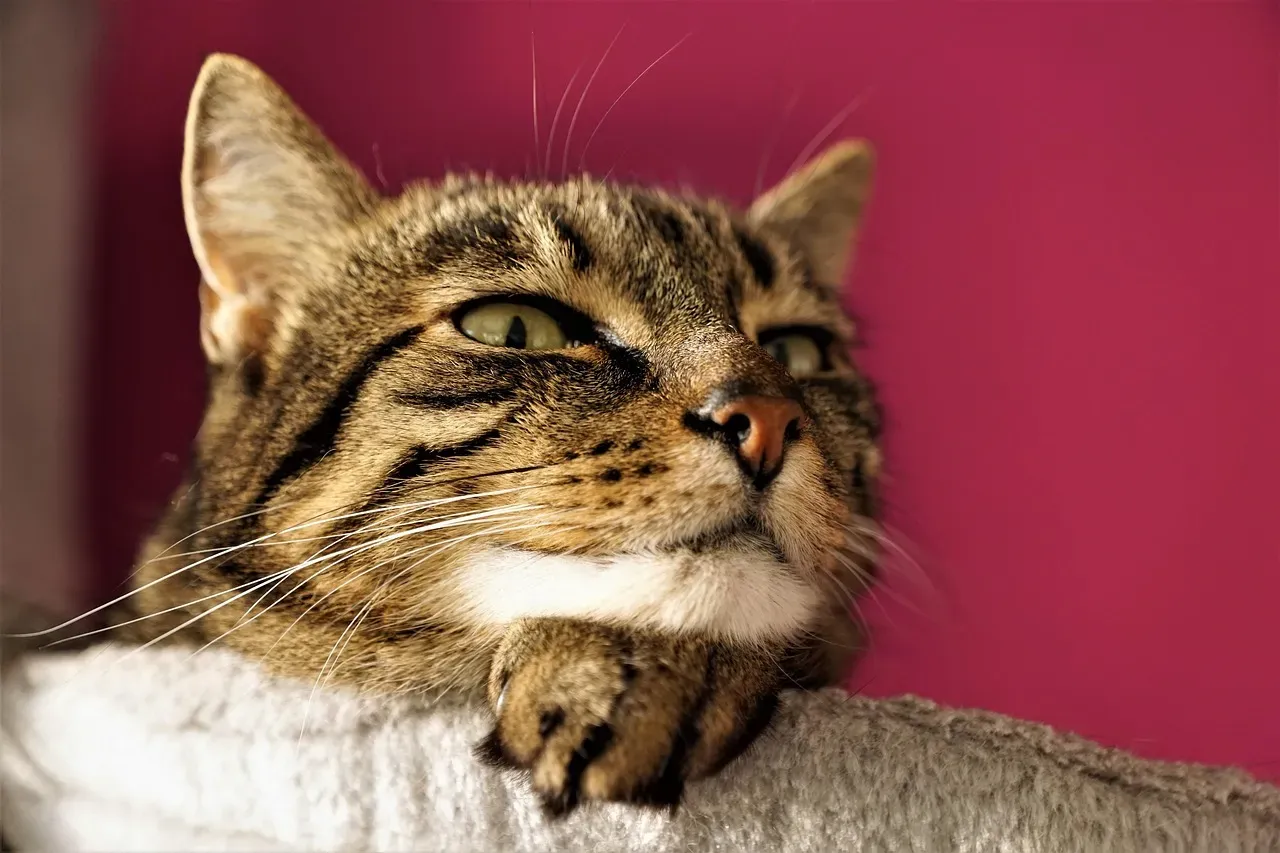
Every time you instinctively gave your cat space when they flattened their ears, every time you smiled back when they slow-blinked at you from across the room, every time you let them choose when to come to you rather than forcing the interaction, you were already speaking their language. You were already fluent. You just needed someone to hand you the dictionary.
The bond between you and your cat is not accidental. It has been built, signal by signal, blink by blink, over years of quiet conversation. Now that you know the grammar, imagine how much richer that conversation can become.
So, which signal from your cat do you think you have been misreading this whole time? Drop your answer in the comments. You might be surprised how many others can relate.