You’ve probably experienced it countless times. You call your cat’s name from across the room, maybe with a sweet little lilt in your voice, and what do you get in return? A flick of an ear. Maybe a tail swish. Sometimes not even that. You watch as your feline companion continues to stare out the window or groom their paw with laser focus, completely unbothered by your existence.
Here’s the thing. It’s not that your cat can’t hear you. Those furry little ears are picking up every syllable you’re saying, along with sounds you couldn’t even dream of detecting. What’s actually happening is far more fascinating, and honestly, far more calculated. Your cat is making a conscious choice about whether your voice is worth responding to right now.
The Science Behind Those Twitching Ears
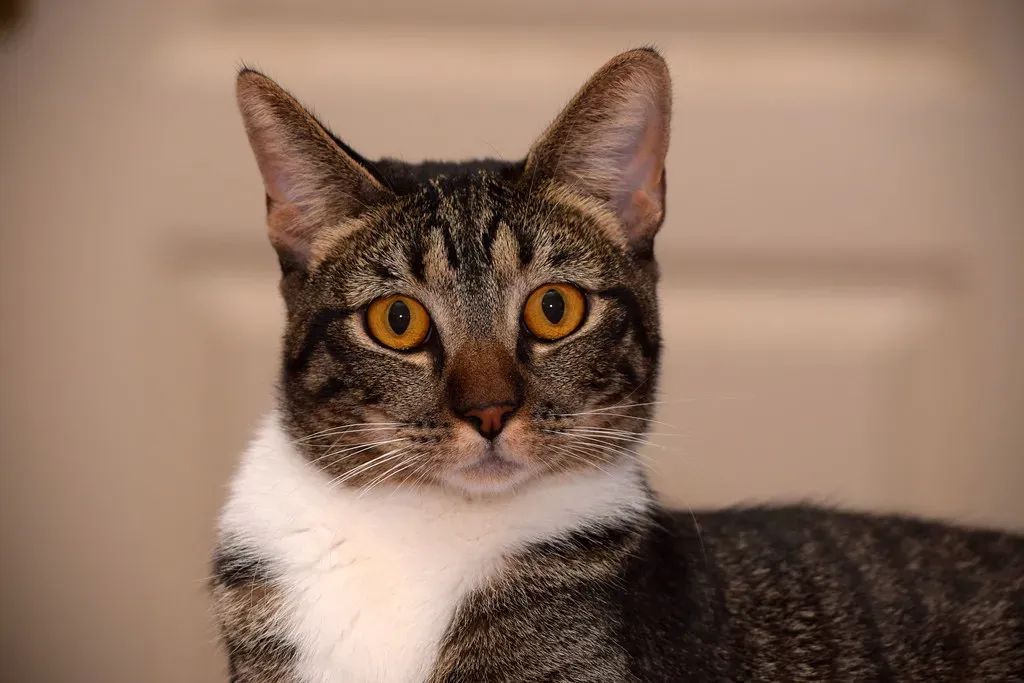
Research from the University of Tokyo confirms that cats have selective hearing, much like sullen teenagers. Let’s be real, that comparison hits a little too close to home for most cat owners. Studies have shown that cats can recognize their owner’s voice and distinguish it from strangers, but recognition doesn’t automatically translate to response.
In one particularly revealing experiment, few cats flicked their tails or meowed in response to their owner’s voice. Think about that for a second. Your cat knows it’s you calling. They’re just choosing not to care. Cats responded to calling mainly by orienting behavior such as moving the head and ears, but not by communicative behavior such as tail movements and vocalizing. It’s the feline equivalent of reading your text message and leaving you on seen.
Why Dogs Come Running (But Your Cat Stays Put)
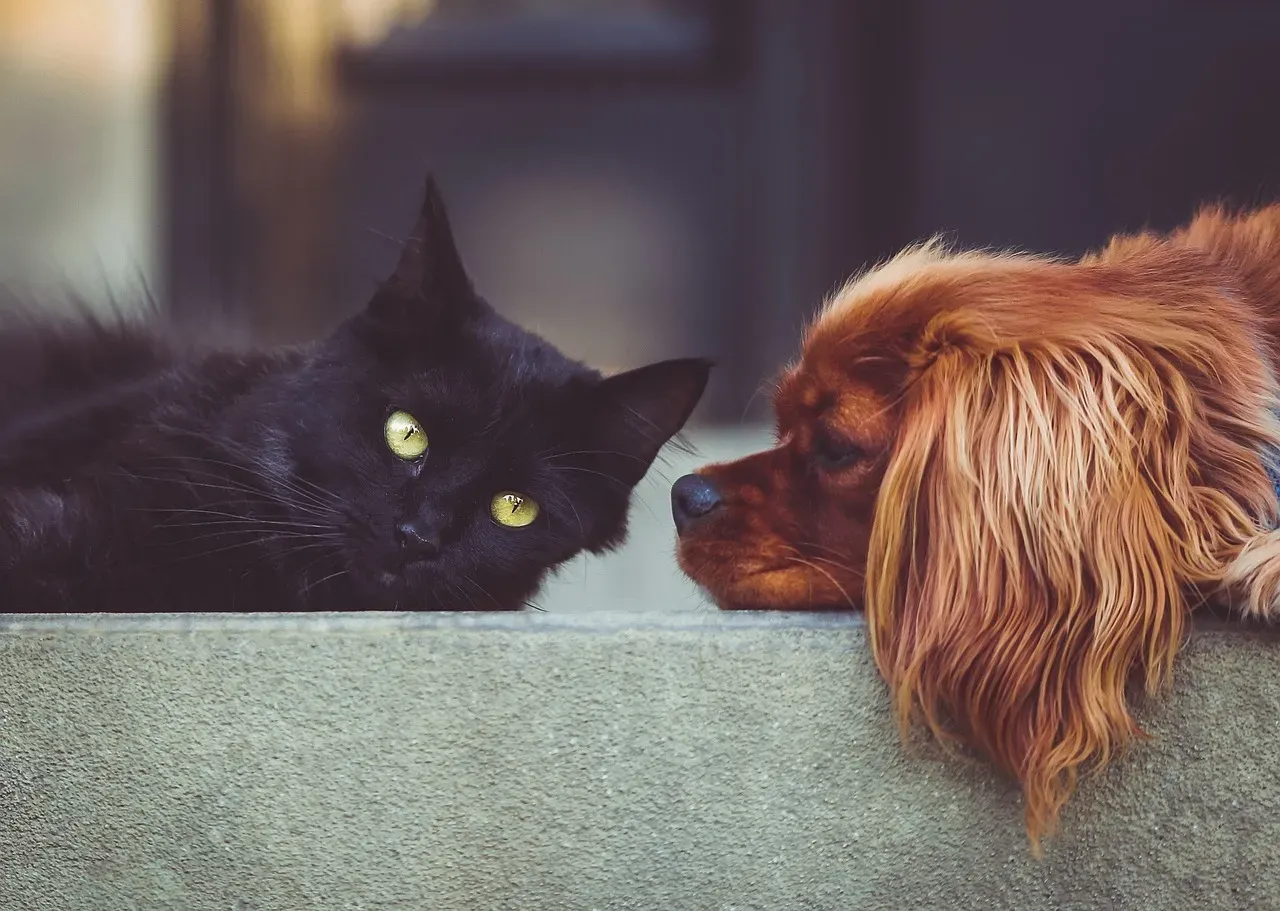
Unlike dogs, who were deliberately bred for thousands of years to work alongside humans, cats essentially domesticated themselves. This changes everything about how they interact with us. Dogs were shaped by human selection to be obedient, to follow commands, to desperately seek our approval. Cats? Not so much.
For cats, human assistance is not necessarily required for mating, shelter, safety, or the procurement of food, and the cat’s semi-domesticated behavioral state is consistent with weaker human-influenced artificial selection pressures on the species. They wandered into our grain stores thousands of years ago because mice were there, not because they wanted our companionship. The relationship was transactional from the start. Even today most domesticated cats are free agents that can easily survive independently of humans, as evidenced by the plethora of feral cats around the world.
What Your Cat Actually Hears (Spoiler: Everything)
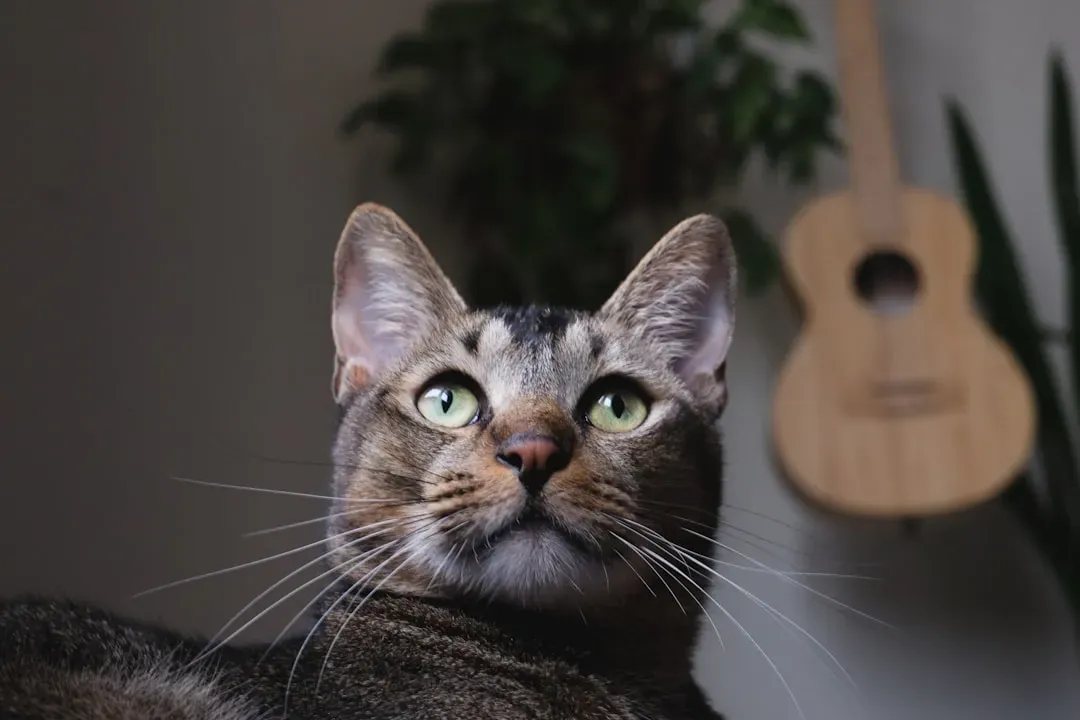
Don’t mistake your cat’s indifference for an inability to hear. Cats can hear frequencies from 55 Hz up to 79 kHz, detecting higher-pitched sounds than humans or most dogs. To put that in perspective, humans can only hear up to roughly 20 kHz. Cats have remarkably acute hearing, with ears that can pick up sounds as high as 79 kHz, while humans top out around 20 kHz.
Each cat ear contains 32 muscles, allowing them to rotate their ears independently up to 180 degrees, enabling cats to pinpoint sounds with remarkable precision. Those ears are biological radar dishes, constantly scanning the environment. When your cat doesn’t respond, it’s almost never because they can’t hear you; it’s more likely that they’re choosing when to listen. Your voice is being received loud and clear. It’s just being filed under “not urgent.”
The Motivation Factor (Or: What’s In It For Me?)
Cats are pragmatists. Motivation is a huge part of how cats decide what to pay attention to; if your call means food, play, or affection, your cat is far more likely to respond, but if they’re comfortable, sleepy, or simply uninterested, your voice might not register as important. They’re constantly running a cost-benefit analysis in those little heads.
Honestly, it makes sense from an evolutionary standpoint. Cats are hardwired to focus on things that matter for their survival, like hunting or staying safe, and your voice, unless it’s attached to something exciting, doesn’t always make the cut. You calling their name while they’re lounging in a sunbeam? That’s not a survival priority. The sound of a can opener, though? That’s a different story entirely.
They Do Recognize Their Names (They Just Don’t Care)
Research shows that most cats do recognize their own names; in studies, cats reacted differently when their name was spoken compared to random words. So yes, Fluffy knows you’re talking specifically to her. She’s just decided that acknowledging you isn’t worth the effort right now. Scientists found evidence that cats can differentiate their names from other common nouns; however, while cats can give off signs that they understand you are calling them, such as ears twitching or heads turning toward the sound, they probably won’t come running when you want them to.
The subtle signs are there if you know what to look for. A slight ear rotation. A momentary pause in grooming. These tiny acknowledgments are your cat’s way of saying they heard you without committing to any actual interaction. It’s peak feline behavior.
The Power of Tone (When They Bother To Notice)
Cats responded when they heard their owners using cat-directed speech, but not human-to-human speech. This is fascinating. Your cat can tell the difference between you talking to them in that ridiculous baby voice versus you having a normal conversation with another person. At the sound of a familiar voice, cats often froze, tails flicking, eyes blinking, or ears twitching, but only when the words were spoken in a register reserved for a pet.
Cats decreased their behavior when their owners were speaking in an adult-directed tone but significantly increased their behavior when they heard that same owner speaking in the cat-directed tone. They know when you’re addressing them specifically, and they make deliberate choices about how to respond. It’s not ignorance. It’s calculation.
The Independence Inheritance
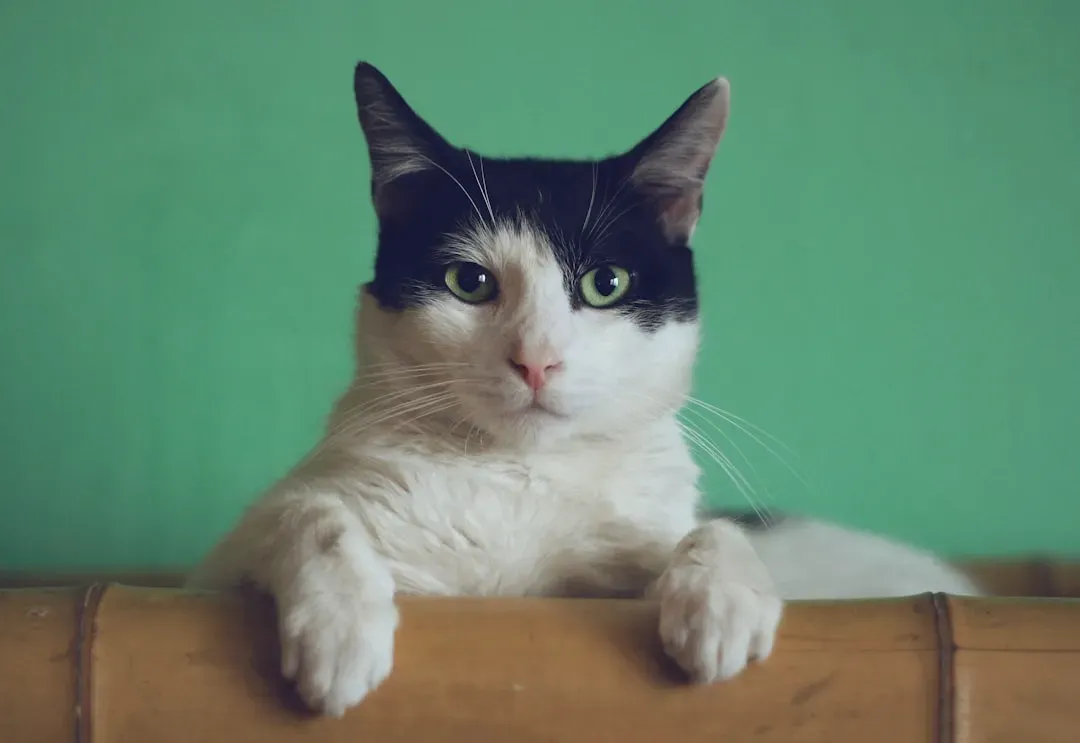
Unlike dogs, which have been heavily bred for specific traits, cats have retained a greater degree of independence and natural behavior. This independence isn’t a bug in the system. It’s a feature. Cats stand apart from other domesticated animals due to their relatively late domestication and semi-wild behavior; unlike dogs, which have been selectively bred to enhance specific traits, cats have retained much of their wild ancestry, and their independence and self-sufficient nature continue to distinguish them as unique companions.
Your cat’s ancestors didn’t need to follow commands to survive. They were solitary hunters, making their own decisions about when to hunt, when to rest, when to interact. That legacy lives on in your living room, manifesting as what looks like deliberate disrespect but is actually just evolutionary programming.
Body Language Tells The Real Story
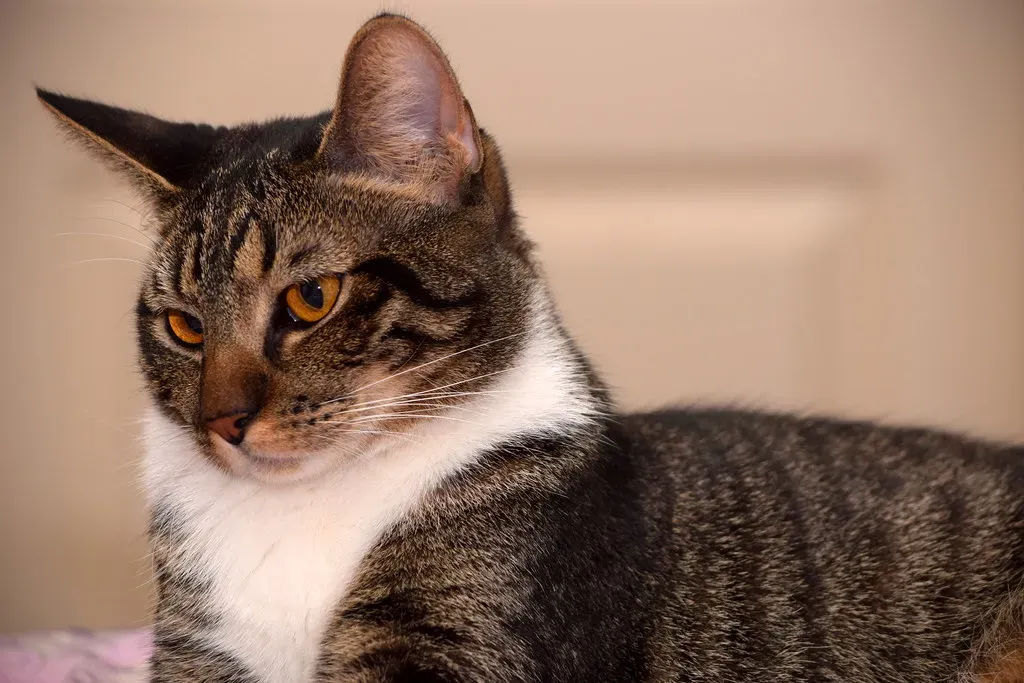
Cats can use a range of communication methods, including vocal, visual, tactile and olfactory communication, and they use visual signals, or body language, to express emotions like relaxation, fear, and aggression. When your cat is ignoring your calls, watch what their body is actually doing. When the owner’s voice was played, the cats perked up, showing higher ear and head movement, but no movement of tails or limbs, and no vocalization.
Those ear twitches aren’t nothing. They’re acknowledgment without commitment. Your cat is basically saying “message received” without actually getting up to check what you want. It’s efficient, really. Domestic cats frequently use visual communication with their eyes, ears, mouths, tails, coats and body postures. Every tiny movement is intentional communication, even when it looks like they’re ignoring you.
The Magic Word Phenomenon
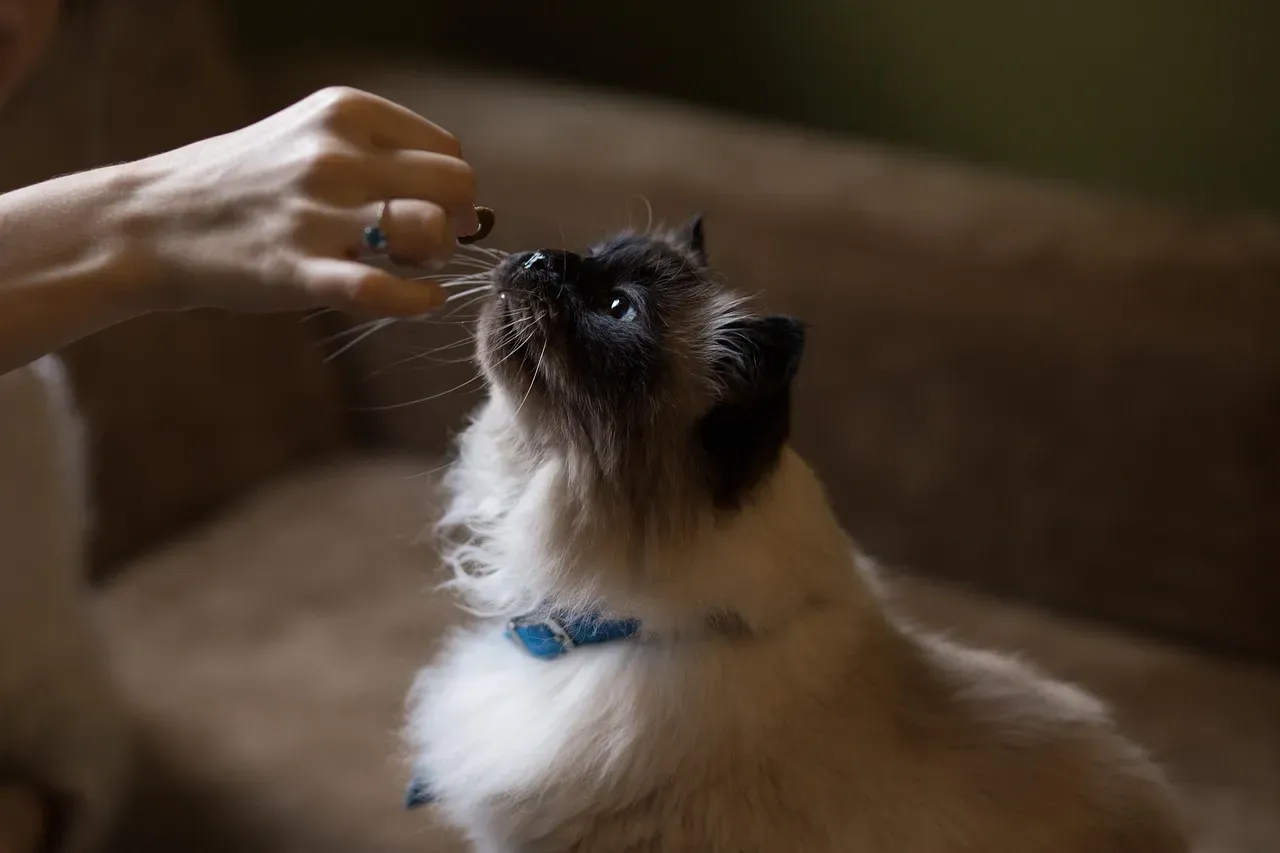
There’s always that one word that breaks through the selective hearing barrier. One owner found her cat deliberately choosing to ignore her until she said the magic word that tends to work for every pet: treat. Suddenly, those apparently deaf ears work perfectly. This is the perfect example of selective hearing; the cat can clearly hear, but is choosing to respond only to what will benefit them the most.
It’s not manipulation in a negative sense. It’s just cats being incredibly smart about conserving their energy and attention for things that actually matter to them. Why respond to every random call when you can wait for the important stuff?
Living With A Selective Listener
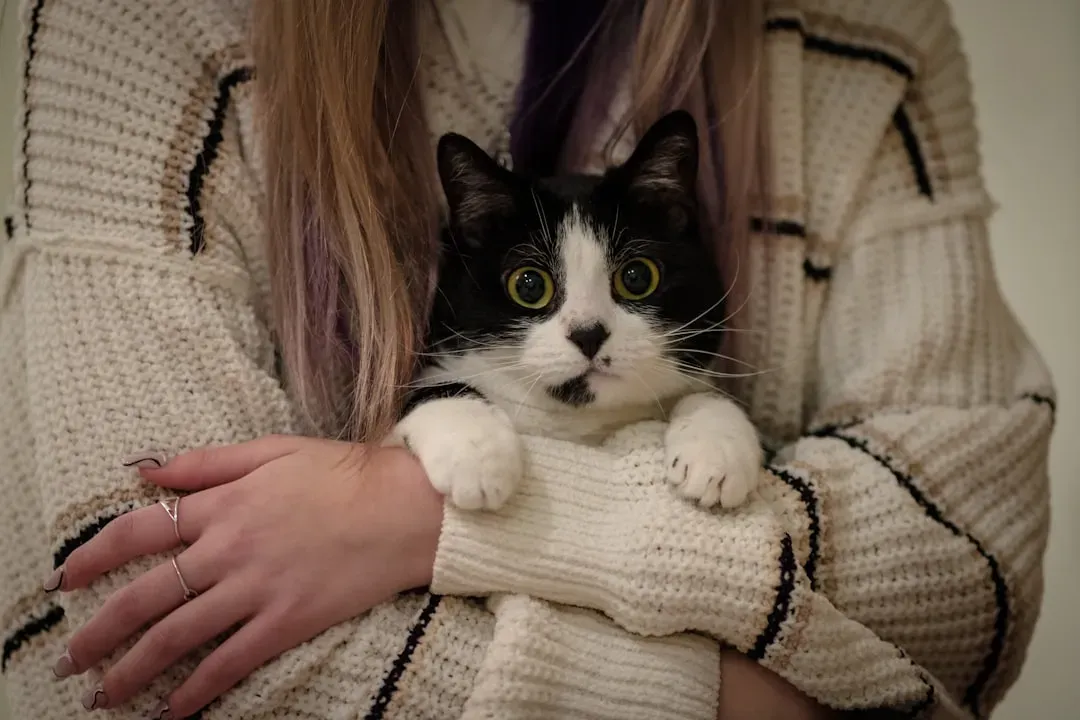
Studies revealed that few cats consistently respond by moving toward their name when called, even though most acknowledge the sound through subtle signs like ear movements or tail twitches. So what does this mean for your relationship with your cat? Should you just accept being ignored forever? Not necessarily. Yes, cats can be trained to be more responsive using positive reinforcement, consistent routines, and clear communication; the key is to make responding worthwhile for them through rewards.
Understanding that your cat isn’t being defiant or rude helps reframe the relationship. They’re just being cats. Despite their reputation of being aloof and uncaring, cats form deep attachments to humans, often preferring their company to other rewards, such as food. Your cat loves you. They just love you on their own terms, which includes the right to ignore you when they feel like it.
So the next time you call your cat and get nothing but a tail flick in response, remember that it’s not personal. Your cat heard you perfectly. They’ve simply assessed the situation and determined that whatever you want can wait. It’s selective hearing raised to an art form, and honestly, there’s something almost admirable about that level of commitment to personal boundaries. What do you think? Does your cat have you perfectly trained to only call them when it really matters?