You’ve probably watched your cat launch a full-on ambush attack on a crinkled piece of paper and thought, “What is going on in that tiny head?” Maybe you’ve been jolted awake at 3 a.m. by the sound of something being violently wrestled across the kitchen floor, only to find your cat staring back at you with absolutely zero remorse. Completely baffling, right?
Here’s the thing though: your cat isn’t being chaotic for the fun of it. Every pounce, every stalk, every dramatic 3 a.m. sprint through your hallway is connected to something far older and more fascinating than you might realize. There’s a whole world of ancient instinct playing out right there in your living room, and once you understand it, you’ll never look at your cat the same way again. Let’s dive in.
Hardwired to Hunt: The DNA of a Born Predator
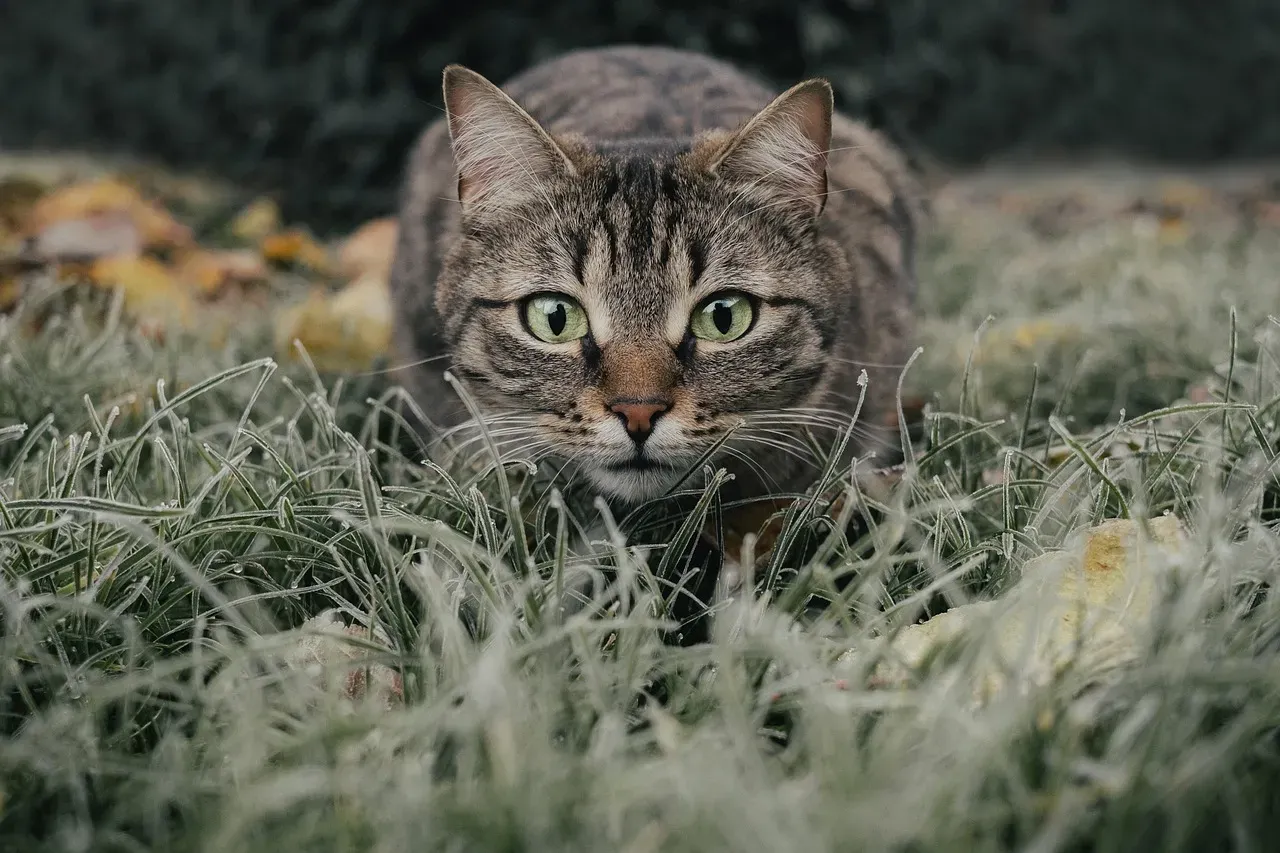
Let’s be real: that fluffy creature purring on your lap is, at its core, a killing machine millions of years in the making. Hunting behavior is hard-wired into your cat’s DNA. It’s their wild ancestors who developed their hunting skills over millions of years of stalking and chasing prey to feed themselves and their young. No amount of kibble in a bowl has managed to erase that programming.
Felines have honed their skills as predators over millennia. The wild ancestors of domestic cats relied on their prey drive for survival, requiring them to be adept hunters to secure food. This instinctual behavior persists in modern domesticated cats, despite their reduced reliance on hunting for sustenance. The evolutionary journey has embedded a complex set of behaviors in cats, from stalking and pouncing to capturing and handling prey. Honestly, that makes your cat chasing a bottle cap across the kitchen floor seem a lot less weird.
Play Is Not Just Play: It’s a Training Ground
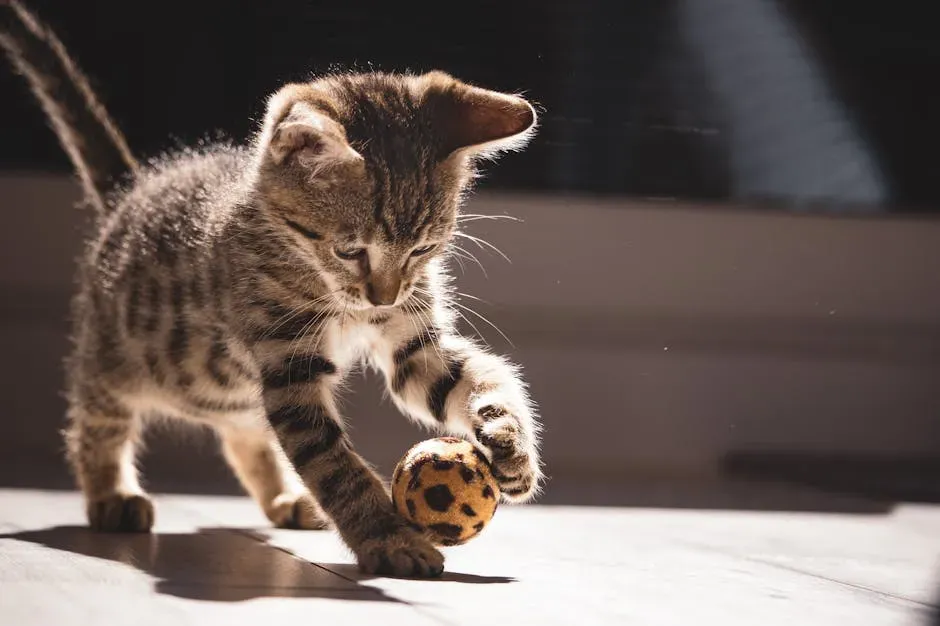
You might think your cat is “just playing” when they bat at a feather wand or wrestle a toy mouse into submission. Think again. Playtime for cats isn’t just for fun; it’s serious business. The playful antics of batting, pouncing, and using claws are actually mini hunting lessons, helping kittens develop their hunting skills. Every single session is a rehearsal for something your cat’s ancestors had to do or starve.
At an early age, playing with their littermates involves behaviors such as chasing, stalking, and pouncing, as if they’re practicing how to hunt. Kittens often see their mothers hunt too. This drive to hunt continues on as they grow older. It’s like watching a tiny athlete run drills every single day, except the sport is ancient, the stakes were once life-or-death, and the arena is your living room couch.
The Stalk, the Pounce, the Strike: A Three-Act Instinctual Drama
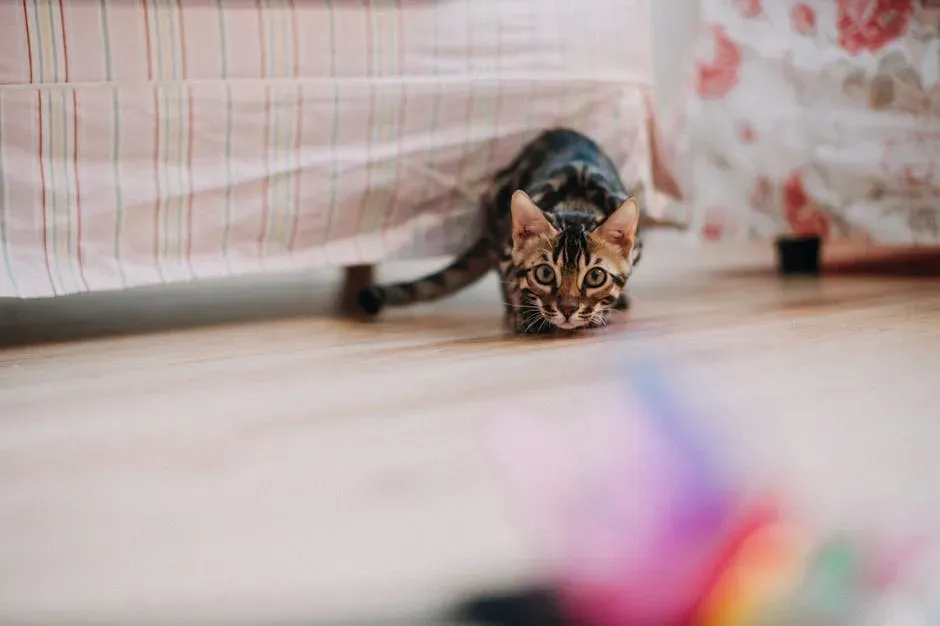
Watch your cat closely next time they zero in on a toy. There’s a distinct sequence happening that you wouldn’t expect from an animal lounging on your heating vent twenty minutes earlier. Cats commonly follow a set sequence of behaviors when hunting prey. They usually approach their prey by stalking, which involves moving in a crouched position with their head outstretched. Slow movements are used on the initial approach, which may speed up to a sprint the closer the cat gets. As they get close enough, they stop and prepare to spring forward, holding themselves in a tense position before a brief sprint and strike with one or both front paws.
The hunting instinct is deeply rooted in cats. Genetically conditioned and essentially untrainable, it manifests in their typical ambush technique: waiting, observing, striking. This efficient method connects all cat species, large or small. Cats are opportunistic hunters who adapt and use opportunities to kill their prey with as little effort as possible. Think of it as nature’s most elegant three-act performance, performed daily on whatever stuffed mouse happens to be available.
Why Your Well-Fed Cat Still Hunts (and Hunts Hard)
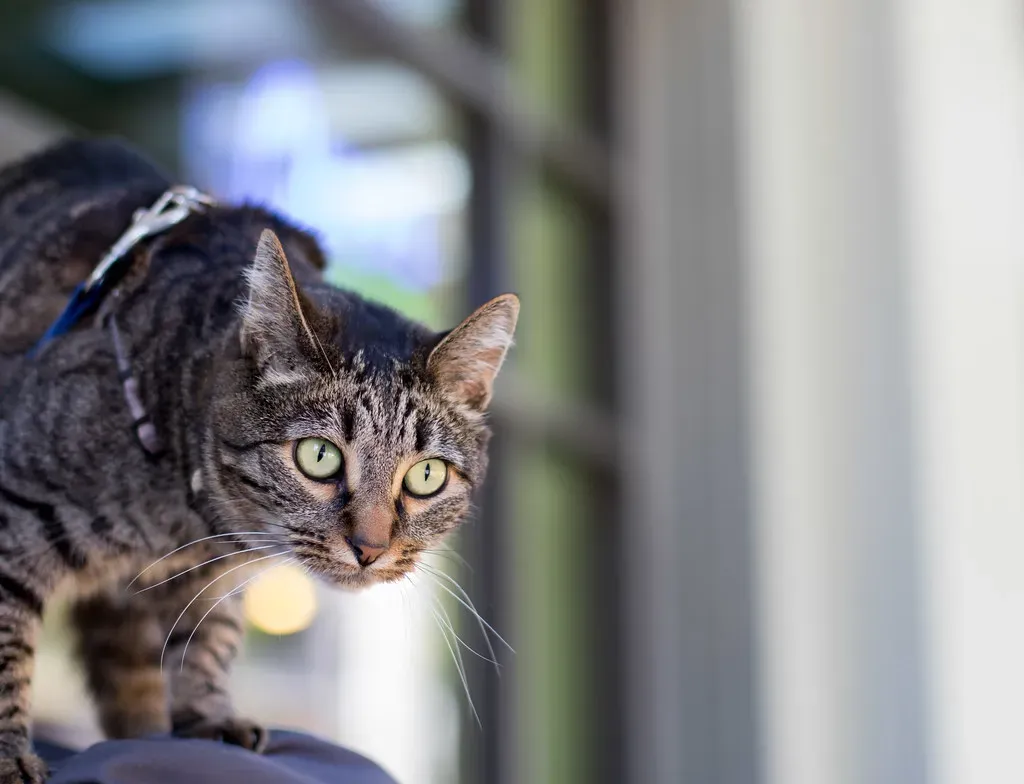
You’ve just topped up their food bowl. They barely glanced at it. Now they’re crouched behind the couch, eyes locked on a fly. It seems irrational, but there’s real science behind it. The motivation to hunt prey is only partly related to hunger. As a species that hunts alone, cats rely solely on themselves to provide enough food. If they wait until they’re hungry to hunt, they could starve, because there’s estimated to be a less than fifty percent chance of success at each hunting attempt.
So cats have learned to be opportunistic feeders, meaning they change their activity patterns depending on food availability, and if the opportunity to hunt presents itself, they’ll do so regardless of whether they’re hungry or not at the time. The desire to hunt is not governed by hormones and therefore does not diminish after neutering. In other words, you could feed your cat a five-star meal, and they’d still stalk the fly. Every. Single. Time.
The Anatomy of a Perfect Predator: Your Cat’s Hidden Superpowers
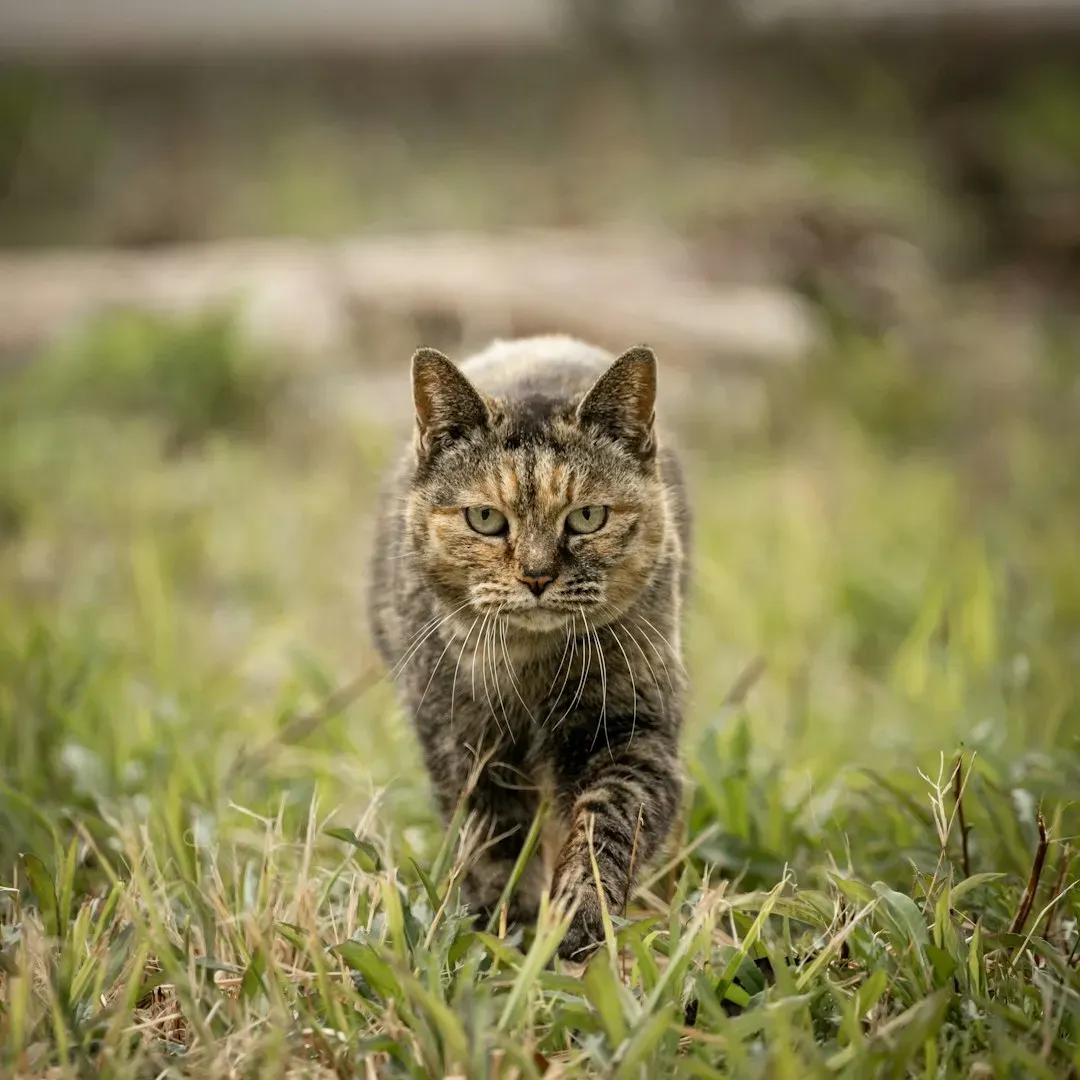
You might think cats are impressive mostly for their ability to sleep in impractical positions, but their physical design is genuinely extraordinary. They can detect frequencies up to 64,000 Hz and discern subtle sounds like rustling or ultrasonic calls. A reflective layer in their eyes boosts their low-light vision by roughly six times that of humans, matched with improved depth perception. They have soft paw pads and retractable claws, allowing them to approach prey unnoticed. A supple spine enables twists, mid-air corrections, and tight turns.
Cats are perfectly evolved ambush predators: they can lengthen their spines to allow for bursts of speed, narrow their shoulders and chest to squeeze into tiny spaces, jump many times their height from a standing position, and land on their feet almost every time they fall. I think it’s genuinely humbling that an animal this physically engineered chooses to spend its afternoons sleeping on your clean laundry. Priorities, apparently, are flexible.
The Chattering, the Chirping, and That Jaw Thing by the Window
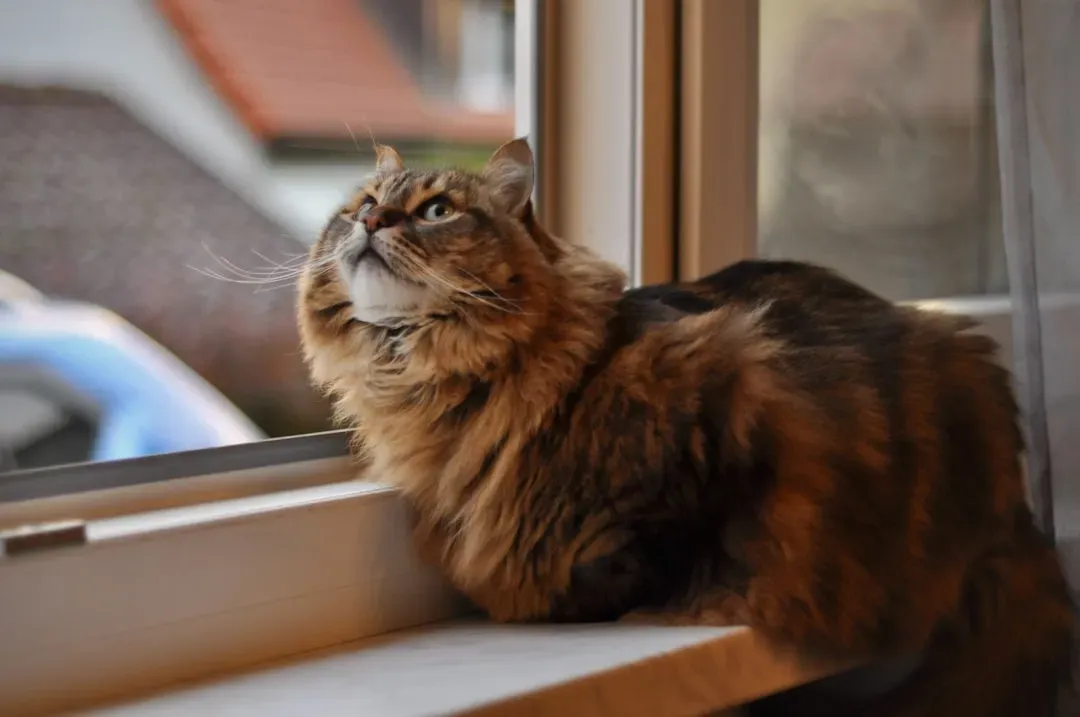
If you’ve ever seen your cat stare out the window at a bird and make that bizarre, rapid clicking sound with their jaw, you’ve witnessed one of the most visually amusing expressions of predatory frustration imaginable. A cat sees a bird through the window. Even if it can only watch the bird through the glass, it switches immediately into hunting mode, making a chattering sound caused by special jaw movements. It’s equal parts adorable and slightly alarming.
The sight or sound of prey triggers your cat’s hunting instinct, making it near-impossible for them to resist the sound of a bird’s wings flapping or the sight of a darting mouse. Scientists believe this chattering may mimic the killing bite cats use to dispatch prey, or it may simply be an expression of intense excitement and frustration at being separated from the hunt by a pane of glass. Either way, your cat absolutely means business, even from the couch.
The “Gift” on Your Doorstep: An Ancient Act of Affection
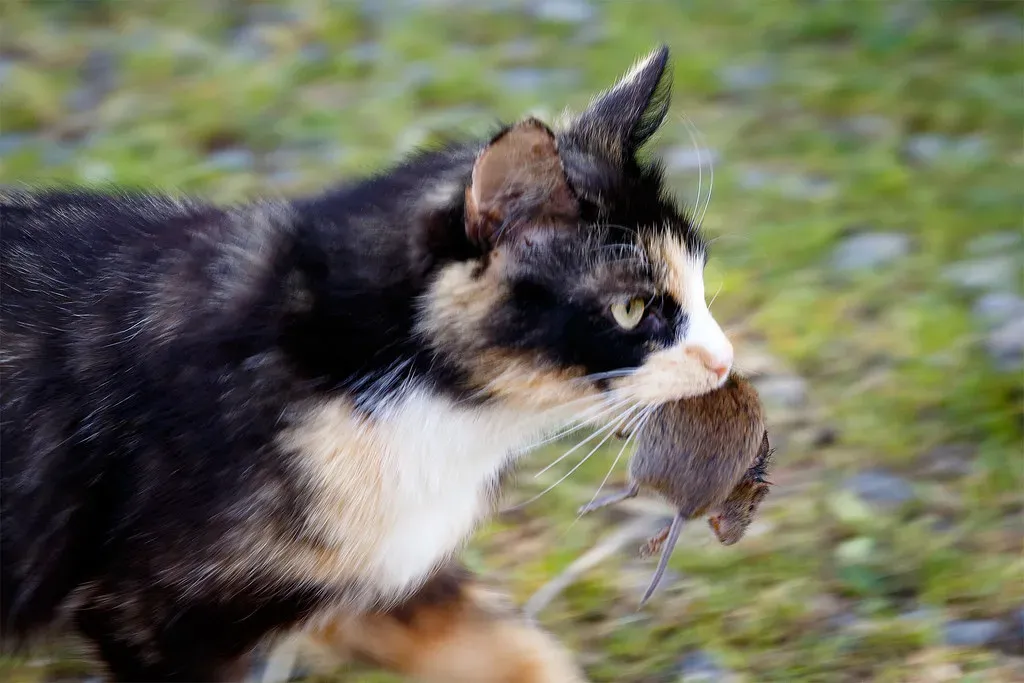
There’s nothing quite like stepping barefoot onto a dead mouse at six in the morning to really test your love for your cat. Yet this behavior, strange and unsettling as it is, carries deep ancestral meaning. It may be similar to the way wild cats provide for their young while teaching them valuable survival skills. Since most domestic cats are neutered and have no young to provide for, they may transfer these instincts to their owners instead.
Your cat may consider you a part of their family. They’re sharing the bounty of their hunt, just as their mother may have done with them when they were kittens. In general, your cat actually sees you as a bigger, clumsier cat. So if you’re finding your feline friend bringing you their “gifts,” it’s actually their way of “teaching” you how to hunt. It’s a compliment. Honestly, a disgusting compliment, but a compliment nonetheless.
The Midnight Zoomies: Crepuscular Chaos Explained
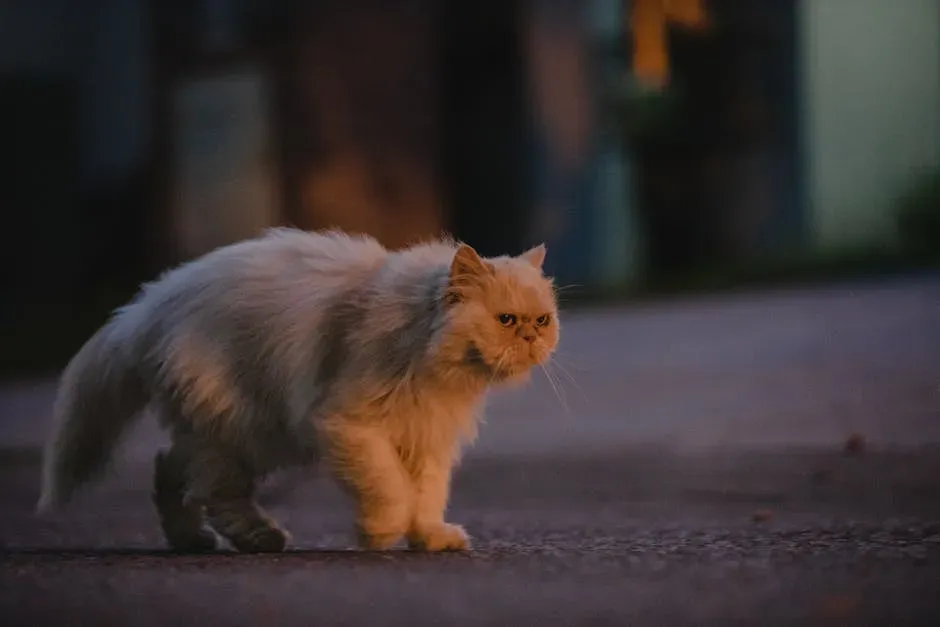
It’s 2 a.m. You’re sound asleep. Suddenly, your cat transforms into a furry tornado, ricocheting off walls with the energy of something that hasn’t slept in a week. This is not random madness. Our furry friends are not nocturnal, but crepuscular, which means they’re most active during the twilight hours of dawn and dusk. This is altogether different from both nocturnal and diurnal creatures. Twilight activity in cats is an ingrained behavior from their feline predecessors, who relied on catching food during the dawn and dusk hours.
This evolutionary adaptation allowed their wild ancestors to hunt when there was enough light to see prey but enough darkness to remain concealed from larger predators. Your domestic cat’s internal clock is still hardwired for this activity pattern. When the house quiets down at night, your cat’s natural instincts kick in. Night zoomies often resemble stalking and chasing behaviors. Darting around corners, pouncing on shadows, and sprinting across rooms are all part of a cat’s natural hunting practice. Even without real prey, their brain tells them it’s time to practice predatory skills.
Kneading: When “Making Biscuits” Means Remembering the Wild
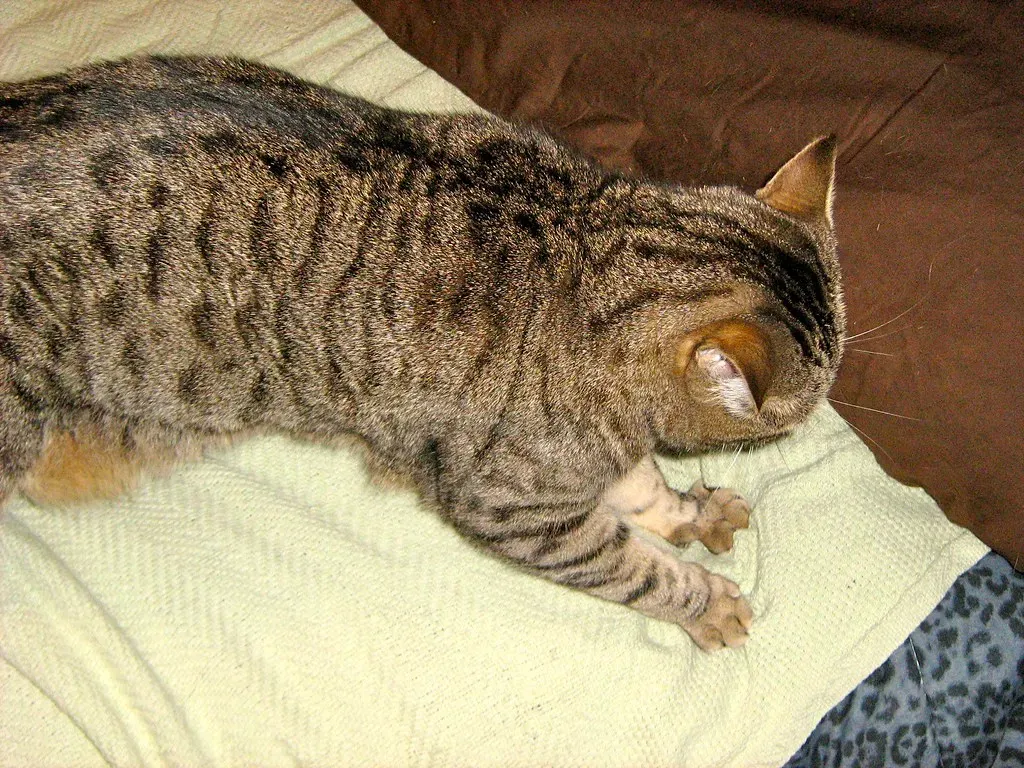
That rhythmic pushing and pawing your cat does on your lap, a soft blanket, or occasionally your face at 5 a.m., is called kneading. It feels like affection. It is affection. But it’s also something far older than your sofa. In the wild, kittens knead their mother’s belly to stimulate milk flow while nursing. This action likely served a dual purpose, ensuring a steady milk supply and kneading away any potential threats hiding in the bedding. Additionally, wild cats would knead surfaces in their environment to create a comfortable and safe resting spot. Kneading would help them flatten grass or leaves to form a comfortable nest, and over time, this behavior became ingrained in domestic cats as well.
Cats have scent glands in their paw pads, and kneading can help them spread their scent. By kneading, they are marking their territory and letting other animals know that this space is theirs. So when your cat kneads your lap, they’re essentially doing three things at once: remembering the comfort of kittenhood, claiming you as their safe space, and quietly announcing to any imaginary rival cats that you belong to them. It’s possessive, ancient, and oddly touching all at the same time.
Conclusion: The Wild Heart Beating Inside Your House Cat
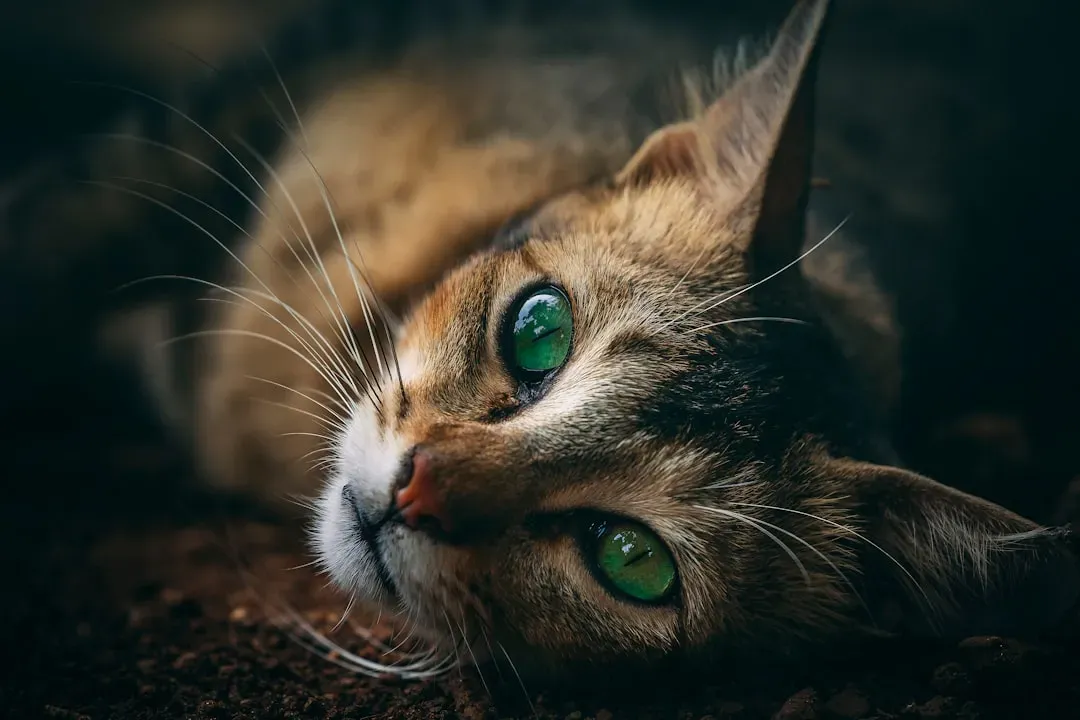
There’s something genuinely remarkable about the fact that the same creature curled up in a sunbeam on your couch carries the instincts of a predator refined over millions of years. Every pounce, every stalk, every “gift,” every 2 a.m. sprint through your hallway is a living echo of something vast and ancient. Your cat hasn’t forgotten where they came from, not even slightly.
Understanding these instincts doesn’t just make your cat’s quirks more forgivable. It actually makes them more fascinating. When you give your cat room to express those instincts through play, enrichment, and patience, you’re honoring something genuinely wild that chose, improbably, to live beside you. And that, when you think about it, is pretty extraordinary.
So the next time your cat launches a full-blown ambush on your ankle from around the corner of the hallway, maybe don’t take it personally. They’re just a tiny, ancient predator doing what millions of years of evolution told them to do. Does knowing that make the 3 a.m. zoomies any less exhausting? Probably not. But at least now you know why. What would you have guessed?