You call your cat’s name. Nothing. You call again, a little louder this time. Still nothing. Your cat sits there, back turned, tail slowly curling, as if you don’t exist. Sound familiar? Honestly, it happens in millions of households every single day, and it leaves most pet owners wondering whether their cat truly hears them or simply does not care.
Here’s the thing: the answer is a little bit of both, and science has the receipts. Researchers have spent years unraveling the surprising truth about how cats process your voice, what they feel when they hear it, and why they respond the way they do. Spoiler alert: your cat knows your voice better than you probably think. Let’s dive in.
The Science That Confirmed What Cat Owners Always Suspected
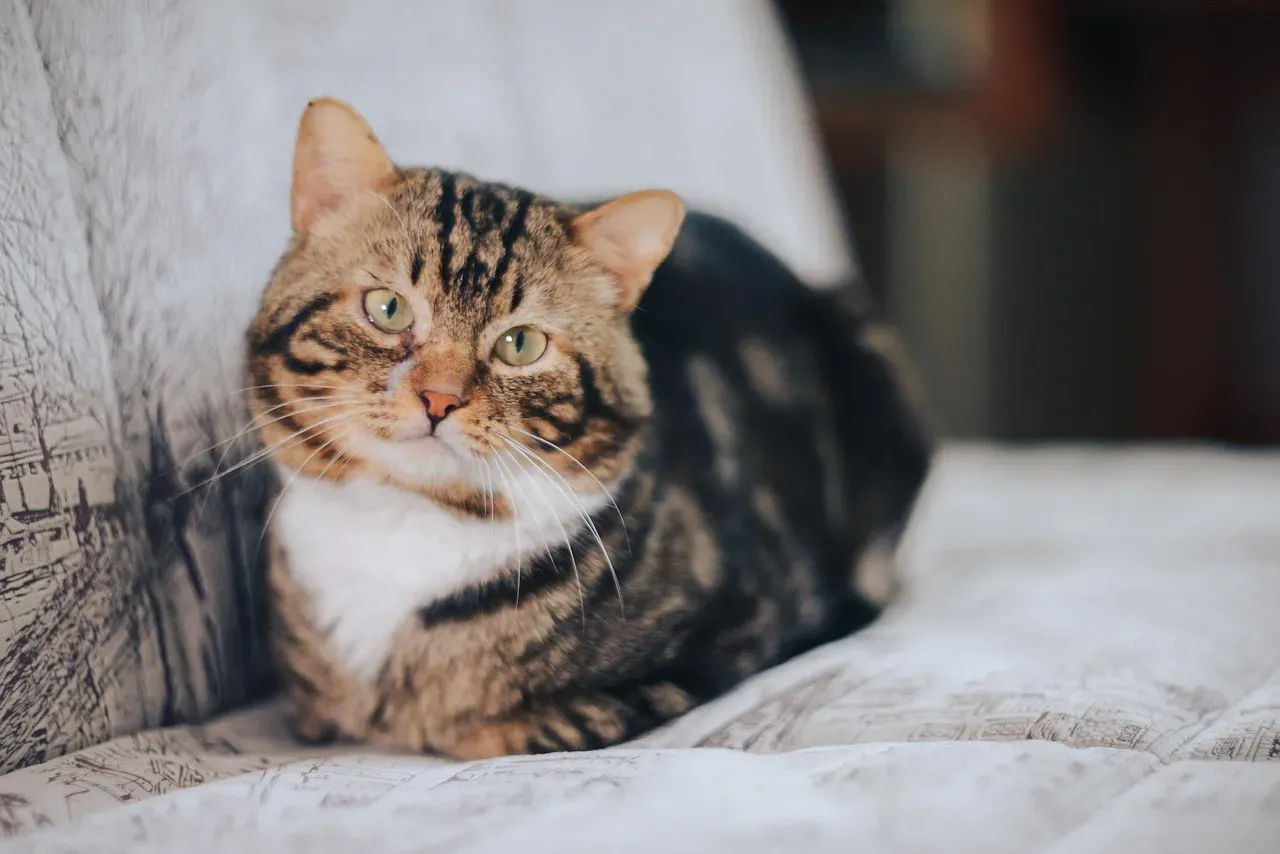
A study filling a long-standing gap in feline research showed that cats can distinguish their owners’ voices from those of strangers. This was not simply a hunch or an internet rumor. It was lab-tested, peer-reviewed science, and it changed how researchers think about cats and their cognitive relationship with humans.
Researchers studied 20 domestic cats to investigate whether they could recognize their owners by using voices that called out the subjects’ names, using a habituation-dishabituation method. The results were clear. Of the 20 cats, 15 demonstrated a lower response magnitude to the third voice than to the first voice, and these habituated cats showed a significant rebound in response to the subsequent presentation of their owners’ voices. In plain terms? Your cat absolutely knows when it’s you talking.
What Cats Actually Do When They Hear You
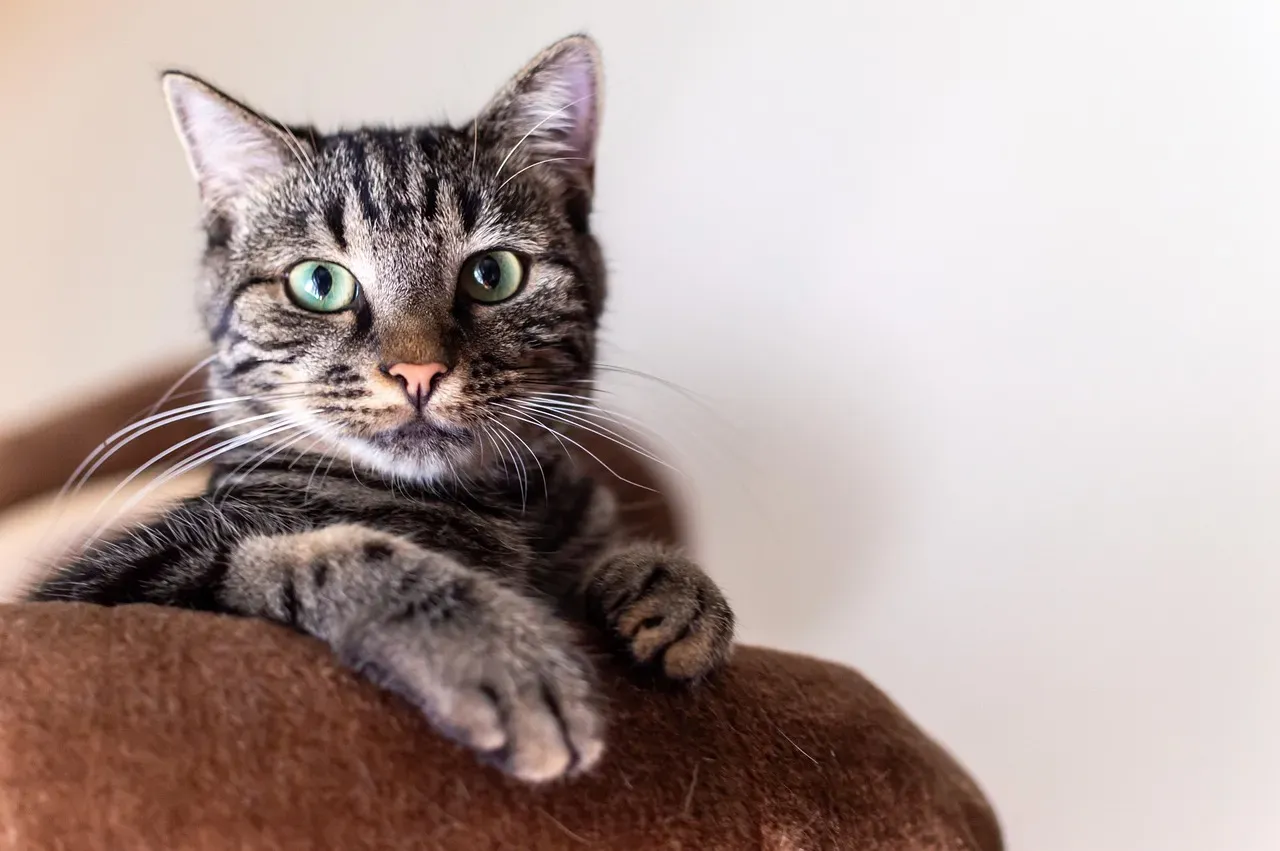
So your cat hears your voice. Great. Now, what happens in that fluffy little head? The behavior that follows is honestly fascinating, though probably not what you hoped for. Cats responded to calling mainly by orienting behavior such as moving the head and ears, but not by communicative behavior such as tail movements and vocalizing. Think of it like your cat saying “Noted. Moving on.”
When the owner’s voice was played as the fourth sound, the cats perked up, showing higher ear and head movement, but no movement of tails or limbs, and no vocalization. It’s a bit like someone peeking around the corner to see who’s there, then deciding they’re not interested enough to get up. Your cat registers your presence, files it away, and returns to whatever it was doing. Classic cat behavior, confirmed by science.
Your Cat Even Knows When You’re Talking Directly to Them
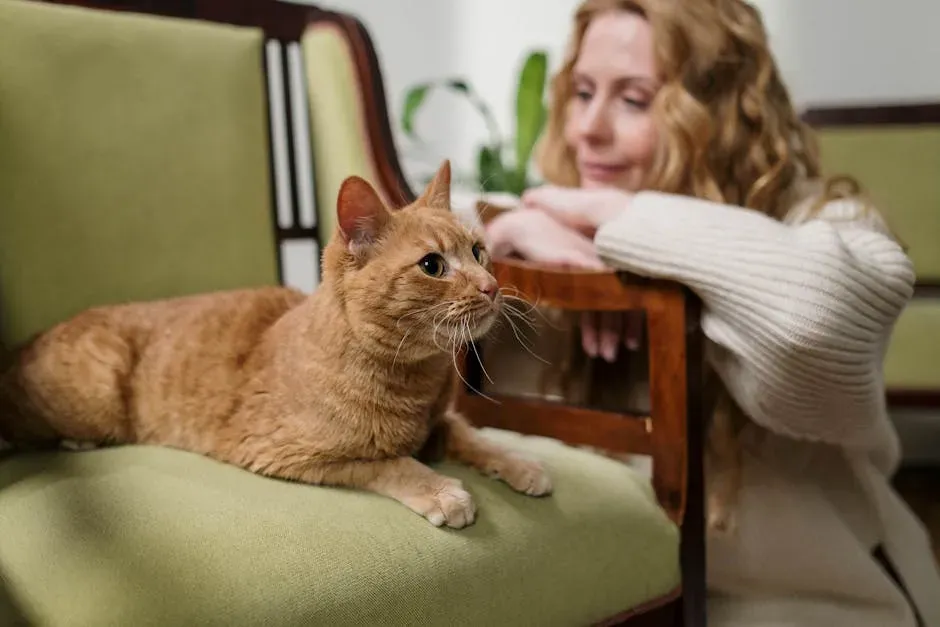
This is where things get genuinely impressive. It’s not just that your cat can recognize your voice. It can also tell when that voice is specifically aimed at them. Cats can discriminate speech specifically addressed to them from speech addressed to adult humans, when sentences are uttered by their owners. Your cat is listening closely enough to notice the difference between you chatting on the phone and you actually talking to them.
Cats decreased their behavior when their owners were speaking in an adult-directed tone, but they significantly increased their behavior when they heard that same owner speaking in the cat-directed tone. Think about that for a second. Your cat monitors not just who is speaking, but also how you are speaking, and adjusts their level of attention accordingly. That is not indifference. That is sophisticated awareness wrapped in a very convincing blanket of disinterest.
The Power of Your “Cat Voice”
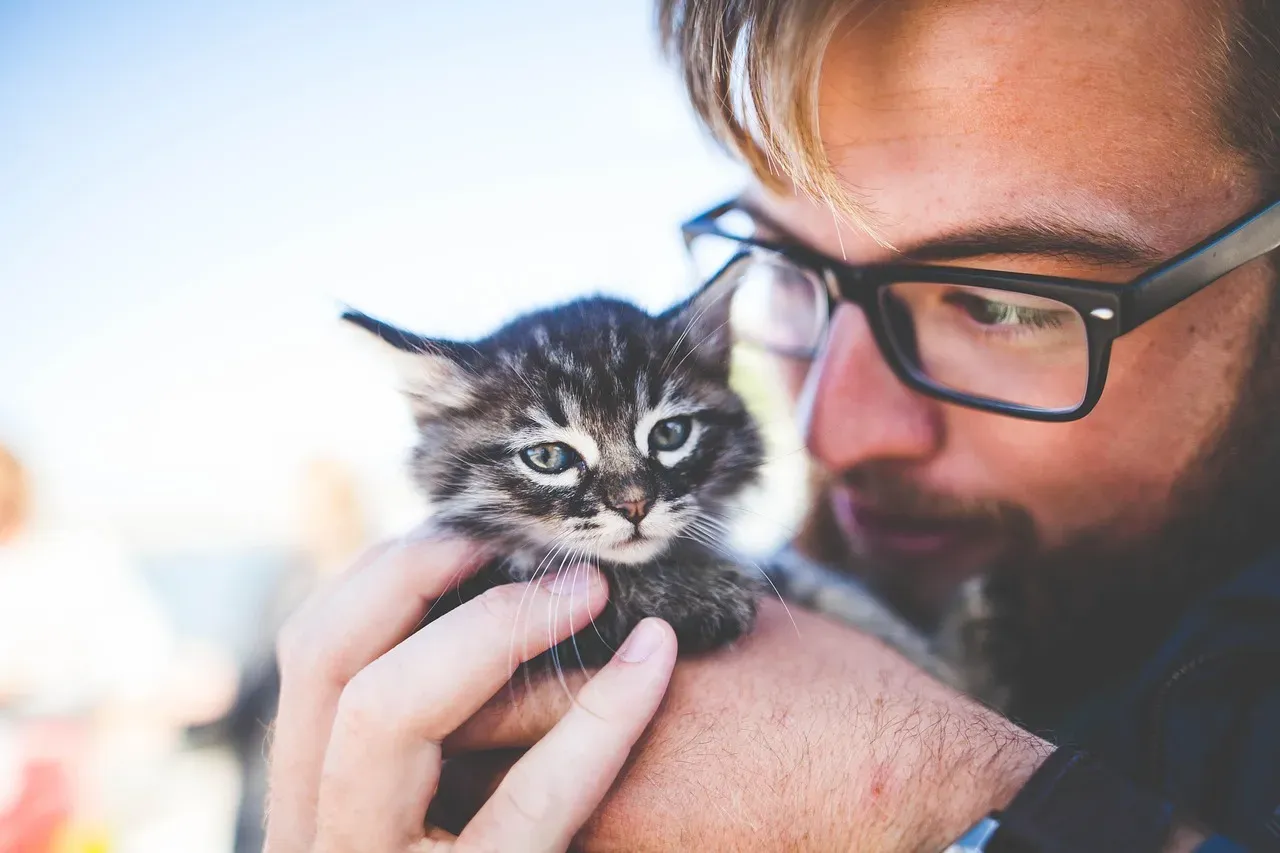
You know the voice. That slightly higher-pitched, softer, almost musical tone you unconsciously switch to the moment you look at your cat. You probably think it’s a little embarrassing. Turns out, your cat absolutely loves it. Research conducted at Paris Nanterre University’s Laboratory of Compared Ethology and Cognition showed that owners change their voice when addressing their felines, usually altering it to a higher pitch, and cats are able to recognize their owner’s “cat voice” versus that of a complete stranger.
The cats responded when they heard their owners using cat-directed speech, but not human-to-human speech. They also did not show a response when they heard a stranger’s voice, whether using cat talk or adult talk. This indicated that the cats could recognize when their owners were talking to them. So the baby talk works. You are not just projecting. Your cat genuinely tunes in differently when you use it, and that is worth knowing.
Your Cat Can Also Recognize Their Own Name
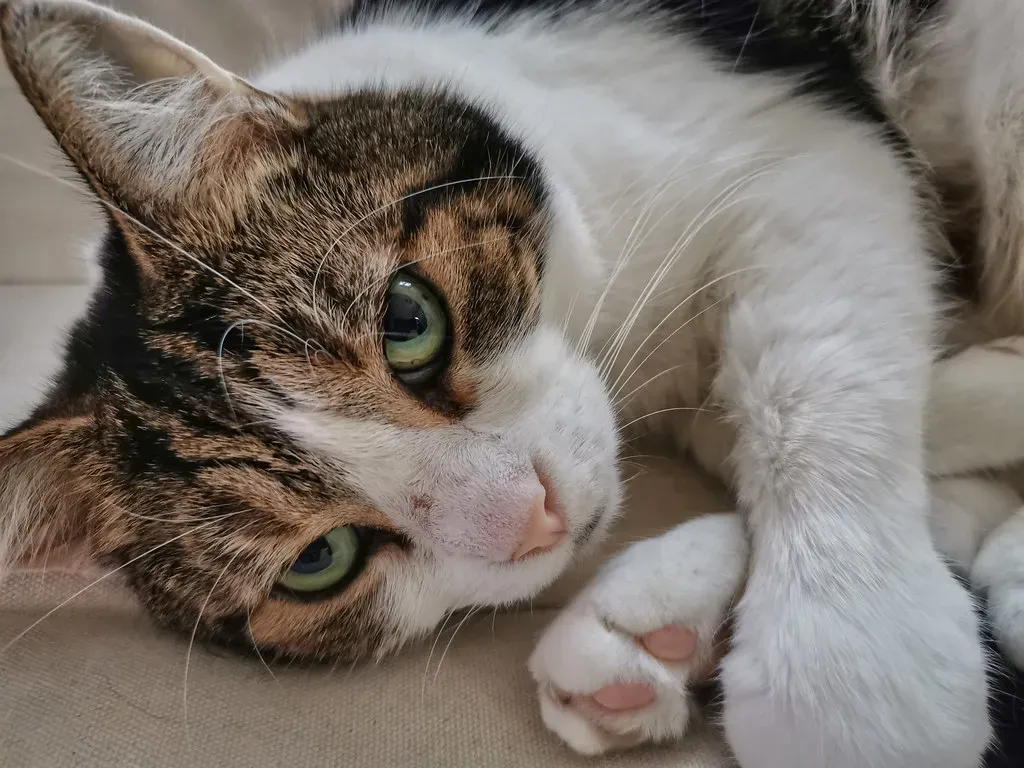
It gets better. Not only does your cat know your voice, but research has confirmed they can also pick their own name out of a lineup of words. Cats habituated to the serial presentation of four different general nouns or four names of cohabiting cats showed a significant rebound in response to the subsequent presentation of their own names; these cats discriminated their own names from general nouns even when unfamiliar persons uttered them.
Research has shown that cats know their own name and can distinguish it from similar-sounding nouns and even the names of other cats in the household. This means your cat certainly understands you when you call them – they are simply choosing not to respond. Let’s be real: that is next-level audacity. Your cat hears their name, identifies it as their name, and consciously decides not to move. Respect, honestly.
Why Your Cat Still Ignores You Anyway
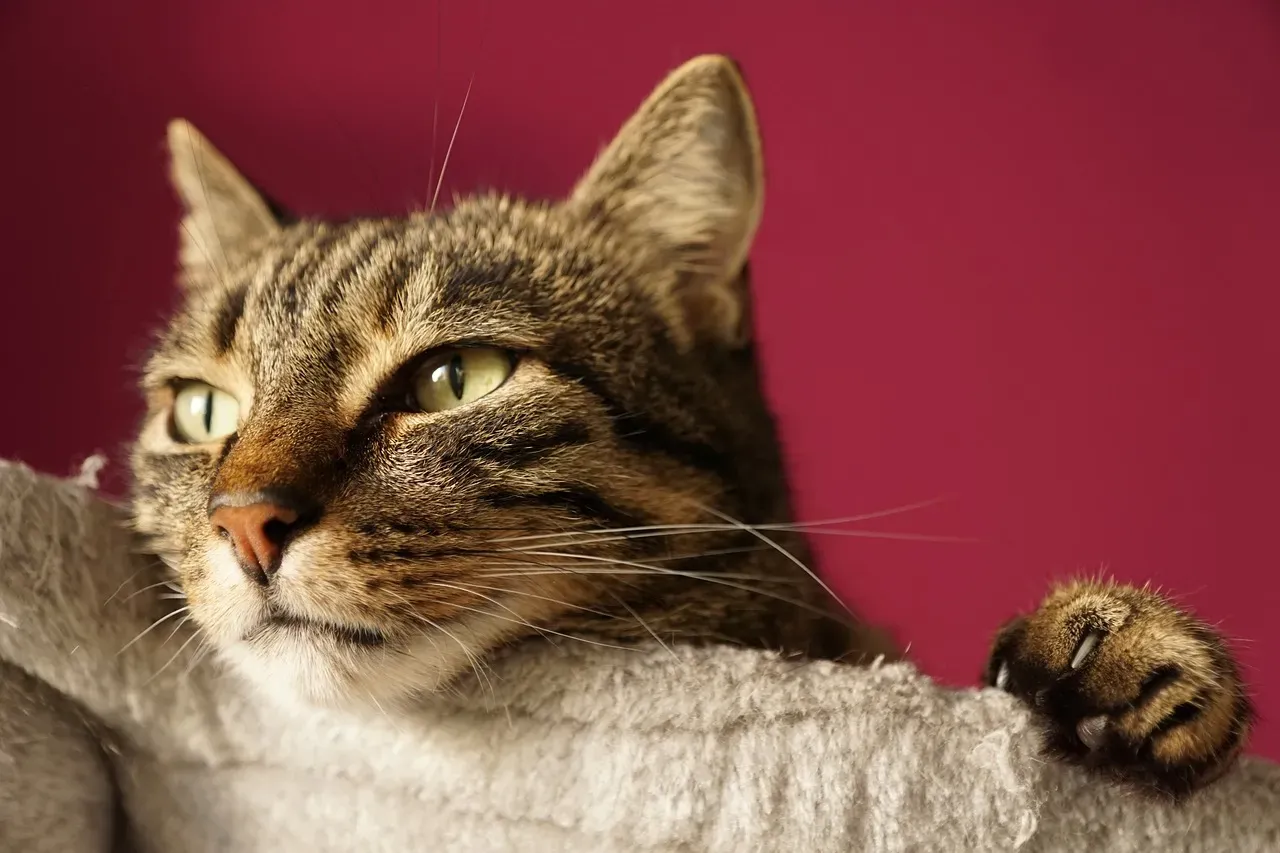
I think this is the part most people are really here for. You know they hear you. You know they know their name. So why the deliberate, almost theatrical, act of ignoring? While dogs were domesticated and specially bred over thousands of years to be loyal and obedient companions, cats more or less domesticated themselves, moving into cities and hunting mice and rats around grain stores by their own choice. Consequently, your cat doesn’t have a strong drive to listen and obey, and may ignore you if they’d rather be doing something else.
Cats are masters of selective interaction. They often decide when and how they want to engage, which can make them appear dismissive at times. A cat may ignore you when you call, only to approach you later on their own terms. This isn’t defiance – it’s simply a reflection of their personality and instincts. Think of it less like rejection and more like a toddler who is very busy right now, thank you very much.
Your Cat Has Deeper Feelings for You Than They Let On
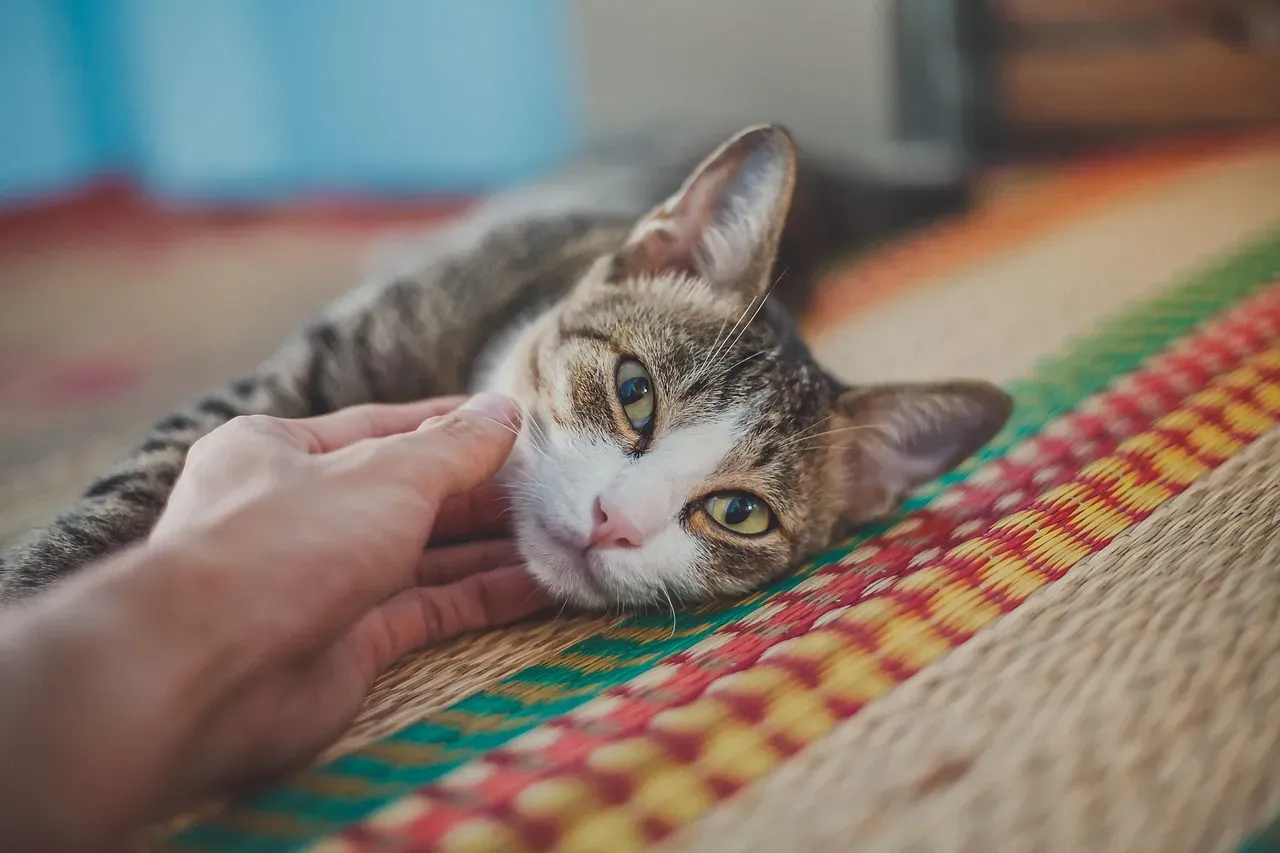
Here’s where the surprise really lands. Beneath all that cool, aloof surface energy, your cat is quietly, genuinely attached to you. Despite a reputation of being aloof and uncaring, cats form deep attachments to humans, often preferring their company to other rewards, such as food, according to recent studies. That’s right. Your company beats food. Let that sink in.
Of kittens studied, roughly two thirds were classified as securely attached to their owners, and of the adult cats, about two thirds were also found to have a secure attachment. Research has shown cats can form secure attachments to their owners, like infants with caregivers, and they recognize human emotions, read tone and gesture, and exhibit behaviors linked to empathy and social awareness. Your cat is not using you. They genuinely need you, in their own quietly dignified way.
When Ignoring You Might Mean Something Else Entirely
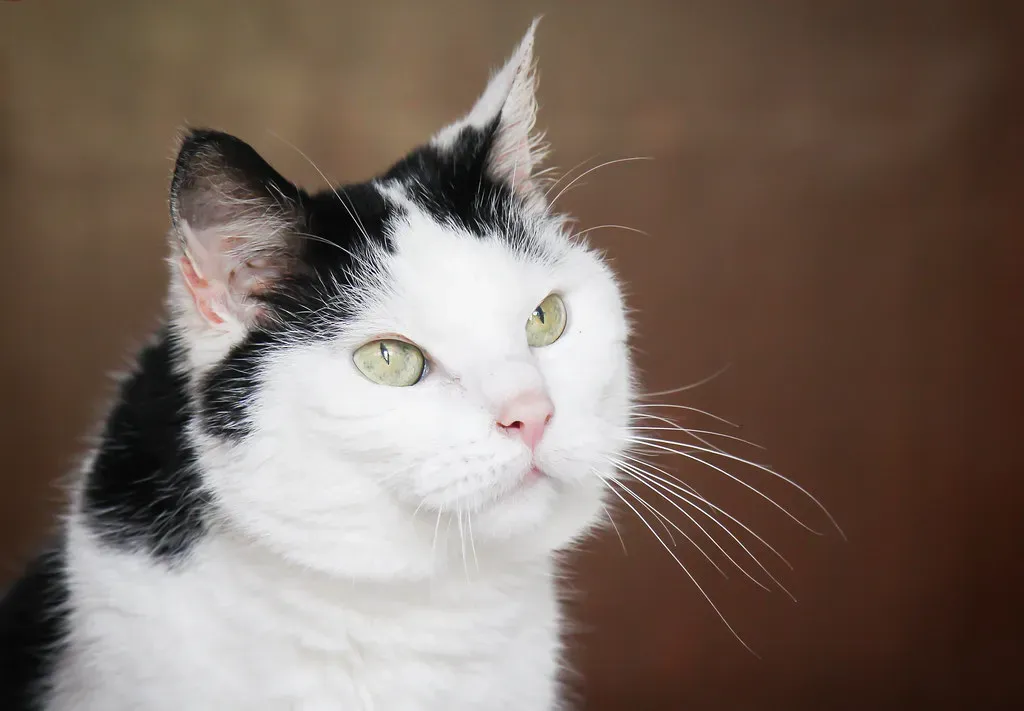
It’s hard to say for sure, but there are times when your cat’s apparent disinterest in your voice is not attitude at all. It is worth paying attention to. If your cat is getting older, you may gradually notice them paying less attention to you or not responding when you try to call them or move into their line of sight. This doesn’t mean that your cat is becoming unfriendly in their old age. Rather, your senior cat may be losing their vision and hearing to some degree.
If your cat is ignoring you, it could mean they’re sick or in pain, especially if this behavior started suddenly. Many medical conditions, including kidney disease, infections, or anything that causes pain, can cause cats to withdraw and interact less with their families. A sudden shift in responsiveness is never something to brush off. When in doubt, a quick vet visit is always the right call.
How to Actually Strengthen Your Communication with Your Cat

Now that you understand what is happening inside your cat’s head when you speak, you can work with it instead of against it. Cats are much more bonded and in touch with their humans than we typically give them credit for, and they actively seek our voices and crave that connection with us. So the bond is real. You just need to speak their language a little more fluently.
Training with positive reinforcement, consistent routines, and enriched environments can strengthen the bond between cats and their owners. These findings bring a new dimension to the consideration of the human-cat relationship, as they imply the development of a particular communication into human-cat pairs that relies upon experience. The results highlight the importance of one-to-one relationships for cats, reinforcing recent literature regarding the ability for cats and humans to form strong bonds. In other words, the more consistently you talk to your cat in their preferred tone, the stronger that invisible thread between you becomes.
Conclusion: Your Cat Is Listening – Always
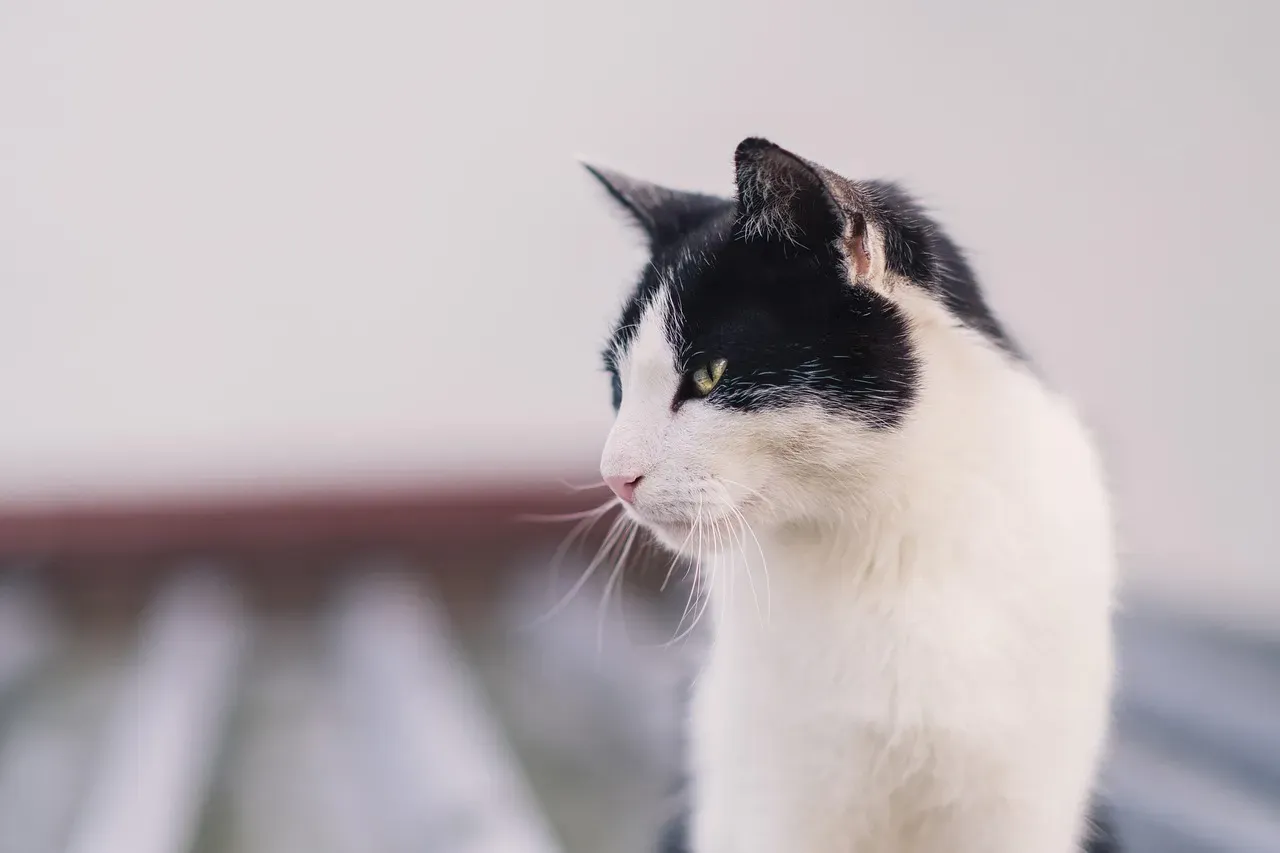
The next time your cat completely blanks you when you call their name from across the room, try not to take it personally. Science has made it abundantly clear: they heard you. They recognized you. They simply made a decision. And honestly, that decision-making process is part of what makes cats so endlessly fascinating to live with.
Your voice is not falling on deaf ears. It is landing on an attentive, emotionally intelligent animal that has built a private mental model of who you are, how you sound, and what your different tones mean. The research scientifically confirms the long-held image of the “aloof cat,” but reveals that socio-cognitive ability lies behind this image. The aloofness is a performance. The recognition is real. Your cat knows you, hears you, and in their own quietly stunning way, values you.
So the real question is: now that you know your cat has been playing you this whole time, does that change how you feel about them? Tell us in the comments.