Have you ever wondered if your cat actually remembers the time you gave them that extra treat at midnight? Or when you let them snuggle on your lap even though you needed to get up? The truth might surprise you. Your feline companion has a remarkable ability to store memories, especially those tied to emotion.
While cats have a reputation for being aloof creatures, science tells a different story. Their memory is far more sophisticated than most people realize. They’re not just living in the moment. Cats are more likely to remember things associated with strong emotions, and the more positive the associated memories, the more likely they are to remember you for longer. What you do today matters tomorrow, next month, and even years from now.
The Science Behind Feline Memory Is More Complex Than You Think
Research in animal behavior shows that cats possess both short-term memory and long-term memory, allowing them to recall events, people, and even specific places months or years later. Think about it this way: when your cat hears the can opener and comes running from three rooms away, that’s not instinct. That’s memory in action.
Their short-term memory lasts around 16 hours for certain events, like where they last found food or a hidden toy, while long-term memory can last for years, especially for emotionally significant experiences. What really stands out is how their brain prioritizes information based on survival and emotional impact. Their memory is strongly tied to emotions and associations, and if a cat is treated with kindness, rewarded with affection or food, that positive experience can leave a deep, lasting imprint.
Your Cat’s Brain Functions Like an Emotional Database
Here’s the thing about cats. They have associative memory, meaning instead of remembering an exact sequence of events like humans, cats link a sound, smell, or environment with how it made them feel. So when you speak gently to your cat or pet them after a stressful day, they’re filing that information away with a positive emotional tag.
Cats possess impressive long-term memory capabilities, retaining recollections of events and locations for a decade or longer, with these memories often intertwined with emotions. Your cat isn’t just remembering what happened. They’re remembering how you made them feel during those moments. A cat’s memory is best when attached to a strong emotion, which could be from the love they share with their family or even the role food plays in making their belly happy.
They Remember You Based on More Than Just Your Face
Cats have amazing memory recall, and they can remember people based on specific smells and sounds associated with them, though they’re also fairly selective in what they choose to remember. Your scent is like your signature to them. When you’ve been away for hours or even weeks, your cat recognizes your unique smell before they even see you.
Scent is at the top of the list for how cats recognize people, and they have an incredible sense of smell that helps them identify you even after a long time apart. Cats pay close attention to your voice and behavior, learning the sound of your voice and the way you move, which helps them feel safe and familiar around you. Honestly, it’s impressive how much information they’re gathering about you without you even realizing it.
Positive Interactions Create Lasting Bonds That Stick
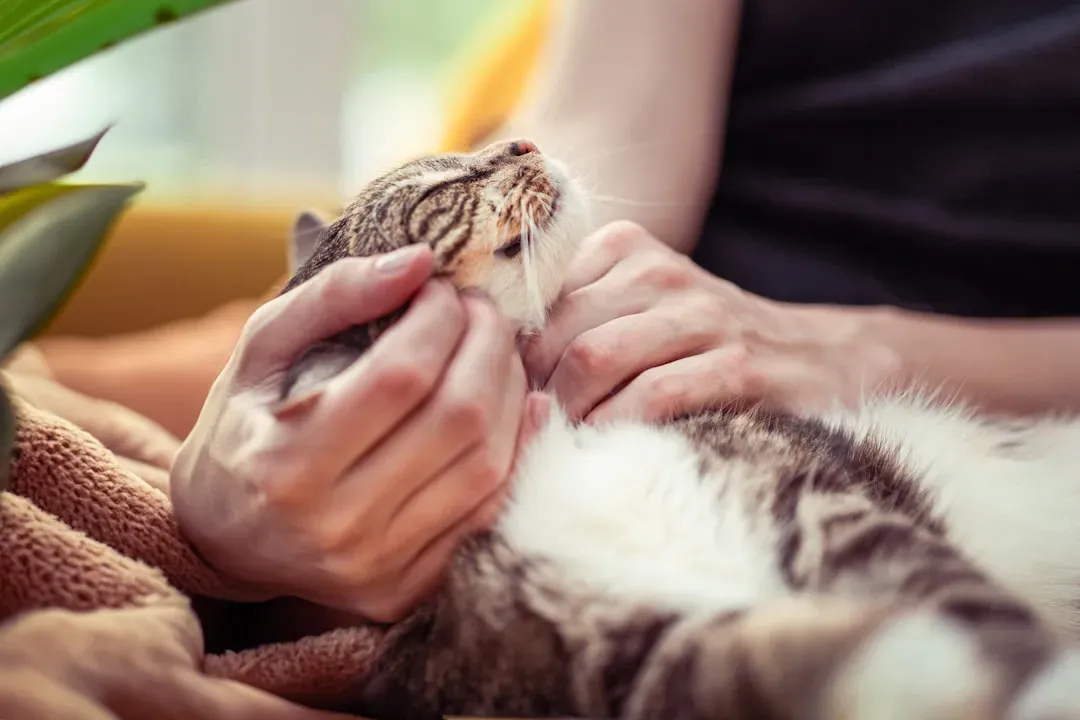
Since a great deal of cat learning is associative, and cats remember those associations, the more things you do with the cat that gives them pleasure of any kind, the stronger that positive association with you becomes and the more it’s remembered. Every gentle touch, every play session, every calm conversation adds up in their memory bank.
Cats are more likely to remember people with whom they have had frequent and positive interactions, and they are also more likely to remember people who have provided them with food, comfort, and affection. Let’s be real: your cat might seem independent, but they’re keeping score. The more you interact with your cat and reinforce positive experiences, the more likely they are to remember you, which is why it’s essential to spend time with your cat regularly, even if it’s just a few minutes each day.
Even Brief Separations Don’t Erase Their Memory of You
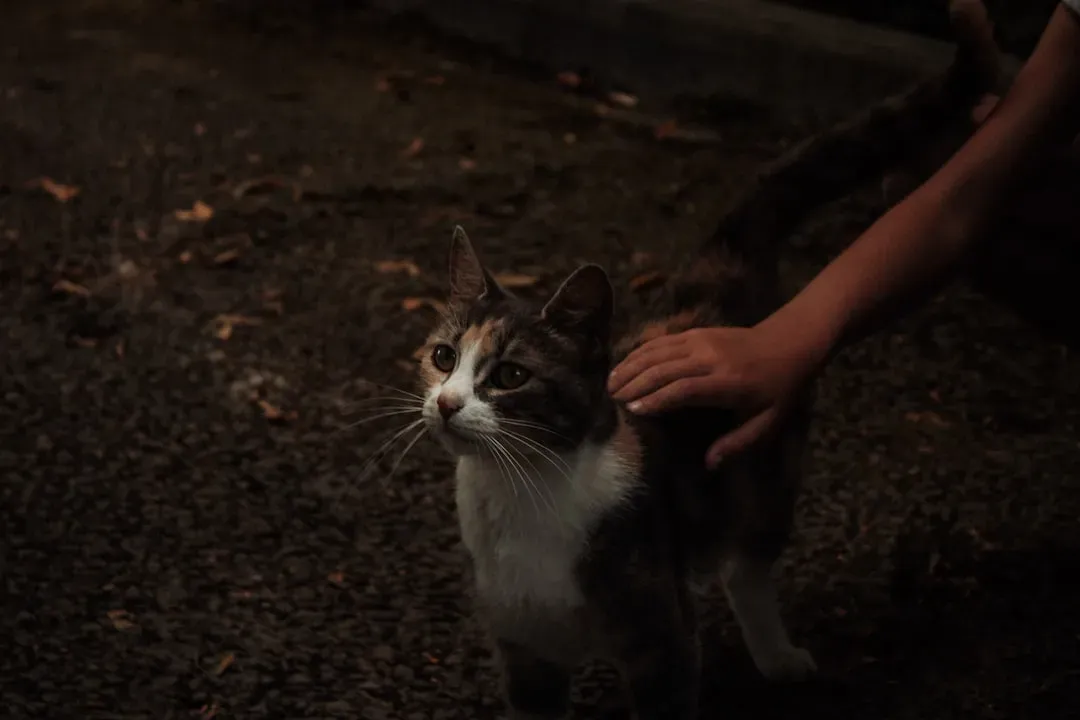
Even if you are going on a month-long vacation, your cat will remember you, as cats have a good short-term and long-term memory. That anxious feeling you get when you leave for a trip? Your cat might actually miss you more than you think.
Cats can remember their owners for years if the relationship was meaningful, and they recognize people primarily through scent, voice, and routine. Cats can remember people for several years, especially those who have had a significant impact on their lives, recognizing familiar faces and voices even after long periods of separation. Some cats have been reunited with previous owners after years apart and still showed recognition and affection.
Routines Become Part of Their Memory Architecture
Routine is another big part of how they remember, as regular activities like feeding times, play sessions, or bedtime rituals become strong memory cues. Your cat knows when breakfast should happen. They know when you usually come home from work. They’re not just creatures of habit; they’re memory masters.
When these routines are consistent, they help your cat feel secure and make it easier for them to remember you. Cats remember patterns, so feeding times, play sessions, and lap cuddles reinforce positive memory. It’s hard to say for sure, but your predictability actually strengthens their bond with you because it creates a framework their memory can latch onto.
They Remember Negative Experiences Too
Negative experiences such as fear, neglect, or abuse may also stay with them for years. Cats have long-term memories that allow them to form bonds with their owners, remember past experiences, and even hold grudges, and if a cat has been mistreated, they will often remember the experience for years. This is why rescued cats sometimes take longer to trust new owners.
The negative emotions related to abandonment or trauma can create memories that last much longer, though the emotions they feel during those experiences make a more significant impact than replaying events like humans do. Cats adopted years after negative circumstances might use these bad memories to associate people with pain, which can cause a cat to be less trusting, skittish, or even reactive. Still, with patience and kindness, you can help them form new positive memories.
Creating Strong Memories Requires Intentional Kindness
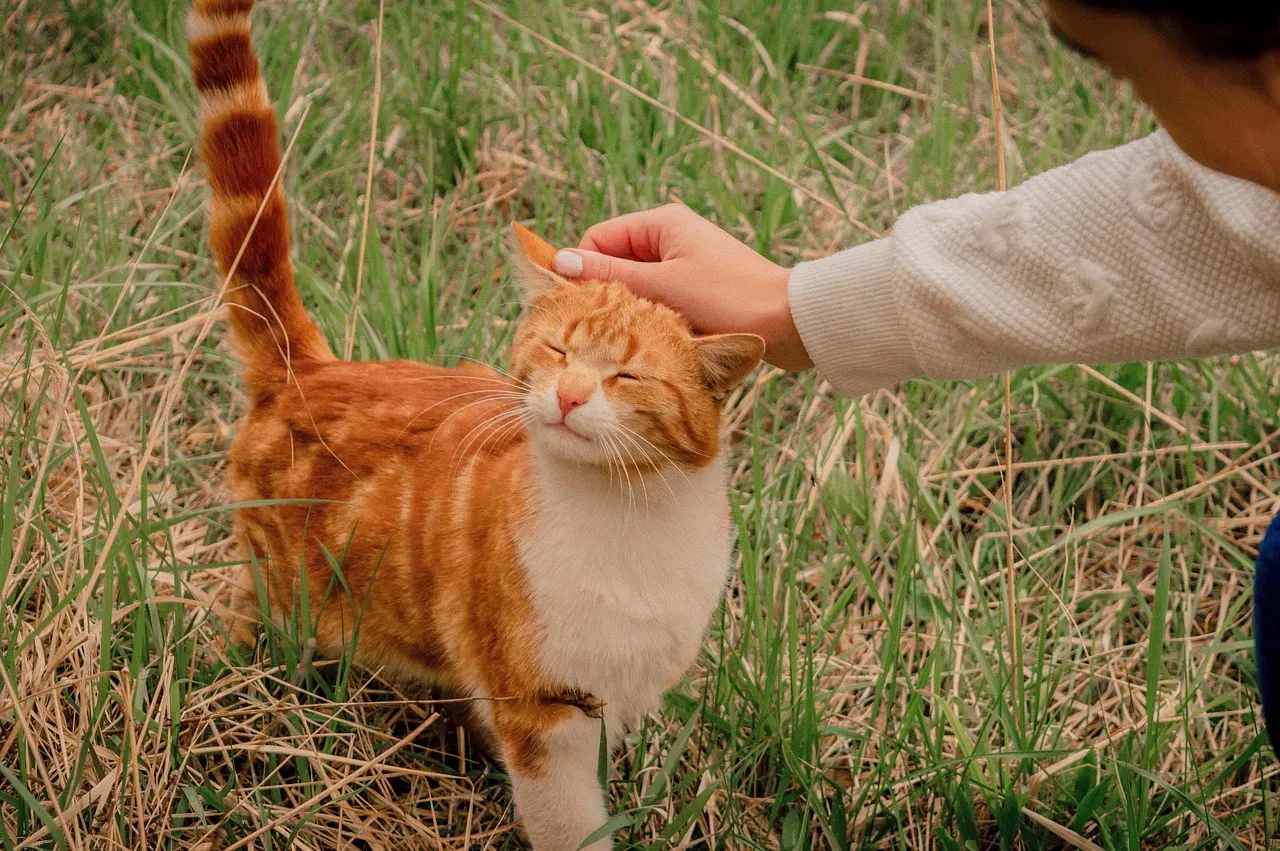
Cats thrive on routine and predictability, and treats, toys, and affection reinforce positive experiences. Rewarding good behavior with treats, play, or affection strengthens your bond, as cats are more likely to remember and repeat behaviors that are linked to positive outcomes. The key is consistency without being boring.
Cats are more likely to remember people who have treated them kindly and provided them with a safe and comfortable environment, and positive experiences can create lasting memories in cats, leading to a strong and enduring bond. Meanwhile, respecting their boundaries matters just as much. Letting your cat choose when to interact shows them you respect their autonomy, which builds trust over time.
Their Memory Can Last as Long as Their Lifetime
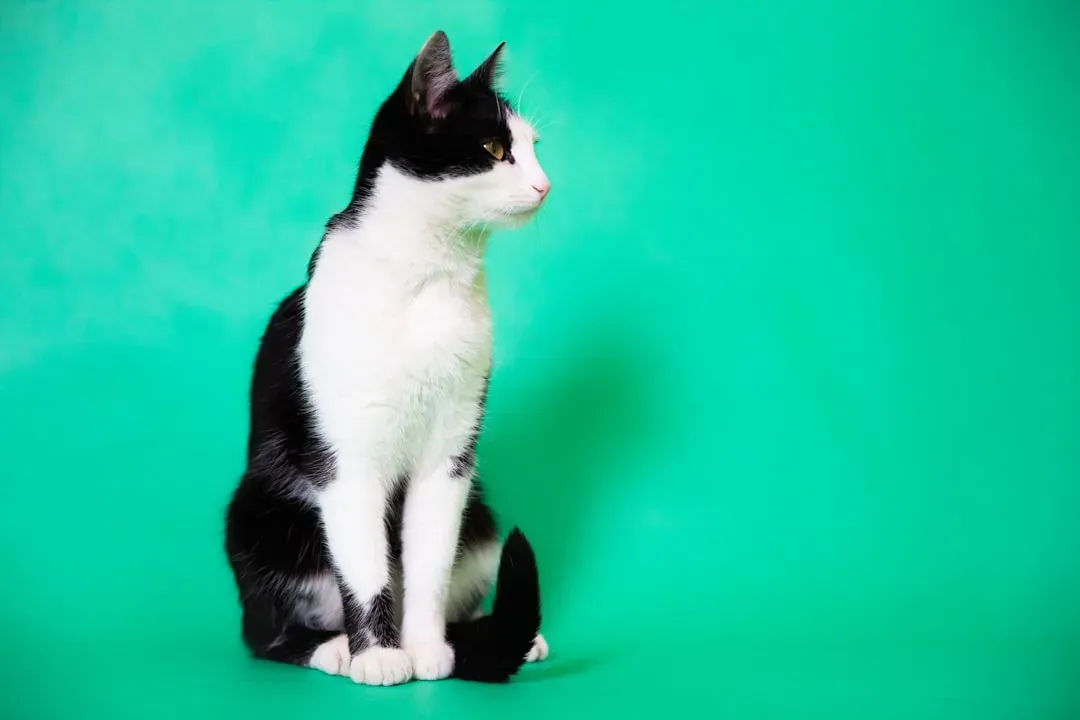
Research shows these memories last 10 years or more, with cats excelling at procedural memory. Cats can remember things for a really long time, sometimes even 10 years or more, especially if the experiences were emotionally meaningful, and how well they remember you can depend on how close your relationship is, how old they are, and how stressed they’ve been.
Cats have surprising long-term memory capabilities and can remember people they haven’t seen in years, including previous owners or caretakers, and a cat’s memory of a person can last for their entire lifetime. Think about what that means. The kindness you show your cat today could be something they carry with them for the rest of their life. That’s both beautiful and a little bit humbling.
Conclusion: Every Moment Matters More Than You Realize

The way you interact today becomes tomorrow’s memory for your cat, so fill those memories with consistency, kindness, and love. Your cat isn’t just tolerating you or using you for food. They’re building an emotional archive of every gentle word, every playful moment, and every time you made them feel safe.
Your cat’s memory is a testament to their intelligence, emotional depth, and capacity for love, and understanding it allows you to communicate, nurture, and deepen your connection like never before. So the next time you’re debating whether to stop what you’re doing to pet your cat, remember this: they’ll remember that moment far longer than you might think. What memories are you creating with your cat today?