You walk into the kitchen in your pajamas at noon, half-awake, still holding your phone. Your cat is already there, perched on the counter, watching you with those unblinking, deeply unimpressed eyes. You pour your coffee. The cat stares. You feel, unmistakably, judged.
Here’s the thing, you’re probably not wrong. Cats are far more observant, emotionally perceptive, and socially aware than most people give them credit for. Science, increasingly, is catching up to what cat owners have long sensed. Your feline companion is reading you, assessing you, cataloguing your every habit, mood shift, and behavioral quirk.
What does that mean for you, and for the relationship you share with this tiny, enigmatic creature sitting on your counter? Honestly, it matters more than you’d expect. Let’s dive in.
Your Cat Is Watching You More Carefully Than You Think
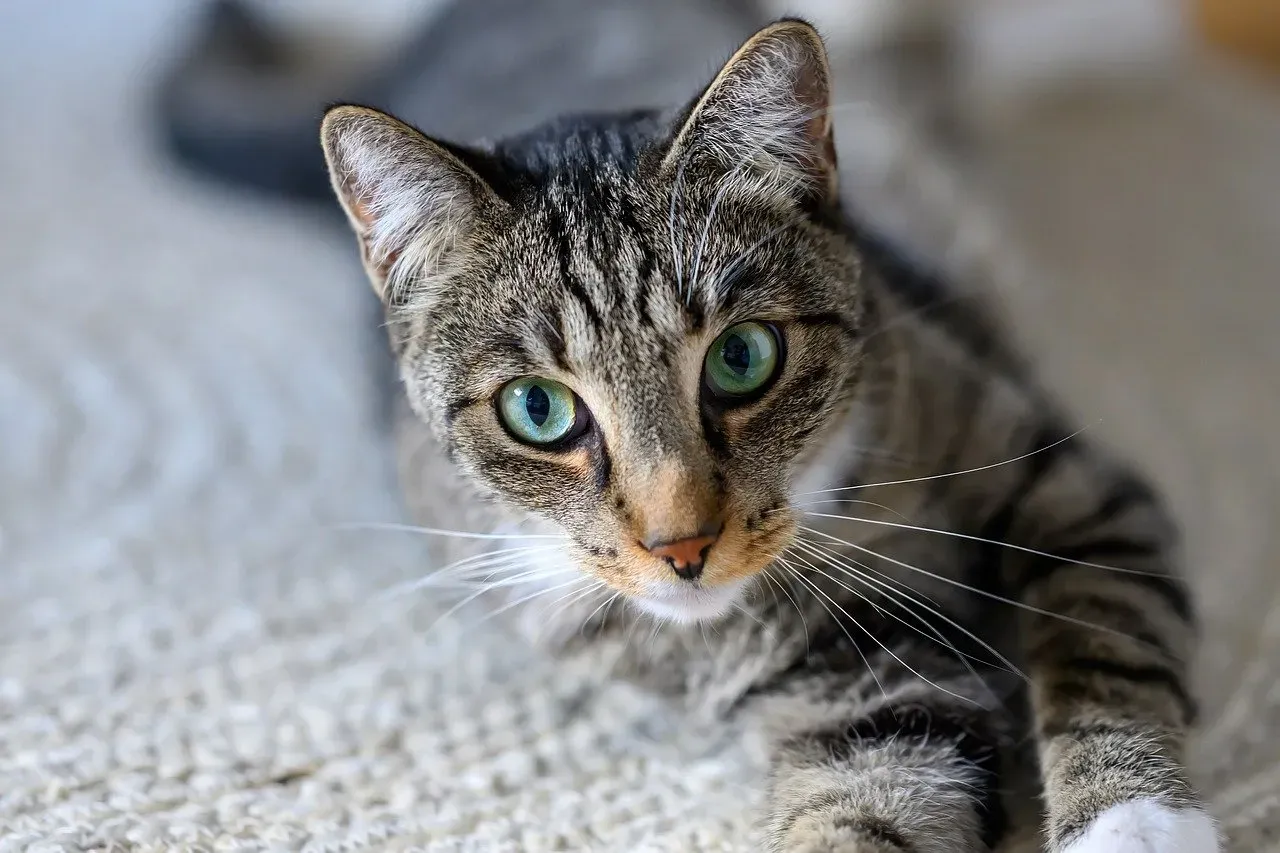
Let’s be real, most of us assume our cats are vaguely indifferent to our existence unless there’s food involved. That assumption is wildly off. Cats are highly attuned to their owners, and they can follow human signals such as pointing and gazing, and can tell their owners apart from other humans with sight and voice cues. That’s not passive awareness. That’s active, calculated attention.
The initiation and the initiator of social interactions between cats and humans have been shown to influence both the duration of the interaction bout and total interaction time in the relationship. Compliance with the interactional “wishes” of the partner is positively correlated between the cats and the humans. In other words, your cat is tracking the rhythm of your social behavior and responding accordingly. Think of it less like a pet watching its owner, and more like a very quiet roommate keeping mental notes about your reliability.
The Silent Science of Feline Judgment
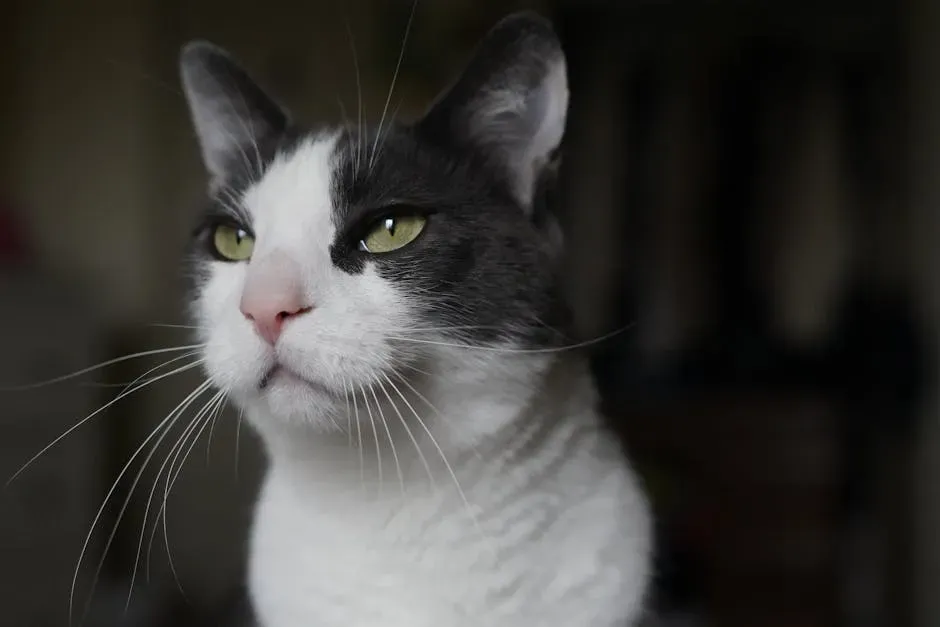
Research has shown that cats are highly intelligent and capable of complex emotions. One study found that cats are able to distinguish their owner’s voice from a stranger’s, suggesting that they can recognize different individuals. That alone should give you pause. Your voice has its own identity in your cat’s mind, and how you use it shapes how your cat responds to you every single day.
Cats are also known for their exceptional memory. They have been shown to remember people and places for years, even after only brief encounters. This ability to remember could play a role in their judgment of people and situations. Think of that the next time you accidentally step on a paw or skip playtime. Your cat is filing it away. Cats don’t forget.
Your Mood Is an Open Book to Them
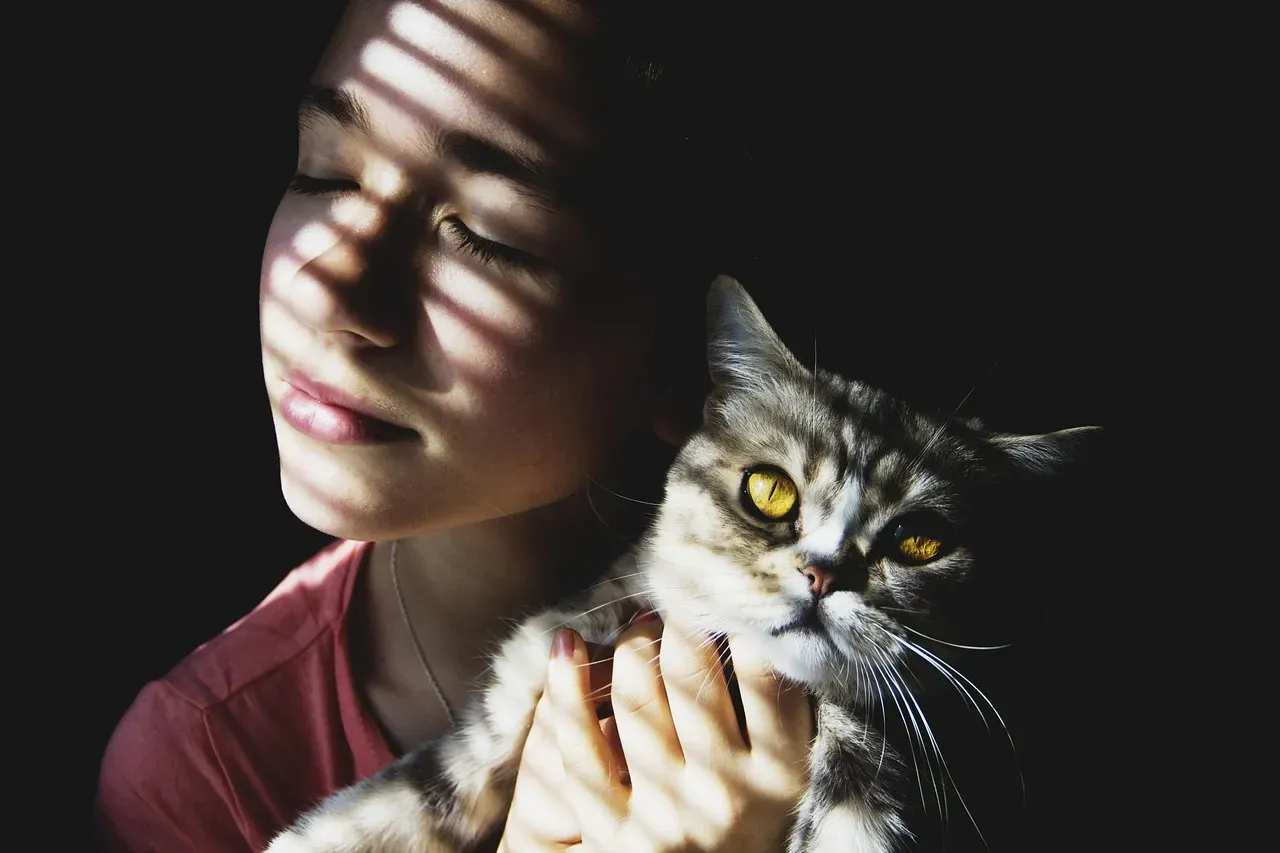
Recent studies report that cats efficiently engage in interspecific communication with humans and suggest that cats are sensitive to human emotional visual and auditory cues. It’s almost unsettling when you think about it. You might believe you’re hiding stress or sadness behind a brave face. Your cat, however, isn’t reading your face the same way a human would.
Cats are sensitive to changes in physiological parameters, such as heart rate, breathing cues, and blood pressure, which can all be symptoms of depression, stress, and anxiety. They are also highly attuned to your schedules, with even small alterations to your daily routine noted by these clever furry friends. That’s right. A slightly faster breathing pace, a change in your usual walk, skipping your regular morning routine. None of it slips past them.
They Can Actually Smell Your Fear and Happiness
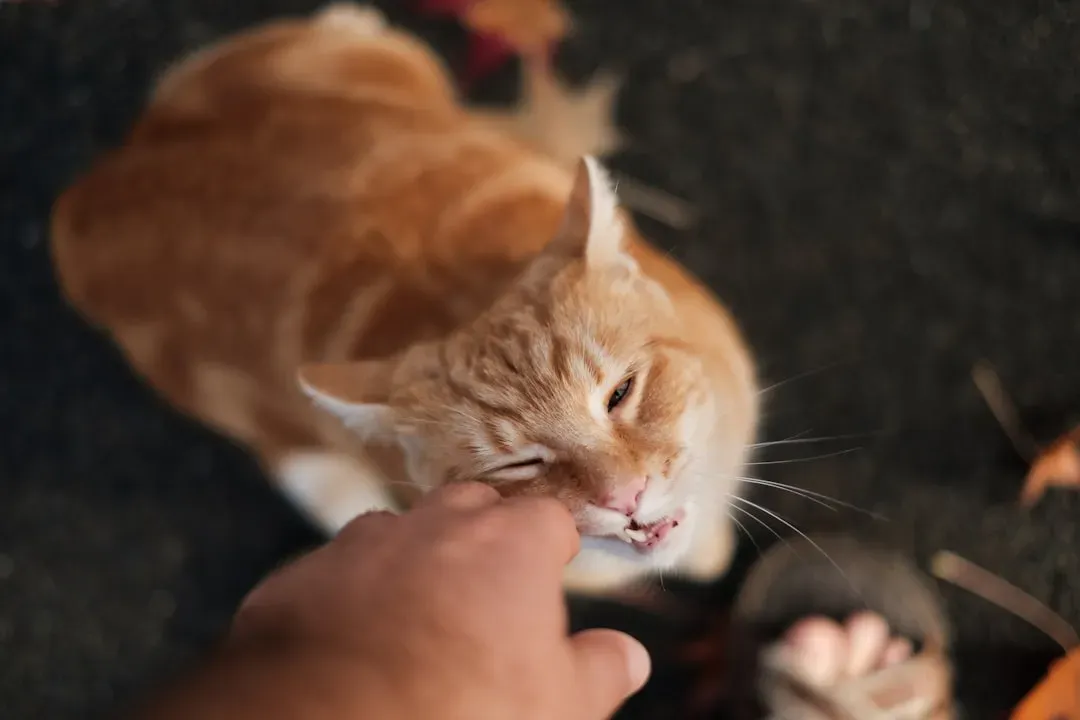
I know it sounds like something out of a thriller film, but the evidence is quite compelling. In a study, cats were presented with human odors collected in different emotional contexts including fear, happiness, physical stress, and neutral. Researchers found that “fear” odors elicited higher stress levels than “physical stress” and “neutral,” suggesting that cats perceived the valence of the information conveyed by “fear” olfactory signals and regulate their behavior accordingly.
Cats used both nostrils equally often but relied on their right nostril more when displaying severe stress behaviors while smelling “fear” and “physical stress” odors. Since the right nostril connects to the right hemisphere of the brain, responsible for processing arousal and intense emotions, this suggests that these odors trigger a higher emotional response in cats. Conversely, cats used their left nostril more frequently when displaying relaxed behaviors, activating the left hemisphere, which regulates positive and pro-social behaviors. Essentially, your cat has a built-in emotional chemistry lab pointed directly at you.
Your Behavior Shapes Your Cat’s Personality
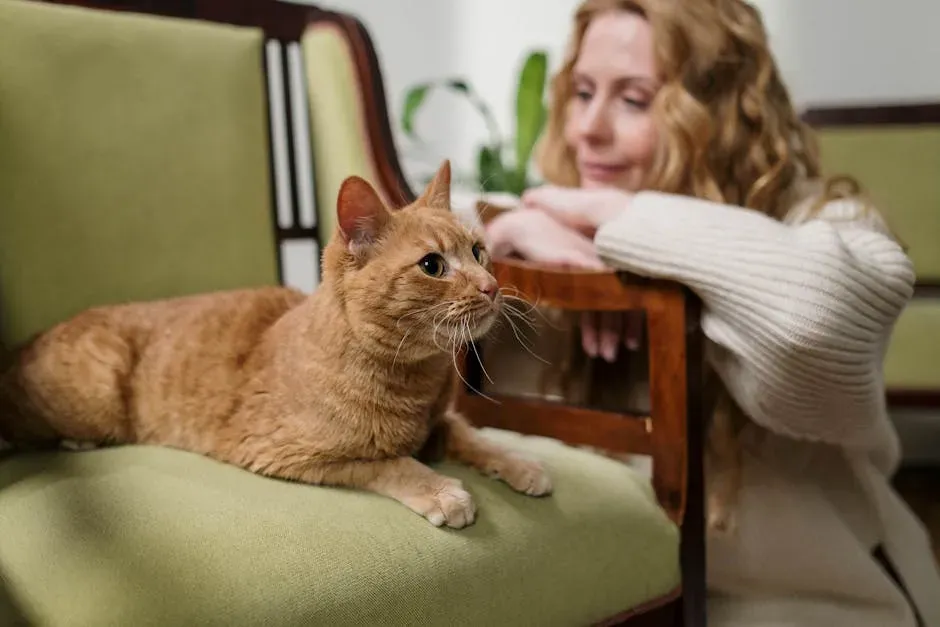
Here’s something most cat owners don’t want to hear. Your cat’s quirks, anxieties, and even health issues might be a reflection of yours. An owner’s neuroticism predicted negative health and behavioral outcomes in a cat, whereas other personality traits like openness, conscientiousness, extraversion, and agreeableness predicted positive outcomes. The connection is that direct.
Cats, merely their presence but of course their behavior, can affect human moods, and human mood differences have been shown to affect the behavior of the cats. It’s a two-way street, and a surprisingly intimate one. If you’re consistently stressed, erratic, or emotionally unpredictable, your cat isn’t just watching. Your cat is absorbing it, and living it too.
The Slow Blink: Your Cat’s Most Honest Signal
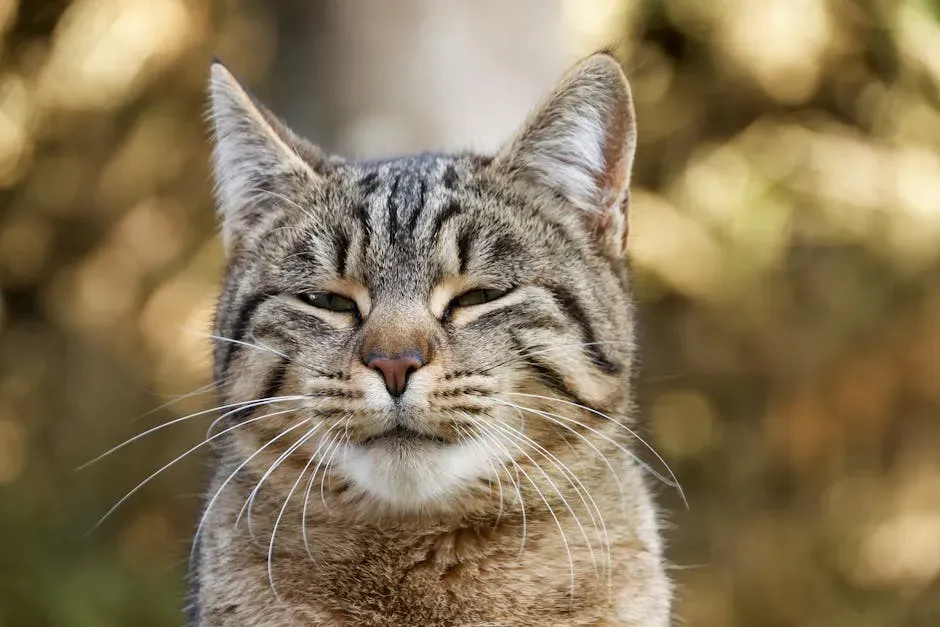
Of all the ways your cat communicates with you, the slow blink is perhaps the most eloquent. And most people walk right past it. Slow blinking in cats is often referred to as a kitty kiss or a sign of trust and affection. When a cat slow blinks at you, it’s their way of communicating comfort and relaxation in your presence. That’s your cat saying something genuinely warm, using the only language they have.
Research revealed that cat half-blinks and eye narrowing occurred more frequently in response to owners’ slow blink stimuli toward their cats compared to no owner–cat interaction. In a second experiment, cats had a higher propensity to approach the experimenter after a slow blink interaction than when they had adopted a neutral expression. You can actually initiate this. Try it. Sit quietly near your cat, soften your gaze, and slowly close and open your eyes. Many cats will blink back within seconds, which is, honestly, one of the most quietly moving things that can happen between two species.
Your Cat Is Practicing Social Referencing on You
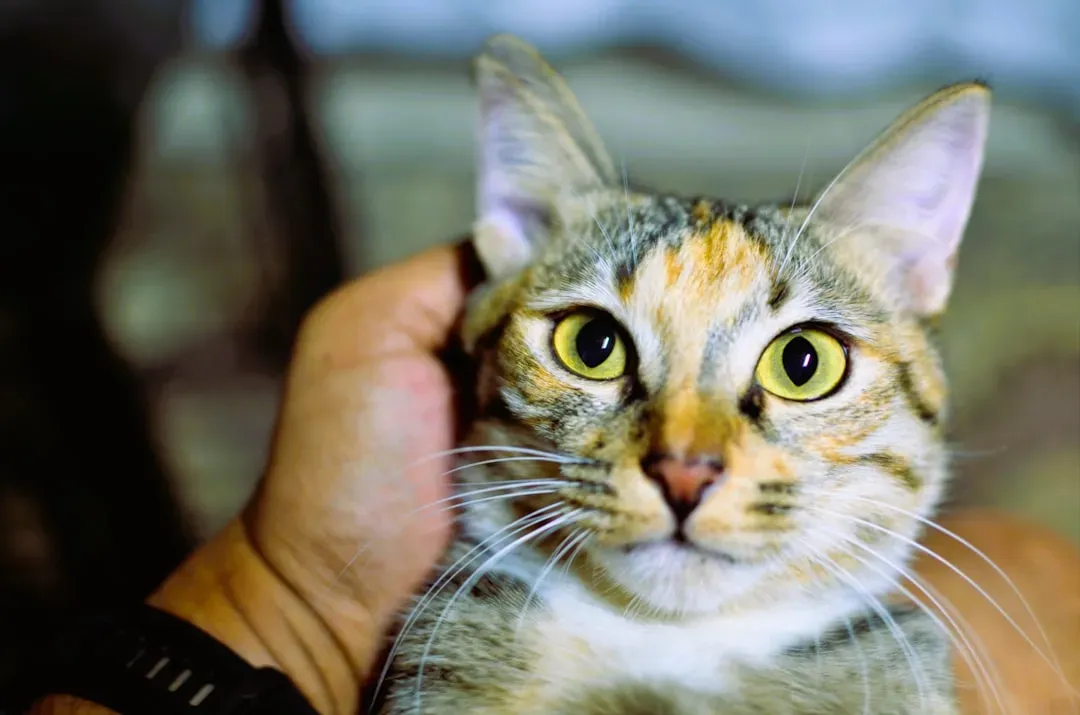
There’s a behavior in animal cognition called “social referencing,” and your cat is doing it constantly. A study by Animal Cognition showed that cats are looking at their owners for signals, or what is known as “social referencing.” In the study, researchers invited a number of cat-and-owner pairs for a social experiment, bringing pairs into a room that contained fans with streamers tied on them, with the intention of introducing an element of anxiety and uncertainty.
Some people were told to act happy about the fans, while others were told to act as if they were afraid. The result was the cats looking at their owners to see their reaction to the fans before deciding how they themselves would react. With anxiety, your cat is still looking at how you’re acting to figure out how you feel but also often mirroring that anxiety. You are, whether you like it or not, the emotional compass of your home. Your cat looks to you for cues about whether the world is safe today.
How Your Cat Tries to Take Care of You
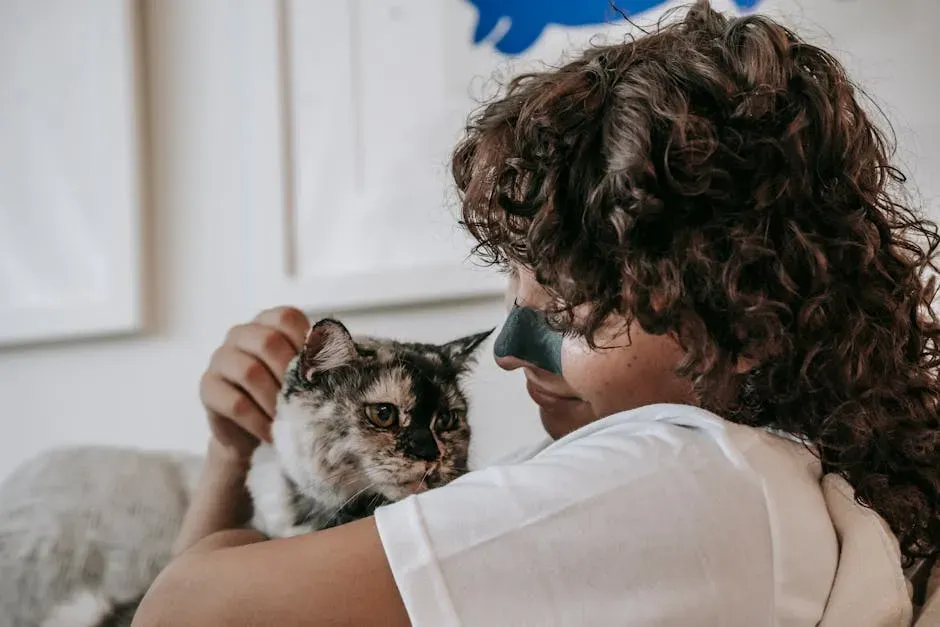
Here’s the part that tends to catch people off guard, especially those who subscribe to the idea that cats are cold and indifferent. Cats are known to comfort their owners when they are sad or upset, often by sitting on their laps or purring. This behavior suggests that they are able to sense when their owners are feeling down and want to offer comfort. That’s not coincidence. That’s a choice.
When cats sense their owners are experiencing emotional distress, they often display distinct behavioral changes. Common responses include increased affection, purring, bringing toys, staying closer to their owner, and gentle vocalizations. Some cats may also become more protective or vigilant. Think about the last time you had a terrible day and your cat appeared out of nowhere and simply sat beside you. They knew. Cat ownership can help lower your blood pressure and heart rate, reduce stress all over your body, calm anxious or negative moods, and provide a companion that offers comfort and stability. Spending time with your cat or simply being in their presence may also release the hormone oxytocin. That’s not a small thing.
Understanding Your Cat Changes Everything
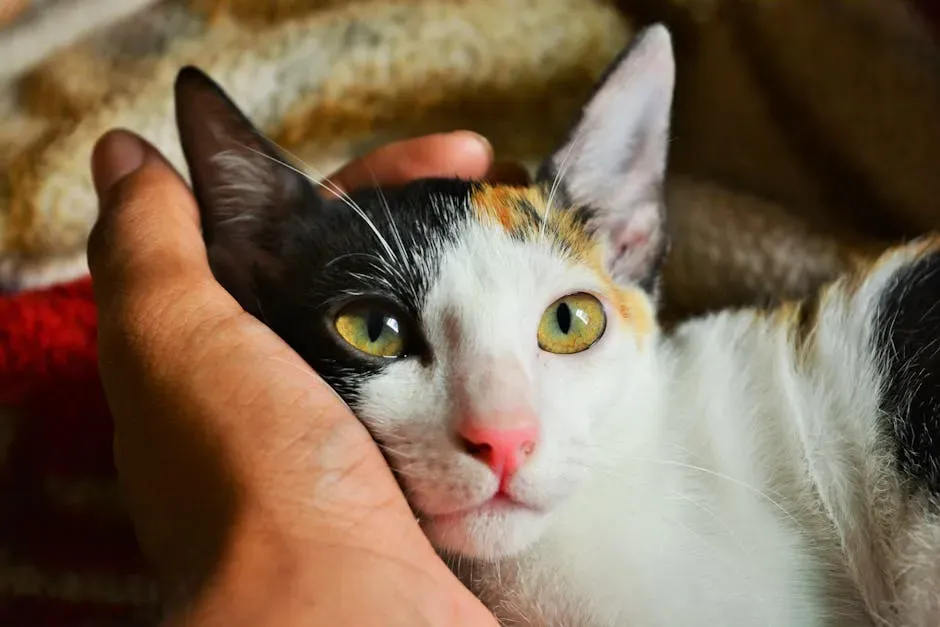
The real takeaway of all this research isn’t just that cats are observant. It’s that understanding what they observe, and responding to it thoughtfully, changes the entire dynamic of your relationship. Increasing knowledge about cat behavior is likely to be beneficial for both current and future cat owners, as it enables them to make informed decisions when deciding to acquire a cat or when dealing with an existing one. There’s a kind of respect embedded in that idea.
Human-cat interactions require accurate interpretation of cat behavioral cues to ensure welfare and safety for both species. Misinterpretation of cat communications during play can lead to unwanted interactions that prolong stress for cats and increase the risk of human injury. Learning to read your cat isn’t just a nice hobby, it’s a responsibility with real wellbeing consequences. If we understand them better, we can make sure we create an environment for them that will make them happier in their homes. A happier cat, science consistently shows, tends to mean a calmer, more emotionally balanced human too.
Conclusion: The Gaze That Means Everything
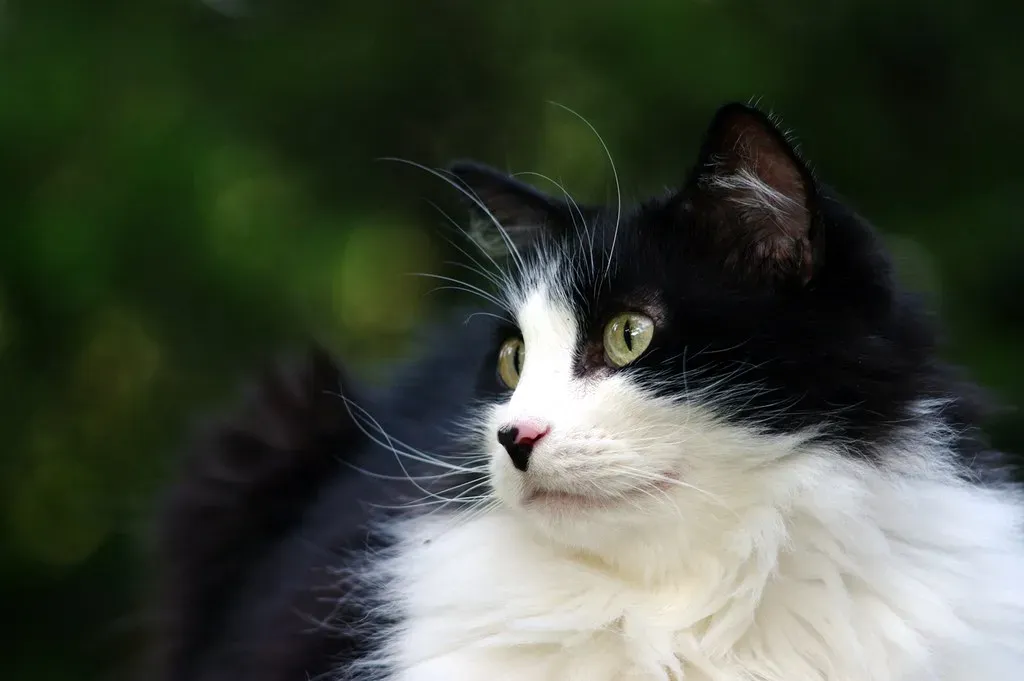
So your cat is watching you. Not because they have nothing better to do, but because you matter to them in ways that are deeper and more scientifically grounded than we ever used to believe. They smell your fear, mirror your stress, follow your routines, remember your patterns, and quietly offer comfort when you fall apart. That steady, unblinking gaze from across the room? It’s not indifference. It’s attention of the most honest kind.
The relationship you have with your cat is shaped daily by how you show up, what emotions you carry into the room, how calmly you move through your home, and whether you bother to learn the language they’re speaking. You don’t need to be perfect. You just need to be present and aware. The cat across the room is already doing their part.
So next time those eyes find yours from across the room, maybe look back a little differently. Try the slow blink. See what happens. Did your cat change how you see your bond with them? Tell us in the comments.