Picture this: you call out “Whiskers” from across the room, and suddenly those pointy ears swivel your way. Your cat might saunter over lazily or just give you that signature stare, but deep down, you suspect they’re tuning in more than they let on. Science backs up that hunch in ways that might shock you.
We’ve long thought cats were aloof lone wolves compared to eager-to-please dogs. Yet recent discoveries reveal your furry companion deciphers human speech far better than most folks realize. Ready to uncover how your cat’s secretly bilingual? Let’s explore.
Your Cat Recognizes Its Own Name
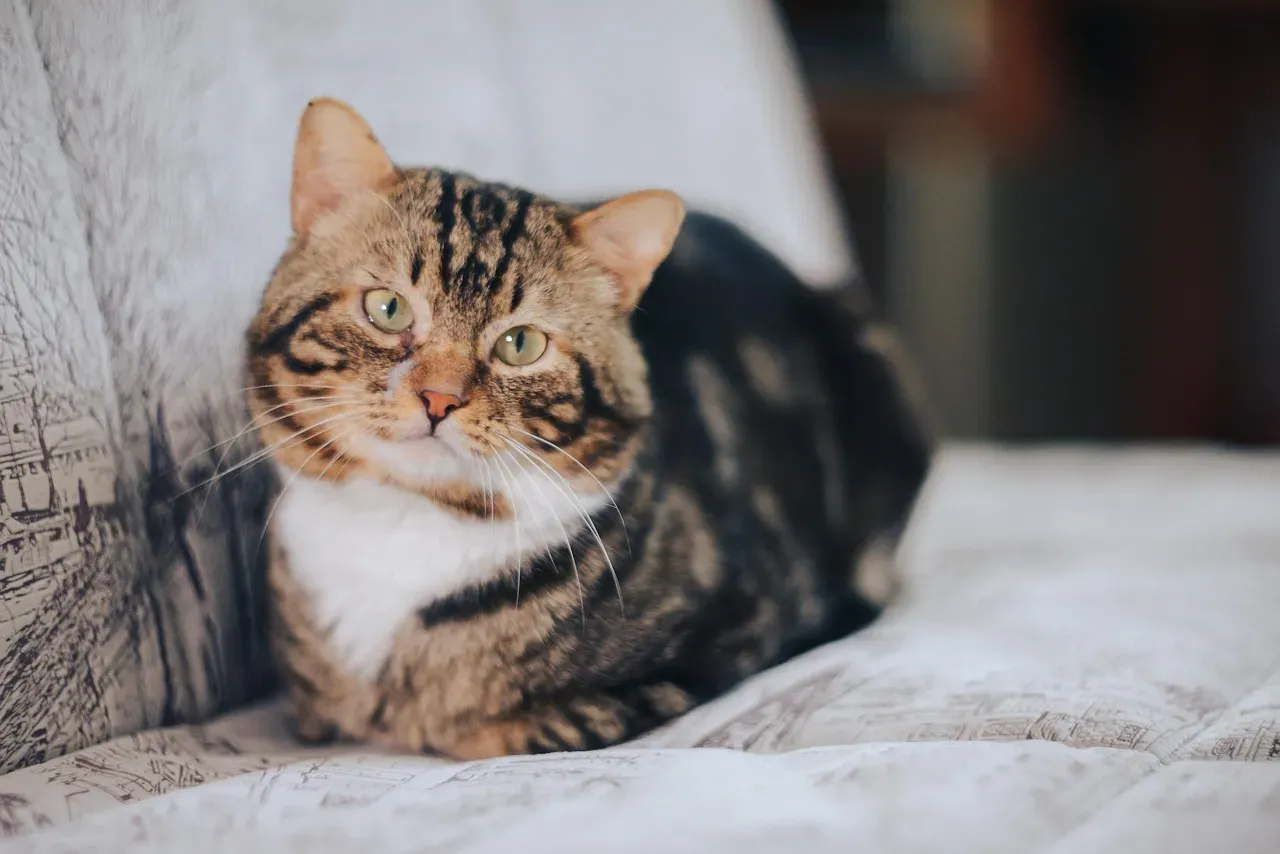
You say “Mittens,” and watch the reaction. Household cats perk up specifically to their name, even amid similar-sounding words. Researchers found they twitch ears or tails just for that one sound.
This holds true whether you or a stranger calls it. Your cat filters out noise to zero in on personal identifiers. It’s like they have a built-in caller ID for their moniker.
They Learn Names of Fellow Pets
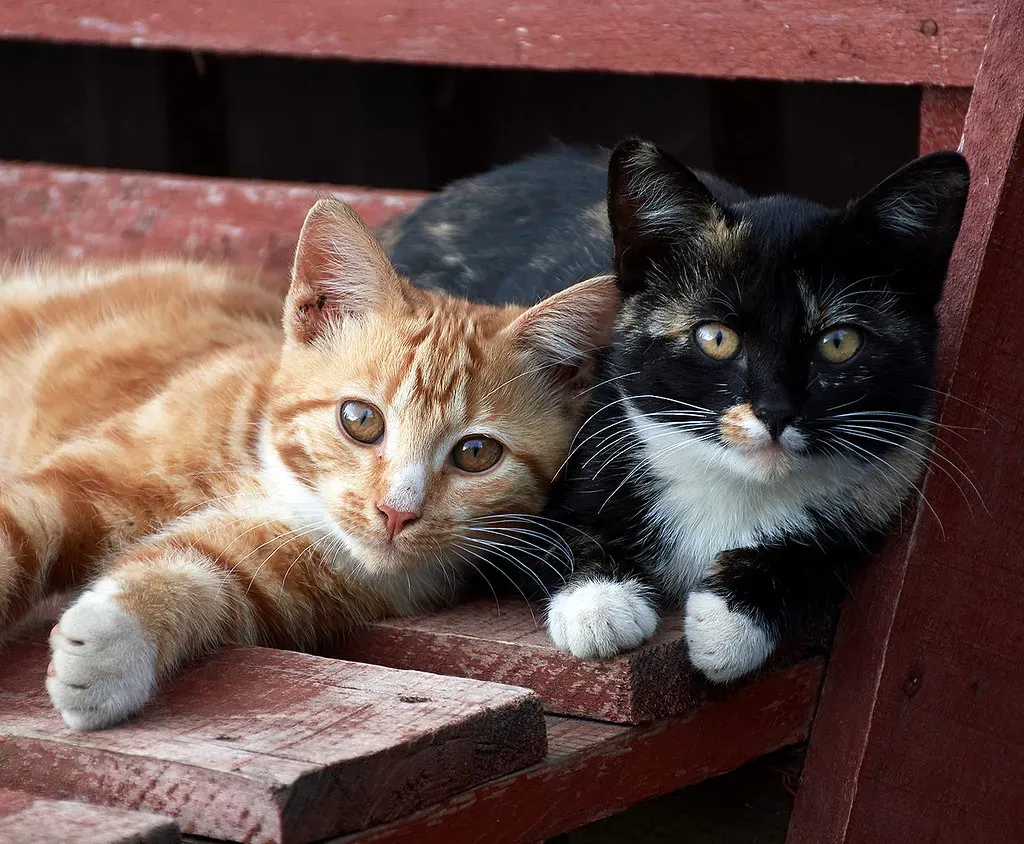
Live with multiple cats? Yours expects the right face when you mention “Shadow” or “Luna.” Household felines link companion names to visuals without any lessons. Café cats might not, but home squads do.
Your cat eavesdrops on daily chatter, piecing together who goes with what name. This third-party learning shows social smarts at play. Pretty clever for independent thinkers.
Linking Words to Pictures Quickly

New experiments prove cats pair spoken words with images fast. They match “sun” to sunny pics better than mismatched ones. Some even outpace human toddlers in this skill.
Show your cat a photo while naming it, and they lock it in rapidly. This basic word-object tie hints at deeper potential. Imagine the mental flashcards they’re building.
Everyday Cues Like Food or Play
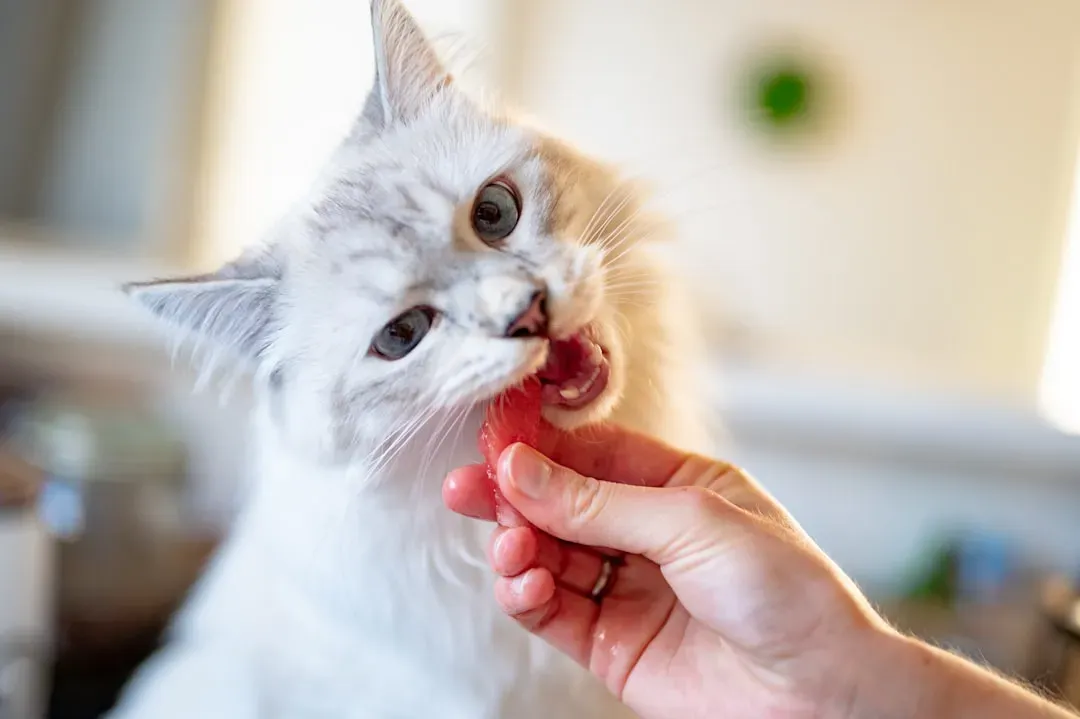
“Treat” or “dinner” gets them sprinting every time. Cats grasp 20 to 40 common words tied to rewards or routines. Your kitchen lingo isn’t lost on them.
They connect these to actions or objects through repetition. No need for fancy tricks; daily life teaches them plenty. Your cat’s vocab grows with your habits.
Commands and Simple Instructions
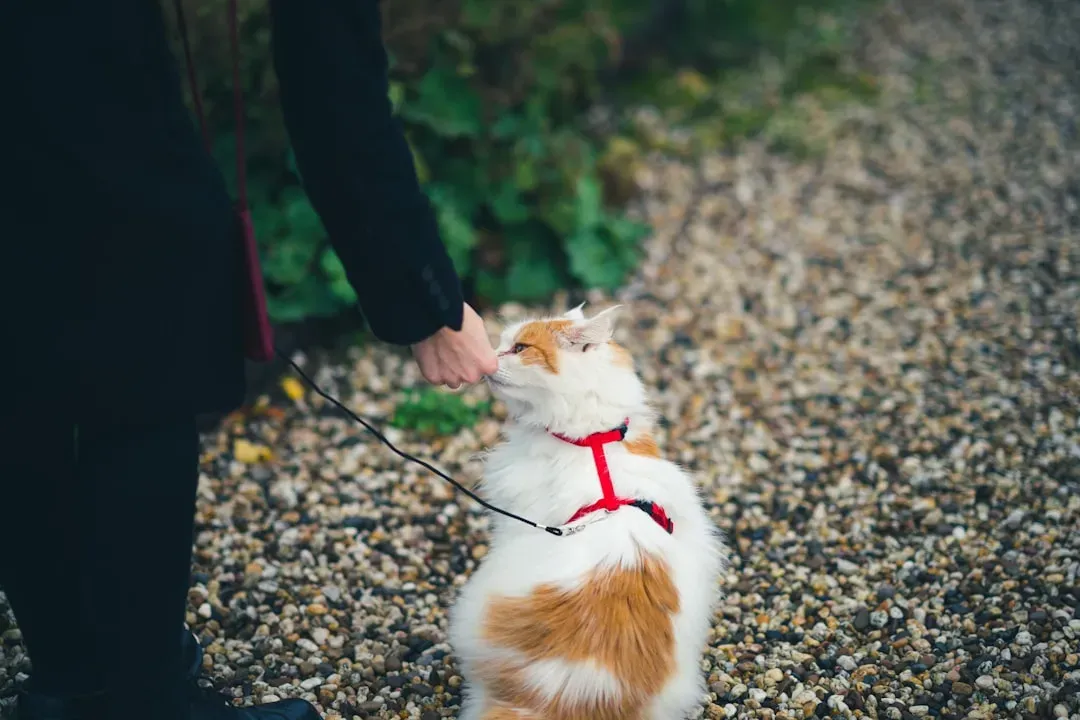
Trained cats pick up 10 to 15 cues like “sit” or “come.” Positive reinforcement expands their repertoire. You can teach more than you think with patience.
They respond best to short, clear words paired with gestures. Your voice becomes a toolkit for guidance. Start small, and watch comprehension bloom.
Tone Trumps Exact Words Sometimes
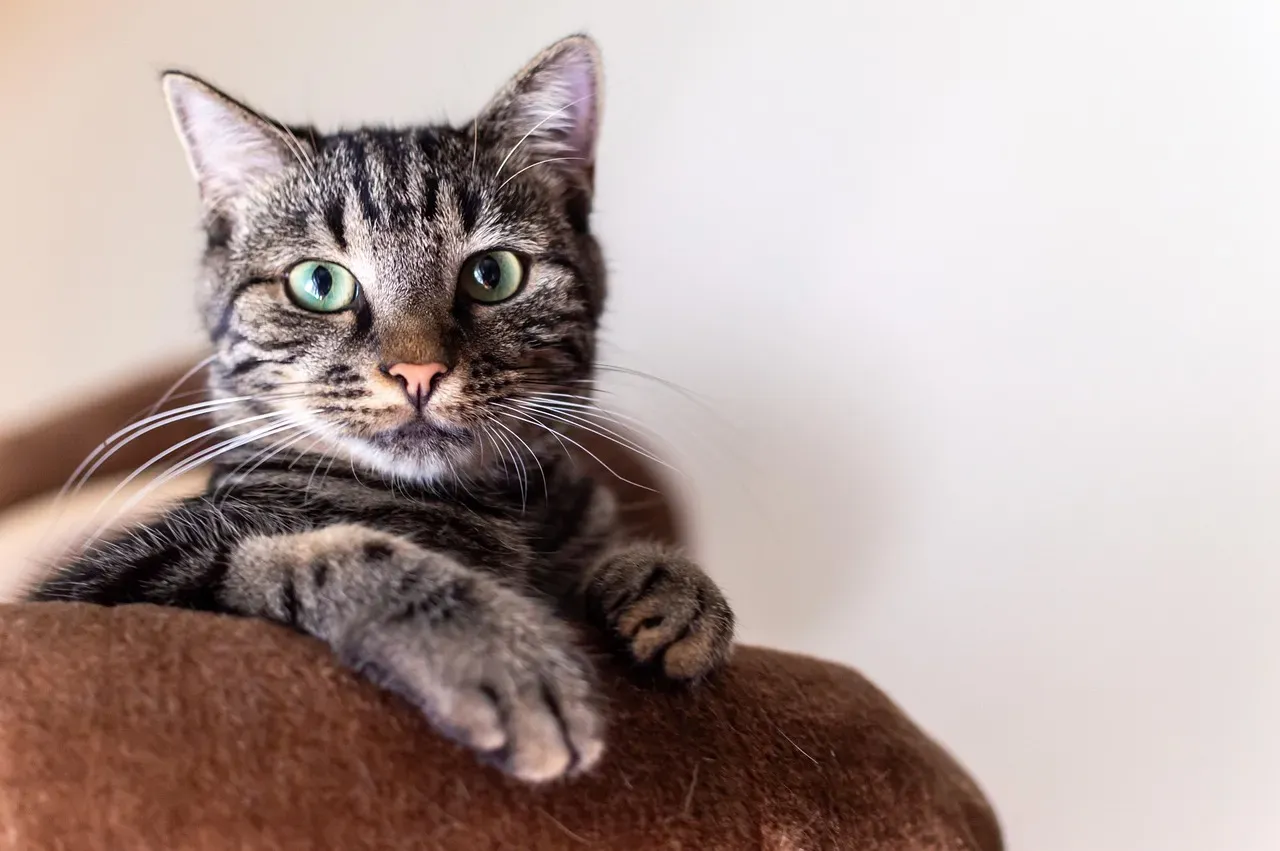
Happy voice? Your cat relaxes and approaches. Angry tones send them hiding under the bed. They read emotional inflections like pros.
Even without perfect word knowledge, pitch and rhythm clue them in. You convey moods they instinctively decode. It’s why scolding feels effective, rightly or not.
Your Voice Stands Out to Them

Cats distinguish your unique timbre from strangers. They react stronger to your calls. Familiarity breeds sharp auditory recognition.
Years together fine-tune this skill. Your cat knows it’s you before seeing you. That bond sharpens their listening game.
Not Quite Dogs, But Close Enough
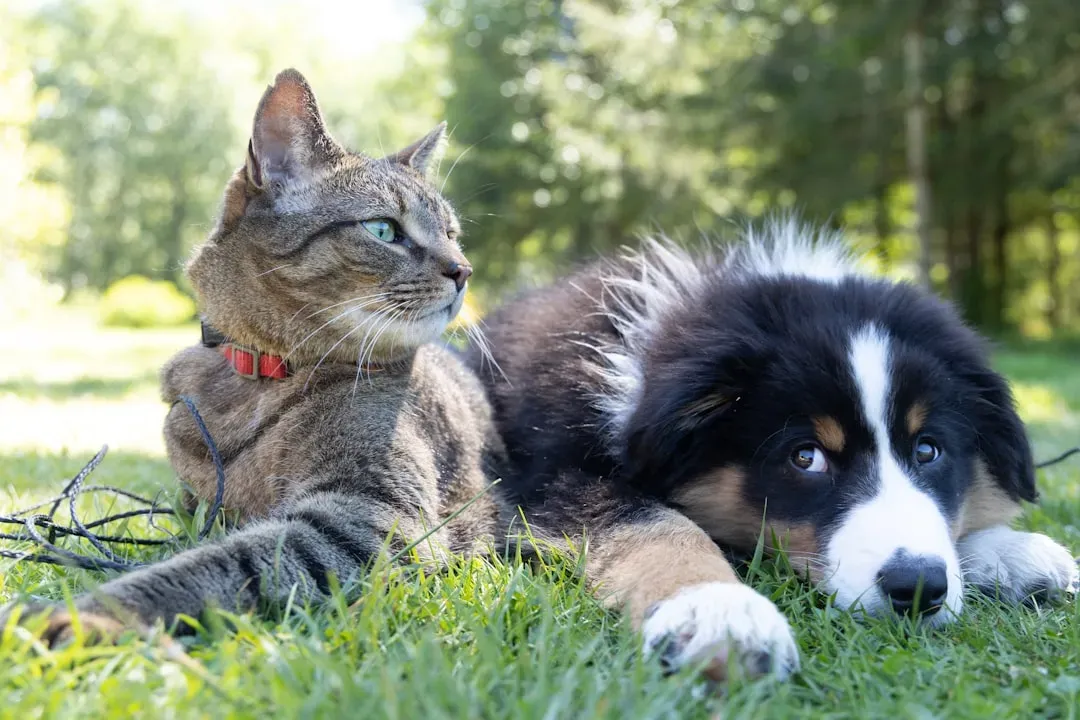
Dogs might ace hundreds of words, yet cats hold their own in associations. They self-domesticate smarts without dog-like breeding. Recent work shows linguistic awareness rivals pups in spots.
Your independent cat chooses when to show off. They prioritize relevance over rote recall. Give them credit; they’re no slouches.
Training Unlocks Even More
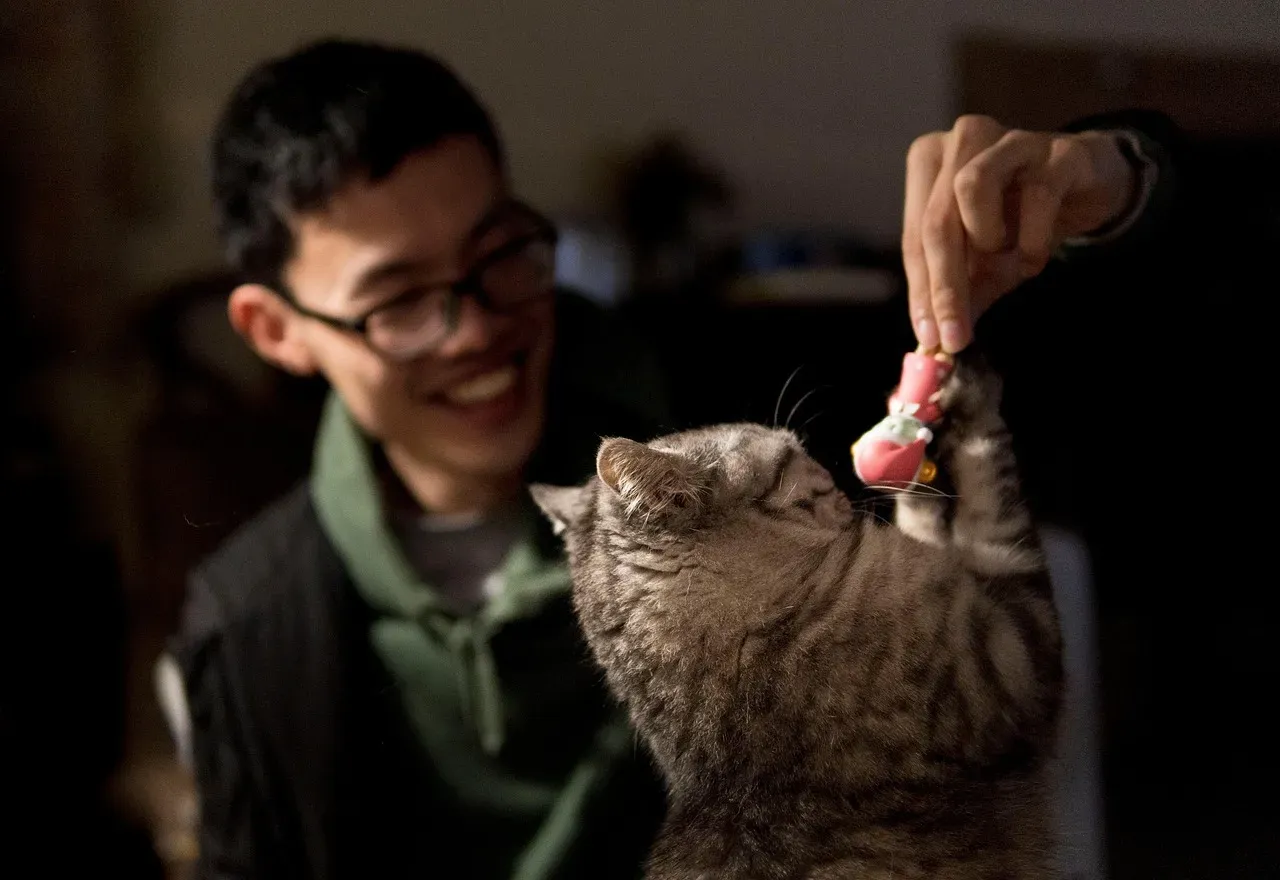
Clicker sessions build vocab beyond basics. Reward-based practice links words to behaviors. Your cat thrives on consistency here.
Short daily drills yield big gains. They surprise you with recall or tricks. Patience reveals hidden depths.
Conclusion: Talk More to Your Cat
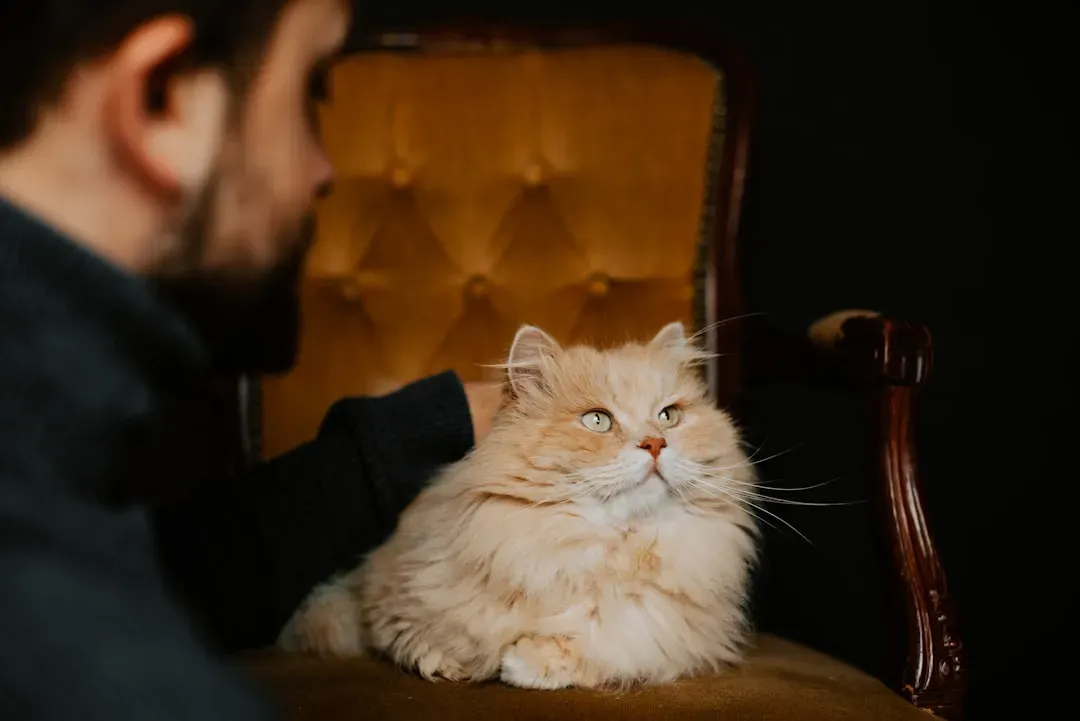
Your cat catches way more than meows suggest. From names to treats, they’re wired for your world. Keep chatting; it strengthens that silent understanding.
Next time those eyes lock on yours mid-sentence, know they’re listening. What word will you teach today? Share your cat’s smartest moments below.